
This lesson explores the critical signage and markings governing bus stops and designated passenger loading zones. You will learn how to correctly position your vehicle for safe boarding, follow legal requirements, and manage passenger flow during peak periods as part of your passenger vehicle training.
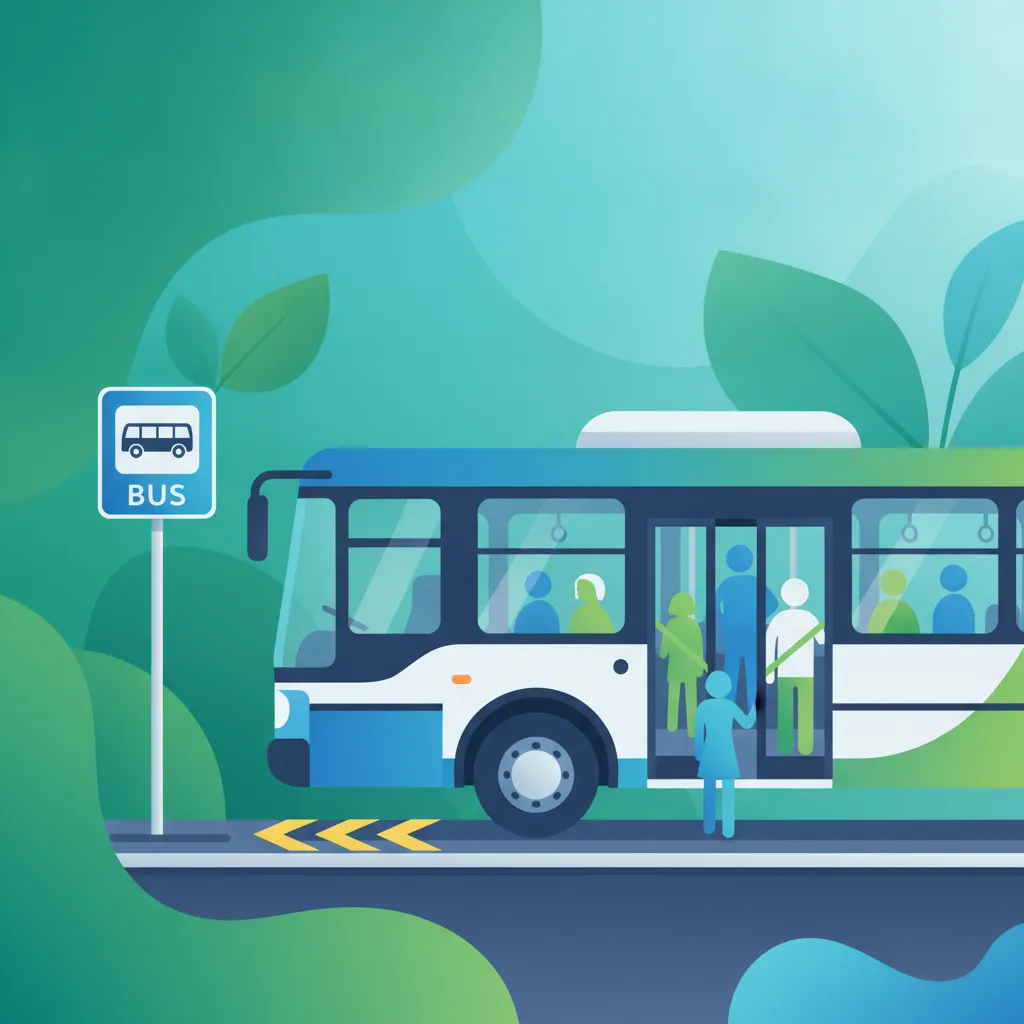
Lesson content overview
Operating a passenger vehicle in Great Britain, especially a bus, coach, or minibus, demands a thorough understanding of designated stopping areas. This lesson provides essential knowledge for professional drivers pursuing their Category D, D1, D1E, or DE licence within the Great Britain Passenger Vehicle Theory curriculum. Mastering the specific signage, road markings, and legal requirements associated with bus stops and passenger loading zones is paramount for ensuring passenger safety, maintaining efficient service, and complying with the Highway Code and statutory regulations.
The safe and efficient operation of public transport relies heavily on clear communication through road signs and markings. For bus, coach, and minibus drivers, understanding bus stop signage and passenger loading zones is not merely about following rules; it's about safeguarding passengers, pedestrians, and other road users. This knowledge forms the bedrock for effective route planning, seamless passenger flow management, and adherence to legal obligations such as those outlined in the Equality Act 2010.
Without precise adherence to these guidelines, drivers risk creating hazardous situations, obstructing traffic, and incurring penalties. This chapter delves into the intricacies of identifying, interpreting, and correctly interacting with these vital infrastructure elements, ensuring you are fully prepared for both your theory test and professional career.
Bus stop signage plays a crucial role in alerting drivers and passengers to designated stopping areas. These visual cues are designed to create predictable environments, reducing the risk of collisions and ensuring smooth operations.
The most common indicator of a bus stop is a distinctive red rectangular sign, often displaying the words "BUS STOP" in white text. These signs are typically mounted on a pole adjacent to the stopping area. While "BUS STOP" is standard, variations may include "TRAIN STOP" for intermodal services where buses connect directly with rail lines, especially in larger transport hubs.
These signs serve multiple purposes. For bus drivers, they confirm the official stopping point, indicating where passengers expect to board or alight. For other road users, they act as an advance warning, prompting them to anticipate potential bus movements, such as a bus pulling in or out, or passengers crossing the road.
In certain locations, particularly on high-speed roads or approaches with limited visibility, smaller advance warning signs may be placed a short distance before the main bus stop. These signs give drivers extra time to prepare for an upcoming stop, allowing for safe deceleration and observation of the stop area.
Conversely, stop confirmation signs are sometimes positioned just beyond the loading zone, signifying the end of the designated stopping area. This helps clarify the precise boundaries within which a bus must operate. For professional drivers, recognising these supplementary signs is key to maintaining proper road discipline and anticipating operational requirements well in advance.
A Designated Passenger Loading Zone (PLZ) is a specific area, demarcated by both road markings and sometimes supplementary signage, where a bus may legally stop to pick up or drop off passengers. These zones are fundamental to managing traffic flow, enhancing safety, and ensuring efficient public transport services.
PLZs are typically identified by distinctive road markings, which may include white zig-zag lines, solid white lines, or clearly painted box-like areas. These markings outline the precise dimensions within which a bus must position itself. The driver's responsibility is to ensure the entire vehicle is contained wholly within these boundaries, without protruding into adjacent traffic lanes or obstructing pedestrian pathways.
Failure to position the bus correctly can lead to fines, increase the risk of collision, and hinder the flow of other traffic. It is crucial to align the bus doors with the kerb to facilitate safe and accessible boarding and alighting for all passengers.
Passenger loading zones can vary depending on their location and operational requirements:
Understanding the specific type of PLZ and its associated rules is vital for compliance and avoiding penalties under local traffic orders, such as those issued under the Road Traffic Regulation Act 1984.
Dwell time refers to the maximum period a bus may remain stationary at a loading zone for the purpose of passenger exchange. Efficient dwell time management is critical for maintaining service schedules, preventing traffic congestion, and ensuring passenger safety.
The general rule for unscheduled stops in Great Britain is a standard dwell time of 30 seconds. This allows sufficient time for passengers to board and alight safely without causing undue delay to other road users. Drivers should actively monitor the time spent at each stop and prepare to depart promptly once the 30-second limit is approached, assuming all passengers have completed their movements.
In specific circumstances, an extended dwell time of up to 2 minutes may be permitted. These situations typically occur at designated timed stops, during busy periods (such as rush hour at major transport hubs), or when assisting passengers with reduced mobility. It is essential for drivers to confirm any extended dwell time allowances by checking local signage or route instructions.
Exceeding the permitted dwell time, unless genuinely justified by passenger assistance needs, can lead to several negative outcomes. This includes disruption to traffic flow, increased congestion, and potential legal enforcement under local traffic orders. Excessive dwell times can also impact route scheduling and the overall efficiency of public transport networks. Drivers must exercise sound judgment and prioritise safety while also adhering to these time limits.
Driver visibility and a cautious approach are paramount when interacting with bus stops and passenger loading zones. Professional drivers must maintain a clear view of the stop area, surrounding traffic, pedestrians, and potential obstacles at all times.
Safe operation demands comprehensive visibility:
Before stopping, drivers must assess the stop area for any obstructions, ensure that the bus doors will open safely to the kerb without hitting obstacles, and confirm that pulling into the stop will not create a collision risk with other vehicles.
A StepList outlines the key procedures for approaching and departing a bus stop safely:
Scan Ahead: Identify the bus stop signage and loading zone markings well in advance.
Signal Intentions: Activate indicators early to signal your intention to pull into the stop, allowing other drivers time to react.
Check Mirrors and Blind Spots: Continuously monitor surrounding traffic, especially vulnerable road users like cyclists and motorcyclists, before altering your course.
Position Correctly: Steer smoothly into the loading zone, ensuring the bus is wholly within the marked bay and aligned parallel to the kerb, with doors positioned for safe boarding/alighting.
Activate Hazard Lights (if necessary): Use hazard lights if your stopped bus creates a potential hazard, especially in low visibility or high-traffic areas, to alert other road users.
Observe Dwell Time: Manage passenger movements efficiently to adhere to prescribed dwell times.
Final Checks Before Departure: Before moving off, perform thorough mirror checks, shoulder checks, and a final scan for pedestrians or cyclists near the bus.
Signal and Depart Smoothly: Indicate your departure intention, give way to any relevant traffic, and pull away smoothly and safely.
The provision of accessible services for all passengers, especially those with reduced mobility, is a legal requirement under the Equality Act 2010. Professional bus drivers have specific responsibilities to ensure that boarding and alighting facilities are used correctly and safely.
Many modern buses are equipped with features designed to improve accessibility:
Drivers must be proficient in activating these provisions. Crucially, ramps should only be deployed when the bus is fully and safely positioned within the designated passenger loading zone, ensuring the ramp extends correctly to a stable kerb without obstructing other road users.
The Equality Act 2010 places a legal duty on service providers, including bus operators, not to discriminate against disabled passengers and to provide reasonable adjustments to ensure inclusive passenger service. This means drivers must actively assist passengers with reduced mobility, patiently allow extra time for boarding/alighting, and correctly use all available accessibility equipment. Refusal to provide reasonable assistance or improper use of equipment can lead to legal penalties and severe consequences for the operator and driver.
Adhering to designated loading zones is not just best practice; it is a legal requirement. Stopping for passenger loading or unloading outside these marked areas is generally prohibited unless specific conditions are met.
Buses may only stop in non-designated areas in a very limited number of exceptional circumstances:
Stopping elsewhere without valid justification can result in fixed penalty notices, fines, and potentially points on a licence, not to mention the increased risk to passenger safety.
Bus stops are dynamic environments where various road users converge. Professional drivers must be acutely aware of their surroundings and interact responsibly with pedestrians, cyclists, motorcyclists, and other vehicle drivers.
Pedestrians are often present around bus stops, waiting to board, alighting, or simply passing by. Drivers must always give priority to pedestrians crossing at or near a bus stop. This means stopping and allowing them to cross safely before moving off. Ensure the alighting area is clear, well-lit, and safe, especially when passengers are stepping directly onto a pavement.
Cyclists and motorcyclists can be particularly vulnerable around bus stops.
Use clear and timely signals when approaching and departing a bus stop. This helps other drivers anticipate your movements and adjust their speed and position accordingly. In situations of low visibility or where the bus might present an unexpected hazard, utilising hazard warning lights can significantly increase the awareness of other road users. However, use them judiciously to avoid confusion.
Driving a passenger vehicle means constantly adapting to diverse conditions. Bus stop procedures are no exception, requiring drivers to modify their actions based on environmental factors and specific situations.
Understanding common violations helps drivers prevent them, ensuring safety and compliance.
| Violation | Why It's Wrong | Correct Behaviour | Potential Consequence |
|---|---|---|---|
| Stopping outside a designated loading zone | Obstructs traffic flow, illegal, and creates hazards. | Stop only within clearly marked PLZs or where local orders explicitly permit. | Fine, penalty points, increased collision risk. |
| Overstaying dwell time limit | Causes congestion, impacts schedules, frustrates other drivers. | Monitor time; depart promptly unless an extended dwell is genuinely justified (e.g., passenger assistance). | Fine, enforcement action by local authority. |
| Overtaking a stopped bus that is loading | Violates Highway Code Rule 146, endangers passengers and pedestrians. | Remain behind the bus until it has fully moved away from the loading zone. | Collision, injury, fine, penalty points. |
| Improper wheelchair ramp deployment | May block traffic, increase accident risk, injure passengers. | Ensure the bus is wholly stationary and correctly positioned within the PLZ before deploying the ramp. | Legal liability, passenger injury, obstruction fine. |
| Failing to give way to pedestrians | Violates pedestrian right-of-way, risk of collision. | Always stop and allow pedestrians to cross safely before moving off. | Injury, legal action, public trust damage. |
| Blocking a cyclist lane | Endangers vulnerable road users, causes them to swerve. | Keep the loading area clear of adjacent cycle lanes; position the bus to avoid encroachment, ensuring 1.5m clearance. | Fine, cyclist collision, injury claims. |
| Ignoring "Stop" signs or timing restrictions | Leads to illegal stopping and potential congestion. | Observe all posted time limits and only load when signs permit. | Penalty, enforcement action. |
| Using hazard lights unnecessarily | May mislead other drivers about a genuine road hazard. | Use hazard lights only if the bus genuinely poses a danger or obstruction (e.g., low visibility, breakdown). | Confusion for other drivers, potential fine. |
Always perform thorough shoulder checks and use mirrors/cameras to monitor blind spots before departing from a loading zone. This is crucial for detecting motorcyclists or cyclists who may have moved into your blind spot while you were stationary.
This lesson has provided a comprehensive overview of bus stop signage and passenger loading zones, crucial for all Great Britain Passenger Vehicle Theory drivers. To further solidify your understanding and prepare for your licence, explore related topics and practice scenarios.
Explore all units and lessons included in this driving theory course.
Lesson content overview
Explore all units and lessons included in this driving theory course.
Explore search topics learners often look for when studying Bus Stop Signage and Passenger Loading Zones. These topics reflect common questions about road rules, driving situations, safety guidance, and lesson level theory preparation for learners in Great Britain.
Browse additional driving theory lessons that cover connected traffic rules, road signs, and common driving situations related to this topic. Improve your understanding of how different rules interact across everyday traffic scenarios.
Learn to identify and interpret standard bus stop signs, advance warnings, and road markings for passenger loading zones in urban environments. Essential theory for Great Britain Category D licence.
This lesson examines the unique rules and restrictions governing buses and coaches, focusing on bus lane priority, time-based restrictions, and loading zone limitations. Learners will explore the criteria for using bus-only routes and understand the legal consequences of non-compliance. The content also reviews signage indicating bus gate operation and areas where passenger vehicles are prohibited from stopping or loading outside of designated zones, ensuring lawful and efficient urban navigation.
This lesson covers the full range of road signs encountered by passenger vehicle drivers, focusing on regulatory, warning, and informational signs. It explains the visual characteristics of sign shapes, colors, and symbols, particularly those associated with bus lane usage and priority rules. By mastering sign hierarchy and meaning, drivers can quickly interpret the sign's intent and adjust their driving behaviour accordingly, ensuring full compliance with the Highway Code and enhancing road safety.
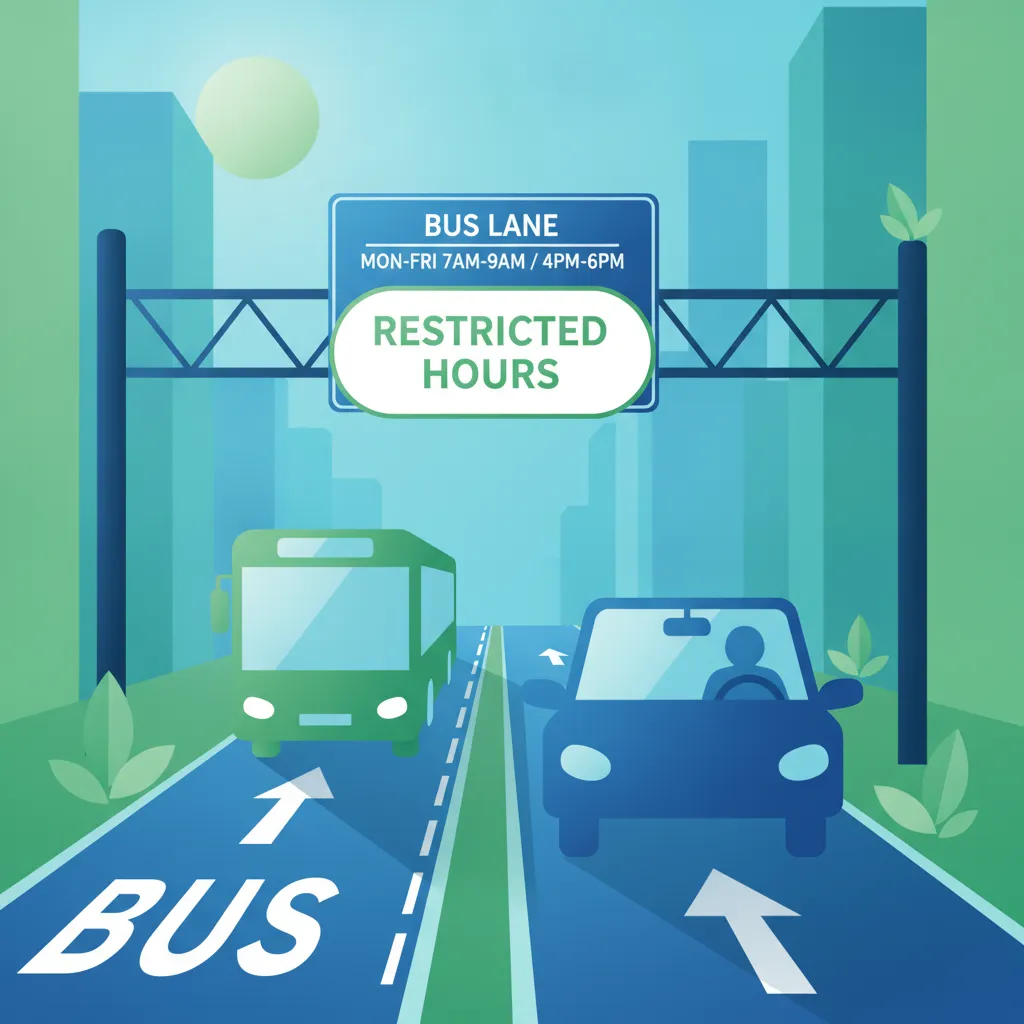
This lesson covers the importance of maintaining correct lane discipline when driving a large passenger vehicle. It details how to position your vehicle safely within a lane on various road types, including multi-lane carriageways and motorways. You will learn the specific rules governing bus lanes, including how to interpret markings, adhere to operating times, and understand the exemptions and penalties associated with their use to ensure legal and efficient driving.
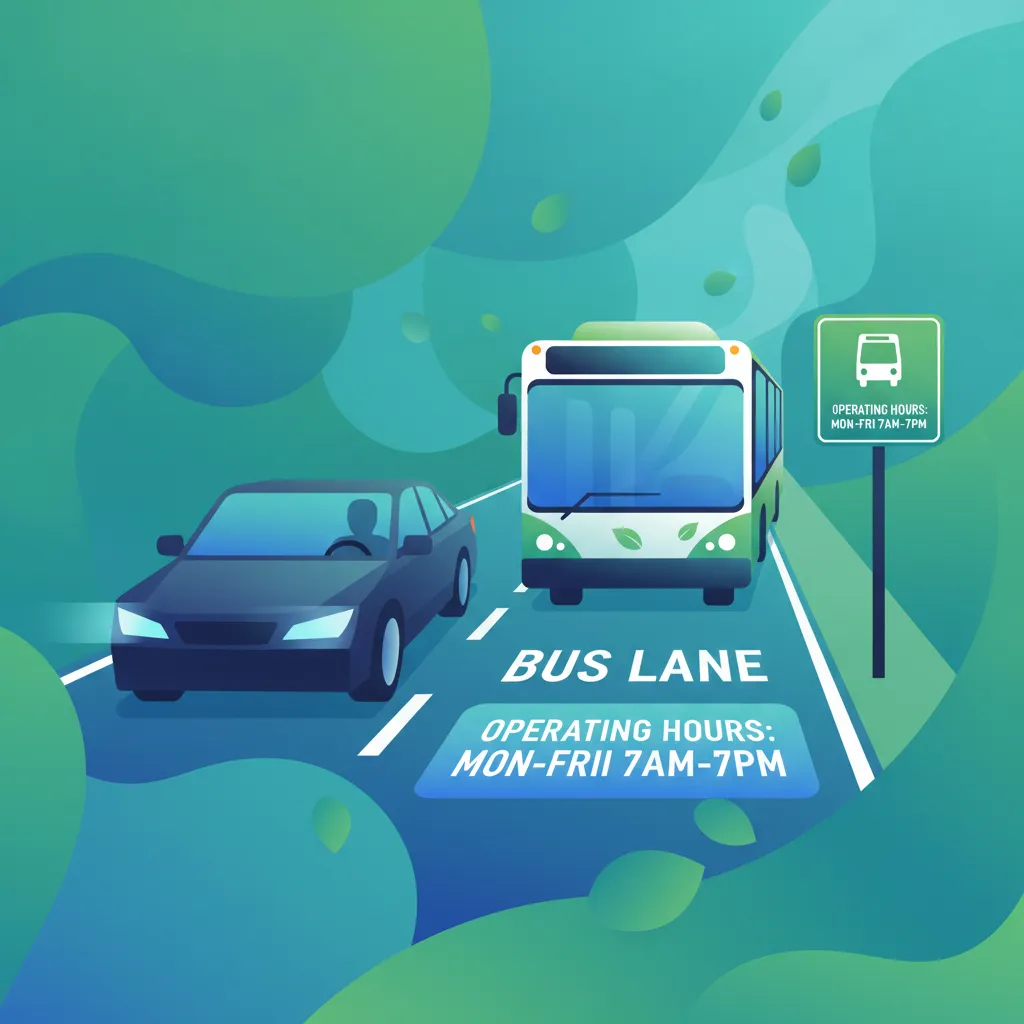
This lesson explores the specifics of bus lane markings, operating times, and priority situations where buses have precedence over other traffic. It emphasizes correct lane discipline, lawful entry and merging practices, and the exemptions granted to designated passenger vehicles. Learners will also understand how bus lane enforcement works and what penalties may be incurred for non-compliance, ensuring safe and efficient movement through urban traffic systems.
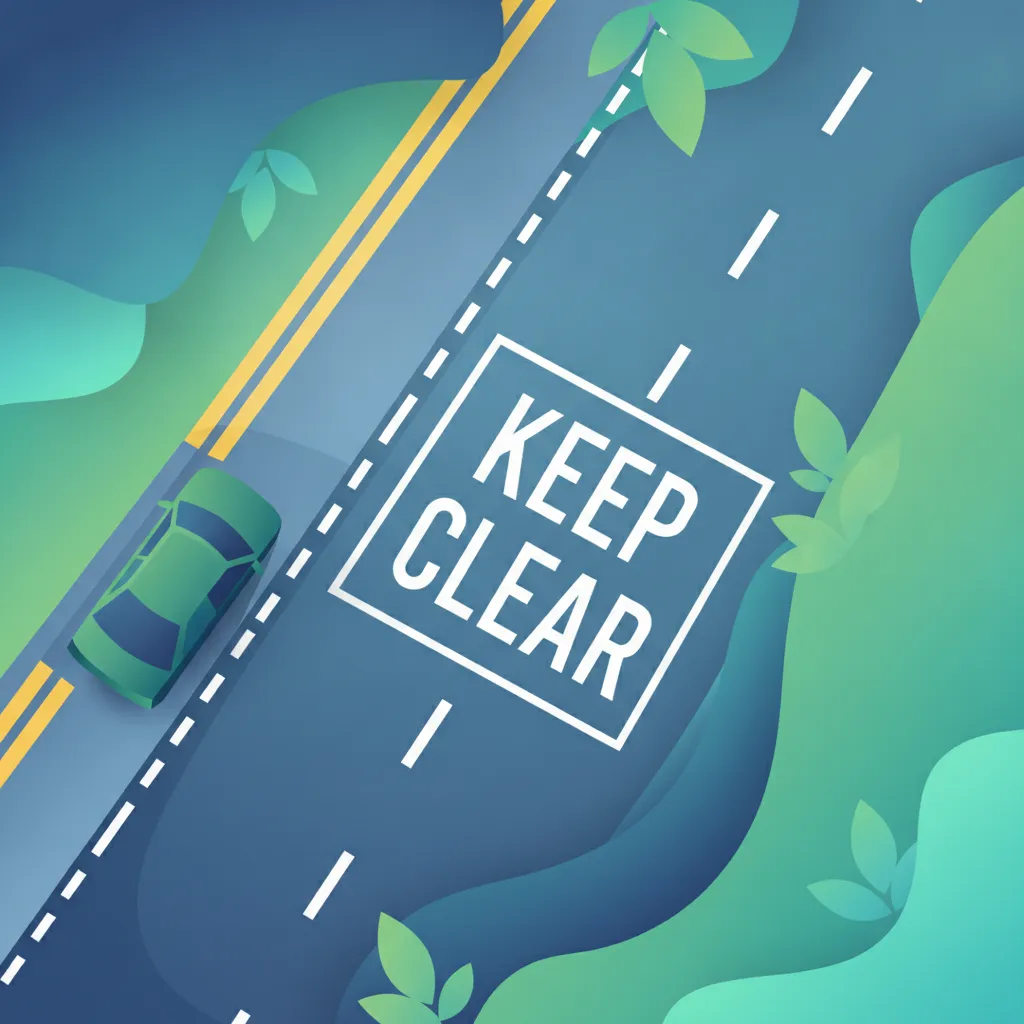
This lesson explains markings found at the side of the road that regulate parking and stopping. You will learn the meaning of single and double yellow lines, and the stricter rules associated with red lines on 'Red Routes'. The lesson also covers markings for parking bays, loading zones, and hatched areas that are designed to separate traffic.

This lesson examines the design and operation of urban bus stops and how passenger flow can be managed efficiently. It covers strategies for crowd control, dwell time minimization, effective queuing systems, and proper loading zone utilization. It also explores how bus stop signage and clear passenger information can aid in smooth boarding and alighting. Mastering these skills enhances overall safety, improves service quality, and maintains schedule reliability in challenging urban environments.
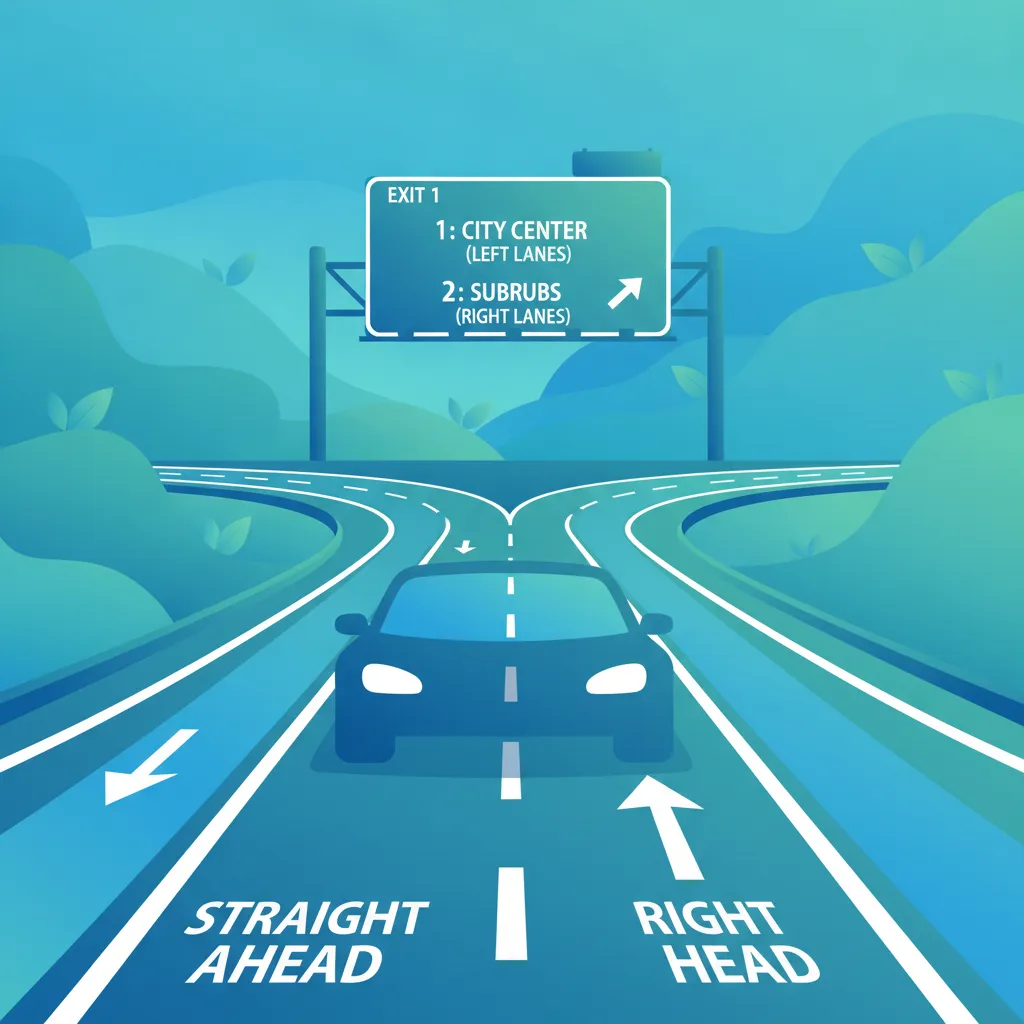
This lesson focuses on the rules conveyed by road markings, such as solid and broken white lines that dictate overtaking rules and lane boundaries. You will learn to interpret waiting and stopping restrictions indicated by yellow and red lines, and understand markings for specific road users like bus and cycle lanes. Maintaining correct lane discipline based on these markings is a fundamental skill for safe navigation and compliance with the Highway Code.
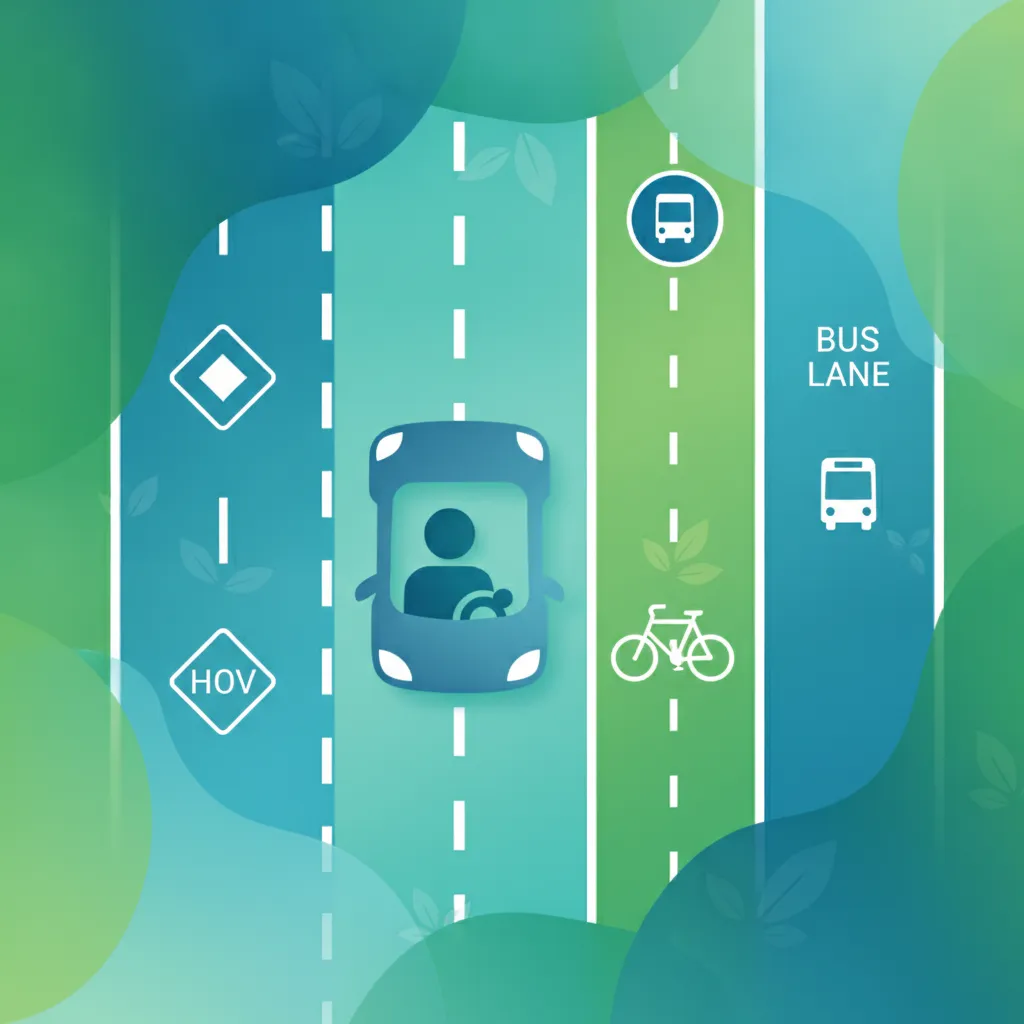
This lesson covers lanes designated for specific types of traffic to improve flow and safety. You will learn to identify mandatory and advisory cycle lanes, and understand the signs indicating the operational hours of bus lanes. The rules governing these lanes are critical for avoiding penalties and ensuring the safety of all road users.
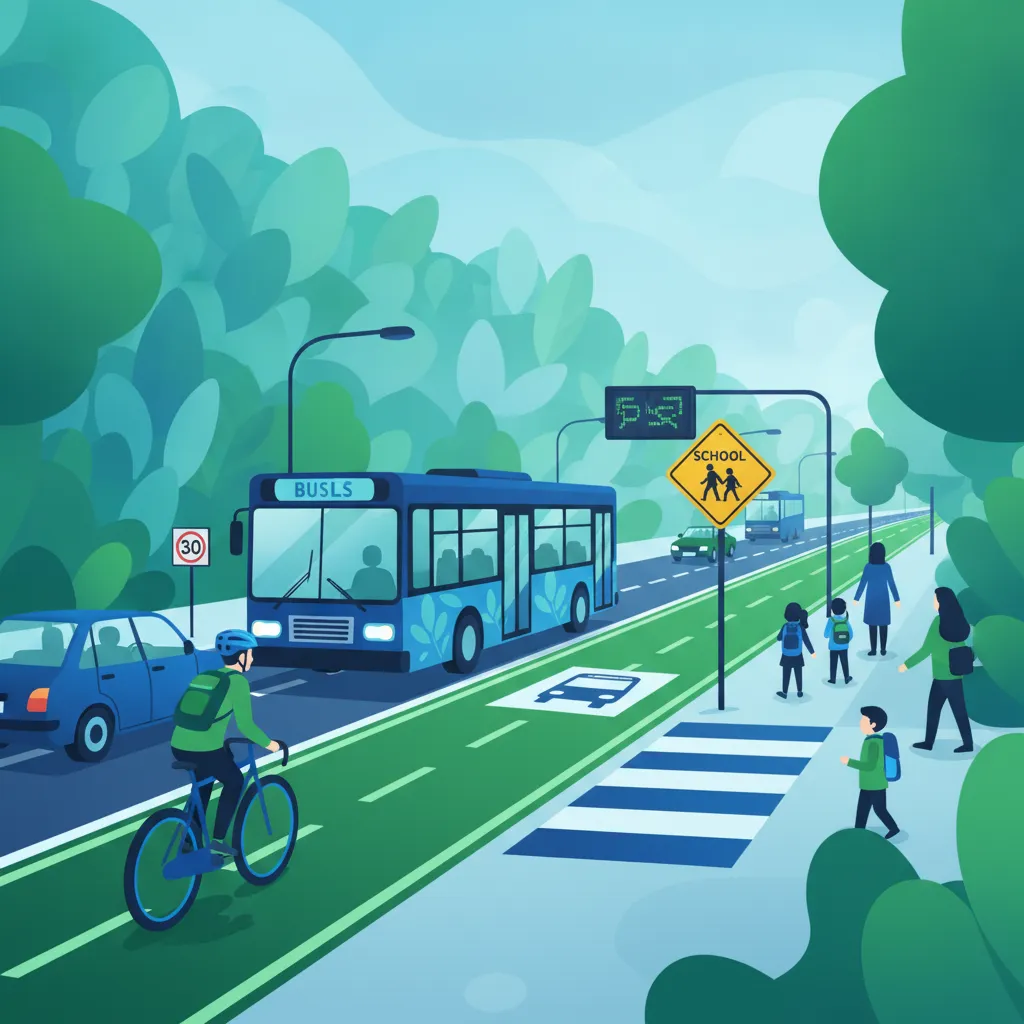
This lesson explains the regulations for special road zones common in urban areas. You will learn about speed restrictions near schools, how to read signs indicating if and when motorcycles can use bus lanes, and how to safely interact with cyclist infrastructure such as advanced stop lines. Compliance with these specific rules is crucial for legal and safe urban riding.
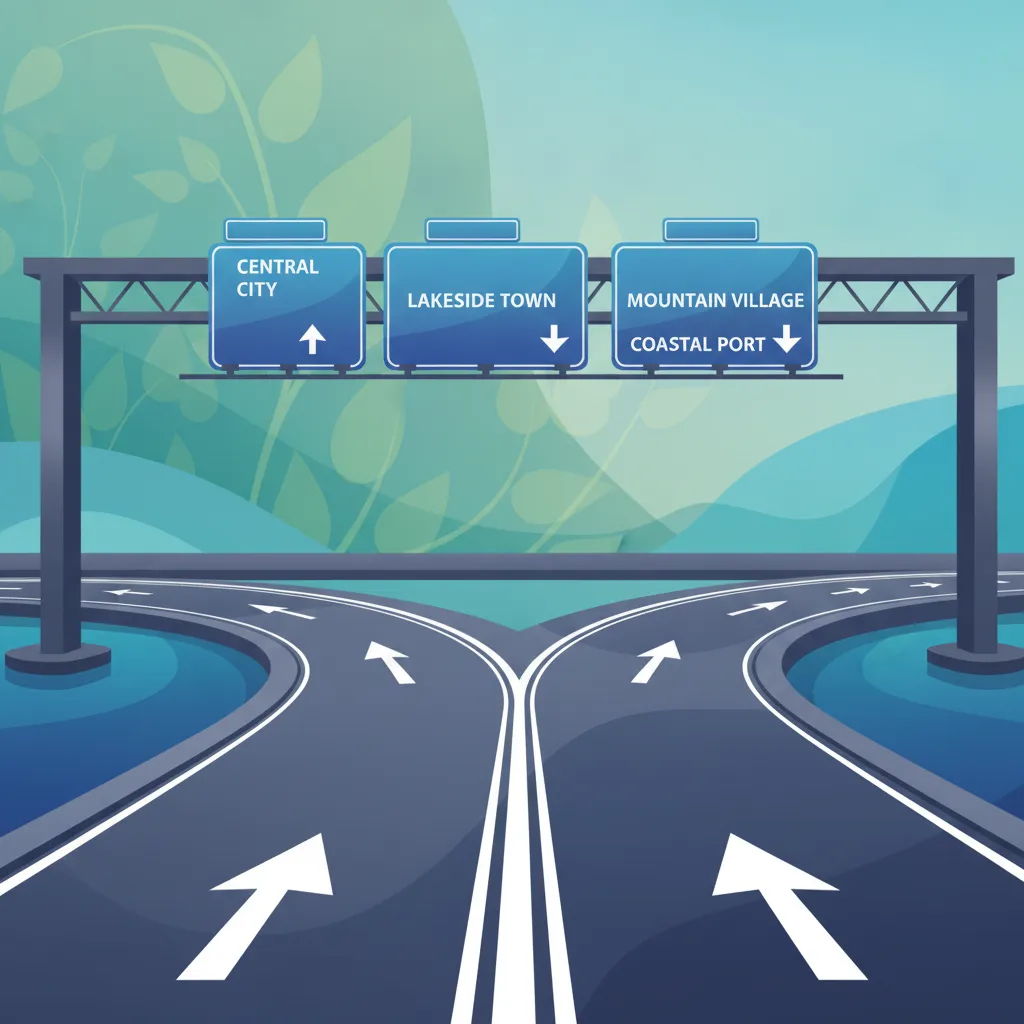
This lesson covers the signs that help you navigate your journey effectively. It explains how sign colours indicate the type of road—blue for motorways, green for primary routes, and white for non-primary routes. You will also learn to interpret signs for tourist attractions, services, and lane information at complex junctions.
Understand legal duties under the Equality Act 2010 for accessible passenger boarding and alighting. Master rules for designated passenger loading zones and safe stop positioning for Category D theory.
This lesson examines the unique rules and restrictions governing buses and coaches, focusing on bus lane priority, time-based restrictions, and loading zone limitations. Learners will explore the criteria for using bus-only routes and understand the legal consequences of non-compliance. The content also reviews signage indicating bus gate operation and areas where passenger vehicles are prohibited from stopping or loading outside of designated zones, ensuring lawful and efficient urban navigation.

This lesson focuses on the legal and practical requirements for providing accessible transport for passengers with reduced mobility. It covers wheelchair access, ramp usage, and securement devices, as well as procedures for safely assisting passengers with mobility aids. The discussion highlights relevant disability legislation and the importance of proper loading and unloading protocols to protect both passengers and the driver from injury, ensuring compliance with accessibility standards in Great Britain.
This lesson covers the importance of maintaining correct lane discipline when driving a large passenger vehicle. It details how to position your vehicle safely within a lane on various road types, including multi-lane carriageways and motorways. You will learn the specific rules governing bus lanes, including how to interpret markings, adhere to operating times, and understand the exemptions and penalties associated with their use to ensure legal and efficient driving.
This lesson explores the specifics of bus lane markings, operating times, and priority situations where buses have precedence over other traffic. It emphasizes correct lane discipline, lawful entry and merging practices, and the exemptions granted to designated passenger vehicles. Learners will also understand how bus lane enforcement works and what penalties may be incurred for non-compliance, ensuring safe and efficient movement through urban traffic systems.

This lesson provides detailed guidance on protecting pedestrians in high-risk areas like bus stops and formal crossings. It covers the specific rules and driver obligations at zebra, pelican, toucan, and puffin crossings, as well as when approaching a school crossing patrol. The content emphasizes the importance of vigilance, anticipating pedestrian movements, especially those who may be distracted or emerge from behind the bus, and always being prepared to stop to prevent accidents.

This lesson addresses the critical importance of child safety in school transport zones and around school buses. It covers the specific regulations, such as 20 mph speed limits and stopping restrictions indicated by zigzag lines. Learners will focus on the unpredictable nature of children and the need for heightened vigilance and readiness to stop unexpectedly. The content also includes procedures for the safe transport of pupils, ensuring their security both inside and outside the vehicle.
This lesson covers lanes designated for specific types of traffic to improve flow and safety. You will learn to identify mandatory and advisory cycle lanes, and understand the signs indicating the operational hours of bus lanes. The rules governing these lanes are critical for avoiding penalties and ensuring the safety of all road users.
This lesson examines the design and operation of urban bus stops and how passenger flow can be managed efficiently. It covers strategies for crowd control, dwell time minimization, effective queuing systems, and proper loading zone utilization. It also explores how bus stop signage and clear passenger information can aid in smooth boarding and alighting. Mastering these skills enhances overall safety, improves service quality, and maintains schedule reliability in challenging urban environments.

This lesson explores safe boarding protocols, focusing on correct door operation, managing internal passenger movement, and providing assistance for passengers with reduced mobility. It emphasizes the importance of establishing safety zones near doorways, managing standing passengers during boarding, and using audible alarms. The lesson also covers the proper sequence for wheelchair boarding and the use of loading bays to ensure smooth passenger flow and minimize risks during the boarding process.
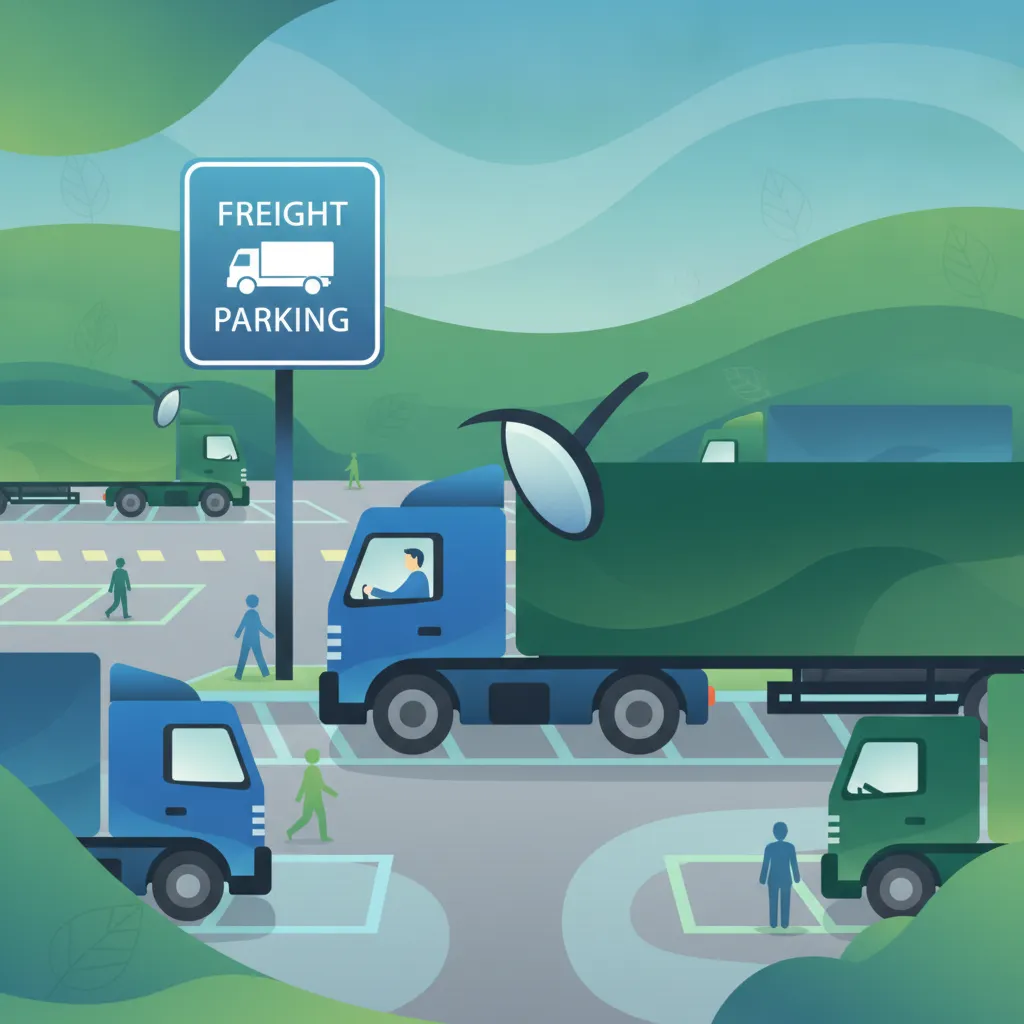
This lesson covers the specific procedures for operating within busy bus terminals and service areas. It details the protocols for approaching and parking in allocated bays, managing the safe flow of passengers, and communicating with station staff. The content emphasizes the need for extreme caution and low-speed manoeuvring due to high pedestrian traffic. It also reviews pre-departure checks and communication protocols necessary for efficient and safe terminal operations.
Find clear answers to common questions learners have about Bus Stop Signage and Passenger Loading Zones. Learn how the lesson is structured, which driving theory objectives it supports, and how it fits into the overall learning path of units and curriculum progression in Great Britain. These explanations help you understand key concepts, lesson flow, and exam focused study goals.
Generally, you should only stop at designated bus stops or authorized loading zones. Stopping in a bus lane outside of designated areas may obstruct traffic and is typically prohibited unless specified by local signs or markings.
You must prioritize passenger safety. If a stop is obstructed, do not force the bus into a dangerous position; find the safest possible location to pull in as close to the kerb as possible to allow for easy boarding, ensuring you are not causing a danger to other road users.
Aim to get as close to the kerb as possible without mounting it. This minimizes the gap for passengers boarding or alighting, which is crucial for safety and accessibility, especially for passengers with reduced mobility.
Yes, markings and accompanying signs at bus stops are regulatory. Ignoring these markings can lead to penalties and compromise passenger safety, which is a key area tested in your theory exam.
Dive into our comprehensive question bank to find exactly what you need for your Great Britain theory test. Use our advanced filters to pinpoint specific subjects or test your knowledge on challenging areas, ensuring you're fully prepared for success.