
Understanding the specific fuel landscape in Austria is essential for both your theory exam and real-world vehicle operation. This article clarifies the distinctions between standard E5 petrol, high-performance alternatives, and the critical safety regulations surrounding LPG usage, especially regarding alpine tunnel access.
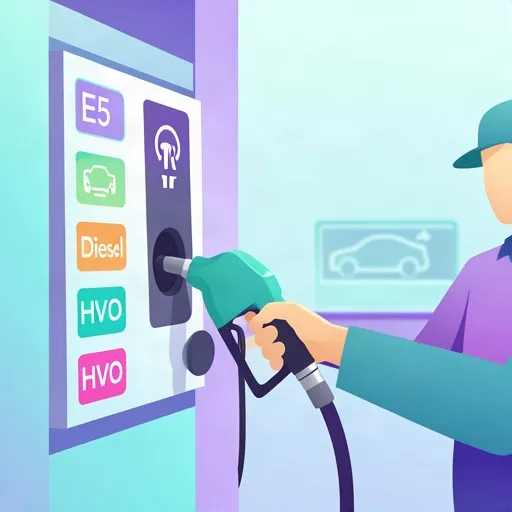
Article content overview
Navigating the Austrian fuel landscape is a fundamental requirement for every new driver. Whether you are preparing for your theory exam or planning your first drive across the Alpine regions, understanding which fuel goes into your vehicle is not just a matter of engine health—it is a legal and safety responsibility. In Austria, the fuel infrastructure is robust, but it follows specific standards that differ from neighboring countries like Germany or Switzerland.
In Austria, the standard grade for petrol vehicles is "Super 95," which is E5. This designation indicates that the fuel contains up to 5% ethanol. It is critical for learners to understand that, unlike in Germany where E10 (containing up to 10% ethanol) has become the standard, Austria continues to prioritize E5 as the primary offering at most service stations.
Using the wrong fuel grade can lead to engine damage over time, particularly in older vehicles not designed to handle higher ethanol concentrations. During your theory test, you may be presented with questions regarding fuel compatibility; always remember that if your vehicle manual specifies E5, you must ensure you are selecting the correct pump. Filling a non-compatible engine with a higher-ethanol blend can compromise fuel lines and seals.
Diesel remains the most common fuel type for long-distance driving and commercial transport in Austria. Beyond standard fossil-based diesel, the market is increasingly seeing the availability of HVO100, or Hydrotreated Vegetable Oil. HVO is a renewable synthetic diesel that is fully compatible with modern diesel engines. It is a significant step toward greener mobility, as it can reduce lifecycle CO2 emissions by up to 90%.
When you see HVO at an Austrian "HiWay" or select service station, it is safe to use if your vehicle is approved for synthetic diesel usage. From a theory perspective, understanding that modern fuel technology aims to lower emissions is important, as environmental impact is a growing theme in official Austrian driving education.
LPG, also known as Flüssiggas or Autogas, is widely available across Austria, with thousands of stations providing this affordable alternative. However, driving an LPG-powered vehicle comes with specific legal and safety constraints that you must memorize for your driving exam.
The most prominent restriction concerns road tunnels. Due to the physical characteristics of liquefied petroleum gas, which is heavier than air, there is a heightened risk of gas accumulation in the event of a leak. Consequently, many road tunnels in Austria strictly prohibit vehicles powered by LPG for safety reasons. You will often encounter specific traffic signs at the entrance of tunnels or on approach roads indicating these prohibitions.
Austria maintains a clear legal framework regarding the transport and handling of fuel. For private individuals, you are permitted to carry a maximum of 10 liters of fuel in a certified reserve canister, although for safety reasons, this is the recommended limit. While you may technically store up to 60 liters per canister and 240 liters in total within a vehicle, such quantities are generally unnecessary and increase the fire risk in the event of a collision.
| Fuel Type | Common Austrian Label | Key Characteristic |
|---|---|---|
| Super 95 | E5 (Bleifrei) | Standard petrol; up to 5% ethanol. |
| Super Plus | 98 RON | Higher octane; for high-performance engines. |
| Diesel | Diesel | Standard fuel for compression-ignition engines. |
| HVO100 | Synthetic Diesel | Renewable, compatible with modern diesel. |
| LPG | Autogas / Flüssiggas | Common alternative; restricted in many tunnels. |
Austria's standard petrol is E5 (Super 95) with up to 5% ethanol, differing from Germany's E10 standard, and using the wrong grade can damage older engines. Diesel remains dominant for long-distance driving while HVO100 offers a renewable alternative compatible with modern diesel engines. LPG is widely available but faces critical tunnel restrictions due to safety concerns about gas accumulation. Fuel transport regulations limit recommended reserve canisters to 10 liters to minimize fire hazards on Austrian roads.
A short set of high-value points that capture the most important ideas from this article.
Austria uses E5 (Super 95) as the standard petrol grade, not the higher-ethanol E10 found in Germany
HVO100 is a renewable synthetic diesel that is fully compatible with modern diesel engines and can reduce CO2 emissions by up to 90%
LPG-powered vehicles are banned from many Austrian road tunnels because LPG is heavier than air and poses accumulation risks in enclosed spaces
Using the wrong fuel grade can damage engine components, particularly in older vehicles not designed for higher ethanol concentrations
Reserve canisters for fuel transport have strict regulations in Austria with a recommended maximum of 10 liters for private individuals
E5 means the petrol contains up to 5% ethanol; always check your vehicle manual for the correct grade
LPG vehicles are prohibited in most Austrian tunnels—watch for specific traffic signs at tunnel entrances
HVO100 is safe to use only if your diesel vehicle is approved for synthetic diesel usage
The maximum recommended fuel you can carry in a certified reserve canister is 10 liters
Super Plus (98 RON) is available for high-performance engines but is not the standard grade
Assuming E10 is the standard in Austria like it is in Germany, leading to misfueling in non-compatible vehicles
Driving an LPG vehicle into a tunnel without checking for LPG-specific restrictions
Not verifying fuel compatibility before refueling, especially when using rental vehicles
Carrying more than the recommended 10 liters of fuel in a reserve canister without proper certification
Confusing HVO with standard diesel when it is actually a separate renewable fuel category requiring specific engine approval
Article content overview
A short set of high-value points that capture the most important ideas from this article.
Austria uses E5 (Super 95) as the standard petrol grade, not the higher-ethanol E10 found in Germany
HVO100 is a renewable synthetic diesel that is fully compatible with modern diesel engines and can reduce CO2 emissions by up to 90%
LPG-powered vehicles are banned from many Austrian road tunnels because LPG is heavier than air and poses accumulation risks in enclosed spaces
Using the wrong fuel grade can damage engine components, particularly in older vehicles not designed for higher ethanol concentrations
Reserve canisters for fuel transport have strict regulations in Austria with a recommended maximum of 10 liters for private individuals
E5 means the petrol contains up to 5% ethanol; always check your vehicle manual for the correct grade
LPG vehicles are prohibited in most Austrian tunnels—watch for specific traffic signs at tunnel entrances
HVO100 is safe to use only if your diesel vehicle is approved for synthetic diesel usage
The maximum recommended fuel you can carry in a certified reserve canister is 10 liters
Super Plus (98 RON) is available for high-performance engines but is not the standard grade
Assuming E10 is the standard in Austria like it is in Germany, leading to misfueling in non-compatible vehicles
Driving an LPG vehicle into a tunnel without checking for LPG-specific restrictions
Not verifying fuel compatibility before refueling, especially when using rental vehicles
Carrying more than the recommended 10 liters of fuel in a reserve canister without proper certification
Confusing HVO with standard diesel when it is actually a separate renewable fuel category requiring specific engine approval
Explore related topics, search based questions, and concepts that learners often look up when studying Austrian Fuel Types and Safety. These themes reflect real search intent and help you understand how this topic connects to wider driving theory knowledge in Austria.
Find clear and practical answers to common questions learners often have about Austrian Fuel Types and Safety. This section helps explain difficult points, remove confusion, and reinforce the key driving theory concepts that matter for learners in Austria.
While E10 is the standard in Germany, Austria has maintained E5 as the primary petrol grade for 95 RON to ensure compatibility with a wider range of older and modern vehicles, preventing potential engine damage for drivers unaware of ethanol content.
Yes, many road tunnels in Austria prohibit the entry of vehicles powered by LPG (liquefied petroleum gas) due to safety concerns regarding gas leaks and the potential for explosive build-up in confined, underground environments.
HVO100 is a renewable synthetic diesel that is generally compatible with modern diesel engines, offering a significant reduction in lifecycle CO2 emissions; however, always check your vehicle's manual for specific manufacturer approval before refueling.
You may transport up to 10 liters of fuel in a reserve canister for private use tax-free when crossing the border, though for safety reasons, it is strongly recommended not to exceed this amount.
Use the search bar above to delve deeper into any Austrian road rule, traffic sign, or specific driving procedure. Refine your understanding of complex theory concepts and fully prepare for your official driving licence examination. Start your targeted study now.