
Understanding how your vehicle functions is a cornerstone of safe driving and a mandatory requirement for the UK practical driving test. This article breaks down the essential vehicle maintenance checks you need to know, providing clear guidance on how to inspect your car's critical systems to ensure they meet DVSA standards. Preparing for these questions early will help you feel more confident and composed when the examiner puts your knowledge to the test.
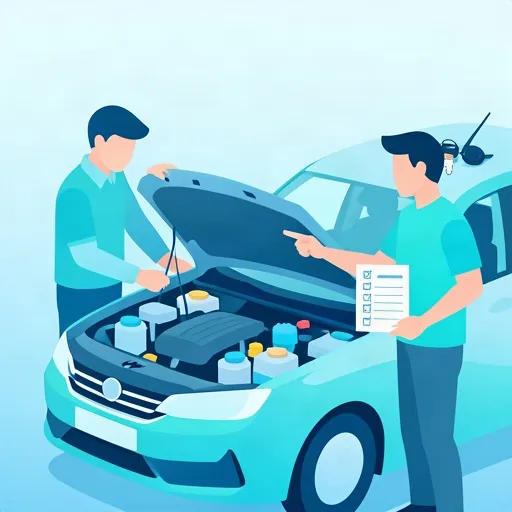
Article content overview
Understanding the fundamental mechanics of your vehicle is not just about passing the practical driving test in Great Britain; it is a critical component of becoming a safe, responsible, and proactive driver. The DVSA 'show me, tell me' vehicle safety questions are designed to ensure you understand how to perform essential checks that keep your car roadworthy. By familiarising yourself with these requirements early, you demonstrate to the examiner that you take road safety and vehicle maintenance seriously.
During your practical driving test, the examiner will ask you two vehicle safety questions. The first is a 'tell me' question, where you explain how you would carry out a safety task, and the second is a 'show me' question, where you demonstrate the task while driving or while the car is stationary. These questions focus on areas such as braking, steering, visibility, and engine health. Failing to answer correctly does not result in an automatic fail, but it will be recorded as a driving fault. Therefore, consistent practice is the best way to build confidence and avoid unnecessary minor errors.
Always ensure you have read the latest guidance from the DVSA. While vehicle technology changes, the core principles of safety remain the same. If you are unsure about a specific control or warning light, always consult your vehicle’s handbook before your test.
Maintaining the correct fluid levels is vital for the long-term health of your vehicle. You may be asked how to check that the engine oil is at the correct level. This typically involves identifying the dipstick, removing it, wiping it clean, reinserting it, and checking the oil level against the minimum and maximum markings. Similarly, understanding how to check the engine coolant and brake fluid levels is essential, as these ensure the car remains at a safe operating temperature and that your braking system functions effectively.
Your tyres are the only point of contact between your vehicle and the road surface, making them the most critical safety feature. Examiners frequently ask how to check that your tyres have sufficient tread depth and are at the correct pressure. You should know that the legal minimum tread depth for cars in Great Britain is 1.6mm across the central three-quarters of the breadth of the tyre and around the entire circumference. Additionally, you must be able to explain how to check that your headlights and tail lights are working, which involves turning on the ignition and walking around the vehicle to inspect them.
The depth of the grooves in the tyre rubber, which must be at least 1.6mm across the central three-quarters of the tyre's width to be legally roadworthy in the UK.
| Component | Why it matters | Check method |
|---|---|---|
| Tyres | Grip and braking | Check pressure and tread depth |
| Brake Fluid | Stopping power | Inspect reservoir level markings |
| Headlights | Visibility at night | Walk-around check with lights on |
| Brake Lights | Signalling intentions | Ask for assistance or use reflection |
One of the most common mistakes learners make is failing to explain the 'why' behind a safety check. For instance, if asked about brake fluid, don't just point to the reservoir; explain that if the level is low, it could indicate a leak or worn brake pads, both of which pose a significant safety risk. Similarly, when checking steering, the examiner might ask you how you would know if there is a problem. You should be able to mention that if the steering feels heavy or pulls to one side, there may be an issue with tyre pressure or a mechanical fault that requires professional attention.
Building a solid foundation of vehicle knowledge will serve you well beyond the day of your test. Regularly performing these checks helps you develop a routine, ensuring your car is always ready for the road. Remember that these rules apply to the DVSA-governed driving tests in England, Scotland, and Wales. If you are training in Northern Ireland, be aware that procedures may differ slightly due to the involvement of the DVA.
The DVSA practical driving test includes two vehicle safety questions designed to verify you understand essential car maintenance. The 'tell me' question requires you to explain a procedure, while the 'show me' question requires demonstration. Key areas tested include tyre tread depth (minimum 1.6mm), tyre pressure, engine oil level using the dipstick, brake fluid, coolant, headlights, and brake lights. A common error is focusing only on locating components without explaining the safety implications of low levels or worn parts. Building these checks into regular pre-drive routines prepares you for the test and establishes lifelong safe driving habits.
A short set of high-value points that capture the most important ideas from this article.
The practical test includes two vehicle safety questions: a 'tell me' question where you explain a check, and a 'show me' question where you demonstrate it while driving or stationary.
Tyres, brakes, lights, and engine fluids are the core areas assessed; each affects critical safety functions like grip, stopping power, and visibility.
When checking engine oil, the dipstick must be wiped clean and reinserted before reading to ensure an accurate level between minimum and maximum markers.
Understanding why a safety check matters is as important as knowing how to perform it; examiners expect explanation of consequences, not just identification.
Vehicle safety knowledge supports long-term responsible ownership beyond passing the test.
Legal minimum tread depth in Great Britain is 1.6mm across the central three-quarters of the tyre width and around its full circumference.
For the oil check, the engine must be cold and the car parked on level ground before opening the bonnet.
Headlight and brake light checks require turning on the ignition and walking around the vehicle to visually confirm function.
If brake fluid level is low, it may indicate a leak or worn brake pads—both serious safety concerns requiring professional attention.
Steering that feels heavy or pulls to one side suggests tyre pressure issues or mechanical faults that need professional inspection.
Failing to explain the reason behind a check; simply pointing to a component without describing what low fluid levels or worn parts could indicate.
Forgetting to wipe the dipstick clean before reinserting it when checking engine oil, which gives an inaccurate reading.
Not walking around the vehicle to physically verify lights are working; assuming they function without checking the actual illumination.
Confusing which fluid reservoir corresponds to which system, particularly mixing up coolant and brake fluid locations.
Inability to describe what to do if a problem is found, such as who to consult or what immediate action to take.
Article content overview
A short set of high-value points that capture the most important ideas from this article.
The practical test includes two vehicle safety questions: a 'tell me' question where you explain a check, and a 'show me' question where you demonstrate it while driving or stationary.
Tyres, brakes, lights, and engine fluids are the core areas assessed; each affects critical safety functions like grip, stopping power, and visibility.
When checking engine oil, the dipstick must be wiped clean and reinserted before reading to ensure an accurate level between minimum and maximum markers.
Understanding why a safety check matters is as important as knowing how to perform it; examiners expect explanation of consequences, not just identification.
Vehicle safety knowledge supports long-term responsible ownership beyond passing the test.
Legal minimum tread depth in Great Britain is 1.6mm across the central three-quarters of the tyre width and around its full circumference.
For the oil check, the engine must be cold and the car parked on level ground before opening the bonnet.
Headlight and brake light checks require turning on the ignition and walking around the vehicle to visually confirm function.
If brake fluid level is low, it may indicate a leak or worn brake pads—both serious safety concerns requiring professional attention.
Steering that feels heavy or pulls to one side suggests tyre pressure issues or mechanical faults that need professional inspection.
Failing to explain the reason behind a check; simply pointing to a component without describing what low fluid levels or worn parts could indicate.
Forgetting to wipe the dipstick clean before reinserting it when checking engine oil, which gives an inaccurate reading.
Not walking around the vehicle to physically verify lights are working; assuming they function without checking the actual illumination.
Confusing which fluid reservoir corresponds to which system, particularly mixing up coolant and brake fluid locations.
Inability to describe what to do if a problem is found, such as who to consult or what immediate action to take.
Explore related topics, search based questions, and concepts that learners often look up when studying UK Show Me Tell Me Guide. These themes reflect real search intent and help you understand how this topic connects to wider driving theory knowledge in Great Britain.
Find clear and practical answers to common questions learners often have about UK Show Me Tell Me Guide. This section helps explain difficult points, remove confusion, and reinforce the key driving theory concepts that matter for learners in Great Britain.
These are vehicle safety questions asked by the examiner at the start of your practical driving test to ensure you understand how to perform basic maintenance and safety checks on your car.
You will be asked two questions: one 'tell me' question at the start of the test before you begin driving, and one 'show me' question while you are on the move.
Getting a question wrong counts as a minor driving fault. You can still pass your test, but you must continue to demonstrate safe driving throughout the rest of the exam.
For 'show me' questions, you are expected to demonstrate how to perform the check, which may involve operating controls like the windscreen washers or lights. For 'tell me' questions, you simply explain how you would carry out the check.
Explore our extensive library of Great Britain driving theory articles to clarify any topic, review specific road rules, or gain deeper insights into vehicle safety and the Highway Code. Use the search to find exactly what you need for comprehensive DVSA theory test preparation.