
When driving on rural roads, you may encounter horse riders. This article clarifies your legal obligations and safe practices when approaching and passing them, as outlined in Rule 215 of the Highway Code. Understanding these specific requirements is vital for your theory test and for ensuring everyone's safety on country lanes.
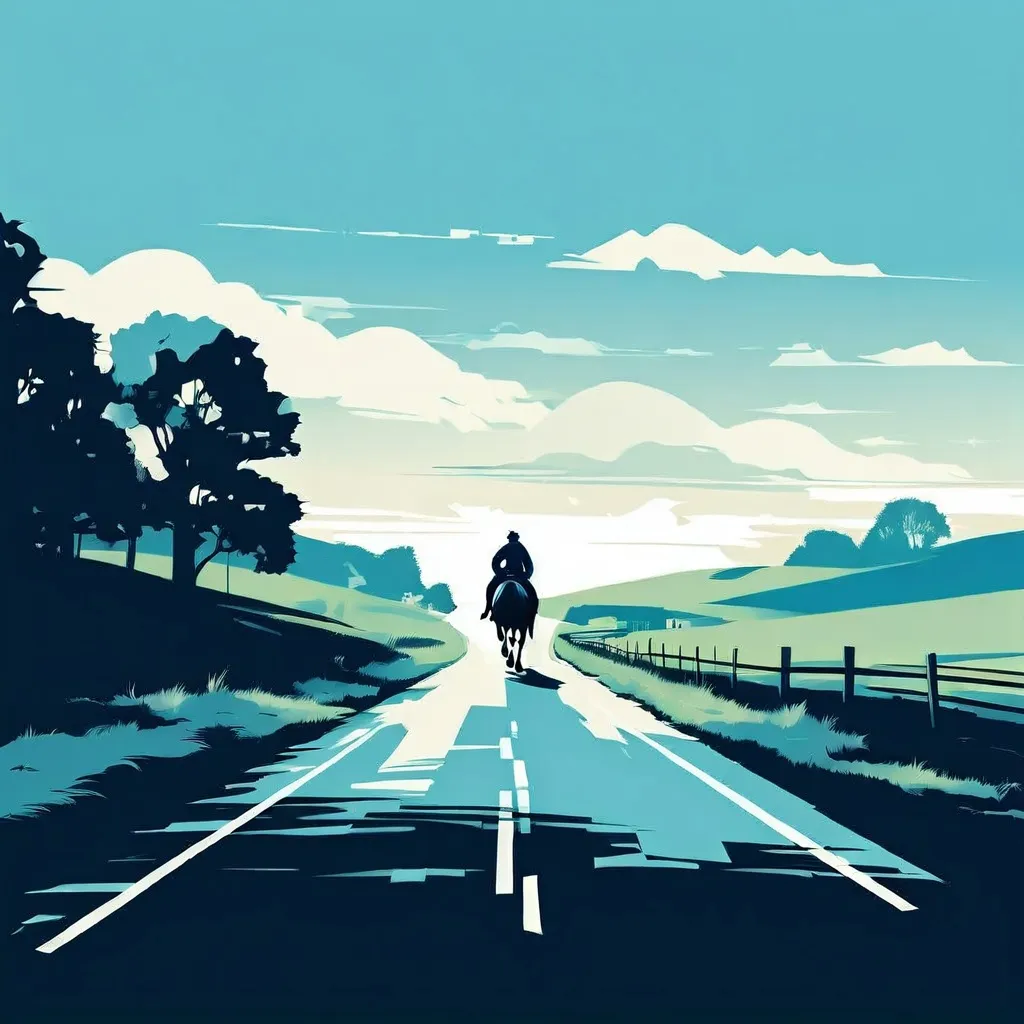
Article content overview
Driving on the scenic rural roads of England, Scotland, and Wales often brings you into proximity with a variety of road users, including horse riders. These encounters require specific attention and care, as horses are unpredictable animals that can be easily spooked by vehicles. The Highway Code provides clear guidance on how drivers should behave to ensure the safety of both themselves and the equestrian. Understanding and adhering to these rules is fundamental for anyone preparing for their Great Britain driving theory test and for developing responsible driving habits on country lanes. This article will delve into your responsibilities as a driver when encountering horse riders, focusing on the crucial aspects of safe approaching, passing, and interacting with them, as detailed in Rule 215 of The Highway Code.
Horse riders, along with their mounts, are considered vulnerable road users, much like cyclists or motorcyclists, and they warrant extra consideration from drivers, especially on narrower rural roads. It is vital to recognise that horses are prey animals, and sudden noises, movements, or perceived threats from vehicles can cause them to react unpredictably. Their reactions could range from bolting to rearing or suddenly changing direction, posing significant risks to the rider, the horse, and other road users. Therefore, approaching a horse on the road should always be done with a heightened sense of awareness and caution, anticipating potential hazards rather than assuming a predictable outcome.
The Highway Code, specifically Rule 215, provides detailed instructions for drivers encountering horses and horse-drawn vehicles. This rule emphasises that you should be particularly careful when approaching, overtaking, or moving away from horse riders. The primary instruction is to always pass them widely and slowly. This is not merely a suggestion but a critical safety imperative designed to minimise stress on the horse and provide ample space for a safe passage.
Remember, The Highway Code advises on how you should act to avoid incidents, but it does not grant you the right of way. Always be prepared to give way if it means preventing a collision or ensuring safety.
When you spot a horse and rider on the road ahead, your immediate action should be to reduce your speed considerably. The Highway Code suggests slowing down to a maximum of 10 miles per hour when you see a horse on the road. This slower speed allows you more time to react if the horse behaves unexpectedly and also helps to avoid startling the animal. Patience is key; do not honk your horn, rev your engine, or make any sudden noises that could frighten the horse. Your aim is to be as non-threatening as possible, creating a calm environment that facilitates a safe pass.
Allowing adequate space when passing is paramount. The recommended safe distance is at least 2 metres (approximately 6.5 feet). This generous clearance ensures that the horse does not feel confined or threatened by your vehicle. If the road conditions or width do not permit you to pass with this much space, it is far safer to wait until you can do so. Waiting patiently for a short period is a small price to pay for the safety of everyone involved.
There are specific scenarios that require even greater vigilance. For instance, horse riders may sometimes ride in double file, particularly when escorting a young or inexperienced horse, or when helping a less confident rider. This means there might be two riders side-by-side, requiring you to assess the situation and potentially wait for a longer opportunity to pass safely. You should also be attentive to any signals given by the horse rider or driver of a horse-drawn vehicle. They might indicate a need for you to slow down further or even stop. Always heed these signals, as they are communicating their awareness of your presence and their assessment of the situation.
Feral or semi-feral ponies, often found in areas like the New Forest, Exmoor, and Dartmoor, also require the same level of respect and caution as ridden horses. These animals may be accustomed to humans but can still be unpredictable, especially when approached by vehicles. Treat all horses on the road as a potential hazard, understanding that their behaviour, despite the rider's best efforts, can be unpredictable.
The principles of caution and wide, slow passing also apply to horse-drawn vehicles. These are less common on modern roads but can still be encountered, particularly in rural settings. Similar to horse riders, the horses pulling these vehicles can be easily startled. Therefore, maintaining a safe distance and reducing your speed are essential when approaching them.
In some rural areas, you might encounter a herd of animals blocking the road. If this situation arises, the correct procedure is to stop your vehicle completely and switch off your engine. Continue to wait until the animals have completely cleared the road before proceeding. It's also important to be aware of animals on unfenced roads, as they can wander onto the carriageway without warning, especially in areas known for livestock or wild animals.
Understanding these rules is not just about being a safe and considerate driver; it's also a critical component of passing your Great Britain driving theory test. Questions relating to vulnerable road users, particularly horse riders and their specific needs on rural roads, are common. The theory test aims to assess your knowledge of situations that require extra care and your ability to predict and respond to potential hazards.
When preparing for your theory test, pay close attention to questions that involve rural driving scenarios and interactions with animals. Practising with specific mock tests focusing on these topics can greatly enhance your confidence and knowledge.
Exam questions might present scenarios where you need to decide the safest course of action when approaching a horse rider. Common pitfalls include choosing to overtake too closely, failing to reduce speed sufficiently, or not waiting for a clear and safe opportunity to pass. Always remember the emphasis on patience, reduced speed, and ample clearance as outlined in Rule 215.
To help you prepare effectively for your theory test and to ensure you fully understand the nuances of driving around horse riders, here are some essential terms and their definitions:
Mastering the rules for interacting with horse riders is a key part of becoming a safe and competent driver in Great Britain. These situations demand extra attention and a proactive approach to safety. By understanding your responsibilities and applying the guidance from The Highway Code, you contribute to a safer environment for all road users.
As you prepare for your theory test and aim to drive safely and responsibly, understanding how to interact with all types of road users is crucial. The rules surrounding different road users often overlap in their emphasis on awareness, reduced speed, and considerate behaviour, but each has specific requirements. Exploring these topics further will enhance your overall understanding of road safety.
This article covers your legal and practical responsibilities when encountering horse riders on rural roads in Great Britain under Highway Code Rule 215. Key requirements include reducing speed to a maximum of 10 mph, maintaining at least 2 metres clearance when passing, and avoiding sudden noises. Horse riders are vulnerable road users whose horses may behave unpredictably as prey animals. For the theory test, expect questions on the correct response when approaching or overtaking horse riders, with common errors being failing to slow down adequately or passing too closely.
A short set of high-value points that capture the most important ideas from this article.
Horse riders and their mounts are vulnerable road users who require extra care and consideration from drivers.
When approaching horse riders, always reduce speed considerably to a maximum of 10 mph.
Pass horse riders with a wide clearance of at least 2 metres (approximately 6.5 feet).
Never make sudden noises such as honking your horn or revving your engine near horses, as this can cause unpredictable reactions.
Always heed signals from horse riders or horse-drawn vehicle drivers and be prepared to wait for a safe passage.
Rule 215 of the Highway Code is the specific rule governing driver behaviour around horse riders and horse-drawn vehicles.
Horses are prey animals that can bolt, rear, or change direction suddenly when startled by vehicles.
If a herd of animals is blocking the road, stop your vehicle, switch off the engine, and wait until the road is completely clear.
Horse riders may ride in double file when escorting inexperienced horses or less confident riders.
Feral and semi-feral ponies in areas like the New Forest, Exmoor, and Dartmoor require the same caution as ridden horses.
Overtaking horse riders too closely instead of waiting for adequate space to pass.
Failing to reduce speed sufficiently when seeing a horse on the road.
Relying solely on the horn to signal presence rather than slowing down and waiting.
Assuming the horse will behave predictably and not adjusting driving accordingly.
Not waiting patiently when road conditions prevent safe passing at the recommended distance.
Article content overview
A short set of high-value points that capture the most important ideas from this article.
Horse riders and their mounts are vulnerable road users who require extra care and consideration from drivers.
When approaching horse riders, always reduce speed considerably to a maximum of 10 mph.
Pass horse riders with a wide clearance of at least 2 metres (approximately 6.5 feet).
Never make sudden noises such as honking your horn or revving your engine near horses, as this can cause unpredictable reactions.
Always heed signals from horse riders or horse-drawn vehicle drivers and be prepared to wait for a safe passage.
Rule 215 of the Highway Code is the specific rule governing driver behaviour around horse riders and horse-drawn vehicles.
Horses are prey animals that can bolt, rear, or change direction suddenly when startled by vehicles.
If a herd of animals is blocking the road, stop your vehicle, switch off the engine, and wait until the road is completely clear.
Horse riders may ride in double file when escorting inexperienced horses or less confident riders.
Feral and semi-feral ponies in areas like the New Forest, Exmoor, and Dartmoor require the same caution as ridden horses.
Overtaking horse riders too closely instead of waiting for adequate space to pass.
Failing to reduce speed sufficiently when seeing a horse on the road.
Relying solely on the horn to signal presence rather than slowing down and waiting.
Assuming the horse will behave predictably and not adjusting driving accordingly.
Not waiting patiently when road conditions prevent safe passing at the recommended distance.
Explore related topics, search based questions, and concepts that learners often look up when studying Horse Riders on Rural Roads. These themes reflect real search intent and help you understand how this topic connects to wider driving theory knowledge in Great Britain.
Find clear and practical answers to common questions learners often have about Horse Riders on Rural Roads. This section helps explain difficult points, remove confusion, and reinforce the key driving theory concepts that matter for learners in Great Britain.
According to Highway Code Rule 215, you should pass horse riders wide and slow, allowing at least 2 metres (approximately 6.5 feet) of space.
When you see a horse on the road, you should slow down to a maximum of 10 mph.
No, you should not sound your horn or rev your engine. Be patient and do not startle the horse.
You must heed any signal from the horse rider requesting you to slow down or stop. They are aware of their horse's behaviour and potential hazards.
Yes, horse riders may ride in double file when escorting a young or inexperienced horse or rider, so extra care is needed.
Explore our extensive library of Great Britain driving theory articles to clarify any topic, review specific road rules, or gain deeper insights into vehicle safety and the Highway Code. Use the search to find exactly what you need for comprehensive DVSA theory test preparation.