
The M2 Extent sign, known as 'Extent' in France, is an important supplementary plate used with other signs. Its primary purpose is to show the specific length or distance over which the main sign's message – whether it's a hazard, restriction, or instruction – applies. You must continue to respect the conditions indicated by the primary sign for the entire distance shown on the M2 plate, which helps prevent drivers from assuming a situation is only temporary.
The M2 Extent sign in France is crucial for understanding how long a specific road condition, hazard, or restriction applies. Proper interpretation aids in safe driving and successful theory test revision.
Extent plates prevent drivers from treating a condition as only momentary when it continues along the road. They can apply to hazards, restrictions, parking controls, works, or other signed conditions. Drivers should maintain the required speed, spacing, lane discipline, or restriction throughout the stated length unless another sign changes it. Official French sign code: M2.
"Extent" shows the length of road over which the main sign's hazard, restriction, or instruction applies. It tells the driver how long to maintain the appropriate response.
Get clear, practical answers to the most common questions about the M2 - Extent road sign. Learn how the sign works, what rules it represents, and how it affects real driving situations. This FAQ strengthens your understanding and supports accurate decision making for the French driving theory exam in France.
The M2 Extent sign, or 'Extent' plate, indicates the length of road over which the main sign it accompanies is active. It clarifies that a hazard, restriction, or instruction is not just momentary but continues for a specified distance.
You must continue to adhere to the instruction or warning of the main sign for the entire length indicated by the M2 Extent plate. For example, if a speed limit sign is accompanied by an M2 plate showing '500 m', you must maintain that speed limit for 500 metres.
A common trap is assuming the condition or restriction ends as soon as you pass the sign itself, or before the indicated length. You must maintain your response for the full stated extent, or until another sign modifies or cancels the rule.
Yes, the M2 Extent sign can be used with various signs to clarify their duration. This includes hazard warning signs, prohibition signs (like speed limits), parking restrictions, or even signs indicating road works.
The M2 Extent sign will usually state the length in metres or kilometres. You should also look for other signs that might indicate the end of the restriction or hazard, or for changes in road markings or the environment itself. If no specific end sign is present, trust the stated distance.
A clear reference image of the M2 - Extent road sign used in France.
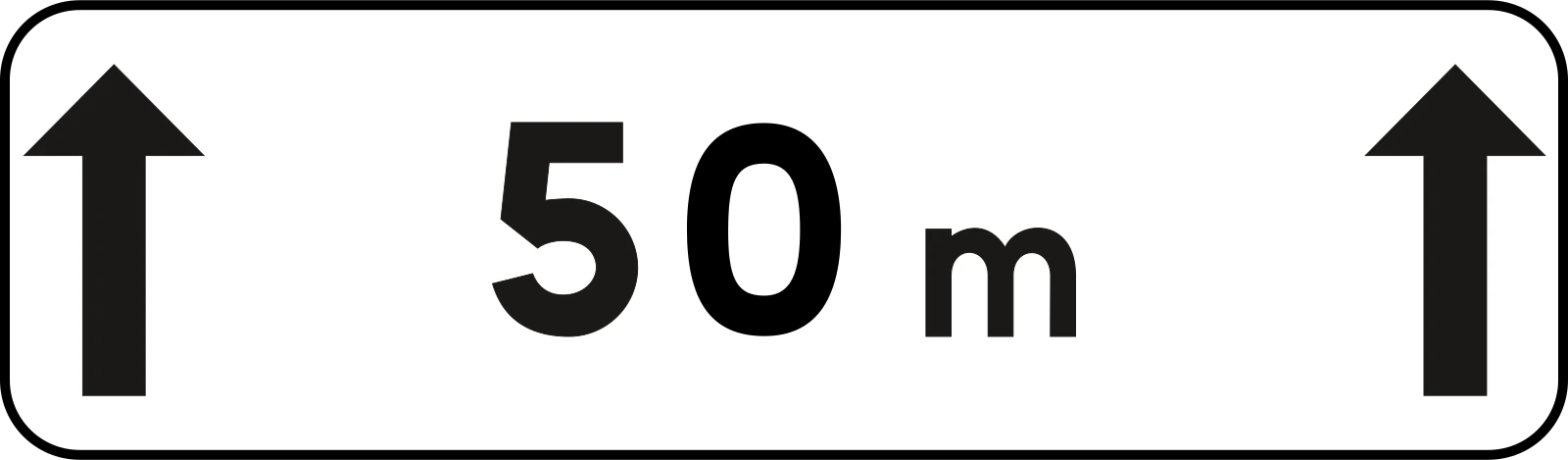
The M2 - Extent road sign may also be known by these alternative names or terms.
The M2 - Extent road sign is part of the France Extent Plates category, which groups together signs with similar rules and functions.
Reviewing related road signs like 'Extent' plates helps solidify your understanding and prevent confusion during your driving theory test revision. Comparing similar traffic signs aids in sign recognition and ensures accurate application of French road rules.
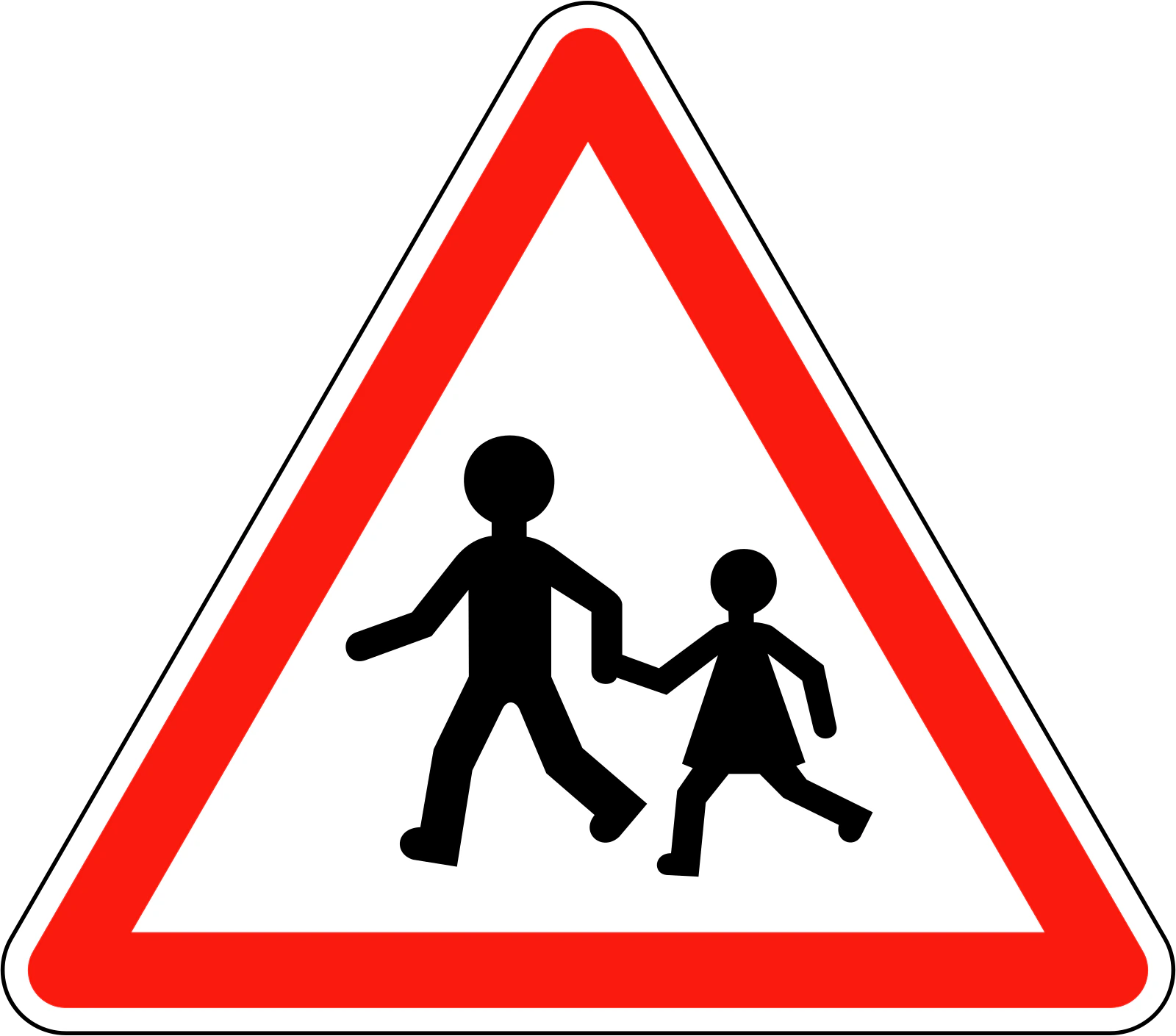
Warning: Children Crossing Ahead – Prepare to slow down and be vigilant!
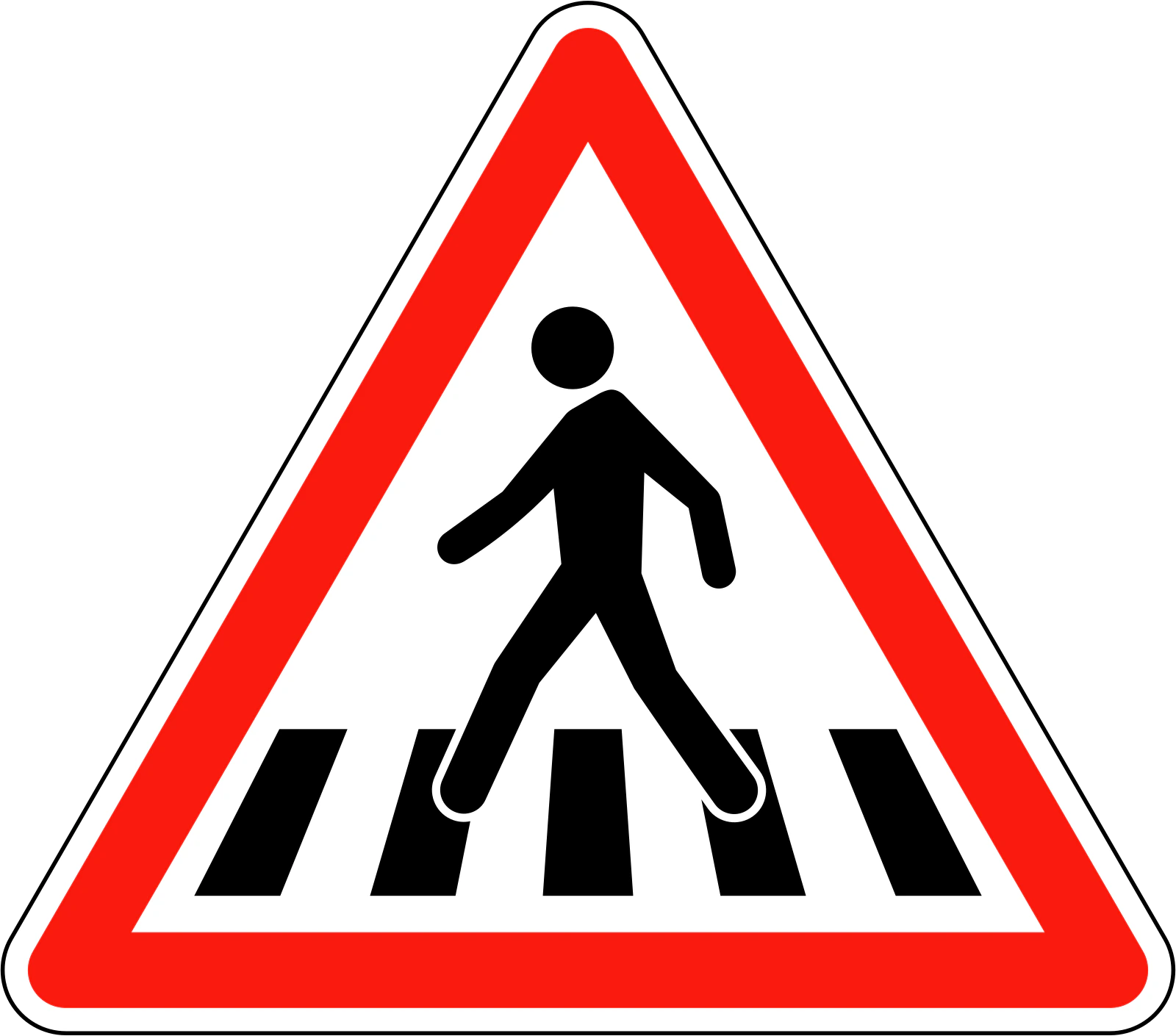
Prepare for Pedestrians: The A13b 'Pedestrian Crossing Ahead' Warning Sign
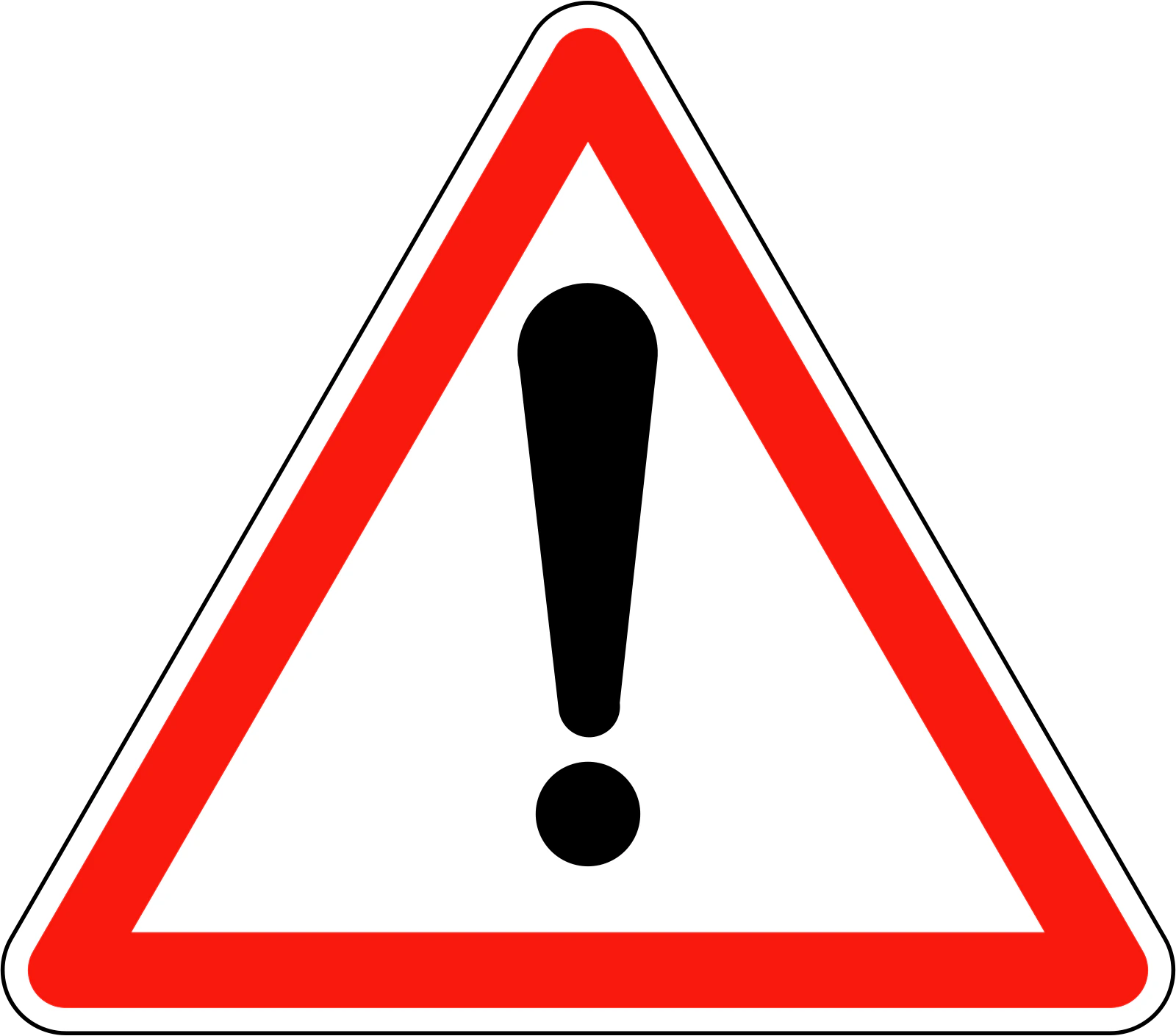
A14 Other Danger: Prepare for the Unexpected Ahead!
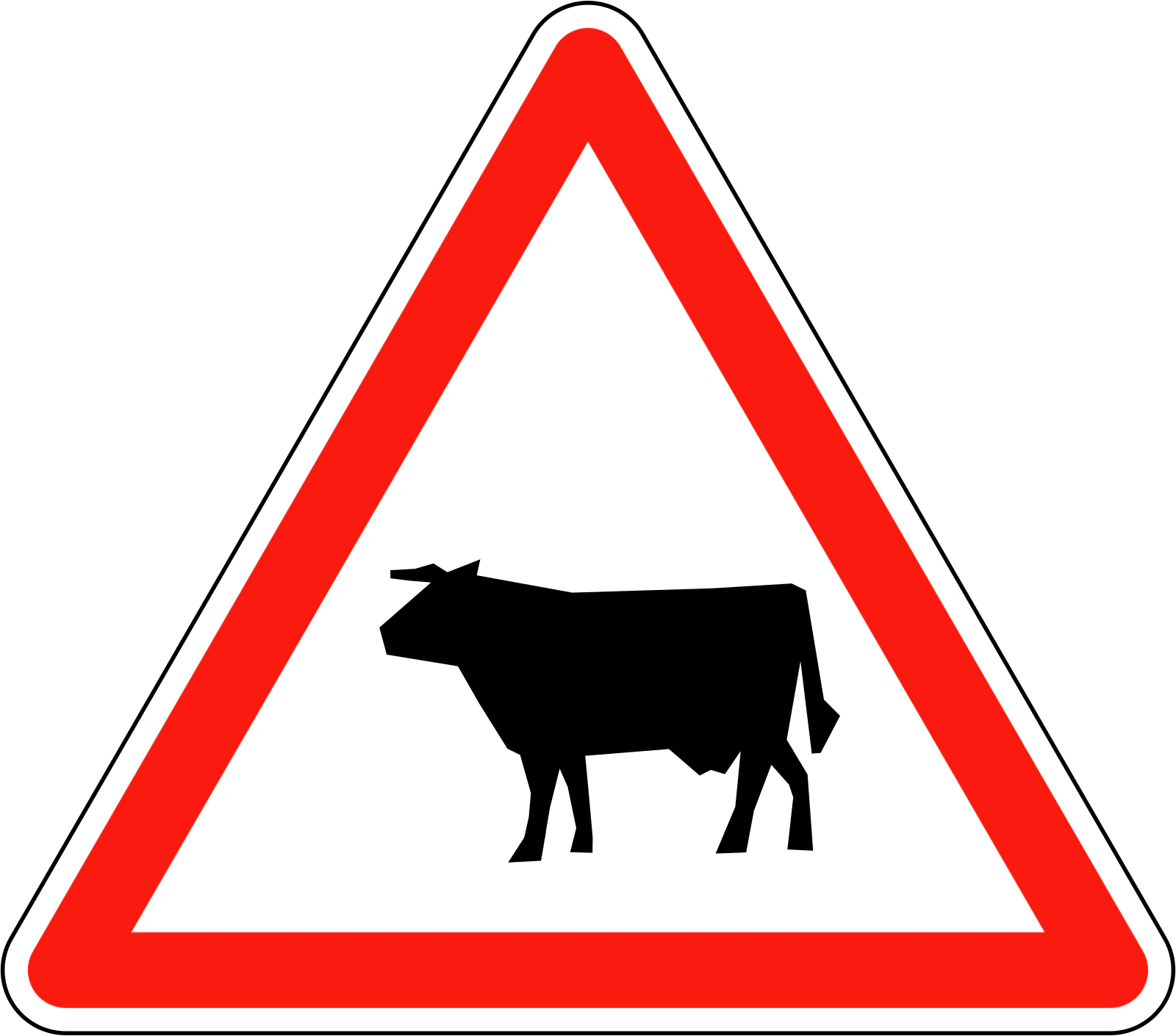
Prepare for cattle on the road with the French A15a warning sign.
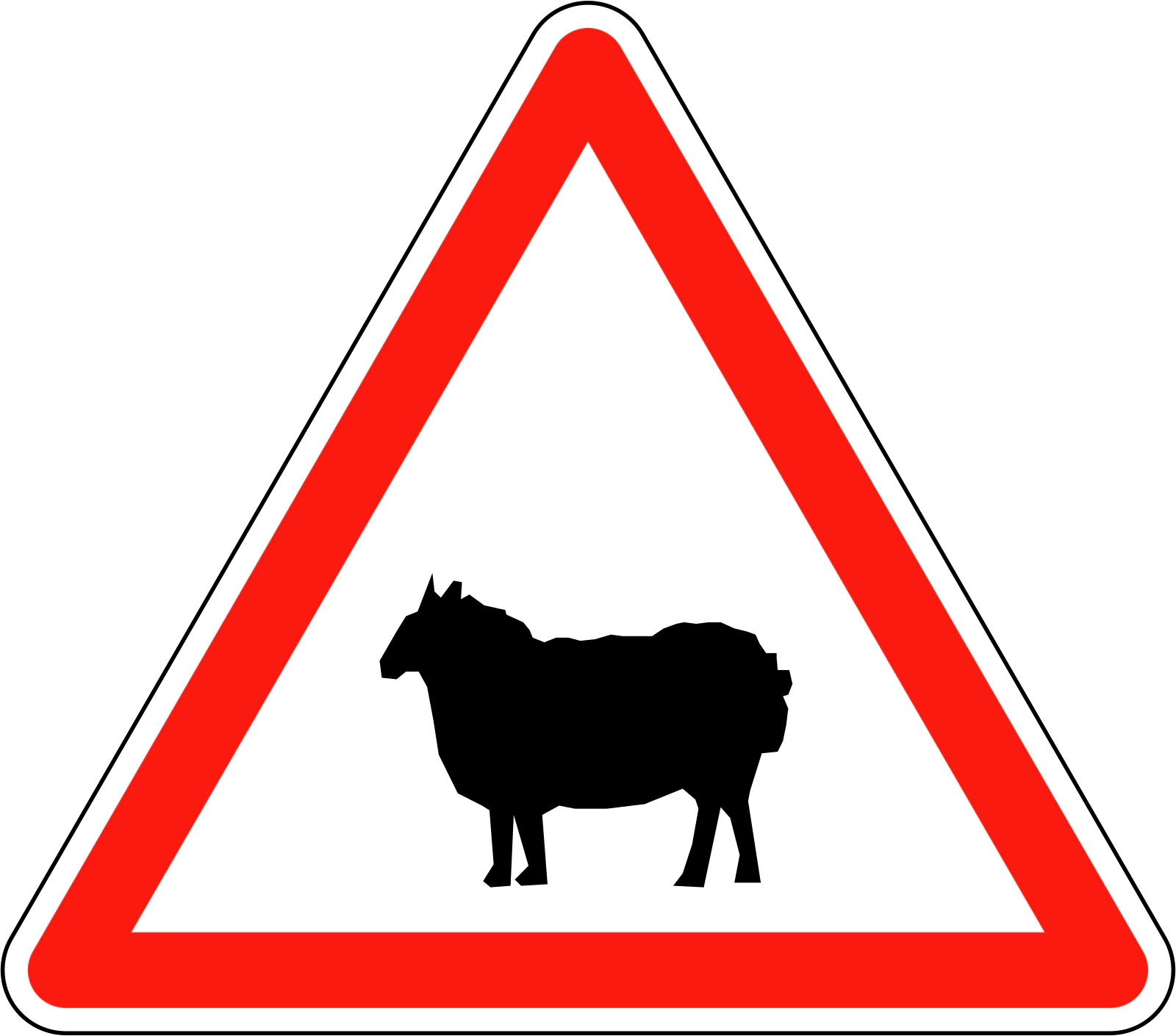
Watch out for Sheep: Understanding the A15a Warning Sign in France
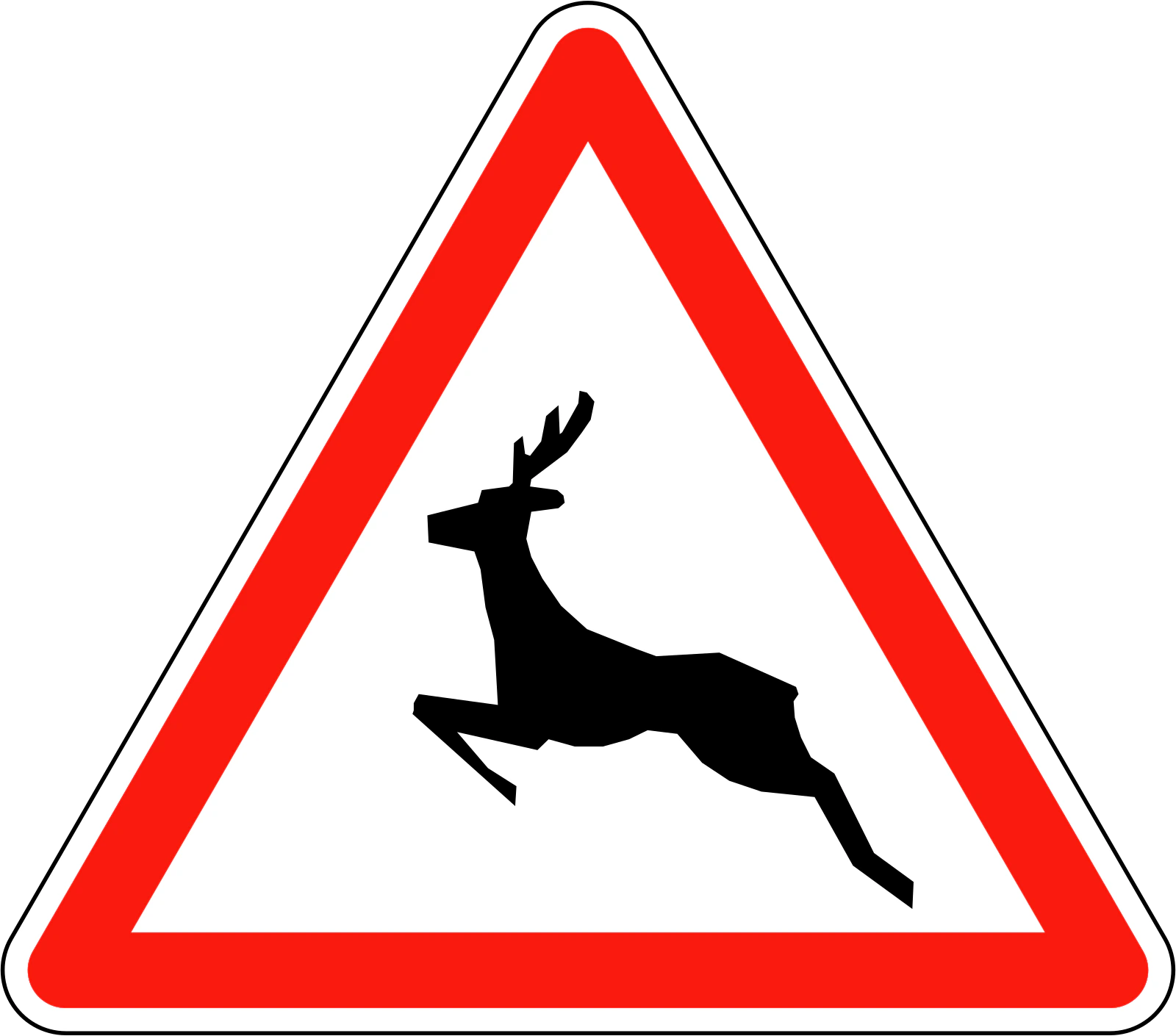
Be aware of wild animals with the A15b warning sign.
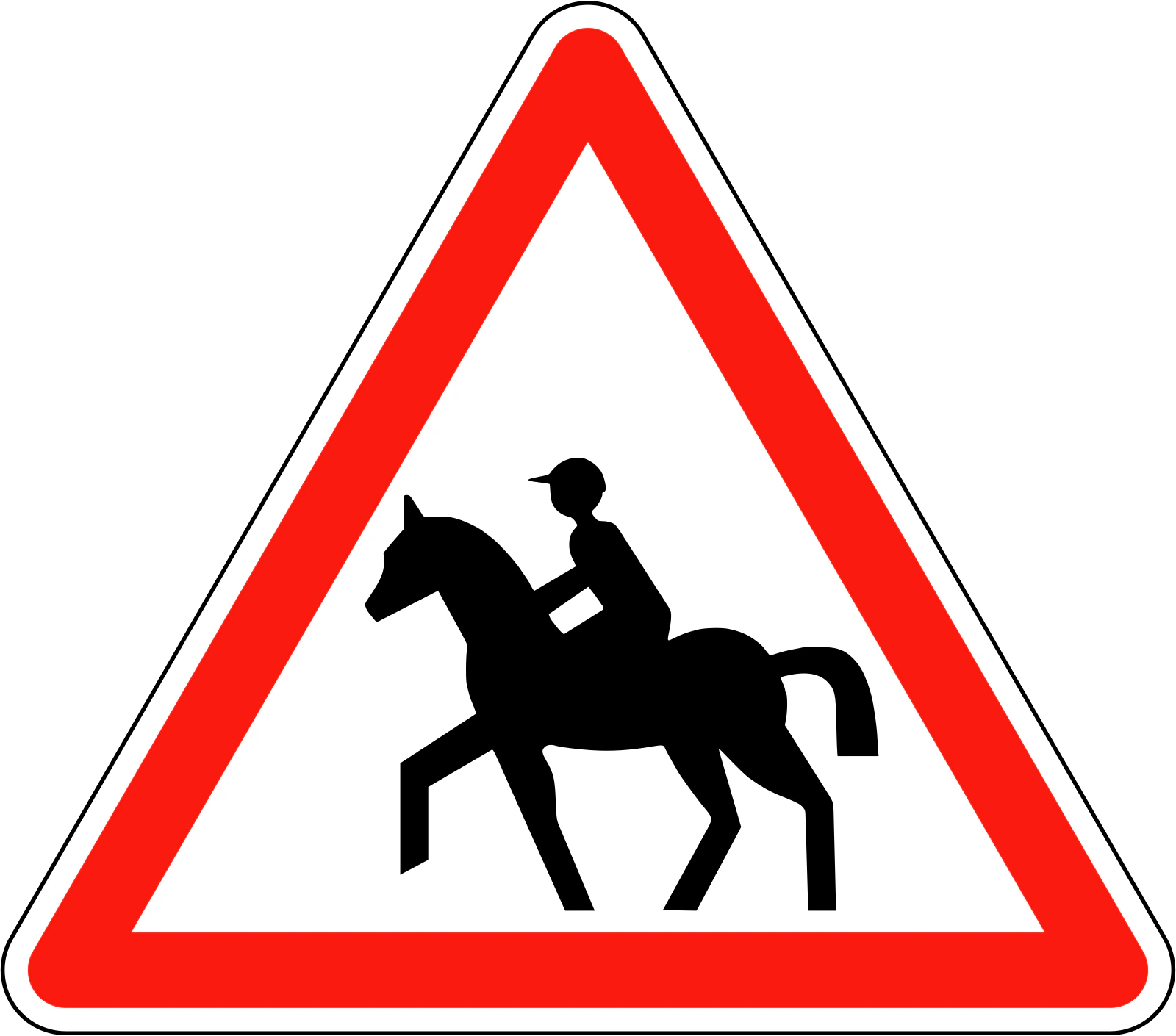
Watch out for horses: Understand the 'Equestrians' warning sign (A15c).
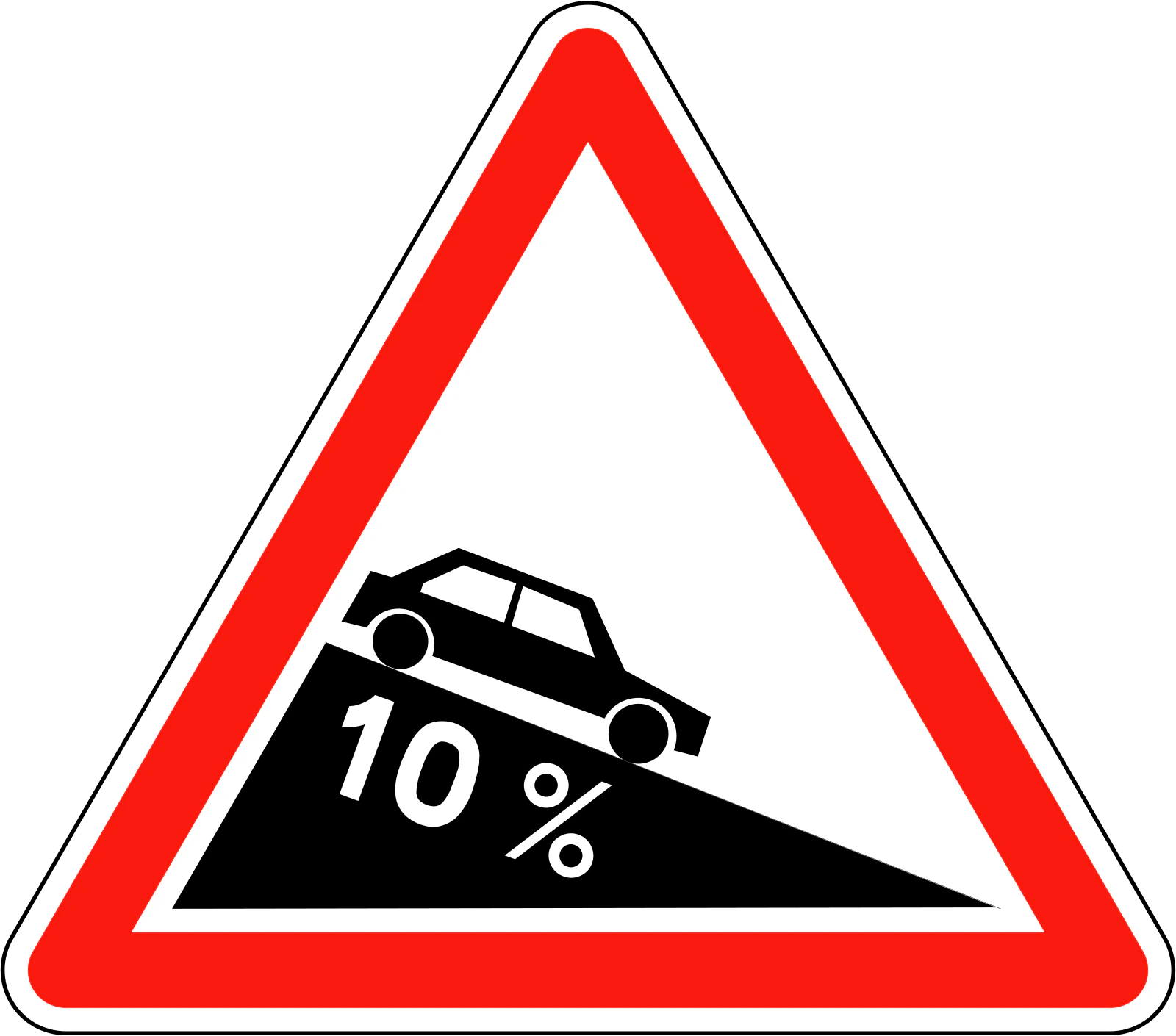
Steep Hill Downwards: Prepare for a significant descent ahead.
Explore these structured materials to bridge the gap between visual sign recognition and the specific traffic rules required for your ETG theory test. These resources help clarify how regional road signs dictate right-of-way and safety in France.
Master the Code de la Route for Challenging Weather Conditions
Decipher French Road Signs for a Confident Code Exam Pass.
For those guiding new drivers in France through supervised learning, understanding the 'accompagnateur' role is paramount. This article breaks down the legal requirements and pedagogical duties of supervisors in programs like 'conduite supervisée' and AAC. It clarifies what knowledge of the French 'Code de la route' you must impart and what safety standards you are legally obligated to uphold, ensuring a solid foundation for the learner.
While the Code de la route provides the essential legal framework for driving in France, passing your theory exam requires an understanding of how to apply these rules in real-world situations. This guide explains why simply memorizing laws is not enough and how cultivating a defensive driving mindset is critical for both the ETG and your future on the road. Readers will gain insight into how to interpret complex traffic scenarios and prioritize safety when faced with variable conditions in urban, rural, and motorway settings.
Lane section plates are used where a sign does not apply uniformly to the whole road. They can show the start or end of a restriction, a continuing section, or whether the rule applies to the right, left, or both directions. Drivers should use these plates with sign placement and road markings before stopping, parking, changing lane, or applying a restriction. Official French sign code: M8a.
Lane section plates are used where a sign does not apply uniformly to the whole road. They can show the start or end of a restriction, a continuing section, or whether the rule applies to the right, left, or both directions. Drivers should use these plates with sign placement and road markings before stopping, parking, changing lane, or applying a restriction. Official French sign code: M8b.
Now that you've reviewed the full list of French road signs, enhance your understanding. Explore signs grouped by specific categories for deeper insights, test your recognition with practice questions, and solidify your knowledge for the Code de la route exam.
Browse All French Road Signs