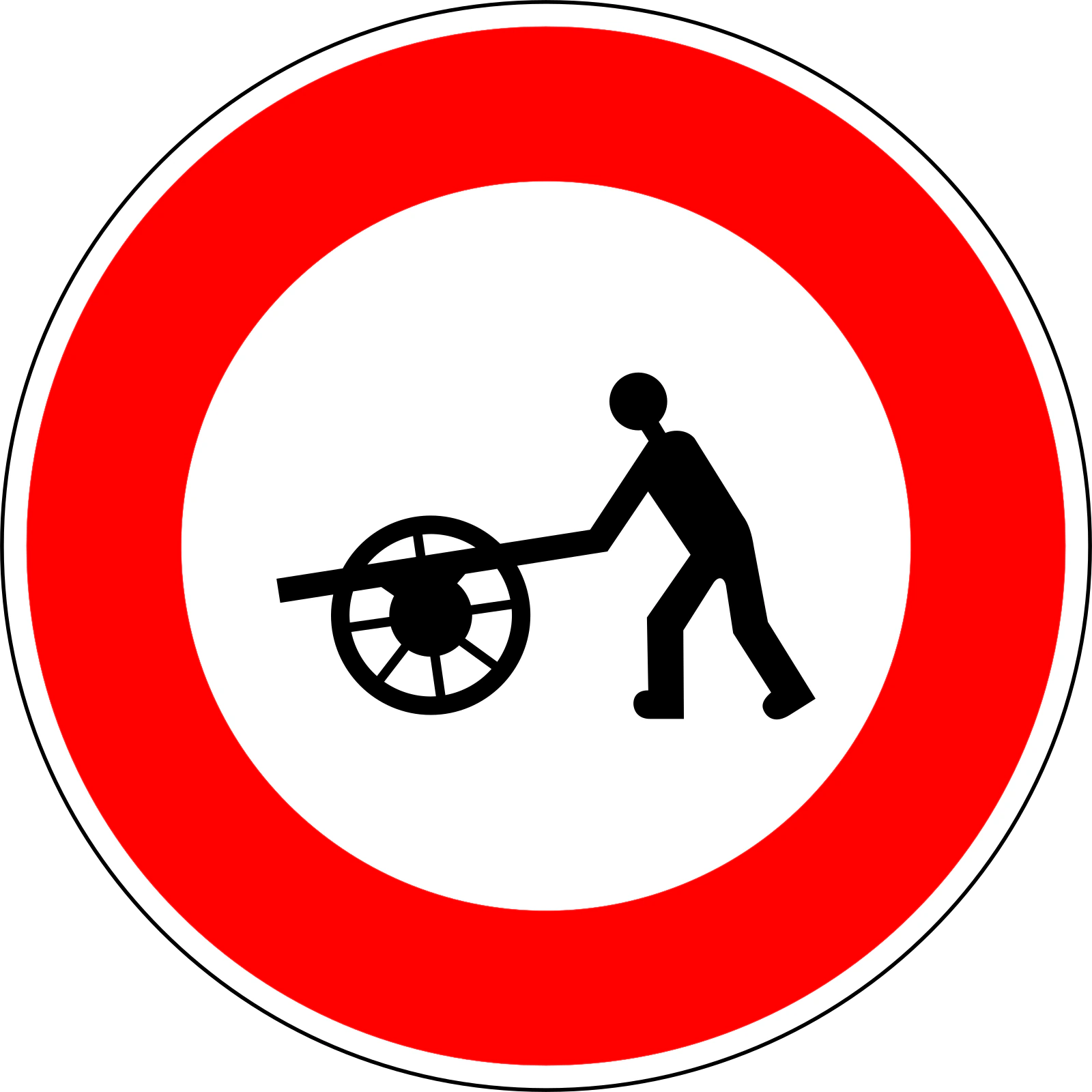
The B9e sign is a crucial prohibitory road sign in France, indicating that certain movements, vehicle types, or actions are forbidden. This prohibition applies from the sign's location unless a supplementary plate or road layout specifies otherwise. As a driver, you must identify if the restriction applies to you and be prepared to use an alternative route if your intended movement is not allowed. Understanding these signs is vital for safe driving and passing the French theory test.
This essential prohibitory sign, code B9e, dictates specific restrictions to ensure road safety in France. Understanding its exact meaning is crucial for your theory test revision and navigating French traffic rules correctly.
Prohibitory signs are legally binding signs that prevent unsafe or unsuitable traffic movements. This sign may restrict entry, overtaking, turning, parking, stopping, horns, vehicle type, vehicle size, weight, or dangerous goods. Drivers should identify whether the restriction applies to them before entering the controlled area and should choose another lawful route if necessary. Official French sign code: B9e.
"No handcarts" tells drivers that a movement, access, vehicle category, stopping action, dimension, weight, or behaviour is prohibited. The restriction applies from the sign unless a plate or road layout states otherwise.
Get clear, practical answers to the most common questions about the B9e - No handcarts road sign. Learn how the sign works, what rules it represents, and how it affects real driving situations. This FAQ strengthens your understanding and supports accurate decision making for the French driving theory exam in France.
The B9e sign, often translated as 'No Handcarts', signifies a prohibition. This typically means you cannot proceed with a specific action, enter with a certain vehicle category, or perform a particular manoeuvre like stopping or parking. Always check for supplementary plates that might specify vehicle types, times, or distances for the restriction.
The B9e sign prohibits specific actions that could be unsafe or unsuitable. This can include entering, continuing, stopping, parking, turning, or overtaking, depending on what the sign's symbol or any accompanying plate indicates. It's essential not to assume you are exempt unless clearly stated.
When you see the B9e sign, you must first read the symbol and any supplementary plate to understand the exact nature of the prohibition. If the restriction prevents your intended movement, you must choose another legal route. Prepare to slow down early to make a safe decision about your alternative course of action.
A common trap is assuming the restriction applies only to handcarts because of the name. In reality, the 'No Handcarts' sign (B9e) is a general prohibitory sign and can restrict many other things. Always look for supplementary information. Another trap is assuming the restriction ends when others ignore it; you must continue to obey it until an official end sign or zone exit is encountered.
You only need to stop if the prohibition indicated by the B9e sign is related to stopping or parking. If the sign prohibits entry with your vehicle type or a specific manoeuvre, you should not enter or perform that manoeuvre, but you don't necessarily need to stop unless required by traffic conditions or a supplementary instruction.
A clear reference image of the B9e - No handcarts road sign used in France.
The B9e - No handcarts road sign may also be known by these alternative names or terms.
The B9e - No handcarts road sign is part of the France Prohibitory Signs category, which groups together signs with similar rules and functions.
Comparing the 'No handcarts' sign with similar prohibitory signs sharpens your ability to distinguish nuances for better theory test revision. This targeted traffic sign comparison reinforces your knowledge, reducing errors during your French driving licence exam preparation.
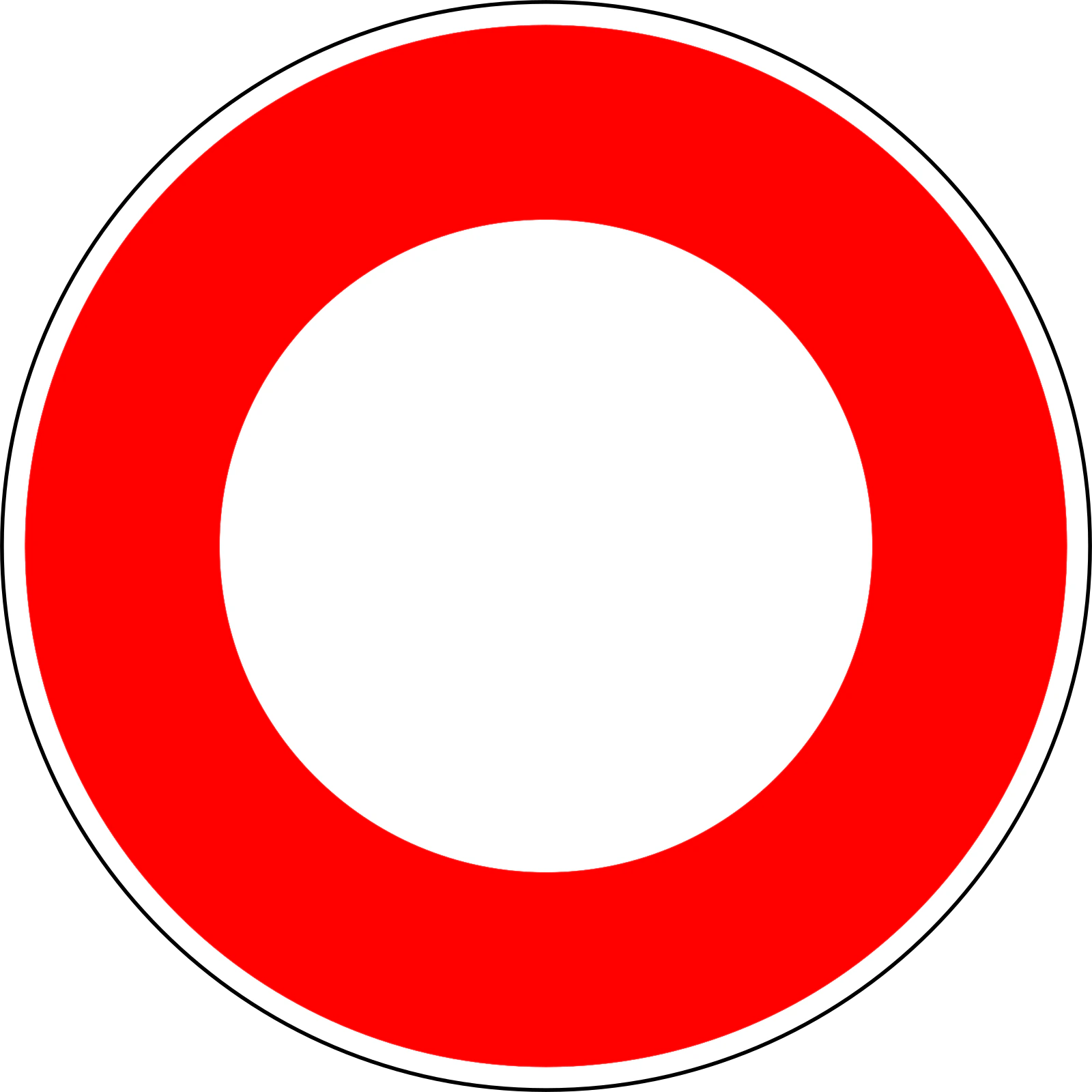
B0 'No Vehicles' Sign: Understanding This Important Prohibition
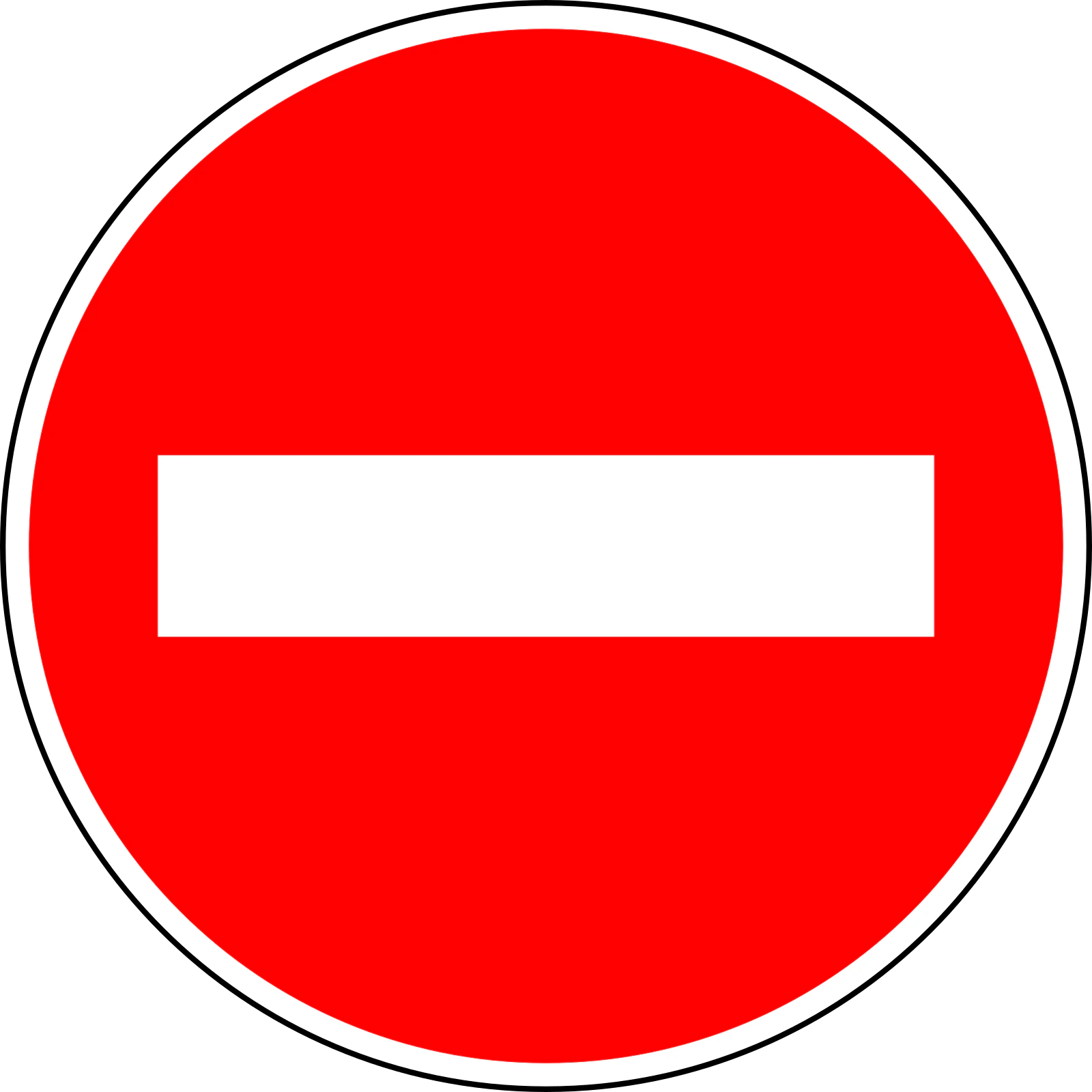
What does the B1 'No Entry' prohibitory sign mean for French drivers?
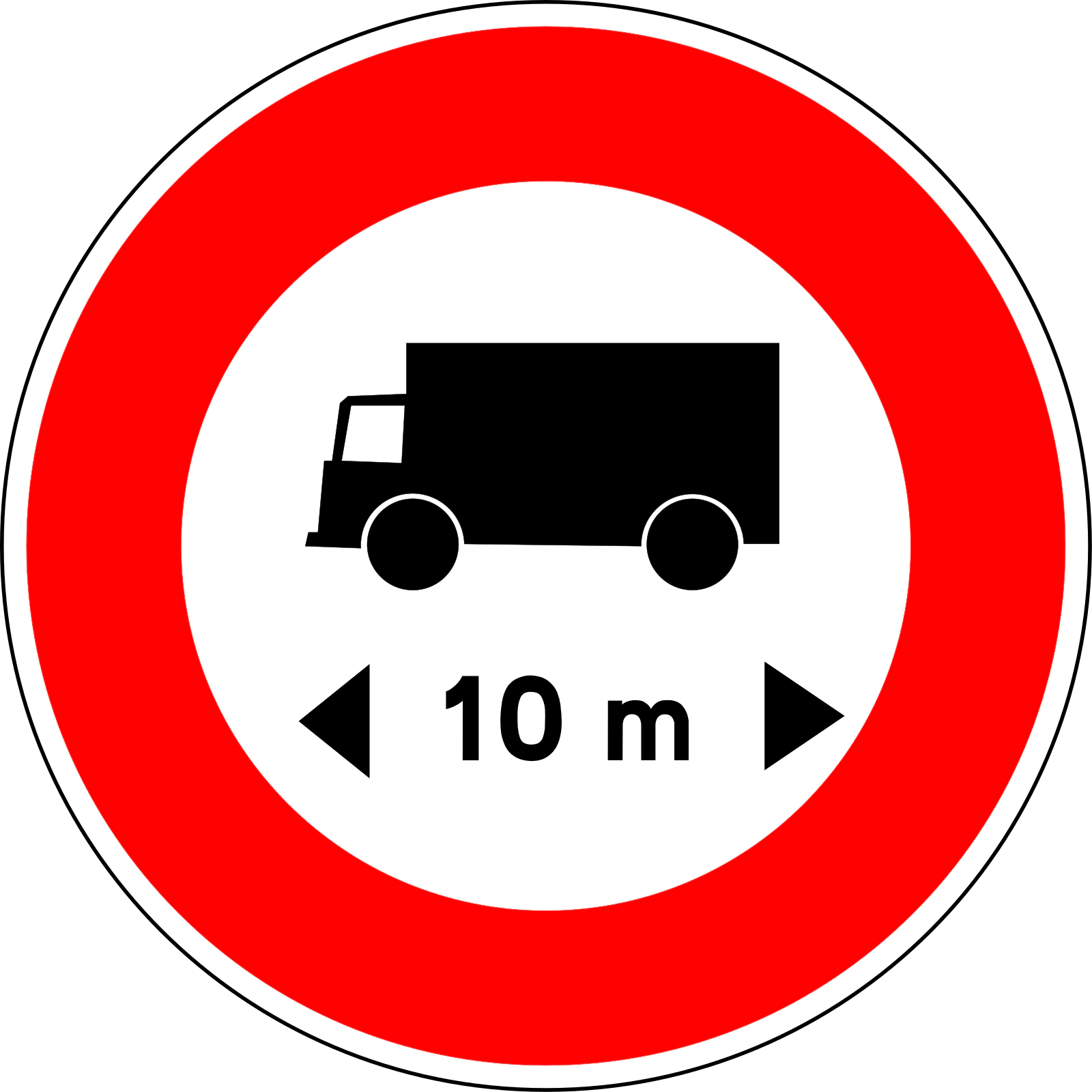
France's B10a 'Length Limit' Sign Prohibits Certain Vehicle Movements
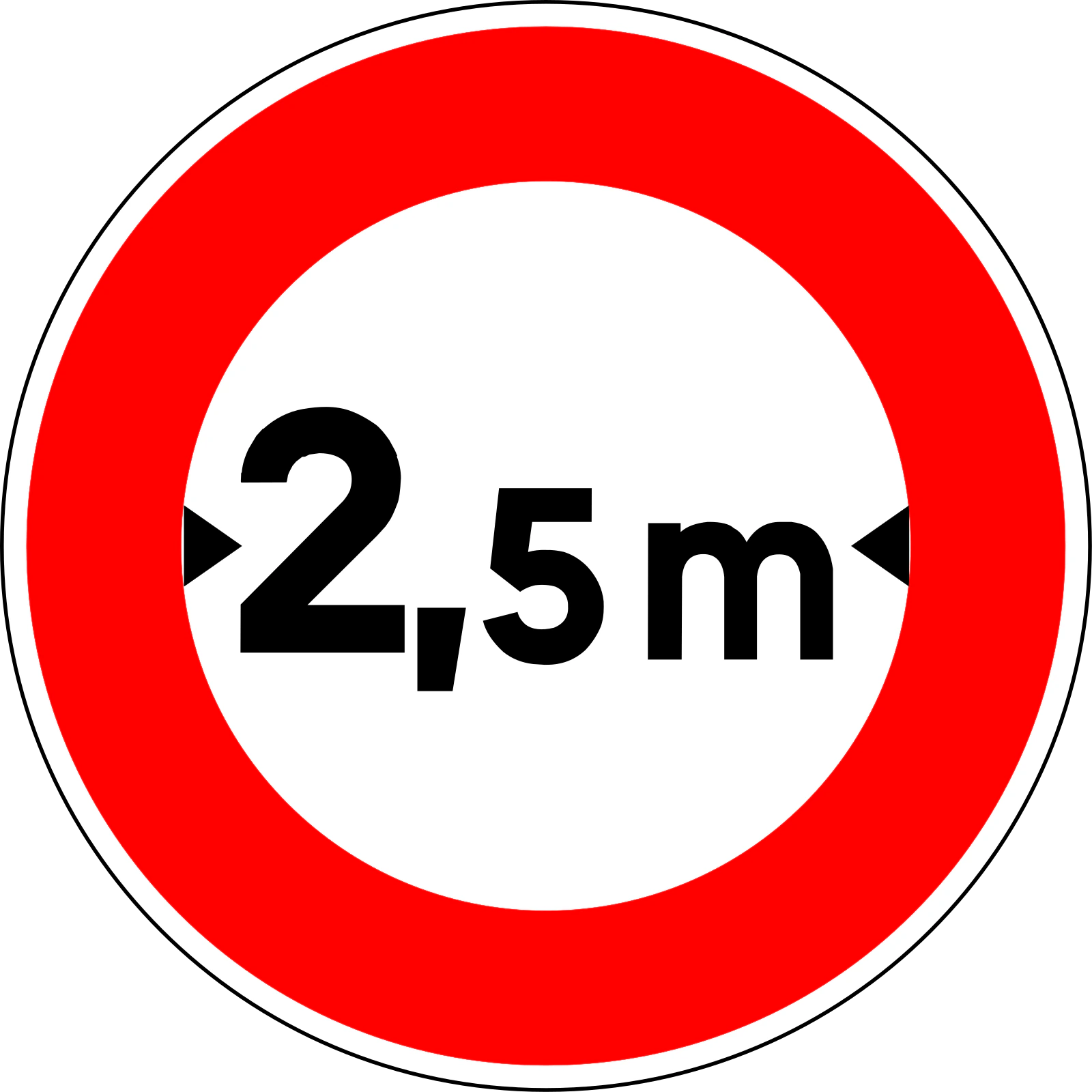
Observe the B11 Width Limit sign to avoid restricted zones.
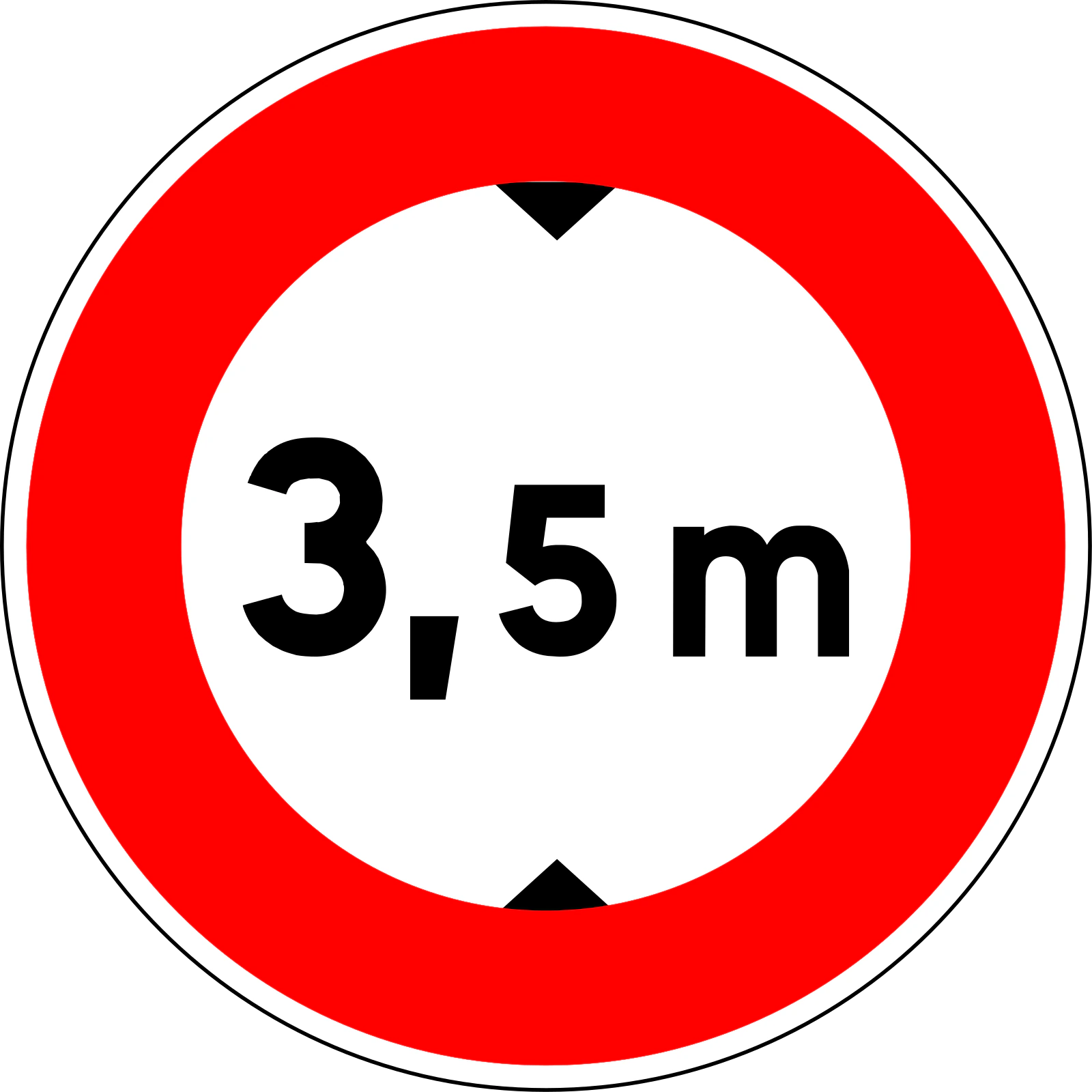
B12 Height Limit: Know Your Vehicle's Clearance and Avoid Restrictions
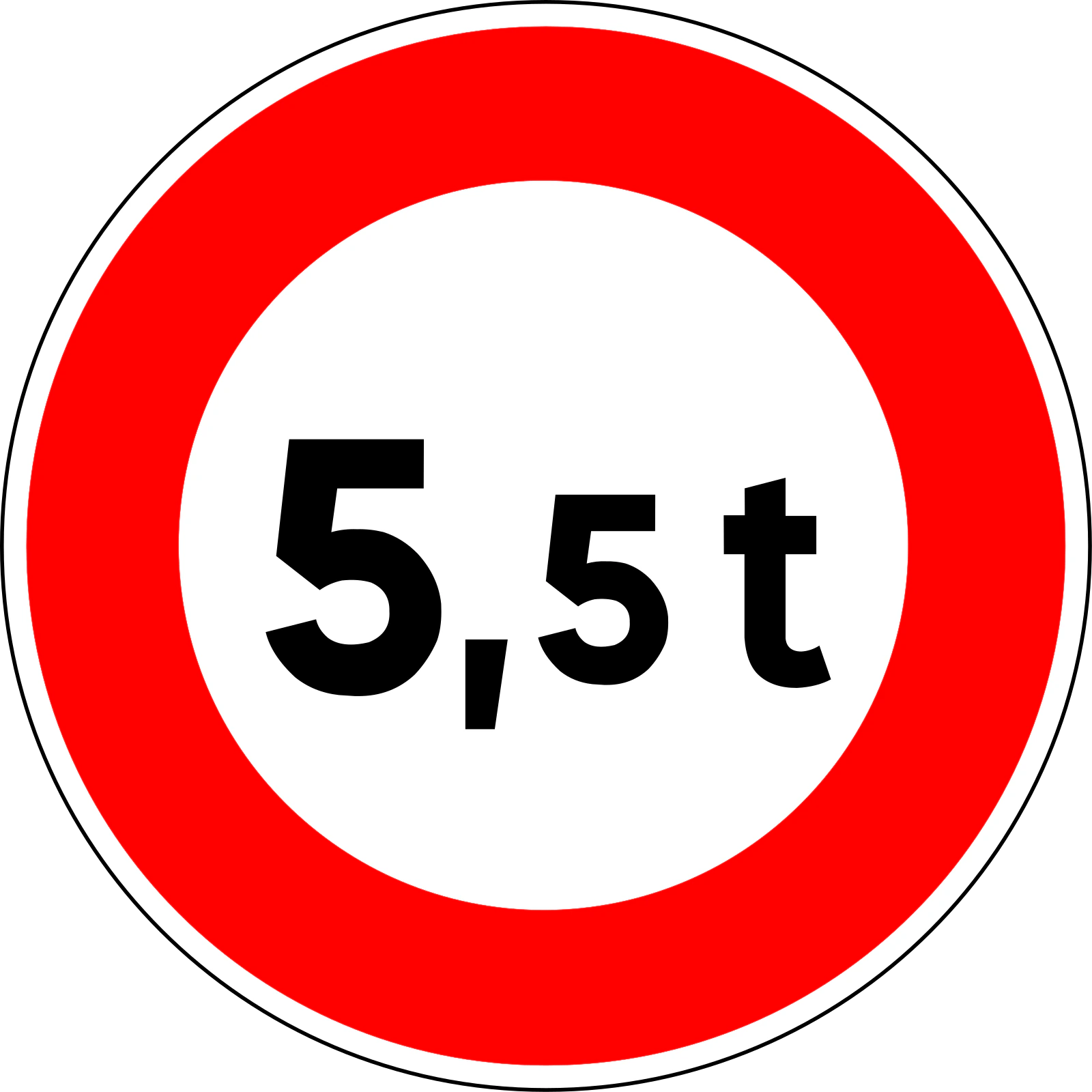
The B13 Weight Limit sign restricts vehicles exceeding a specified weight.
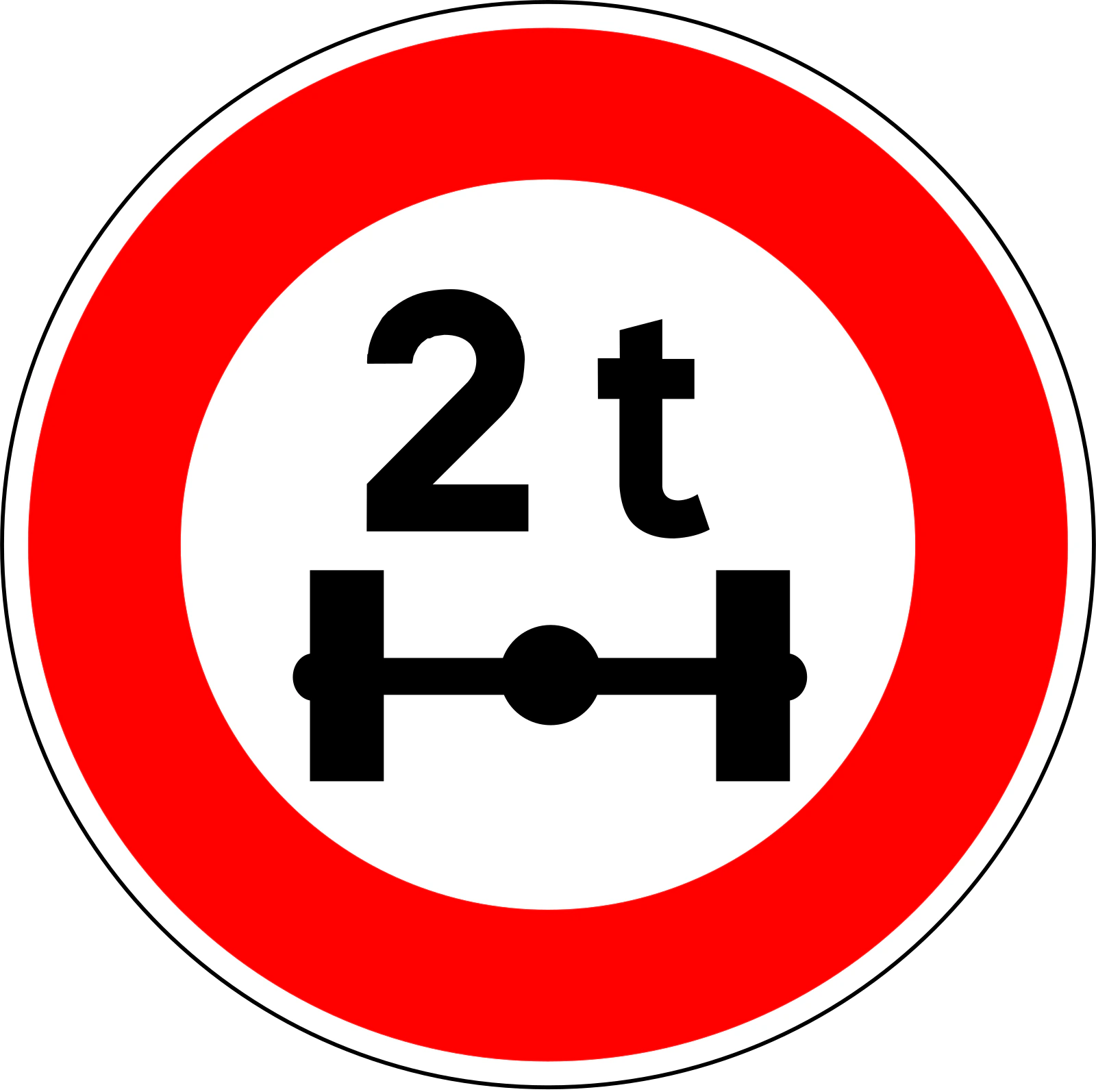
B13a: Understand the Axle Weight Limit Prohibitory Sign
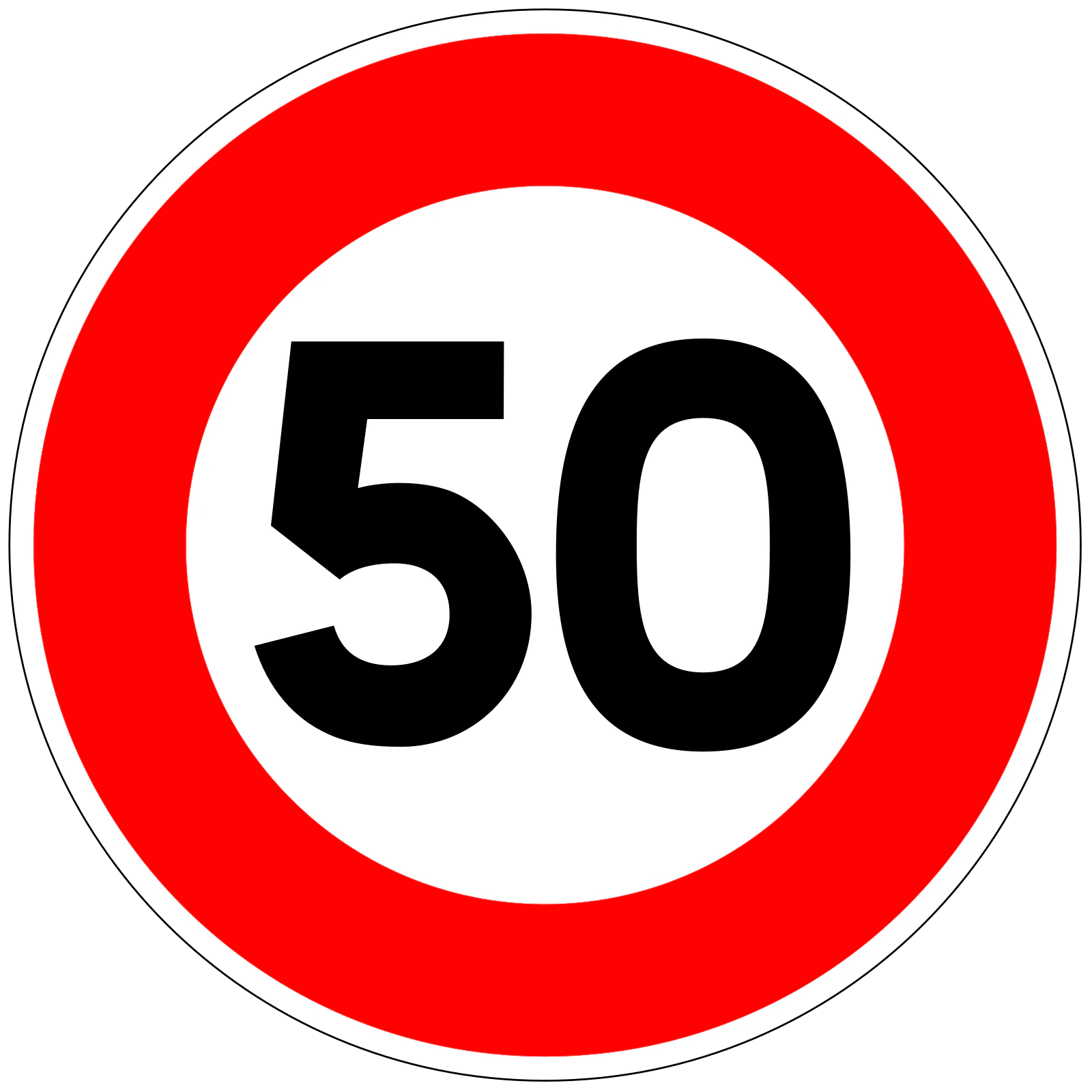
The B14 'Speed Limit' Sign: Understanding and Obeying Prohibitory Restrictions
Explore these structured materials to bridge the gap between visual sign recognition and the specific traffic rules required for your ETG theory test. These resources help clarify how regional road signs dictate right-of-way and safety in France.
Navigating French urban environments requires a precise understanding of reserved lanes and public transport prioritization. This article explains the legal requirements for sharing the road with buses, taxis, and cyclists, including how to handle intersection maneuvers and turn crossings. These concepts are essential for both real-world driving safety and successfully passing the ETG theory test.
For those guiding new drivers in France through supervised learning, understanding the 'accompagnateur' role is paramount. This article breaks down the legal requirements and pedagogical duties of supervisors in programs like 'conduite supervisée' and AAC. It clarifies what knowledge of the French 'Code de la route' you must impart and what safety standards you are legally obligated to uphold, ensuring a solid foundation for the learner.
Master French Cycling Rules for a Safer Road and a Confident Permis B.
Master complex traffic situations and secure your points as a new French driver.
Prohibitory signs are legally binding signs that prevent unsafe or unsuitable traffic movements. This sign may restrict entry, overtaking, turning, parking, stopping, horns, vehicle type, vehicle size, weight, or dangerous goods. Drivers should identify whether the restriction applies to them before entering the controlled area and should choose another lawful route if necessary. Official French sign code: B0.
Prohibitory signs are legally binding signs that prevent unsafe or unsuitable traffic movements. This sign may restrict entry, overtaking, turning, parking, stopping, horns, vehicle type, vehicle size, weight, or dangerous goods. Drivers should identify whether the restriction applies to them before entering the controlled area and should choose another lawful route if necessary. Official French sign code: B1.
Now that you've reviewed the full list of French road signs, enhance your understanding. Explore signs grouped by specific categories for deeper insights, test your recognition with practice questions, and solidify your knowledge for the Code de la route exam.
Browse All French Road Signs