Understanding the logistical demands of an intensive driving course is essential for anyone aiming to obtain their license in a condensed timeframe. This article details how these programs integrate with legal training requirements in Germany, ensuring you stay prepared for the official examinations while managing the intense pace of learning.
Article content overview
For many prospective drivers in Germany, the desire to obtain a driving license quickly is a primary motivator. An intensive driving course, often referred to as a "fast-track" or "crash course," is designed to condense the training timeline by focusing on a rigorous and highly structured schedule. However, it is a common misconception that these programs allow students to bypass mandatory learning hours or ignore the stringent standards set by the Straßenverkehrs-Ordnung (StVO). Whether you choose an intensive program or a traditional, flexible schedule, the legal requirements for theory hours and practical driving competence remain exactly the same.
The intensity of these courses is purely logistical and organizational. By dedicating several hours every day to theory lessons and practical driving, students can often complete their training in as little as two to four weeks, depending on the chosen license category. Success in these accelerated formats requires a significant personal commitment, excellent time management, and meticulous preparation of all administrative documentation before the course officially begins.
In Germany, the acquisition of a driving license is strictly regulated to ensure road safety. Regardless of the speed of your course, you must fulfill the mandatory number of theory hours, which typically consists of 14 double lessons (90 minutes each) for class B. Practical training is equally structured, involving standard driving lessons and the mandatory "special" drives (Sonderfahrten), which include night driving, highway (Autobahn) driving, and rural road training.
These are mandatory special practical training sessions that every learner driver in Germany must complete. They include specific hours on motorways, rural roads, and night driving, which are essential for developing the advanced skills required for the official practical examination.
If you are aiming for a fast-track license, your driving school must be able to guarantee the availability of an instructor and a vehicle for these intensive blocks. Before signing a contract, ensure the school provides a clear, written plan that covers all mandatory training phases, as administrative delays in registering for the theory or practical tests can derail even the most intensive schedule.
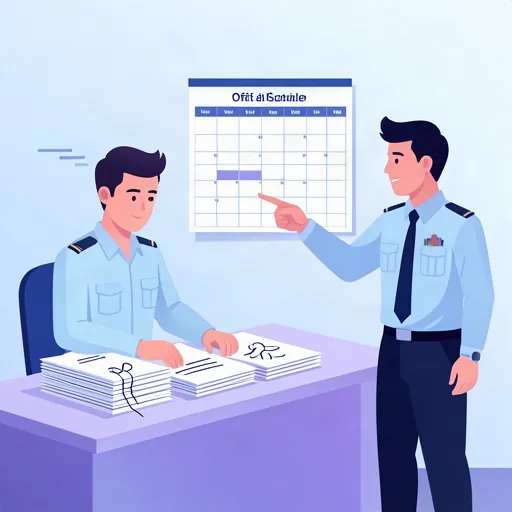
One of the most frequent causes of delay for students in accelerated programs is incomplete paperwork. Your application for a driving license must be processed by the local Fahrerlaubnisbehörde (driver licensing authority) before you are permitted to take the official theory or practical test. This process can take several weeks, so it is imperative to submit your application well in advance of your intended intensive course start date.
Choosing between an intensive course and a traditional format should be based on your personal availability and learning style. Intensive courses are best suited for individuals who can dedicate their entire day to driving education without the distraction of work or university commitments. If you have a busy life, a traditional course offers the flexibility to spread your learning over several months, which some learners find more effective for retaining complex traffic rules and hazard perception skills.
Be wary of schools that promise a "guaranteed pass" or suggest you can complete the entire license in a few days. German driving regulations are uniform, and there are no shortcuts to the required legal training blocks or the official examination criteria defined by the Federal Ministry of Transport.
The official theory test consists of multiple-choice questions that evaluate your understanding of road signs, right-of-way rules, and technical knowledge. In an intensive course, you are exposed to a high volume of information in a short time. To succeed, you should consistently use official learning apps to practice mock exams. Pay close attention to situational questions, as the exam often tests your ability to apply safety rules to specific, complex intersections.
Intensive driving courses in Germany offer an accelerated path to obtaining your license by compressing the schedule rather than reducing mandatory requirements—learners must still complete 14 double theory lessons and all Sonderfahrten regardless of course format. Proper administrative preparation, including early submission to the Fahrerlaubnisbehörde and securing current vision and first-aid certificates, is essential to avoid delays. When selecting a school, verify they provide a written training plan covering all mandatory phases and beware of promises of guaranteed passes or shortcuts, as German driving regulations are uniform nationwide. Consistent practice with official theory test questions is critical, especially for situational and hazard perception items that appear in the TÜV/DEKRA examination.
A short set of high-value points that capture the most important ideas from this article.
Intensive courses compress the training timeline but do not reduce the mandatory hours required by German law
All learner drivers must complete 14 double theory lessons (90 minutes each) plus mandatory Sonderfahrten for highway, rural, and night driving
Your driving school must guarantee instructor and vehicle availability for intensive lesson blocks before you sign a contract
The theory test evaluates understanding of road signs, right-of-way rules, and ability to apply safety rules to complex intersections
Success in accelerated programs requires excellent time management and meticulous administrative preparation
Sonderfahrten are mandatory special drives covering motorway, rural road, and night driving that cannot be skipped
Submit your application to the Fahrerlaubnisbehörde weeks before your course start date to avoid processing delays
No German driving school can guarantee a pass or reduce the legal training blocks mandated by StVO
Vision test and first-aid course certificates must be current and valid before enrollment
Coordinate your TÜV/DEKRA theory test date before your intensive course ends to ensure timely examination
Assuming intensive courses allow bypassing mandatory theory hours or practical training phases
Signing with a school that promises completion in just a few days, which violates German driving regulations
Delaying paperwork submission to the licensing authority, causing registration delays for official tests
Failing to practice with official mock exams and overlooking situational questions in the theory test
Choosing an intensive schedule without considering personal availability for daily, full-day commitment
Article content overview
A short set of high-value points that capture the most important ideas from this article.
Intensive courses compress the training timeline but do not reduce the mandatory hours required by German law
All learner drivers must complete 14 double theory lessons (90 minutes each) plus mandatory Sonderfahrten for highway, rural, and night driving
Your driving school must guarantee instructor and vehicle availability for intensive lesson blocks before you sign a contract
The theory test evaluates understanding of road signs, right-of-way rules, and ability to apply safety rules to complex intersections
Success in accelerated programs requires excellent time management and meticulous administrative preparation
Sonderfahrten are mandatory special drives covering motorway, rural road, and night driving that cannot be skipped
Submit your application to the Fahrerlaubnisbehörde weeks before your course start date to avoid processing delays
No German driving school can guarantee a pass or reduce the legal training blocks mandated by StVO
Vision test and first-aid course certificates must be current and valid before enrollment
Coordinate your TÜV/DEKRA theory test date before your intensive course ends to ensure timely examination
Assuming intensive courses allow bypassing mandatory theory hours or practical training phases
Signing with a school that promises completion in just a few days, which violates German driving regulations
Delaying paperwork submission to the licensing authority, causing registration delays for official tests
Failing to practice with official mock exams and overlooking situational questions in the theory test
Choosing an intensive schedule without considering personal availability for daily, full-day commitment
Explore related topics, search based questions, and concepts that learners often look up when studying Intensive Driving Courses in Germany. These themes reflect real search intent and help you understand how this topic connects to wider driving theory knowledge in Germany.
Find clear and practical answers to common questions learners often have about Intensive Driving Courses in Germany. This section helps explain difficult points, remove confusion, and reinforce the key driving theory concepts that matter for learners in Germany.
No, intensive courses are purely a method of delivering the training in a shorter time frame. The minimum mandatory theory hours and practical training requirements set by German law remain exactly the same.
Success depends on thorough preparation, including having all necessary documents ready in advance, having a clear schedule, and ensuring you are mentally prepared for the daily intensity of lessons.
While common for Class B, intensive models can be applied to other categories, but they are subject to the specific training curriculums and minimum hours required for that vehicle class.
Look for schools that offer transparent pricing including all fees, provide a clear, structured learning plan, and show a proven track record of coordinating official examination dates efficiently.
Didn't find what you were looking for? Continue your German driving theory preparation by exploring related articles, specific road sign categories, or in-depth guides on complex traffic situations. Deepen your understanding before the official test.