
Preparing for the German theory test requires a solid understanding of the StVO and consistent practice with official, verified content. This article explores how to utilize high-quality learning apps to simulate exam conditions, identify your knowledge gaps, and structure a study plan that fits your personal schedule. Mastering these digital tools is a critical step in confidently passing your theory examination on the first attempt.
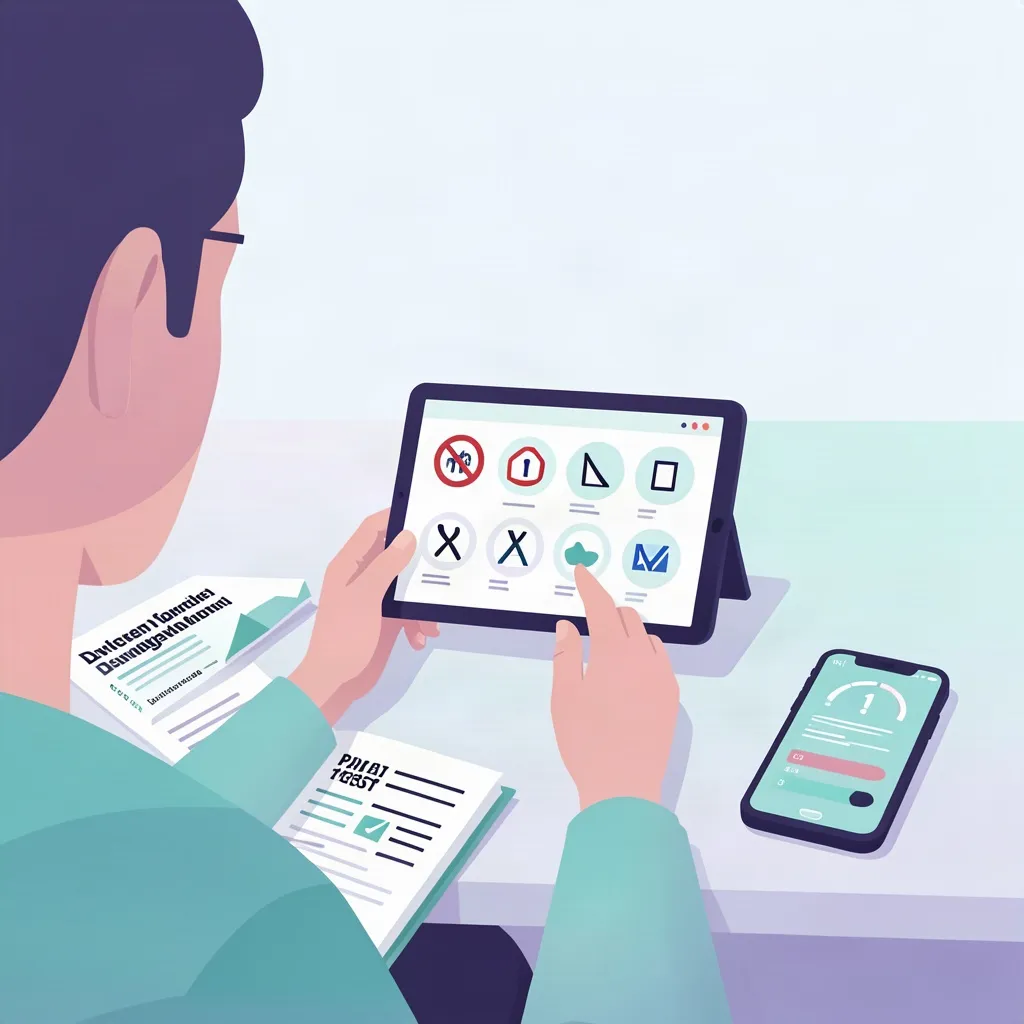
Article content overview
Preparing for the German driving theory exam—the Theoretische Fahrerlaubnisprüfung—is a milestone that requires both patience and a structured approach. Because the test is based on a complex catalogue of official questions developed by the TÜV | DEKRA arge tp 21, relying on outdated materials or casual reading is rarely sufficient. Instead, mastering the Straßenverkehrs-Ordnung (StVO) requires a combination of consistent daily practice and an understanding of how these concepts are tested in the real exam environment.
The German theory test is designed not just to check for memorization, but to ensure that novice drivers possess the necessary knowledge to navigate the road safely. Whether you are aiming for a Class B license or specialized motorcycle categories, your preparation should be centered on a high-quality, app-based learning platform that features the official, current question catalogue. Many learners underestimate the time required to internalize the nuances of German traffic laws, leading to unnecessary stress as the exam date approaches.
A 14-day or 30-day study plan is often the most effective way to retain information. By committing to 20 to 30 minutes of daily practice, you allow your brain to process the material through spaced repetition. This is far more effective than "cramming," which often leads to confusion during the actual exam when faced with media-based questions involving complex video scenarios.
The official exam is composed of questions that test your understanding of traffic regulations, environmental awareness, and safety protocols. It is crucial to use an app that provides the exact, valid questions currently in circulation. These apps often categorize questions by topic, allowing you to focus on challenging areas like priority rules, Autobahn driving, or the specific behavior required when encountering public transport.
Always ensure your learning app is updated to the latest version of the official catalogue. The authorities update and refine these questions regularly, and practicing with obsolete material is a common reason for failing the exam.
When you encounter a question you find difficult, take the time to read the explanation carefully rather than just memorizing the correct answer. The German exam often includes variations of the same scenario; if you understand the underlying why behind a rule, you will be able to answer any variation correctly regardless of how it is phrased.
One of the most frequent mistakes learners make is neglecting the "hazard perception" videos. These videos are a core component of the exam and require you to identify potential dangers quickly. In the simulator, do not simply watch the video once; watch it until you can accurately spot the moment a hazard develops and decide on the correct defensive reaction.
Furthermore, many learners overlook the importance of administrative prerequisites. You cannot be admitted to the final theory exam without the Prüfungszulassung from your local driver licensing authority (Fahrerlaubnisbehörde). Always confirm that your registration is complete and that your driving school has submitted all necessary paperwork.
The official German Road Traffic Regulations which form the legal basis for all traffic rules, road signs, and the requirements for the theoretical driving test.
Road signs in Germany follow strict international standards but contain specific details that are frequently tested. Understanding the difference between a "Give Way" sign and a "Stop" sign is fundamental, as is recognizing the various signs that denote speed limits or environmental zones (Umweltzone).
When you reach a level of consistency where you pass your simulator tests with zero or very few errors, you are likely ready for the real thing. Remember that the exam environment will be different from your couch; stay calm, read each question thoroughly, and do not rush. The official system allows you to skip questions and return to them later, which is a useful strategy if you encounter a particularly complex scenario.
Article content overview
Explore related topics, search based questions, and concepts that learners often look up when studying Mastering German Theory Exams. These themes reflect real search intent and help you understand how this topic connects to wider driving theory knowledge in Germany.
Find clear and practical answers to common questions learners often have about Mastering German Theory Exams. This section helps explain difficult points, remove confusion, and reinforce the key driving theory concepts that matter for learners in Germany.
While you are not strictly required to use a specific app, it is essential that the material you study is based on the official, up-to-date question catalogue provided by TÜV | DEKRA arge tp 21 to ensure you are practicing with accurate exam content.
Before you can take the theory test, you must have your application processed by the local driving licence authority, complete an eye test, and attend a certified first-aid course.
We recommend a consistent daily habit of 20 to 30 minutes of focused practice. Depending on your timeline, you can follow a 7, 14, or 30-day study plan to cover all categories thoroughly.
Yes, the theory exam tests your knowledge of the StVO, which includes specific rules for road signs, priority at intersections, hazard perception, and safe, environmentally conscious driving behavior.
Didn't find what you were looking for? Continue your German driving theory preparation by exploring related articles, specific road sign categories, or in-depth guides on complex traffic situations. Deepen your understanding before the official test.