
Logo
Learn with German Theory Courses

German Motorcycle Theory A: Communication with Other Road Users: Hand Signals, Light Usage, and Eye Contact

Communication with Other Road Users: Hand Signals, Light Usage, and Eye Contact lesson overview image

This lesson focuses on how motorcyclists can clearly communicate their intentions to other road users to prevent misunderstandings and collisions. It covers the correct use of indicators, brake lights, and standardized hand signals for turning and stopping. The importance of making eye contact with other drivers to confirm they have seen you is also a key topic for enhancing safety.

motorcycle theoryhand signalsroad safetyA licencedefensive ridingtheory test prep
German Motorcycle Theory A curriculum

Part of the full German Motorcycle Theory A curriculum

The Communication with Other Road Users: Hand Signals, Light Usage, and Eye Contact lesson belongs to the structured German Motorcycle Theory A curriculum, a complete learning program designed to help learners in Germany master every key topic required for the German driving theory exam. By studying this lesson, you continue building the knowledge, traffic awareness, and exam readiness developed throughout the units of the curriculum.
motorcycle theoryGermanyA1 licenceA2 licenceA licencetheory exam prepGerman traffic lawrider safetydefensive ridingmotorcycle rules
German Motorcycle Theory A curriculum image

German Motorcycle Licence Theory Course (Classes A, A1, A2)

Prepare for your German motorcycle theory test with this comprehensive curriculum for classes A, A1, and A2. Gain a deep understanding of German road traffic regulations, advanced hazard perception, and specific motorcycle handling techniques. The course explains critical safety concepts, from protective equipment to defensive riding strategies, ensuring you have the knowledge to ride safely and confidently on German roads.

9 units37 lessons
View curriculum

Why the Communication with Other Road Users: Hand Signals, Light Usage, and Eye Contact lesson matters

The Communication with Other Road Users: Hand Signals, Light Usage, and Eye Contact lesson explains one of the most important subjects in the Protective Clothing, Visibility, Observation and Communication unit of the German Motorcycle Theory A curriculum. It focuses on essential exam content that every learner in Germany needs for the German driving theory exam. Through clear explanations, practical examples, and real traffic situations, this lesson helps you understand how the rules work in practice and strengthens your overall exam preparation.

Browse curriculum
Learning objectives

What you will learn in the Communication with Other Road Users: Hand Signals, Light Usage, and Eye Contact lesson

Identify and execute standardized hand signals for turning and stopping
Understand the correct usage of motorcycle indicator and brake light signalling
Apply eye contact techniques to confirm awareness with other drivers
Recognize the critical importance of visible communication in preventing accidents
Apply communication rules to solve complex German theory test scenarios
What you will gain

What you will understand after completing the Communication with Other Road Users: Hand Signals, Light Usage, and Eye Contact lesson

Upon completion of this lesson, learners will possess a deep understanding of how to signal effectively, ensuring they are seen and understood in various traffic conditions. You will learn to use hand signals in addition to mechanical lights, especially in situations where light visibility is compromised or when navigating complex junctions. This knowledge directly translates to safer real-world riding by minimizing the risk of misinterpretation by car drivers and other vulnerable road users.

In the context of the German theoretical driving test, you will be able to confidently answer situational questions regarding priority and intent. By mastering these communication protocols, you will also be better prepared to demonstrate professional, defensive riding techniques during your practical assessment, showcasing your ability to interact safely with the traffic environment.
Start reading topics
What you will understand after completing the Communication with Other Road Users: Hand Signals, Light Usage, and Eye Contact lesson
Learners who benefit the most from the Communication with Other Road Users: Hand Signals, Light Usage, and Eye Contact lesson
Who should study this

Learners who benefit the most from the Communication with Other Road Users: Hand Signals, Light Usage, and Eye Contact lesson

This lesson is designed for all learners pursuing a motorcycle licence in Germany, whether you are starting with A1, A2, or the unrestricted A category. It is particularly useful for riders looking to bridge the gap between basic theory knowledge and proactive, defensive riding behaviors required on the road.

View all lesson topics
Questions

FAQs about the Communication with Other Road Users: Hand Signals, Light Usage, and Eye Contact lesson

Find answers to common questions about the Communication with Other Road Users: Hand Signals, Light Usage, and Eye Contact lesson, including how it connects to the Protective Clothing, Visibility, Observation and Communication unit and the full German Motorcycle Theory A curriculum. Learn how long the lesson takes, what topics it covers, and how it supports your preparation for the driving theory exam in Germany.
Why learners trust the Communication with Other Road Users: Hand Signals, Light Usage, and Eye Contact lesson

Why learners trust the Communication with Other Road Users: Hand Signals, Light Usage, and Eye Contact lesson

The Communication with Other Road Users: Hand Signals, Light Usage, and Eye Contact lesson is designed to make complex driving theory topics easier to understand. Content is written in a clear and practical way, aligned with exam expectations in Germany, and supported by examples that reflect real traffic situations. Whether you are reviewing or starting from scratch, this lesson helps you study efficiently and make steady progress inside the German Motorcycle Theory A curriculum.

Covers all important concepts linked to this lessonCreated using exam relevant topics from GermanyEvery topic explained using real world traffic situationsLesson layout that guides you step by stepReflects the latest rules required for the driving theory examStrengthens your preparation for the German theory exam
Start now

More units in the German Motorcycle Theory A curriculum

Explore additional units that make up the complete German Motorcycle Theory A curriculum. Each unit focuses on important driving theory subjects, helping learners in Germany build strong exam knowledge and improve understanding of rules, signs, and traffic behaviour.
A1, A2 and A Licence Scope, Progression and Rider Responsibility unit image
1

A1, A2 and A Licence Scope, Progression and Rider Responsibility

Understand the different German motorcycle licence categories (A1, A2, A), their requirements, how to progress through them, and the critical responsibilities and risks involved in riding.

3 lessons
Learn more
Motorcycle Construction, Controls, Equipment and Safety Checks unit image
2

Motorcycle Construction, Controls, Equipment and Safety Checks

Learn about motorcycle construction, vital pre-ride safety checks, and how to properly load passengers and luggage to ensure safe handling and exam readiness for your German motorcycle licence.

5 lessons
Learn more
Protective Clothing, Visibility, Observation and Communication unit image
3

Protective Clothing, Visibility, Observation and Communication

Learn crucial motorcycle safety in Germany: the importance of certified protective clothing, enhancing visibility, and mastering observation techniques like mirror checks and shoulder checks for the theory exam and safe riding.

5 lessons

Learn more
Balance, Steering, Cornering, Traction and Road Position unit image
4

Balance, Steering, Cornering, Traction and Road Position

Master motorcycle balance, steering, cornering, traction, and road positioning for safer riding and success in your German theory test.

4 lessons
Learn more
Braking, Speed Choice, Following Distance and Emergency Control unit image
5

Braking, Speed Choice, Following Distance and Emergency Control

Master safe braking, speed choice, and following distances for your German motorcycle theory test. Learn to stop effectively, manage speed, and maintain safe gaps to ensure road safety and exam success.

4 lessons
Learn more
Junctions, Roundabouts, Overtaking and Urban Traffic unit image
6

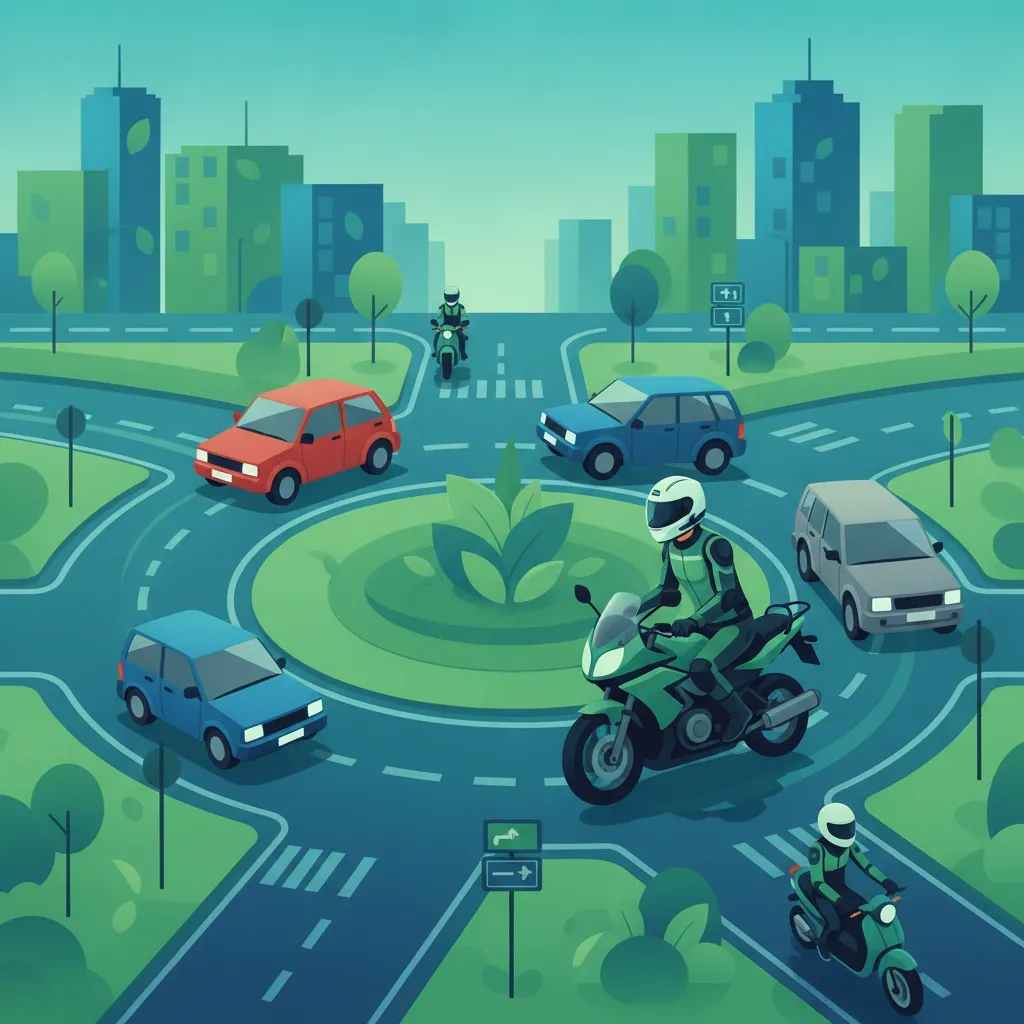
Junctions, Roundabouts, Overtaking and Urban Traffic

Master German motorcycle theory on navigating junctions, roundabouts, and overtaking in urban traffic. Essential for passing your A, A1, or A2 license theory exam and riding safely in busy areas.

4 lessons
Learn more
Rural Roads, Bends, Motorways, Tunnels and Complex Traffic unit image
7

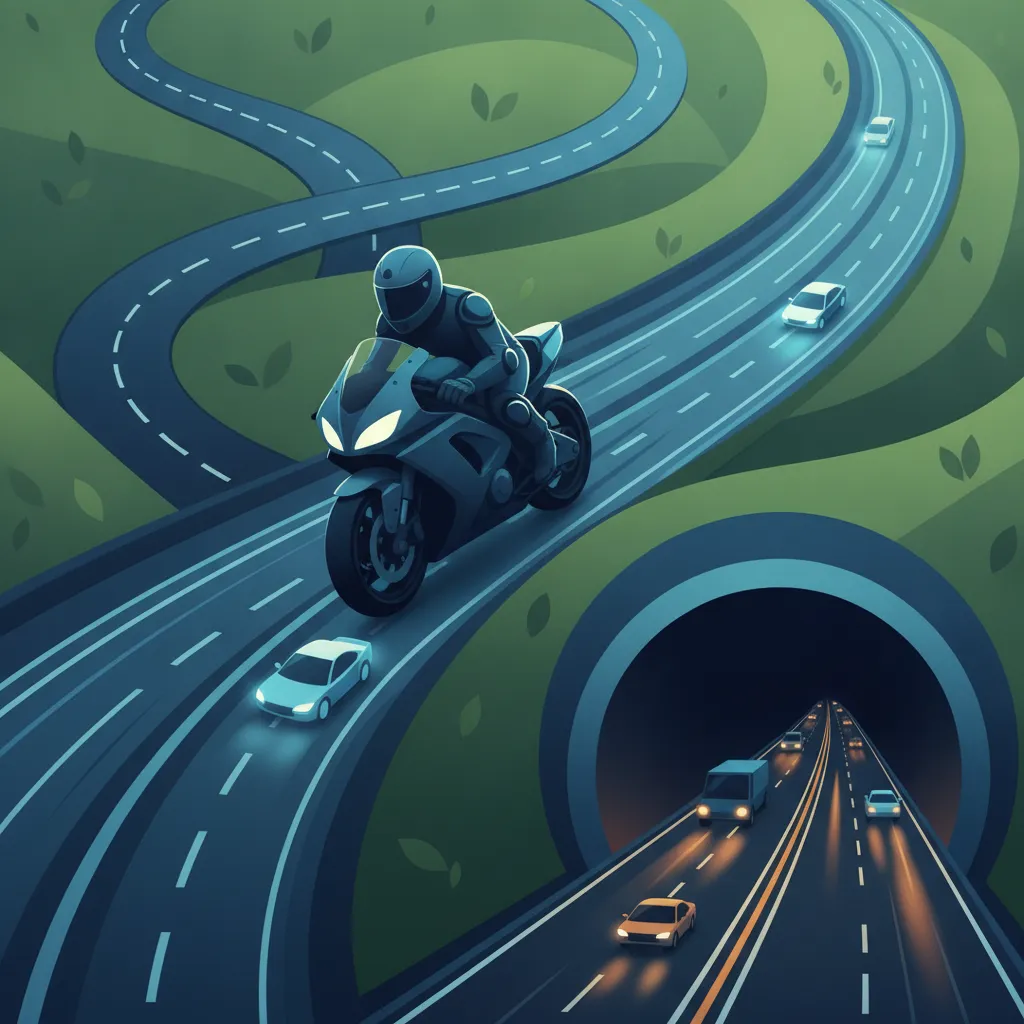
Rural Roads, Bends, Motorways, Tunnels and Complex Traffic

Master complex riding environments including rural roads, blind bends, high-speed motorways, and tunnels. Essential preparation for the German motorcycle theory test (A1, A2, A).

4 lessons

Learn more
Weather, Road Surfaces, Passengers, Luggage and Group Riding unit image
8

Weather, Road Surfaces, Passengers, Luggage and Group Riding

Learn how weather, road surfaces, passengers, luggage, and group dynamics affect motorcycle riding in Germany. Crucial for exam success and safe road practice.

4 lessons
Learn more
Human Factors, Legal Consequences, Breakdowns, Crashes and Emergencies unit image
9

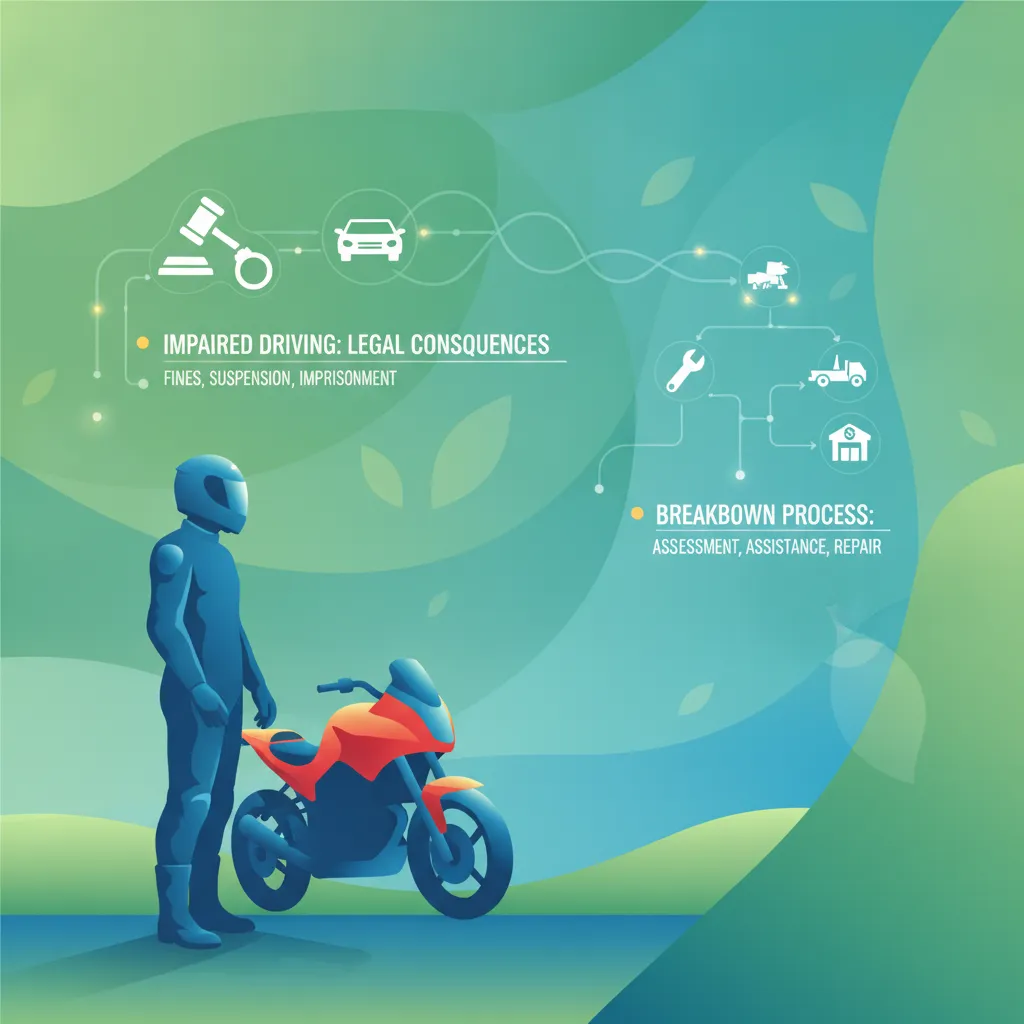
Human Factors, Legal Consequences, Breakdowns, Crashes and Emergencies

This unit covers human factors, legal consequences, and emergency procedures for motorcycle riders, preparing you for real-world situations and your German theory exam.

4 lessons
Learn more

Ready to Target Your German Driving Theory Practice?

Begin your targeted revision now. Use our practice search to quickly find specific German driving theory questions. Filter by StVO rules, road signs, or hazard perception to create your focused study plan. Master challenging areas and prepare confidently for your theoretical driving test.

Search Theory Practice Sets

Explore more content on German driving theory

German road signsGerman article topicsSearch German road signsGerman driving theory homeGerman road sign categoriesGerman driving theory topicsSearch German theory articlesGerman driving theory coursesGerman Driving Theory B courseGerman driving theory articlesGerman driving theory practiceGerman practice set categoriesGerman Driving Theory AM courseGerman HGV Theory - C/CE courseGerman Motorcycle Theory A courseGerman driving licence proceduresGerman Bus & Coach Theory (D) courseSearch German driving theory practiceGerman driving theory terminology A–ZGerman driving theory terms and glossaryScope, Responsibilities and Professional Context unit in German HGV Theory - C/CEAM Licence, Vehicle Types and Rider Responsibility unit in German Driving Theory AMDimensions, Masses, Axle Loads and Operating Limits unit in German HGV Theory - C/CERoad Users, Core Behaviour Rules and Safe Communication unit in German Driving Theory BGerman Road Signs, Signals, Markings, and Priority Rules unit in German Driving Theory AMMotorcycle Construction, Controls, Equipment and Safety Checks unit in German Motorcycle Theory AA1, A2 and A Licence Scope, Progression and Rider Responsibility unit in German Motorcycle Theory ADriver's License Class B, Training, Examination and Driver Responsibility unit in German Driving Theory BPassenger Vehicle Construction, Controls, Safety Checks and Roadworthiness unit in German Bus & Coach Theory (D)Helmet Types, Fit, and Safety Standards lesson in Protective Clothing, Visibility, Observation and CommunicationD1, D1E, D and DE Scope, Passenger Duty of Care and Professional Responsibility unit in German Bus & Coach Theory (D)Protective Clothing Materials, Layering, and Weather Adaptation lesson in Protective Clothing, Visibility, Observation and CommunicationHigh-Visibility Gear and Reflective Materials for Day and Night Riding lesson in Protective Clothing, Visibility, Observation and CommunicationEffective Observation: Mirrors, Shoulder Checks, and Scanning Techniques lesson in Protective Clothing, Visibility, Observation and CommunicationCommunication with Other Road Users: Hand Signals, Light Usage, and Eye Contact lesson in Protective Clothing, Visibility, Observation and Communication