
This theory hub provides comprehensive explanations of all German driving theory topics, road signs, and traffic rules. Understand essential concepts like right-of-way, speed limits, and Autobahn regulations, crucial for the official German theoretical driving test. Develop a strong grasp of the Straßenverkehrs-Ordnung (StVO) to drive confidently and safely.
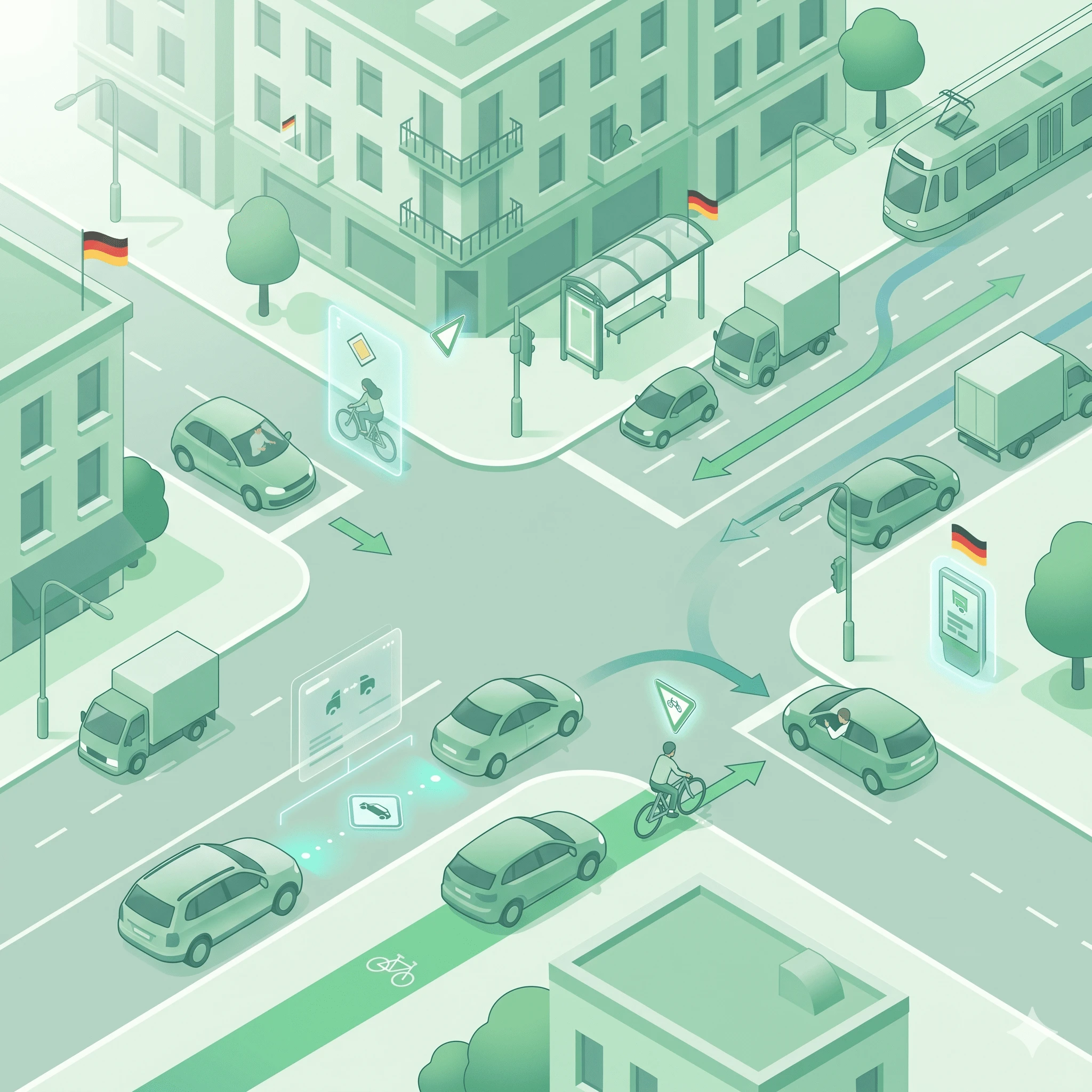
Our curriculum organizes German driving theory into targeted subject areas, helping you master complex traffic rules, road signs, and right-of-way priority situations. Focus your exam preparation by diving deep into specific technical categories and safety protocols.
12 topics
6 topics
5 topics
4 topics
3 topics
2 topics
2 topics
2 topics
1 topic
1 topic
1 topic
1 topic
Dive into detailed driving theory subjects to prepare for your German theory test. Search for specific traffic rules or browse all available topics to deepen your understanding of driving knowledge.
Filter by category
6 theory topics found
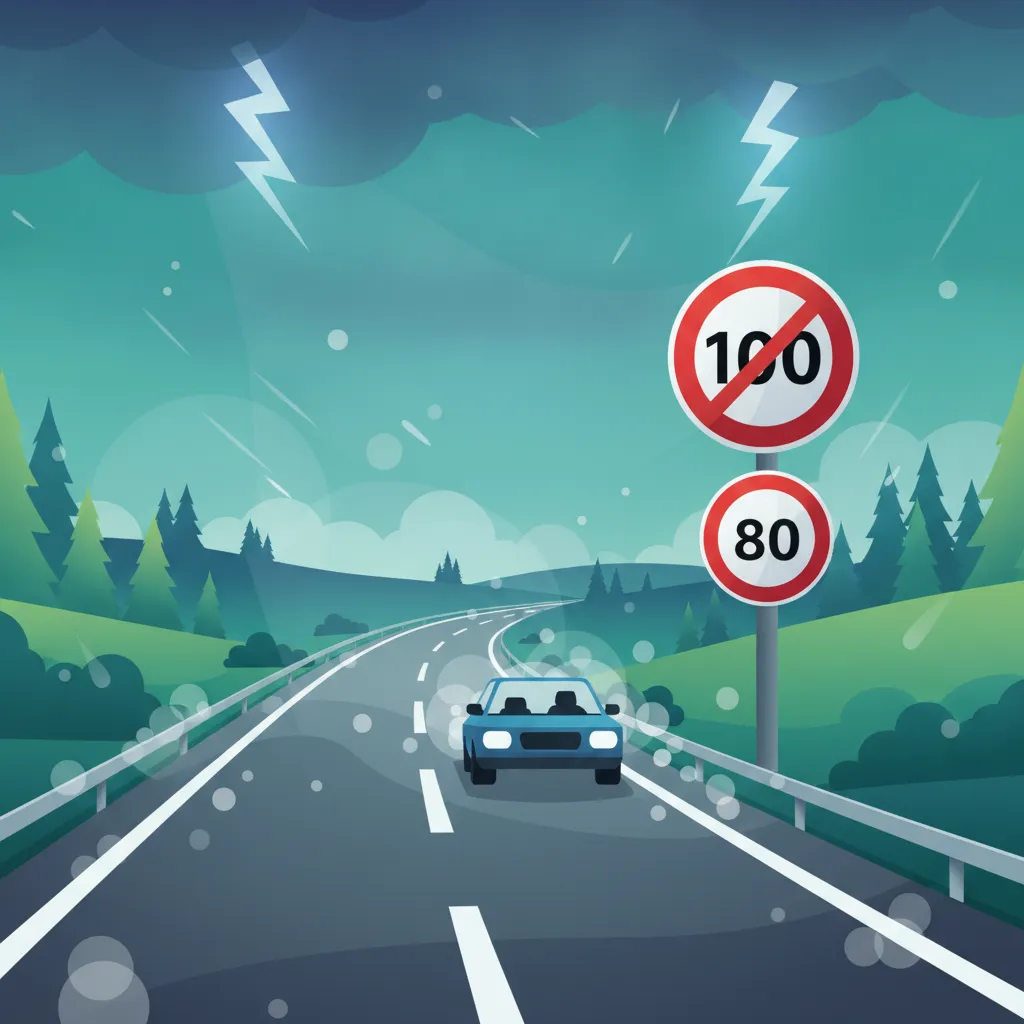
In Germany, speed limits are regulations established by the Straßenverkehrs-Ordnung (StVO) that define the absolute maximum speed allowed for vehicles on specific roads or within certain areas. While these limits set the legal ceiling, drivers are always expected to adjust their speed to ensure safety, considering factors like road conditions, traffic density, and visibility. Mastering these rules is fundamental for passing your theory exam and driving safely on German roads, including the famous Autobahn.
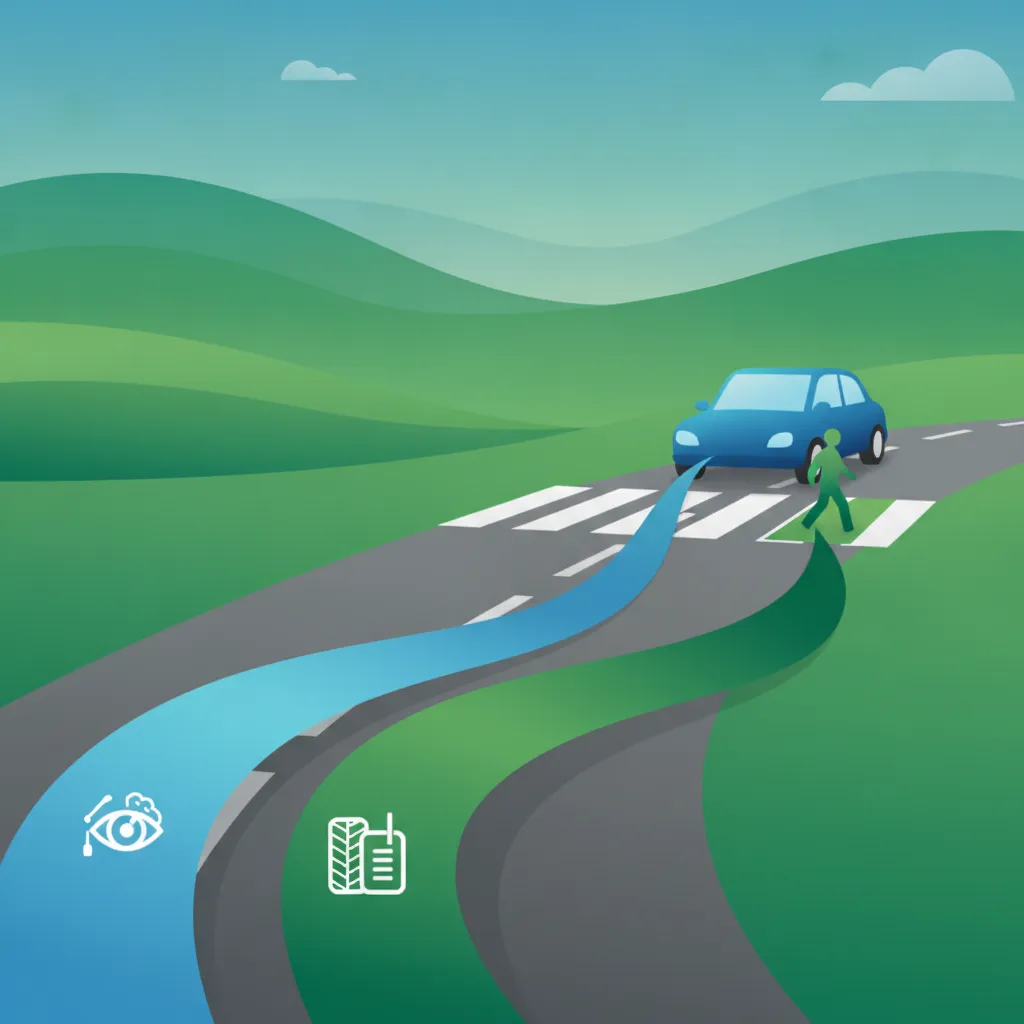
Vehicle speed has a profound and often underestimated effect on the total distance needed to stop safely. In Germany, as elsewhere, stopping distance comprises two main components: reaction distance and braking distance. It's crucial for drivers to grasp how these distances change with speed, directly impacting the ability to react to hazards and prevent collisions on German roads.
Braking distance, or Bremsweg in German, is the distance a vehicle covers from the moment the brakes are applied until it comes to a complete halt. This essential concept in German driving theory is heavily influenced by factors like your speed, the road surface, and your vehicle's condition. Understanding these relationships is vital for hazard perception and maintaining a safe following distance, especially on the Autobahn or during adverse weather.
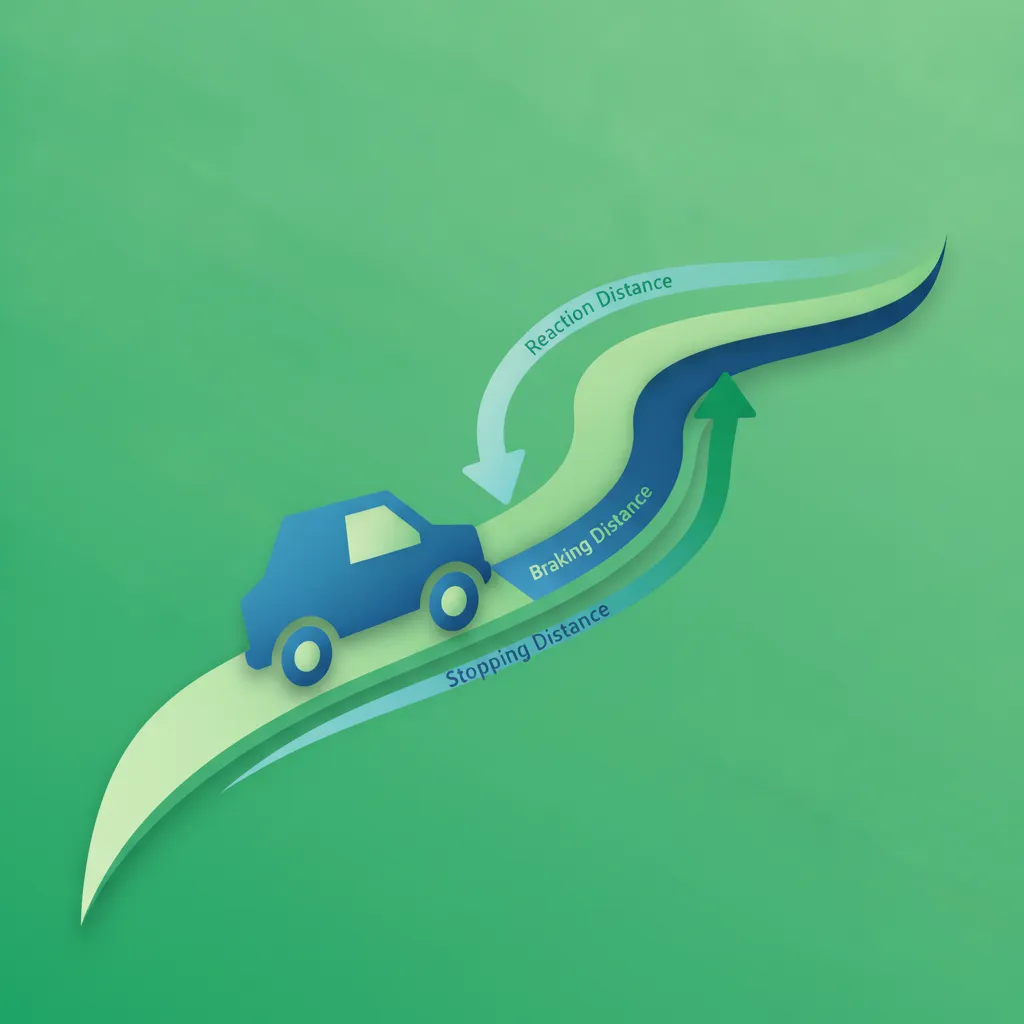
Stopping distance, or Anhalteweg in German, is the total distance your vehicle travels from the moment you detect a hazard to when it comes to a complete halt. This essential concept is not just about braking; it involves both your reaction time and the vehicle's braking capability. Understanding its components and the factors that influence it is key to anticipating dangers and maintaining a safe following distance in German traffic.
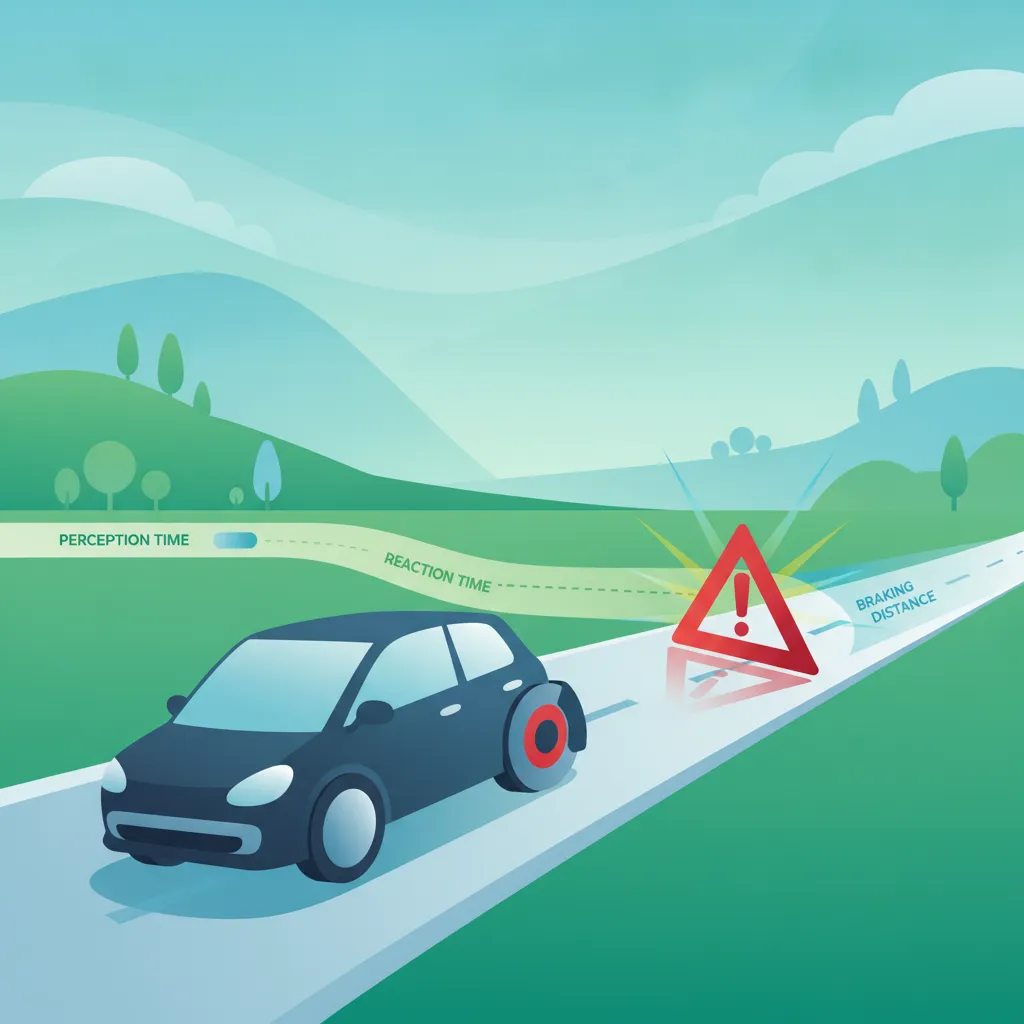
Reaction distance is the initial part of your total stopping distance, covering the time it takes to perceive a hazard and initiate braking. In Germany, mastering this concept is vital for understanding safe following distances and hazard response, particularly given varied road conditions from Autobahns to urban areas. Factors such as speed, distractions, and fatigue significantly extend this distance, increasing accident risk. This page clarifies its definition, calculation, and importance for your German driving license.

In Germany, driving at a safe speed is a fundamental principle of the Straßenverkehrs-Ordnung (StVO). It requires drivers to choose a speed that is always appropriate for the current road, traffic, visibility, and weather conditions. This page explains why the maximum legal speed is not always the safest speed and how to make the right decisions to maintain control and react effectively to hazards.
Continue your learning journey with our comprehensive articles. Delve into specific topics, review complex German road rules, and gain expert insights. Fully prepare for your theoretical driving test by exploring more content to deepen your understanding of traffic law.
Explore Driving Theory Articles