
The Yellow Flashing Signal (1198) is a traffic signal that uses illuminated aspects to control movement, indicating when to stop and when movement is permitted. Always pay attention to the illuminated part of the signal, which has priority, and any specific symbols like arrows or lane indicators that define who and where the signal applies to. Drivers must approach at a speed allowing for a safe stop if the signal changes and never assume an unlit aspect is active.
Master the nuances of the Yellow Flashing Signal (1198), a crucial element for safe navigation in Iceland. This sign requires careful attention to signal aspects and lane discipline, vital for your theory test revision and overall driving knowledge.
Yellow Flashing Signal is a traffic signal designed either for a specific user group, a specific direction, or a specific lane. Its meaning comes from the illuminated aspect together with any arrow, cycle symbol, pedestrian symbol, lane symbol, or public-transport symbol shown on the head. Drivers and other road users should approach at a speed that allows them to stop safely if the aspect changes and should never follow a neighbouring signal that applies to somebody else. Signal discipline is essential for safe crossings, protected turns, and lane control.
This signal controls movement control by signal aspects by showing illuminated aspects that tell the relevant road user when to stop and when movement is permitted. The lit aspect always has priority over the dark parts of the signal head.
Get clear, practical answers to the most common questions about the 1198 - Yellow Flashing Signal road sign. Learn how the sign works, what rules it represents, and how it affects real driving situations. This FAQ strengthens your understanding and supports accurate decision making for the Icelandic driving theory exam in Iceland.
The Yellow Flashing Signal (1198) indicates specific movement controls. Only the illuminated aspect is active and dictates your actions. This could be a stop signal, a go signal, or a signal with directional arrows or symbols for specific users like pedestrians or cyclists. Always obey the lit aspect and any associated symbols that apply to you.
The most crucial rule is to approach the signal at a speed that allows you to stop safely if the illuminated aspect changes to a stop signal. Never assume an unlit part of the signal is inactive; only the lit aspect controls your movement. You must also ensure the signal applies to your lane or user group and not follow signals for other traffic.
Prohibited actions include following another lane's signal, assuming an unlit aspect is active, or continuing through because you saw a permissive aspect too late to stop safely. It is also forbidden to enter an intersection or crossing area if you cannot clear it, or to ignore user symbols like pedestrian, cyclist, bus, or lane arrows.
A steady traffic light typically shows a single colour (red, yellow, or green) at a time for all approaching traffic. The Yellow Flashing Signal (1198) can be more complex, often flashing and potentially displaying arrows or symbols to control specific lanes or user groups, and only the illuminated aspect is active. This requires greater attention to which signal applies to you.
A common trap is assuming you can proceed if you see a permissive aspect, even if you are too late to stop safely. Learners also sometimes fail to recognise that the illuminated aspect is the only one that matters and might be confused by signals intended for other lanes or road user groups. Always prioritise signal discipline and the current illuminated aspect.
A clear reference image of the 1198 - Yellow Flashing Signal road sign used in Iceland.

The 1198 - Yellow Flashing Signal road sign may also be known by these alternative names or terms.
The 1198 - Yellow Flashing Signal road sign is part of the Traffic Light Signals category, which groups together signs with similar rules and functions.
Reviewing adjacent or similar Icelandic traffic signs, like the Yellow Flashing Signal, sharpens your ability to distinguish them. This focused approach to traffic sign comparison aids memory and reduces errors for your theory test revision.
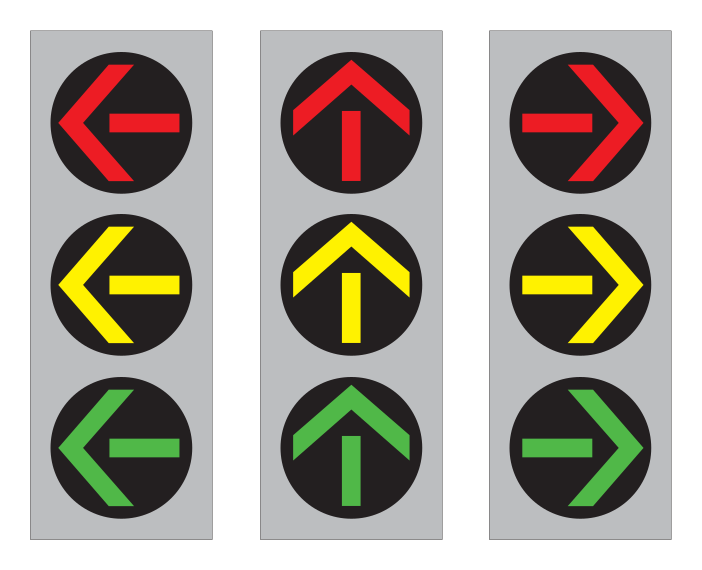
Learn the meaning of the Three-Aspect Arrow Traffic Signal (1182a) road sign.
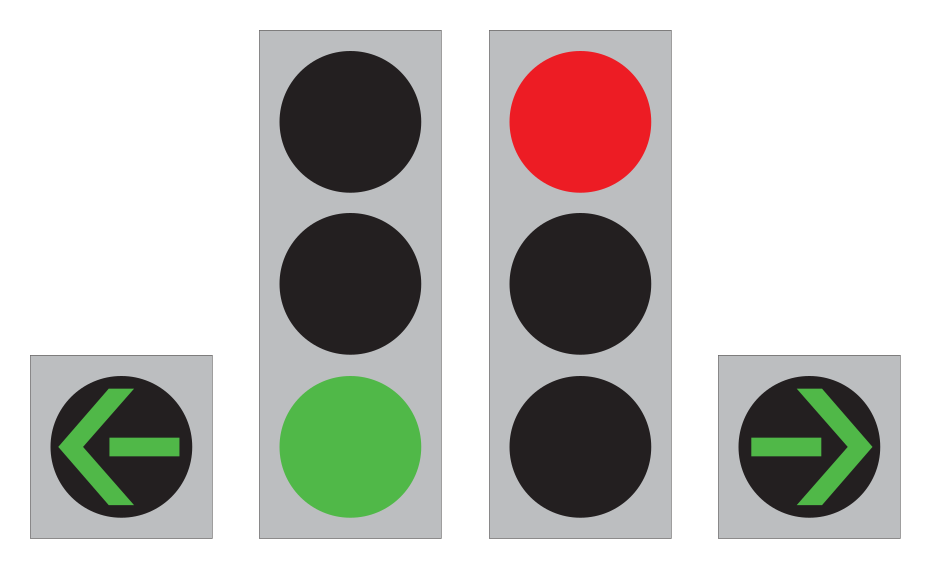
Understand the Red and Green Arrow Traffic Signal for Directed Movement
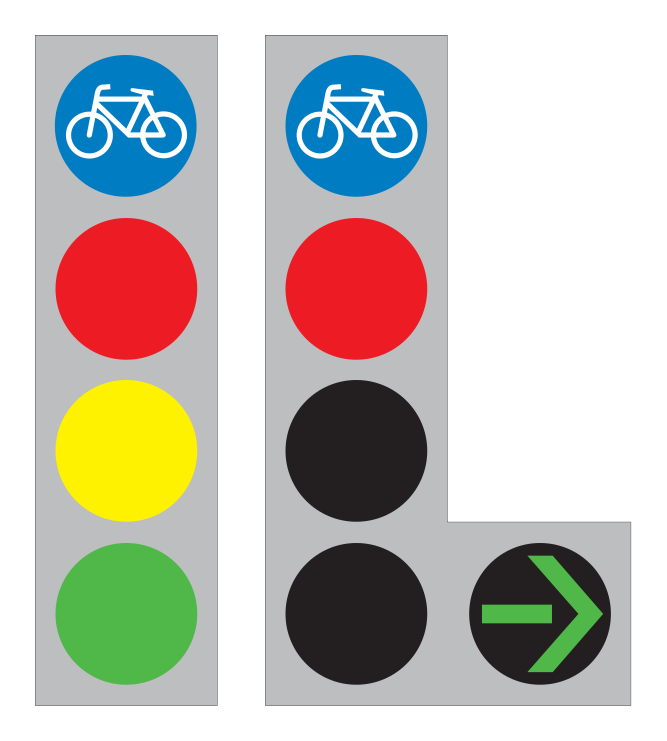
Understand the Cyclist Traffic Signal (1184a) for Safe Intersections
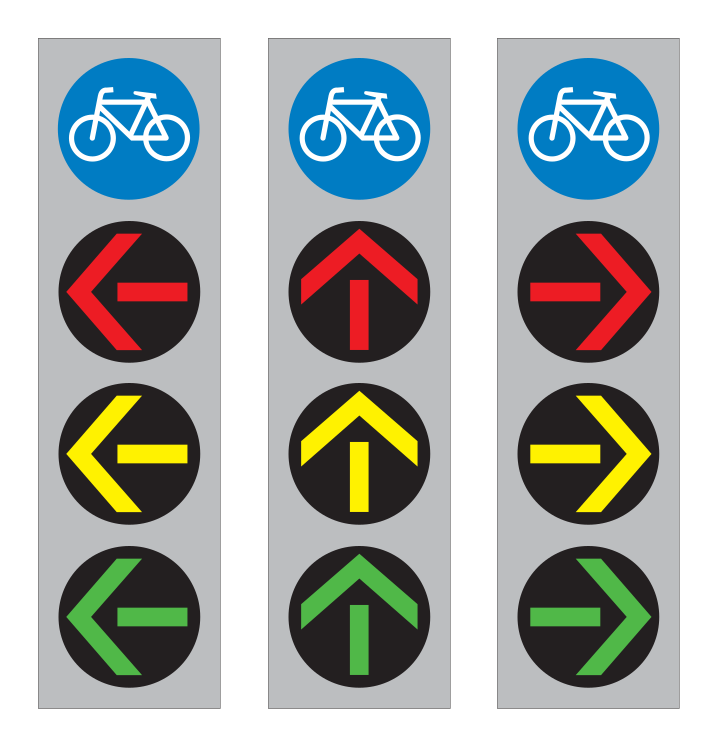
Understand the Cyclist Direction Signal (1184b) to navigate safely.
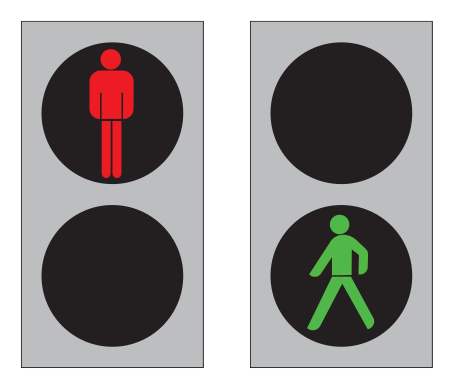
Understand the Pedestrian Signal traffic light and know when to stop or go.
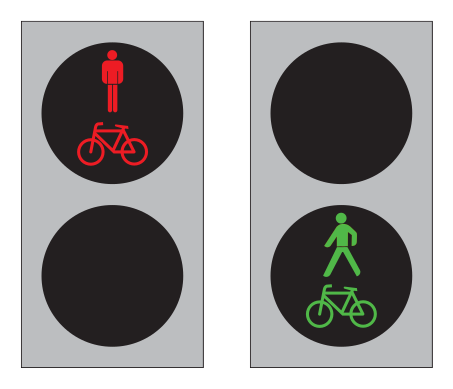
Understand the Cycle Crossing Signal (1186b) for Cyclists and Drivers
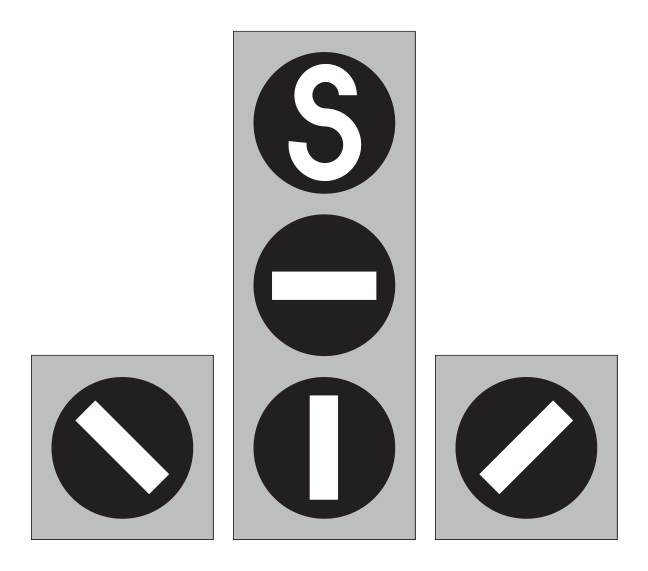
This signal prioritises public transport, so know when to stop and when movement is allowed.
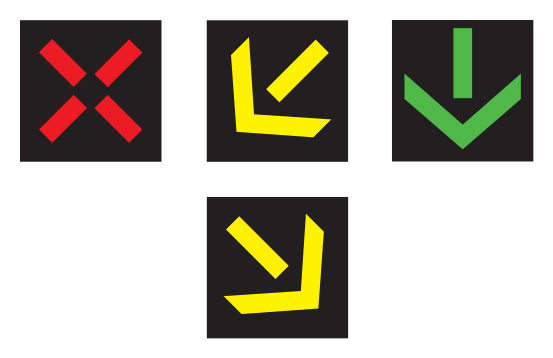
Master the Lane Control Signal (1190) to navigate traffic safely and correctly.
Explore curated theory modules and safety procedures that clarify how specific road signs dictate right-of-way and vehicle conduct on Icelandic roads. Apply this knowledge to your driving theory test preparation by linking visual signage to real-world traffic laws.
Don't let a false sense of security put you at risk on Icelandic roads.
Master Icelandic Crosswalk Rules for a Safer Drive and Exam Success
Navigating Icelandic roads requires understanding the hierarchy of traffic control. This article will explain why a police officer's direction is the supreme rule, overriding any traffic light or road sign. Mastering this concept is essential for both safe driving and succeeding in the Icelandic driving theory test administered by Samgöngustofa.
Deciphering your Icelandic driving licence categories is essential for legal and safe operation of vehicles. This guide will clarify the scope of common categories like B, BE, and A, detailing vehicle and trailer weight restrictions. Gaining a clear understanding of these entitlements prepares you for the demands of Icelandic traffic and the official theory examination.
Arrow Traffic Signal (Three Aspect) is a traffic signal designed either for a specific user group, a specific direction, or a specific lane. Its meaning comes from the illuminated aspect together with any arrow, cycle symbol, pedestrian symbol, lane symbol, or public-transport symbol shown on the head. Drivers and other road users should approach at a speed that allows them to stop safely if the aspect changes and should never follow a neighbouring signal that applies to somebody else. Signal discipline is essential for safe crossings, protected turns, and lane control.
Arrow Traffic Signal (Red/Green) is a traffic signal designed either for a specific user group, a specific direction, or a specific lane. Its meaning comes from the illuminated aspect together with any arrow, cycle symbol, pedestrian symbol, lane symbol, or public-transport symbol shown on the head. Drivers and other road users should approach at a speed that allows them to stop safely if the aspect changes and should never follow a neighbouring signal that applies to somebody else. Signal discipline is essential for safe crossings, protected turns, and lane control.
After reviewing the full list of Icelandic road signs, reinforce your learning with targeted practice. Explore our sign group categories or take a specific quiz to test your recognition and recall. Ensure you're fully prepared to identify and interpret all traffic signs for your upcoming driving theory exam.
View All Icelandic Road Signs