Traffic lights are the silent conductors of our roads, directing the flow of vehicles, cyclists, and pedestrians. This section is dedicated to understanding the various signals you'll encounter, from standard three-aspect lights and arrow signals to specialized lights for public transport, cyclists, and even police direction. Mastering these signals is not just about passing your theory test; it's about ensuring your safety and the safety of others at complex junctions and crossings.
An explanation of how Traffic Light Signals road signs apply in real traffic situations in Iceland. Learn where these signs are typically placed, what drivers are expected to do when they appear, and how correct reactions help you stay safe, avoid fines, and succeed in your Icelandic driving theory exam.
Traffic light signals are ubiquitous in regulated intersections, pedestrian crossings, cycle paths, and even at temporary roadworks or toll booths. You'll encounter standard three-aspect lights (red, yellow, green) and directional arrow signals at busy junctions, dictating which movements are permitted. Specialized signals are crucial for vulnerable road users; you'll see pedestrian signals (red standing person, green walking person) at crossings and cyclist signals at cycle paths or shared junctions. Public transport signals might appear to give buses priority, while lane control signals above your lane indicate whether it's open or closed. Flashing red lights often mean 'stop and yield', flashing yellow indicates caution, and blue flashing lights are typically associated with emergency services. In situations where traffic lights are malfunctioning or during events, police officers may direct traffic using specific hand signals or lights, which supersede all other signals. Understanding the hierarchy and meaning of these signals is vital for safe progress, especially in complex urban environments.
An overview of the key learning outcomes when studying the Traffic Light Signals road sign category. Understand the main concepts, sign meanings, and traffic situations covered here so you can recognise patterns, answer theory questions more confidently, and build a solid foundation for safe driving in Iceland.
This collection details all Icelandic traffic light signals, including standard lights, arrows, and specific lane indicators. Understanding their precise sign meanings is fundamental for safe navigation through junctions, pedestrian crossings, and managing bus and cycle priority according to Icelandic traffic rules. Master these crucial road signs for confident theory test revision.
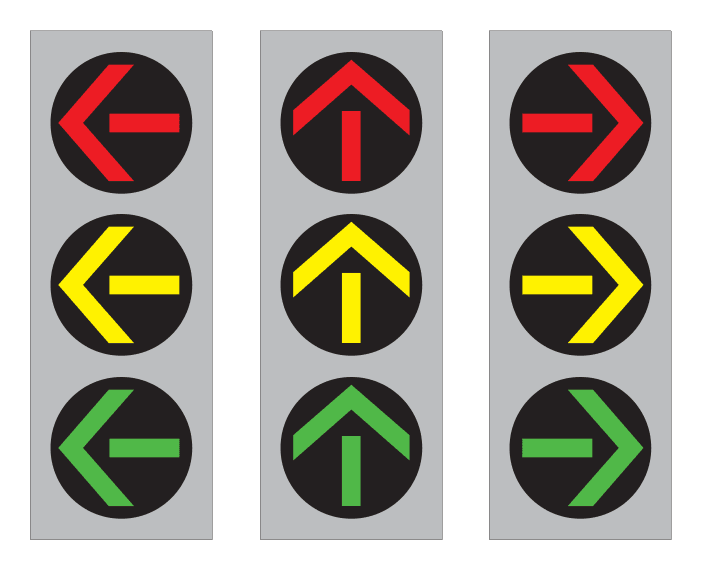
Learn the meaning of the Three-Aspect Arrow Traffic Signal (1182a) road sign.
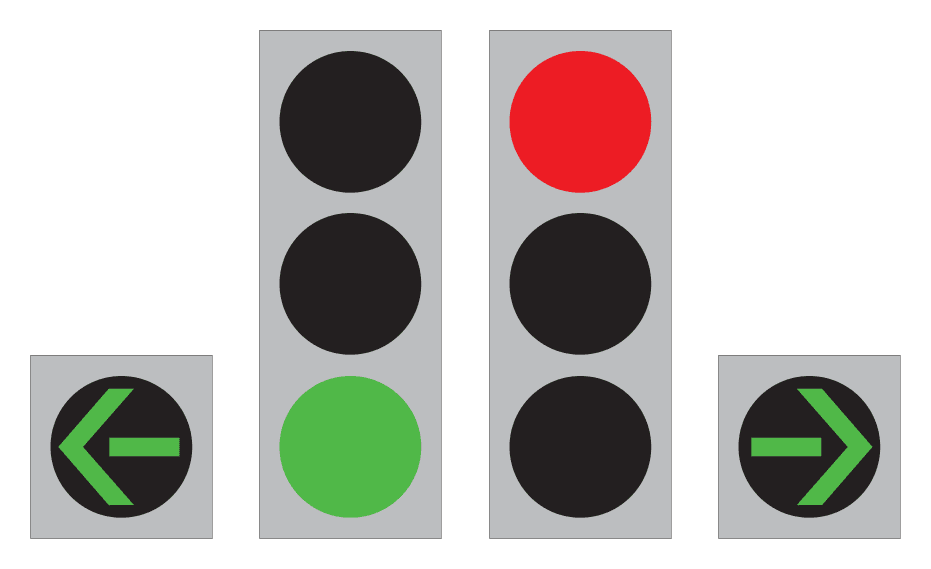
Understand the Red and Green Arrow Traffic Signal for Directed Movement
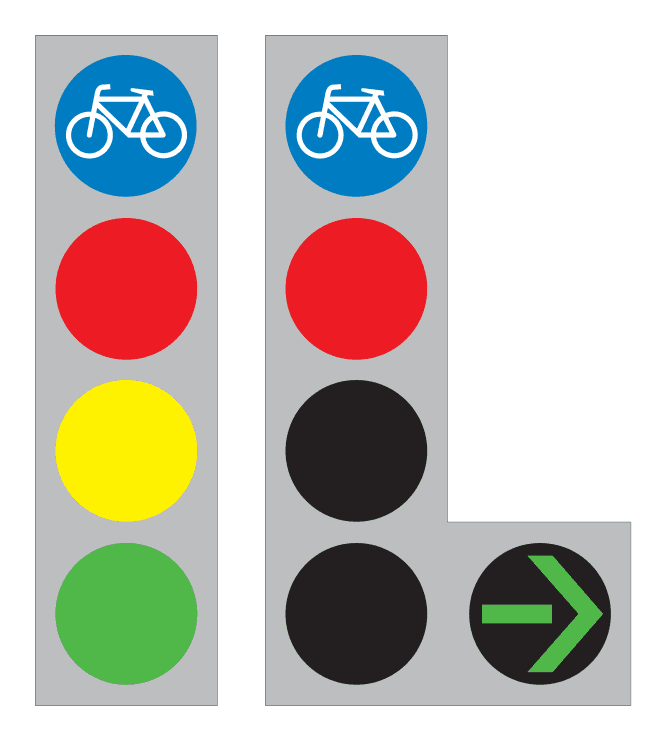
Understand the Cyclist Traffic Signal (1184a) for Safe Intersections
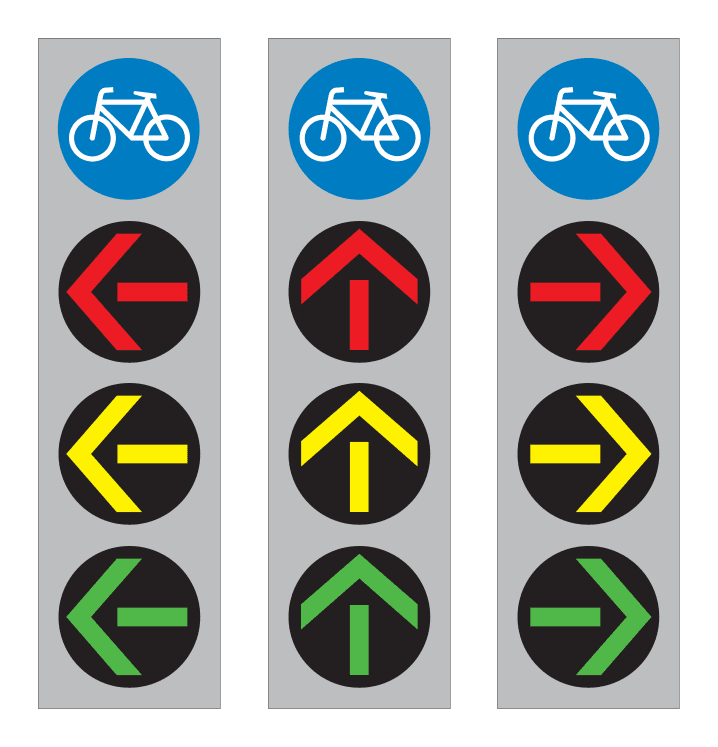
Understand the Cyclist Direction Signal (1184b) to navigate safely.
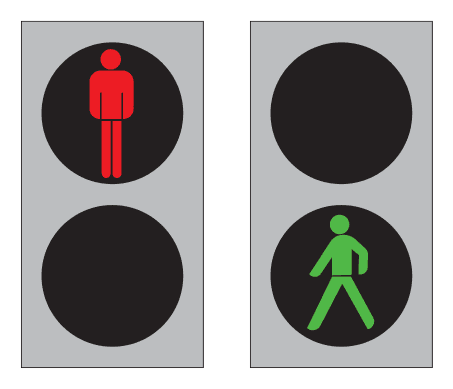
Understand the Pedestrian Signal traffic light and know when to stop or go.
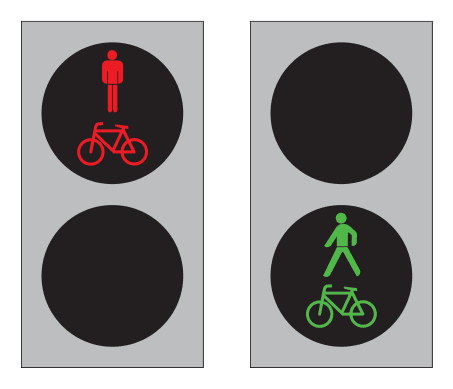
Understand the Cycle Crossing Signal (1186b) for Cyclists and Drivers
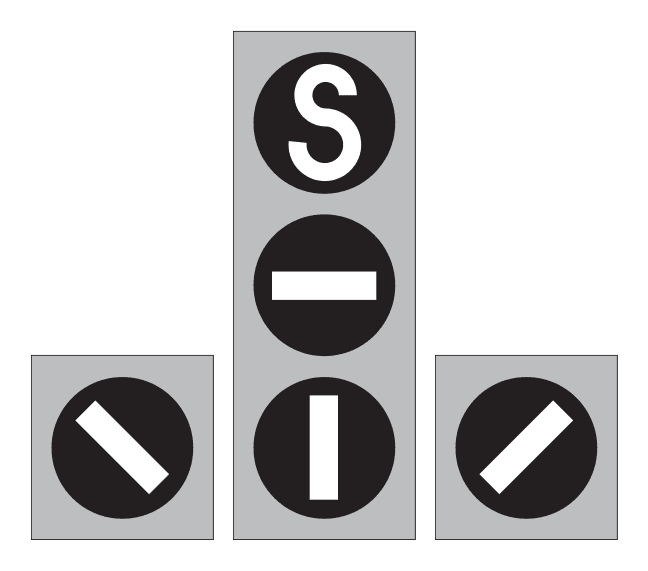
This signal prioritises public transport, so know when to stop and when movement is allowed.
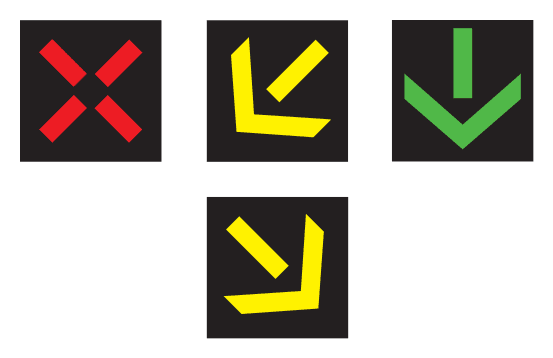
Master the Lane Control Signal (1190) to navigate traffic safely and correctly.
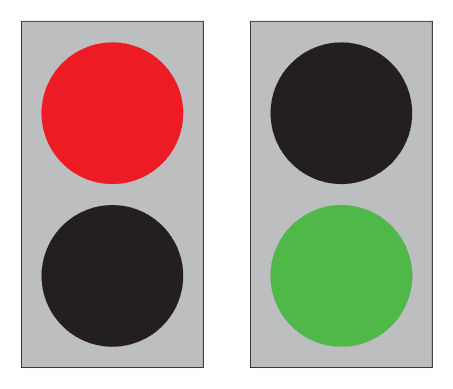
Understand the Inspection, Toll, or Worksite Signal (1192) for controlled movement.
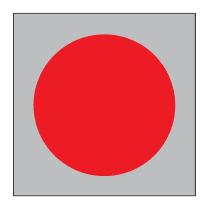
Obey the Illuminated Aspect of the Red Flashing Signal

Understand the meaning and function of the Yellow Flashing Signal (1198).
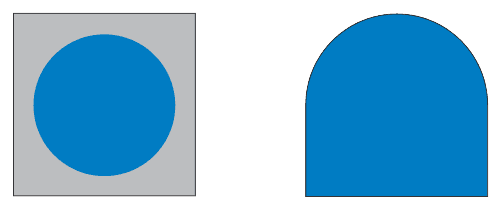
What the Blue Flashing Signal (1199) tells you about your movement rights.
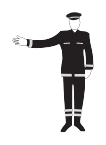
Understand the Police Traffic Control 1 sign for clear traffic direction.
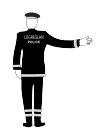
Understand the Police Traffic Control 2 Signal for Safe Navigation

Understand the Police Traffic Control 3 Sign for Safe Navigation
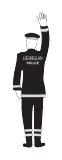
Master Police Traffic Control 4: Understand When to Stop and Go.
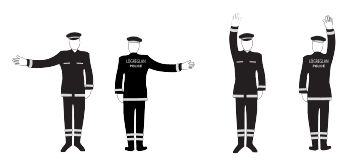
Obey the Police Traffic Control sign for all directions, as directed by illuminated signals.
Clear answers to common questions about the Traffic Light Signals road sign category. Use this FAQ to review tricky rules, understand how these signs appear in exam scenarios, and remove confusion that often leads to mistakes in the Icelandic driving theory exam in Iceland.
A standard traffic light (red, yellow, green) indicates whether you can proceed generally, stop, or prepare to stop. An arrow traffic signal, however, applies only to a specific direction of travel, such as straight ahead, left turn, or right turn. You must obey the arrow signal for your intended path, even if the main circular light shows green. For example, a red arrow means you must stop and cannot proceed in that direction, regardless of the main light.
You must always be aware of signals intended for cyclists and pedestrians, especially when they are near your intended path. Pedestrian signals (often a red standing figure and a green walking figure) directly tell pedestrians when it's safe to cross. Cyclist signals (which can be red/green lights or directional arrows) manage cycle traffic. Even if your own light is green, you must yield to pedestrians or cyclists who have a green signal to cross, particularly at junctions or designated crossings.
Flashing lights convey different meanings. A flashing red light typically means you must come to a complete stop before proceeding, similar to a stop sign, and yield to any other traffic. A flashing yellow light indicates caution; you should proceed through the intersection or area slowly and with extra awareness, as there might be a hazard or conflicting traffic. A flashing blue light is usually associated with emergency vehicles and indicates you should pull over safely if possible.
Yes, absolutely. When a police officer is present and directing traffic, their signals take precedence over all traffic lights and other traffic signs. You must follow the instructions given by the officer, whether they are using hand signals or directing traffic with lights. Even if the traffic light is green, if the police officer signals you to stop, you must stop. Conversely, if the light is red but the officer signals you to proceed, you may do so.
These signals are designed to give priority to buses or trams, especially at junctions. They might look different from standard traffic lights, often using a different symbol or sequence of lights (like a 'P' or a specific shape). When you encounter such a signal, it means that public transport vehicles are being given preferential passage. You may need to stop or adjust your speed to allow them to proceed safely. Always be observant for these signals in areas with significant public transport routes.
Ready to ace your Icelandic theory exam? Explore road signs by category. This structured approach helps you grasp complex rules, improve memorization, and confidently prepare for safe driving on Icelandic roads. Begin mastering sign groups today.
Explore Road Sign Categories