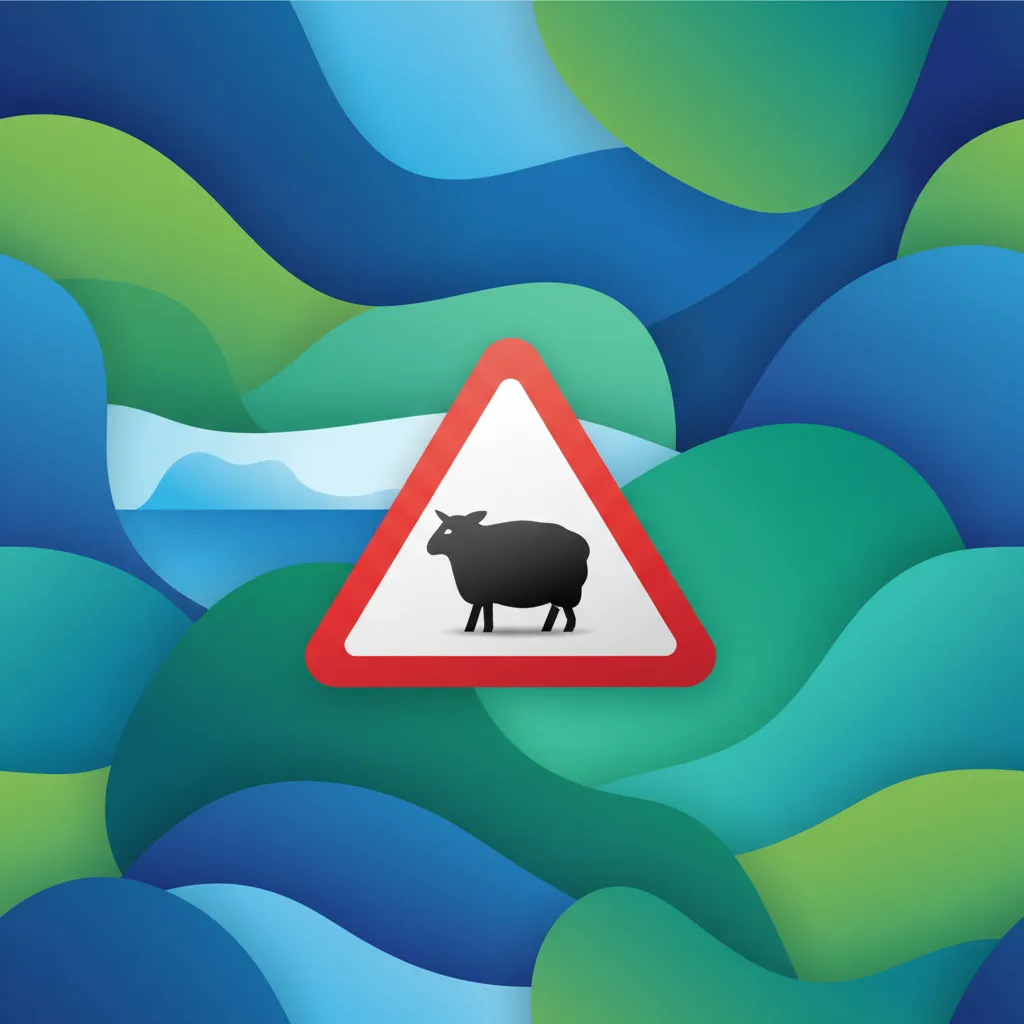
Warning signs are a fundamental part of road safety, designed to give drivers advance notice of hazards that aren't immediately obvious. In Iceland, where road conditions can change rapidly and include unique challenges like unbridged rivers, blind crests, or free-roaming animals, understanding these signs is paramount. They prepare you to adjust your speed, vehicle position, and awareness to prevent accidents.
Theory topic content overview
Read the full theory topic guide for Icelandic Warning Signs with structured, easy-to-scan content built for learners in Iceland. This detailed section explains the exact rule, meaning, traffic context, comparison points, and exam logic behind this Icelandic driving theory topic so you can study faster, understand the concept more clearly, and avoid common interpretation mistakes on the theory test.
Warning signs are fundamental components of the Icelandic road network, designed to provide drivers with crucial advance notice of potential hazards or changes in road conditions ahead. Unlike prohibitory or mandatory signs that dictate specific actions, warning signs are advisory; they alert you to situations that require heightened awareness, reduced speed, or a change in driving strategy.
The primary goal of a warning sign is anticipation. In Iceland, where the landscape, weather, and road conditions can vary dramatically and change rapidly, being prepared for what lies ahead is paramount for safe driving. These signs enable you to adjust your driving proactively, preventing dangerous last-minute reactions.
Mastering Icelandic warning signs is not just about passing your driving theory test; it's about navigating Iceland's unique and often challenging driving environment safely.
Icelandic warning signs follow a standard design: they are typically triangular with a red border, a white or yellow background, and a black symbol depicting the hazard. This distinctive shape allows for quick recognition, even before the specific symbol is clearly visible.
Their effectiveness lies in a three-step process for the driver:
Warning signs are generally placed at a distance that allows a driver sufficient time to react safely, considering typical road speeds. On motorways, this distance will be greater than in urban areas.
Icelandic warning signs cover a broad spectrum of potential dangers. Here are some critical categories and specific examples you’ll encounter:
Road Layout & Geometry:
Road Surface & Conditions:
Other Road Users & Specific Hazards:
Variable Warning Signs: Modern Icelandic roads increasingly use variable message signs. These can display warnings for Impaired Visibility due to Weather (115), Traffic Delays (149), or Accidents (153), providing real-time information to drivers.
It's vital for your Icelandic driving theory knowledge to distinguish warning signs from other categories:
The key difference is that warning signs prepare you for a hazard, while prohibitory or mandatory signs demand a specific, immediate action or restriction.
Learners and even experienced drivers often make mistakes when interpreting and reacting to warning signs:
Warning signs are your early warning system on Icelandic roads. They embody the principle of proactive driving. By constantly scanning ahead, recognizing these distinctive triangular signs, and understanding the specific Icelandic hazards they represent, you gain precious time to anticipate and adjust. This disciplined approach to warning signs is critical not only for acing your Icelandic driving theory exam but, more importantly, for ensuring your safety and the safety of others on Iceland's often demanding roads. Drive alert, think ahead, and always be prepared for the next challenge the road may present.
Icelandic warning signs are triangular with red borders and black symbols that provide advance notice of hazards requiring proactive driver adjustment, not mandatory actions. Iceland's unique terrain creates specific dangers including blind crests, unbridged rivers, free-roaming livestock, and rapidly changing weather that make these signs particularly critical. The effectiveness of warning signs depends on a three-step process: anticipating the hazard by spotting the sign early, interpreting the specific symbol, and adjusting driving behavior before reaching the danger. Common mistakes include ignoring signs, reacting too late, underestimating Icelandic hazards, confusing warning signs with prohibitory signs, and failing to connect multiple sequential warnings. Mastery of these signs is essential for both safe Icelandic driving and success in the theory exam administered by Samgöngustofa.
A short set of high-value points that capture the most important ideas from this theory explanation.
Warning signs in Iceland are triangular with red borders and black symbols, designed to give advance notice of hazards requiring proactive driver adjustment.
The primary purpose of warning signs is anticipation, not reaction—drivers should adjust speed, position, and awareness before encountering the hazard.
Iceland presents unique driving hazards including blind crests (ósýnileg hæð), unbridged rivers (óbrúuð á), free-roaming animals, and rapidly changing weather conditions.
Warning signs follow a three-step process: Anticipate by spotting signs early, Interpret the specific hazard symbol, and Adjust driving behavior before reaching the danger.
Warning signs differ from prohibitory and mandatory signs—they are advisory and require judgment-based adjustments rather than specific mandatory actions.
The blind crest sign (ósýnileg hæð) means move as far right as possible and reduce speed significantly, as oncoming traffic is obscured.
Animals warning signs (dýr á veginum) cover sheep, horses, and reindeer; always scan verges and be prepared for sudden crossings in rural Iceland.
A slippery road sign (hálka) applies year-round in Iceland, not just winter—black ice can form even on dry-looking roads during temperature drops.
Unbridged river crossings require assessing depth and current; only suitable 4x4 vehicles should attempt these, with potential route changes if unprepared.
Warning signs are generally placed at distances appropriate for typical road speeds—greater distances on motorways than in urban areas.
Reacting too late by waiting until the hazard is fully visible before adjusting speed, instead of using the advance notice the sign provides.
Confusing warning signs with prohibitory signs and expecting a specific mandatory speed rather than a judgment-based adjustment appropriate to conditions.
Underestimating Icelandic-specific hazards like assuming a slippery road sign means minor wet conditions rather than severe black ice risk.
Failing to connect sequential warning signs (e.g., steep descent followed by sharp bend) and preparing for combined or complex situations.
Assuming the danger ends immediately after the initial hazard point, such as continuing at normal speed after passing a short icy patch.
Start with a short, direct summary of Icelandic Warning Signs before reading the full explanation below.
Warning signs in Iceland are traffic signs that alert drivers to potential hazards or changes in road conditions ahead. Typically triangular with a red border and black symbols, they provide proactive notice of dangers such as sharp bends, intersections, pedestrian crossings, or specific Icelandic challenges like icy roads or sheep. Recognizing and reacting to these signs allows drivers to anticipate risks and adjust their driving behavior safely.
Review the most important terms, rule signals, and traffic concepts linked to Icelandic Warning Signs.
Explore related theory topic pages connected to Icelandic Warning Signs and continue with the next useful rule explanation.
See the common search queries learners use when trying to understand Icelandic Warning Signs in Iceland.

Ready to master Icelandic driving theory? Explore our comprehensive sections. Review road rules, traffic signs, and critical concepts. Build essential knowledge for confident and safe driving in Iceland. Start studying today.
Explore Icelandic Driving TheoryTheory topic content overview
A short set of high-value points that capture the most important ideas from this theory explanation.
Warning signs in Iceland are triangular with red borders and black symbols, designed to give advance notice of hazards requiring proactive driver adjustment.
The primary purpose of warning signs is anticipation, not reaction—drivers should adjust speed, position, and awareness before encountering the hazard.
Iceland presents unique driving hazards including blind crests (ósýnileg hæð), unbridged rivers (óbrúuð á), free-roaming animals, and rapidly changing weather conditions.
Warning signs follow a three-step process: Anticipate by spotting signs early, Interpret the specific hazard symbol, and Adjust driving behavior before reaching the danger.
Warning signs differ from prohibitory and mandatory signs—they are advisory and require judgment-based adjustments rather than specific mandatory actions.
The blind crest sign (ósýnileg hæð) means move as far right as possible and reduce speed significantly, as oncoming traffic is obscured.
Animals warning signs (dýr á veginum) cover sheep, horses, and reindeer; always scan verges and be prepared for sudden crossings in rural Iceland.
A slippery road sign (hálka) applies year-round in Iceland, not just winter—black ice can form even on dry-looking roads during temperature drops.
Unbridged river crossings require assessing depth and current; only suitable 4x4 vehicles should attempt these, with potential route changes if unprepared.
Warning signs are generally placed at distances appropriate for typical road speeds—greater distances on motorways than in urban areas.
Reacting too late by waiting until the hazard is fully visible before adjusting speed, instead of using the advance notice the sign provides.
Confusing warning signs with prohibitory signs and expecting a specific mandatory speed rather than a judgment-based adjustment appropriate to conditions.
Underestimating Icelandic-specific hazards like assuming a slippery road sign means minor wet conditions rather than severe black ice risk.
Failing to connect sequential warning signs (e.g., steep descent followed by sharp bend) and preparing for combined or complex situations.
Assuming the danger ends immediately after the initial hazard point, such as continuing at normal speed after passing a short icy patch.
Start with a short, direct summary of Icelandic Warning Signs before reading the full explanation below.
Warning signs in Iceland are traffic signs that alert drivers to potential hazards or changes in road conditions ahead. Typically triangular with a red border and black symbols, they provide proactive notice of dangers such as sharp bends, intersections, pedestrian crossings, or specific Icelandic challenges like icy roads or sheep. Recognizing and reacting to these signs allows drivers to anticipate risks and adjust their driving behavior safely.
Review the most important terms, rule signals, and traffic concepts linked to Icelandic Warning Signs.
Explore related theory topic pages connected to Icelandic Warning Signs and continue with the next useful rule explanation.
See the common search queries learners use when trying to understand Icelandic Warning Signs in Iceland.
Ready to master Icelandic driving theory? Explore our comprehensive sections. Review road rules, traffic signs, and critical concepts. Build essential knowledge for confident and safe driving in Iceland. Start studying today.
Explore Icelandic Driving TheoryUse this exam-focused revision tip to understand how Icelandic Warning Signs is likely to appear in theory questions for learners in Iceland. This section helps you identify the most testable part of the rule, avoid common traps, and remember the concept more effectively during Icelandic driving theory exam preparation.
In your Icelandic theory test, pay close attention to warning signs as they often appear in hazard perception and rules questions. Remember that a warning sign requires you to anticipate and adjust, not just observe. Look for the specific symbol, understand the danger it represents, and consider what proactive steps a safe driver would take given the hazard.
Read direct answers to the most common learner questions about Icelandic Warning Signs in Iceland. This FAQ focuses on rule confusion, practical meaning, comparison with similar concepts, and the exact uncertainties that appear most often in Icelandic driving theory revision and exam preparation.
The main purpose of warning signs is to alert drivers to potential hazards, dangerous road conditions, or unusual situations ahead, giving them enough time to react safely and adjust their driving behavior.
Most warning signs in Iceland are triangular with a red border, a white background, and a black symbol or pictogram depicting the specific hazard. Some variable warning signs may use different colors or electronic displays.
Warning signs are typically placed a suitable distance before the hazard to give drivers sufficient time to process the information and react. This distance can vary depending on the road's speed limit and the nature of the hazard.
When you see an animal warning sign (like for sheep or reindeer), you should reduce your speed, be extra vigilant, and prepare to stop. Animals can appear suddenly on Icelandic roads, especially in rural areas.
Warning signs alert you to a hazard and suggest caution, while prohibitory signs (typically round with a red border) indicate a specific action you are forbidden to do, such as 'No Entry' or 'No Overtaking'.
Yes, Iceland utilizes variable traffic signals for certain warnings, such as impaired visibility due to weather, traffic delays, or accident alerts, often displayed on electronic signs to adapt to real-time conditions.
Common warning signs in Iceland include those for sharp curves, slippery roads (ice/snow), single-lane bridges, unbridged rivers, blind crests, sheep or other animals, and transitions from paved to gravel roads.
Utilize our advanced practice set search to pinpoint the exact Icelandic driving theory topics you need to review. Filter by subject, difficulty, or question type to create a highly effective study plan and ensure you are fully prepared for your official driving licence test in Iceland.