Explore fundamental Icelandic driving theory topics. Gain clear explanations of all road rules, traffic signs, and priority situations in Iceland. Understand unique driving conditions, including weather hazards. This hub builds essential knowledge for your theoretical exam. Prepare confidently for your Icelandic driving license.
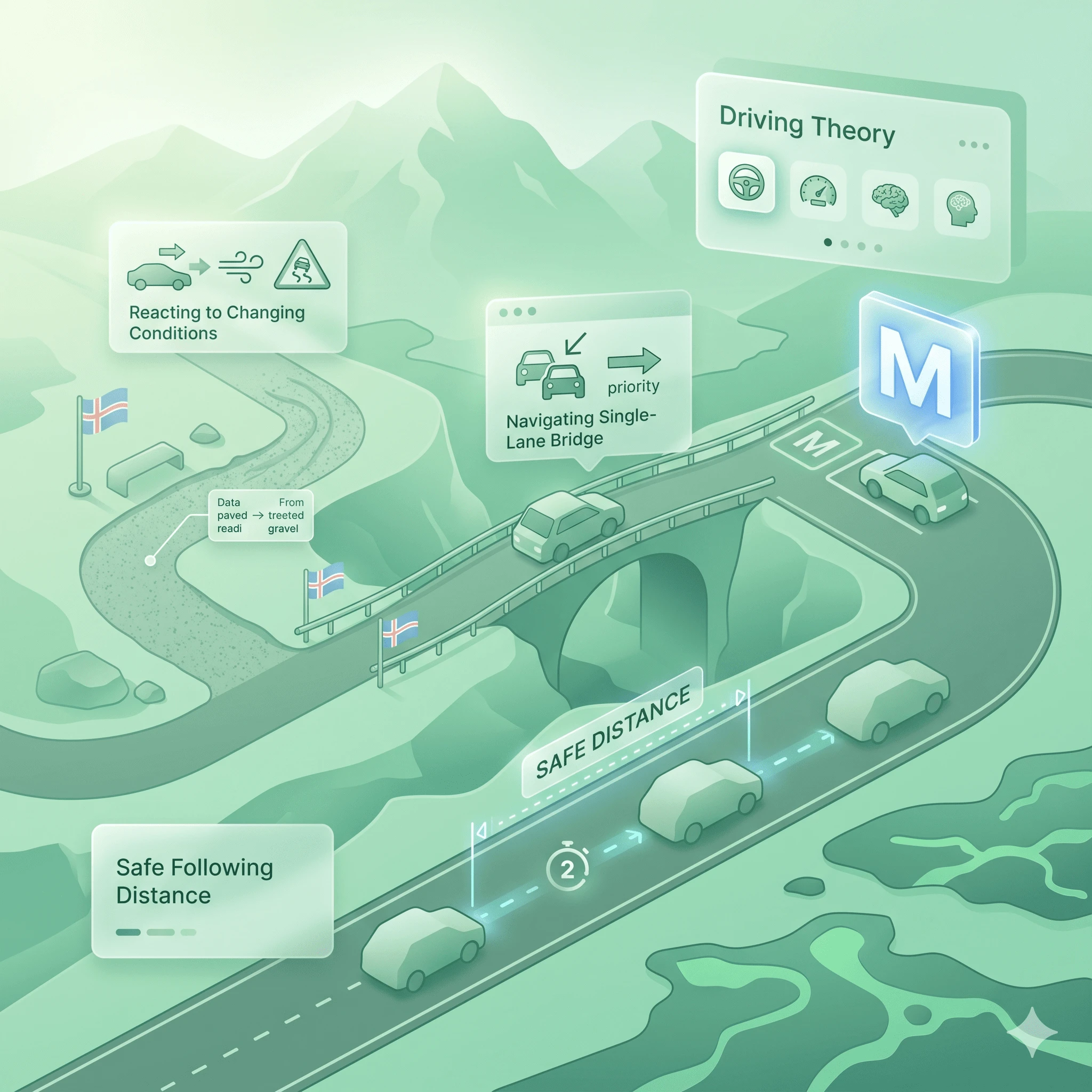
Our curriculum breaks down complex Icelandic traffic rules, priority situations, and essential vehicle knowledge into focused study categories. Master road signs and defensive driving conventions to confidently prepare for your official theory test.
8 topics
7 topics
7 topics
6 topics
3 topics
2 topics
2 topics
2 topics
1 topic
1 topic
1 topic
1 topic
Find specific driving theory topics or browse our comprehensive set of study subjects to prepare for your Icelandic theory test. Understanding Icelandic traffic rules and road signs is crucial for safe driving and passing your exam.
Filter by category
7 theory topics found
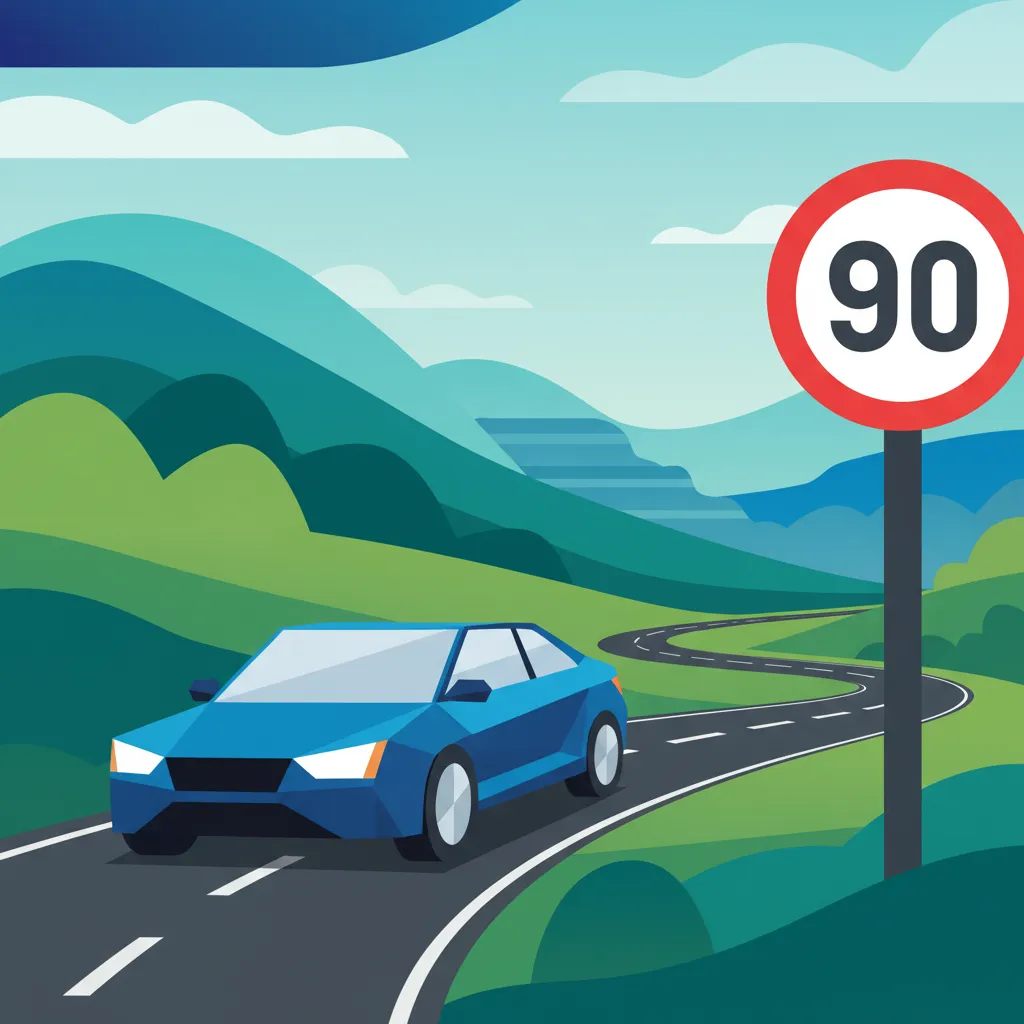
Speed limits are fundamental traffic regulations designed to balance efficient traffic flow with essential road safety. In Iceland, these limits vary significantly by road type, from urban areas to expansive rural and gravel roads. Understanding these maximum legal speeds is only the first step; new drivers must also master the critical skill of adapting their speed to current conditions, traffic density, and environmental factors.
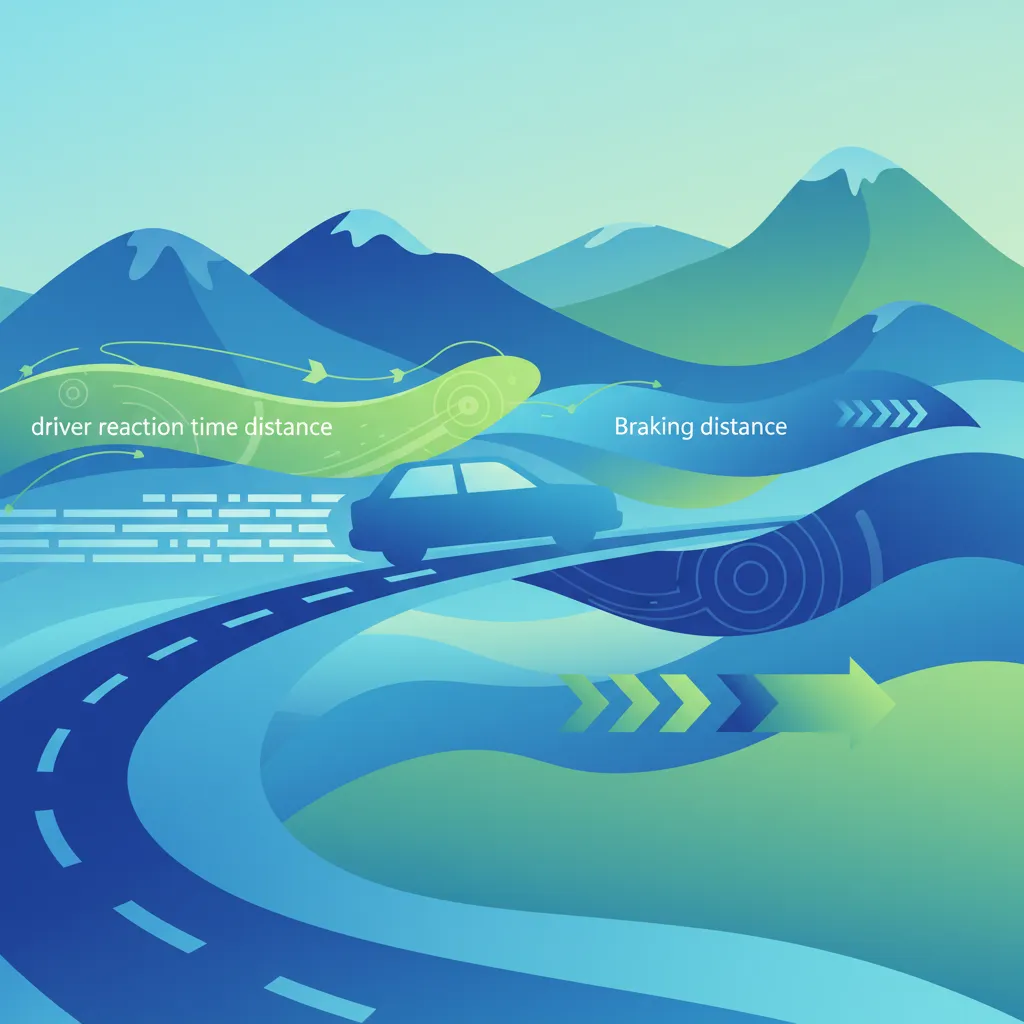
Stopping distance is the total ground a vehicle covers from the moment a driver identifies a hazard until the vehicle comes to a complete halt. It is a critical concept in safe driving, particularly on Icelandic roads which can present diverse and challenging conditions. This concept helps you understand why maintaining a safe following distance is non-negotiable and how various factors profoundly influence the time and space needed to stop.
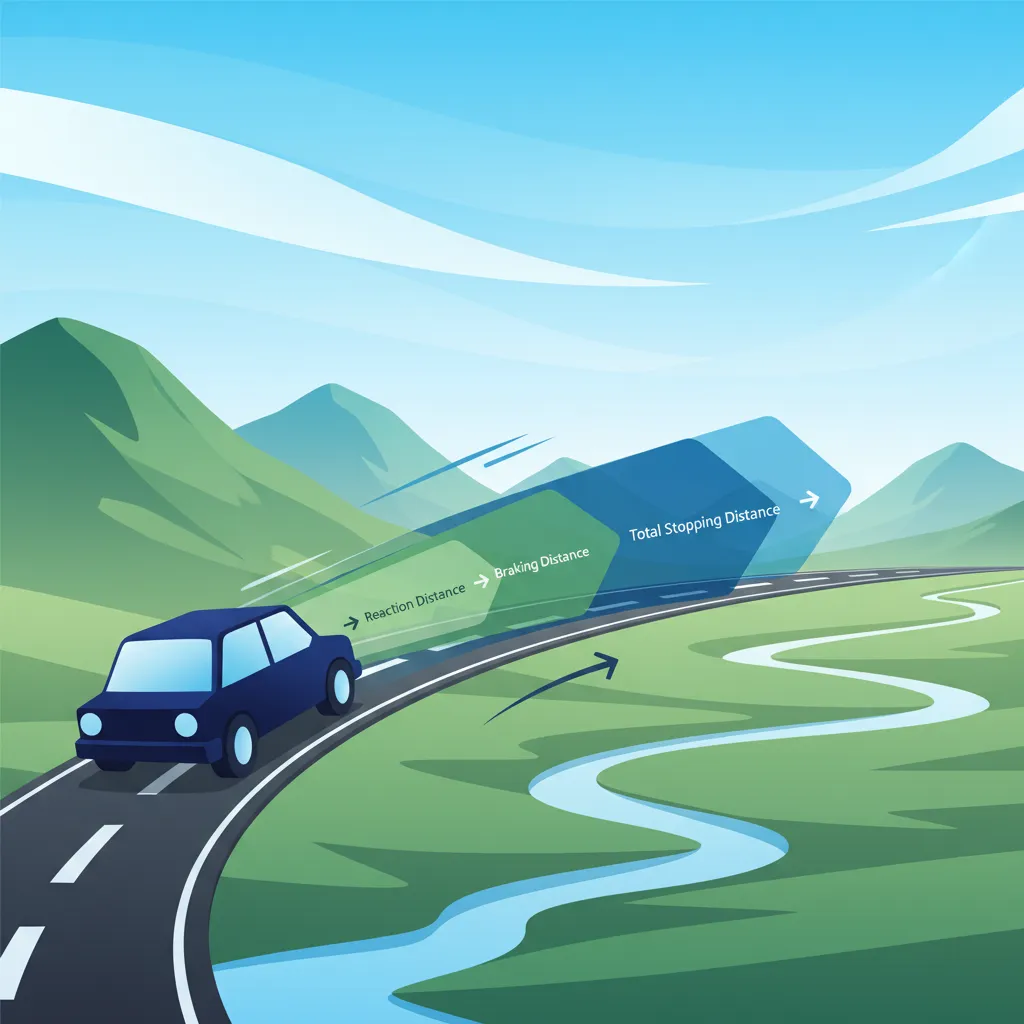
The total distance a vehicle travels from the moment a driver detects a hazard to when the vehicle comes to a complete stop is called stopping distance. This distance is made up of two main parts: reaction distance and braking distance. It's vital to understand how these distances change with speed, as even small increases in velocity can significantly extend the overall stopping distance and reduce your ability to react safely to unexpected situations on Icelandic roads.
Braking distance is the measured distance your vehicle covers from the moment you apply the brakes until it comes to a complete stop. This crucial concept is fundamental to safe driving in Iceland, especially considering varying road surfaces and weather. Factors such as vehicle speed, road grip, and tire condition play a significant role, directly impacting how quickly you can bring your vehicle to a halt.
Safe speed is about choosing the right pace for the situation, not just following the posted limit. In Iceland, with its diverse weather and road conditions, drivers must constantly assess factors like visibility, road surface, and traffic density. This principle ensures you maintain control, can react to hazards, and drive safely regardless of the environment.
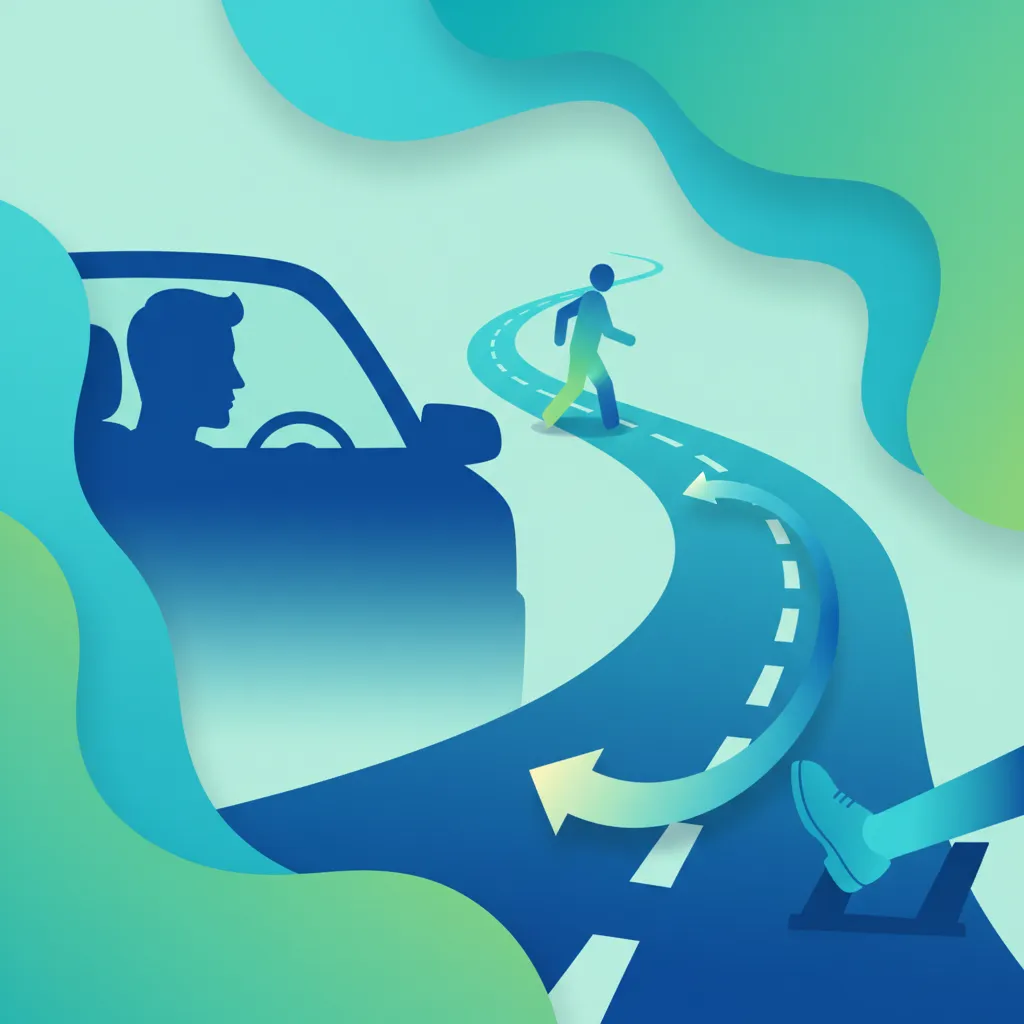
Reaction distance is the initial phase of total stopping distance, encompassing the time it takes to perceive a hazard and physically initiate braking. In Iceland, where road conditions can change rapidly, understanding how speed, alertness, and distractions affect this distance is vital for both the theory exam and real-world safety.
Emergency braking is the forceful and immediate application of brakes to stop your vehicle as quickly as possible when an unexpected hazard appears. This technique differs significantly from routine braking and is vital for avoiding collisions. Understanding when and how to execute an emergency stop, especially with modern ABS systems common in Icelandic vehicles, is crucial for safe driving and passing your theory exam.
Ready to continue your Icelandic driving theory study? Explore more articles covering specific road rules, traffic signs, or essential driving procedures. Our comprehensive guides provide essential support for your licence preparation, helping you achieve exam readiness and confident driving in Iceland.
Explore Icelandic Theory Guides