
Hazard lights are an essential safety tool, but they are often misused by drivers in Italy. This guide explains exactly when Article 153 of the Codice della Strada mandates their use, such as during breakdowns or sudden traffic queues, and highlights the penalties for using them incorrectly. Mastering these rules is vital for both passing your Italian driving theory exam and driving safely on Italian roads.
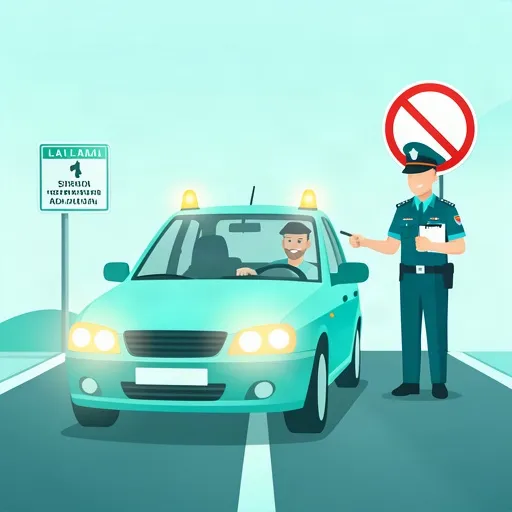
Article content overview
Understanding the correct use of hazard lights, or quattro frecce, is a fundamental part of mastering the Italian Codice della Strada. While many drivers treat these lights as a universal tool for indicating a temporary stop or a quick "thank you" on the road, the reality in Italian law is much stricter. Misusing them is not just a cultural faux pas; it is a violation of traffic regulations that can lead to administrative fines and, more importantly, may cause confusion that endangers other road users.
The use of visual signaling devices, including hazard lights, is governed by Article 153 of the Italian Highway Code. This article explicitly dictates that hazard lights must be used to warn other road users of an actual emergency or a significant safety threat. You are legally required to activate the quattro frecce in specific situations that involve danger to the flow of traffic or to individuals on the road.
Using hazard lights as an excuse for illegal parking is a frequent mistake. Italian courts have consistently ruled that the presence of active hazard lights does not justify stopping or parking in a prohibited area, such as a ZTL, a bus lane, or a no-stopping zone.
According to the Codice della Strada, you must activate your hazard lights in the following scenarios:
One of the most dangerous and common errors committed by drivers in Italy is the habit of switching on hazard lights during heavy rain or thick fog. Many believe this makes the vehicle more visible, but it actually creates a significant hazard. When you activate your hazard lights in these conditions, the blinking red lights can obscure your brake lights and make it impossible for following drivers to interpret your turn signals, leading to confusion and potential rear-end collisions.
In conditions of low visibility, such as heavy rain, fog, or falling snow, the law mandates the use of dipped headlights (anabbaglianti) and, if the vehicle is equipped with one, the rear fog light (fendinebbia posteriore). Hazard lights are not a substitute for these devices and should never be used to "increase visibility" while moving in poor weather.
The Italian system is strict regarding the misuse of visual signals. If you use hazard lights in situations where they are not warranted—such as to justify a double-parked car or as a casual communication tool—you risk being fined. Under Article 153, the administrative penalty for improper use of these devices can range from 42 to 173 euros.
The Italian colloquial term for hazard lights, referring to the four turn signal indicators flashing simultaneously to alert other road users of a hazard or emergency.
For your Italian driving theory exam, pay close attention to questions regarding the distinction between mandatory safety signals and prohibited uses. The exam often tests your understanding of Article 153 by presenting scenarios where a driver uses hazard lights in non-emergency situations. Always remember that the Codice della Strada prioritizes clear, unambiguous communication; therefore, any device that masks or confuses standard lighting signals is strictly regulated.
The Codice della Strada, specifically Article 153, strictly regulates when Italian drivers must and must not use hazard lights (quattro frecce). Drivers are legally required to activate hazard lights only in genuine emergencies such as vehicle breakdowns, placing warning triangles, or sudden motorway queues that obstruct traffic flow. Common exam traps include the misconception that hazard lights justify illegal parking and that they improve visibility during rain or fog—actually, they mask brake lights and turn signals, creating danger. The proper response to low visibility is using dipped headlights and rear fog lights, never hazard lights while moving. Penalties for misuse range from 42 to 173 euros, and Italian courts consistently reject hazard lights as a defense for prohibited stopping.
A short set of high-value points that capture the most important ideas from this article.
Hazard lights (quattro frecce) must only be used to warn of actual emergencies or significant safety threats, not for convenience.
Using hazard lights does NOT justify parking or stopping in prohibited areas such as ZTL zones, bus lanes, or no-stopping zones.
In low visibility conditions like heavy rain or fog, use dipped headlights (anabbaglianti) and rear fog lights (fendinebbia posteriore), not hazard lights.
Hazard lights can mask brake lights and turn signals, making them dangerous when used while moving in poor weather.
You must activate hazard lights when stationary and obstructing traffic, during mechanical breakdowns, or when encountering sudden motorway queues.
Article 153 of the Codice della Strada governs the mandatory use of visual signaling devices including hazard lights.
The four scenarios requiring hazard lights: vehicle obstruction, placing the warning triangle, mechanical breakdown causing slow speed, and sudden traffic queues on autostrade.
Hazard lights are not a substitute for proper dipped headlights in fog or heavy rain conditions.
Italian courts have consistently ruled that active hazard lights never excuse illegal parking or stopping.
Administrative fines for improper hazard light use range from 42 to 173 euros.
Assuming hazard lights permit parking in no-parking zones, bus lanes, or ZTL areas—they do not.
Turning on hazard lights during heavy rain or fog to improve visibility—this actually hides brake lights and turn signals from following drivers.
Using hazard lights as a casual 'thank you' signal or general communication tool on the road.
Forgetting to switch off hazard lights once the vehicle behind has acknowledged the danger and slowed down.
Believing hazard lights replace the mandatory warning triangle during breakdowns—they do not.
Article content overview
A short set of high-value points that capture the most important ideas from this article.
Hazard lights (quattro frecce) must only be used to warn of actual emergencies or significant safety threats, not for convenience.
Using hazard lights does NOT justify parking or stopping in prohibited areas such as ZTL zones, bus lanes, or no-stopping zones.
In low visibility conditions like heavy rain or fog, use dipped headlights (anabbaglianti) and rear fog lights (fendinebbia posteriore), not hazard lights.
Hazard lights can mask brake lights and turn signals, making them dangerous when used while moving in poor weather.
You must activate hazard lights when stationary and obstructing traffic, during mechanical breakdowns, or when encountering sudden motorway queues.
Article 153 of the Codice della Strada governs the mandatory use of visual signaling devices including hazard lights.
The four scenarios requiring hazard lights: vehicle obstruction, placing the warning triangle, mechanical breakdown causing slow speed, and sudden traffic queues on autostrade.
Hazard lights are not a substitute for proper dipped headlights in fog or heavy rain conditions.
Italian courts have consistently ruled that active hazard lights never excuse illegal parking or stopping.
Administrative fines for improper hazard light use range from 42 to 173 euros.
Assuming hazard lights permit parking in no-parking zones, bus lanes, or ZTL areas—they do not.
Turning on hazard lights during heavy rain or fog to improve visibility—this actually hides brake lights and turn signals from following drivers.
Using hazard lights as a casual 'thank you' signal or general communication tool on the road.
Forgetting to switch off hazard lights once the vehicle behind has acknowledged the danger and slowed down.
Believing hazard lights replace the mandatory warning triangle during breakdowns—they do not.
Explore related topics, search based questions, and concepts that learners often look up when studying Using Hazard Lights in Italy. These themes reflect real search intent and help you understand how this topic connects to wider driving theory knowledge in Italy.
Find clear and practical answers to common questions learners often have about Using Hazard Lights in Italy. This section helps explain difficult points, remove confusion, and reinforce the key driving theory concepts that matter for learners in Italy.
According to Article 153 of the Codice della Strada, you must use hazard lights if your vehicle is an obstruction on the road, during a forced stop due to a breakdown, when warning of sudden traffic jams, or when a temporary emergency stop poses a danger to others.
No. Using hazard lights in the rain as a substitute for dipped headlights is prohibited. Doing so can confuse other drivers and obscure your vehicle's brake lights and turn signals; in poor visibility, you must use your fog lights or dipped headlights instead.
No. Using hazard lights as an excuse for parking in a no-stopping zone is illegal. Italian authorities and courts do not accept the use of hazard lights as a defense against parking violations.
Improper use of visual signaling devices, including hazard lights, can result in an administrative fine ranging from 42 to 173 euros.
Refine your search or explore related Italian driving theory articles to build a stronger foundation for your exam. Dive deeper into specific traffic regulations, road signs, and practical driving scenarios that are essential for passing your official licence test.