
Explore the fundamental principles of Italian driving theory, covering all categories for your official licence. This hub provides clear explanations of essential road signs, traffic regulations, priority rules, and safe driving practices tailored for the Italian road network, including autostrada and ZTL zones. Build a strong foundation of knowledge for your theory test and real-world driving.
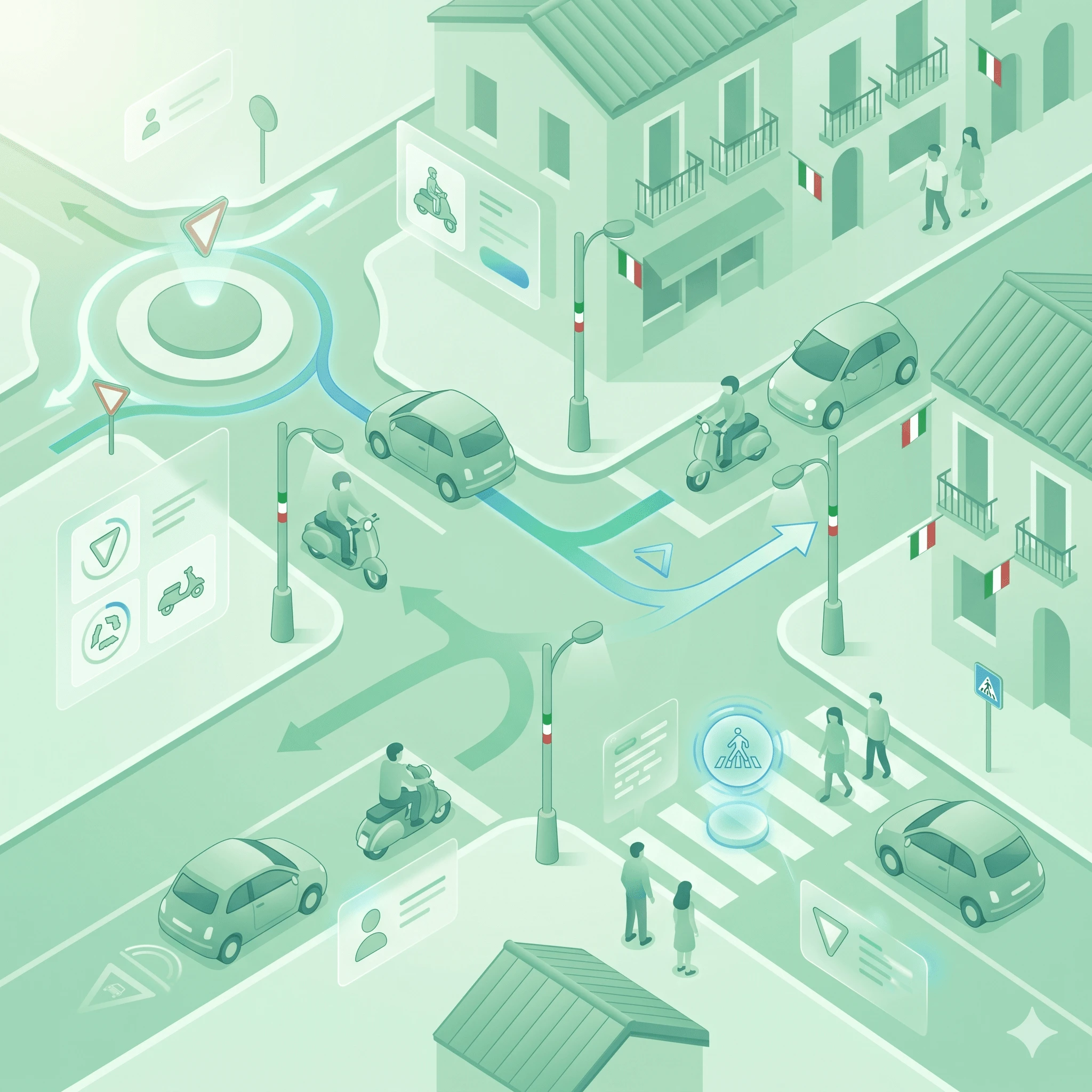
Deepen your understanding of Italian road signs, priority regulations, and motorway safety through our specialized theory modules. These structured topics help you master the complex traffic laws required for the official Italian driving licence examination.
11 topics
10 topics
6 topics
4 topics
3 topics
2 topics
2 topics
1 topic
1 topic
1 topic
1 topic
1 topic
Dive into detailed Italian driving theory topics to prepare for your exam. Search for specific terms or browse the complete list of subjects covering all essential traffic rules and road signs for your Italian licence.
Filter by category
11 theory topics found

In Italy, pedestrian crossings are designated areas designed to provide safe passage for people crossing the road. As a driver, it's essential to understand your responsibilities and the specific rules that govern interactions with pedestrians, particularly at these marked zones. Adhering to these rules protects vulnerable road users and is a fundamental aspect of safe Italian driving.

The 'Stop' sign, formally known as 'Segnale di Stop' in Italy, is one of the most crucial regulatory traffic signs. It demands that drivers bring their vehicle to a complete standstill before a specific line or the edge of an intersection. This mandatory pause ensures you can thoroughly check for approaching vehicles, cyclists, and pedestrians from all directions, especially at dangerous intersections or those with limited visibility, before safely rejoining or crossing traffic.

The "Dare Precedenza" sign, commonly known as the Give Way sign, is a fundamental priority rule in Italian road law. It instructs drivers to cede priority to traffic on the road they are entering or crossing. Unlike a Stop sign, a complete halt is not always mandatory, but you must always be prepared to stop and only proceed when it is safe and does not force other drivers to react.
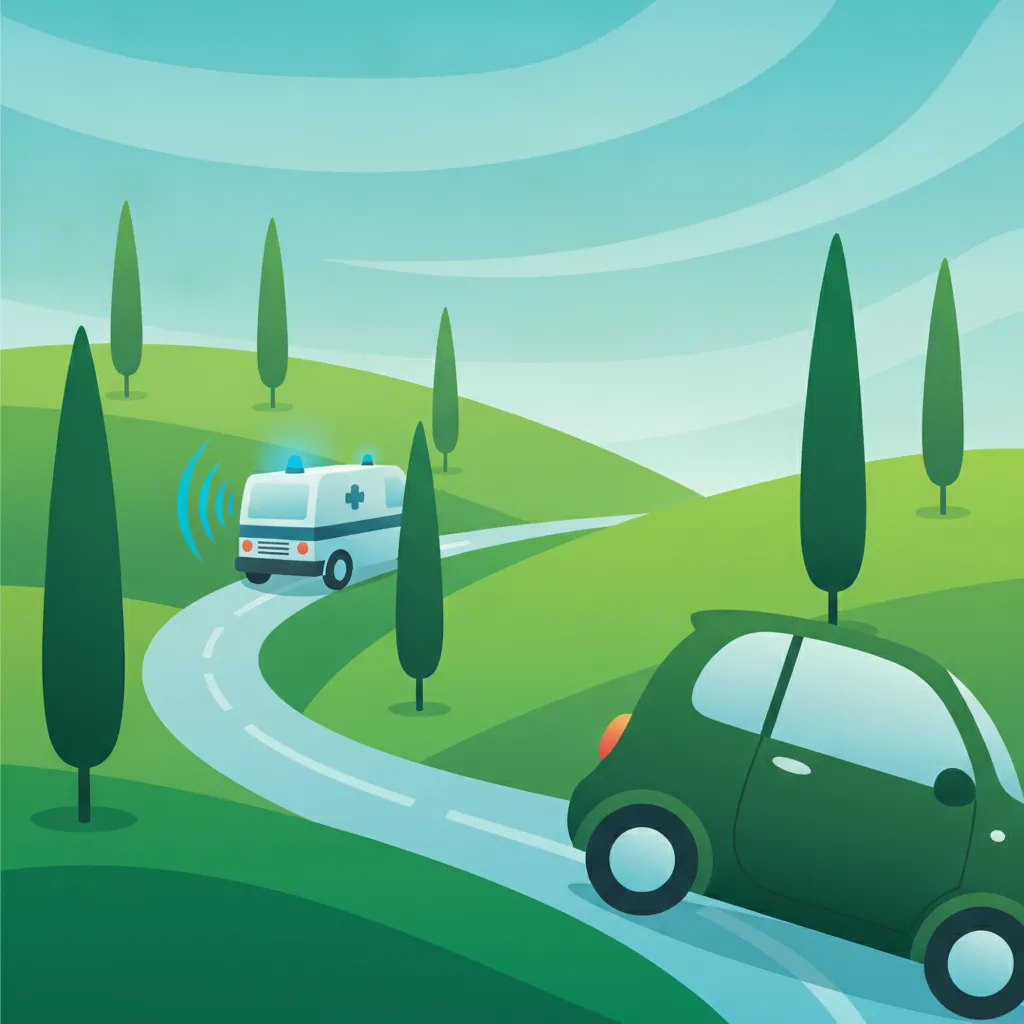
In Italy, certain vehicles are designated as emergency vehicles, including those of the police (Polizia), fire brigade (Vigili del Fuoco), and ambulances (Autoambulanze). When these vehicles are on urgent service and use their distinctive blue flashing lights and/or sirens, all other drivers have a legal duty to grant them immediate right of way. This rule is crucial for public safety and is clearly defined by the Italian Codice della Strada (Highway Code).
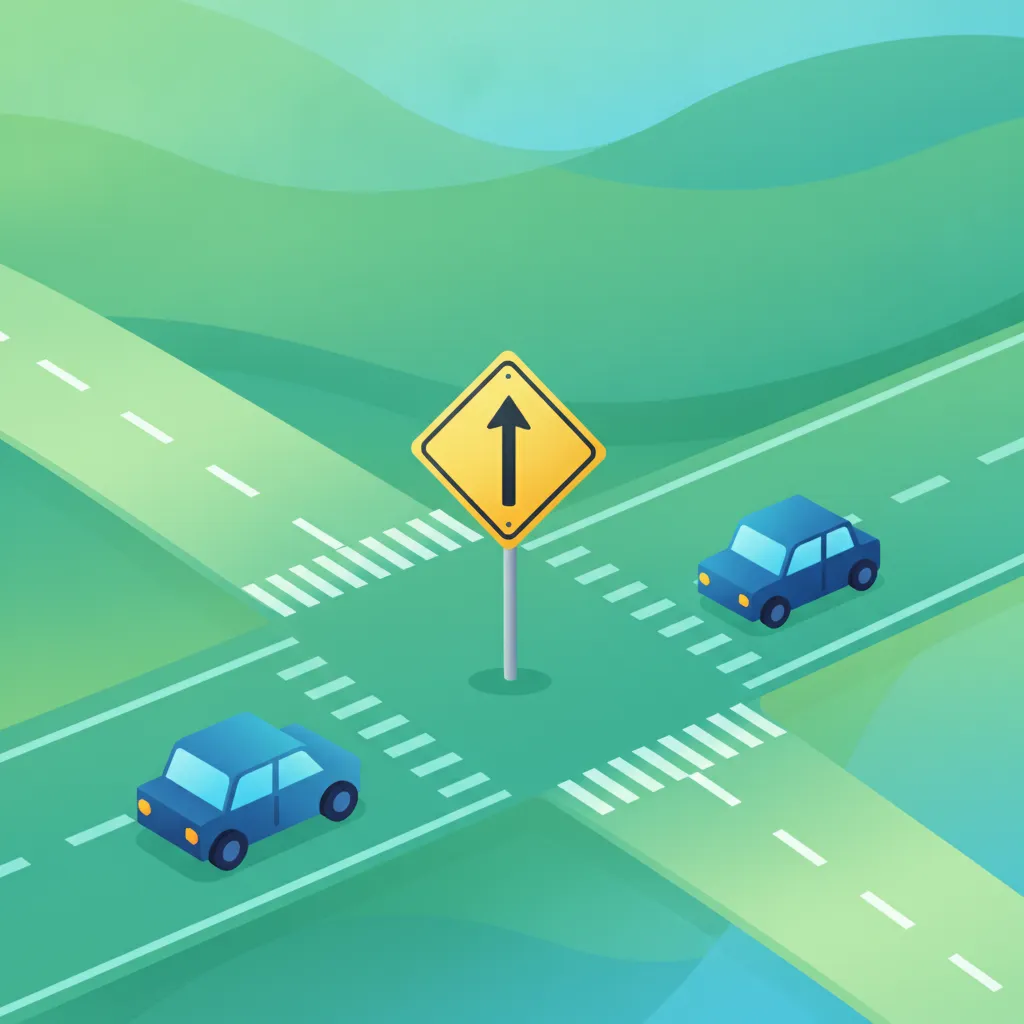
In Italy, a priority road is a designated route where traffic generally has the right-of-way over vehicles entering from intersecting roads. These roads are specifically marked with official Italian traffic signs to ensure smooth traffic flow and clearly define precedence at intersections. Understanding these rules is fundamental to driving safely and correctly interpreting intersection scenarios in the Codice della Strada.
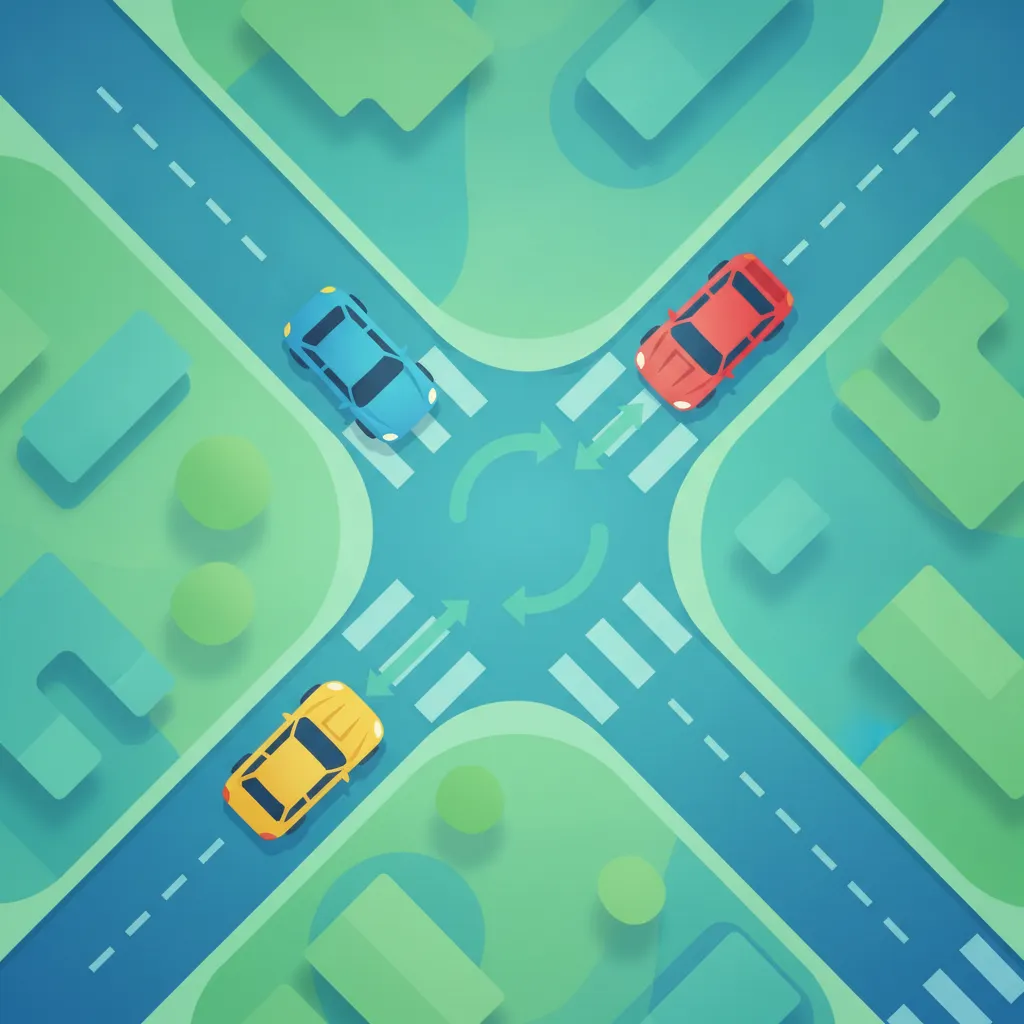
At many intersections in Italy, you won't find traffic lights, stop signs, or 'give way' signs. In these situations, drivers must rely on general traffic rules to determine who has the right of way. This page clarifies the primary principles, focusing on the 'priority to the right' rule (precedenza a destra), and explains how to apply them safely and correctly, especially when preparing for your Italian driving license theory test.
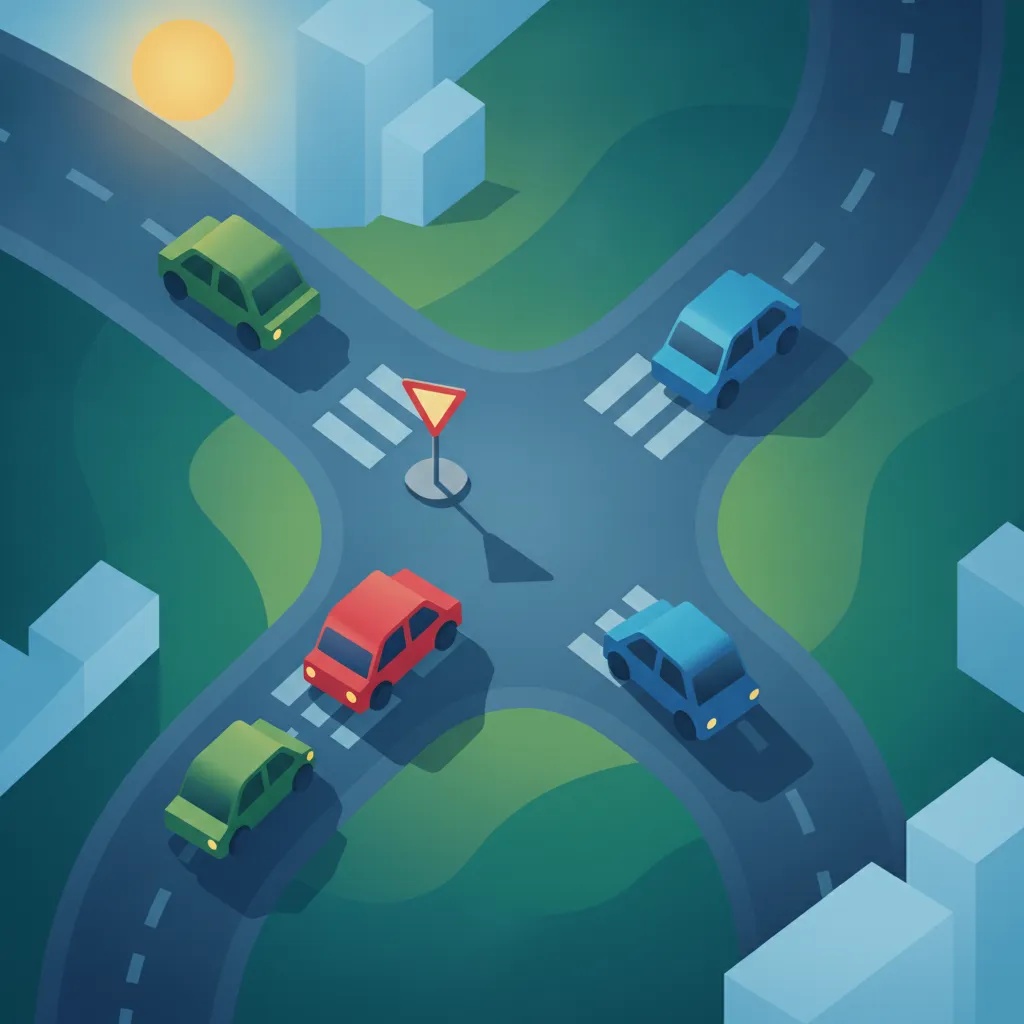
In Italy, understanding 'dare la precedenza' (giving way or yielding priority) is a core aspect of traffic law. This concept dictates when a driver must allow another road user to proceed first to avoid a collision. It is essential for navigating intersections, roundabouts, and pedestrian crossings correctly, ensuring smooth and safe traffic flow throughout Italy's diverse road network.
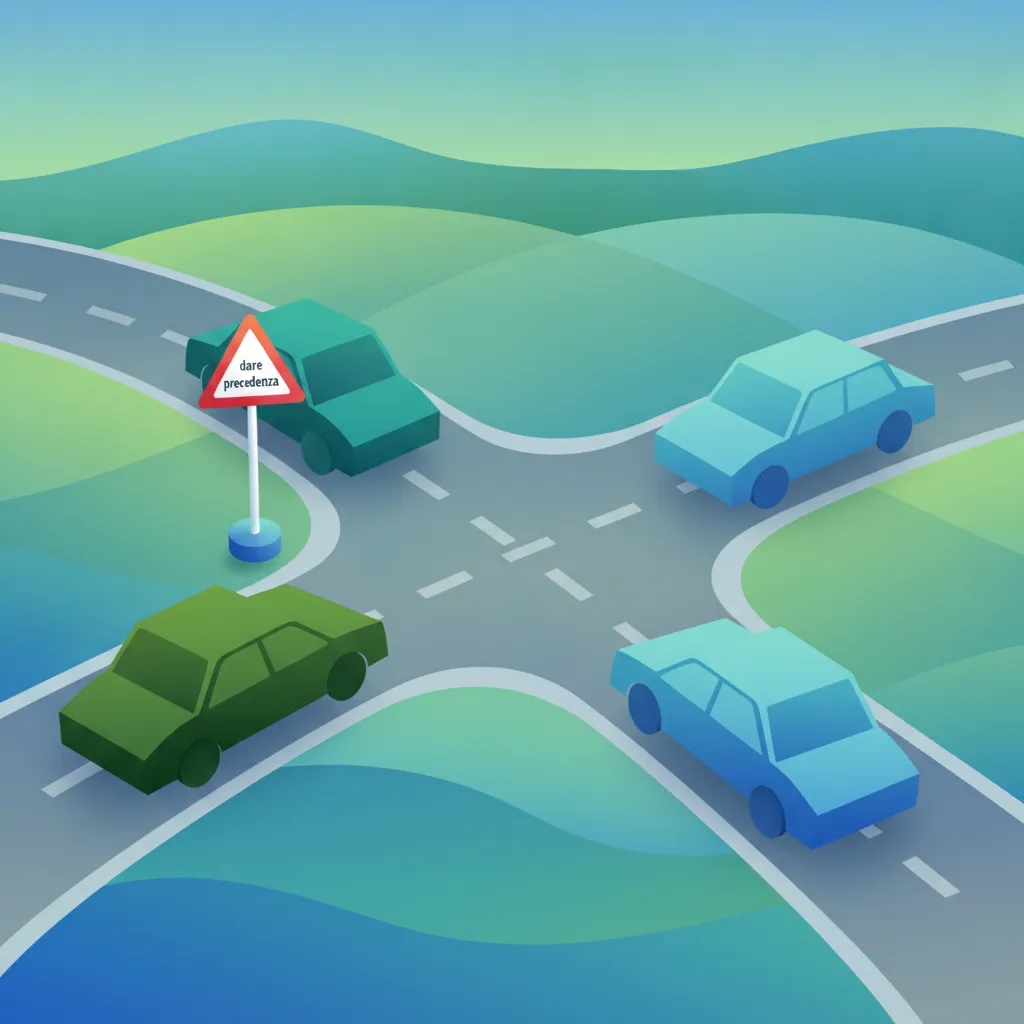
In Italy, determining right of way, known as "precedenza," is a fundamental aspect of safe and orderly traffic flow. This concept clarifies which road user has the legal right to proceed first at conflict points, such as intersections, roundabouts, and pedestrian crossings. Understanding these rules, whether indicated by signs, markings, or general principles, is essential for every driver and frequently tested in the Italian driving license theory exam.
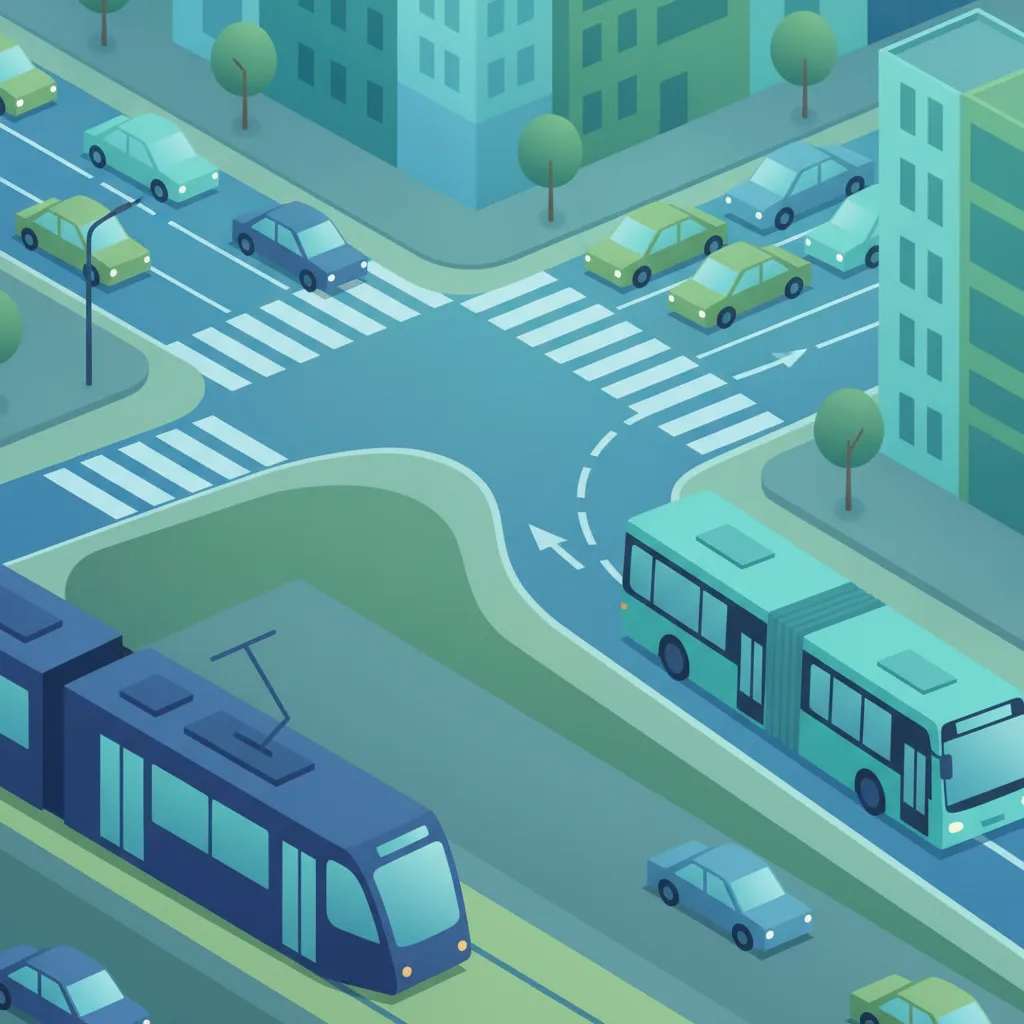
In Italy's bustling urban centers, trams and other public transport vehicles operate under specific rules that grant them priority in many traffic situations. This is primarily due to their fixed routes, significant size, and limited maneuverability, which prevent them from reacting to hazards as quickly as other vehicles. Drivers must understand these rules to ensure safety and efficient traffic flow.
In Italy, ensuring pedestrian safety is a fundamental aspect of driving, deeply embedded in the Codice della Strada. Drivers have specific duties to protect vulnerable road users, particularly at designated pedestrian crossings (attraversamenti pedonali) and during turns at intersections. Understanding these rules is crucial for safe driving and passing the Italian driving theory test.
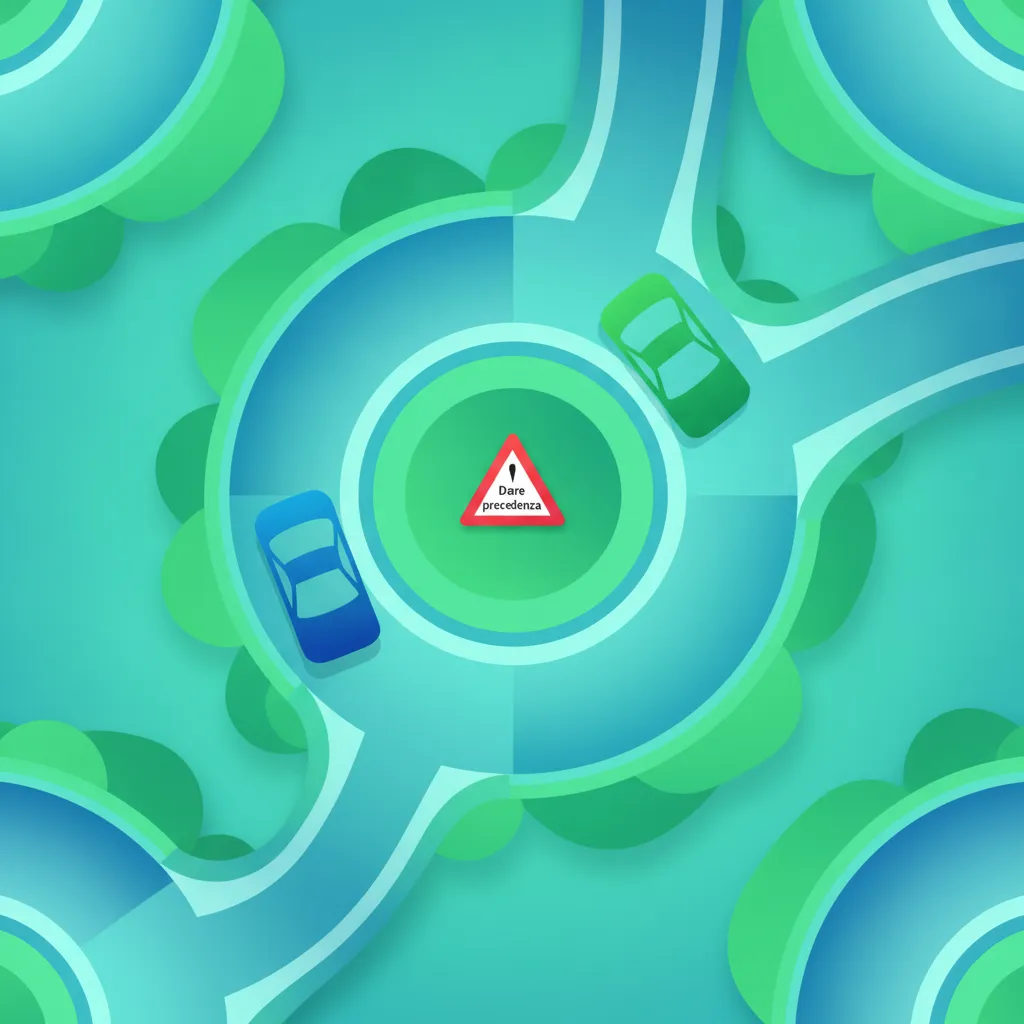
In Italy, roundabout priority is primarily determined by road signs, especially the 'Dare precedenza' (Give Way) sign. While most modern roundabouts require you to yield to vehicles already circulating, it's crucial to understand that without such signage, the general rule of giving way to the right applies, which means entering vehicles would have priority. This page explains both scenarios and how to drive safely and correctly.
Dive deeper into specific topics, review challenging road signs, or explore advanced driving scenarios within our extensive article library. Solidify your knowledge on autostrada rules, ZTL zones, and other key Italian driving concepts to ensure you are fully prepared for your test and the road.
Italian Driving Theory Articles