
Driving on snow and ice requires special skills and knowledge to prevent skidding and accidents. This practice set from Polish Driving License Theory focuses on essential winter driving techniques, including reduced traction, extended braking distances, and smooth control inputs, preparing you for safe travels and critical questions on your official Polish driving theory exam.
This practice set covers essential strategies for driving on snow and ice, crucial for Polish road conditions. Master safe acceleration, braking, and steering techniques to navigate winter hazards. Enhance your driving theory knowledge and prepare confidently for your Polish theory test revision.
Prepare for the unpredictable nature of winter driving with this comprehensive practice set. You will learn critical techniques for safe acceleration, braking, and steering on challenging snow and ice, covering common pitfalls and advanced manoeuvres relevant to Polish traffic conditions.
Preview sample questions from the Snow & Ice Driving practice set to see how they help you prepare for the driving theory exam in Poland.
Learners choose Snow & Ice Driving to improve accuracy and understanding of key exam themes in Poland. It offers realistic driving theory questions and targeted revision for effective preparation.
Find answers to the most common queries learners have when practising Snow & Ice Driving, including how questions match the official theory exam in Poland, how scoring works, and how this practice improves exam readiness.
Dense, falling snow in freezing temperatures significantly reduces visibility and makes the road very slippery. However, ice is generally considered even more dangerous due to its extreme reduction in wheel grip, making even gentle movements risky.
On icy surfaces, you should significantly reduce your speed, ideally not exceeding 40 km/h. Avoid sudden braking; instead, operate the brake pedal gently. It is often safest to lose speed by downshifting through lower gears rather than relying heavily on the brake pedal. If you feel a wheel skidding, immediately release the brake pedal.
To reduce the risk of skidding when starting on snow or ice, it is often advisable to use second gear instead of first. You must operate the clutch pedal very gently to avoid sudden power delivery that could break traction.
When cornering on snow or ice, it is crucial to reduce your speed well before the turn and avoid any sudden steering movements. Maintain a smooth, constant speed through the turn, using gentle steering inputs. Sudden acceleration or braking mid-corner will likely cause a skid.
While winter tires are not legally mandatory in Poland, they are highly recommended for driving on snow-covered or icy roads. Using winter tires significantly increases safety by providing better grip and shorter braking distances in cold conditions, as highlighted in official guidance.
By completing Snow & Ice Driving, you will gain stronger rule knowledge, faster recognition of signs and situations, better decision making in traffic scenarios, and increased accuracy on exam style questions used in Poland. These outcomes directly support higher scoring exam performance.
Continuing with related practice questions helps reinforce critical skills for Polish winter roads, ensuring a more thorough understanding of traffic rules. This dedicated topic revision provides crucial exam preparation, covering different aspects of safe driving on snow and ice.
Master the Art of Vehicle Control in Poland's Toughest Winter Conditions.
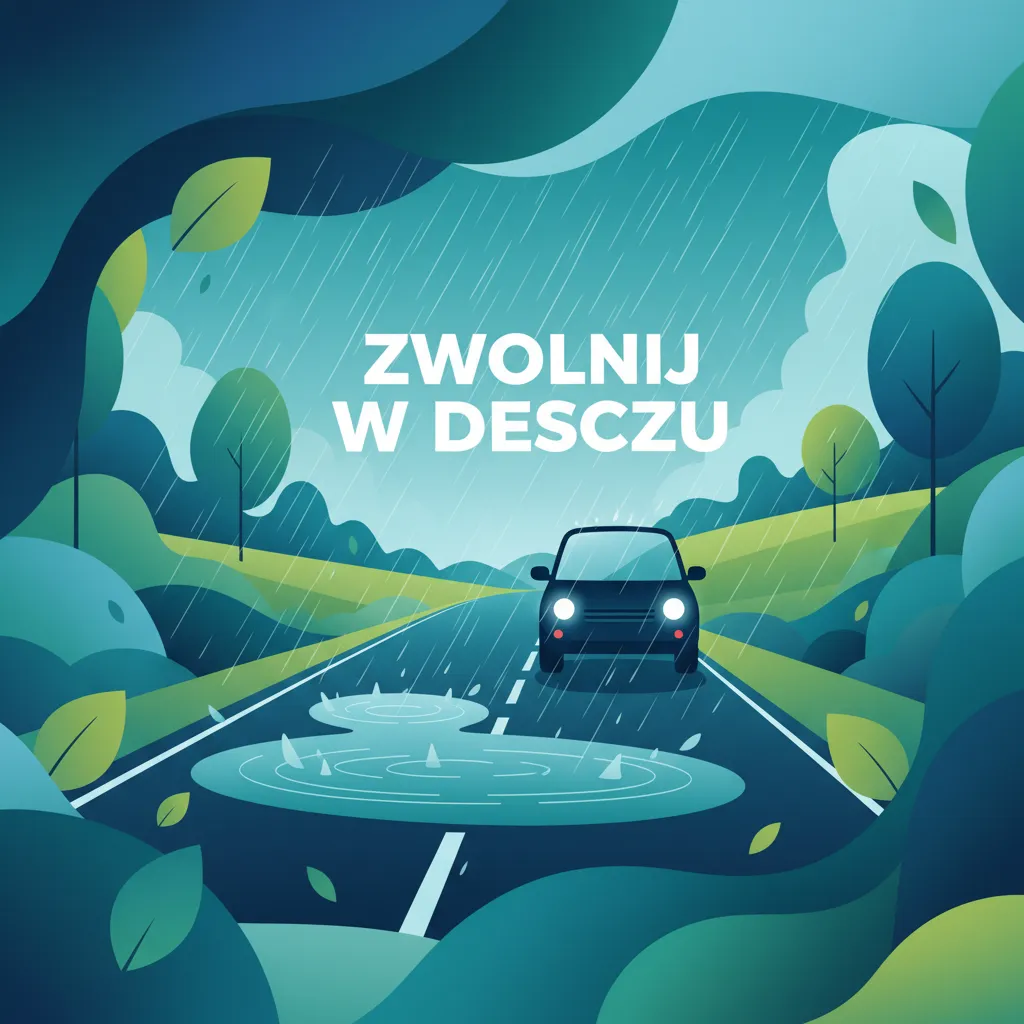
Navigate Polish Roads Safely: Master Speed Control in Challenging Weather!
Master vehicle control for safer driving and confident exam performance.
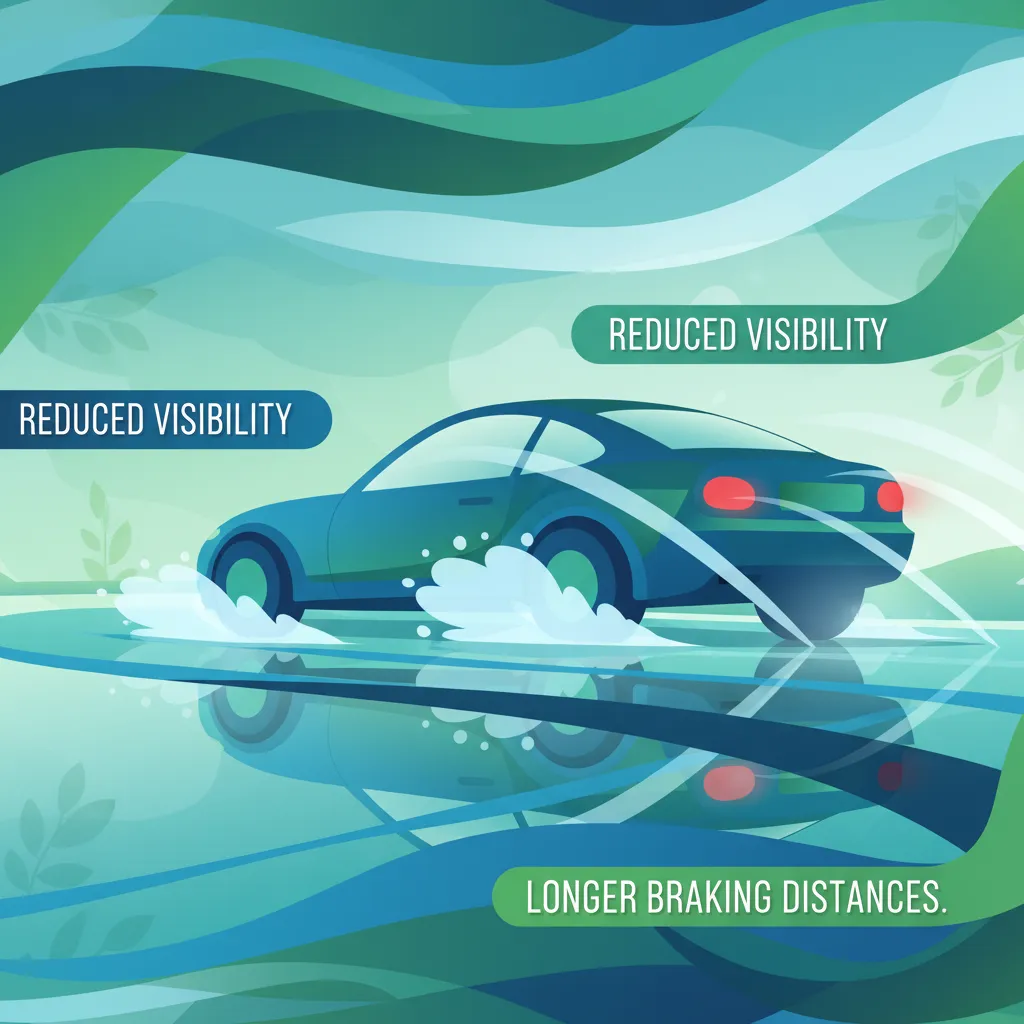
Navigate Wet Polish Roads with Confidence and Pass Your Exam

Master advanced vehicle control and emergency reactions for challenging Polish road conditions.
Master navigating Poland's roads when conditions turn complex and dangerous.
Questions in Snow & Ice Driving
Exam focused questionss
Snow & Ice Driving offers quick, focused exam style practice to boost your Polish knowledge for the driving theory exam in Poland.
Snow & Ice Driving helps learners in Poland with clear explanations and targeted Polish practice to improve essential driving theory topics.
This practice set is ideal for intermediate to advanced learners and anyone preparing for the Polish driving theory exam who wants to deeply understand winter driving challenges. It addresses common errors like sudden braking or steering that can lead to dangerous situations on slippery Polish roads, equipping you with the knowledge to drive safely.
Explore more topics for the Polish driving theory exam in Poland.
Dive into specific Polish driving theory topics by selecting a category that matches your revision needs. Whether you want to master road signs, understand priority rules, or review traffic regulations, our categorized practice sets will guide your learning and prepare you thoroughly.
Browse Practice Categories