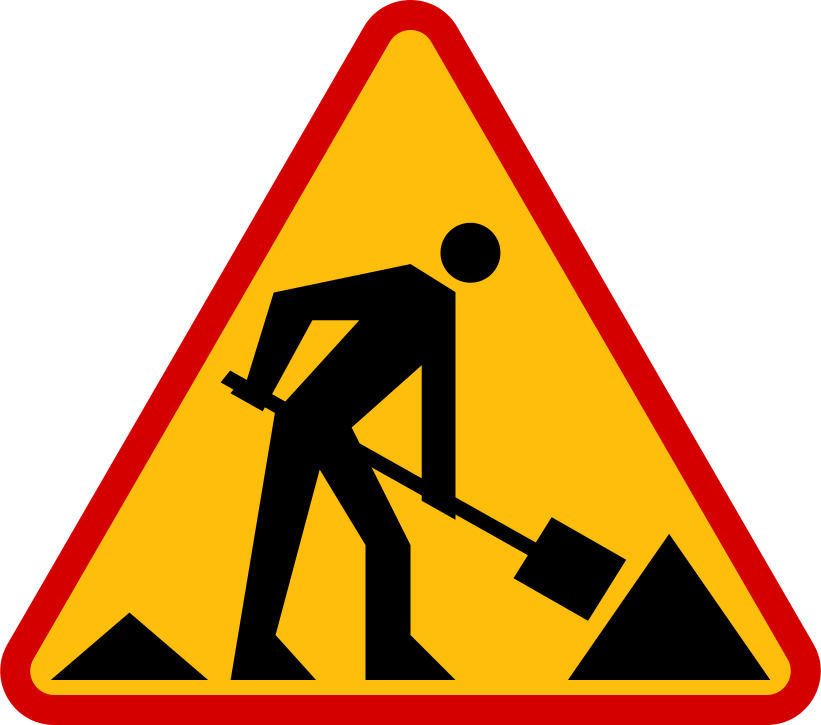
Navigate through our extensive directory of all Polish road signs, designed as a crucial resource for your driving theory exam preparation. This visual index allows you to quickly identify, learn, and review every type of traffic sign, from warnings and regulatory signals to information signs. Develop a robust understanding of their meanings and application on Polish roads to confidently pass your test.
Explore this comprehensive road-sign list to quickly identify and understand the meaning of every official Polish traffic sign. This essential reference supports your theory-test sign revision, enhancing recall and ensuring you master all road signs before your driving exam.
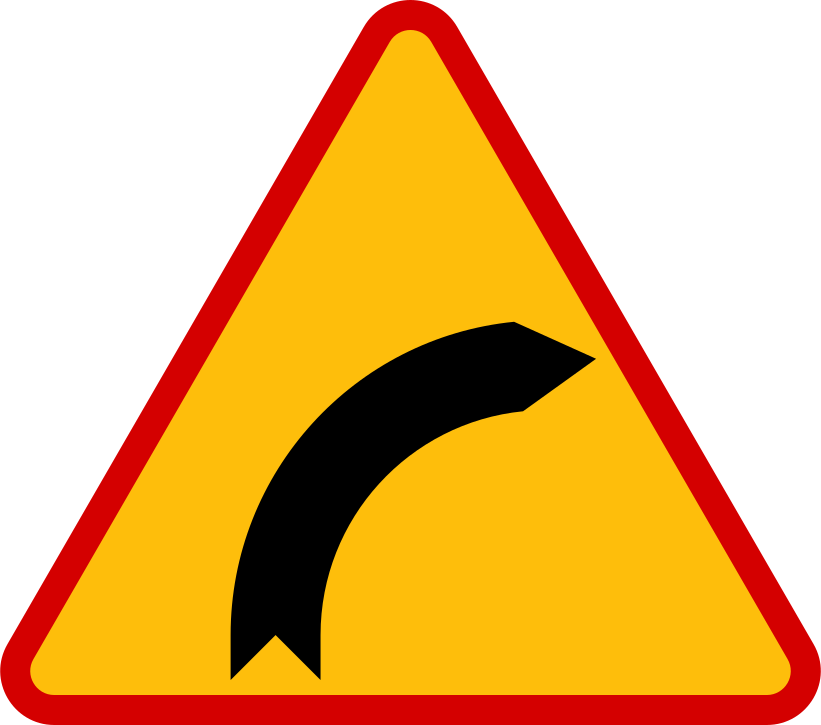
Watch Out for Dangerous Bends to the Right with the A-1 Sign
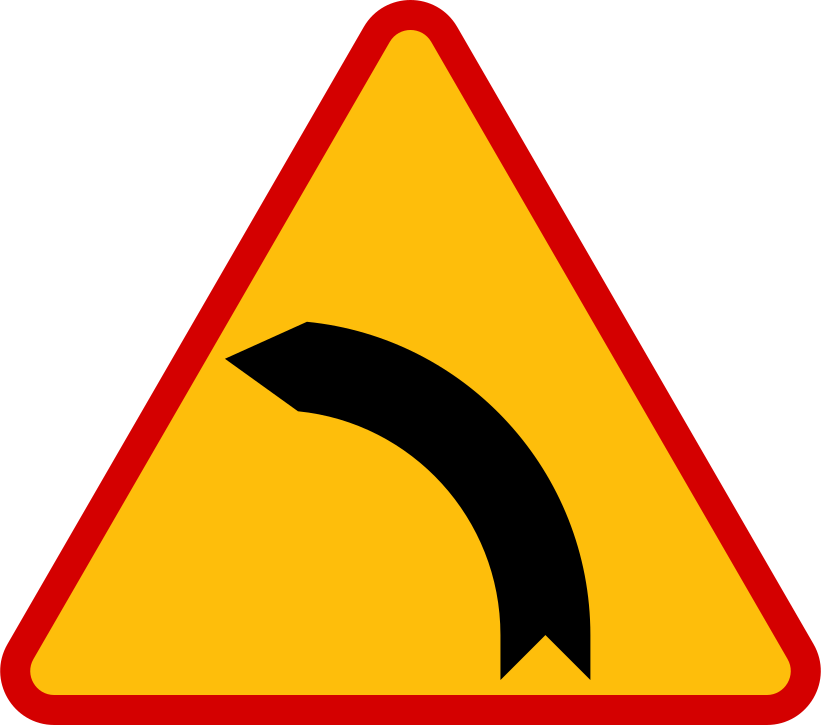
Prepare for the A-2 Dangerous Bend to the Left warning sign.
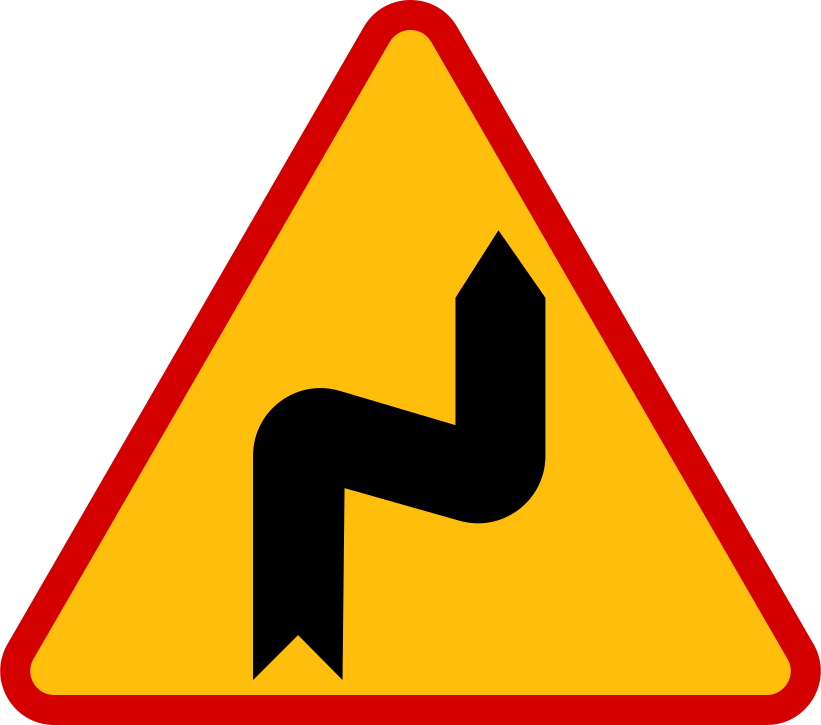
Prepare for the A-3 Double Bend - First to the Right sign on Polish roads.
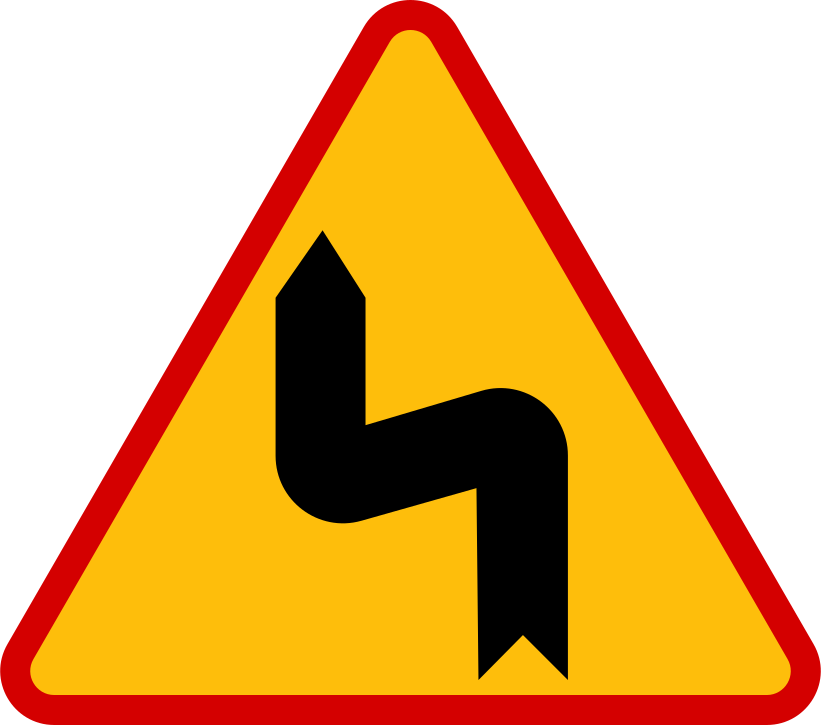
Prepare for the A-4 Double Bend Left Warning Sign on your theory test!
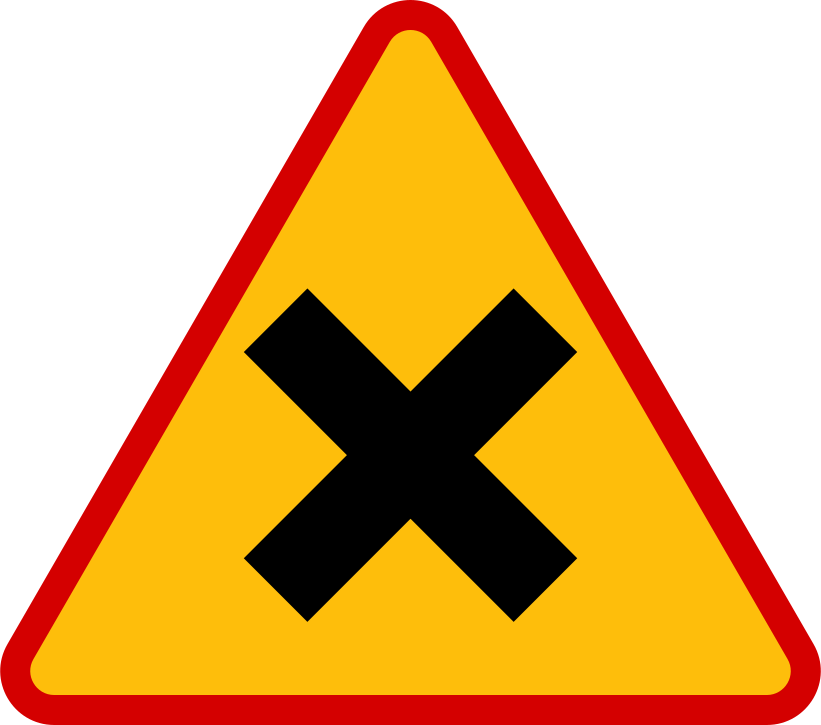
Understand the A-5 'Intersection of Equal Roads' sign and the right-hand rule
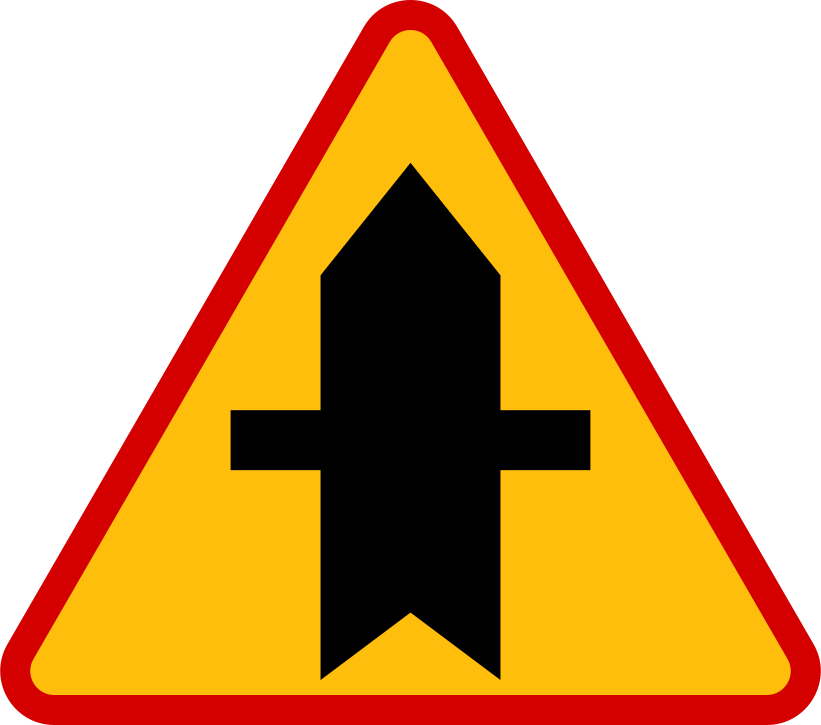
A-6a Sign: You're on the Priority Road at a Junction with Side Roads
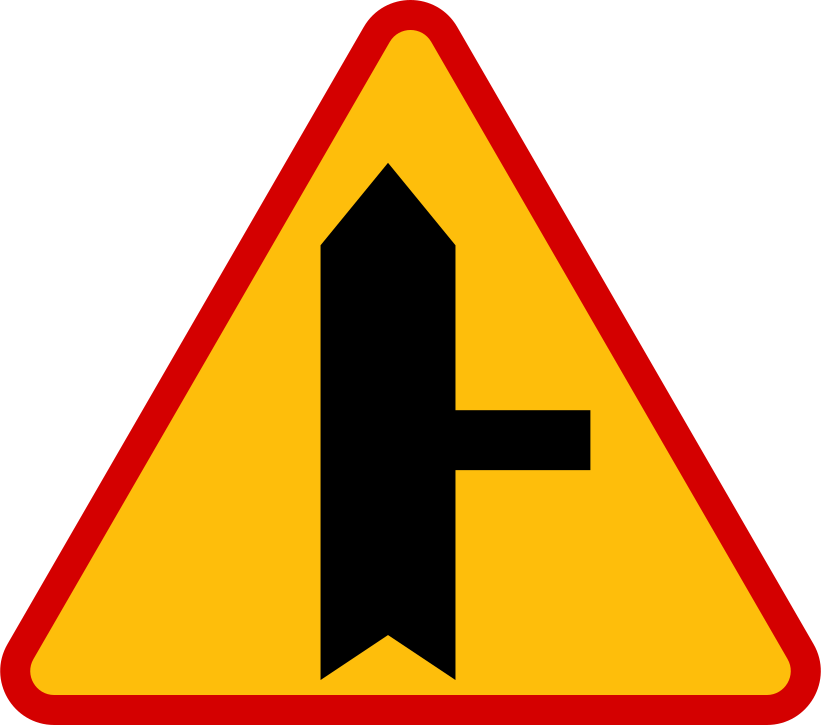
Understand the A-6b Sign: Priority Road with a Side Road Joining on the Right
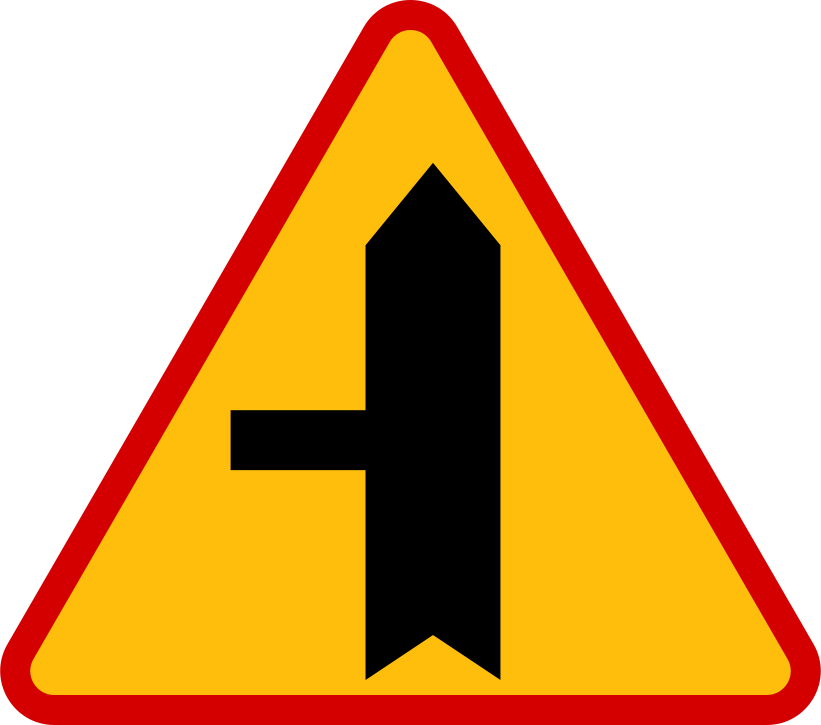
Beware of oncoming traffic from the left at this intersection.
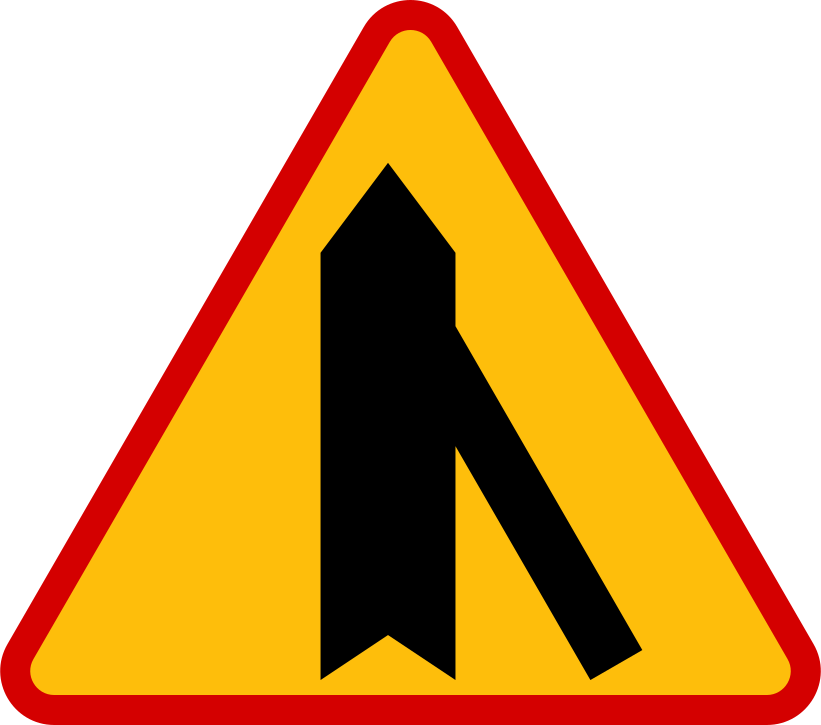
Prepare for merging traffic with the A-6d 'One-way Inflow from the Right' road sign.
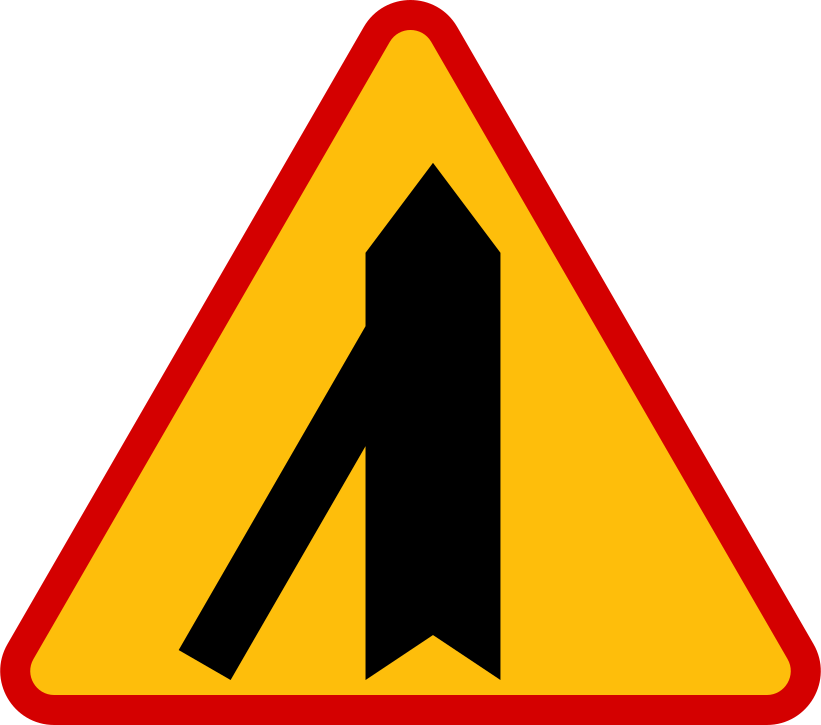
Prepare for the A-6e road sign: One-Way Traffic Merging from the Left
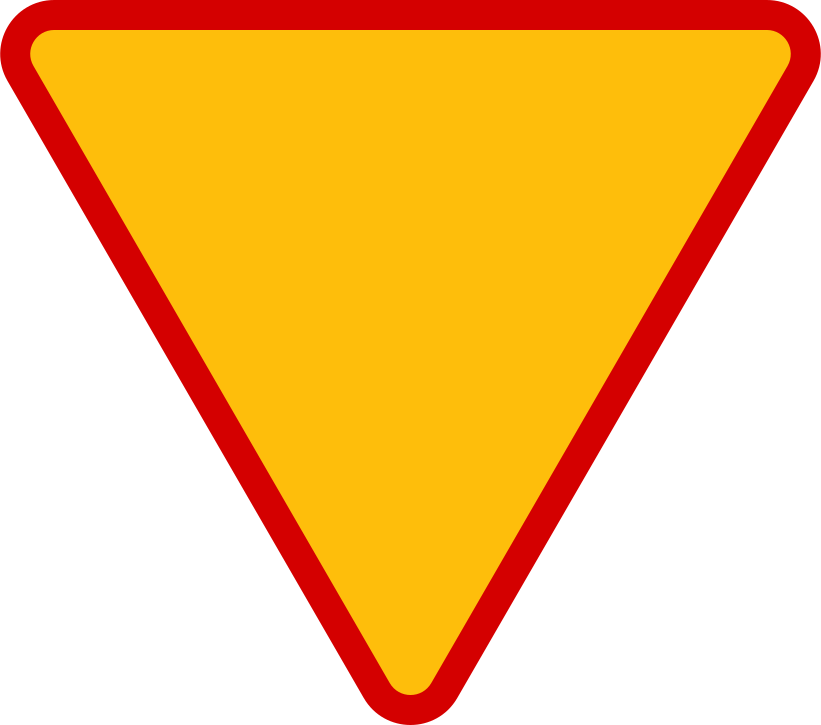
The A-7 'Give Way' Sign Means You Must Yield to Priority Traffic.
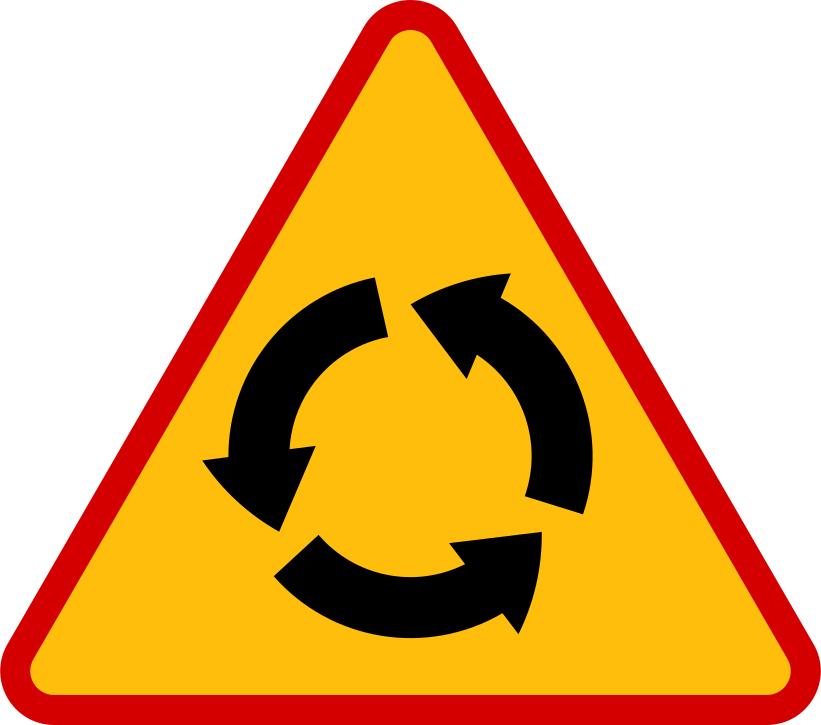
Prepare for a roundabout with the A-8 'Roundabout Ahead' warning sign.
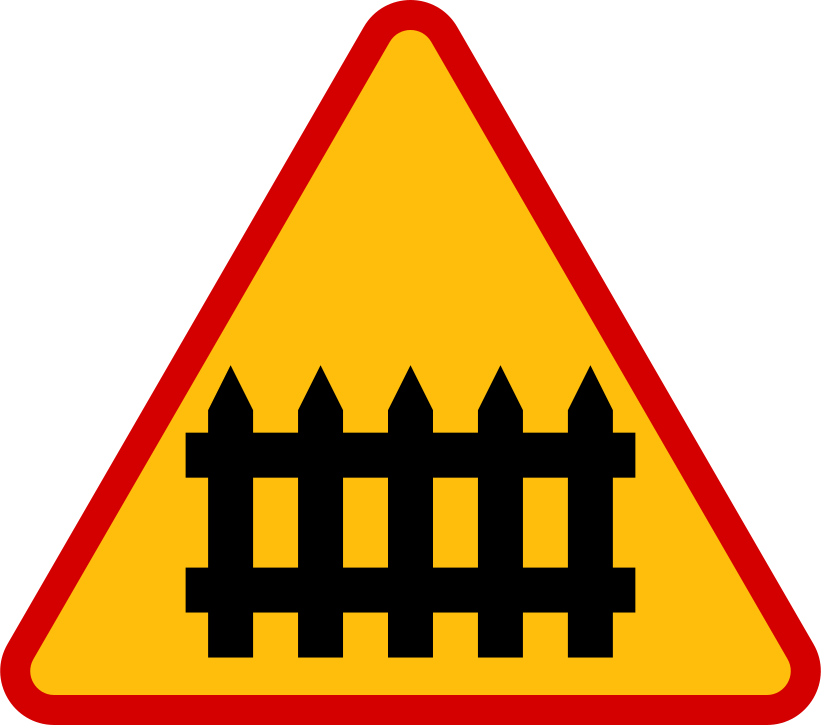
A-9 Level Crossing with Barriers: What You Must Know
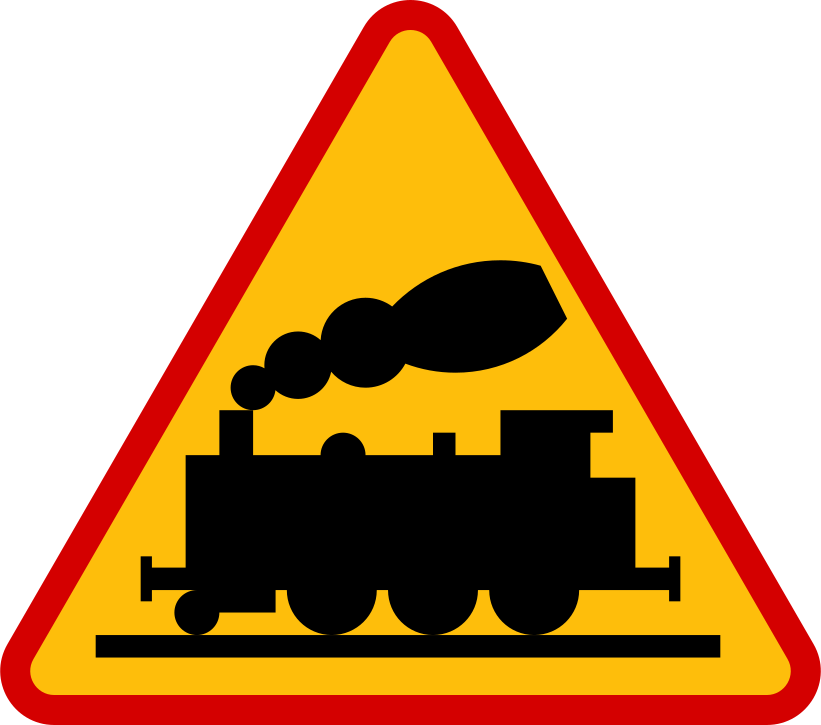
Beware of Ungated Railway Crossings with the A-10 Sign!
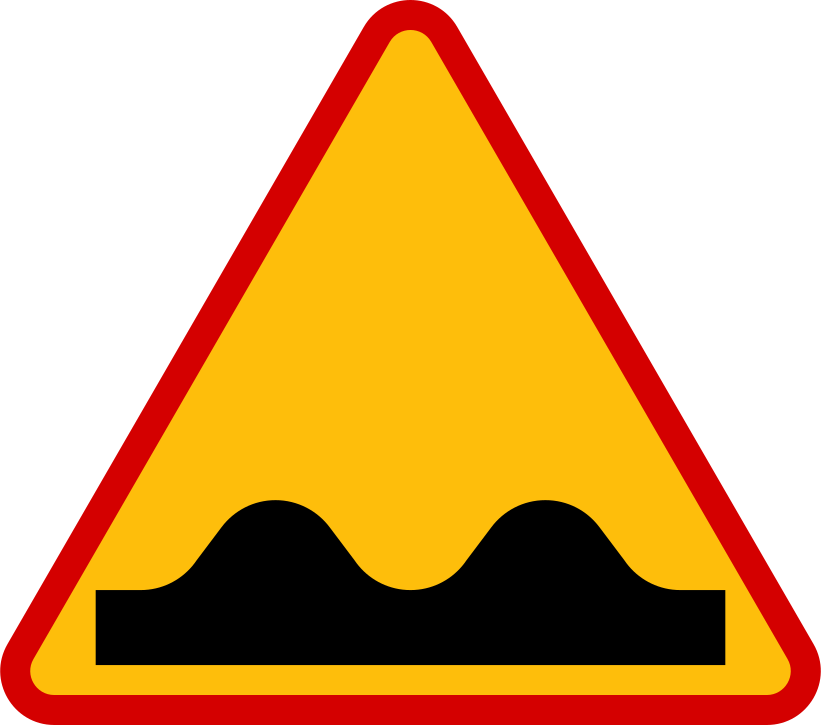
Warning: Prepare for an Uneven Road Surface Ahead!
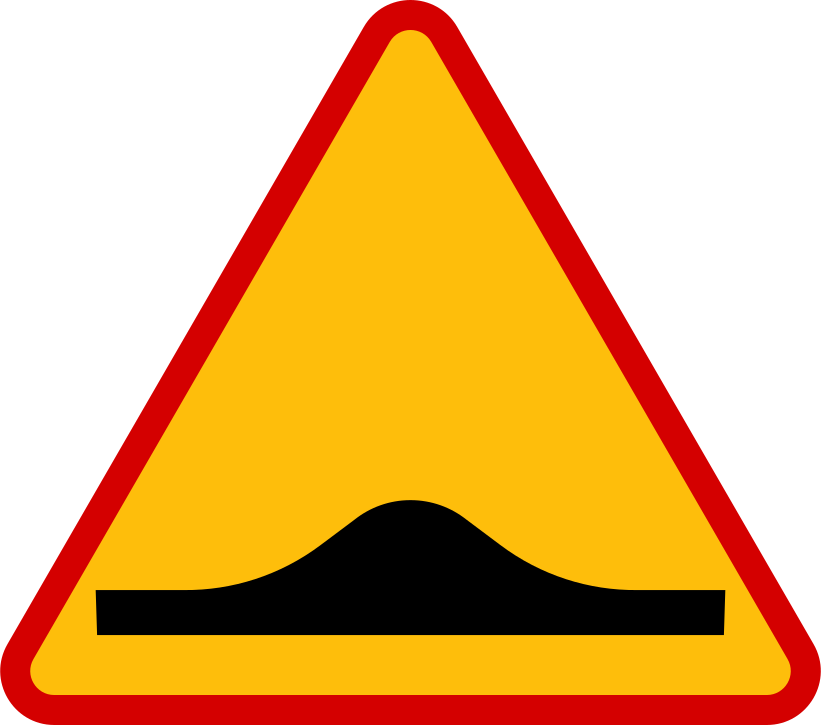
The A-11a Speed Bump sign warns you to significantly reduce your speed.
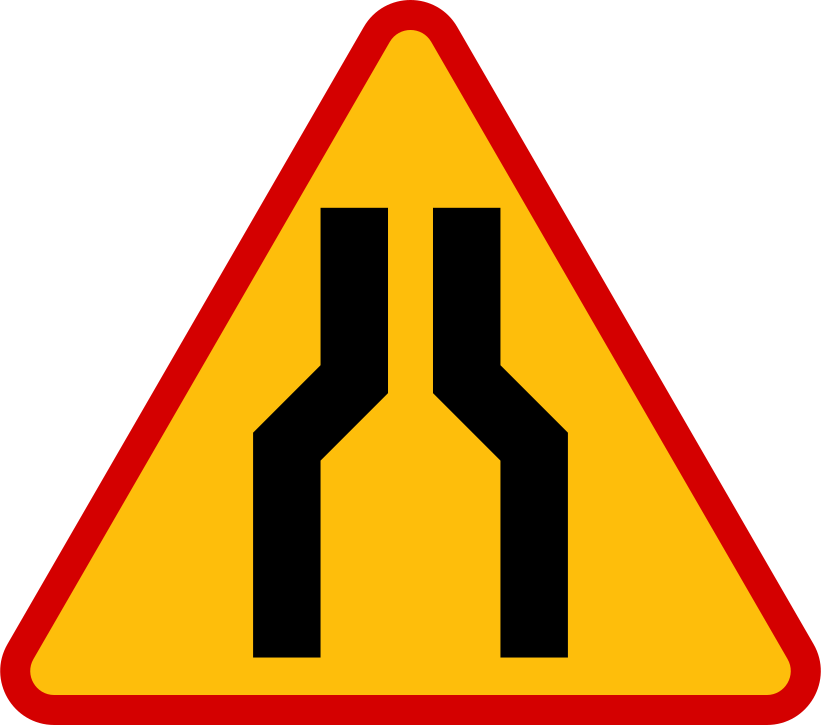
Prepare for Road Narrows on Both Sides with the A-12a Warning Sign
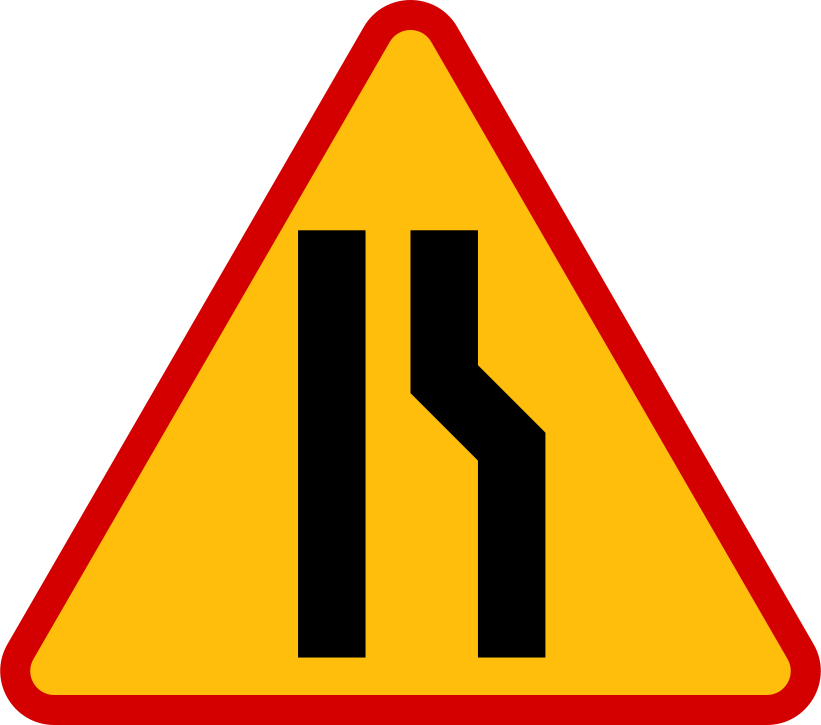
A-12b: Road Narrows Ahead on the Right – Prepare to Merge Left
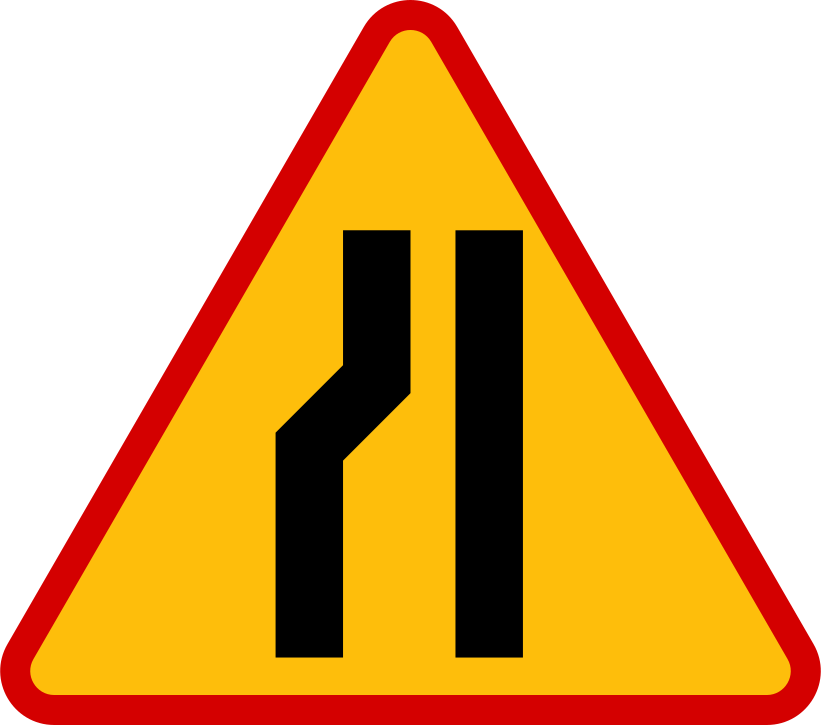
Warning: The Road Narrows Ahead on the Left!
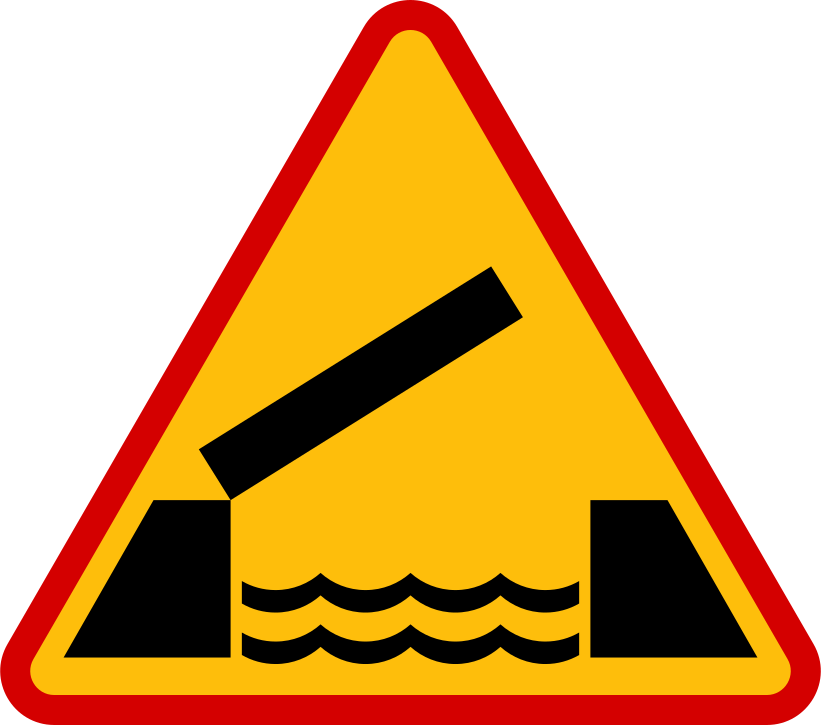
Prepare to stop for a Movable Bridge ahead!
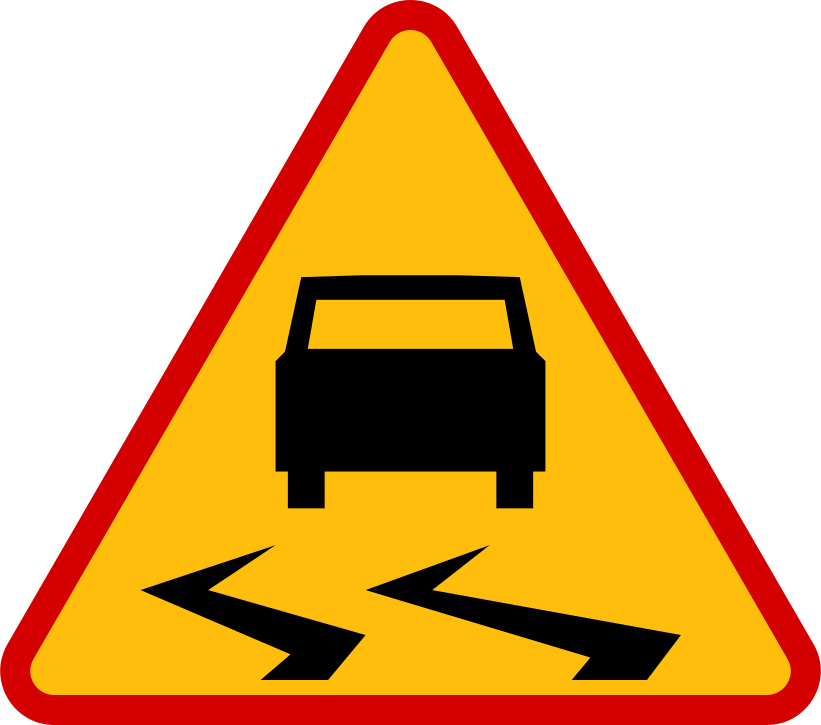
Watch out for the Slippery Road warning sign (A-15)!
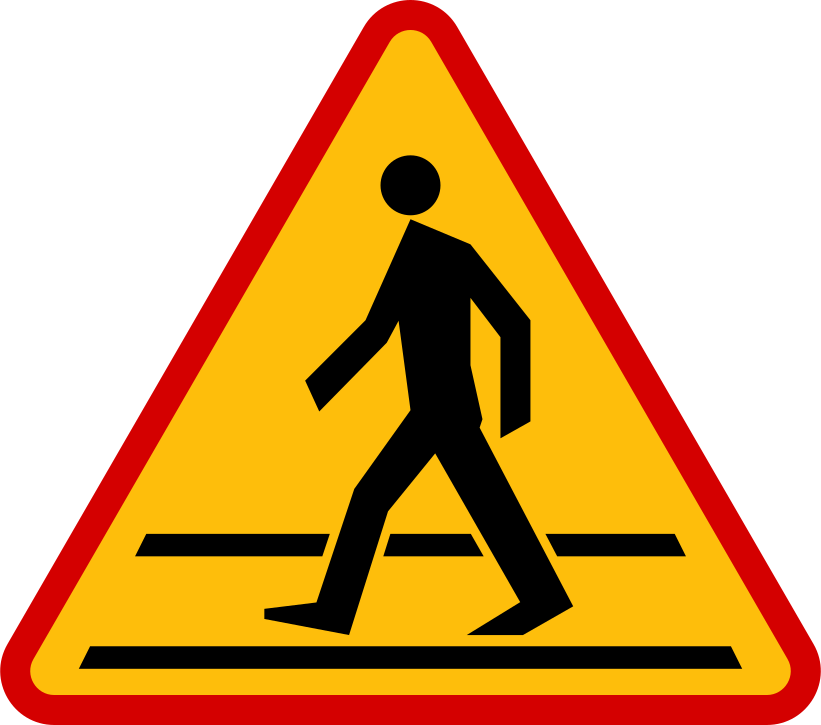
Prepare to stop for pedestrians at the upcoming A-16 crossing warning sign.
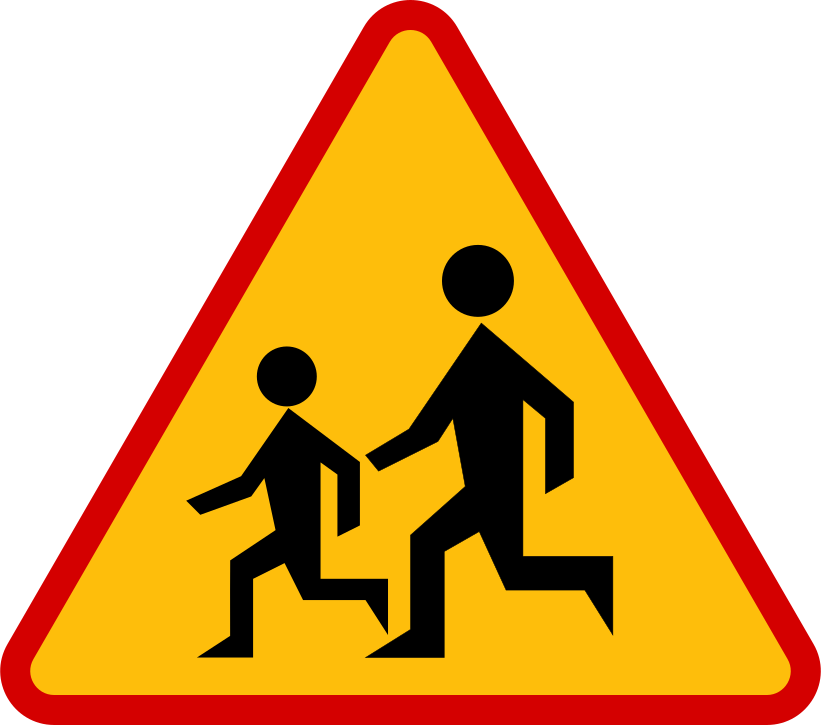
Beware of Children: Understand the A-17 Warning Sign!
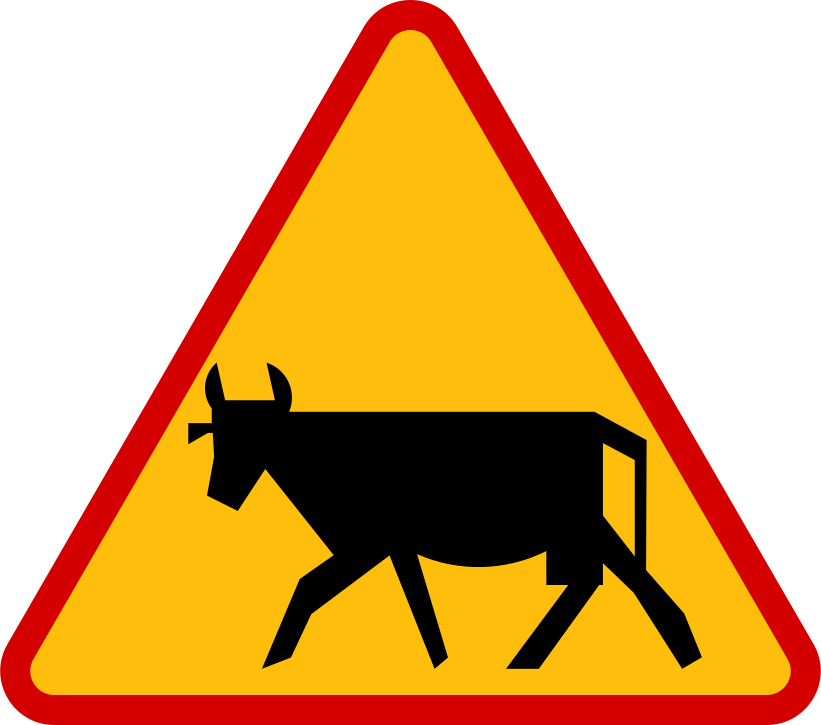
Beware of Domestic Animals Crossing the Road with the A-18a Warning Sign
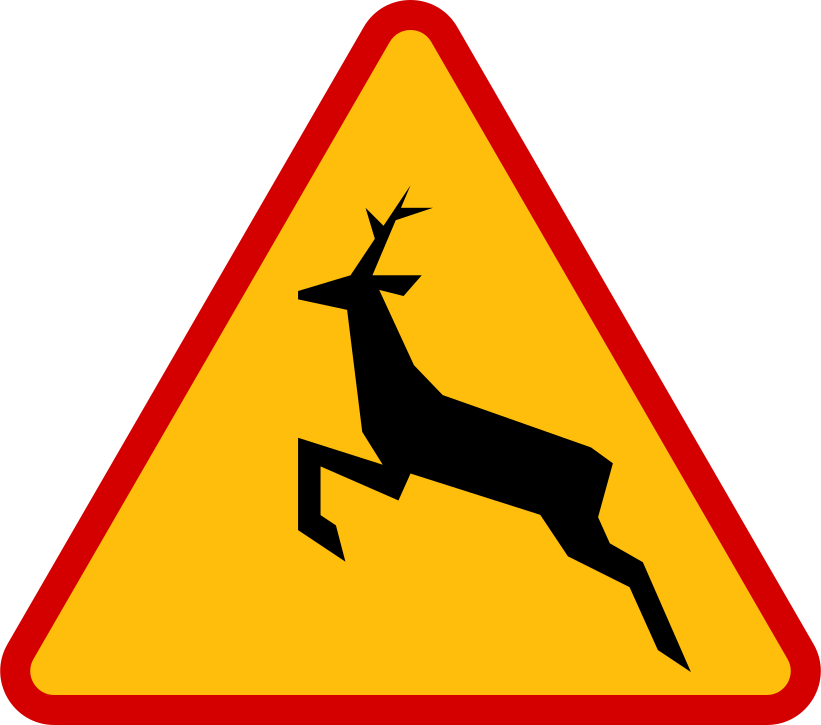
Beware of Wild Animals Crossing the Road Ahead!
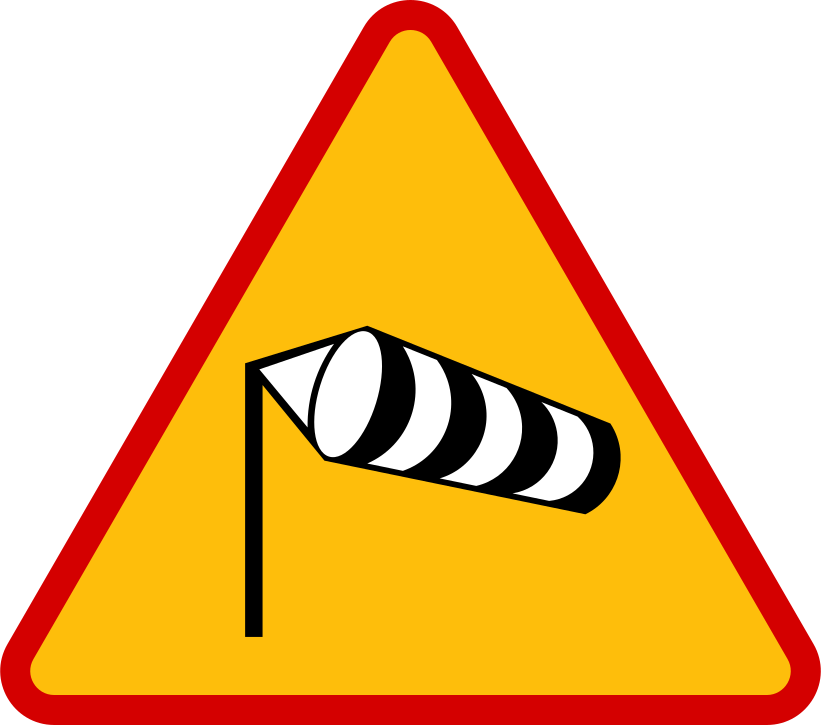
Watch out for strong side winds with the A-19 warning sign!
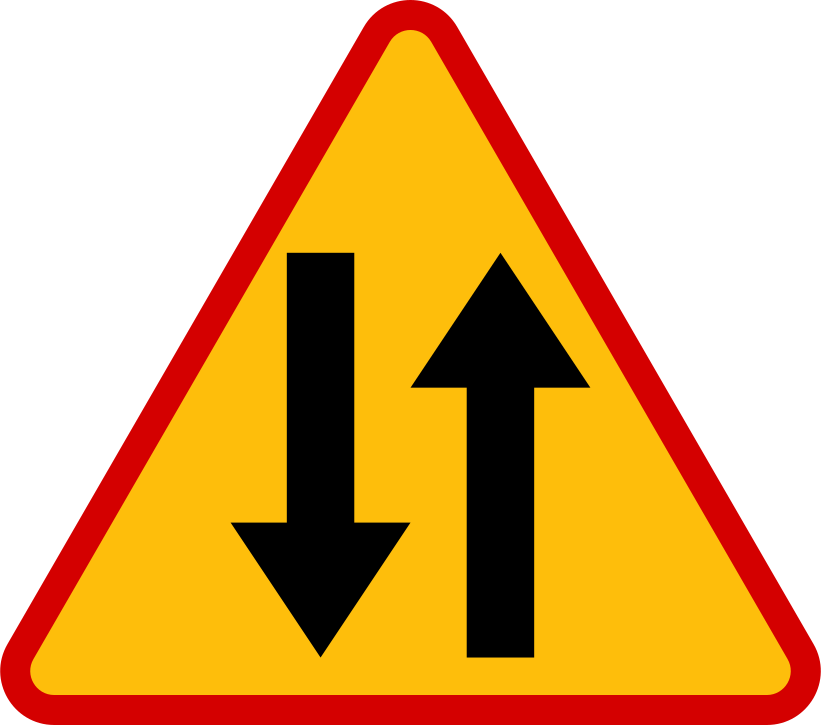
Prepare for Opposing Traffic: The A-20 Two-Way Traffic Sign Ahead
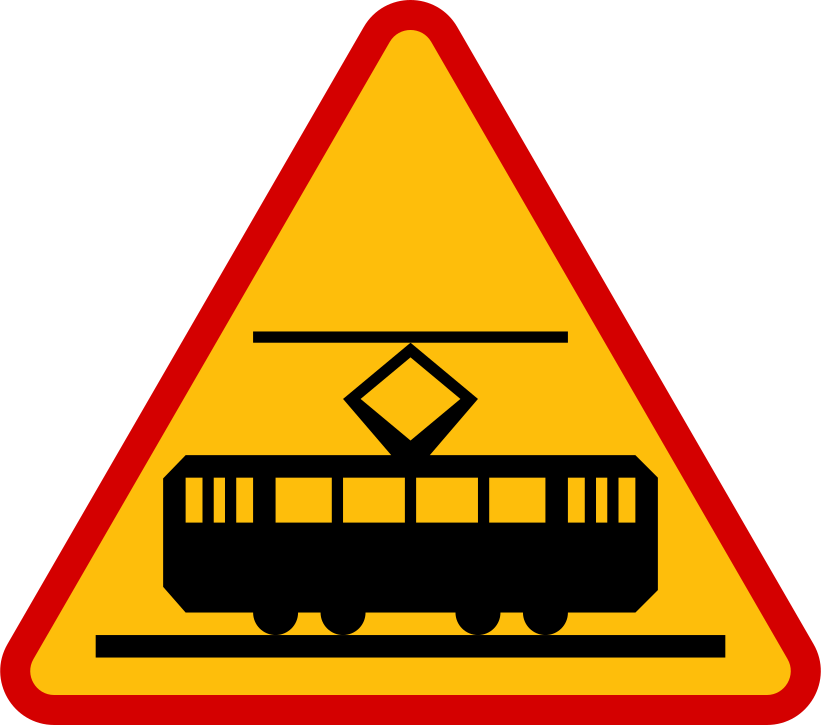
Prepare for the A-21 'Tram' warning sign, indicating tram tracks ahead.
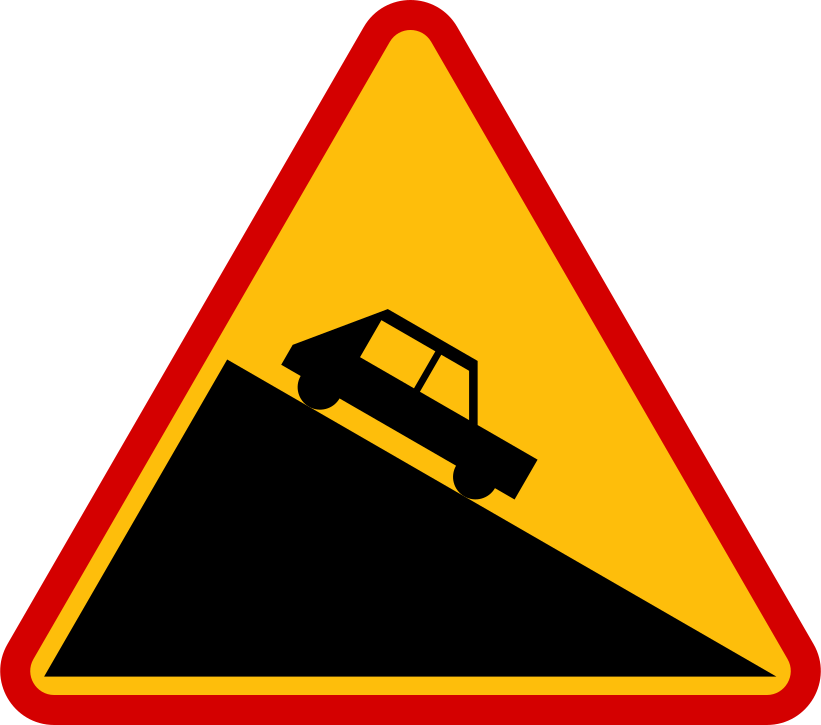
Prepare for steep downhill slopes with the A-22 Dangerous Descent warning sign.
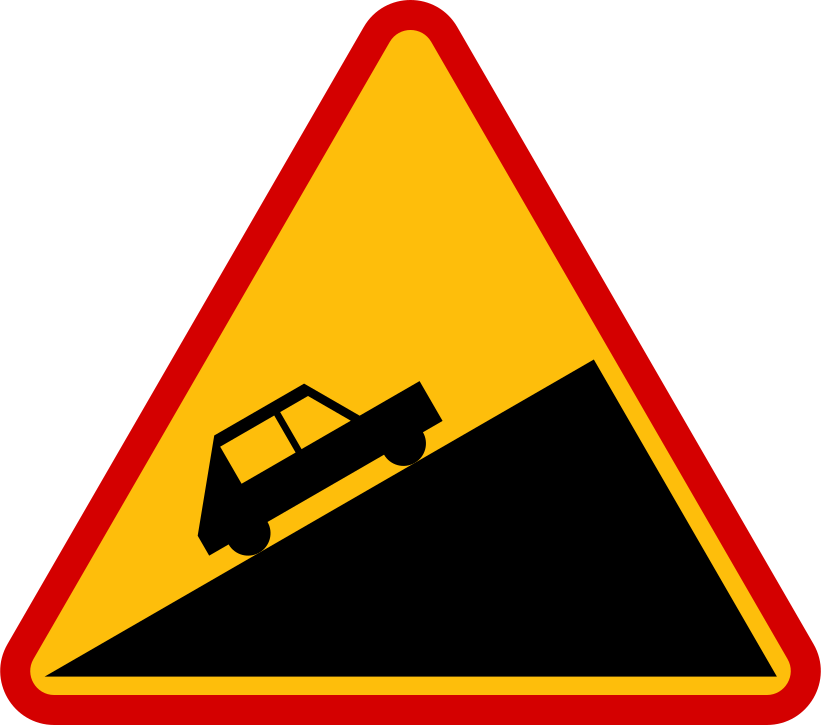
Warning: Prepare for a Steep Ascent Ahead with the A-23 Sign!
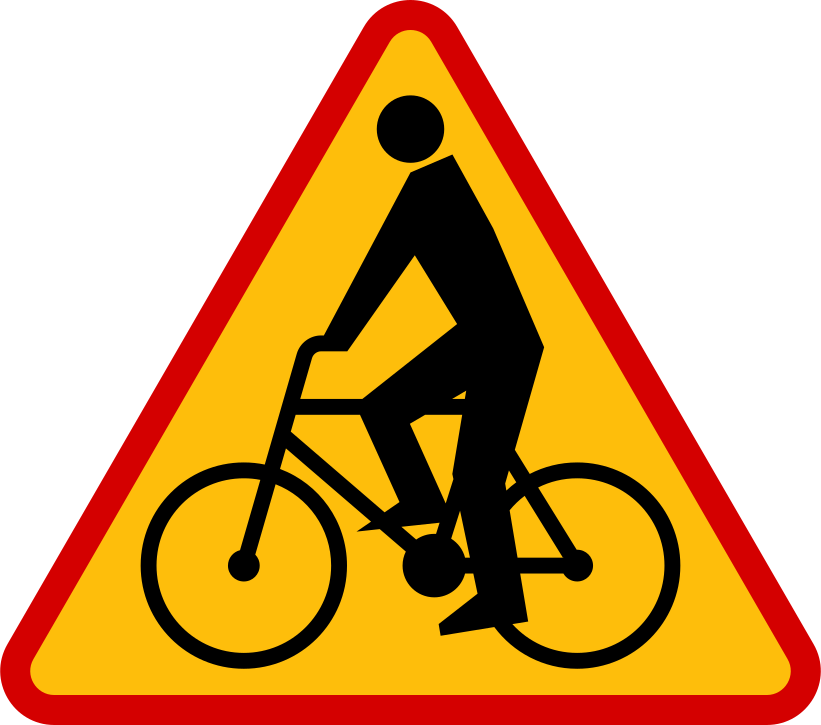
Watch out for cyclists entering or crossing the road with the A-24 warning sign.
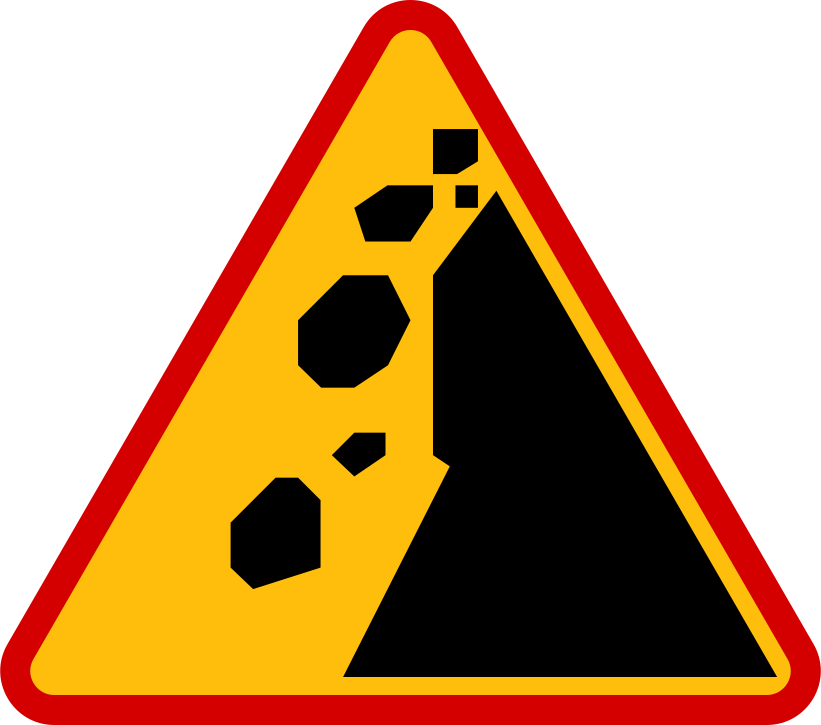
Watch out for falling rocks with the A-25 warning sign!
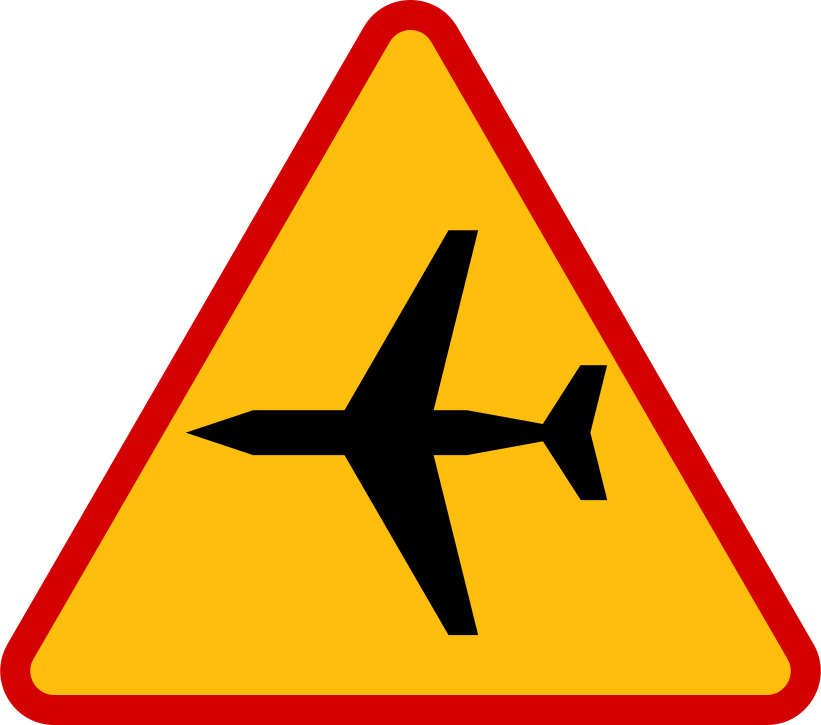
Beware of low-flying aircraft and sudden noise with the A-26 Airport warning sign.
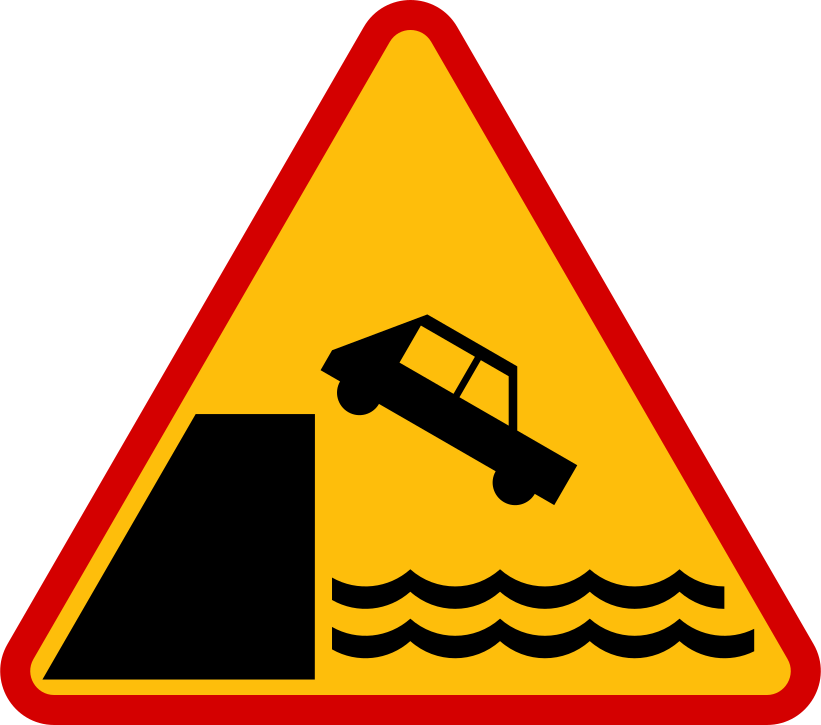
Warning: Road leads to Quayside or River Bank without a protective barrier (A-27)
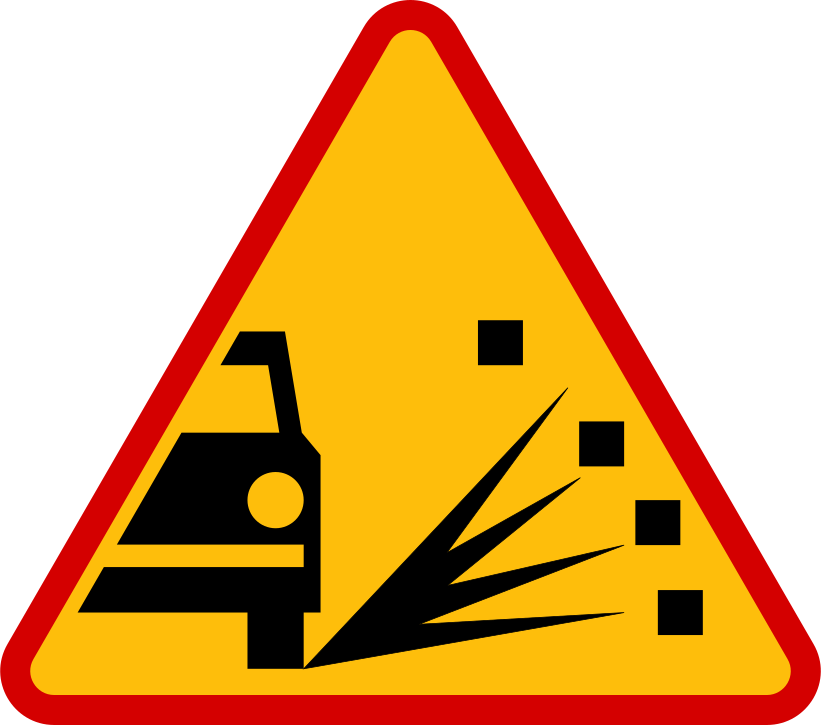
Watch out for loose gravel with the A-28 warning sign!
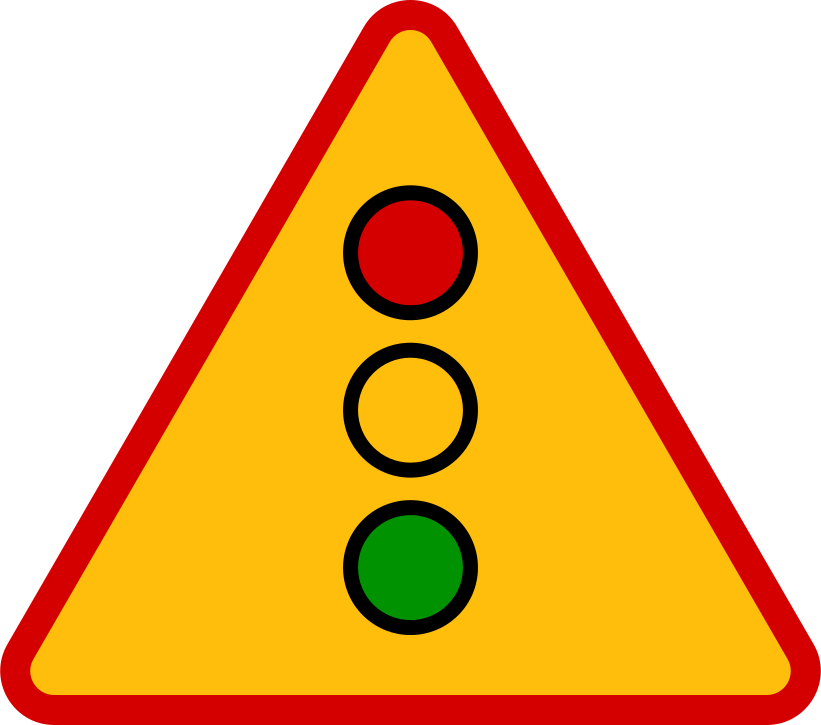
Prepare to stop: The A-29 'Traffic Signals' warning sign ahead.
Prepare for the unexpected with the 'Other Danger' A-30 warning sign.
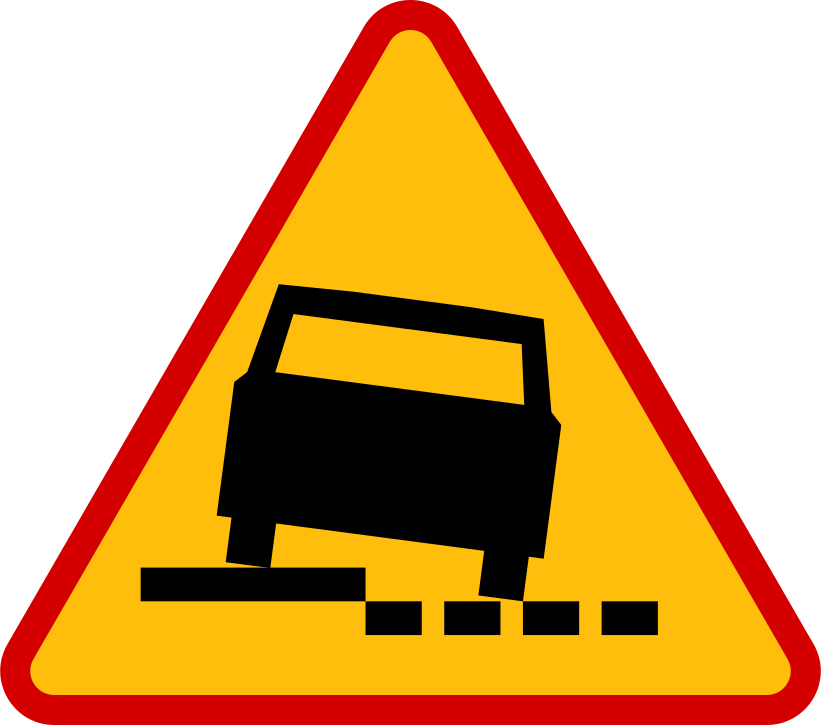
The A-31 Dangerous Shoulder sign warns you about an unsafe road edge.
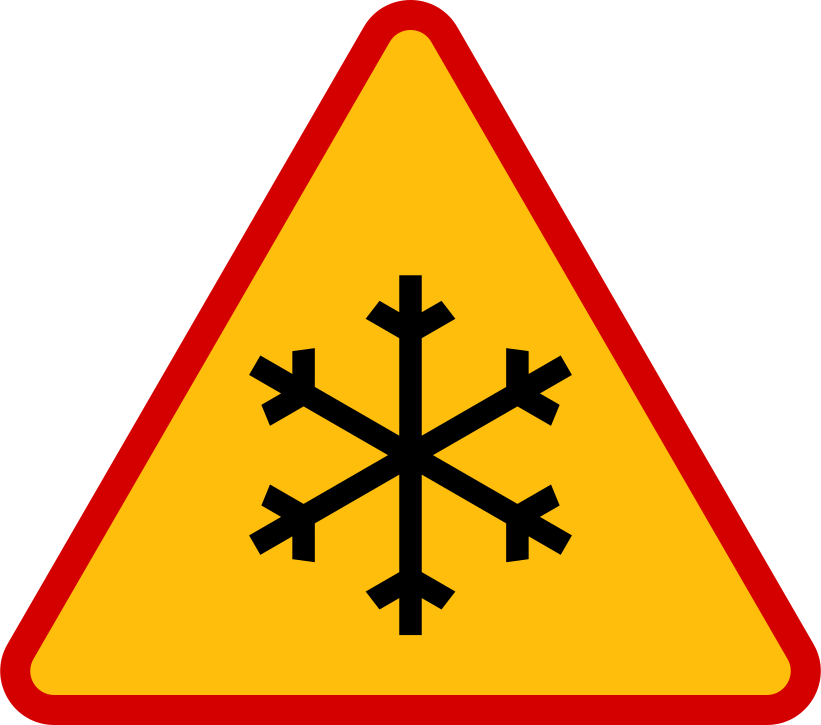
Beware of Frost or Ice on the Road with the A-32 Warning Sign!
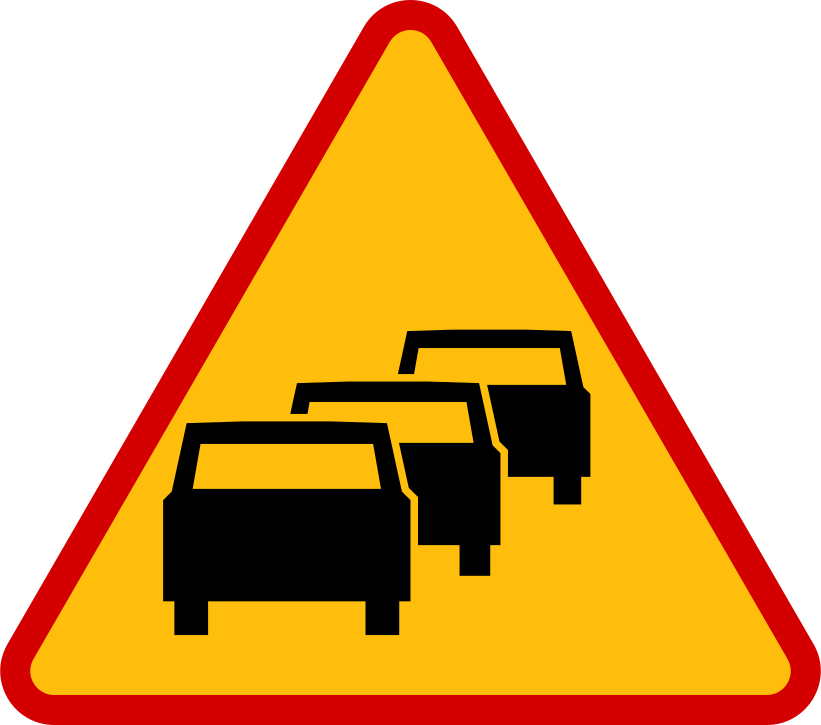
Prepare for traffic jams ahead with the A-33 warning sign!
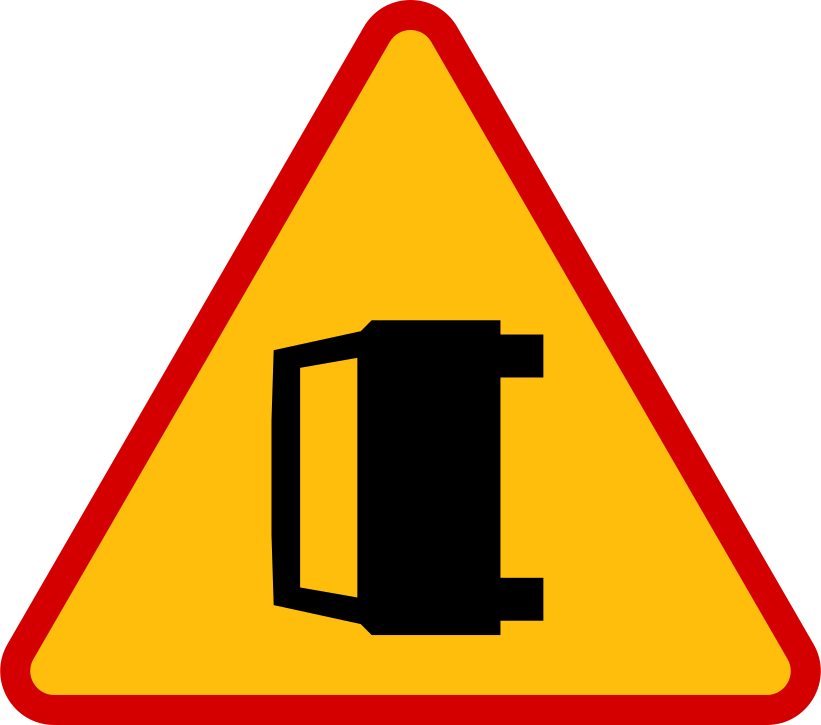
Prepare for the A-34 'Accident' warning sign and understand emergency situations on the road.

B-1 Sign: Road Closed to All Traffic in Both Directions
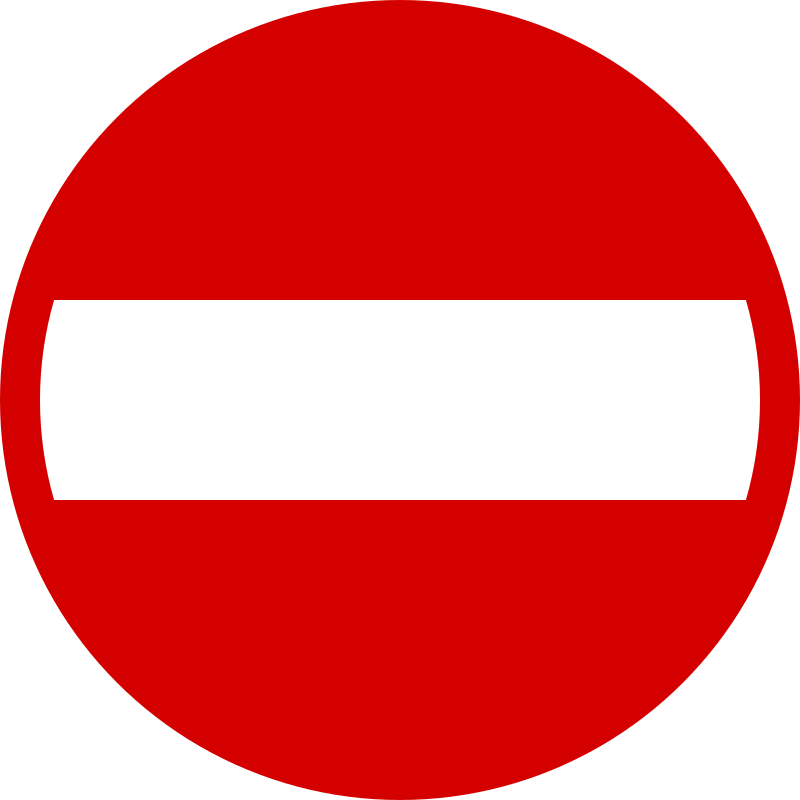
Stop! The B-2 'No Entry' sign means you cannot proceed.
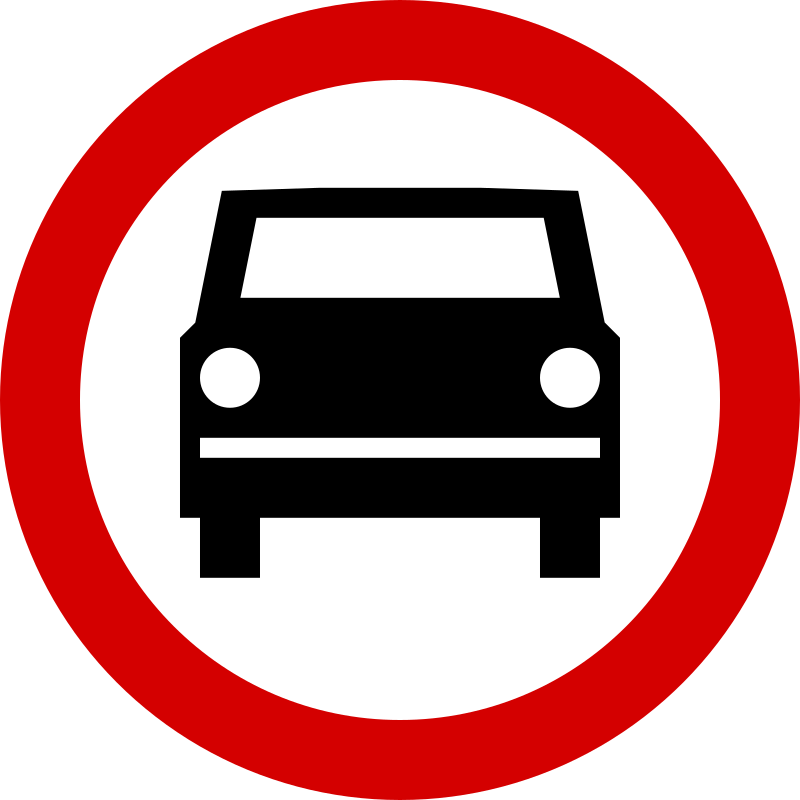
B-3: No Motor Vehicles Allowed, Except Motorcycles
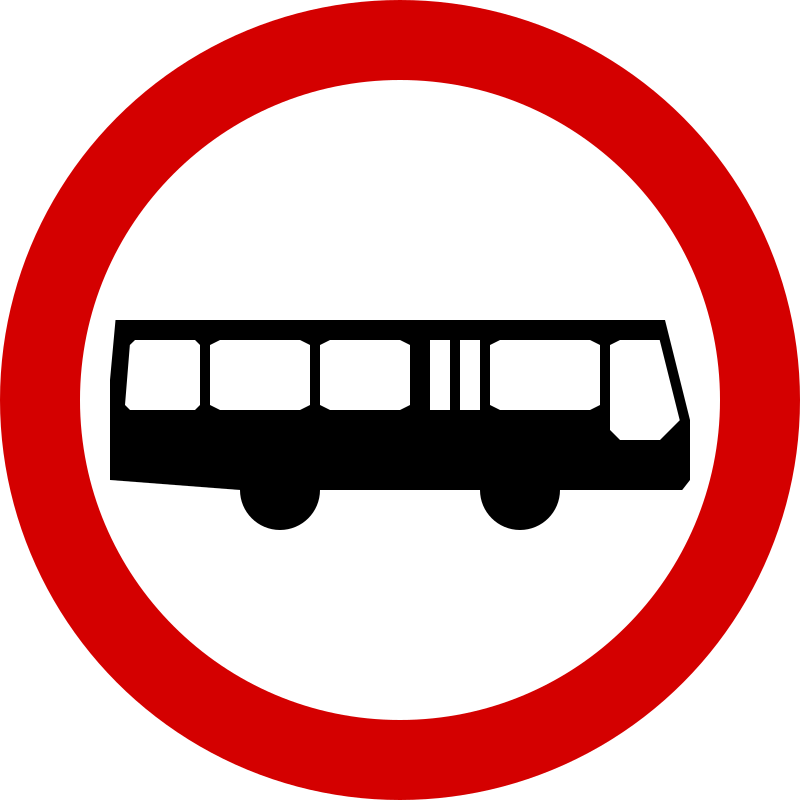
The B-3a 'No Buses' sign prohibits bus entry onto specific roads.
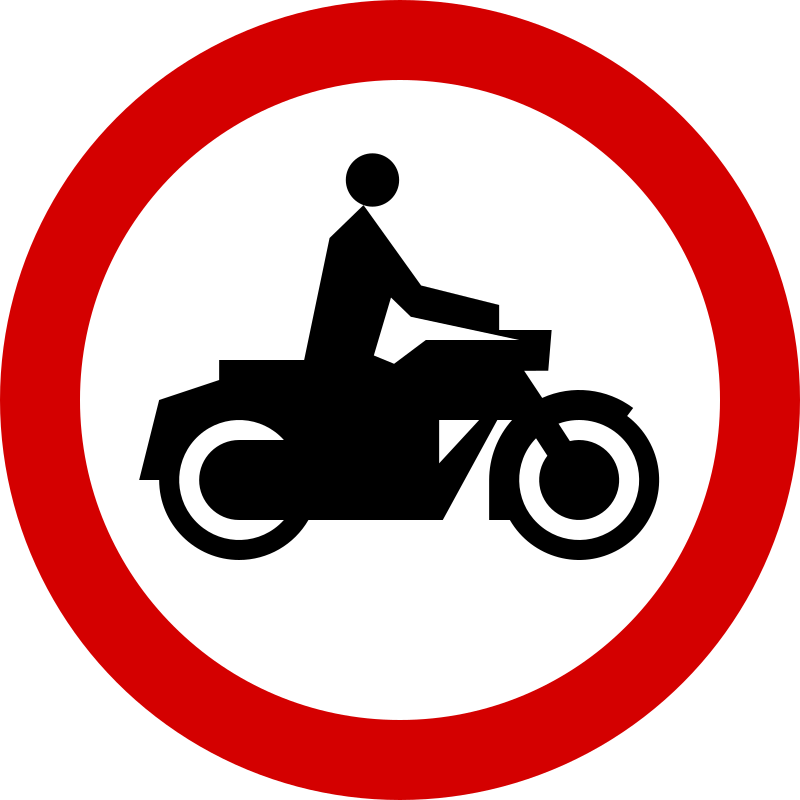
What does the B-4 'No Motorcycles' road sign mean and how should you react?
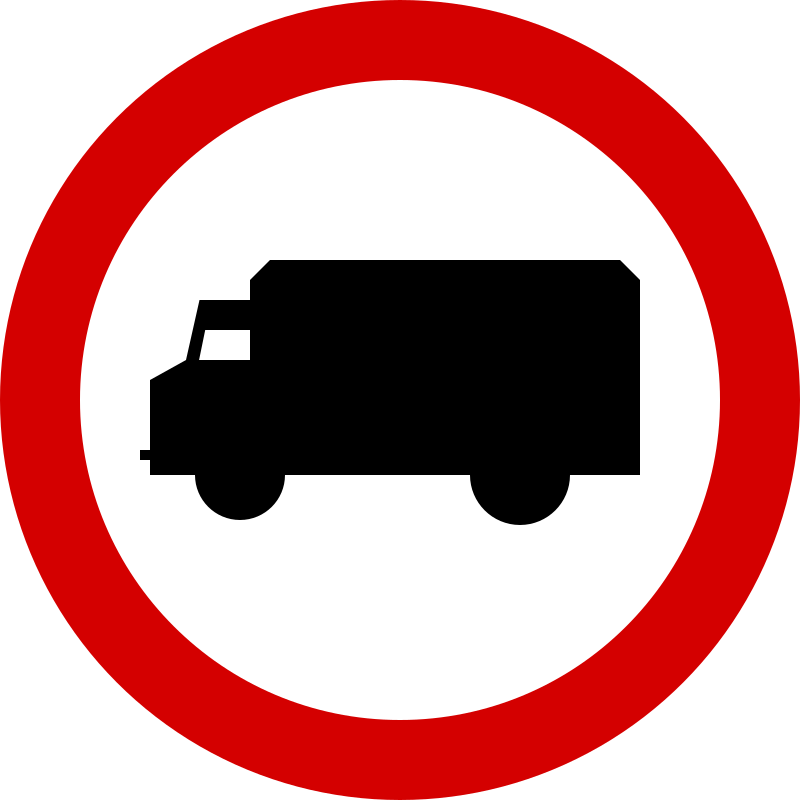
Understand the B-5 'No Heavy Goods Vehicles' Road Sign in Poland
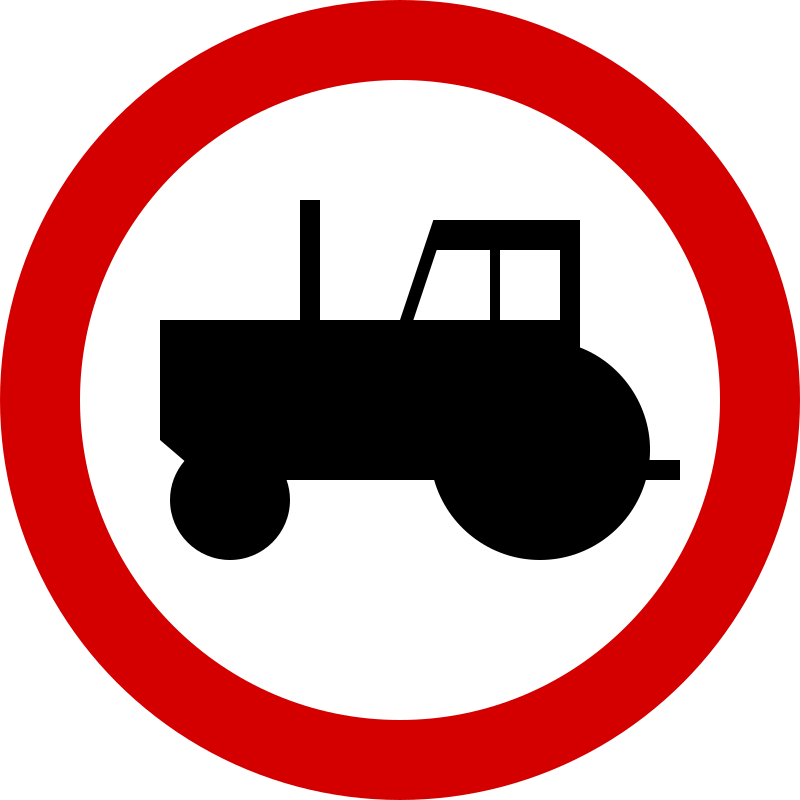
Understand the B-6 Road Sign: Ban on Agricultural Tractors
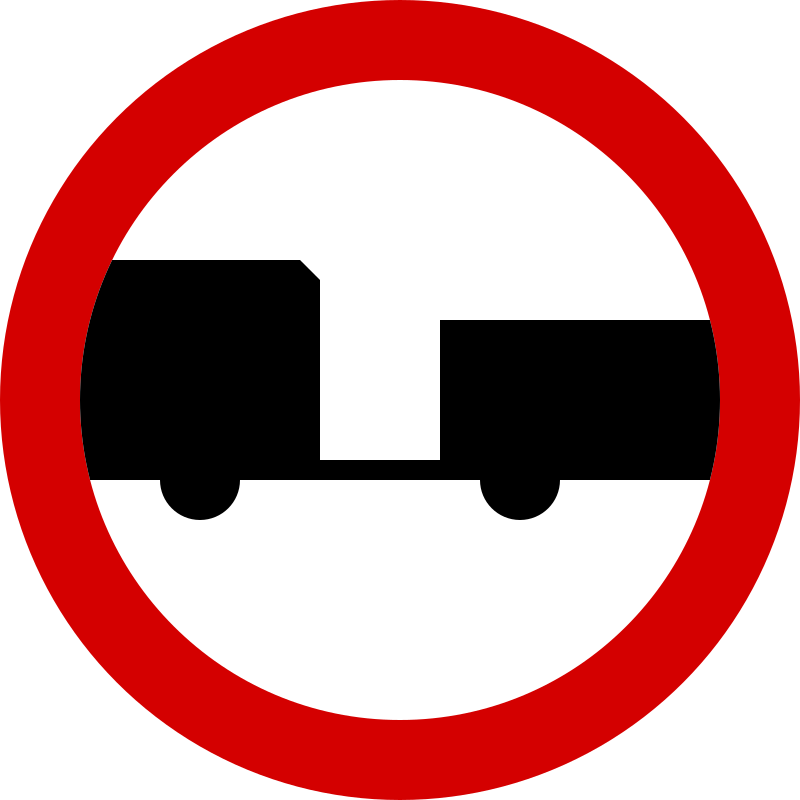
Sign B-7: Understand the Prohibition of Motor Vehicles with Trailers
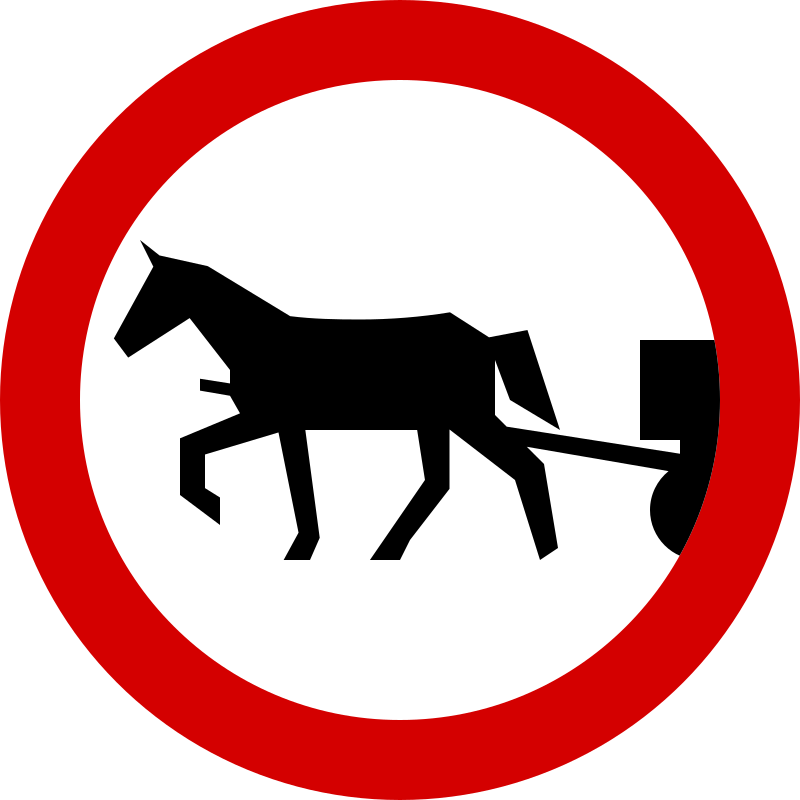
B-8 Sign: Prohibiting Horse-Drawn Vehicles and Livestock on the Road
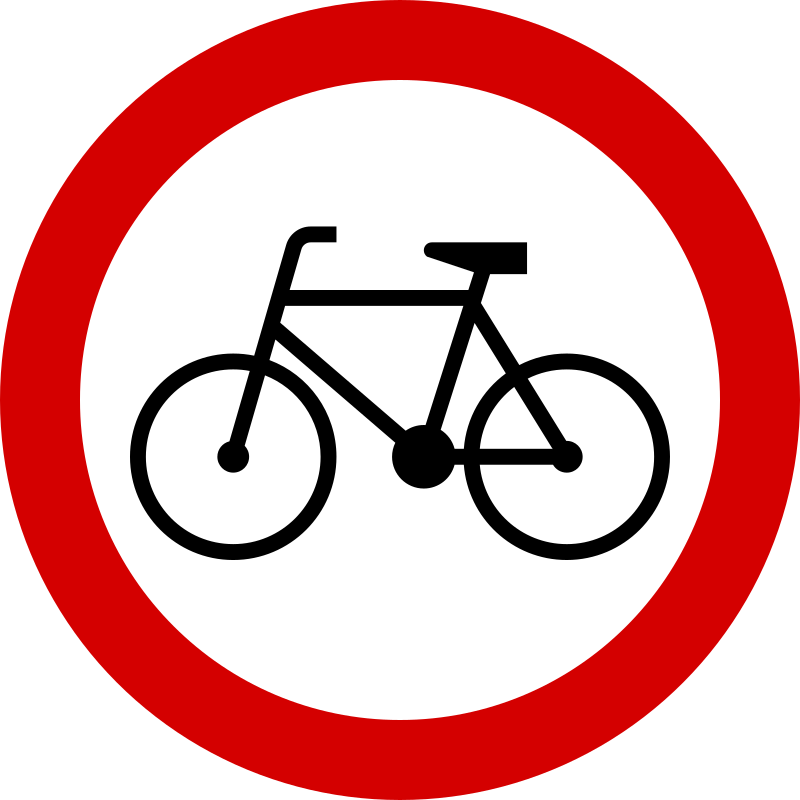
The B-9 'No Bicycles' sign prohibits cycling on roads where it's dangerous or a cycle path is available.
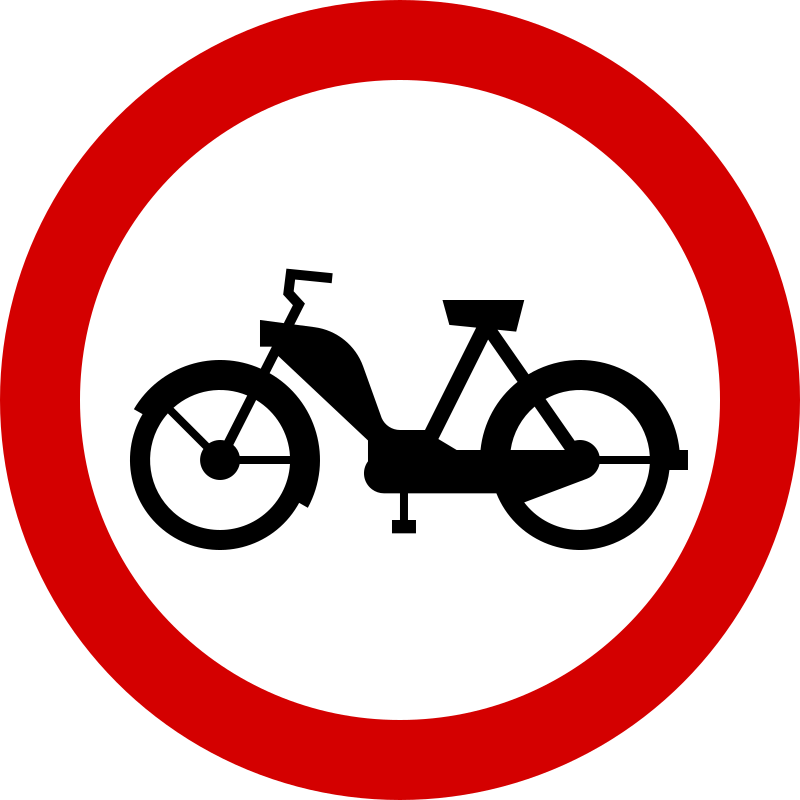
The B-10 'No Mopeds' sign prohibits entry for all mopeds past this point.
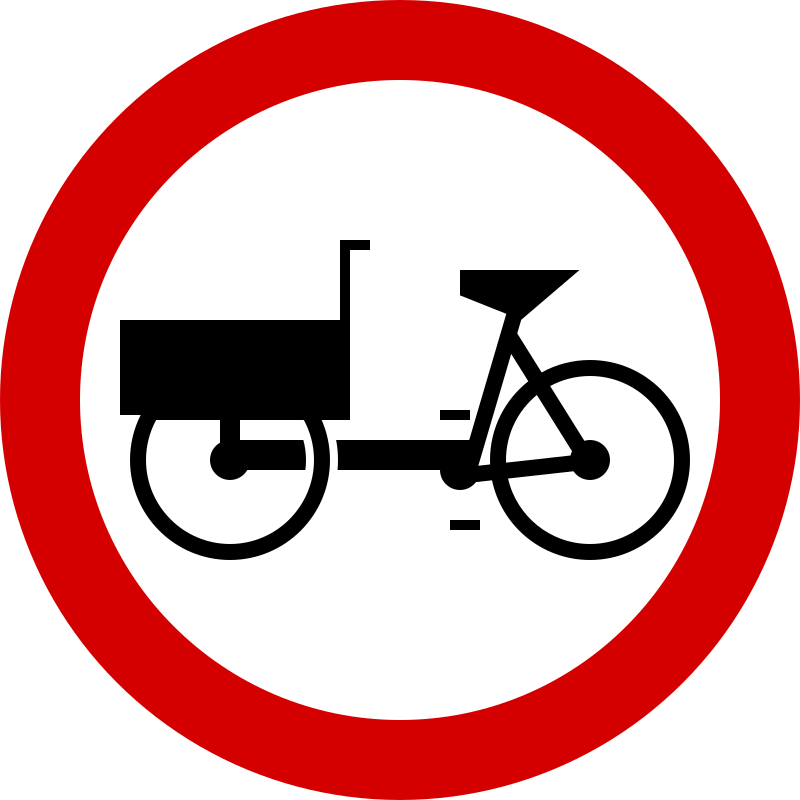
B-11: No Entry for Cycle Rickshaws and Multi-Track Carts
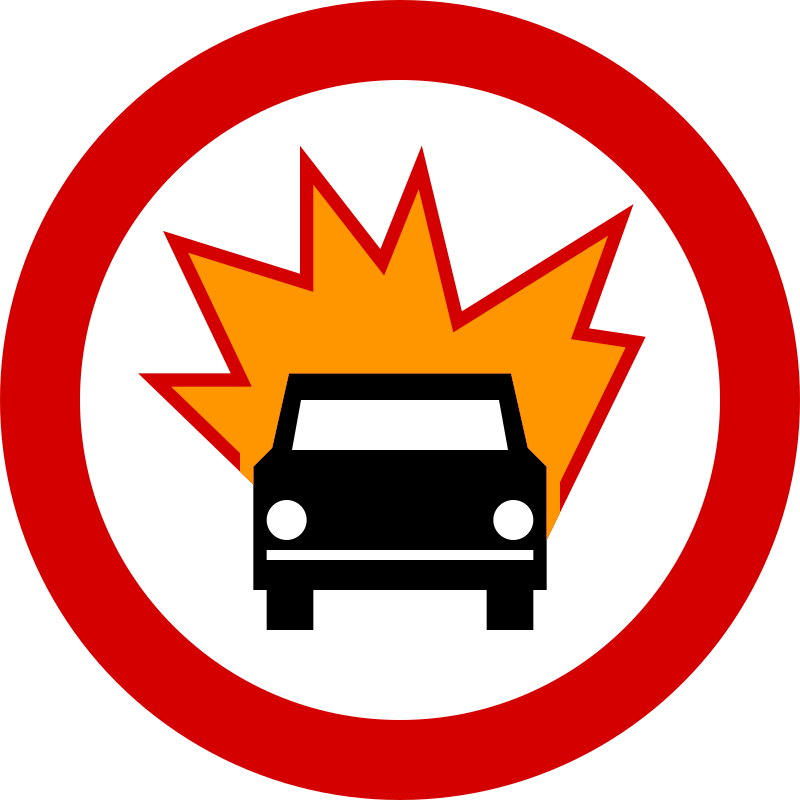
Understand the B-13 sign: No vehicles carrying explosives or flammable goods allowed.
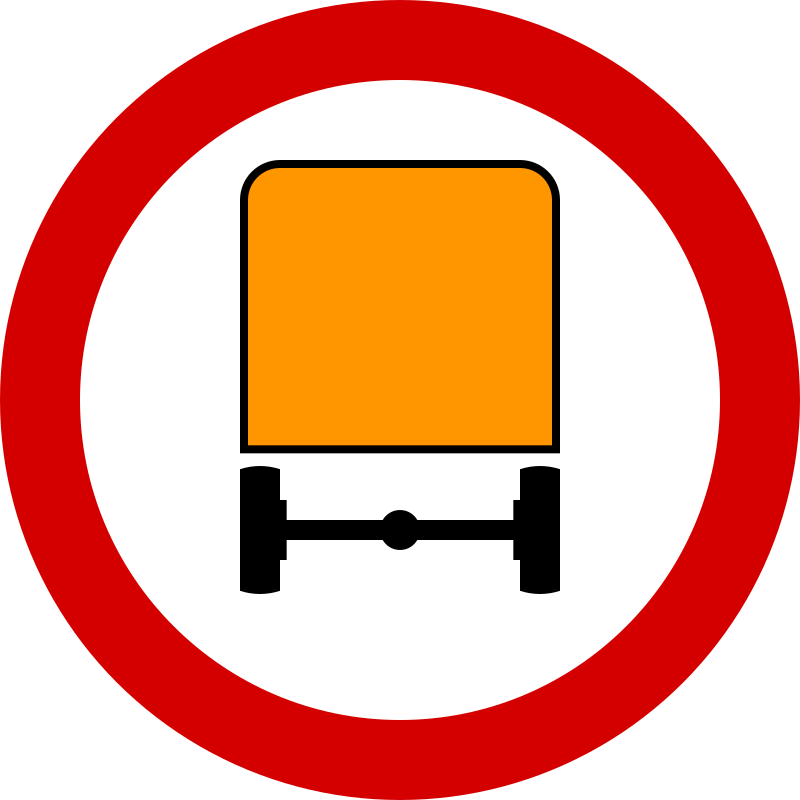
The B-13a sign means no vehicles carrying dangerous goods are allowed past this point.
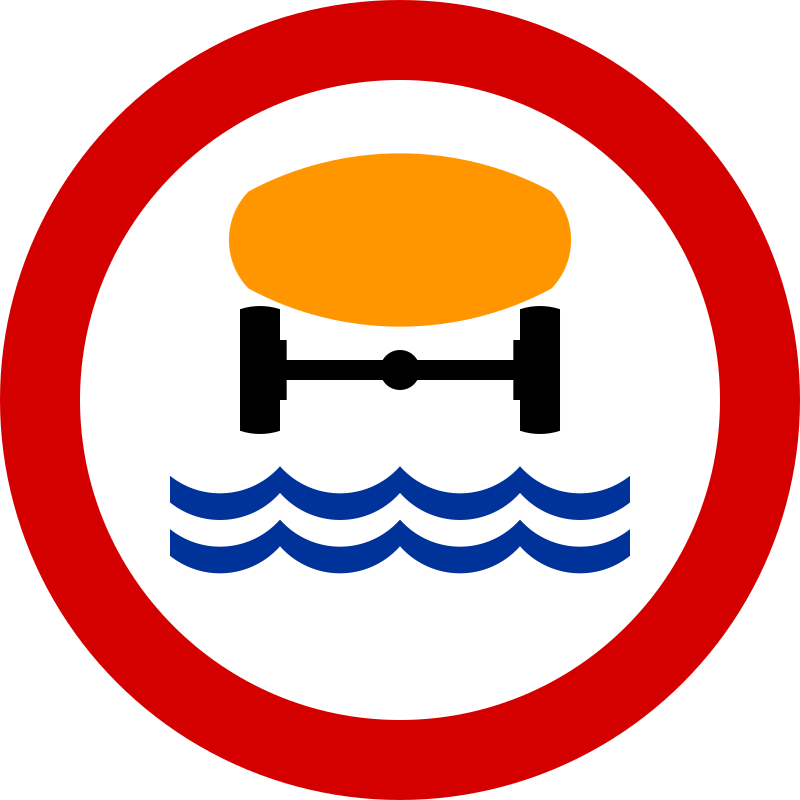
B-14 Sign: No Vehicles Carrying Water Contaminants
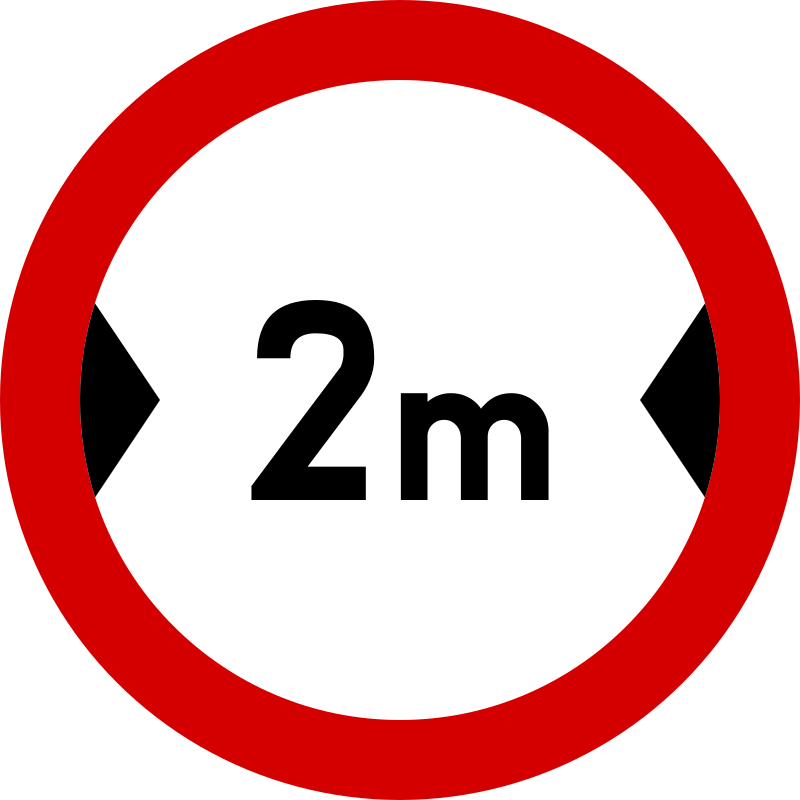
The B-15 sign prohibits vehicles wider than the specified limit from passing.
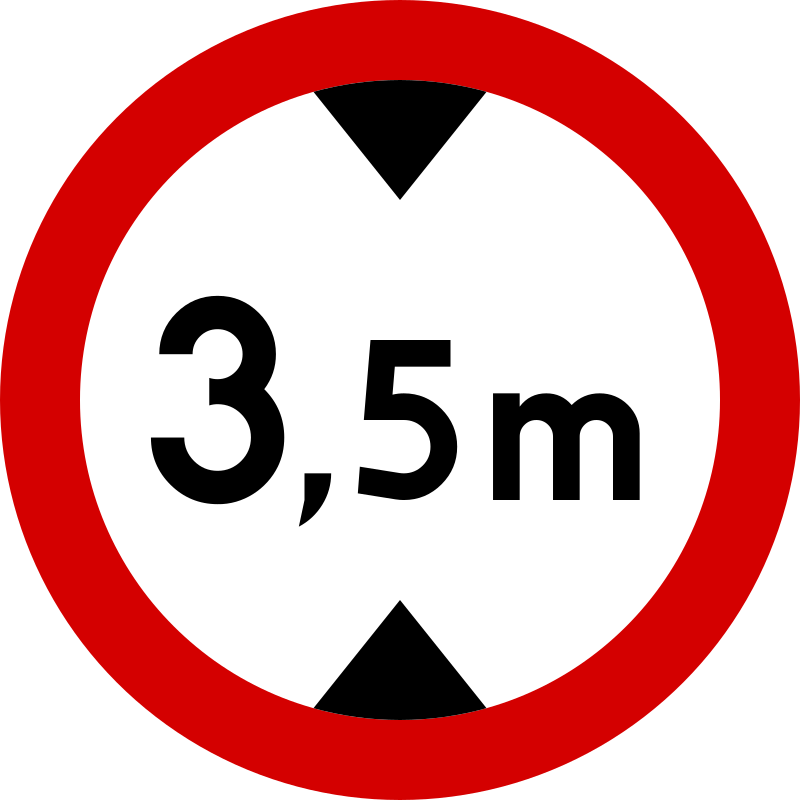
Recognise and Obey the B-16 'Height Restriction' Traffic Sign
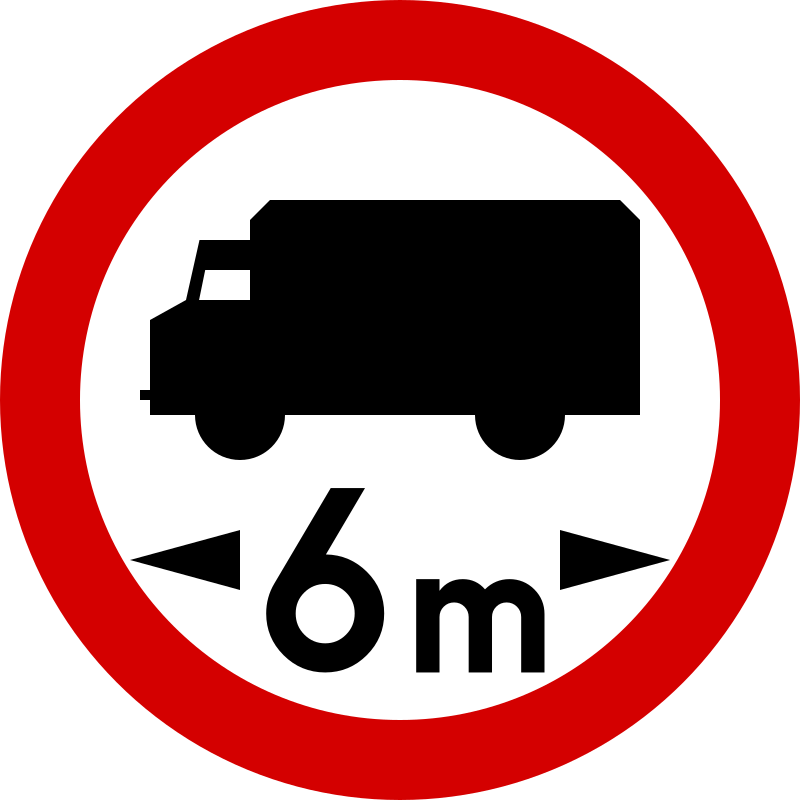
B-17 Road Sign: Restricts Vehicles Exceeding a Specific Length
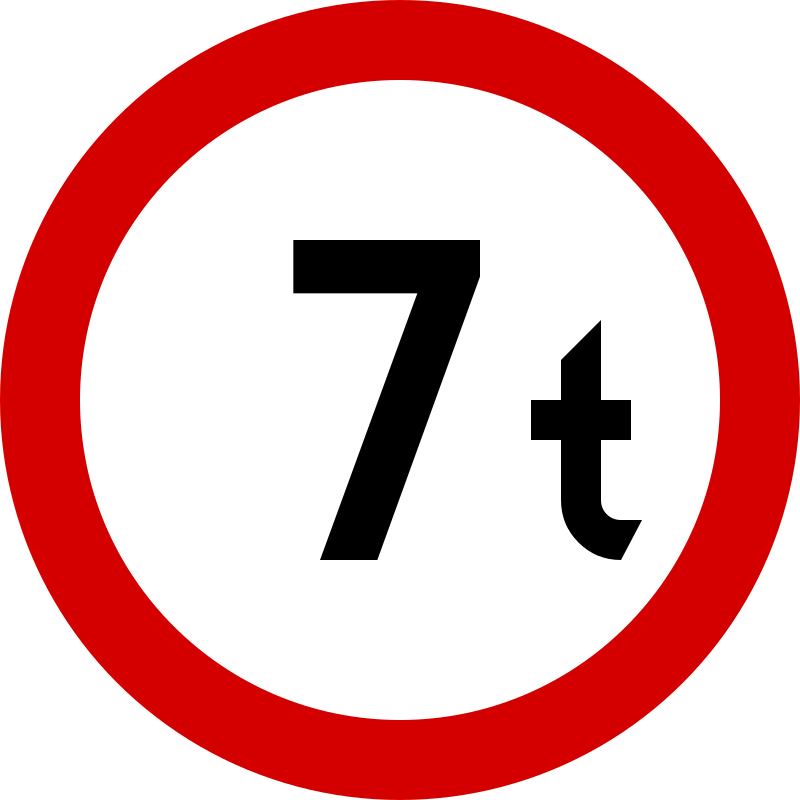
B-18 Sign: Maximum Gross Weight Limit Ahead, Obey the Actual Mass!
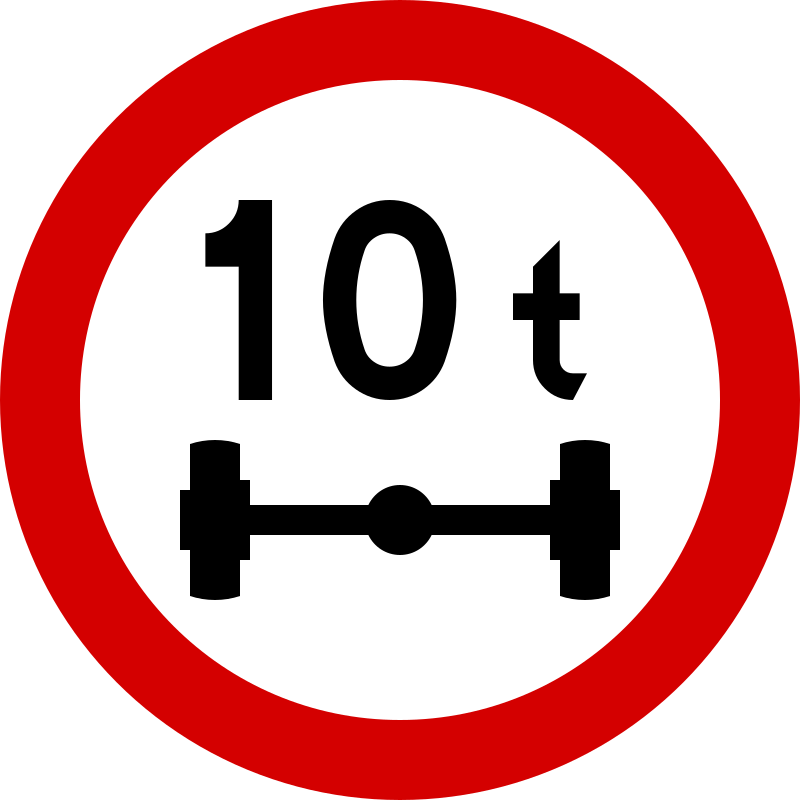
Understand the B-19 Sign: Maximum Axle Load Limit for Road Protection
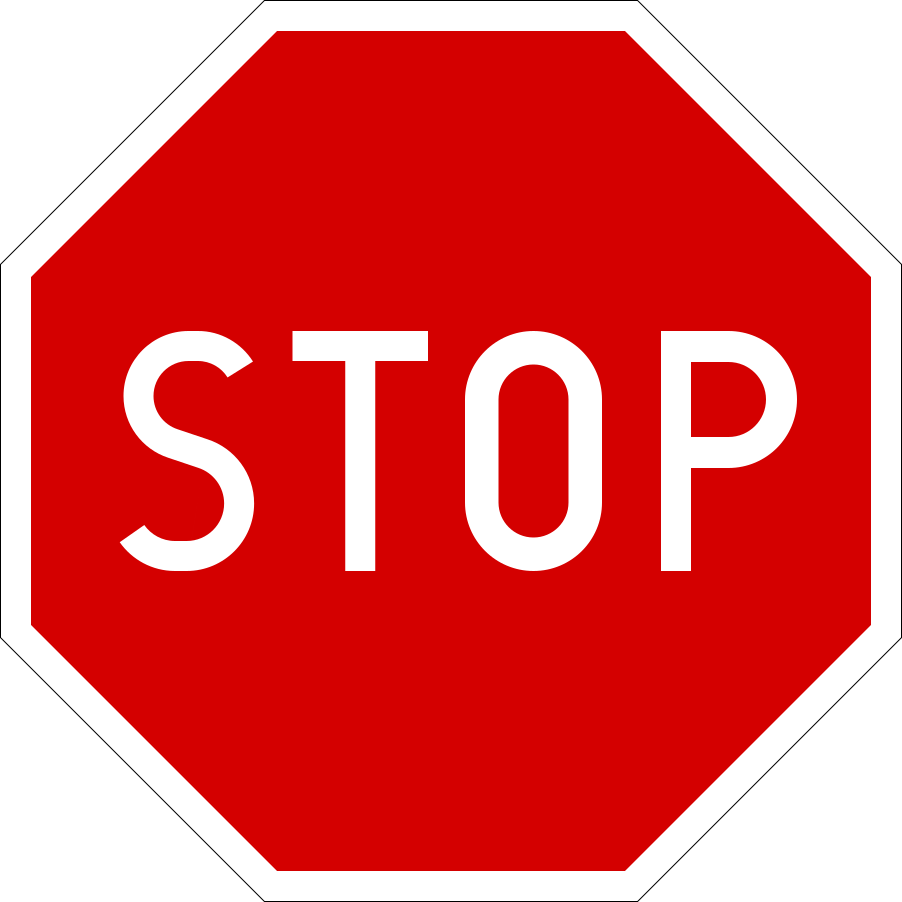
The B-20 'Stop' sign means you must halt completely and yield to all traffic.
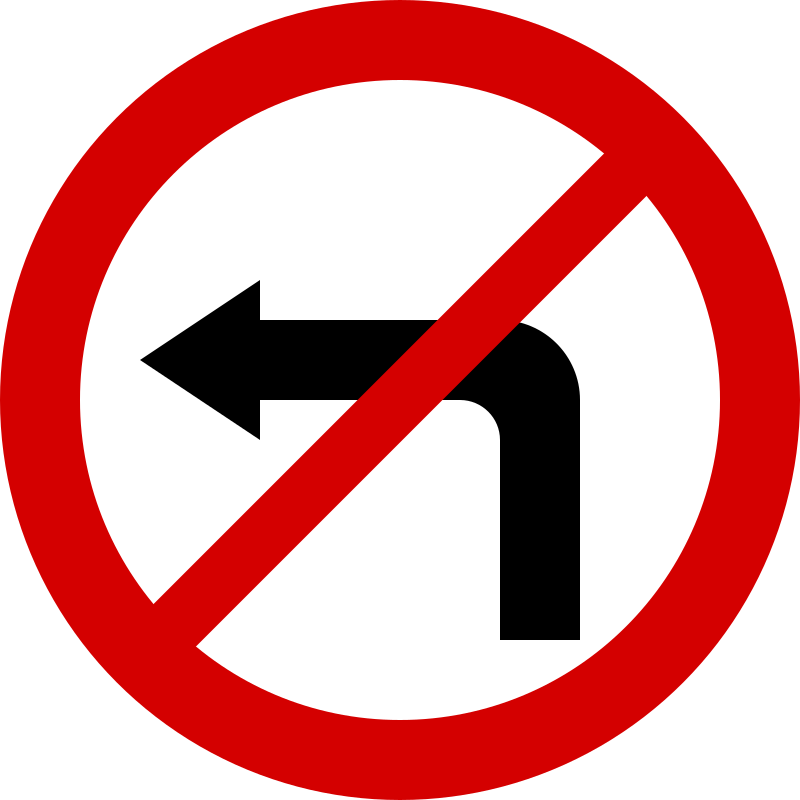
The B-21 Sign: No Left Turn or U-Turn Allowed Ahead
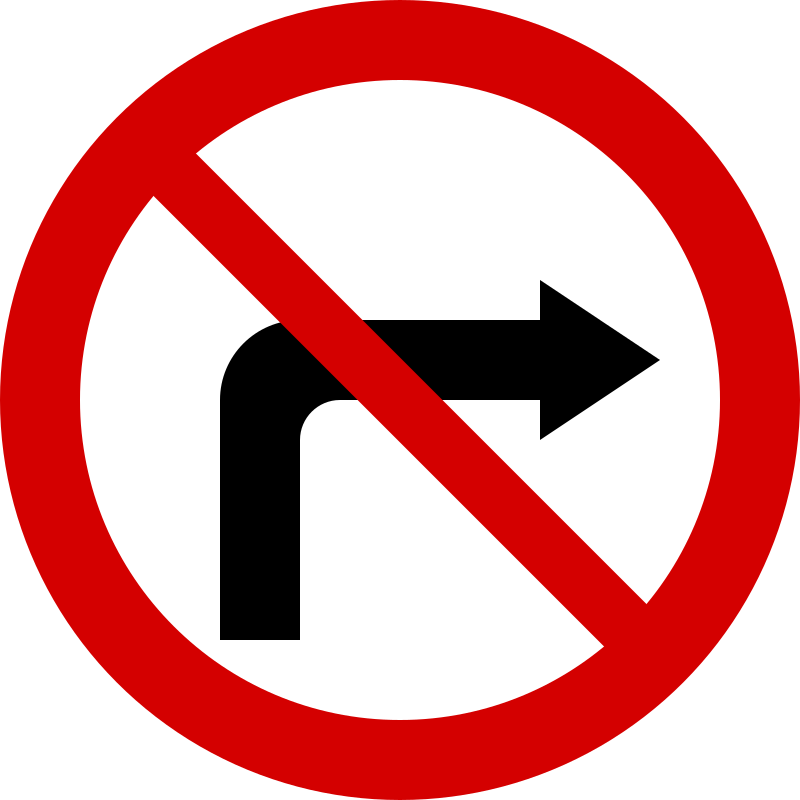
B-22 'No Right Turn' Sign: Understanding the Restriction
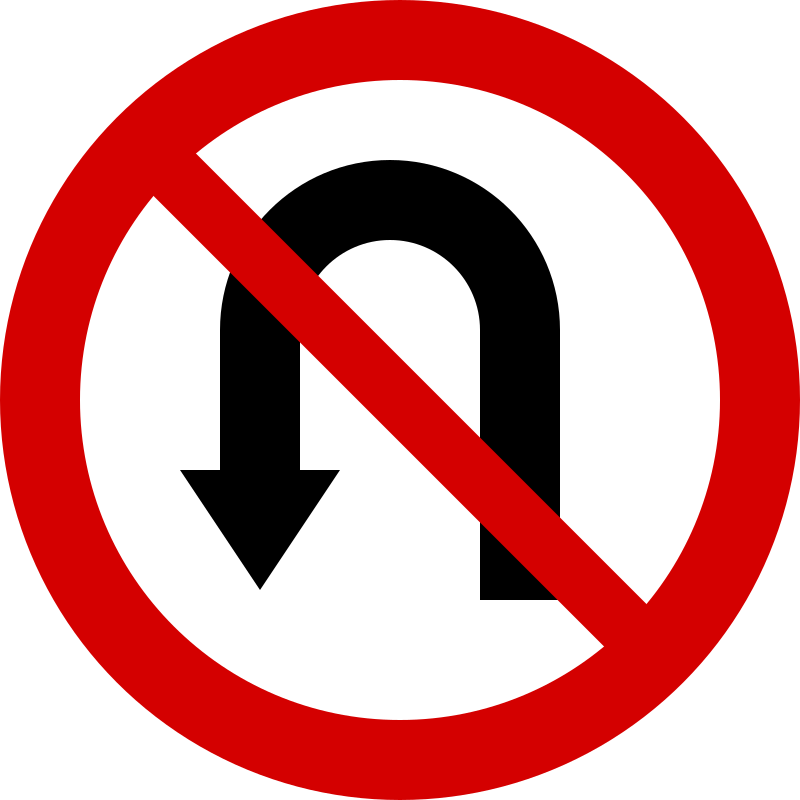
B-23 No U-Turn Sign: Understand When and Where a 180-Degree Turn is Forbidden
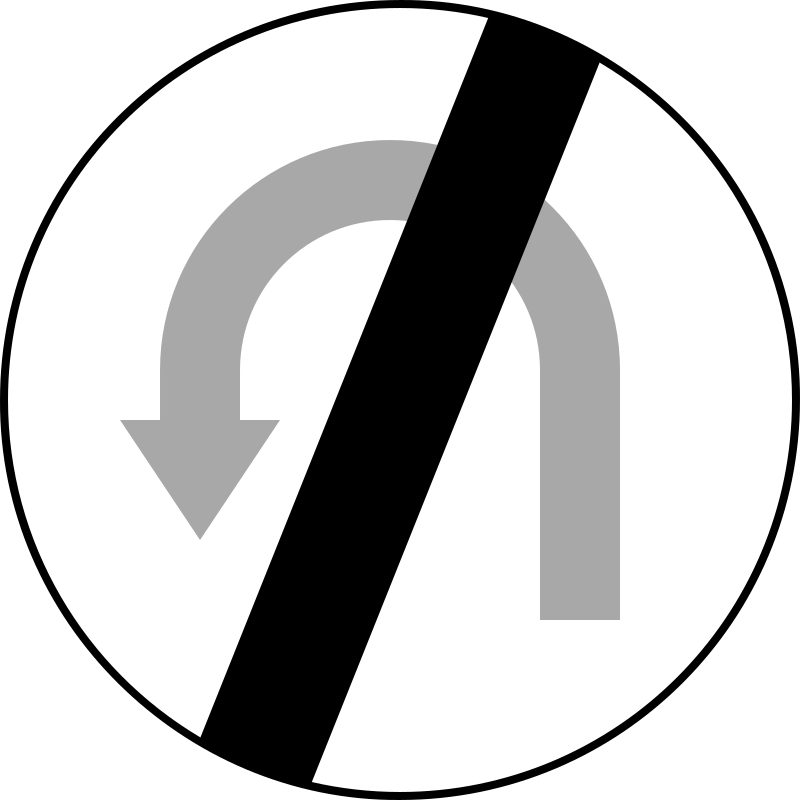
The B-24 sign means your U-turn prohibition has ended.
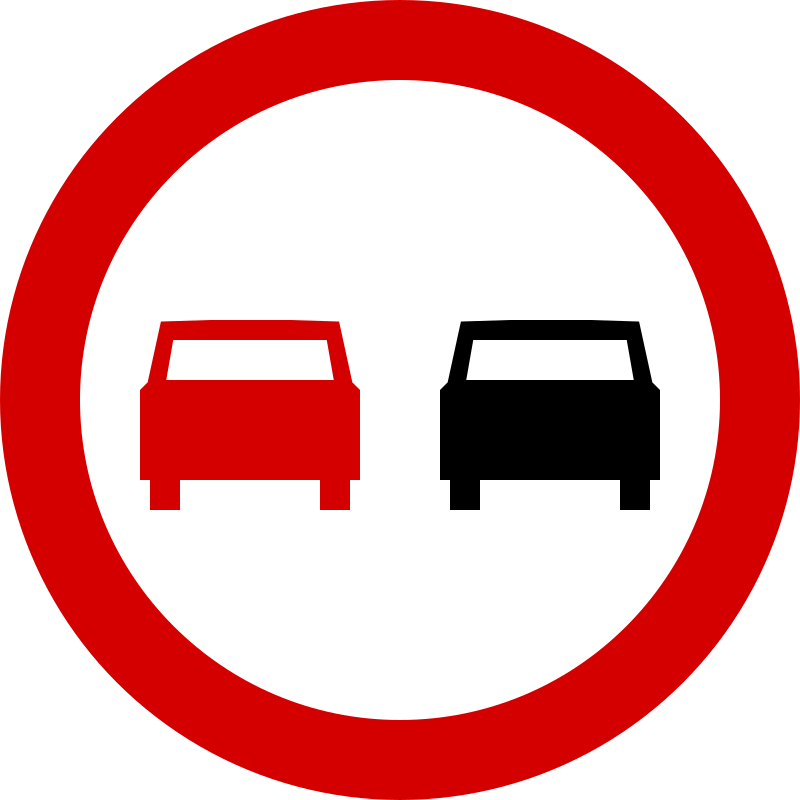
Understand the 'No Overtaking' (B-25) Sign: What You Can and Cannot Pass
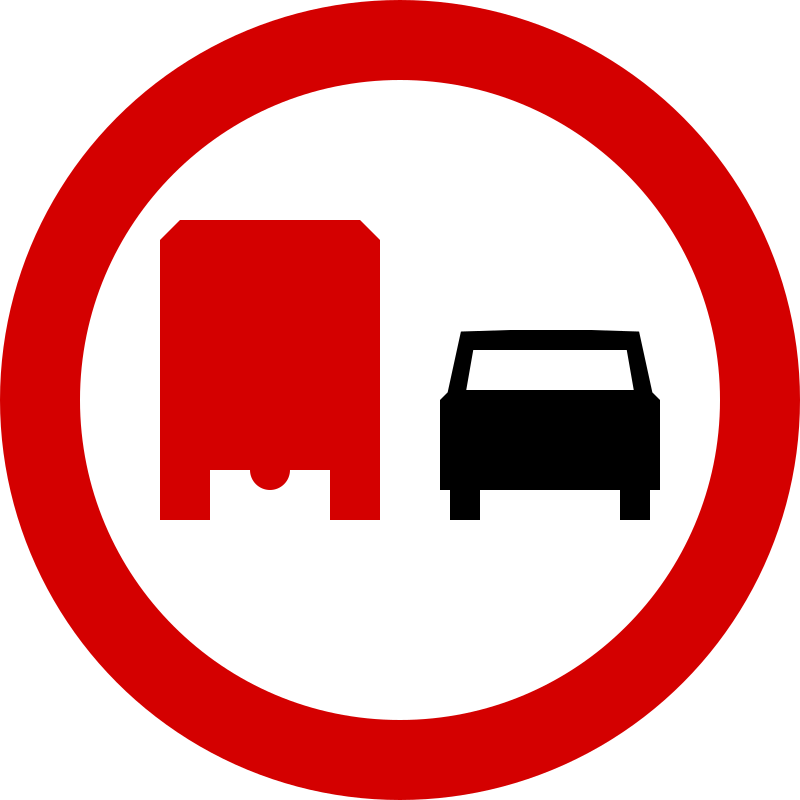
B-26: Heavy Goods Vehicles Must Not Overtake Other Vehicles
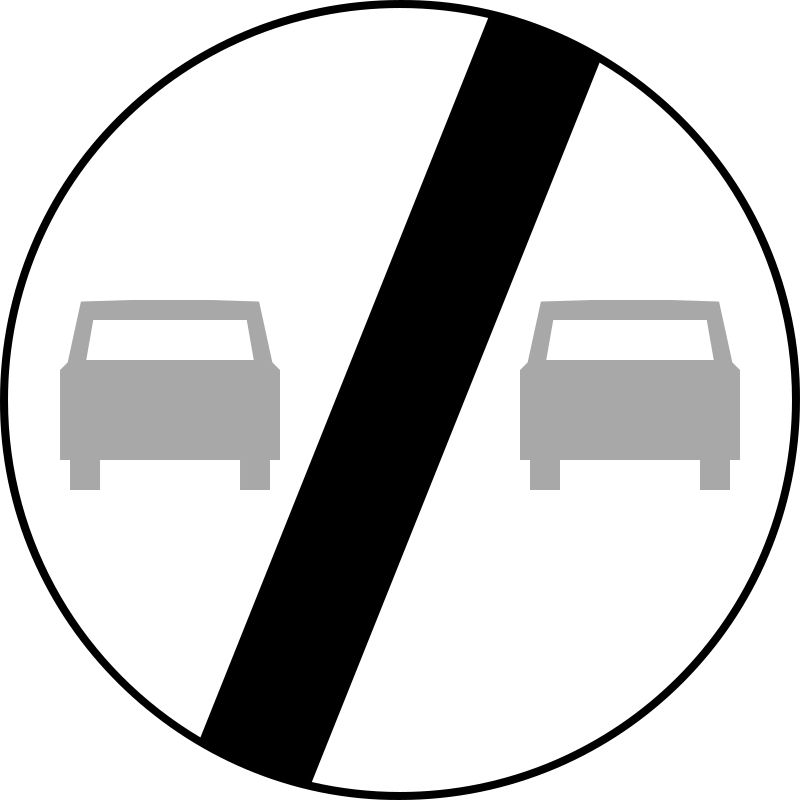
The B-27 Sign Means Overtaking is Permitted Again
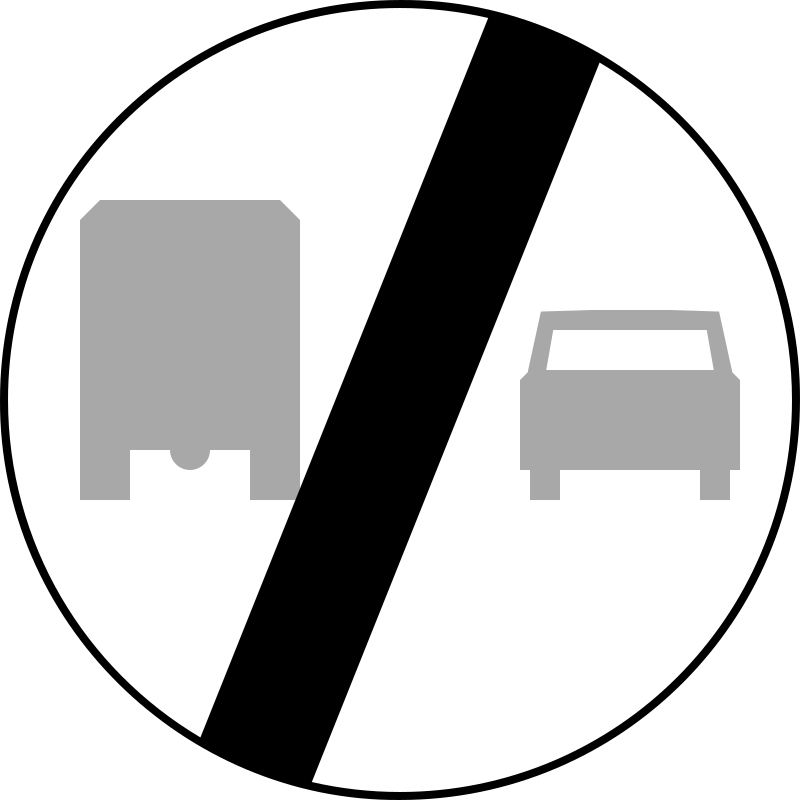
The B-28 sign signals the end of restrictions for heavy goods vehicle overtaking.
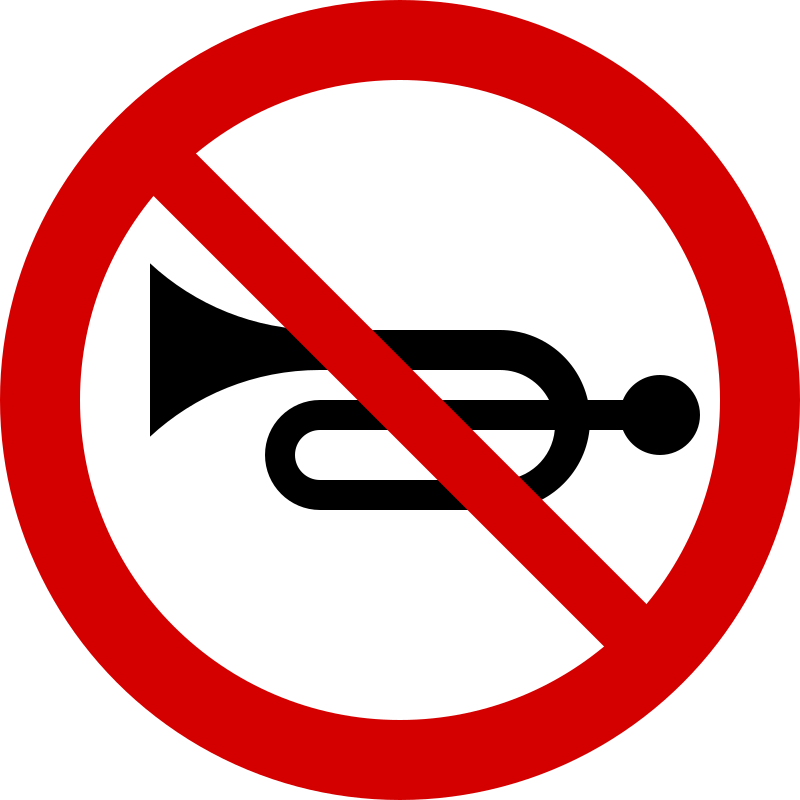
The B-29 sign means you must not use your horn, except in emergencies.
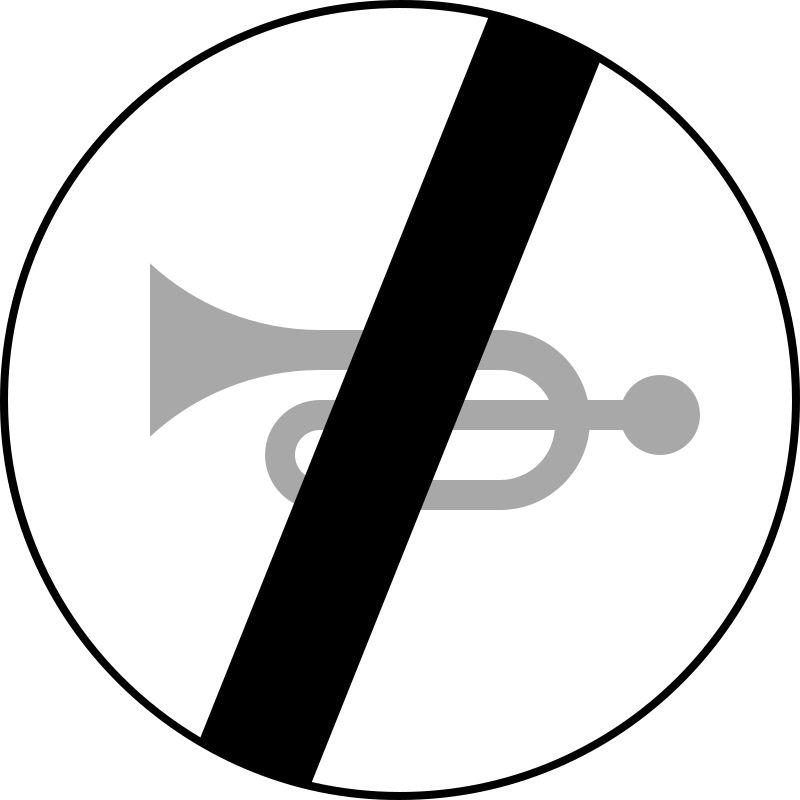
The B-30 'End of Quiet Zone' sign means you can now use your horn again, but responsibly.
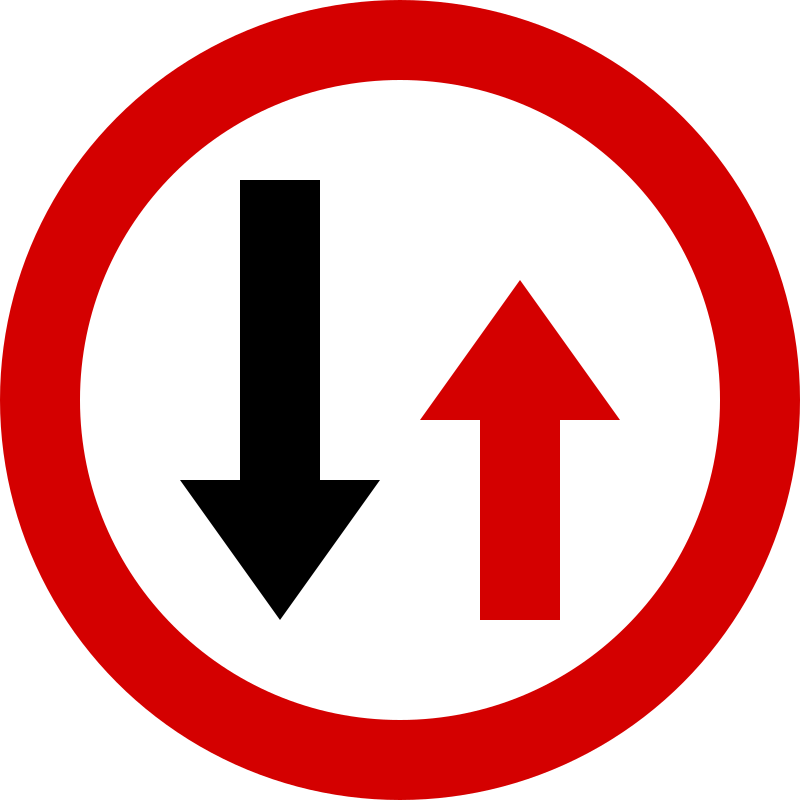
B-31: Yield to Oncoming Traffic on Narrow Roads
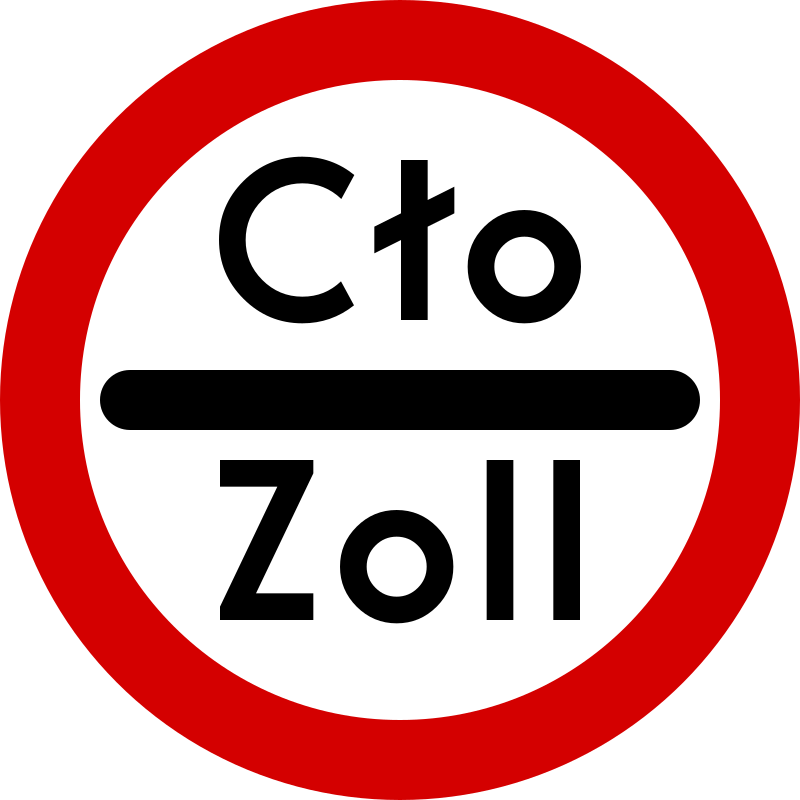
The B-32 'Stop - Customs' sign mandates a complete stop for inspection at border crossings.
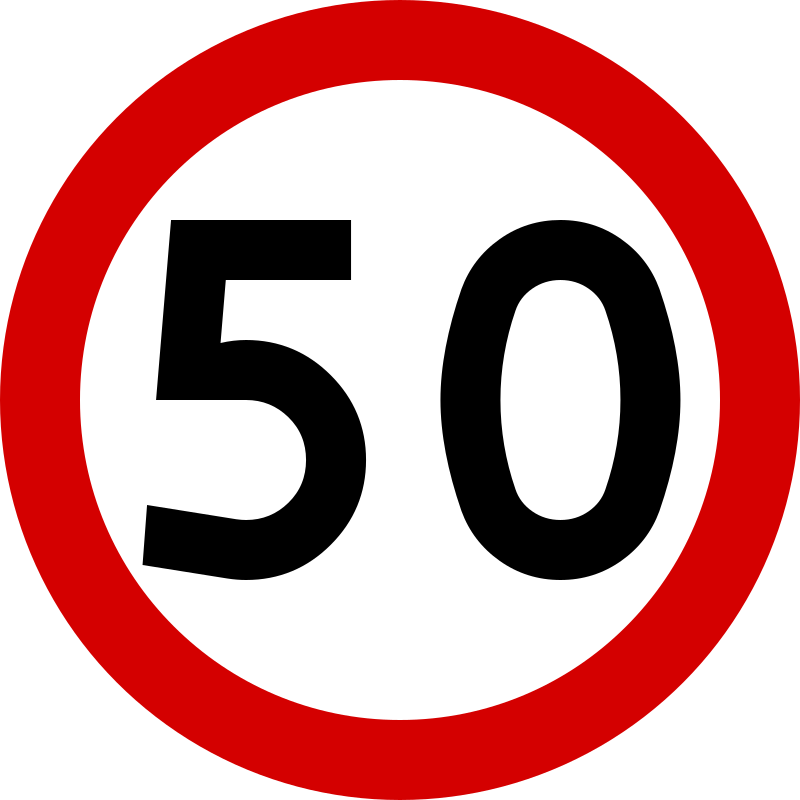
Obey the B-33 Speed Limit Sign to drive safely and legally.
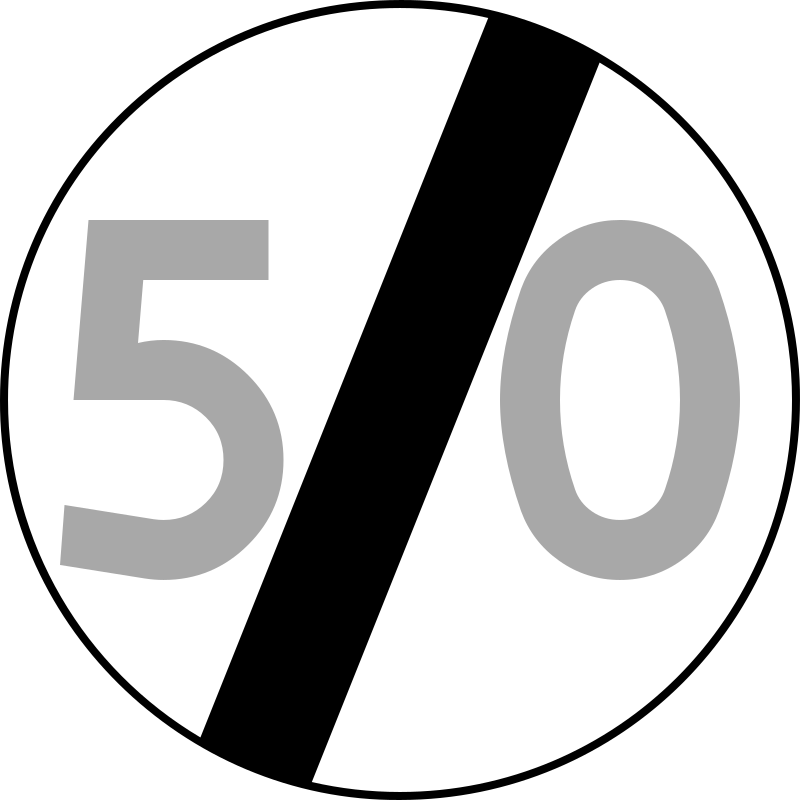
B-34: End of Speed Limit Sign - Resume Normal Speed
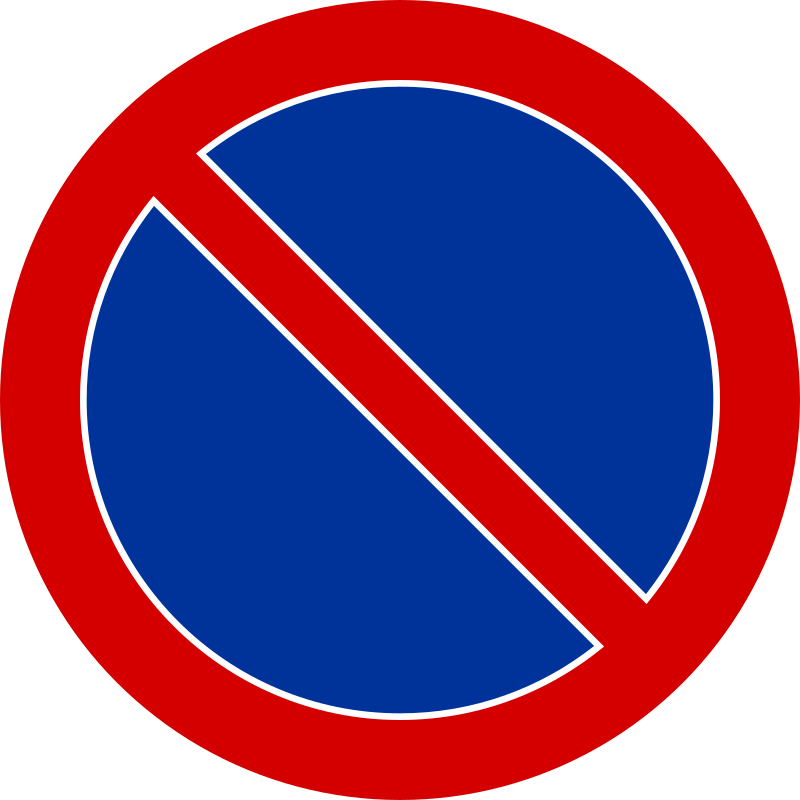
The B-35 'No Waiting' sign: What it means and how to act.
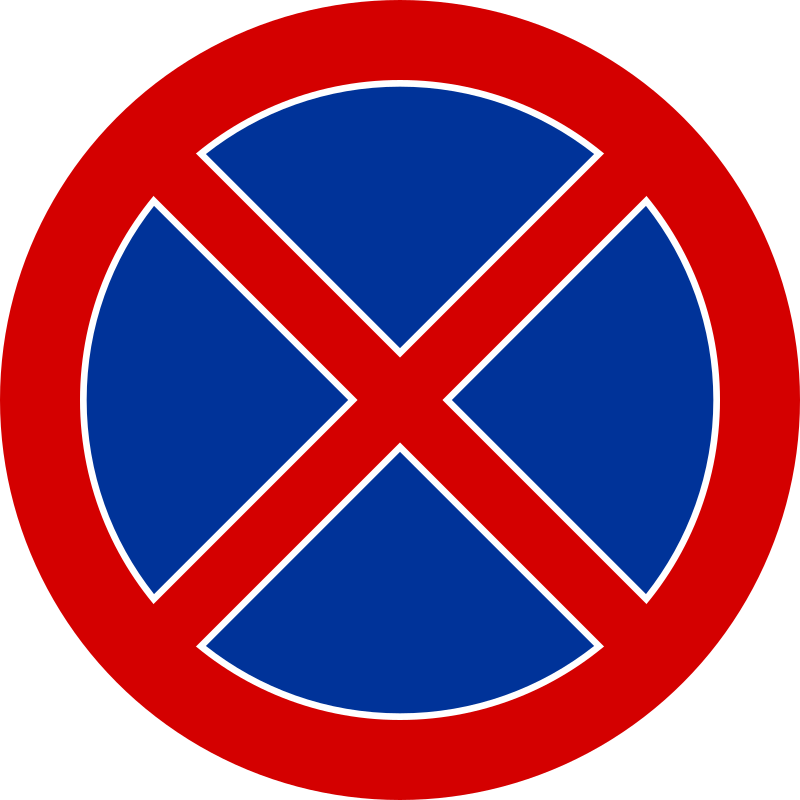
B-36 'No Stopping' sign: What it means and how to react
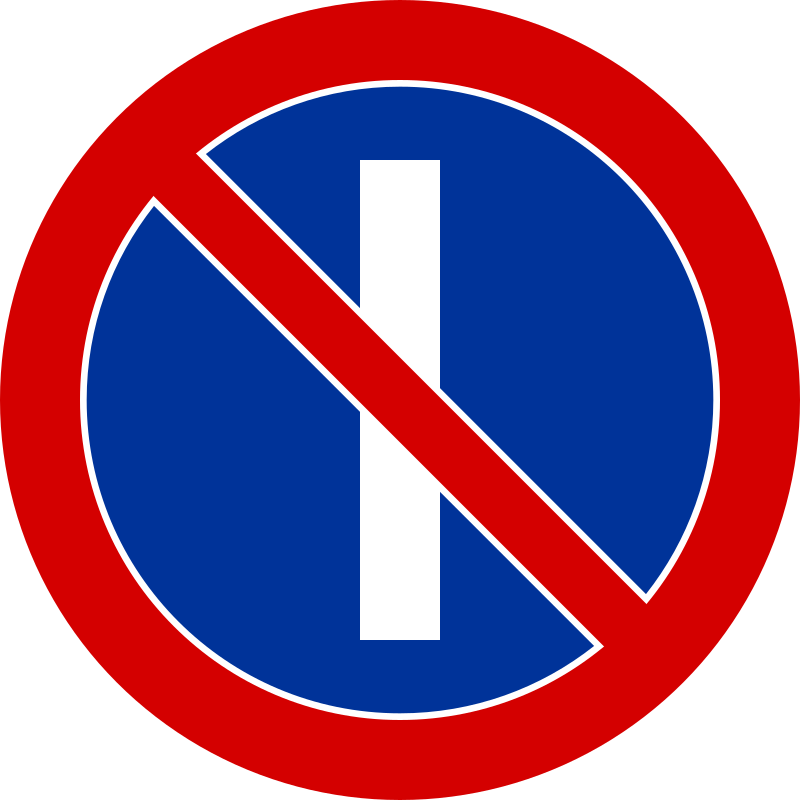
B-37: No Waiting on Odd Days traffic sign means you can't park here on odd-numbered dates.
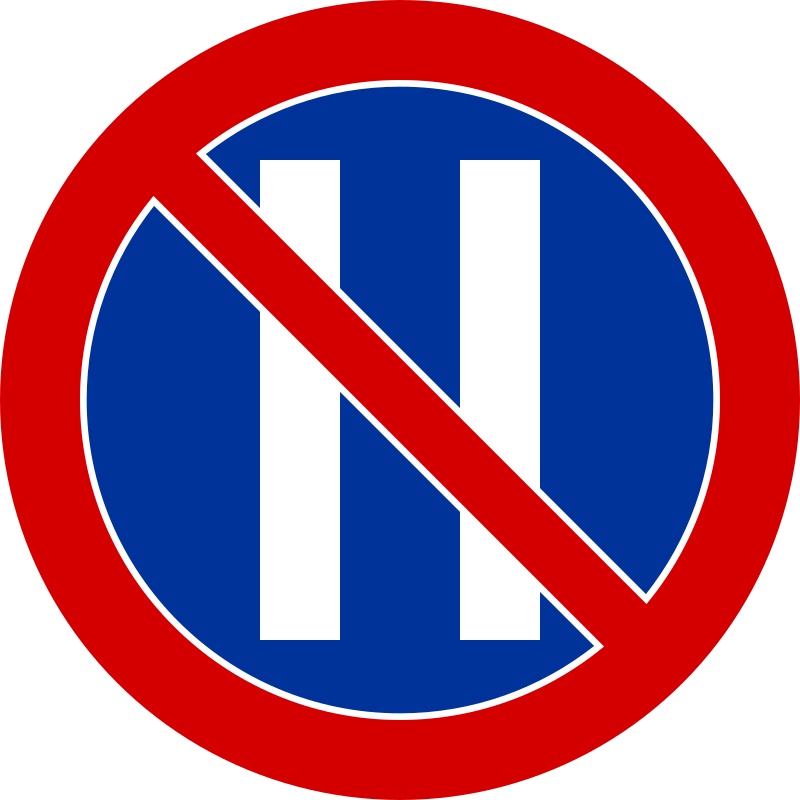
Master the B-38 Sign: No Waiting on Even Days
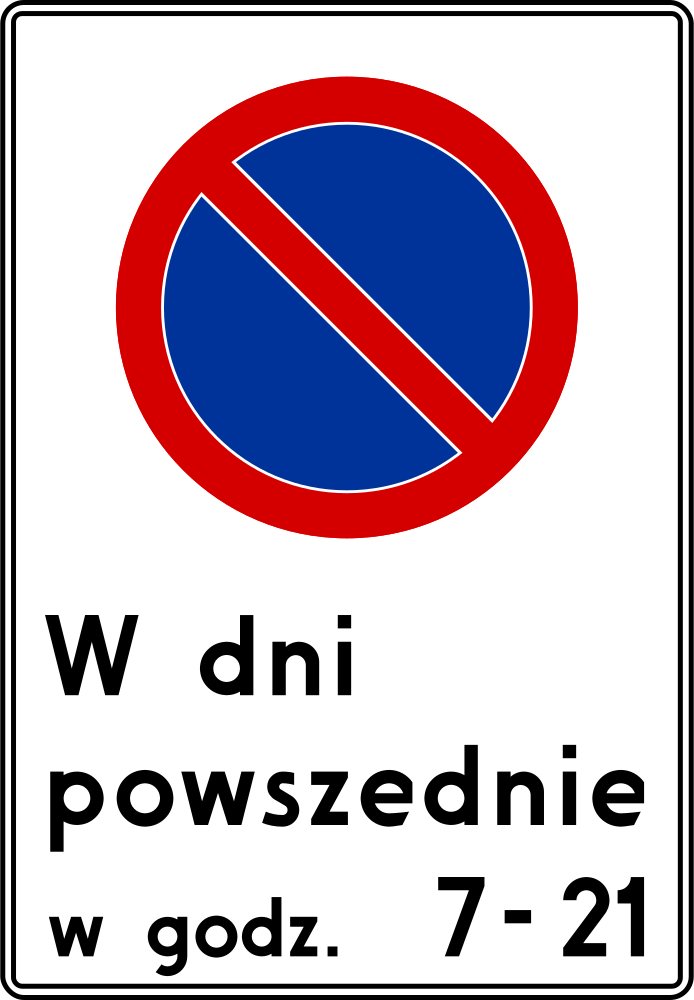
The B-39 sign means you've entered a Limited Waiting Zone where parking is restricted.
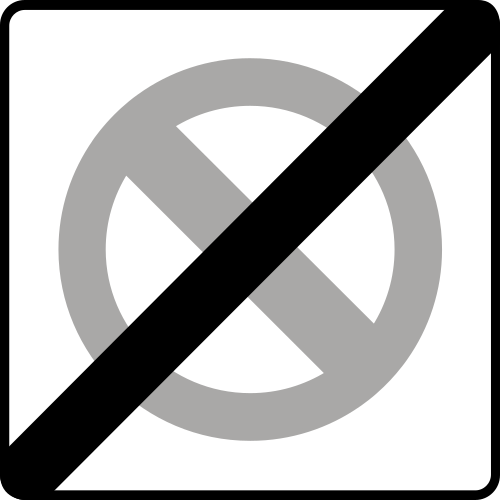
You've reached the end of the limited waiting zone with the B-40 sign.
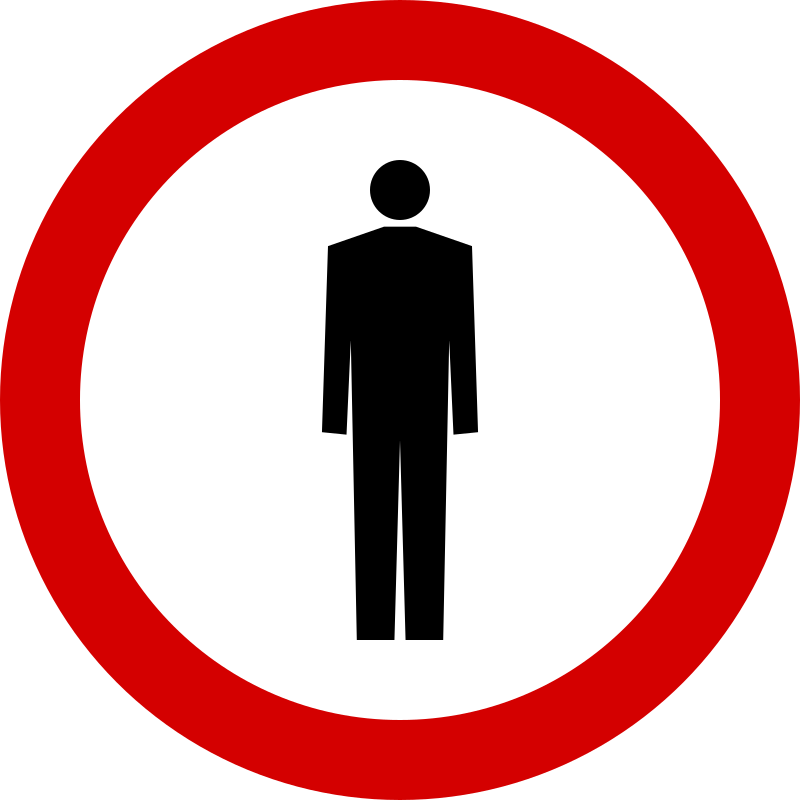
B-41 'No Pedestrians' Sign: Keep Off the Roadway Edge
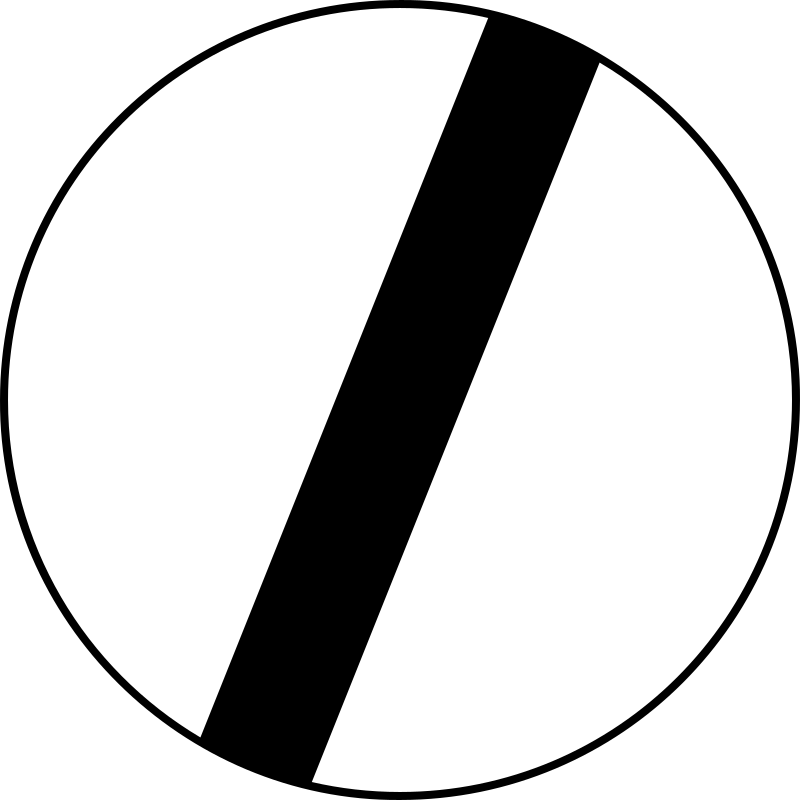
B-42 'End of All Prohibitions' Sign: Resetting Your Driving Restrictions
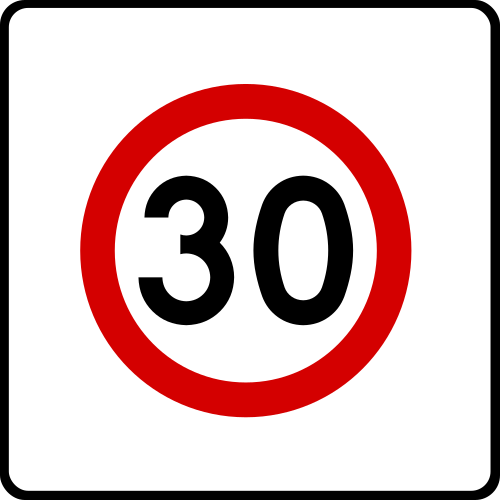
The B-43 Sign Marks the Entrance to a Speed Limit Zone

The B-44 sign signals the end of a restricted speed zone, reminding you to return to normal road speeds.
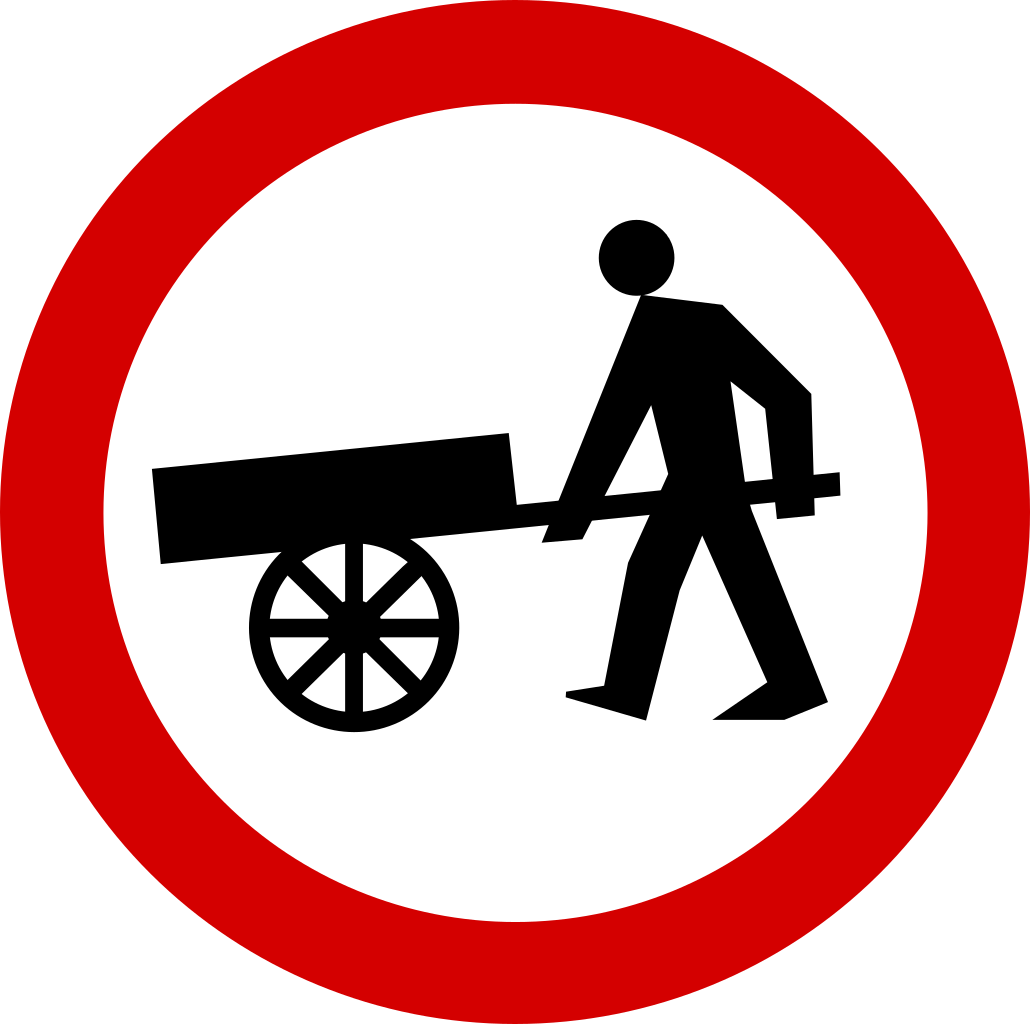
Understand the B-12 'No Handcarts' Road Sign
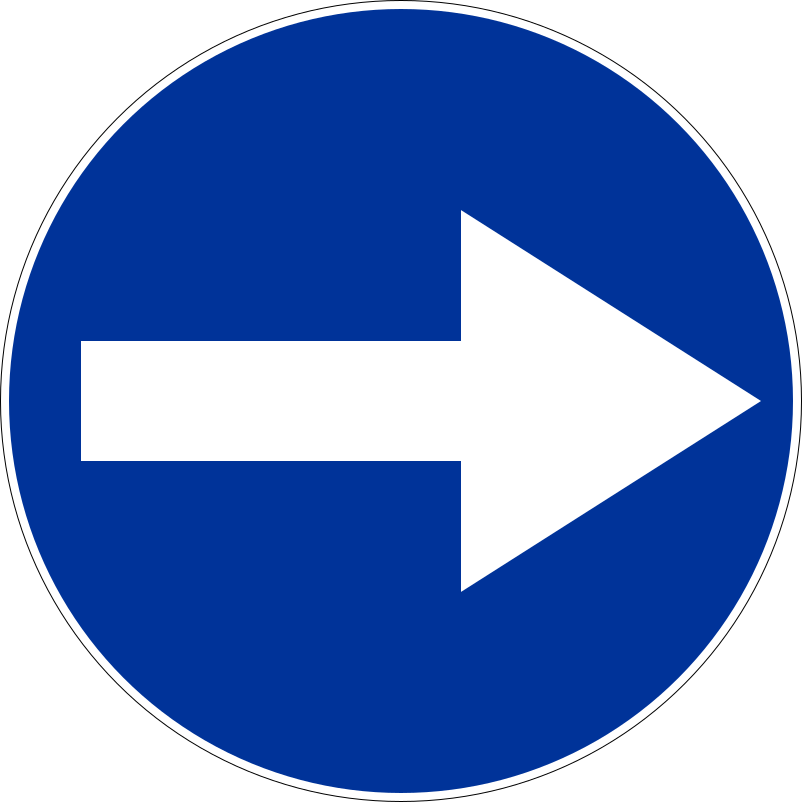
The C-1 sign means you MUST turn right before you reach it!
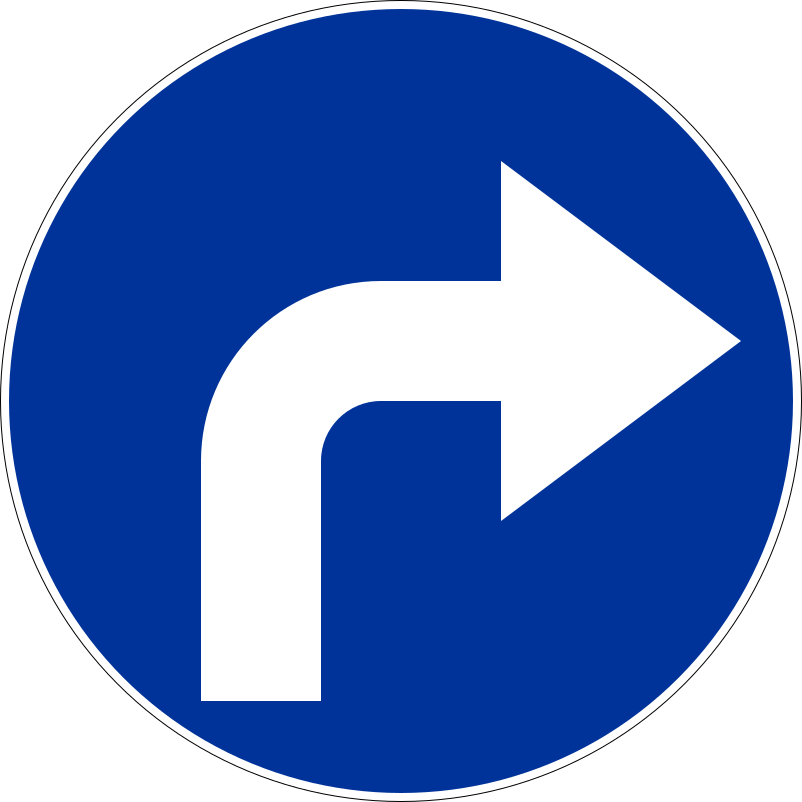
You must turn right at the next junction after this C-2 sign.
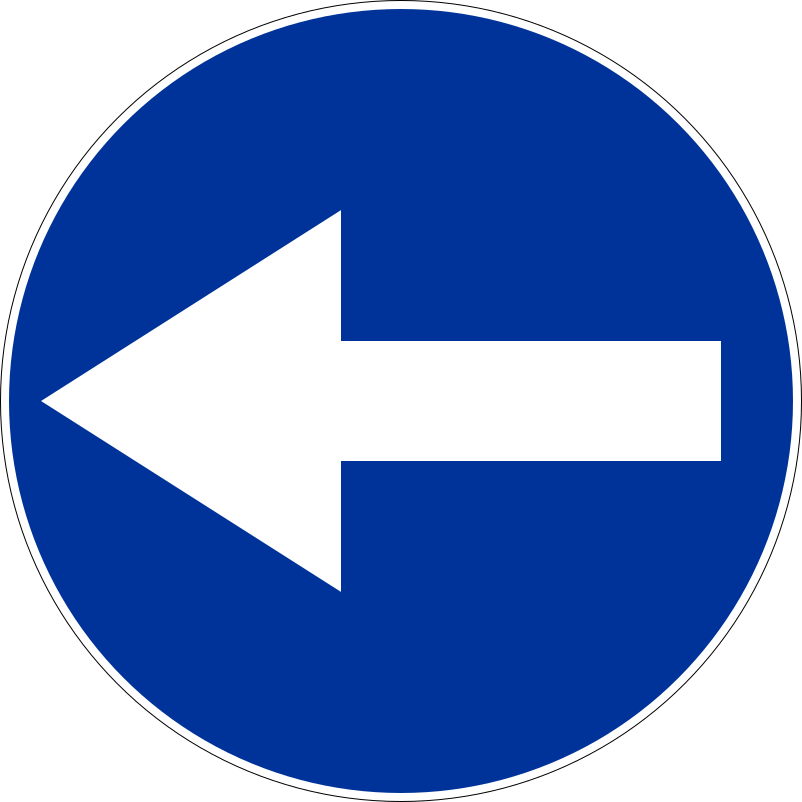
You must turn left before this C-3 mandatory direction sign.
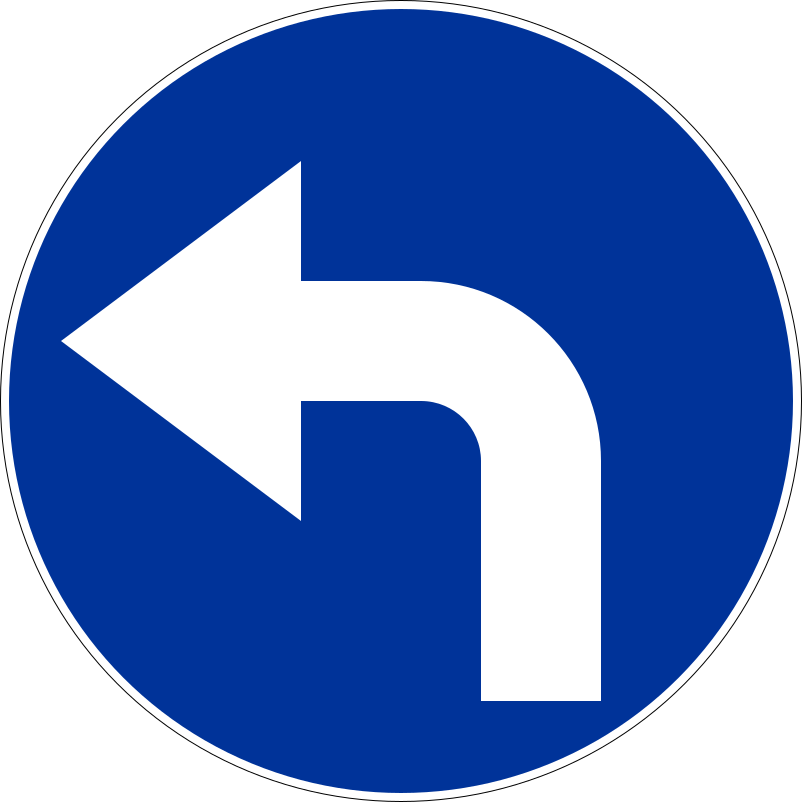
Mandatory Left Turn Ahead: Understand the C-4 Sign
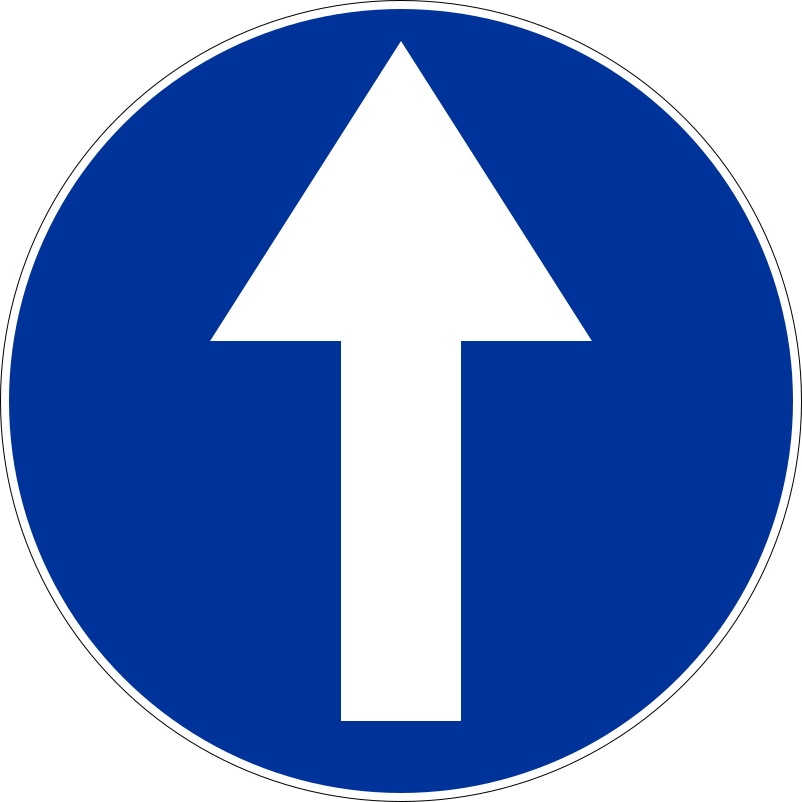
The C-5 'Mandatory Straight Ahead' sign means you must continue forward and cannot turn.
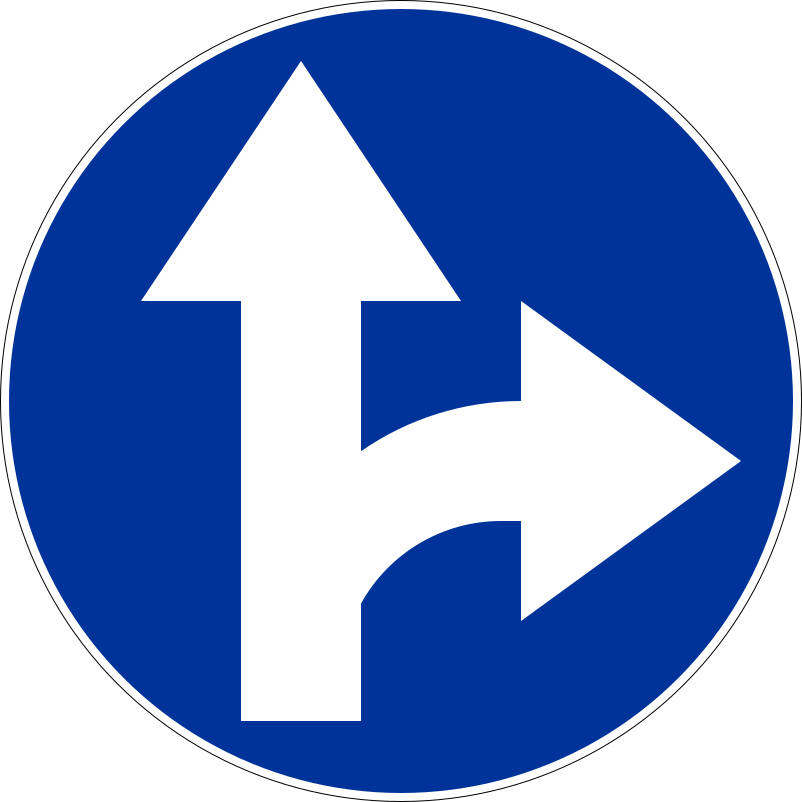
The C-6 sign mandates you go straight or turn right; left turns are forbidden.
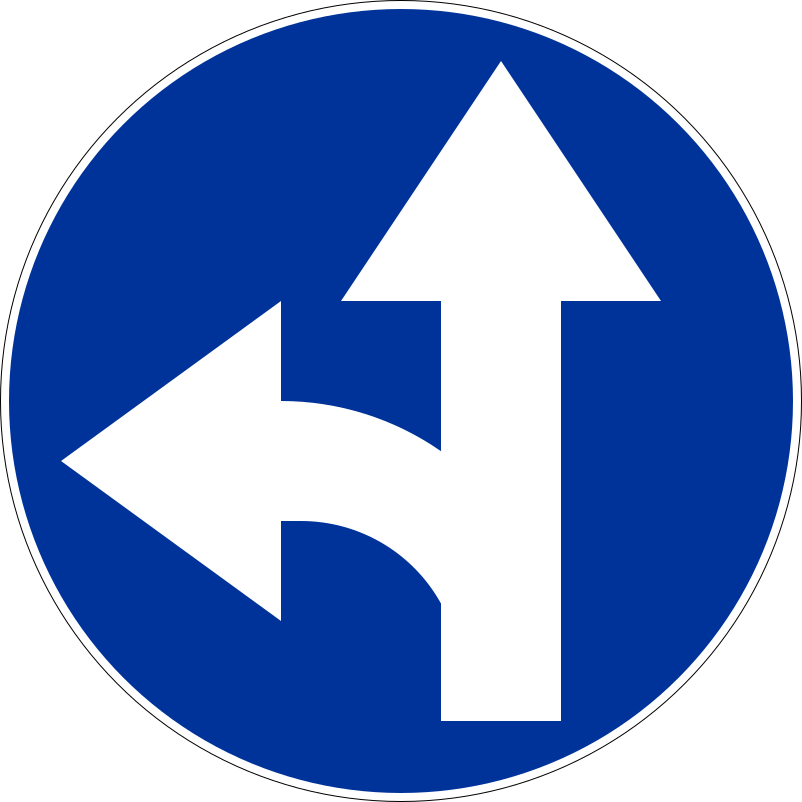
Mandatory Straight or Left Turn Sign (C-7): Know Your Direction!
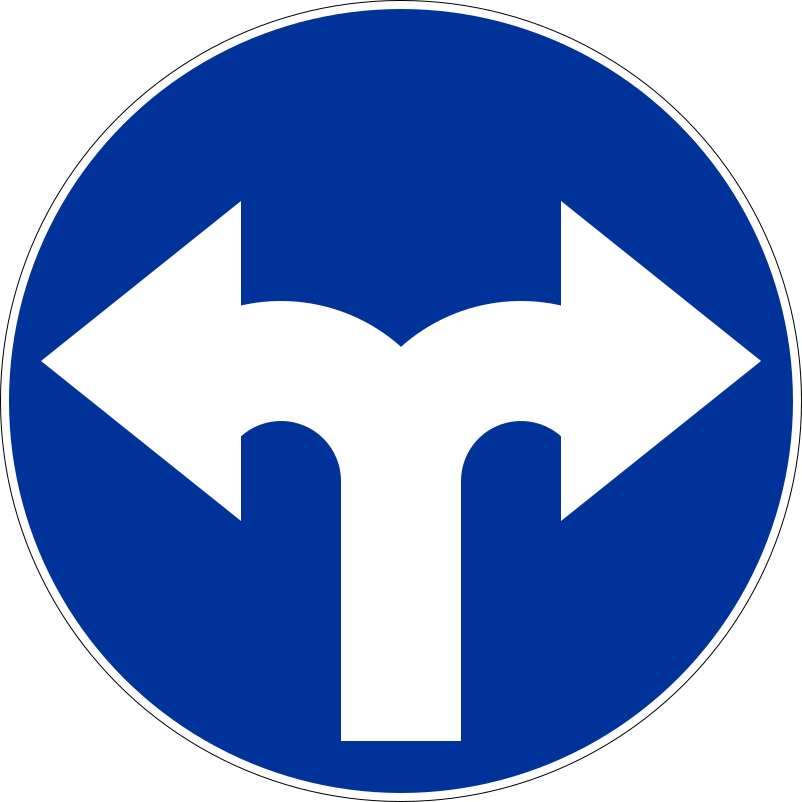
The C-8 sign means you MUST turn either right or left at the next intersection.
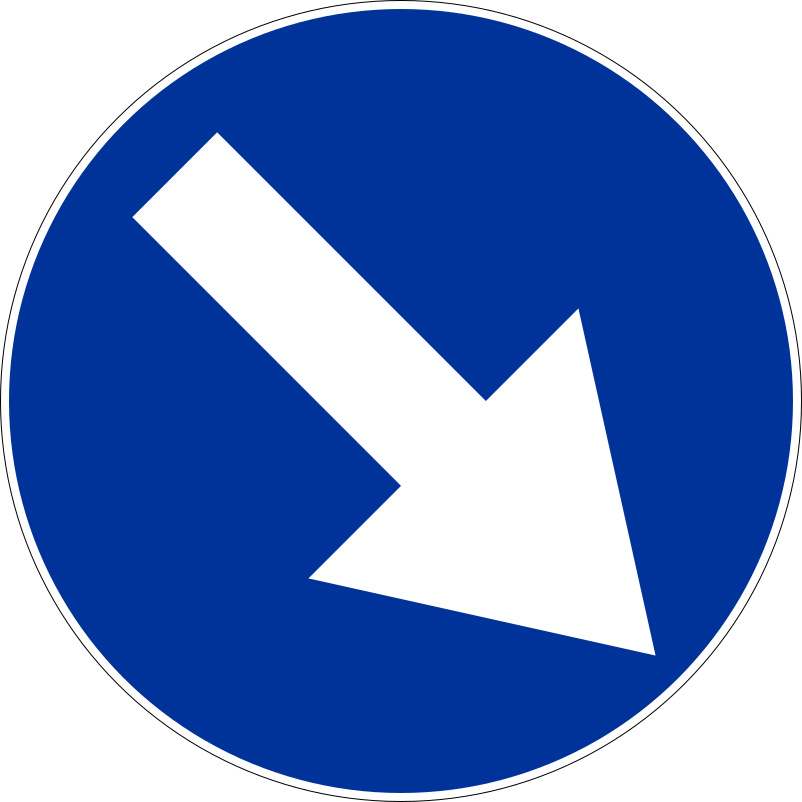
Know when and how to pass obstacles using the C-9 'Pass on the Right Side' traffic sign.
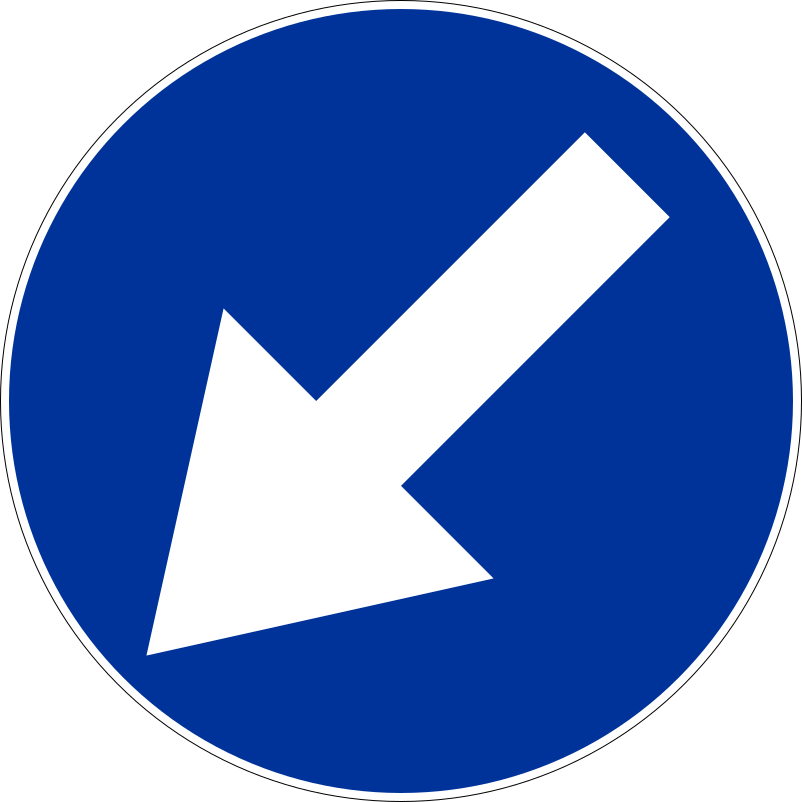
Understand the C-10 'Pass on the Left' Traffic Sign
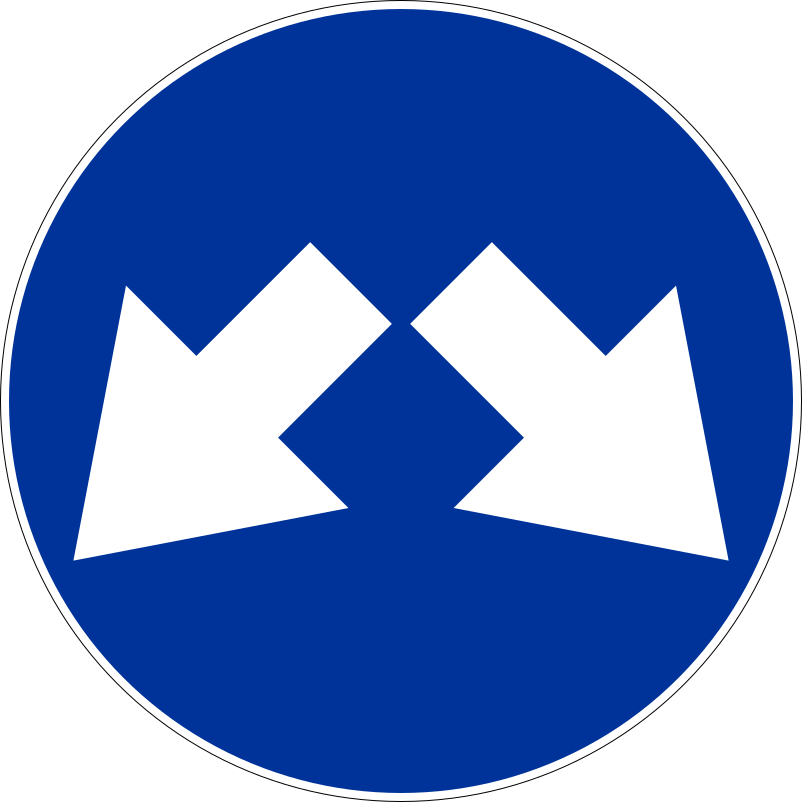
The C-11 'Pass on Either Side' sign means you can go around the obstacle to the left or right.
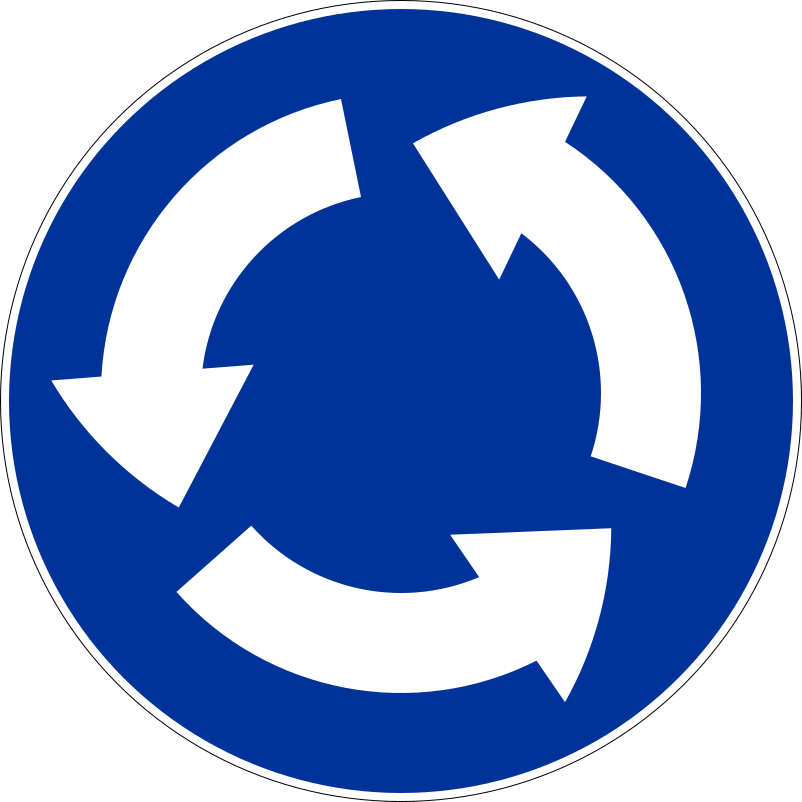
Master the Roundabout: Understanding the C-12 Traffic Sign
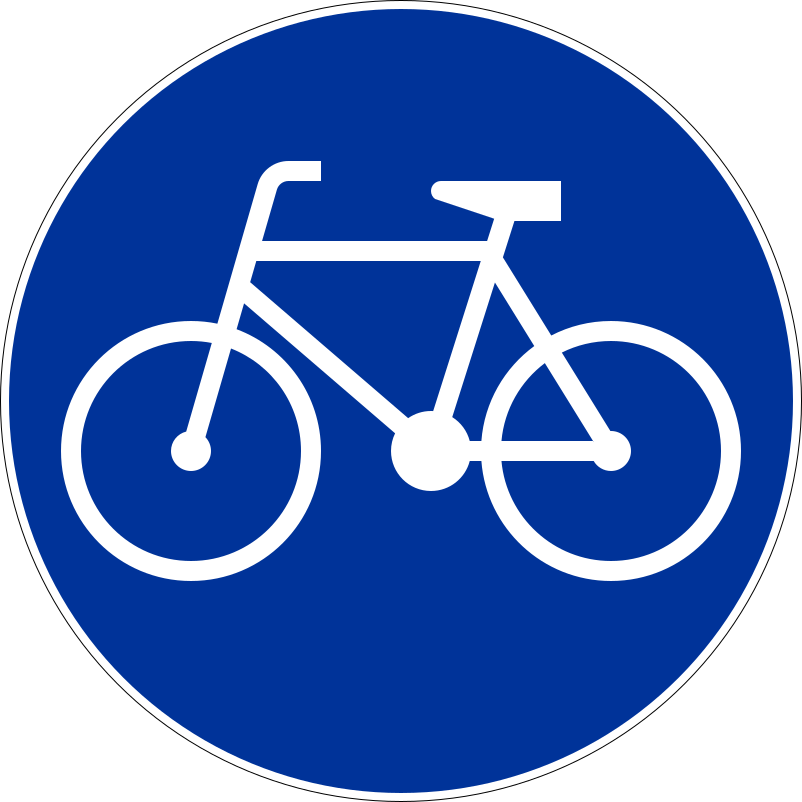
The C-13 Bicycle Path sign means you must use the dedicated cycle track.
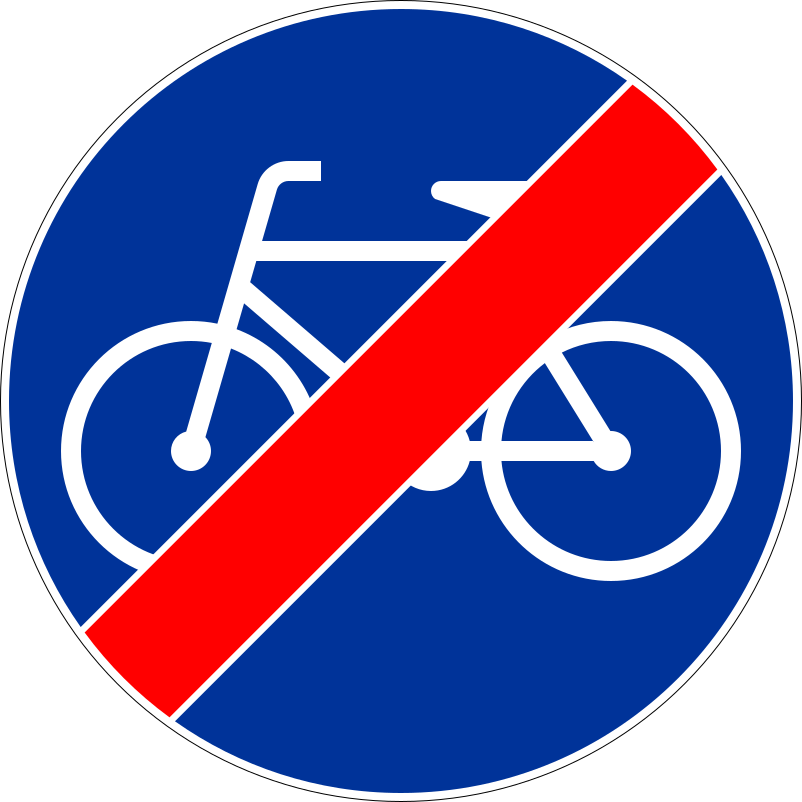
Understand the 'End of Bicycle Path' (C-13a) Sign and what it means for cyclists and drivers.
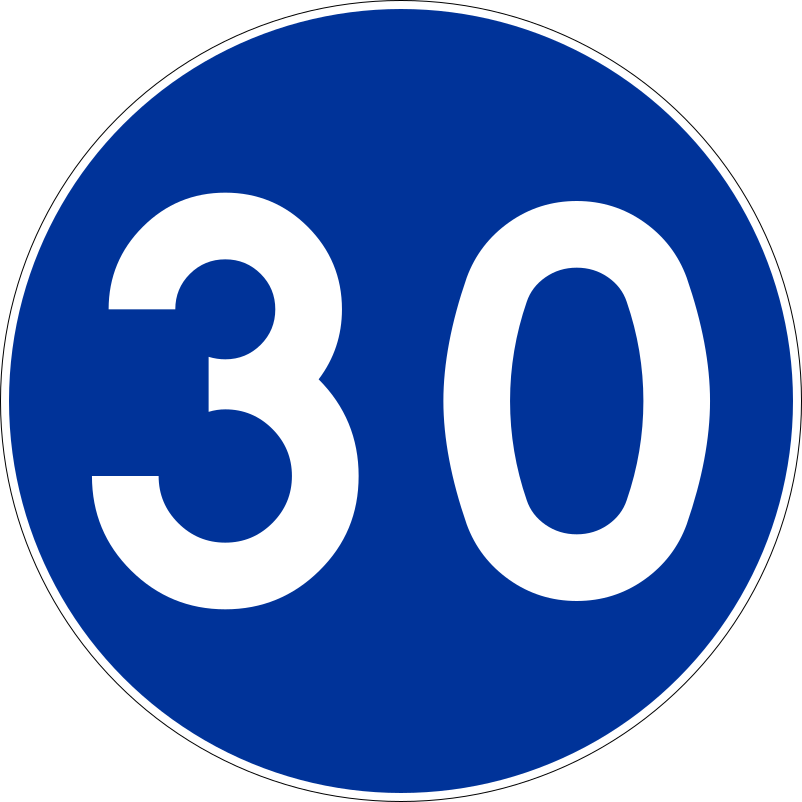
Obey the Minimum Speed Limit Indicated by the C-14 Sign
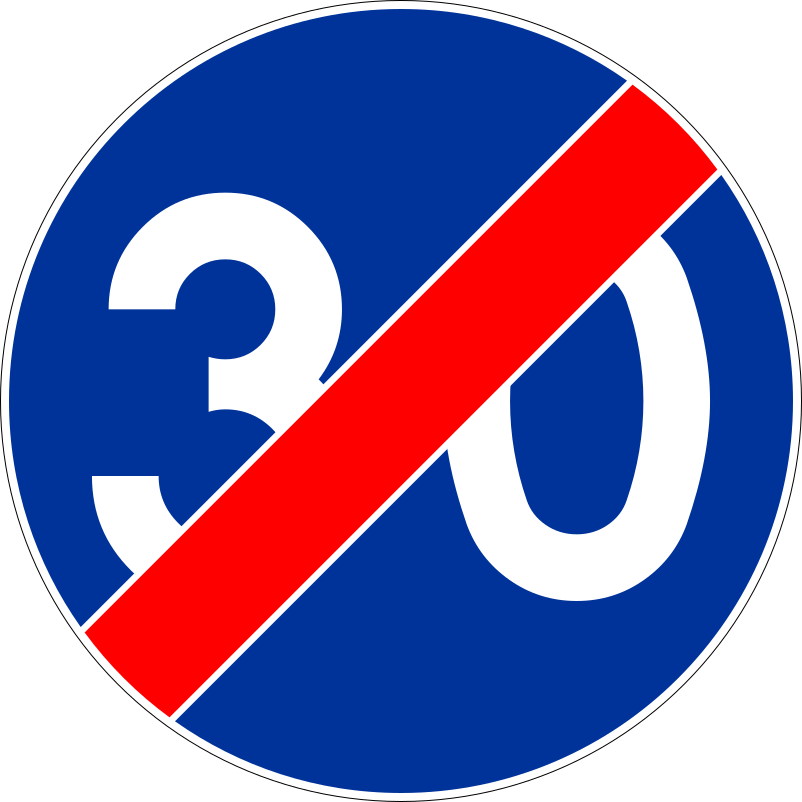
The 'End of Minimum Speed' sign means you're no longer required to drive above a certain speed.
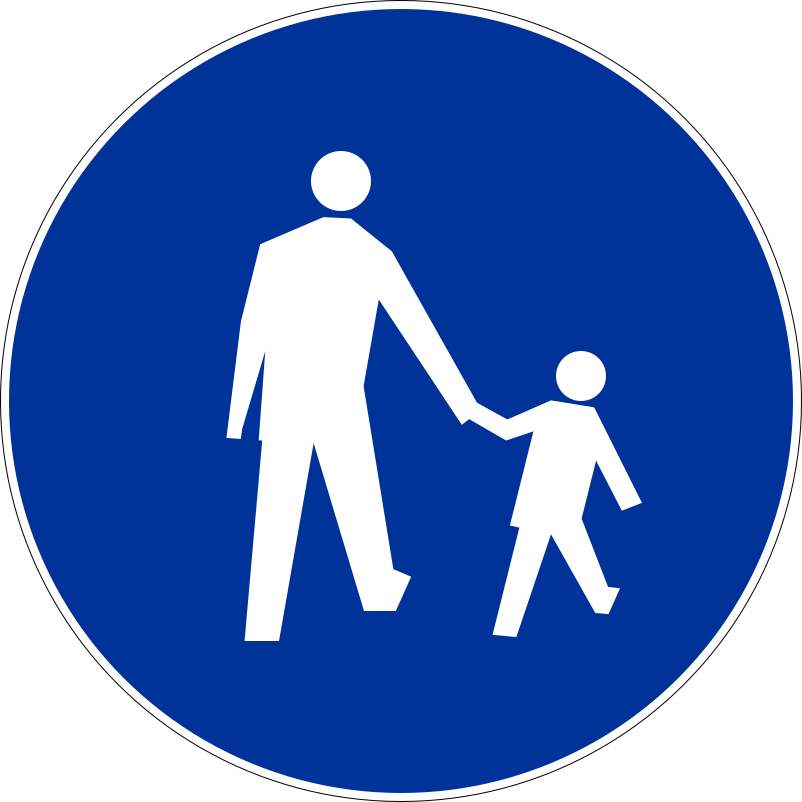
The C-16 'Pedestrian Path' sign means this area is exclusively for pedestrians.
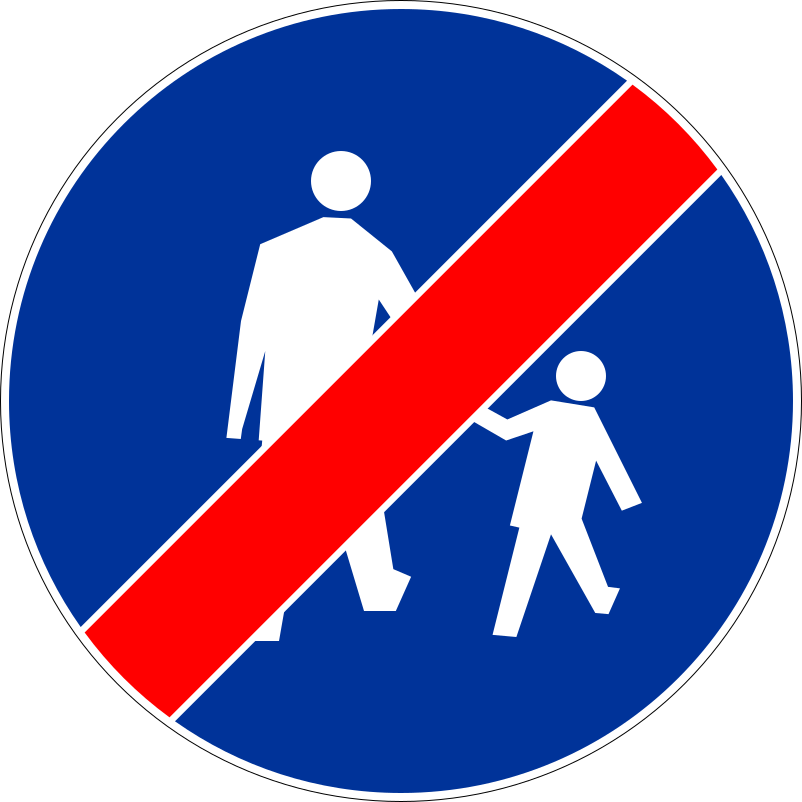
The C-16a 'End of Pedestrian Path' sign means you must now be aware of traffic.
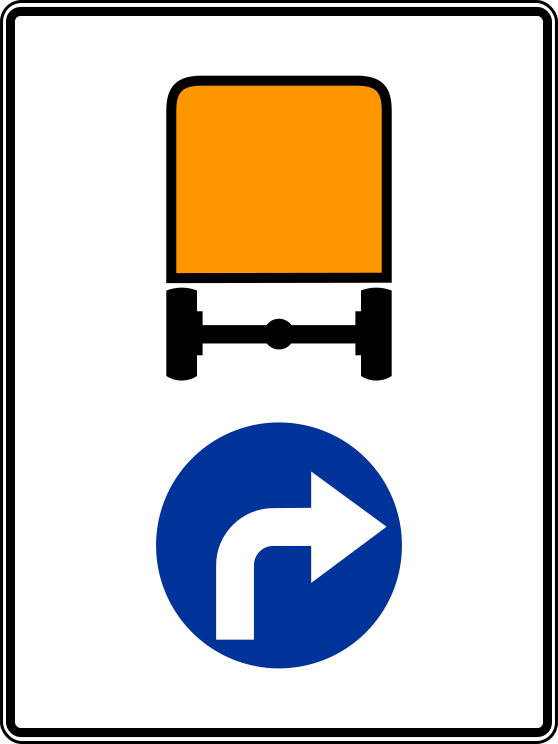
ADR Vehicles Must Follow This Mandatory Direction Sign (C-17)
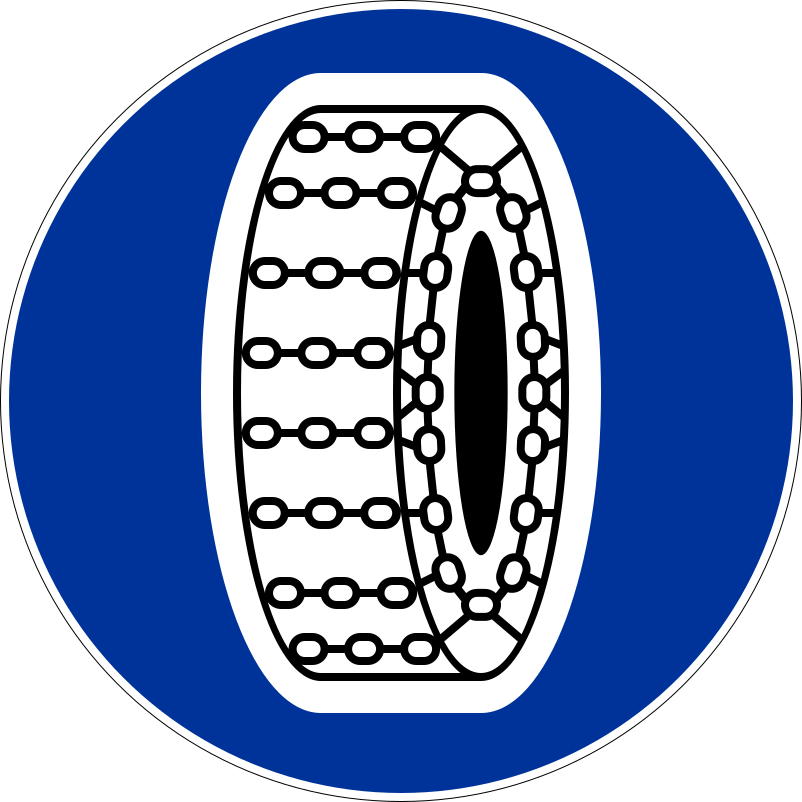
Mandatory Snow Chains: Know When and How to Use Them
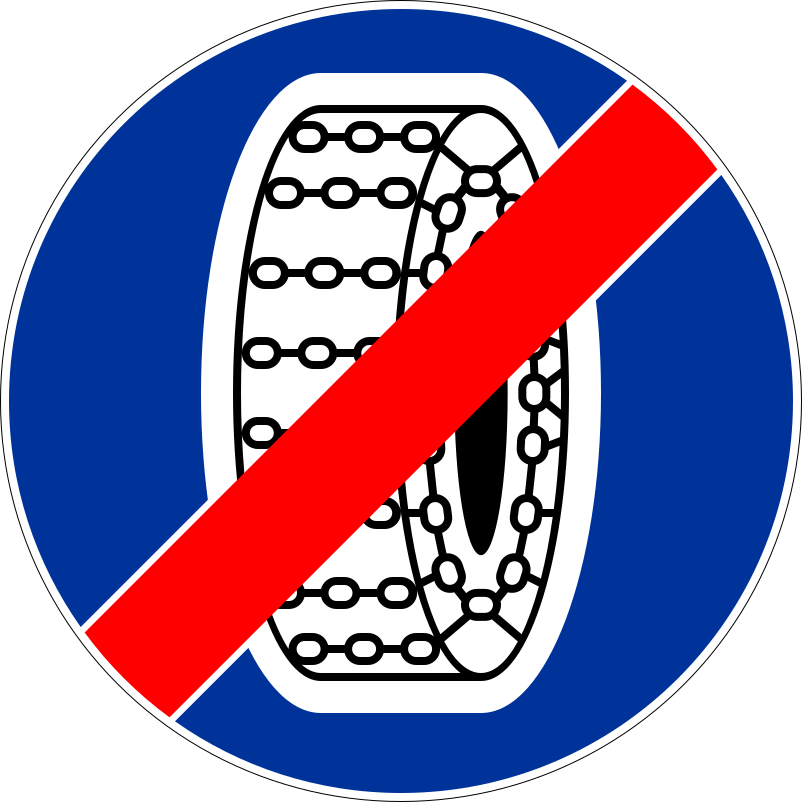
C-19: You Can Now Safely Remove Your Snow Chains
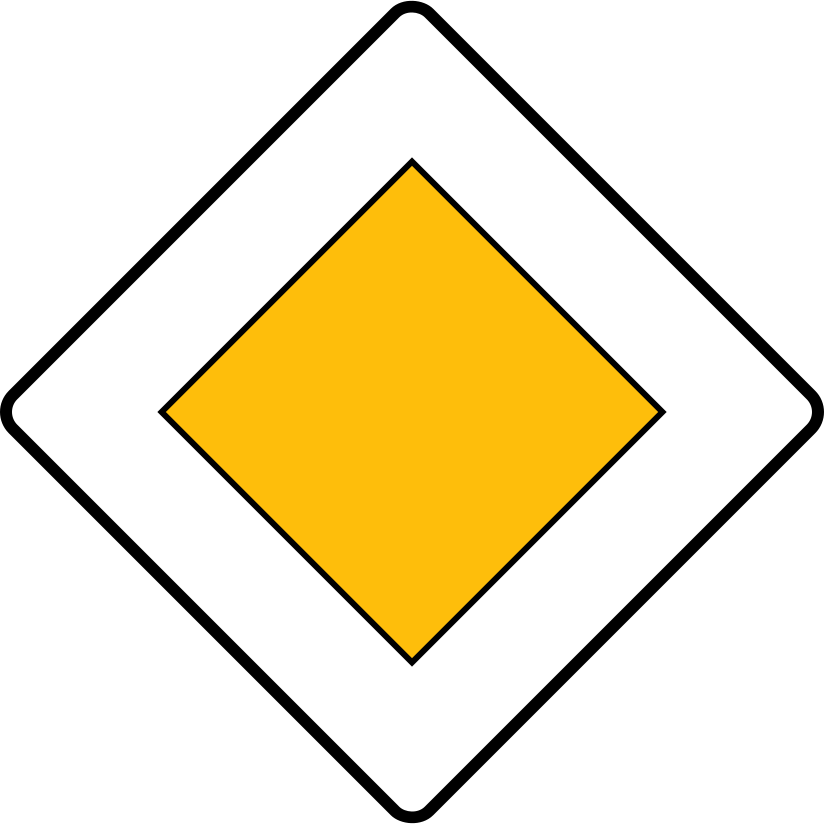
The D-1 Priority Road sign means you have the right of way.
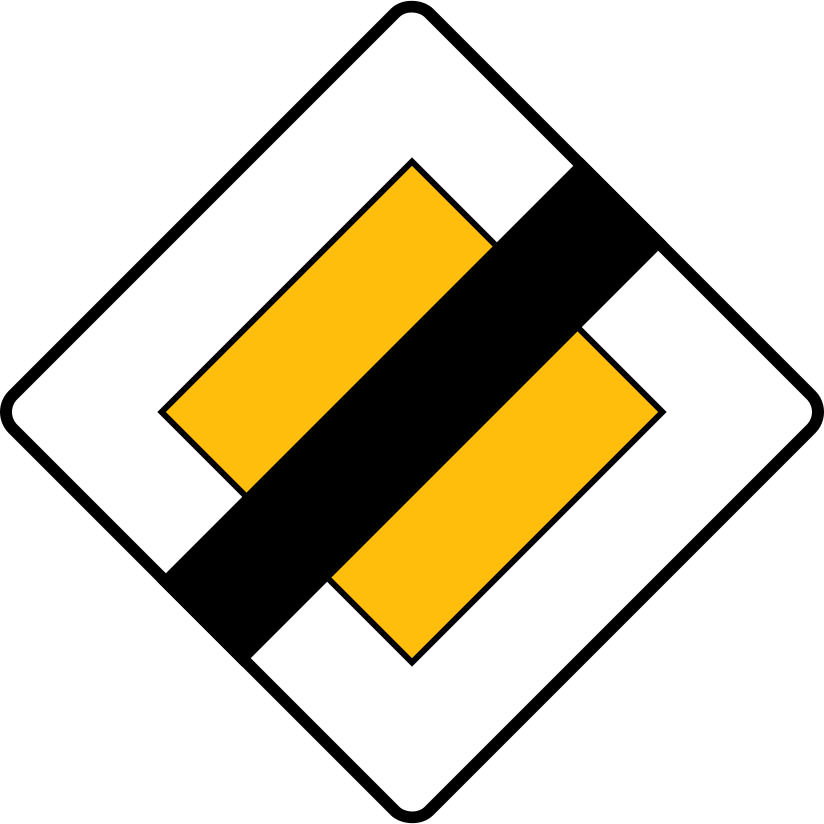
Prepare to yield: the D-2 'End of Priority Road' sign means your right of way is finishing.
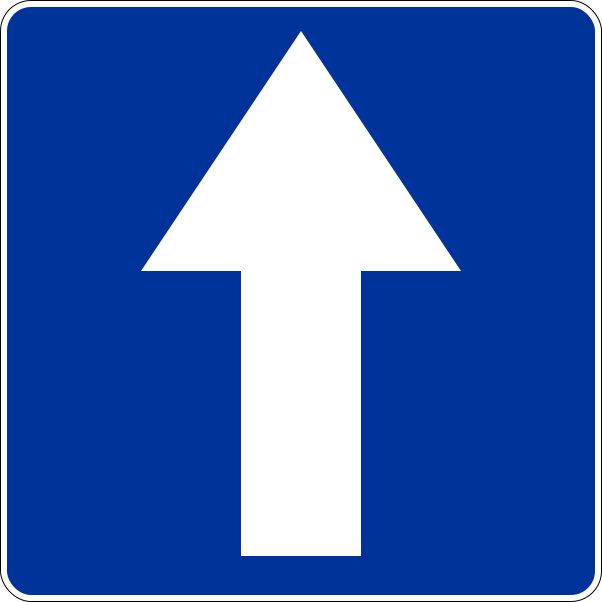
The D-3 sign means this road is one-way, so you must travel in the direction of the arrow.
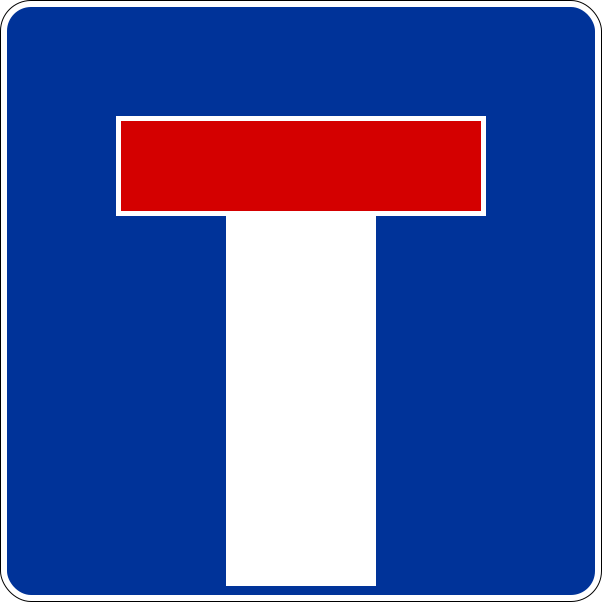
D-4a: This Road Has No Exit – It's a Dead End!
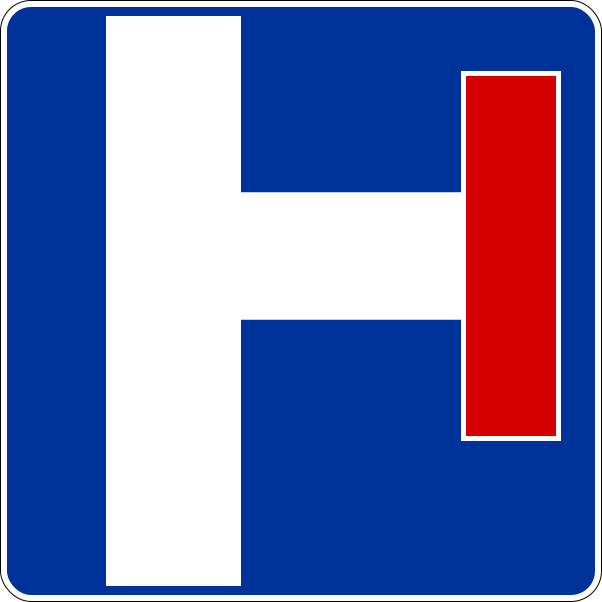
Understand the D-4b Road Sign: Entrance to a Dead End Ahead
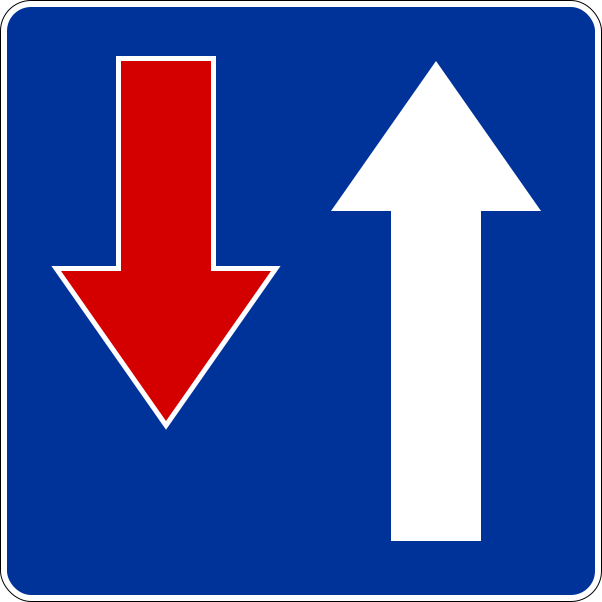
You have priority over oncoming traffic at this narrowing.
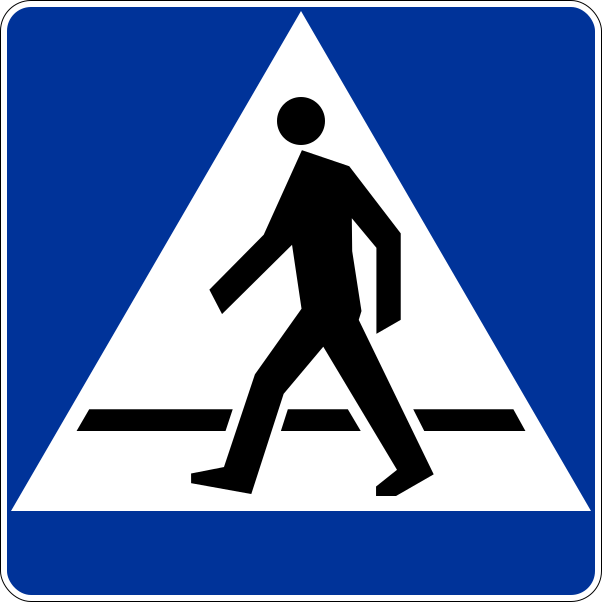
The D-6 'Pedestrian Crossing' Sign: Yield to Pedestrians on Zebra Crossings
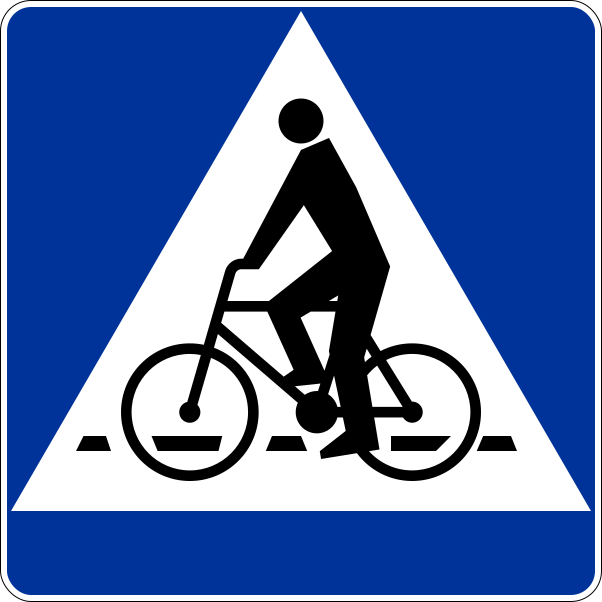
What Does the D-6a Bicycle Crossing Sign Mean for Drivers?
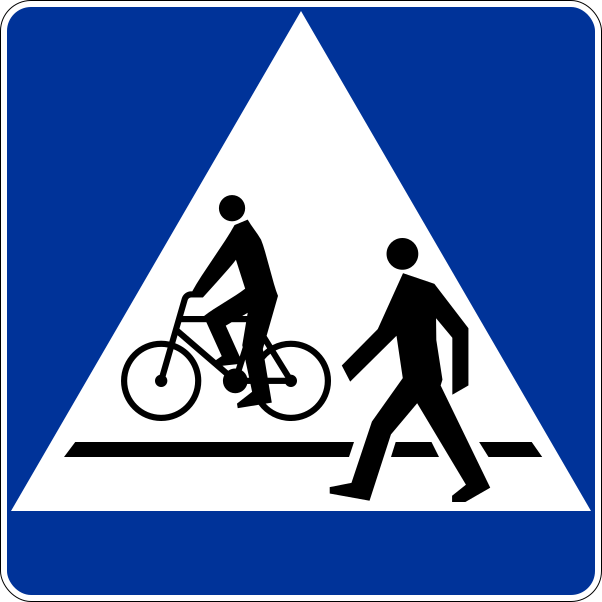
D-6b: Combined Pedestrian and Bicycle Crossing Ahead
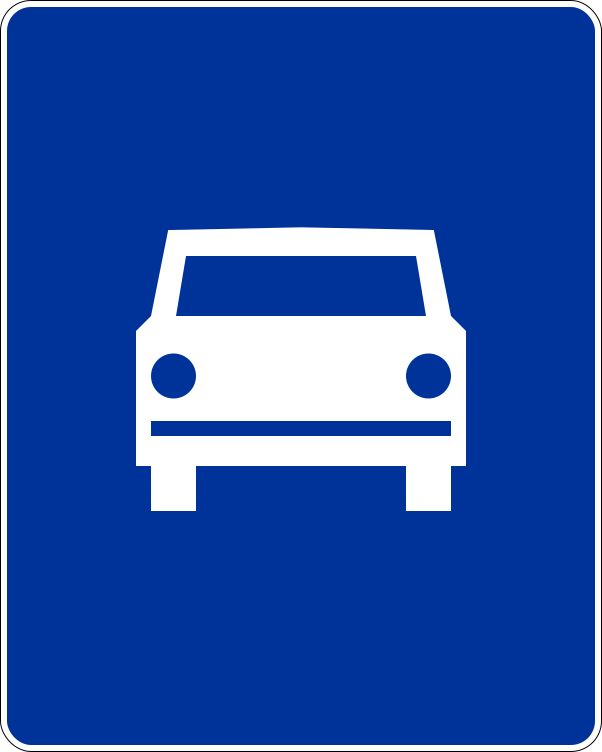
The D-7 sign marks the start of an expressway, a special type of high-speed road.
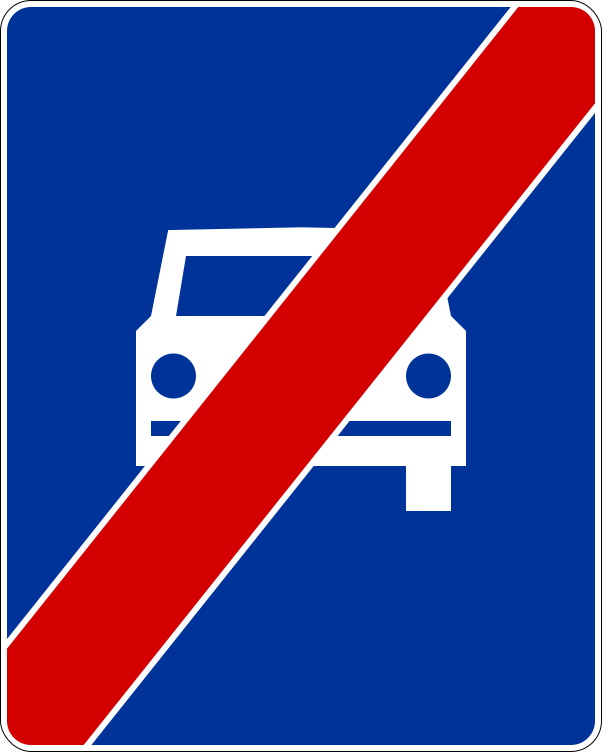
Prepare to exit the expressway safely with the D-8 'End of Expressway' sign.
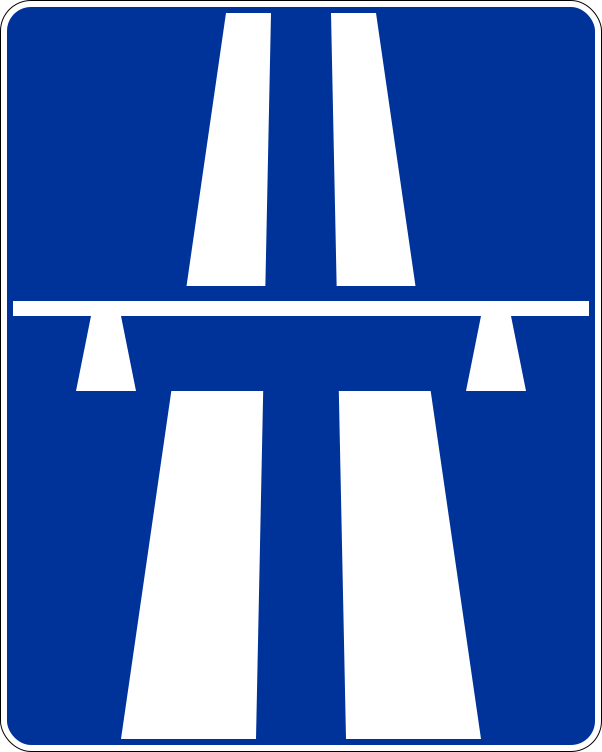
D-9: Welcome to the Motorway (Autostrada)!
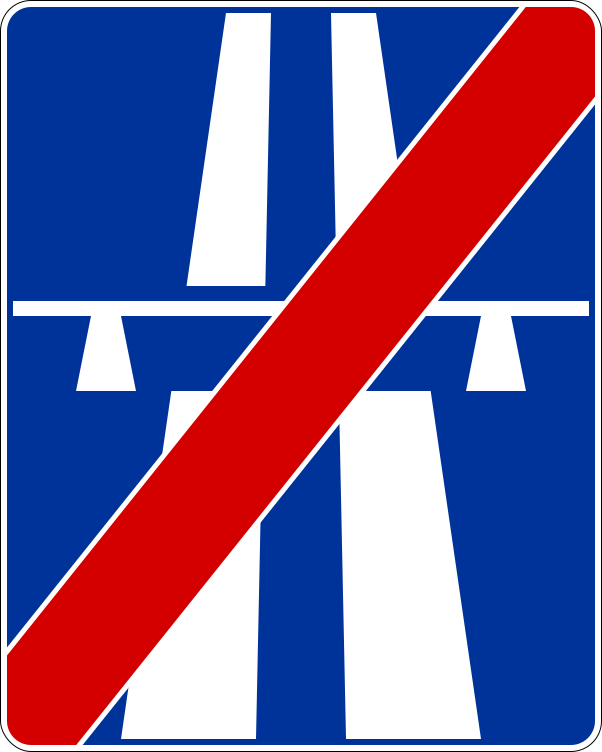
Prepare for the End of the Motorway with the D-10 Sign
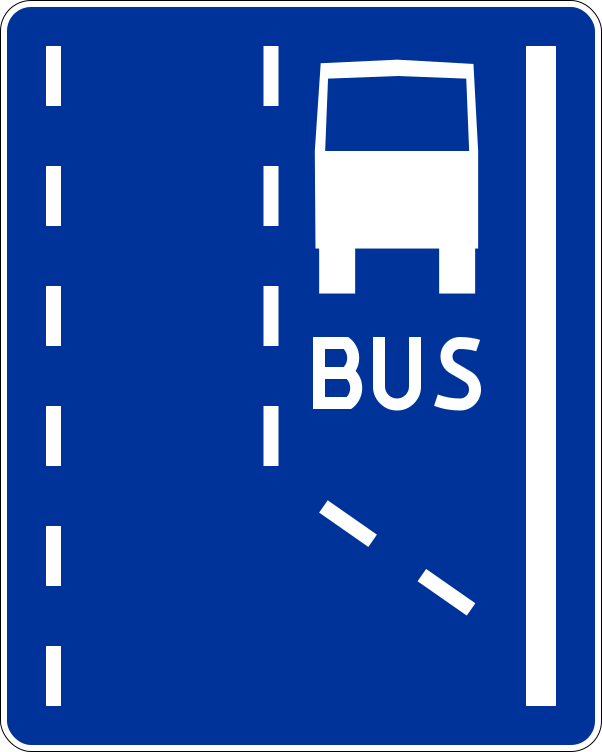
D-11 Road Sign: You're Approaching the Start of a Bus Lane
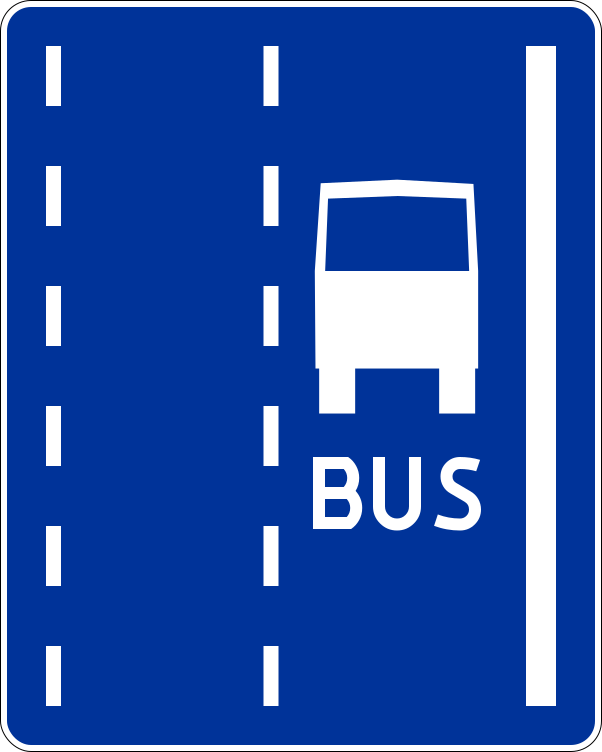
The D-12 'Bus Lane' sign confirms the lane remains exclusively for buses and authorized vehicles.
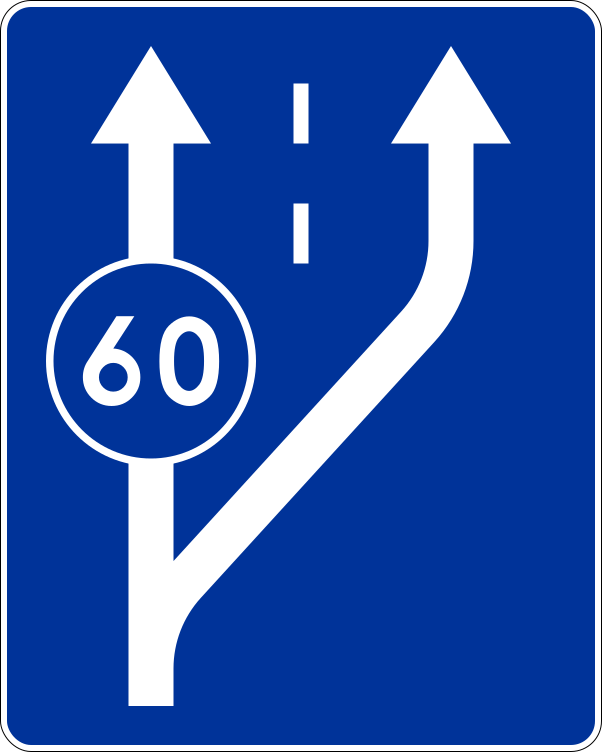
D-13 Sign: Prepare for the Start of a Slow-Moving Traffic Lane
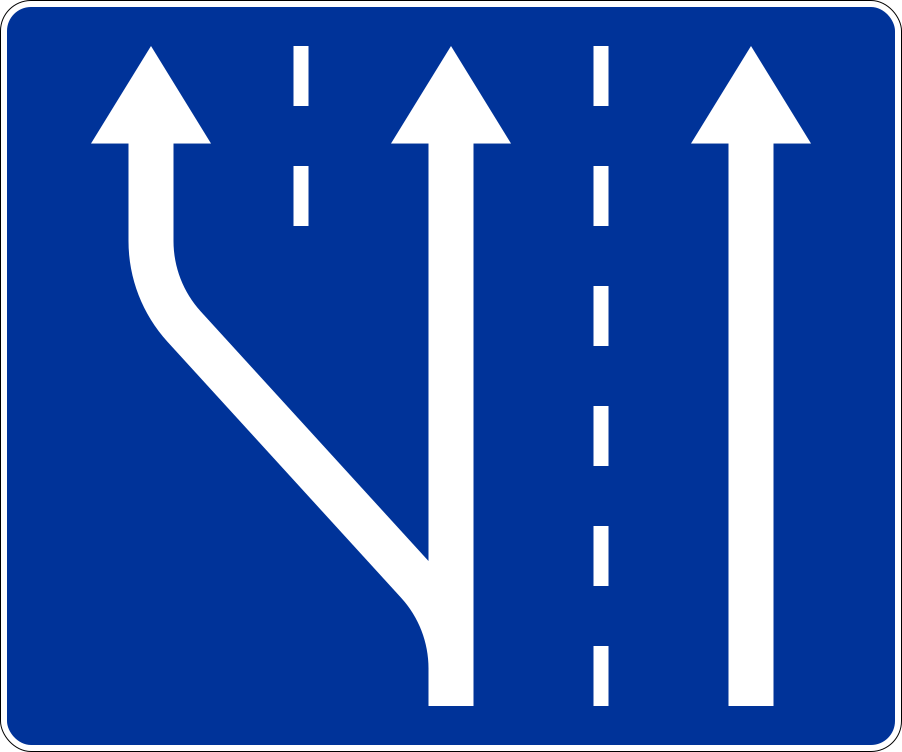
The D-13a 'Start of Lane' sign means a new lane is opening up ahead.
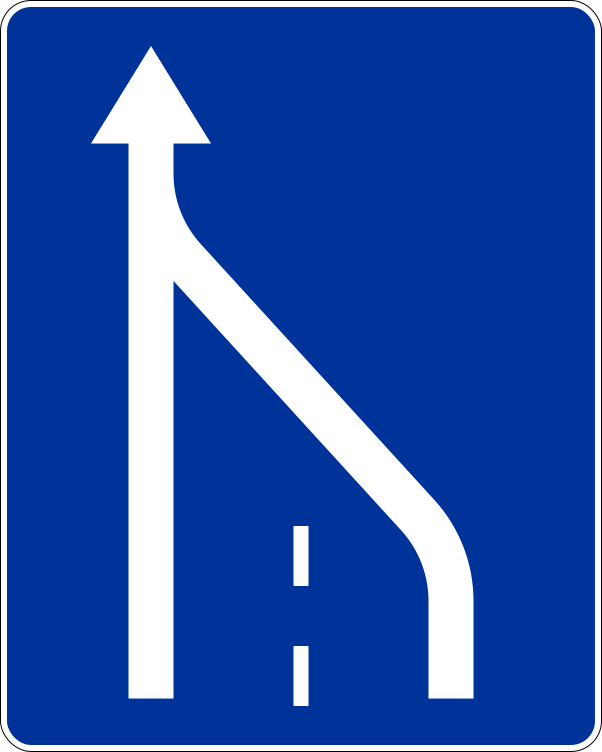
D-14 End of Lane: Know When and How to Merge Safely
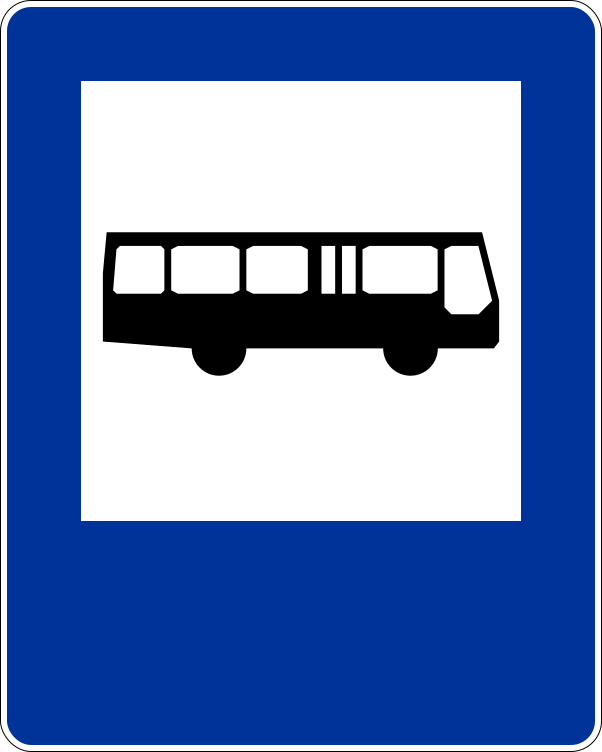
The D-15 'Bus Stop' Sign: Understanding and Reacting to Public Transport Stops
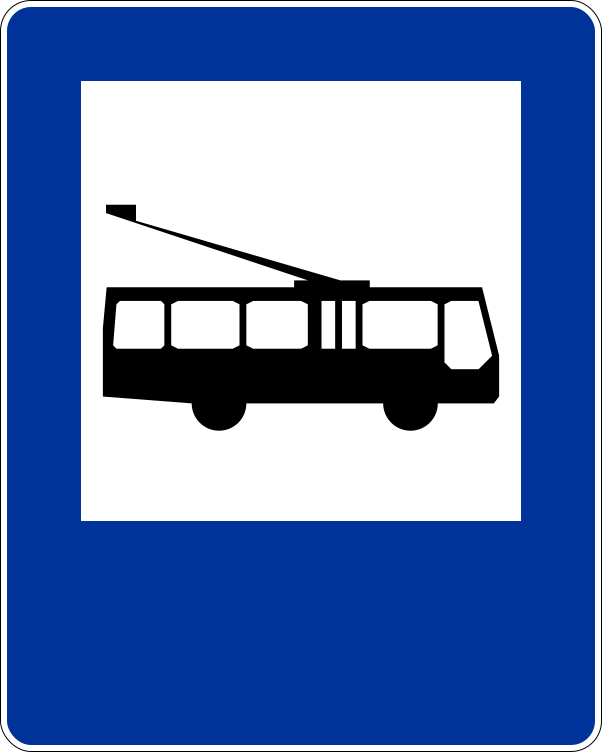
Understand the D-16 Trolleybus Stop Sign for safe city driving.
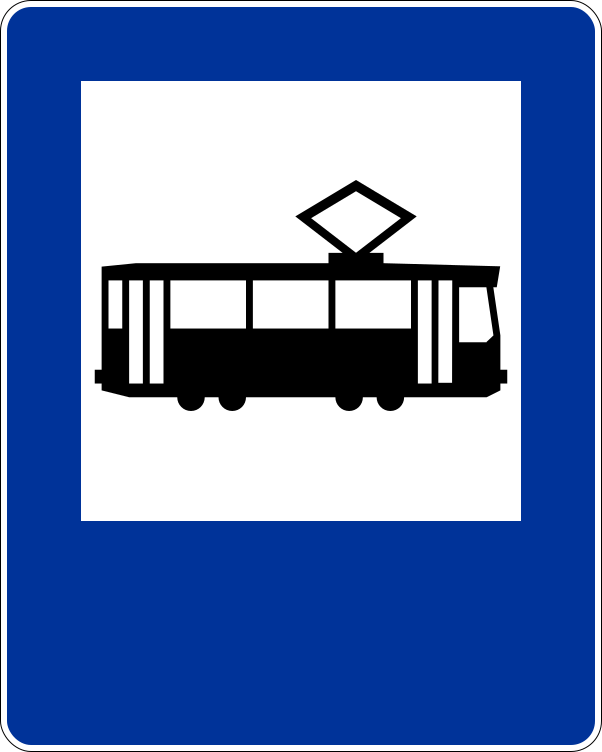
Understand the D-17 'Tram Stop' Sign and How to React Safely
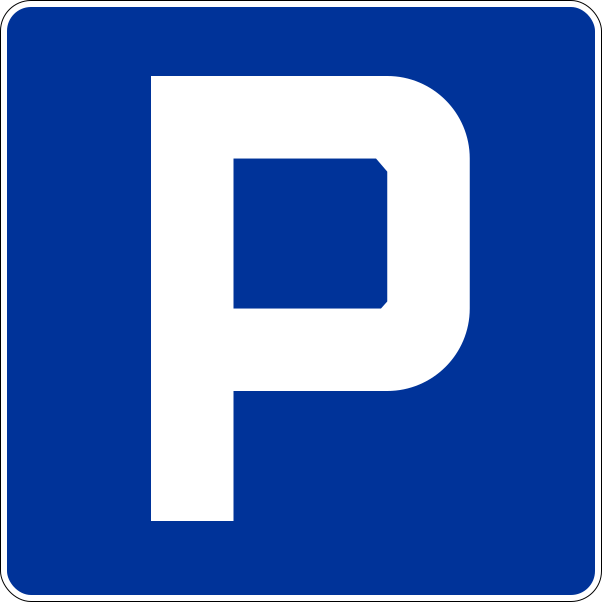
The D-18 sign tells you where parking is allowed.
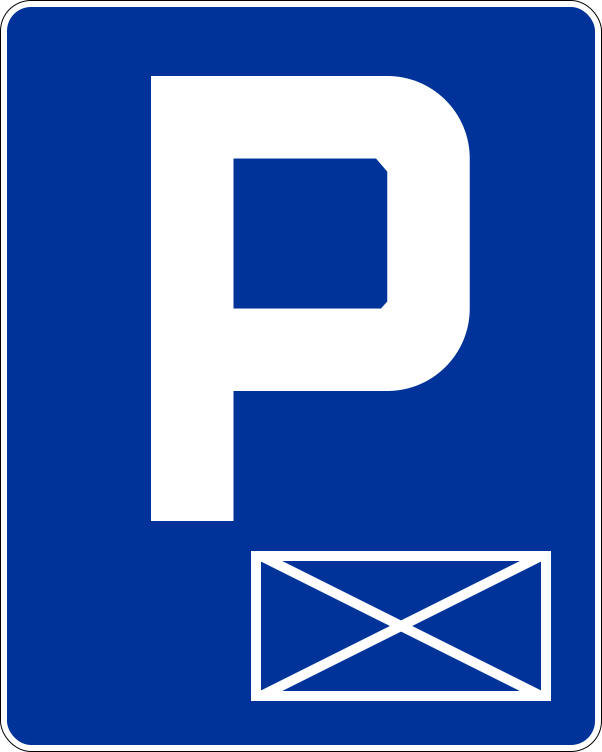
Understand the D-18a Reserved Parking Sign (Koperta)
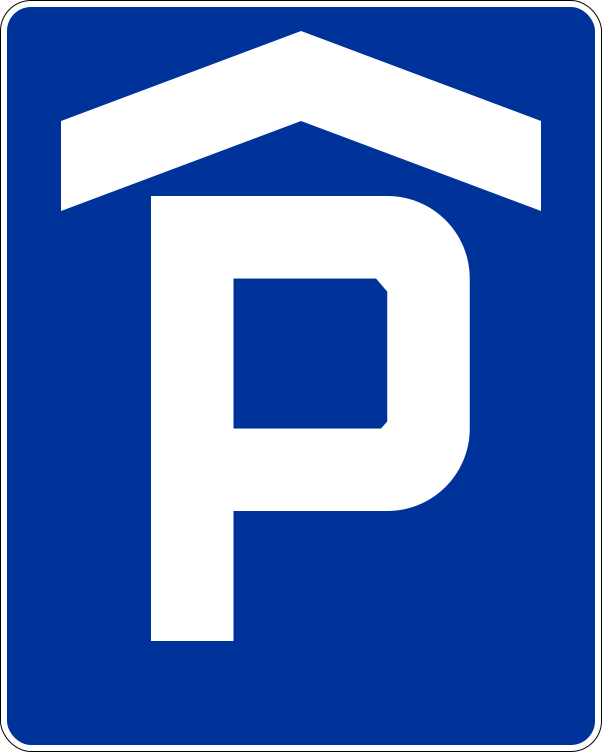
The D-18b sign marks a covered parking area, protecting your vehicle from the weather.
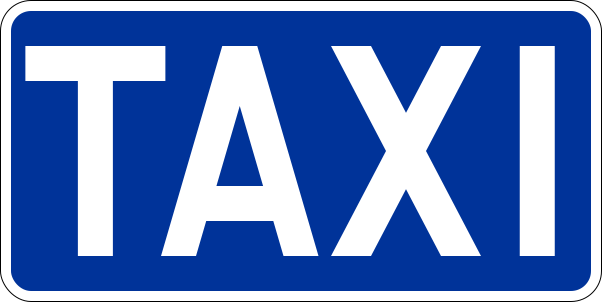
D-19 Taxi Stand: This sign designates a waiting area exclusively for taxis.
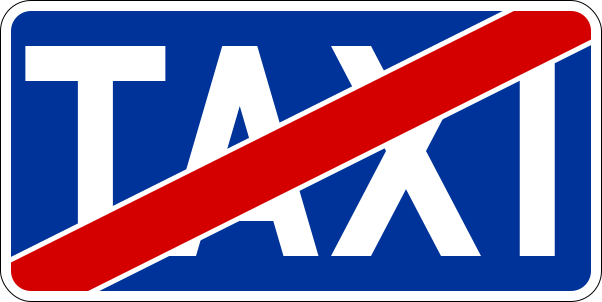
Understand the D-20 sign: The End of the Taxi Stand
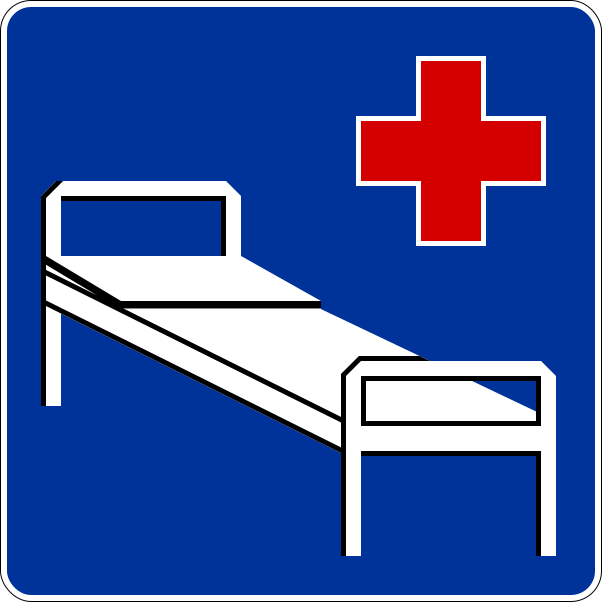
The D-21 'Hospital' sign indicates a medical facility nearby.
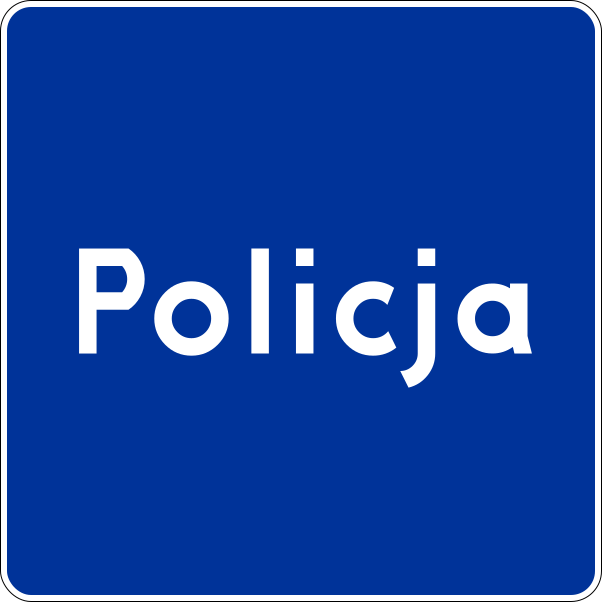
The D-21a 'Police' sign means a police station is nearby.
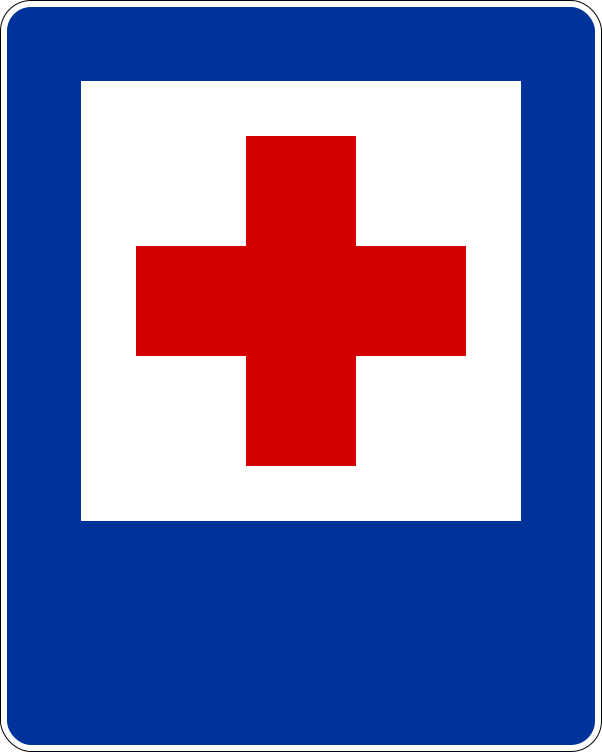
The D-22 sign indicates a nearby First Aid Point.
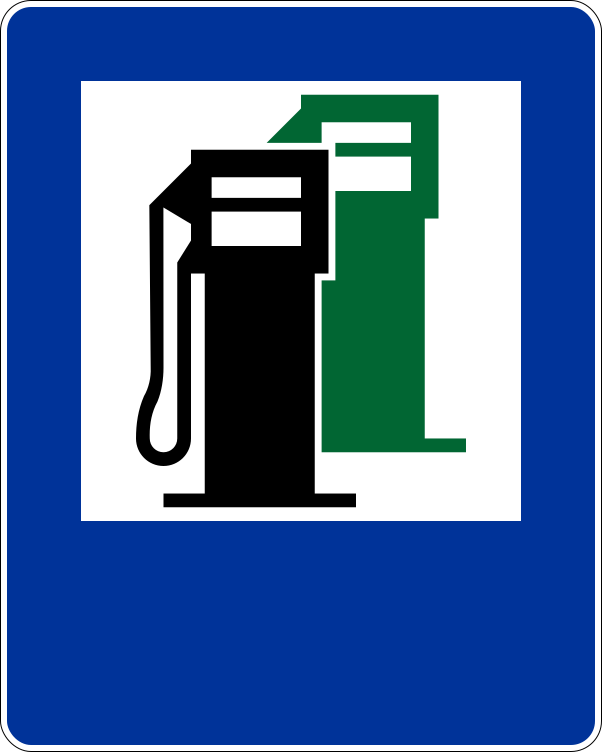
D-23 Petrol Station Sign: Your Guide to Refueling and Services Ahead
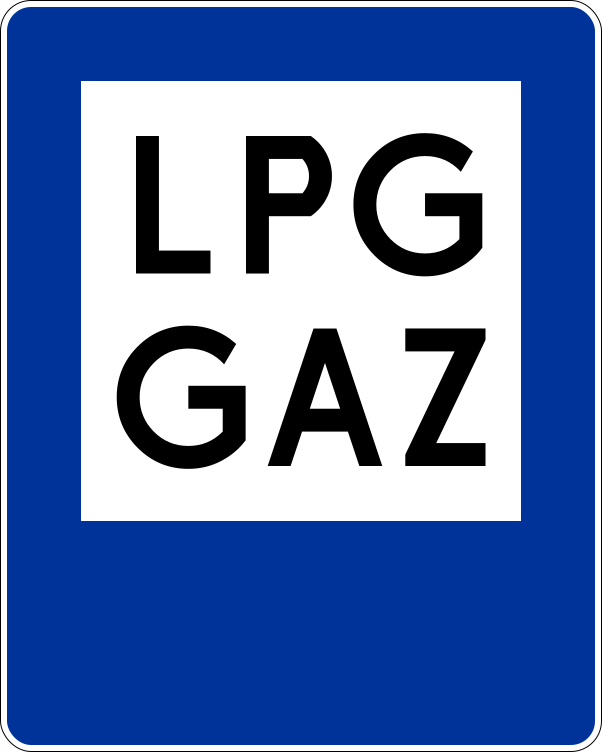
D-23a: This road sign means LPG Fuel Only!
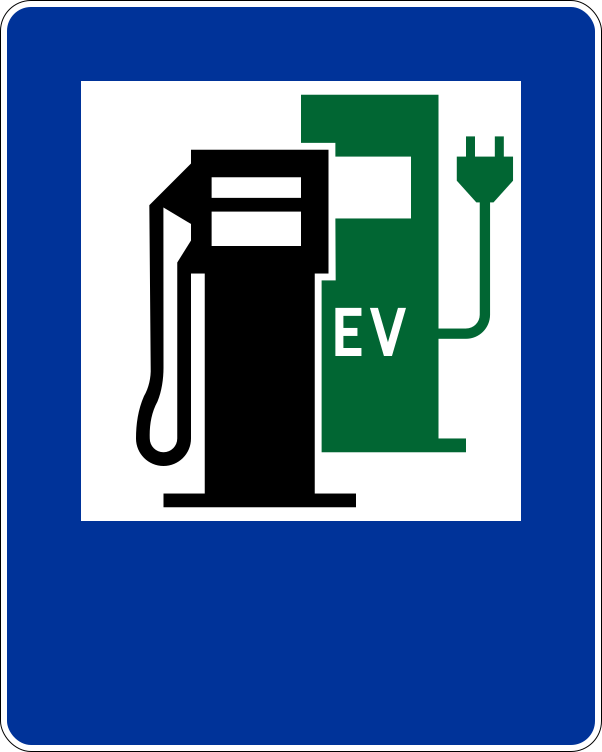
See the D-23b sign for a petrol station offering both traditional fuel and electric vehicle charging.
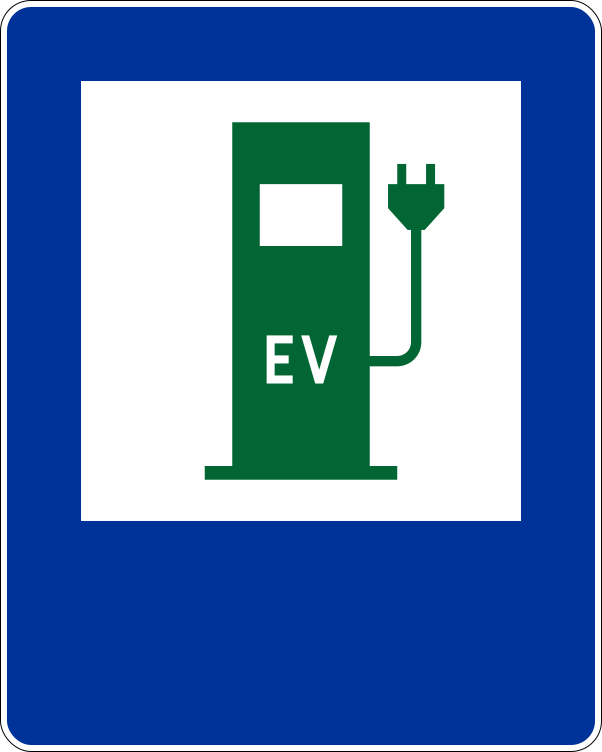
The D-23c sign indicates a dedicated point for charging electric vehicles.
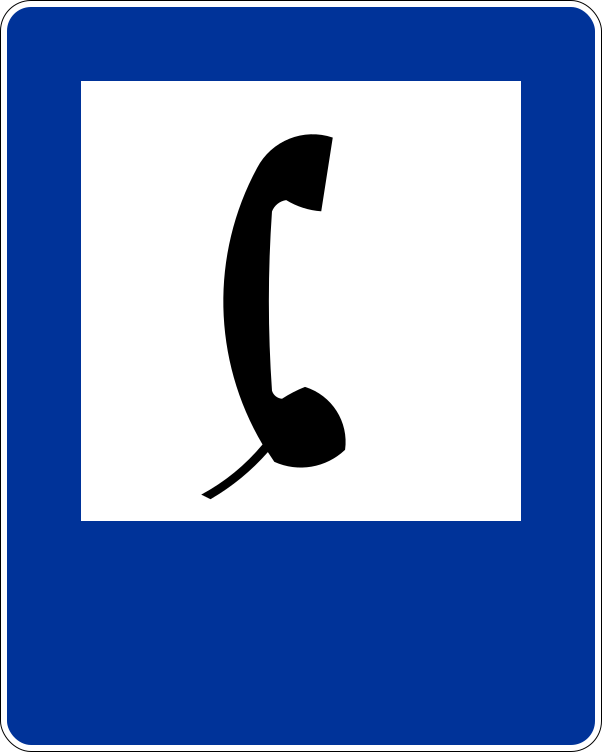
The D-24 Telephone sign indicates a public telephone is available nearby.
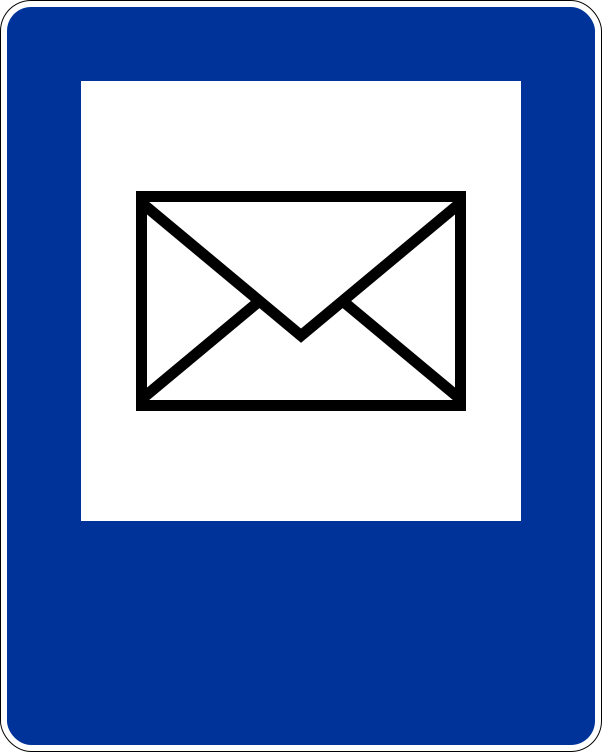
The D-25 sign indicates a post office is nearby, providing essential postal and sometimes banking services.
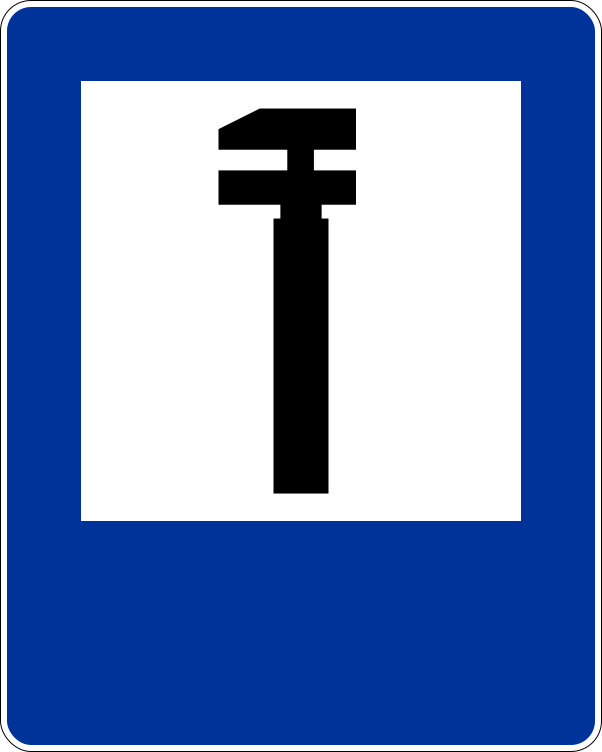
The D-26 'Car Repair Shop' sign means help is nearby!
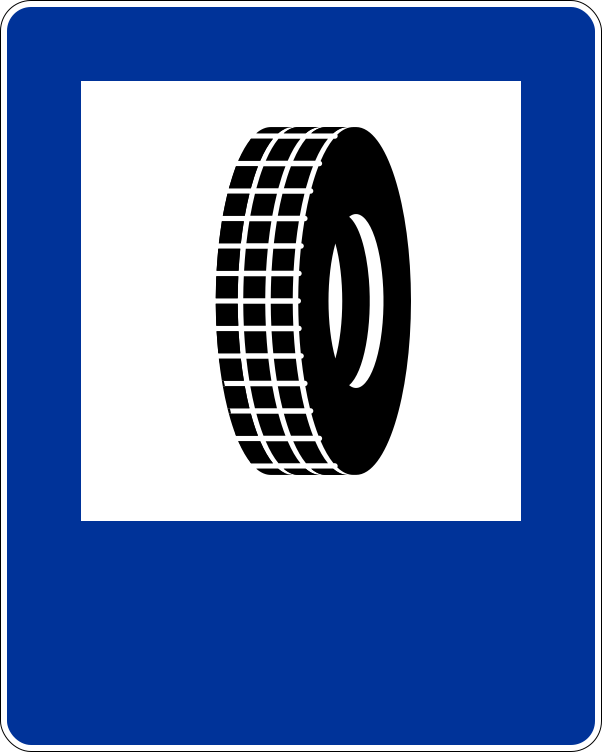
The D-26a 'Tire Service' sign indicates a specialized tire repair and replacement facility.
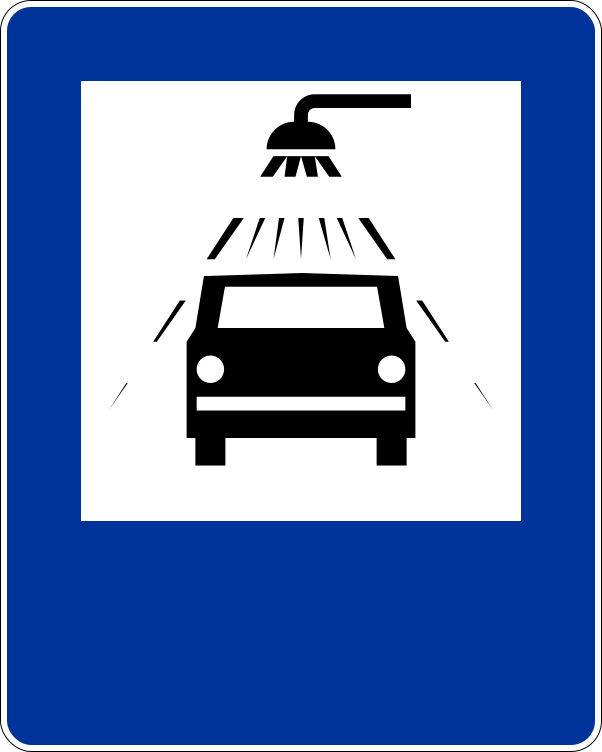
What does the D-26b 'Car Wash' road sign mean?
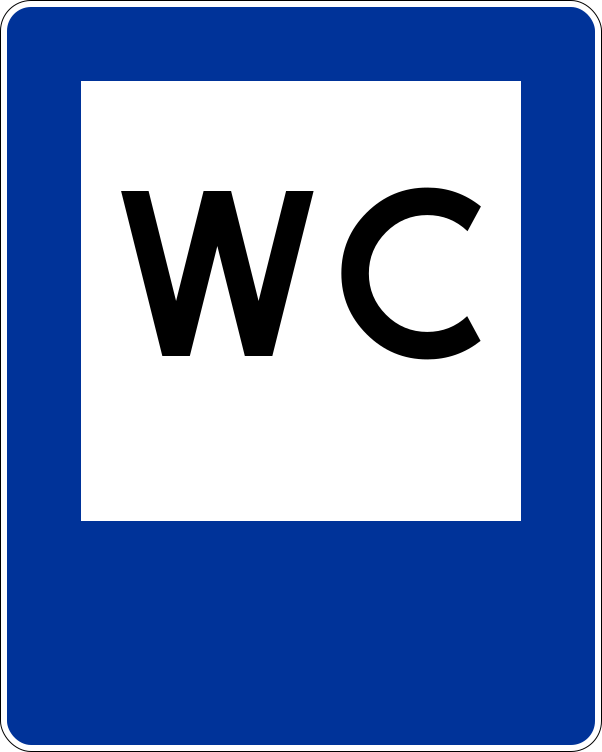
Understand the D-26c Public Toilet road sign and what facilities are available nearby.
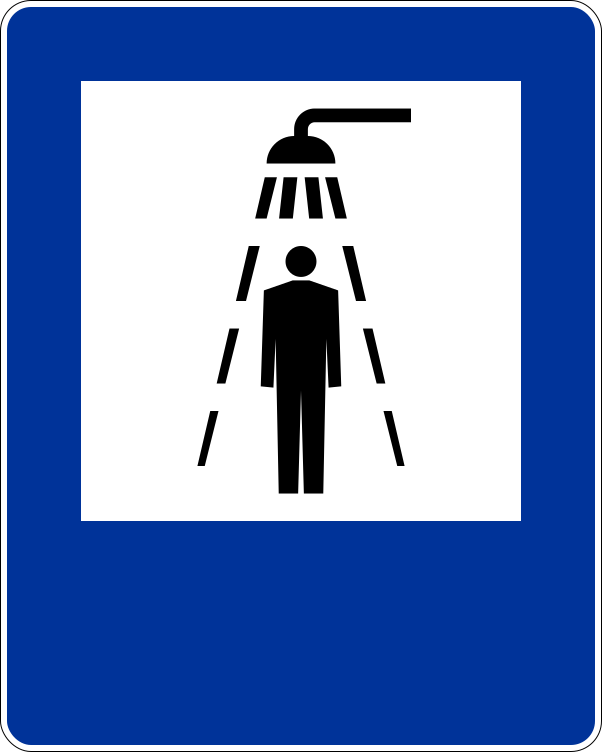
The D-26d 'Shower' Sign: Indicates Available Facilities for Travelers
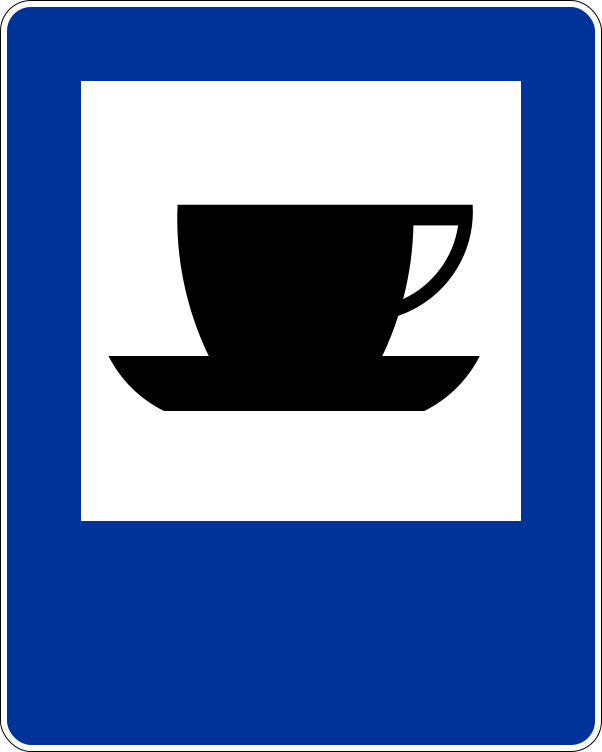
See the D-27 sign for a nearby Cafe or Buffet and know when to take a needed break.
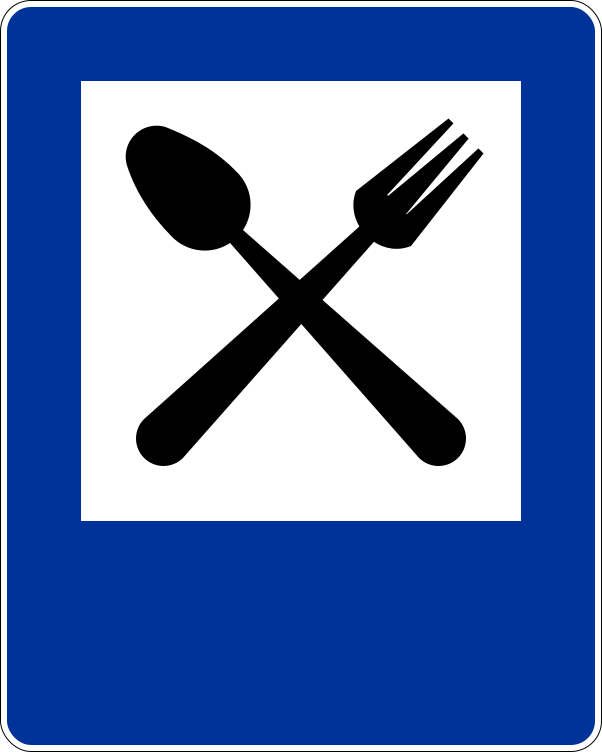
The D-28 'Restaurant' sign means a full meal service is available nearby.
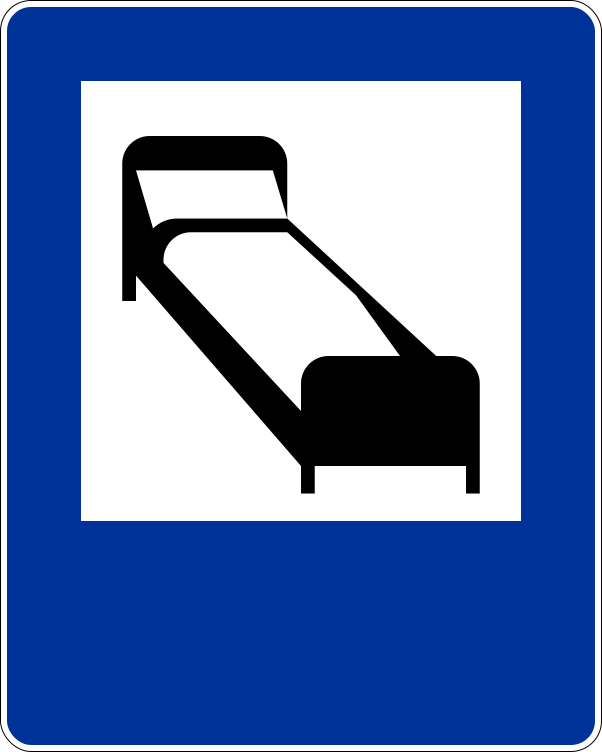
The D-29 Hotel or Motel sign guides you to overnight accommodation.
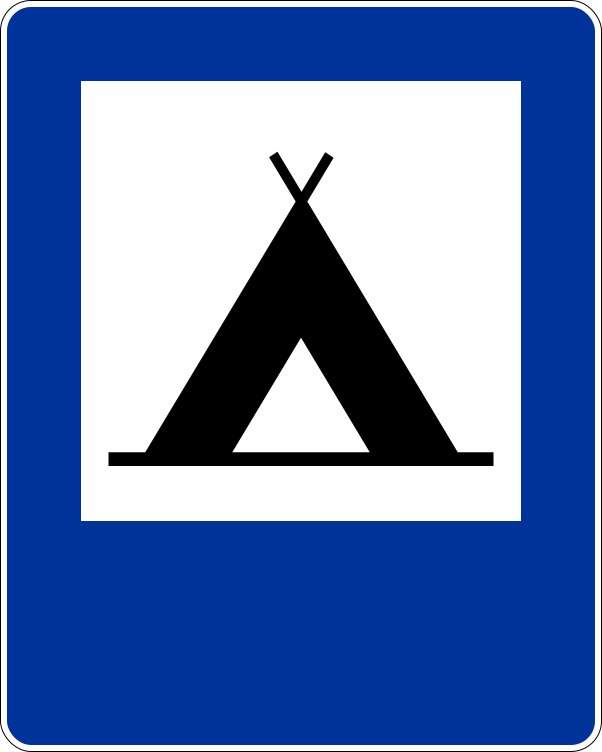
The D-30 sign means a designated camping site is ahead.
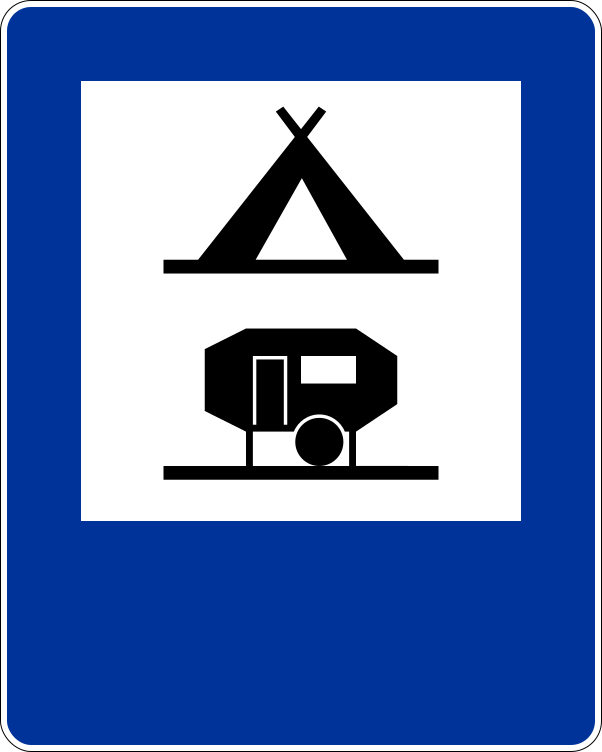
D-31 Road Sign: Indicates a Campsite with Electric Hookups Available
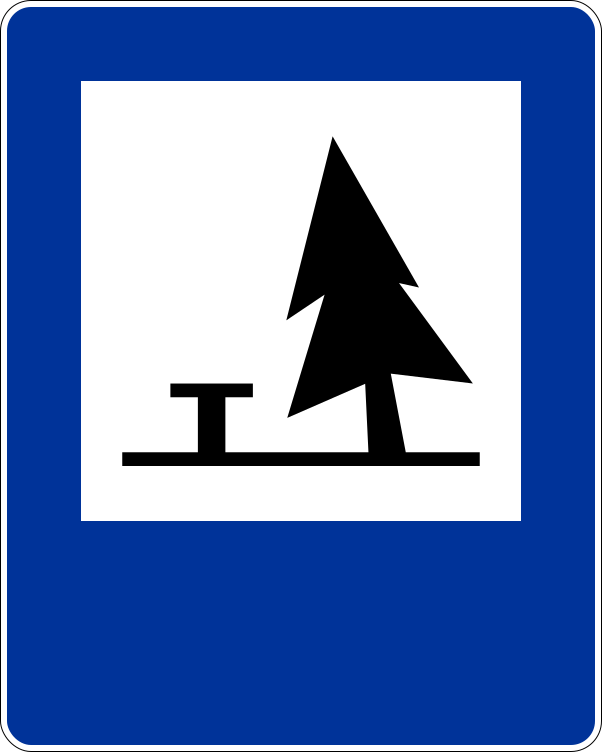
D-32 Bivouac Site sign: Your guide to basic overnight stays in nature.
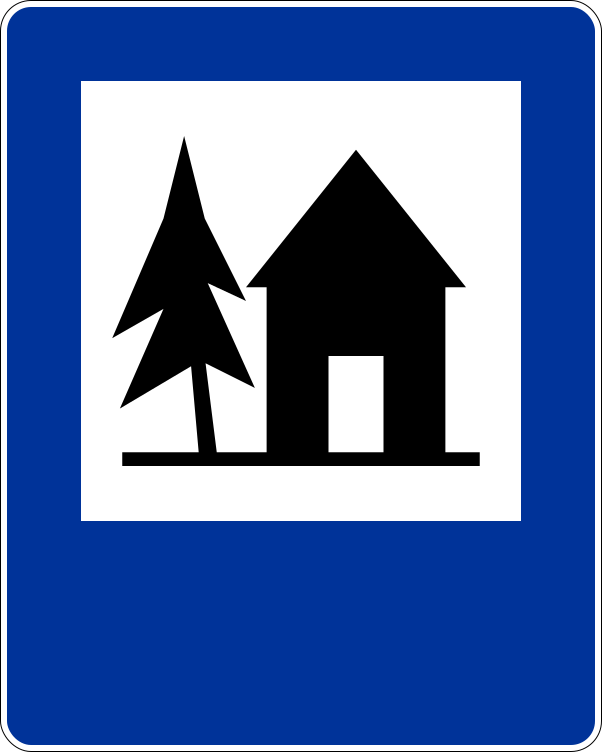
What does the D-33 Youth Hostel sign mean?
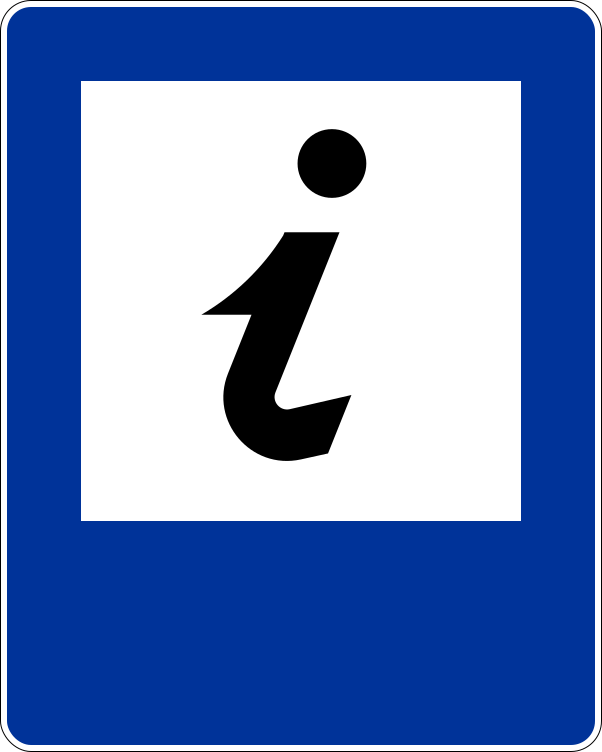
Look for the 'i' sign for Tourist Information and local guidance.
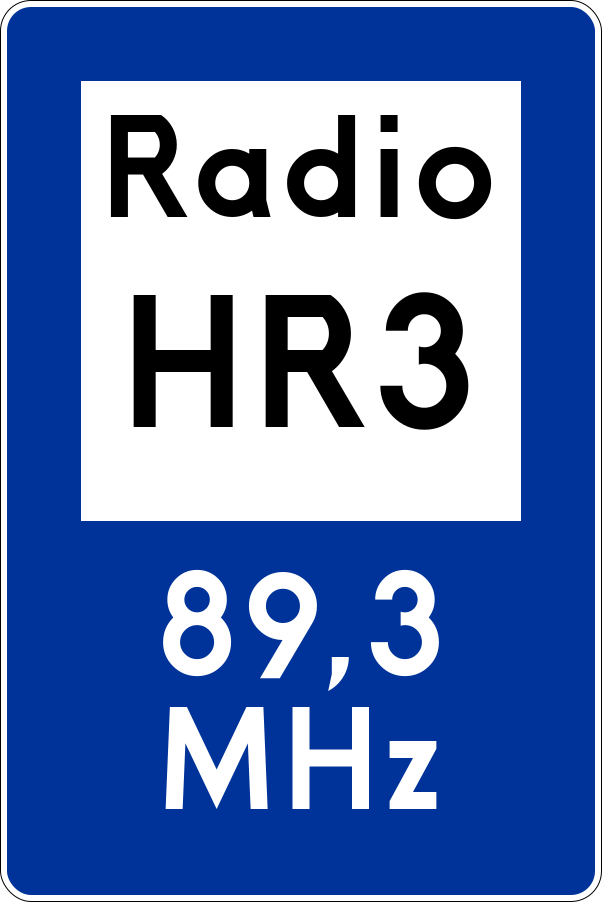
Tune into the D-34a sign for vital radio traffic information.
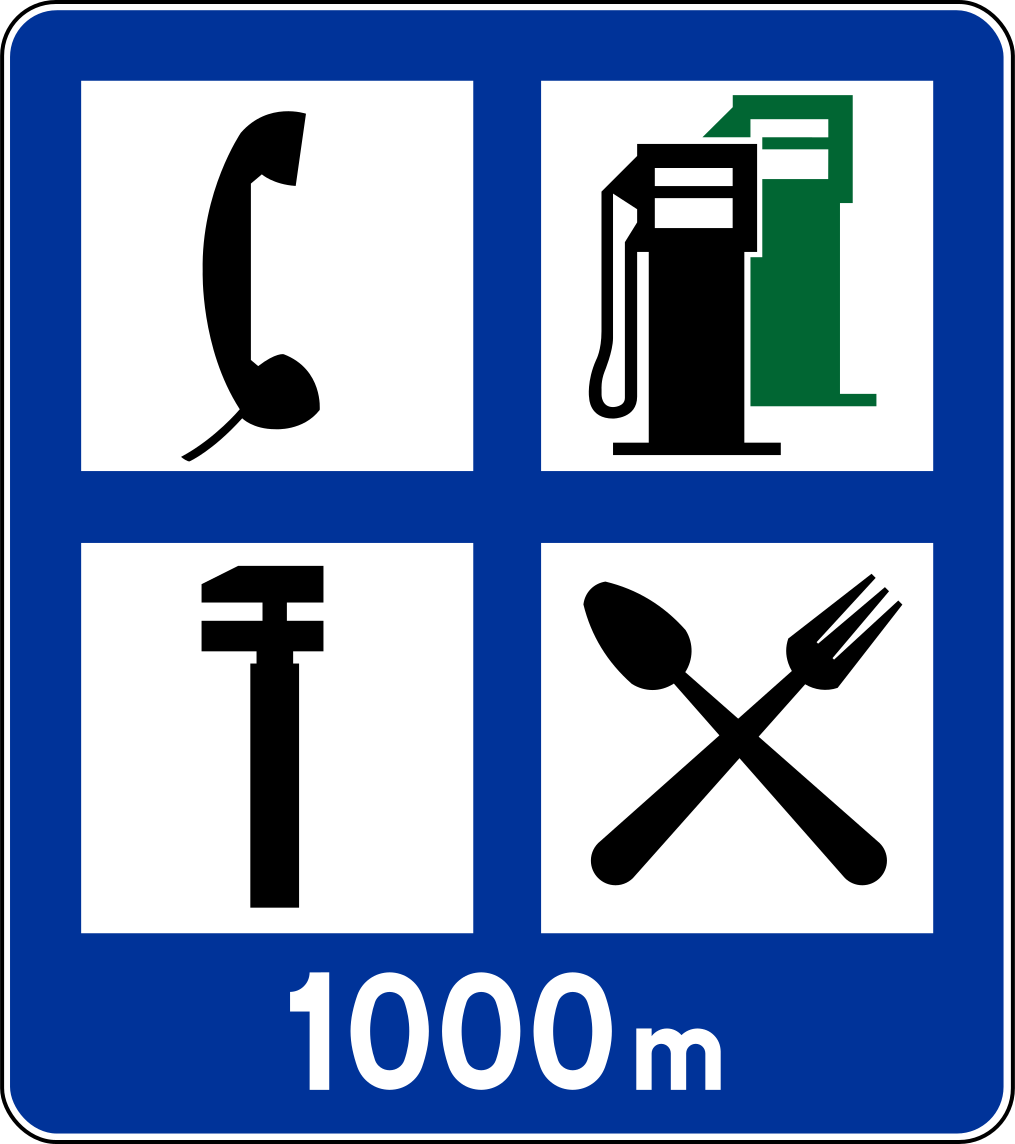
The D-34b Collective Information Board: Your Guide to Services Ahead
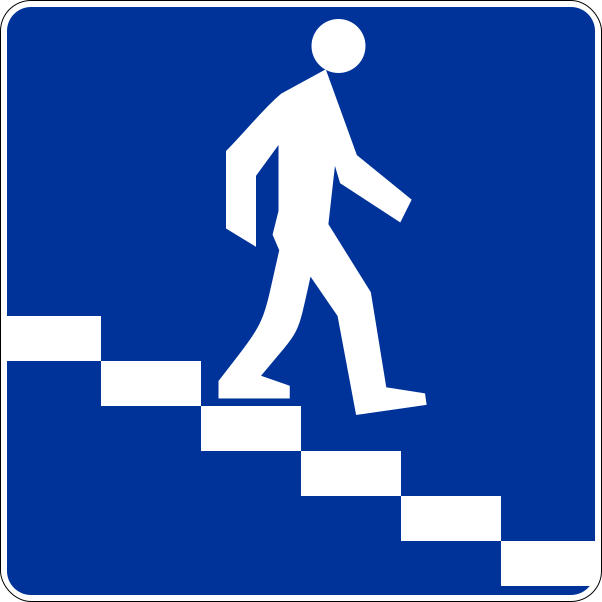
The D-35 sign indicates an underpass for pedestrians to safely cross busy roads.
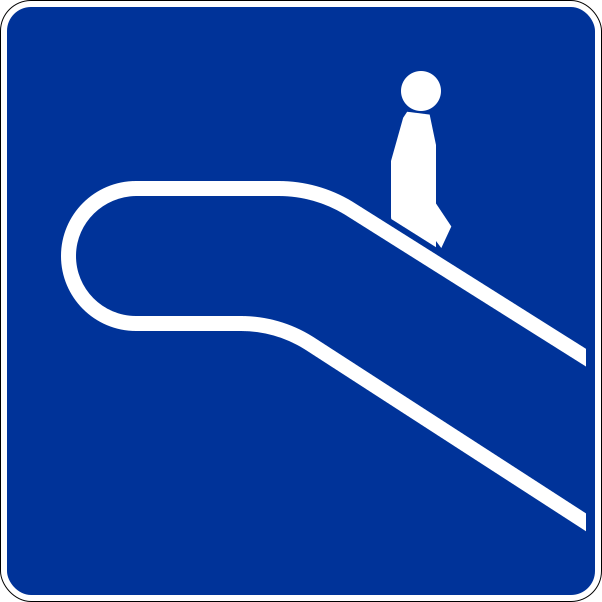
D-35a: Escalator Down – Signalling an Accessible Pedestrian Underpass
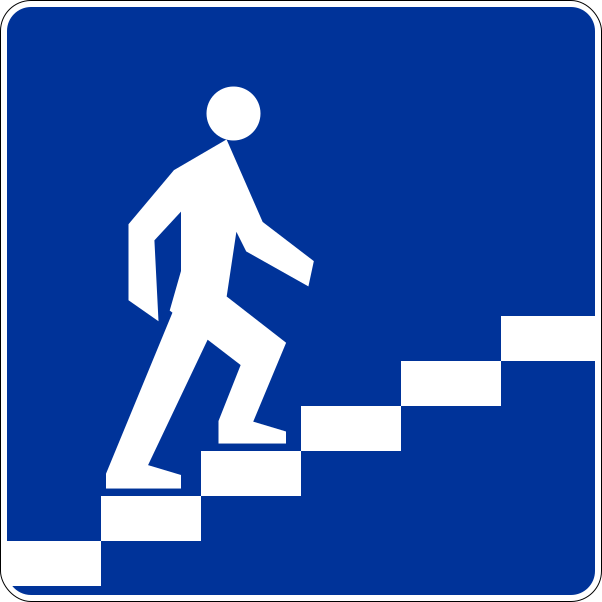
Understand the D-36 Pedestrian Overpass Sign in Poland
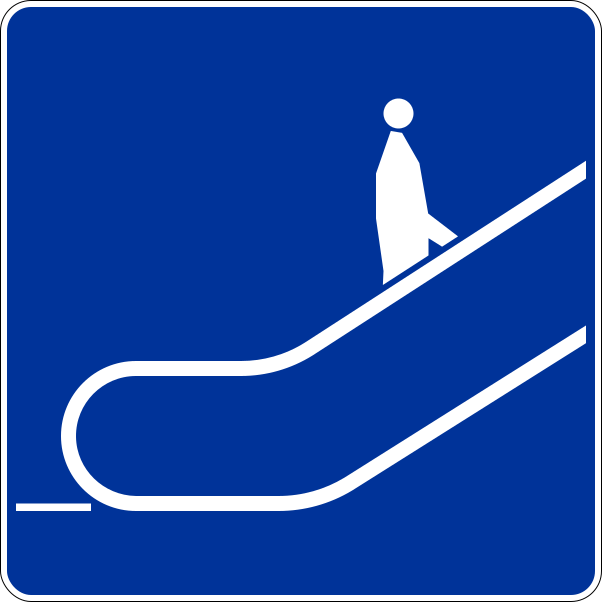
The D-36a sign indicates a pedestrian overpass with an upward escalator for easier crossing.
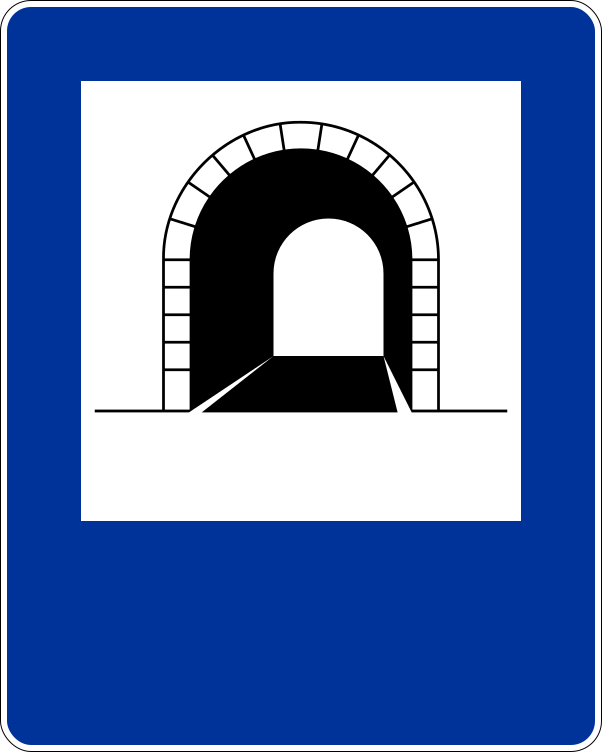
Prepare for tunnels: Understanding the D-37 Tunnel road sign.
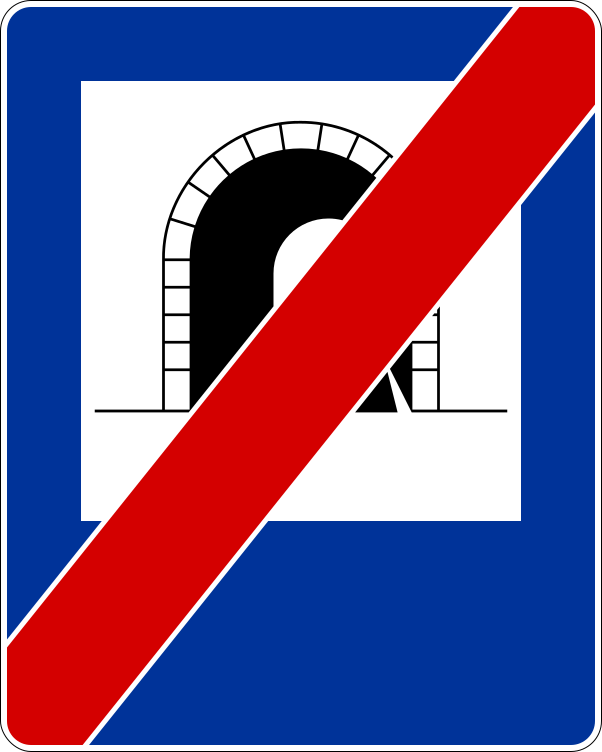
D-38: You're Exiting the Tunnel – Prepare for Changing Conditions!
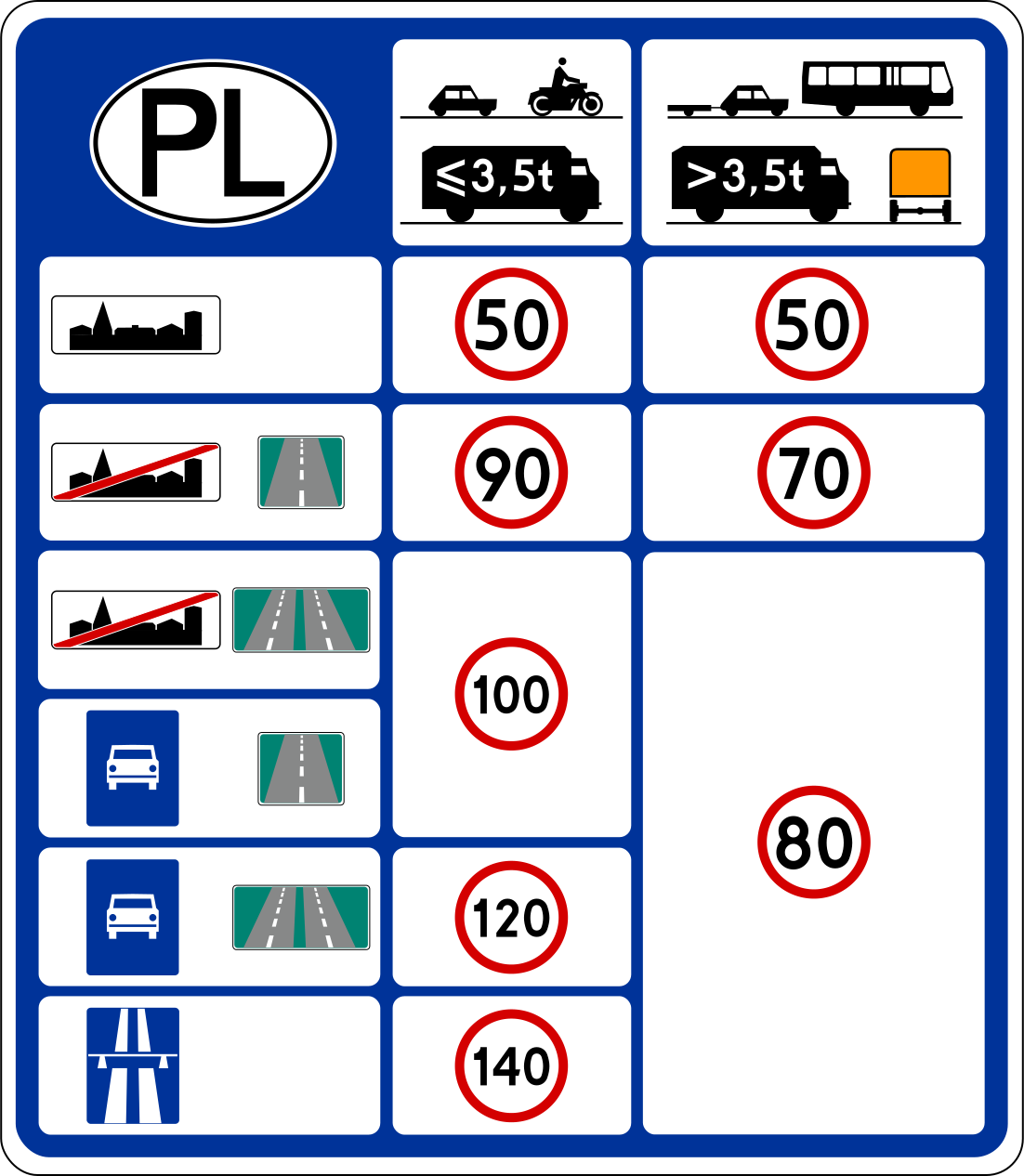
Master Poland's General Speed Limits with the D-39 Sign
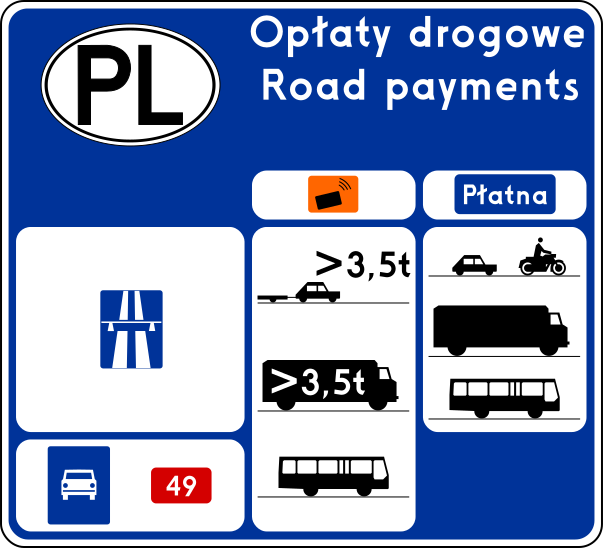
See the D-39a sign? It means you're approaching a toll road where payment is required.
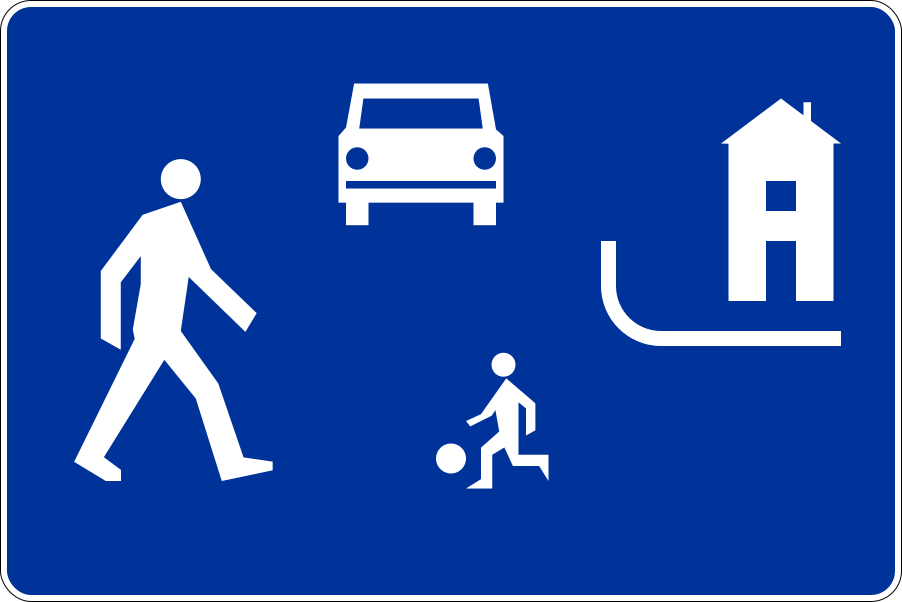
Entering a Residential Area (D-40): Pedestrians Rule, Speed is 20 km/h!
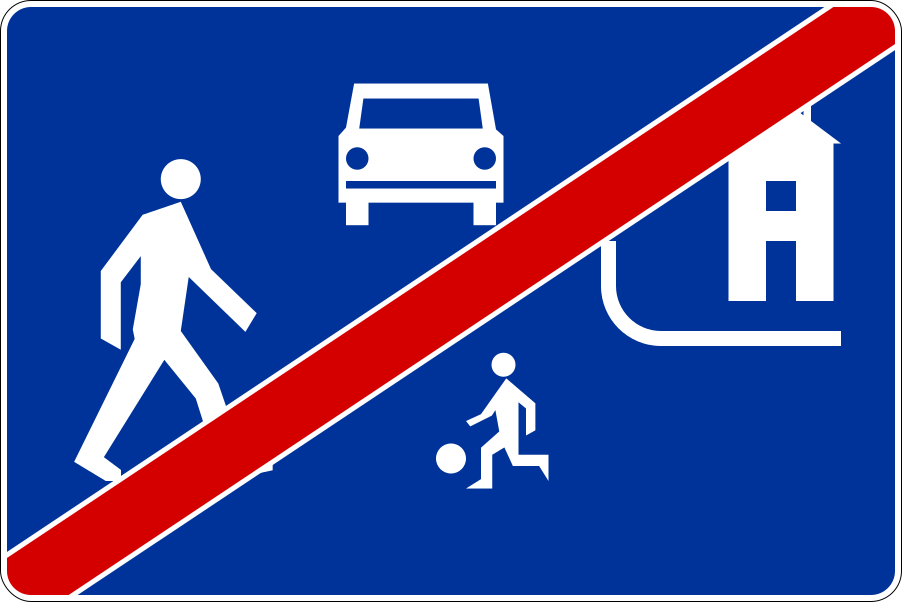
Prepare to rejoin traffic: the D-41 sign marks the end of a residential area.
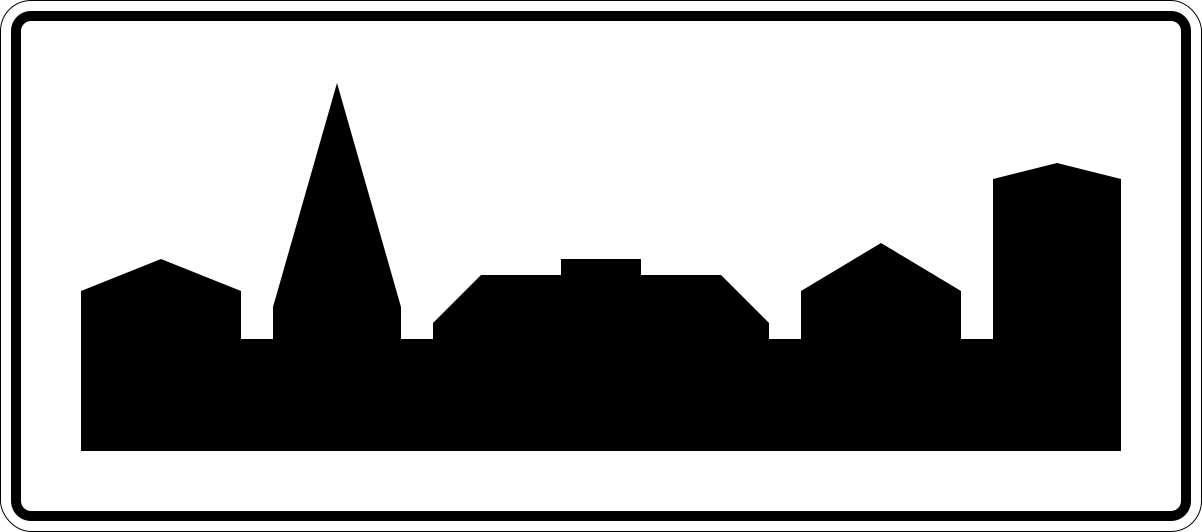
The D-42 'Built-up Area' sign marks the start of a town or city with a 50 km/h speed limit.
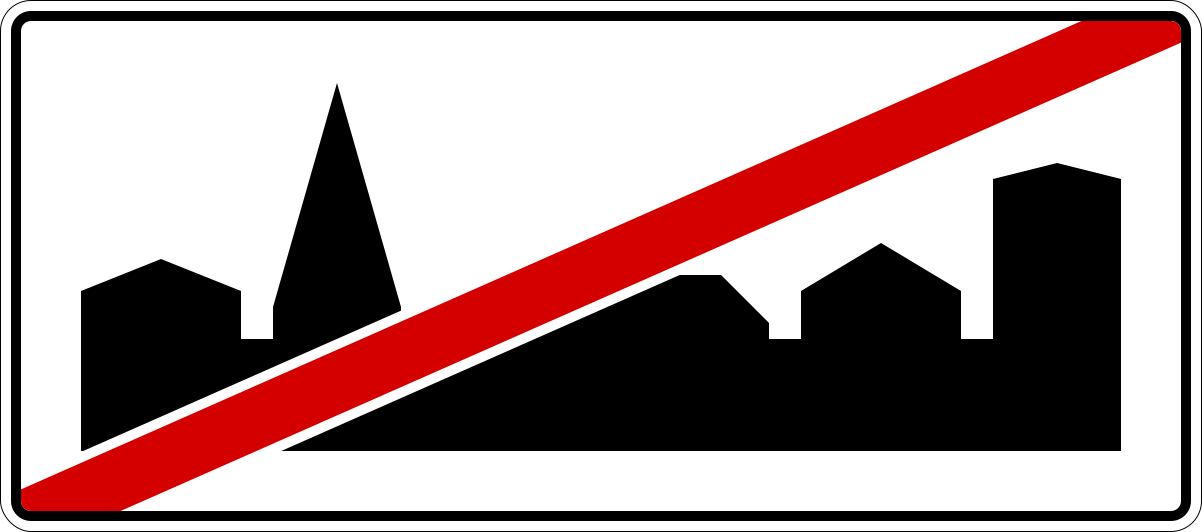
The D-43 Sign Means You're Leaving the Built-up Area, and the Speed Limit Changes!
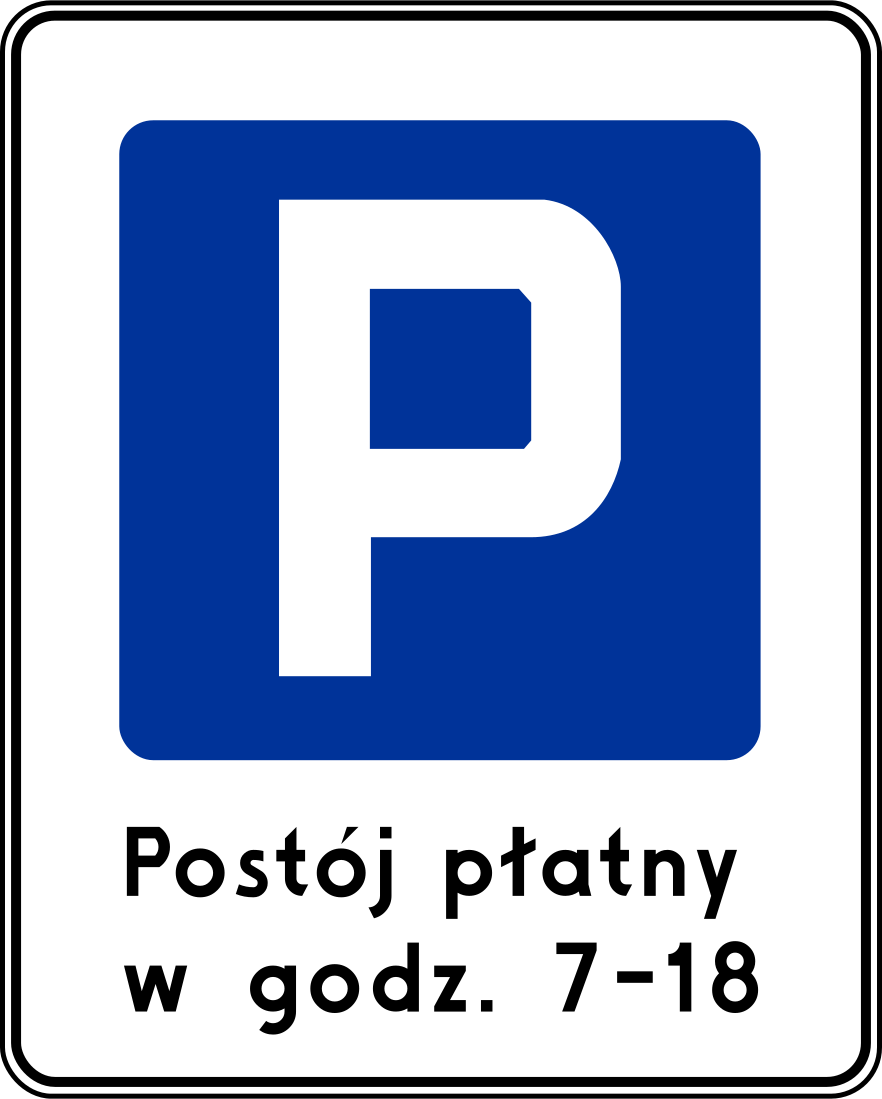
Enter the D-44 Paid Parking Zone and know you need to pay to park.
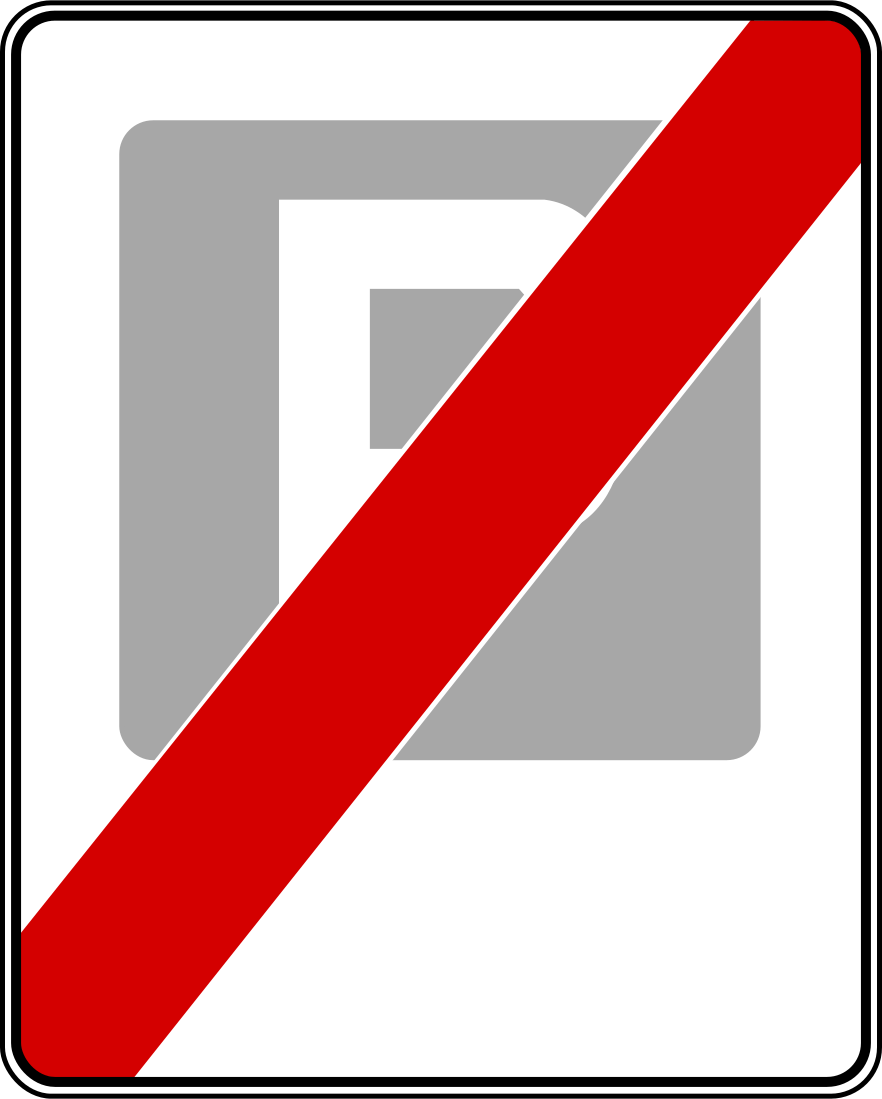
You are now leaving the paid parking zone with the D-45 sign.
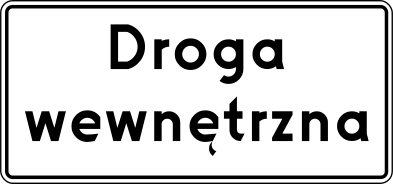
D-46 Internal Road Sign: Understanding Non-Public Road Rules
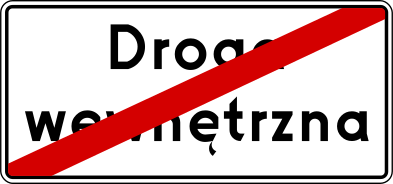
D-47 Sign: You're leaving a private road, so yield to public traffic!
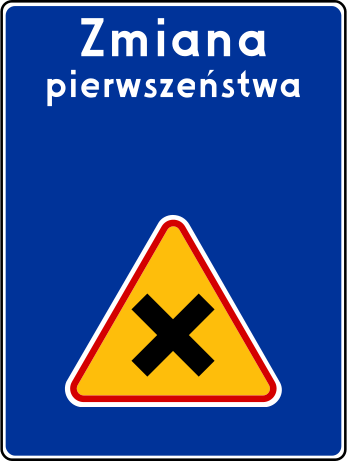
The D-48 'Change of Priority' sign means the intersection rules have been updated.
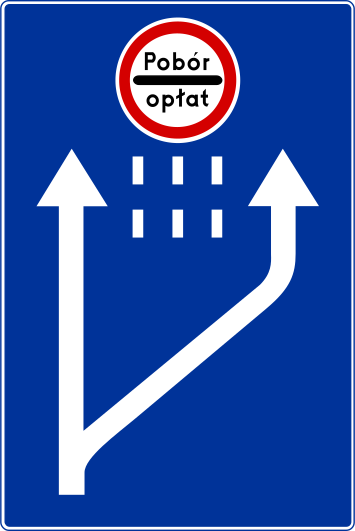
Understand the D-49 Sign: Approaching a Toll Collection Point
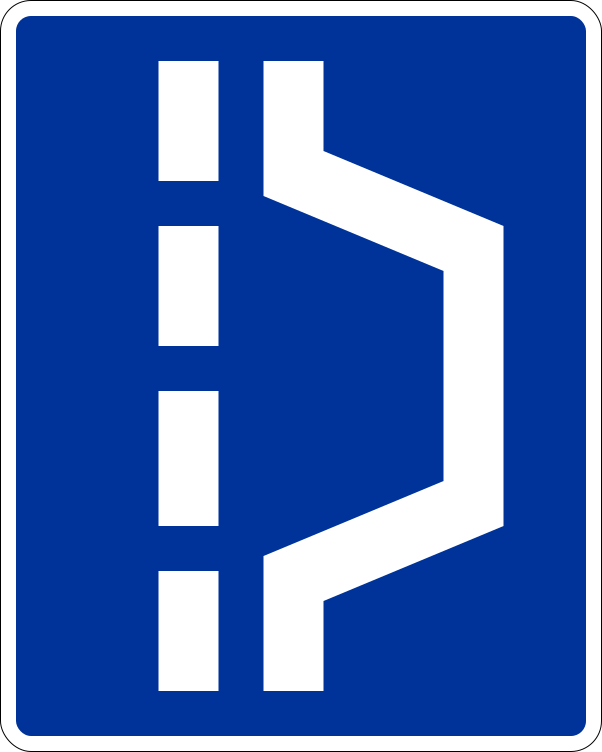
The D-50 sign indicates an Emergency Bay for breakdowns and urgent stops.
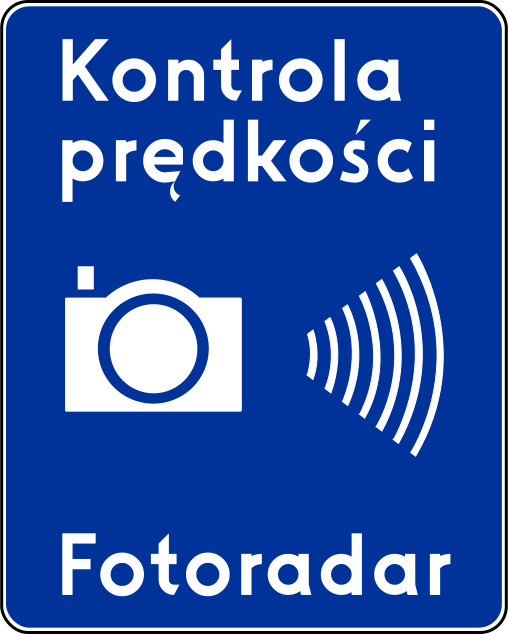
Beware of the D-51 Speed Camera Sign: Automated Speed Monitoring Ahead!
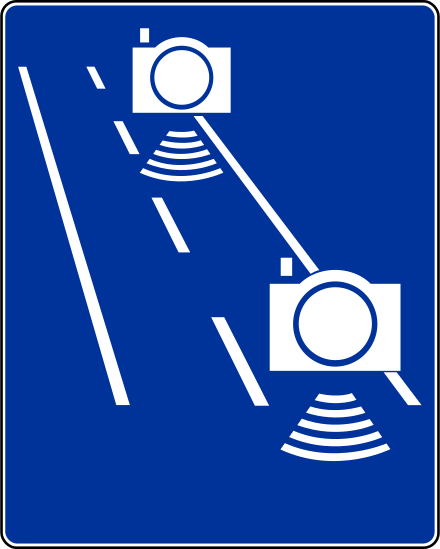
Prepare for Average Speed Checks with the D-51a 'Start' Sign
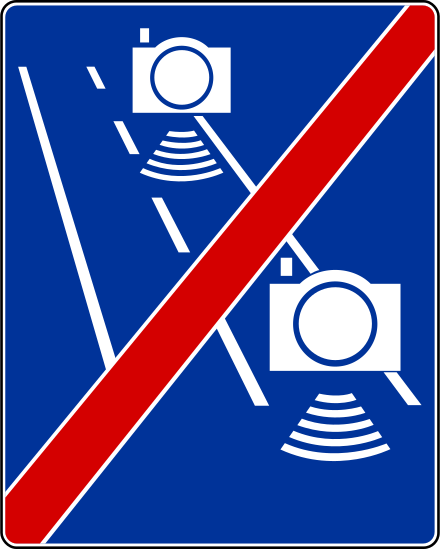
You've passed the average speed check zone: The D-51b sign signals the end of monitoring.
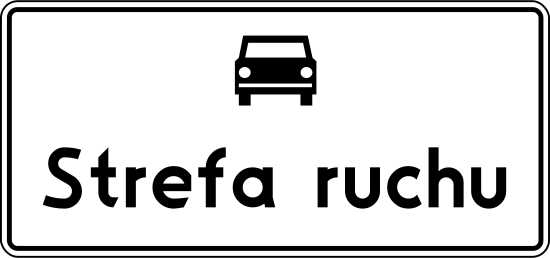
The D-52 Traffic Zone sign means public road rules apply even on private property.
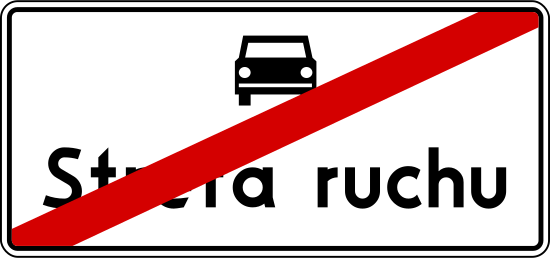
D-53: You are leaving an enforced traffic zone and rejoining public roads.
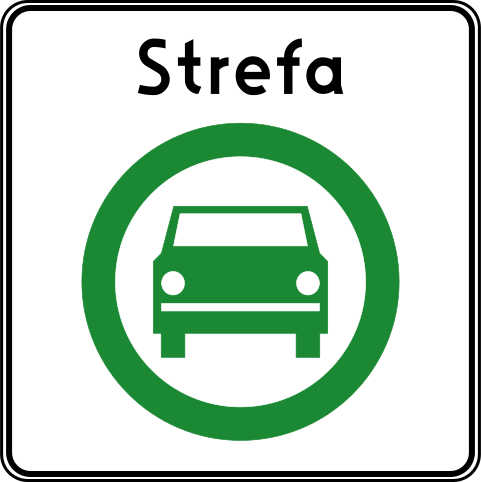
The D-54 sign indicates the entrance to a Clean Transport Zone, restricting entry based on vehicle emissions.
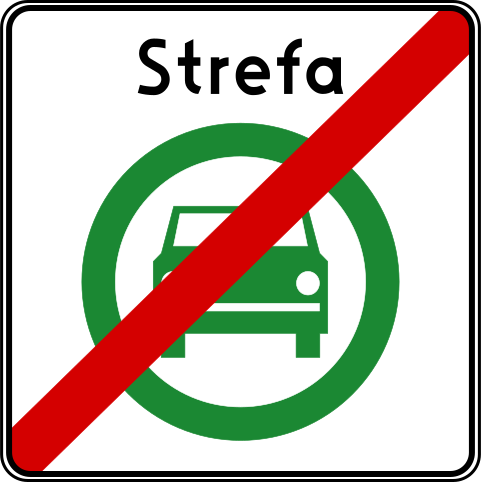
You're leaving the Clean Transport Zone: This is the D-55 'End of Zone' sign.
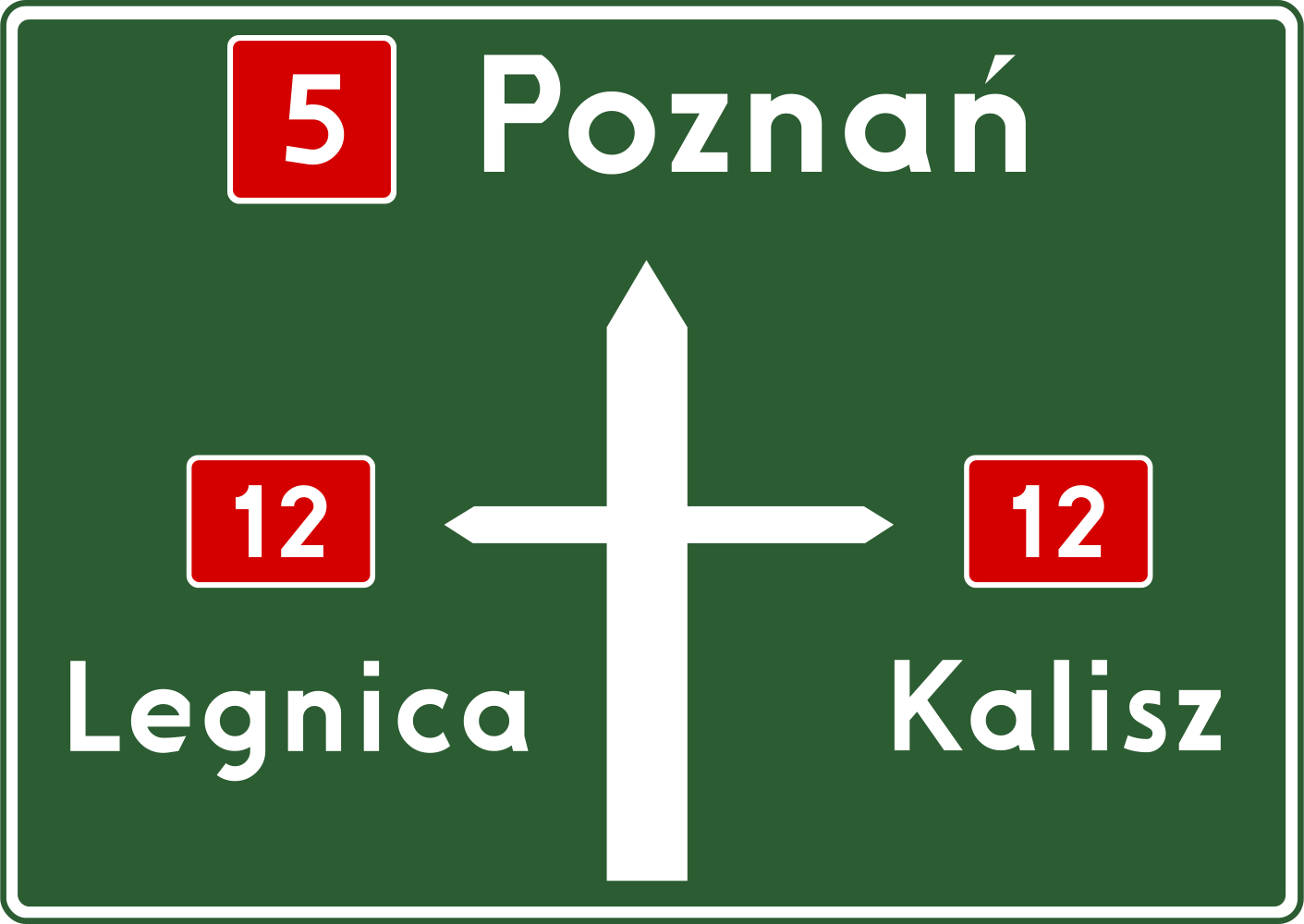
Prepare for Junctions with the E-1 Advanced Direction Sign
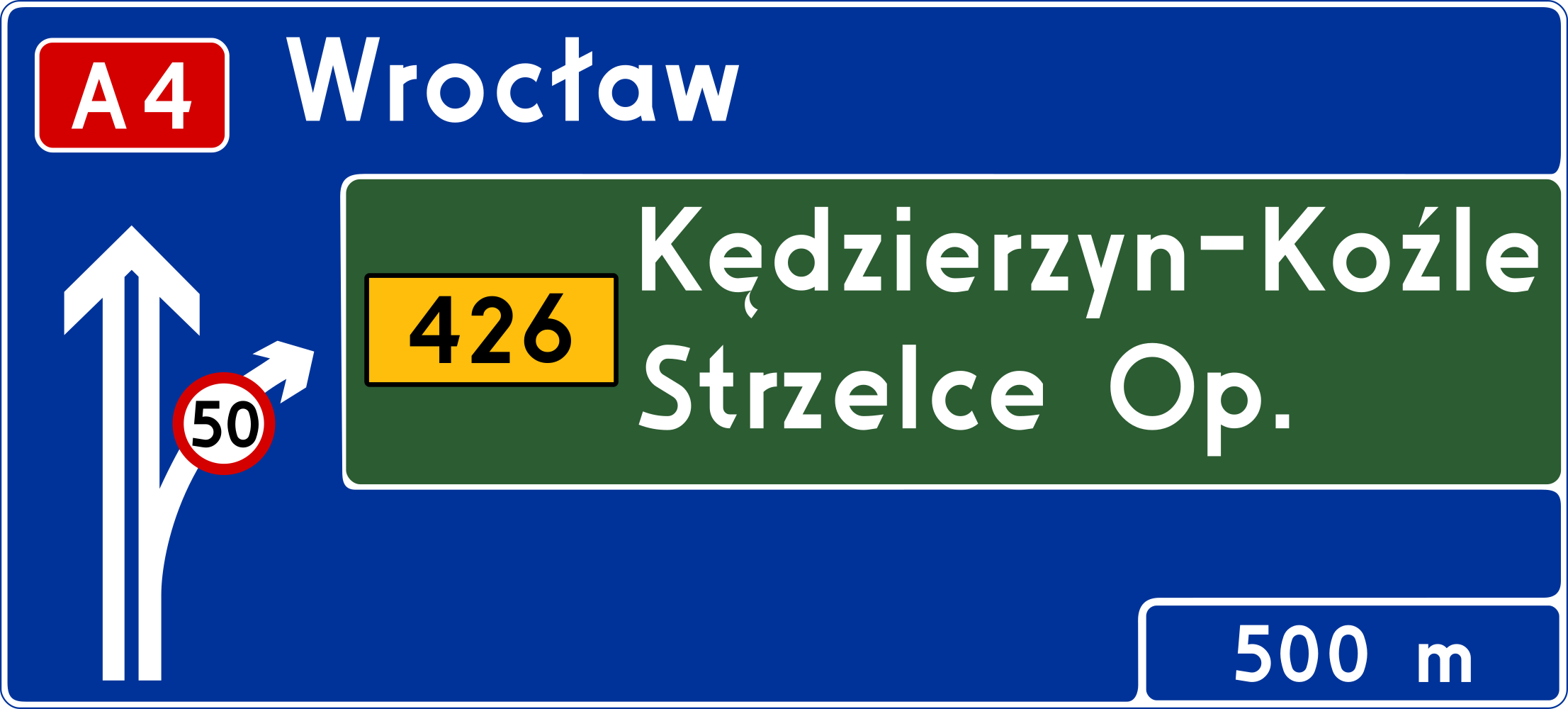
Prepare for Motorway Exits with the E-1a Advanced Direction Sign
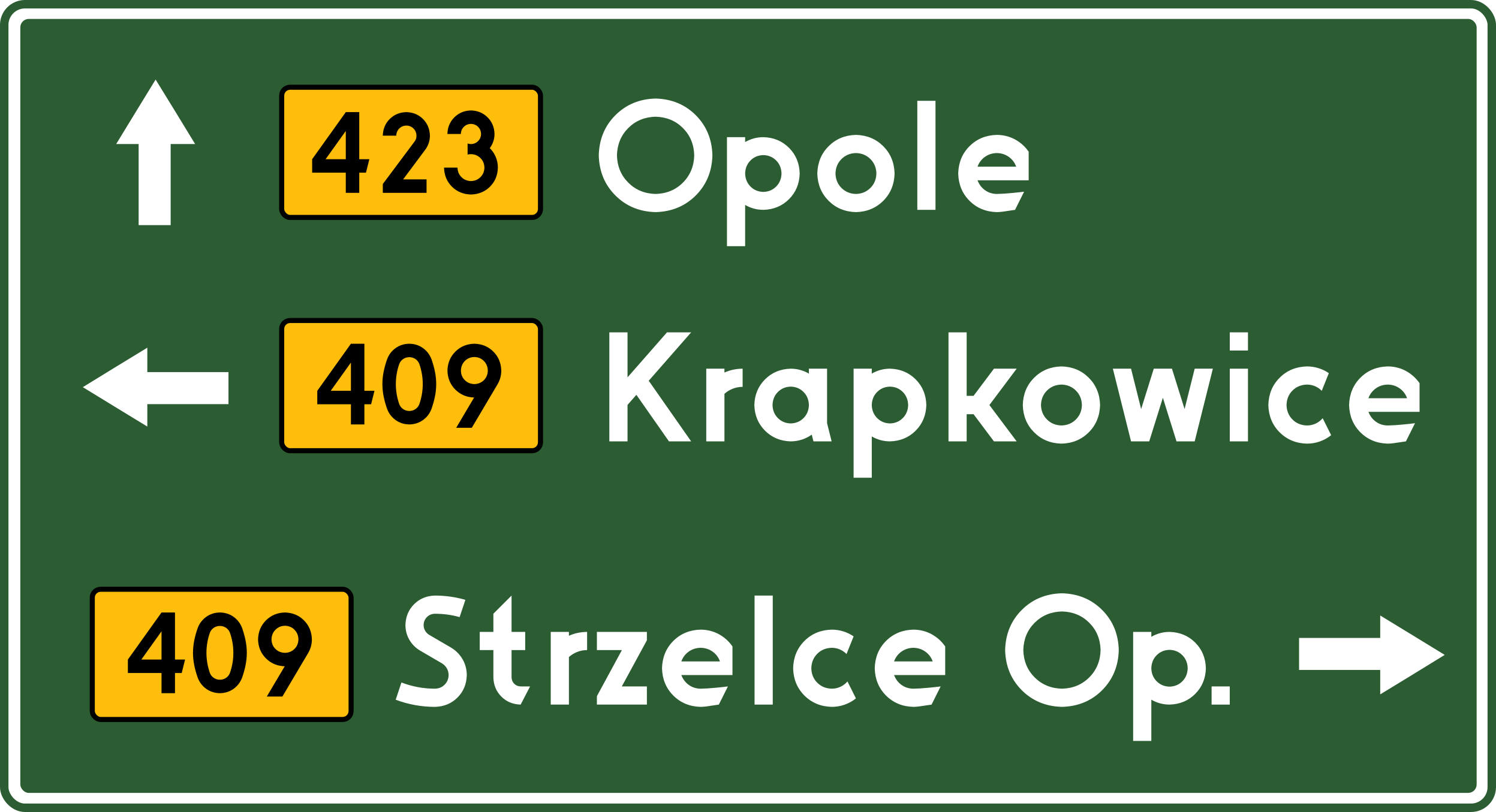
Follow the E-2a Direction Sign for Town and District Navigation.

Understand the E-2b Overhead Direction Sign for Lane-Specific Navigation

Navigate Polish Motorways Safely with the E-2d Overhead Direction Sign
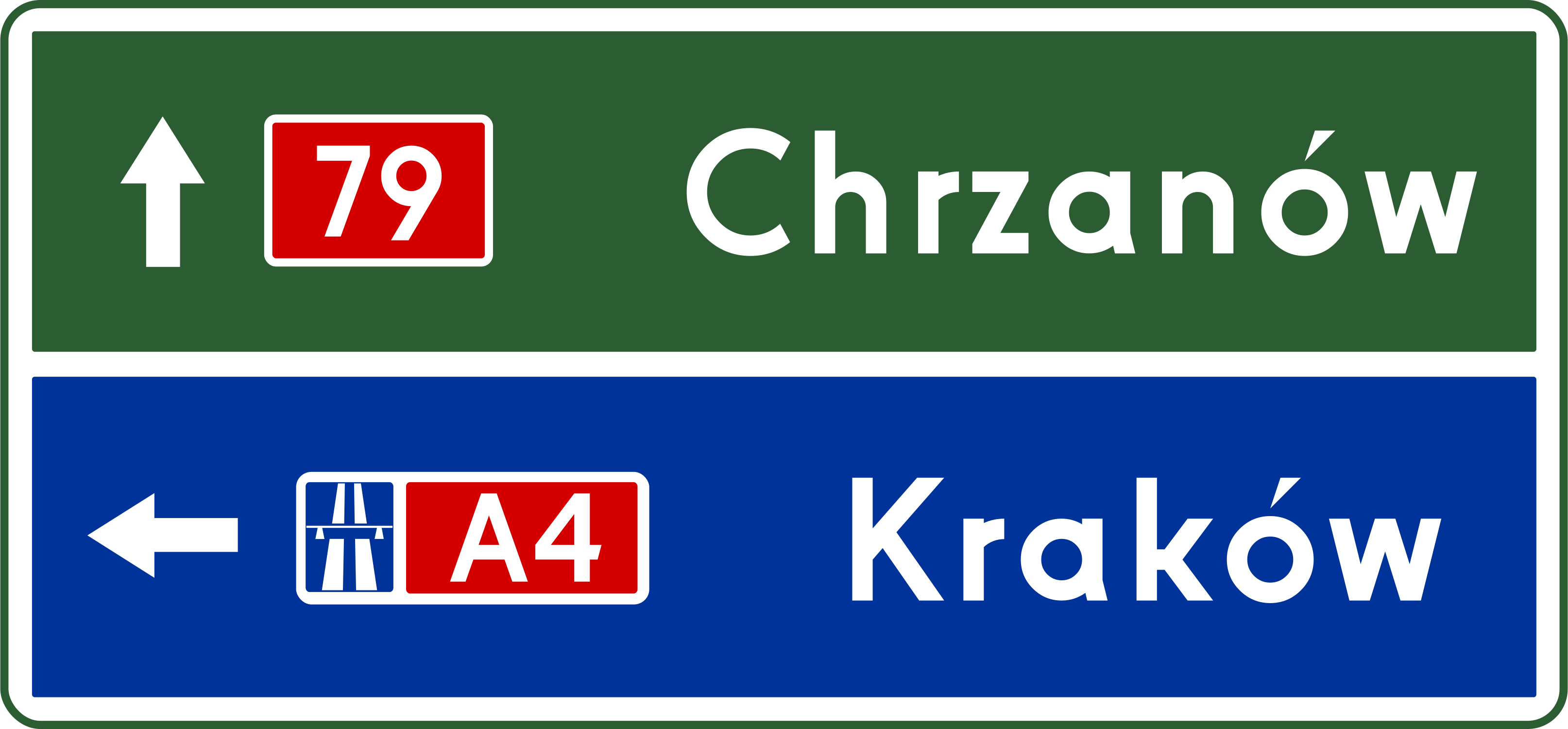
Navigate Motorway Entrances Safely with the E-2e Direction Sign
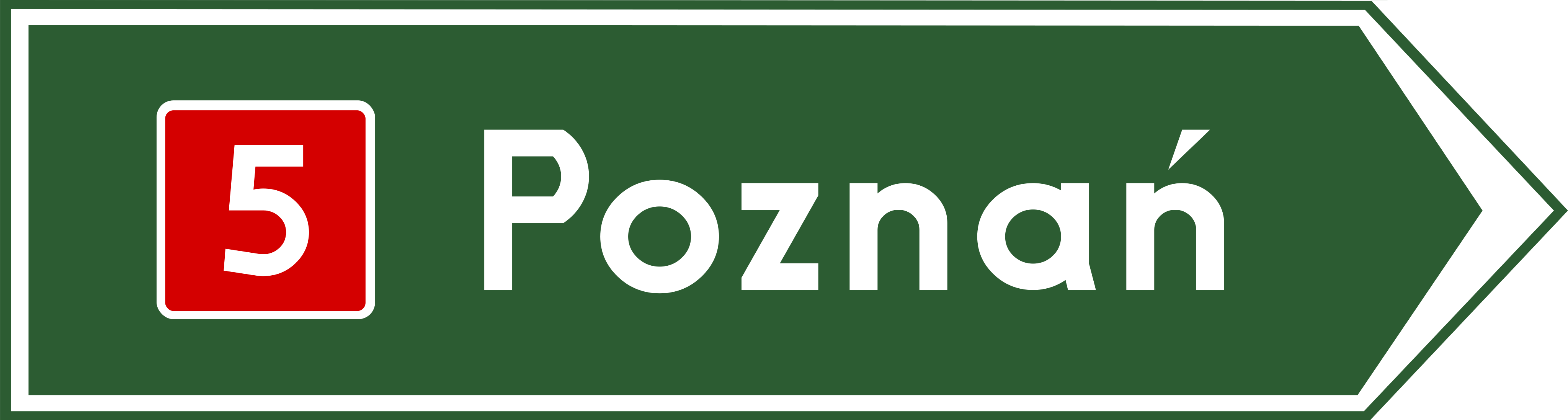
E-3 Arrow Sign: Follow the Road Number to Your Destination

Navigate Smarter with the E-4 Arrow Sign indicating destination distance
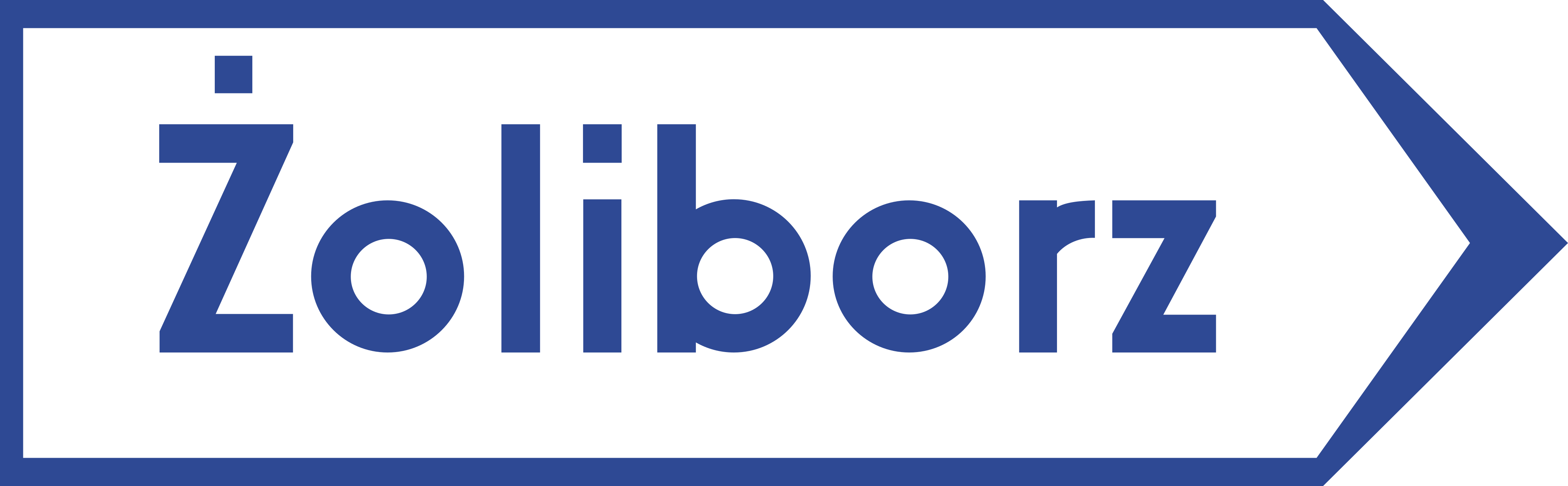
Navigate with the E-5 Direction Sign without Distance for essential guidance.
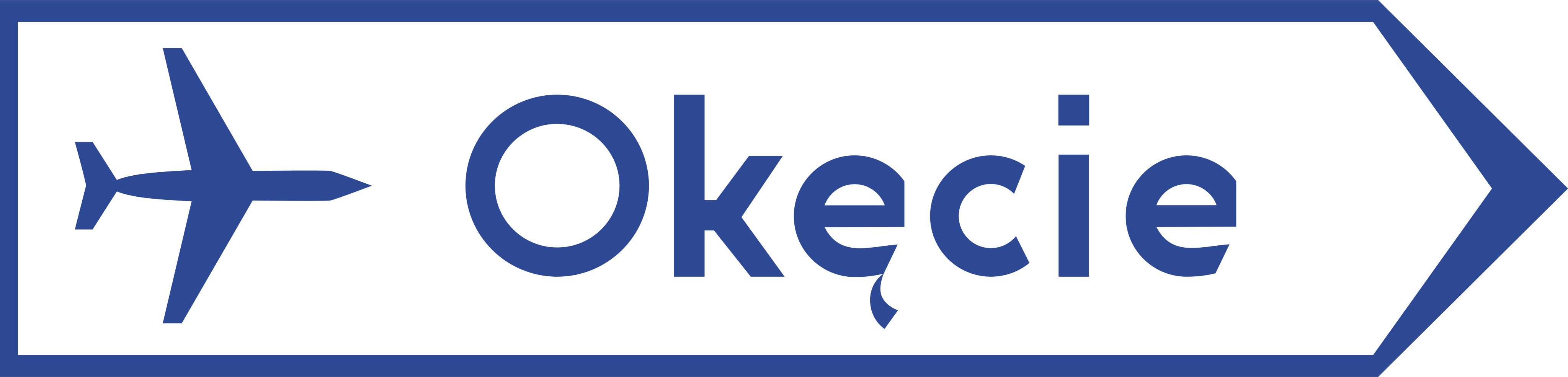
Follow the E-6 sign to find your way to the airport.
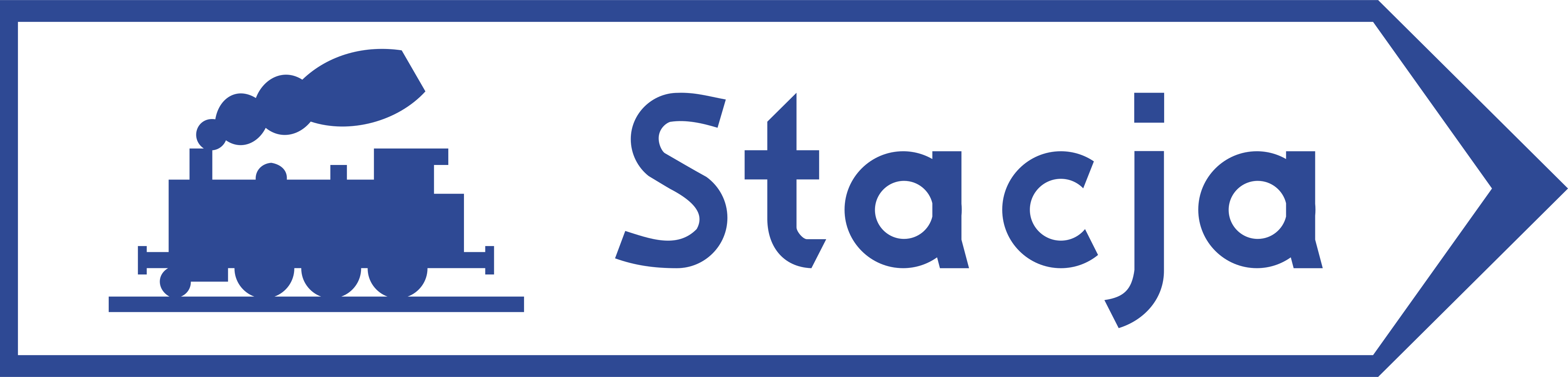
Follow the E-6a sign to find the railway station.

E-6b: Follow this sign to find the main bus station.

Follow the E-6c sign for directions to the ferry terminal.
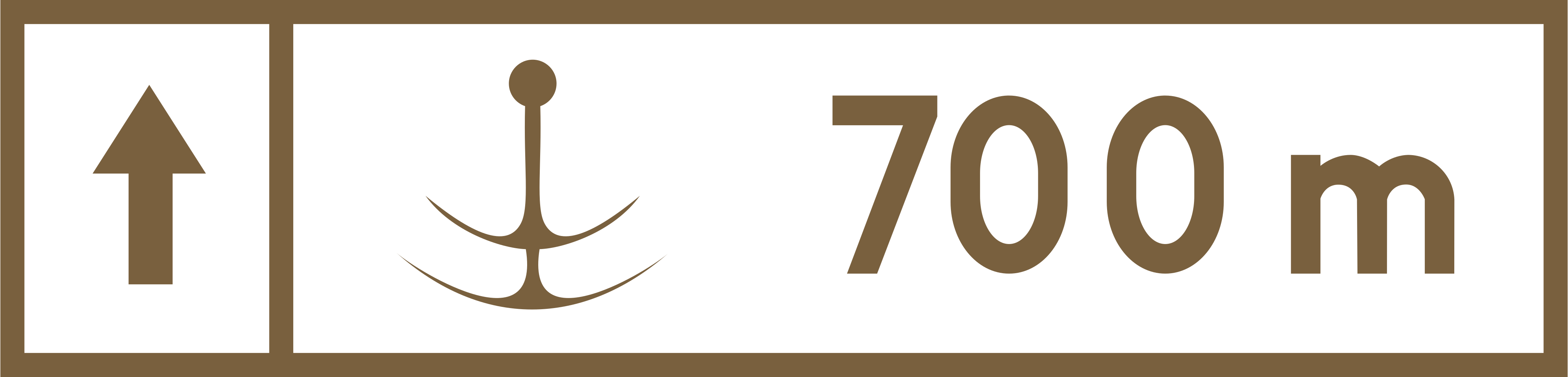
Follow the E-7 sign to discover marinas and sailing centers.

Follow the E-8 sign to find your way to the nearest beach or swimming area.
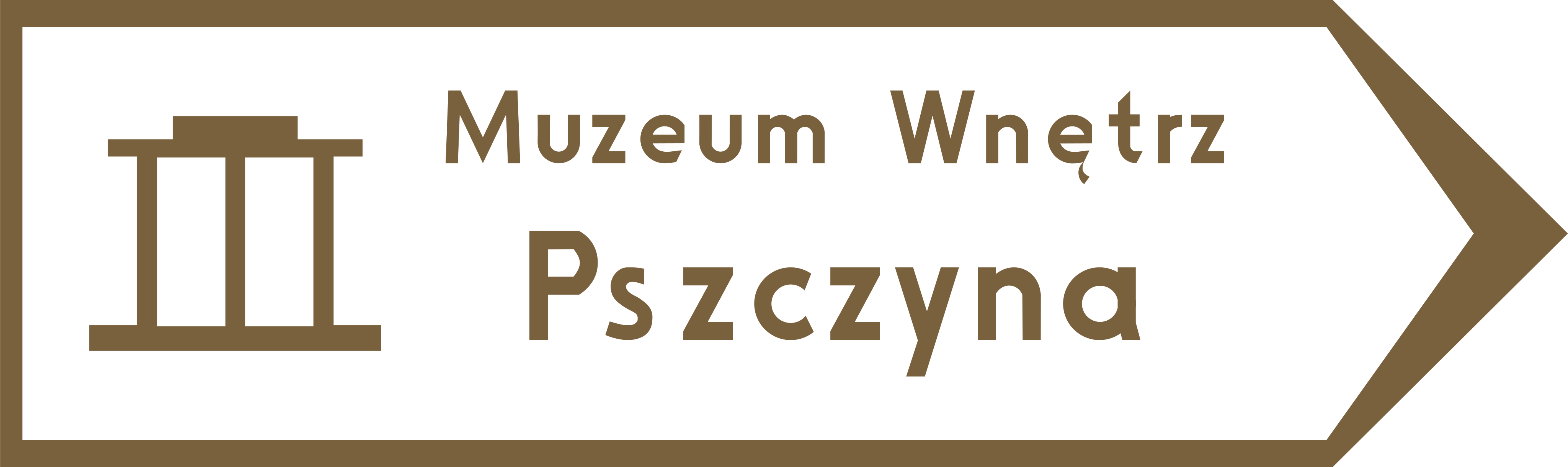
Follow the E-9 sign to find museums and cultural sites, including UNESCO heritage locations.
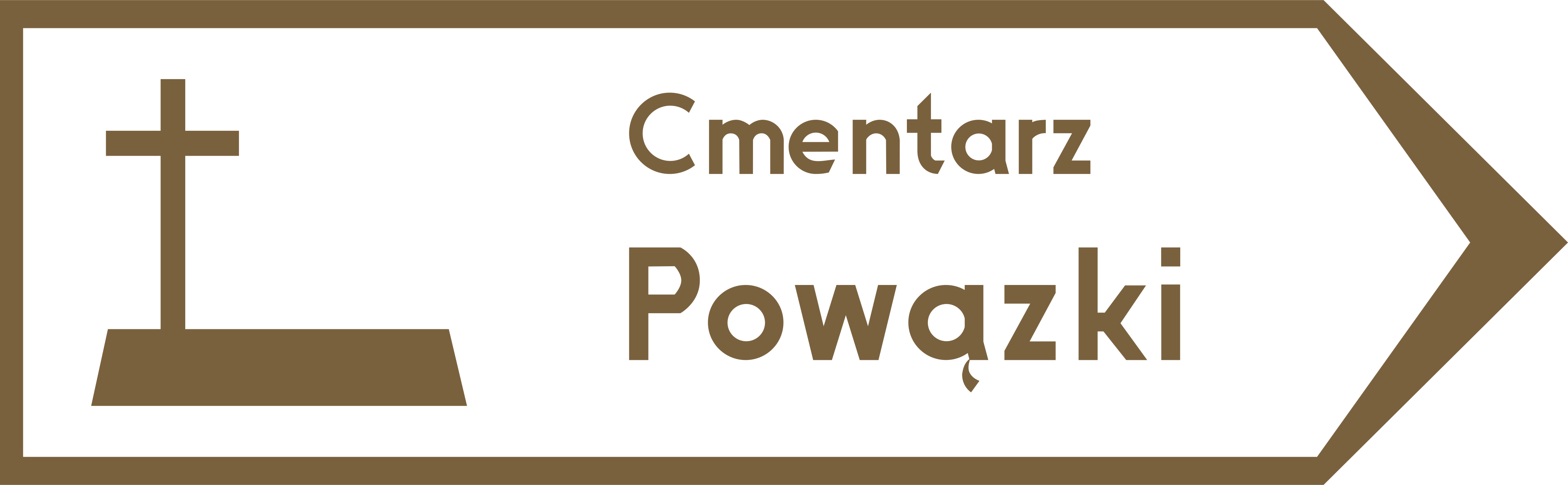
Follow the E-10 sign to discover Poland's cultural treasures.

Follow the E-11 sign to discover Poland's natural wonders.
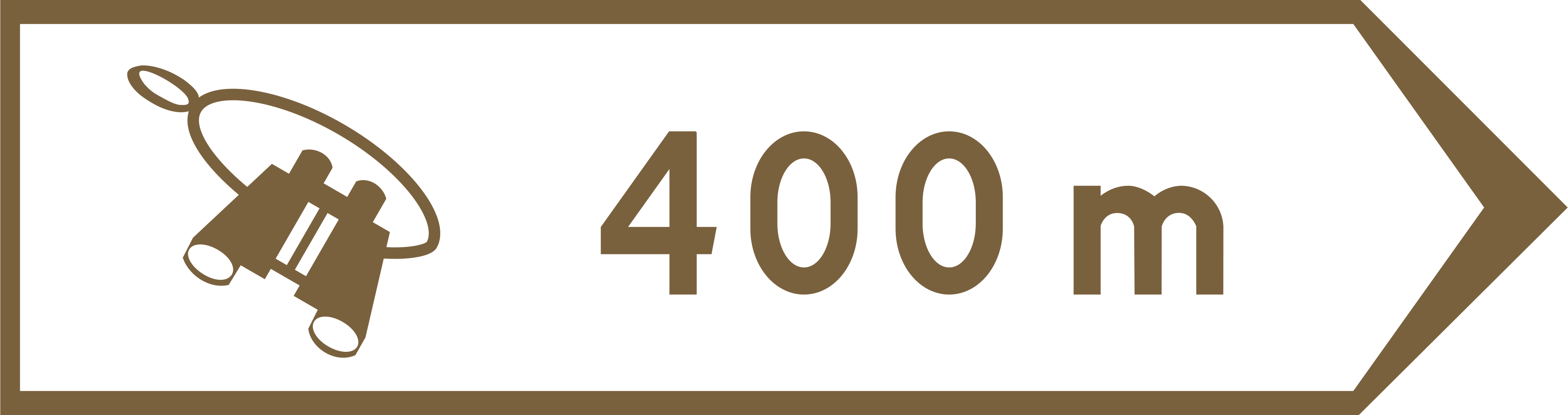
Understand the E-12 'Direction to Viewpoint' Sign and Find Scenic Spots Safely
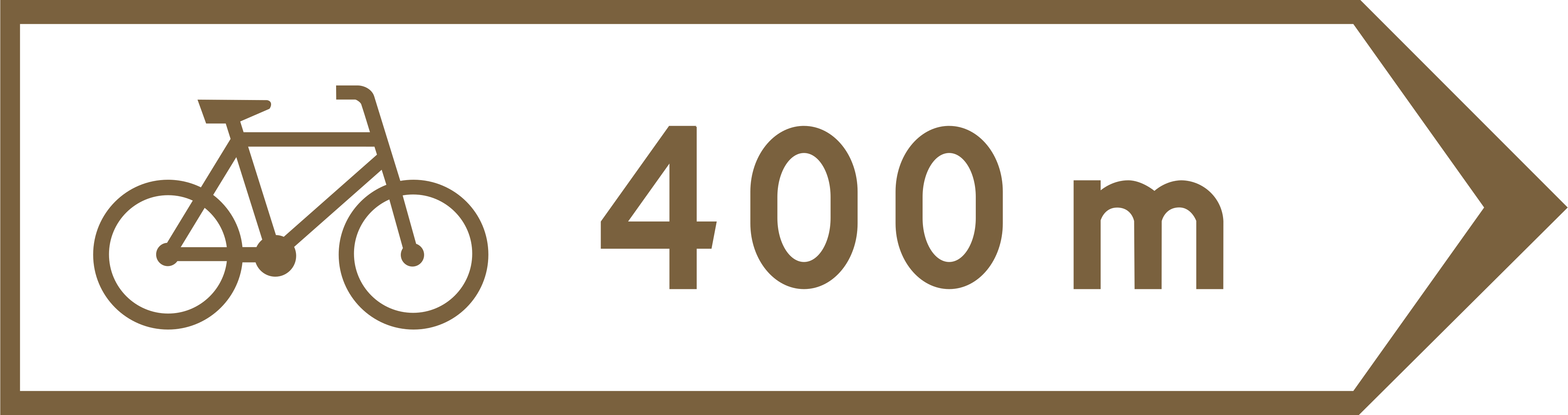
Follow the E-12a sign to find designated cycling routes.
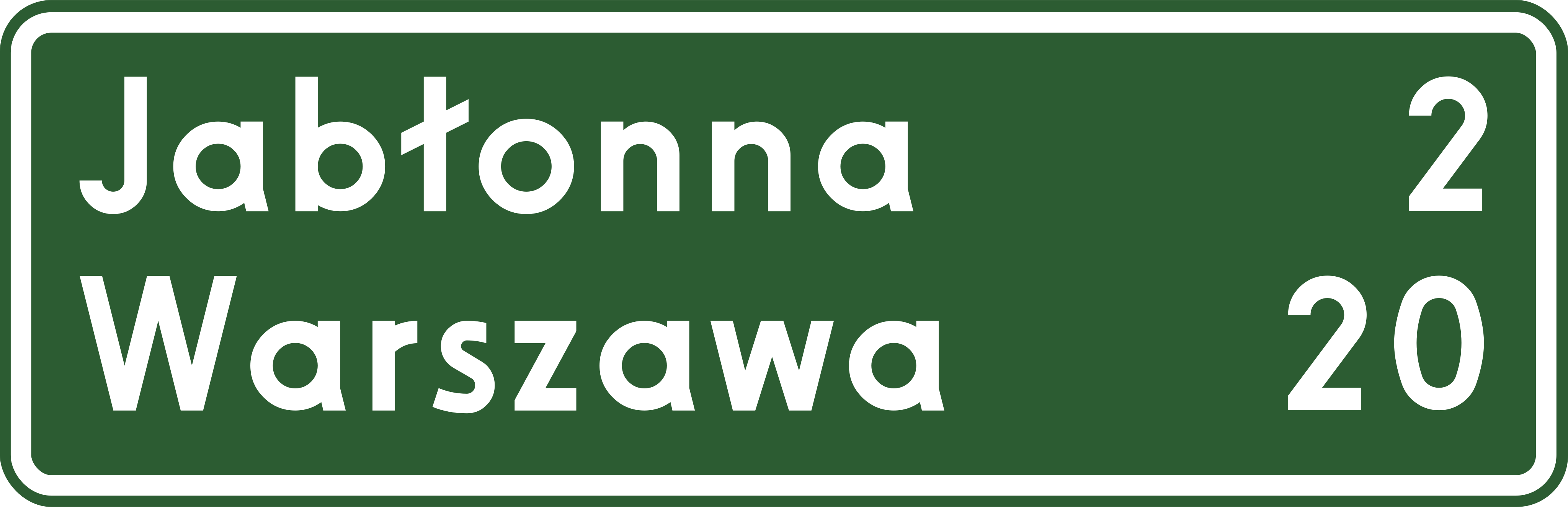
Master the E-13 Direction Board sign for clear route guidance.
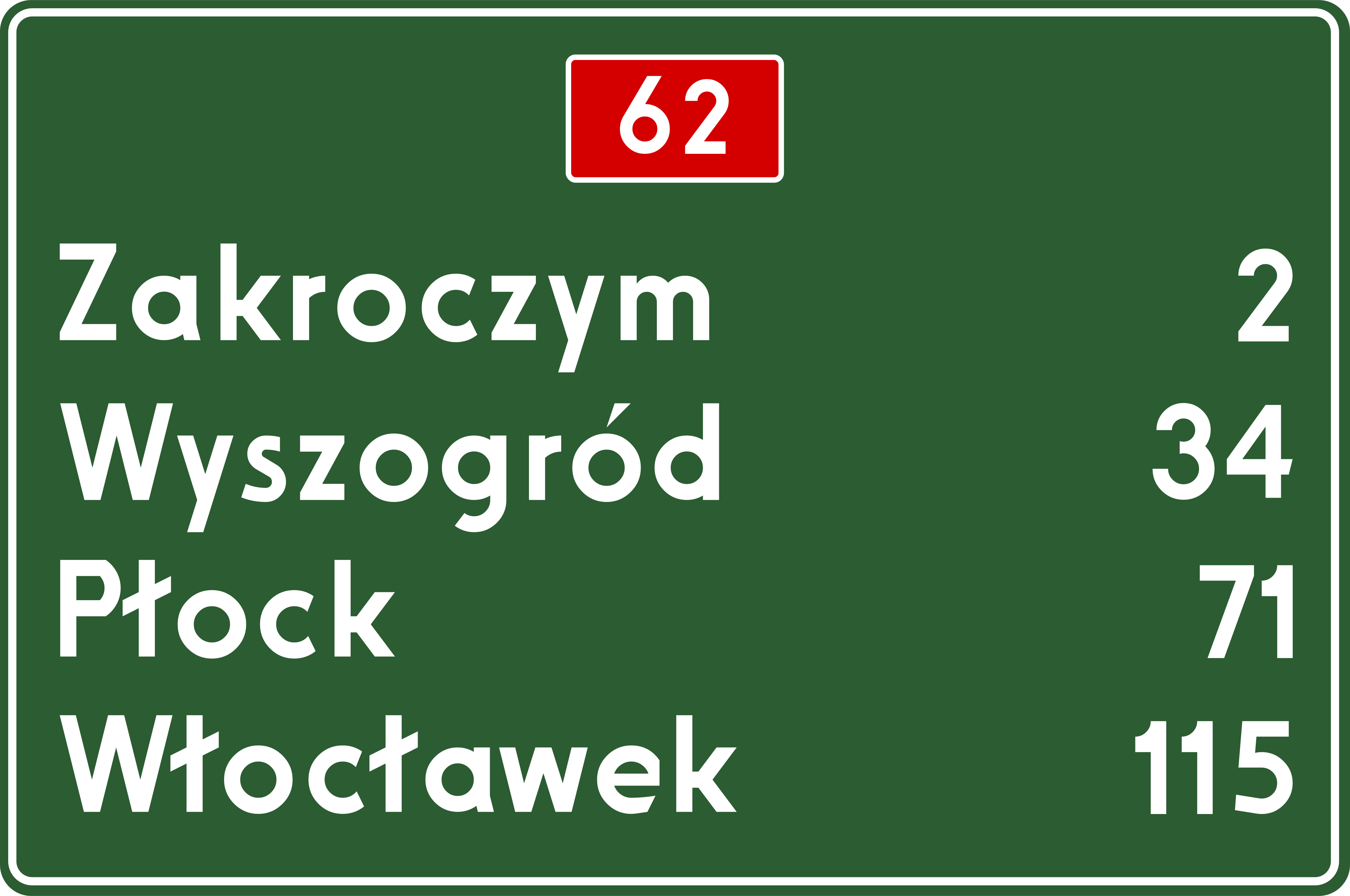
The E-14 Road Route Board confirms you're on the right path with distances to major cities.
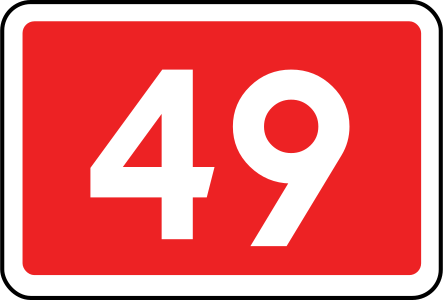
The E-15a Sign Clearly Identifies Poland's National Roads
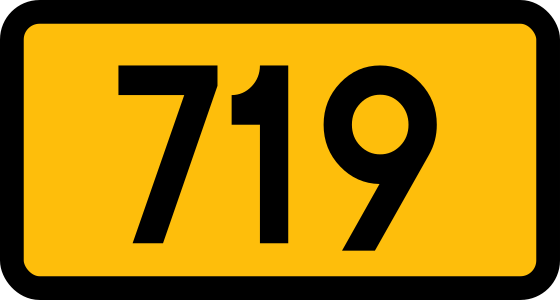
The E-15b Sign: Identifying Voivodeship (Provincial) Roads in Poland
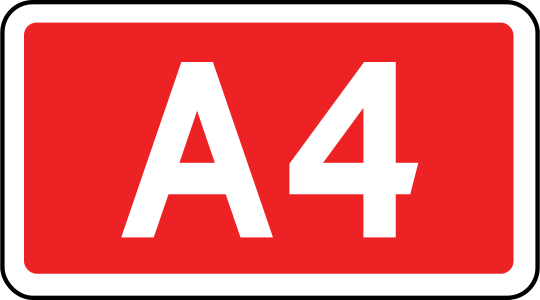
The E-15c Sign: Your Guide to Polish Motorway Numbers
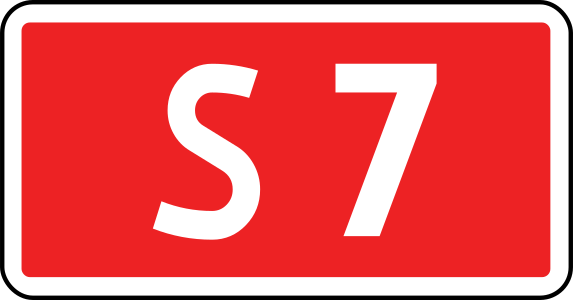
E-15d: Navigate Poland's Expressways with the Expressway Number Sign
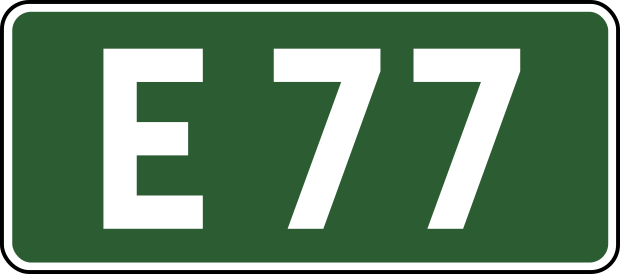
Navigate Europe with the E-16 International Route Number Sign
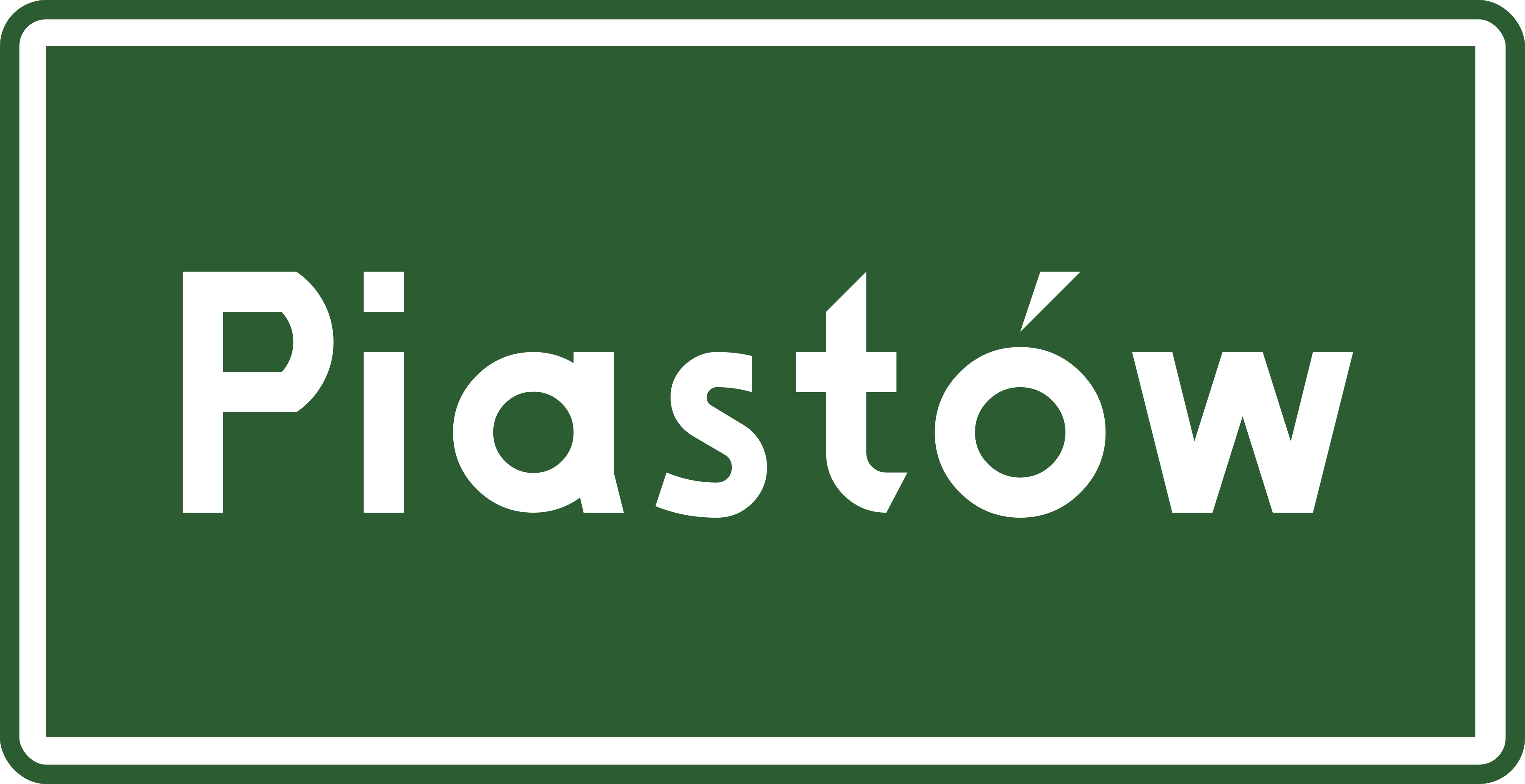
The E-17a Sign: You're Entering a Town or Village!
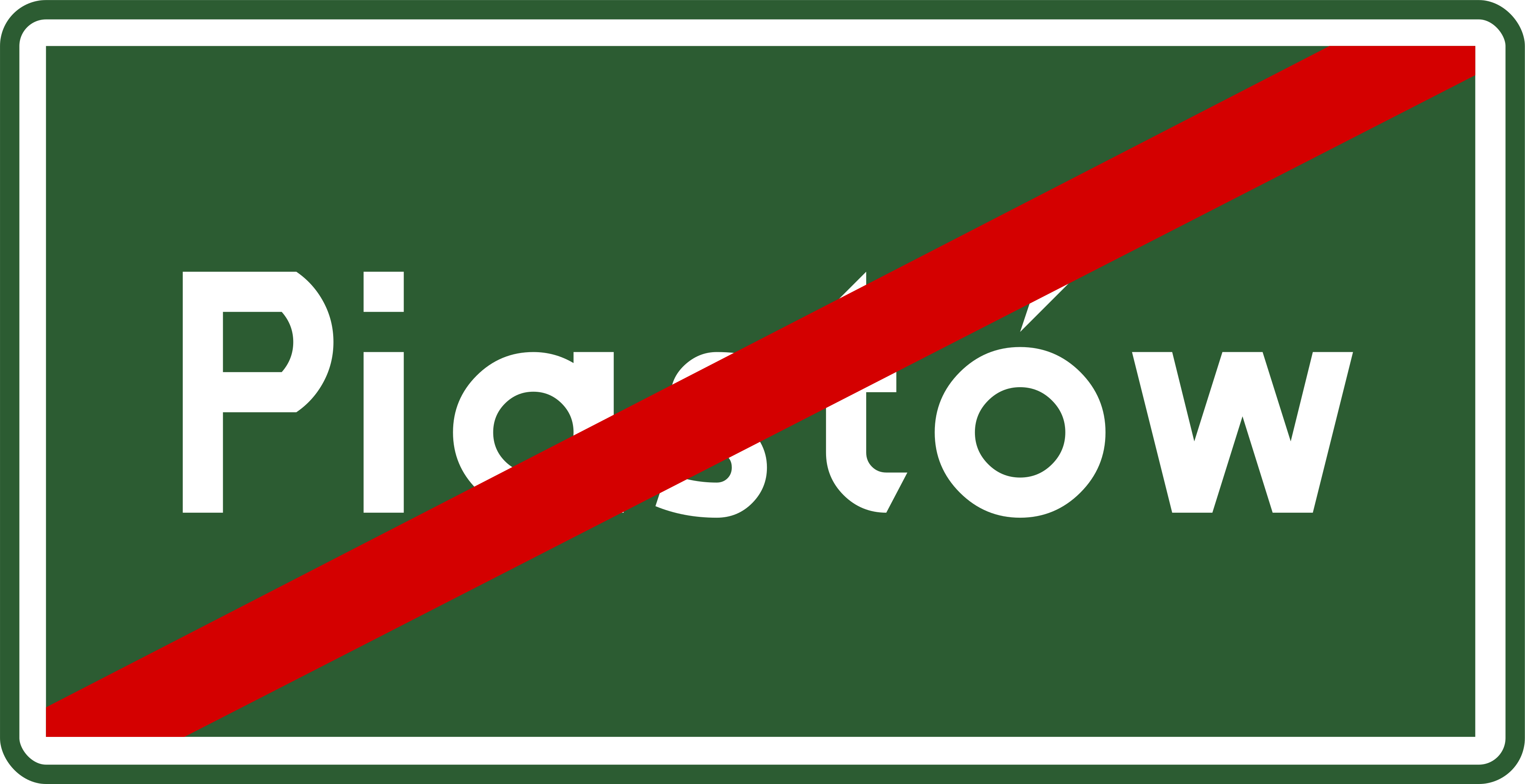
The E-18a sign marks your exit from a named town or village.

The E-19a 'Bypass' sign directs you around city centers.
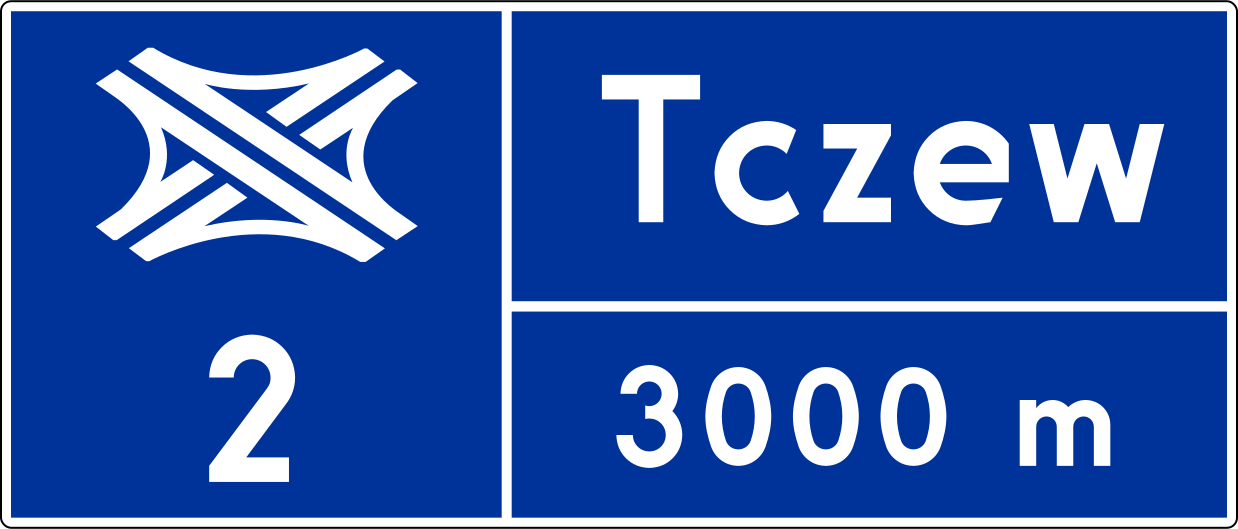
Prepare for your motorway exit with the E-20 Junction Board sign.
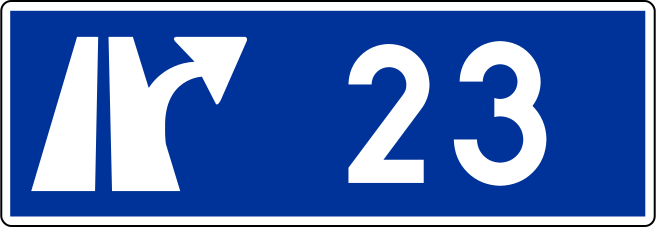
Know Your Exit: The E-20a Junction Number Sign on Polish Motorways
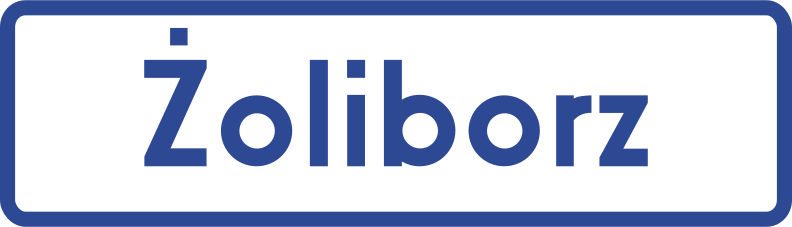
The E-21 sign guides you through city districts and neighborhoods.

The E-22a sign marks the beginning of a scenic tourist driving route.

The E-22b sign guides you to tourist attractions along your route.
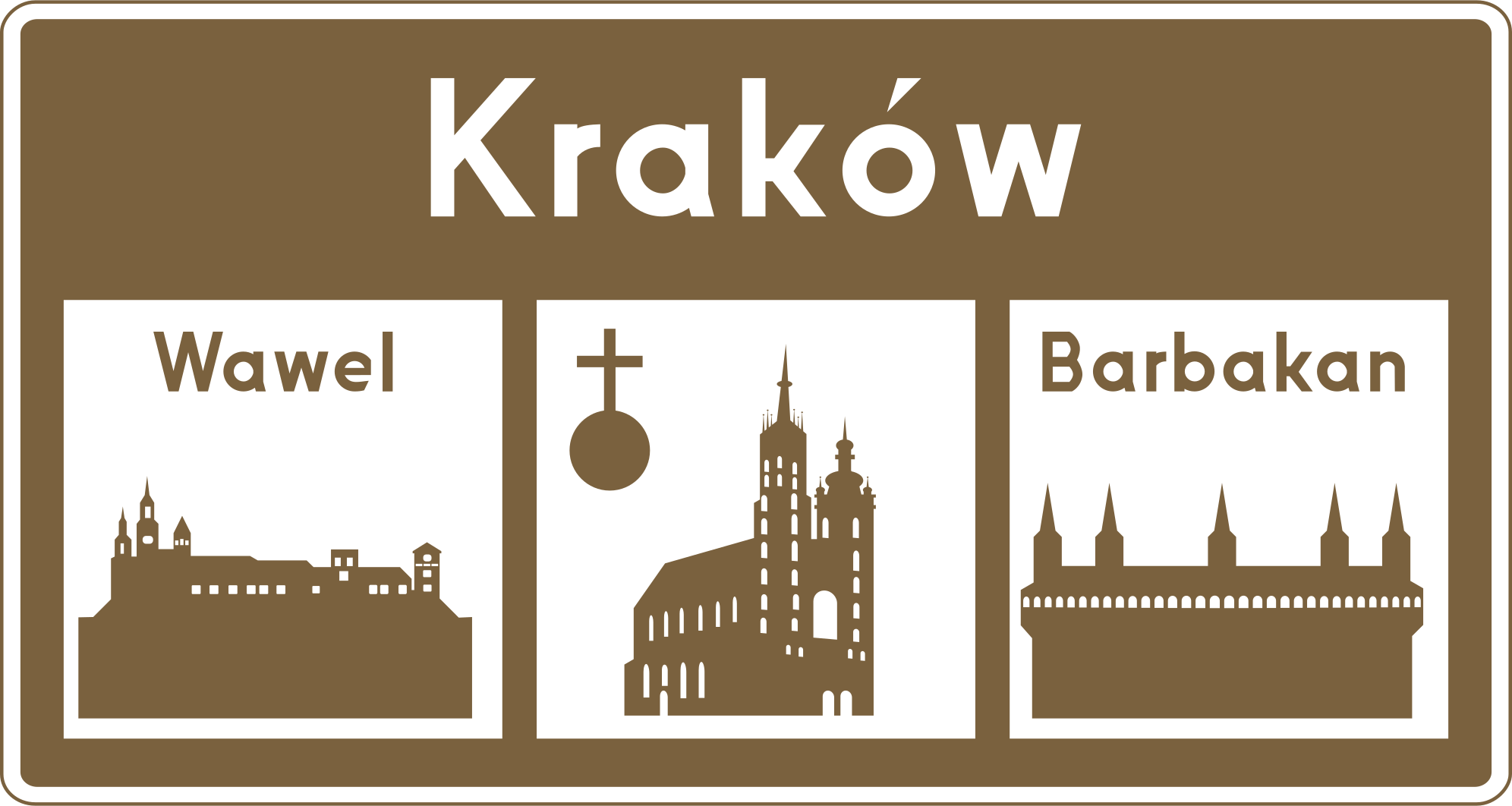
Understand the E-22c Tourist Objects Information sign for planning your local excursions.
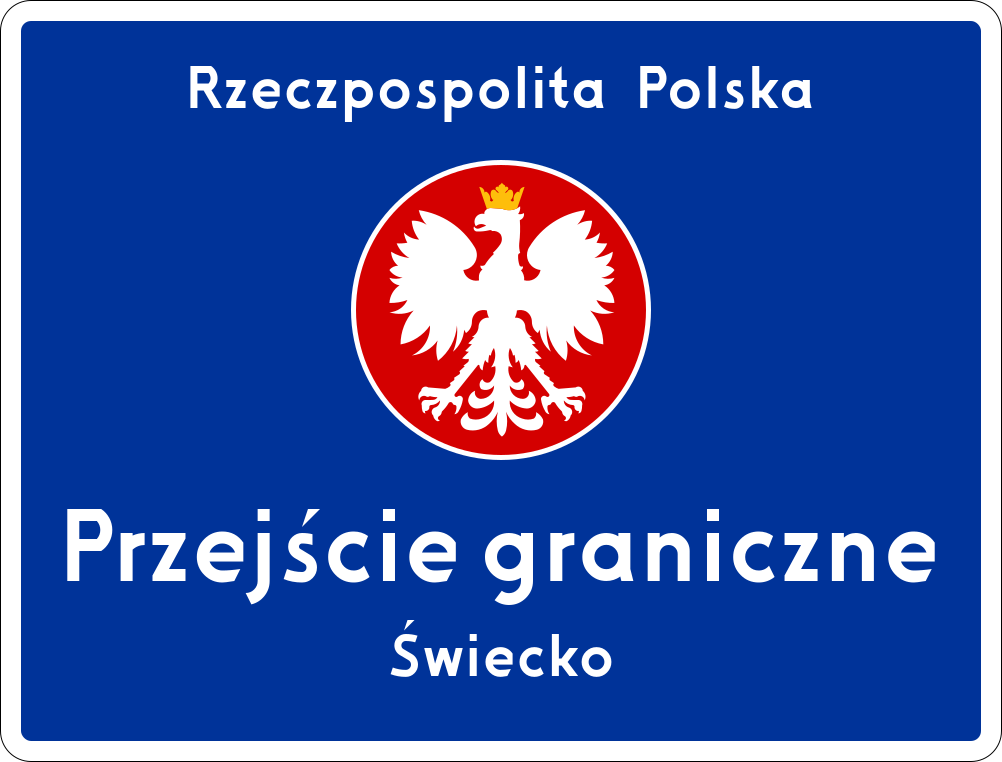
Prepare for border crossings with the F-1 sign
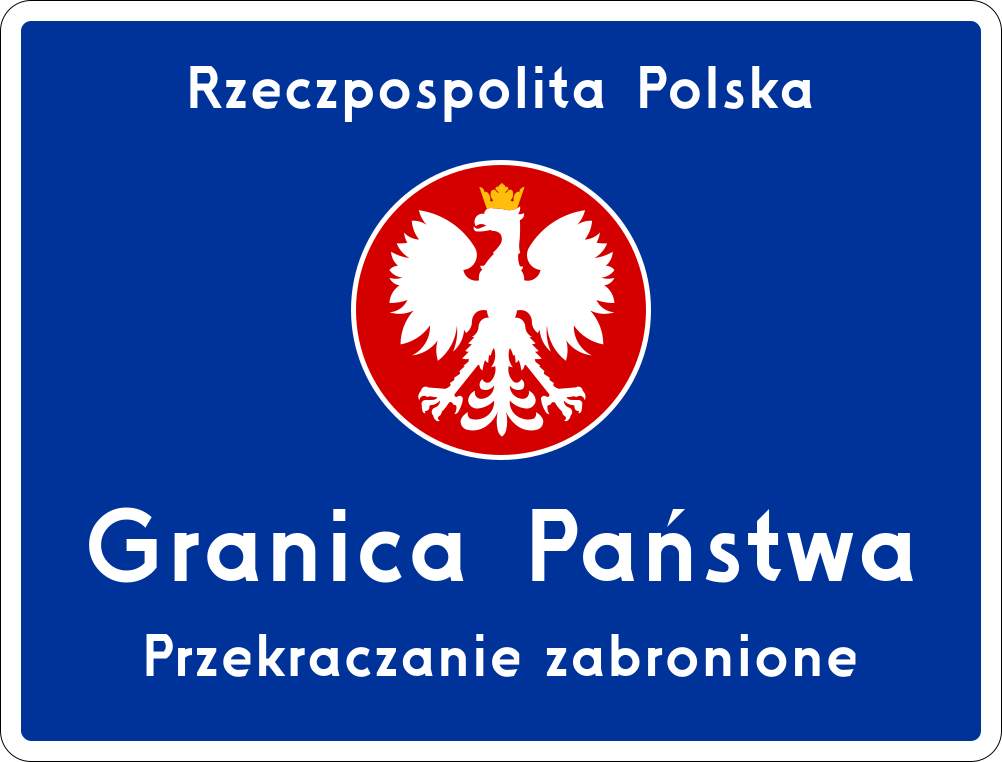
The F-2 Border Crossing Prohibited sign means you cannot enter the country here.
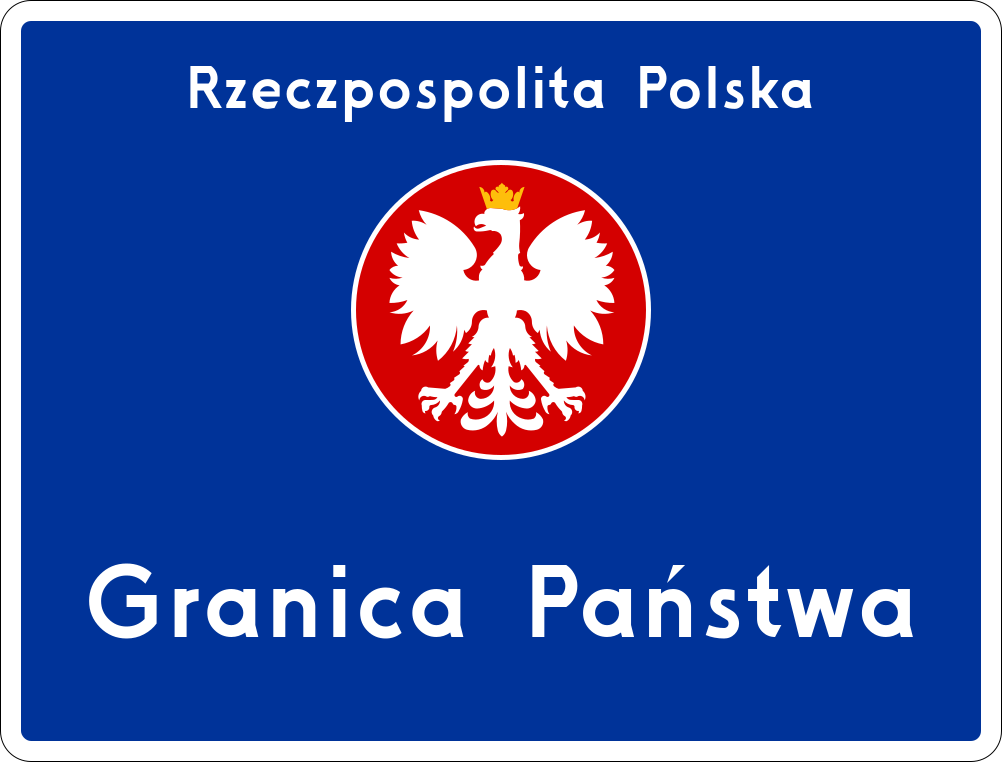
The F-2a sign indicates Poland's border within the Schengen Area.
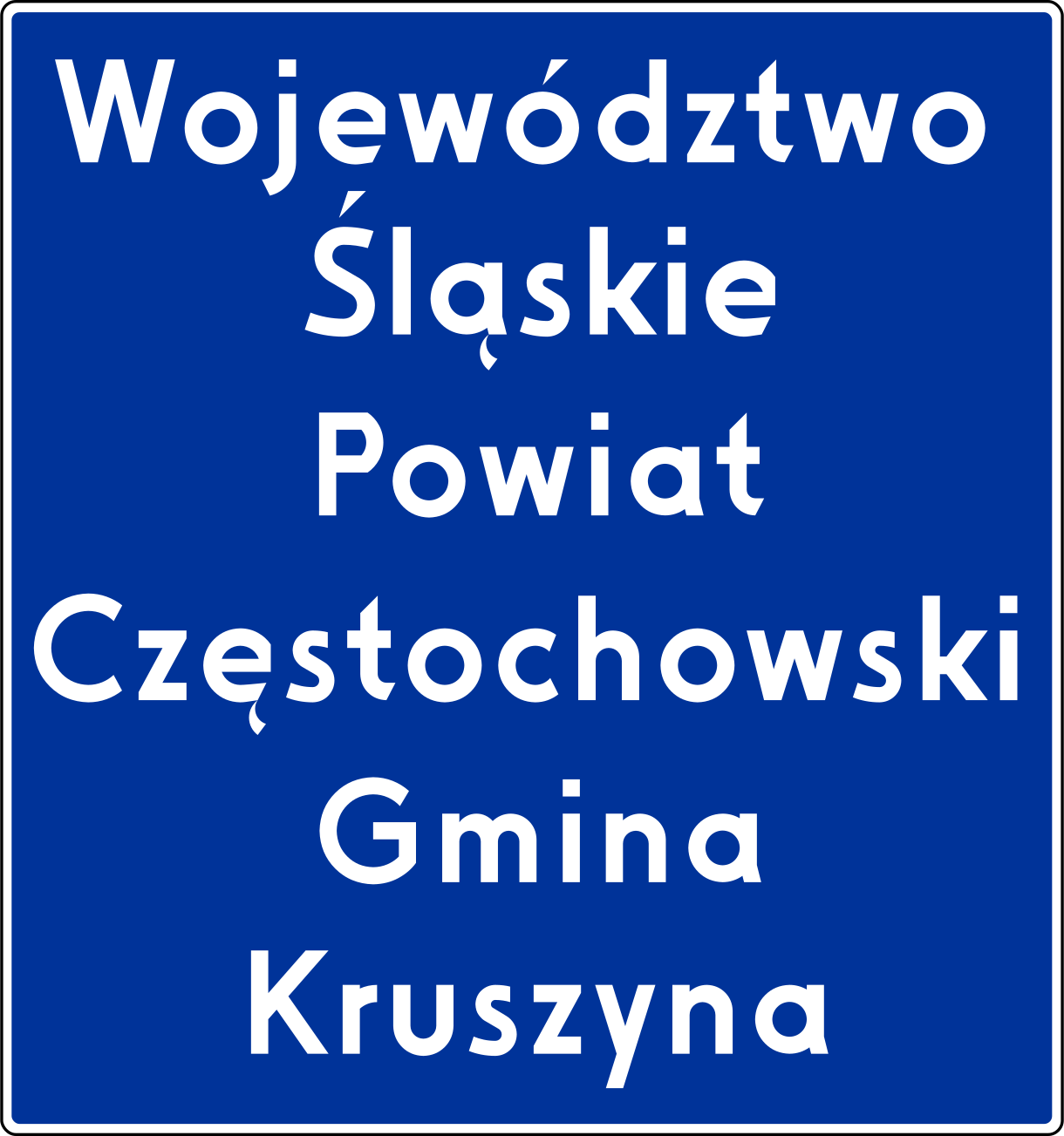
The F-3 sign marks your entry into a new Polish Voivodeship (province).
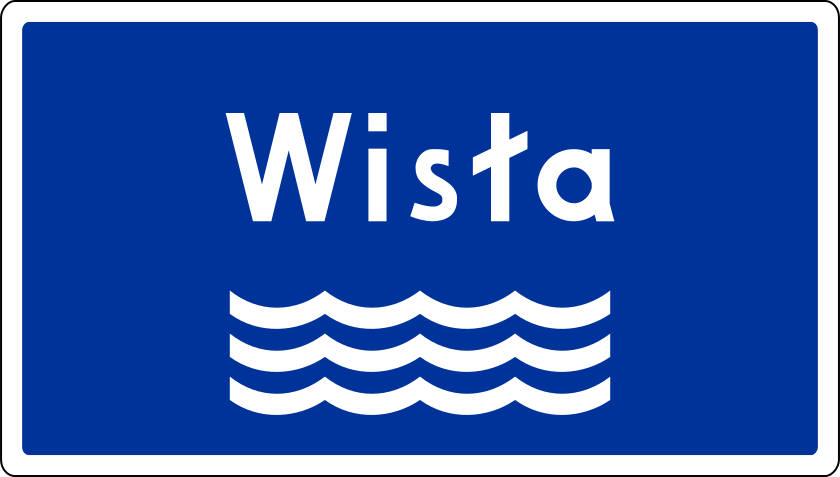
The F-4 Sign Clearly Identifies the Name of the River You're Crossing.
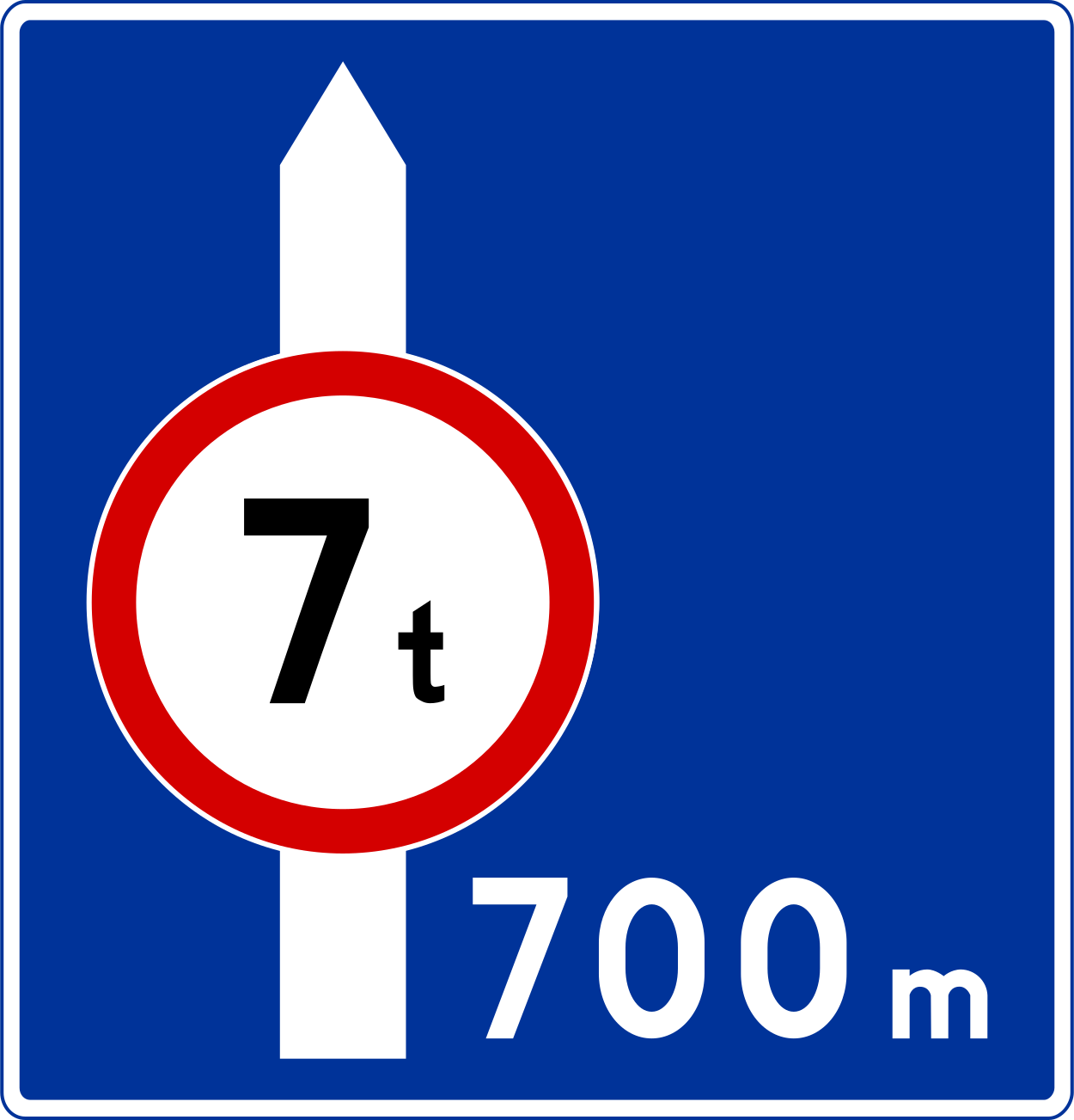
Prepare for Upcoming Restrictions with the F-5 Warning of Prohibition Sign
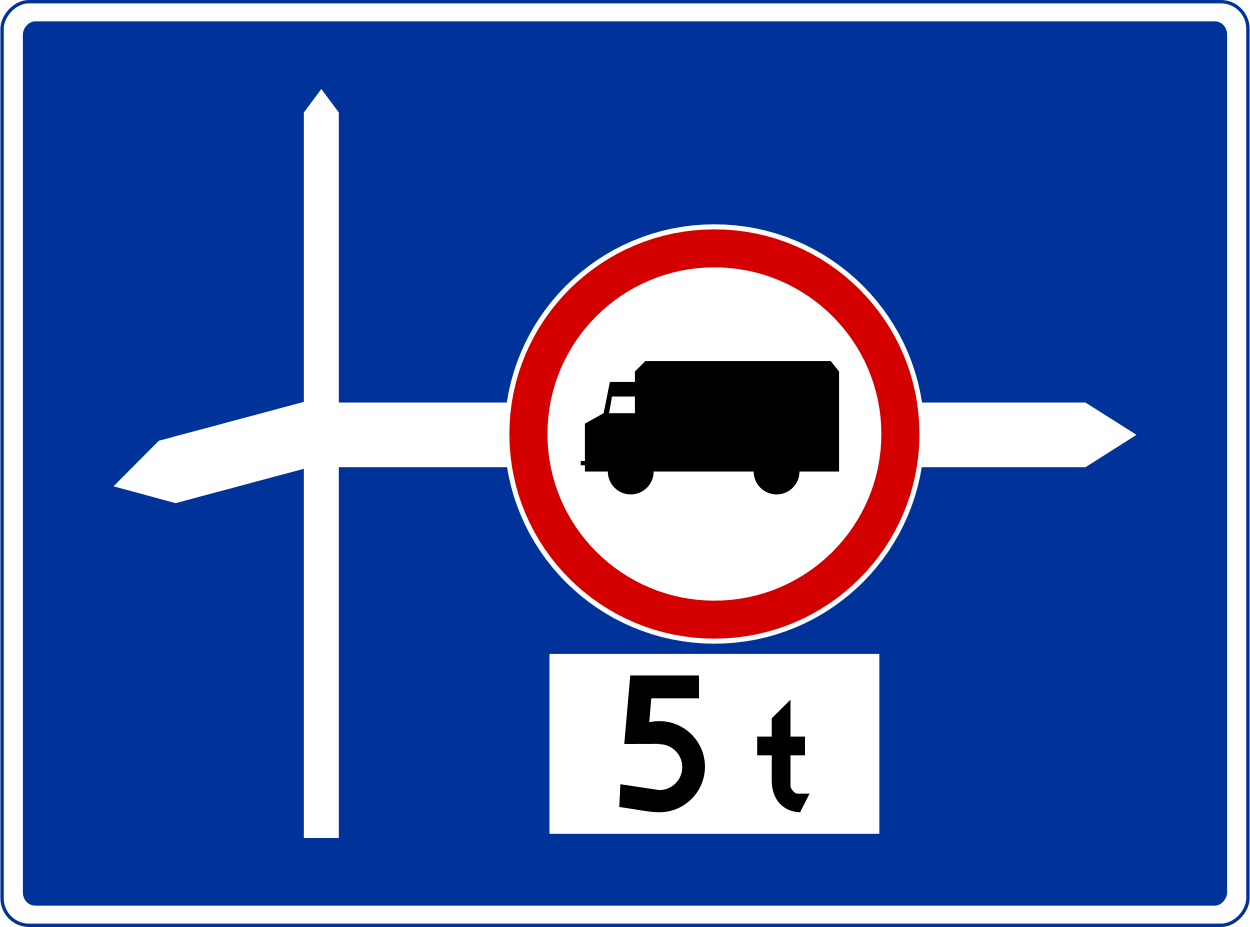
F-6 Warning Sign: What Dangers Lie Ahead on the Side Road?

The F-7 Sign: Your Guide for Navigating No-Left-Turn Restrictions
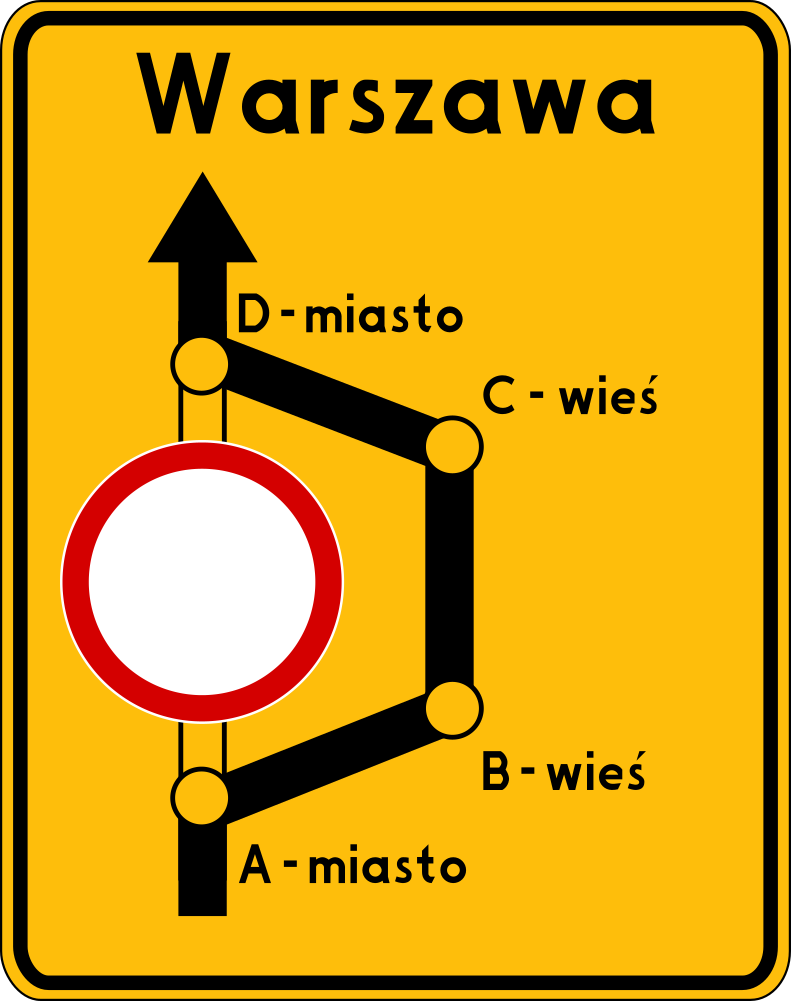
Follow the Detour: Understanding the F-8 Road Closure Sign
Follow the yellow 'Objazd' arrows to stay on the detour route.
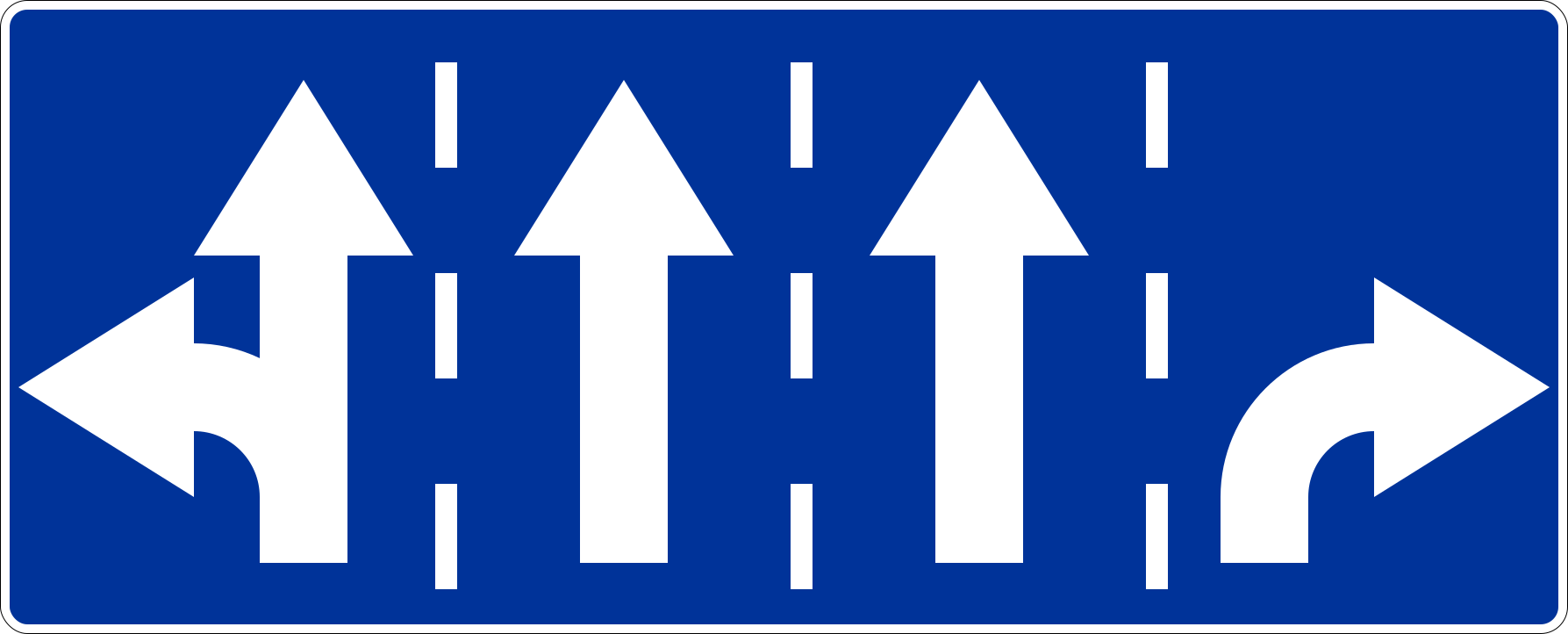
Use the F-10 sign to navigate your lane correctly at junctions.
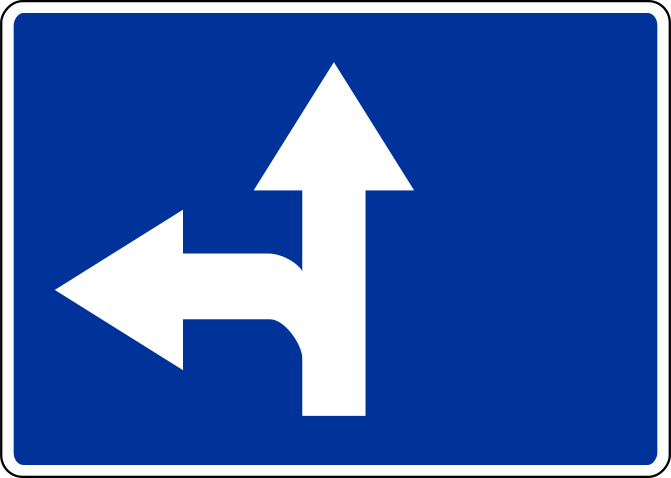
F-11: Follow the Direction for Your Specific Lane!
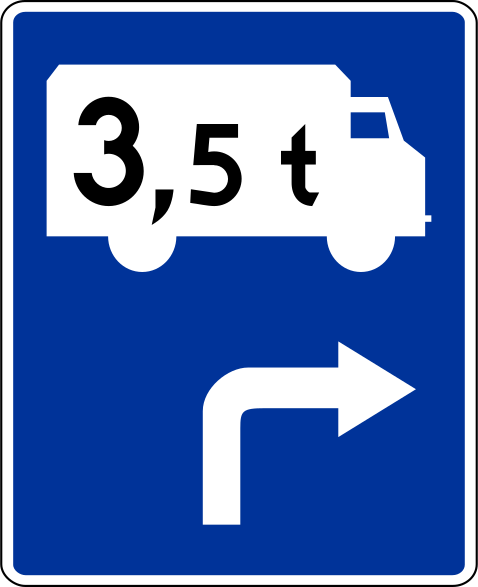
F-12 Transit Route Sign: Guiding Heavy Traffic Efficiently
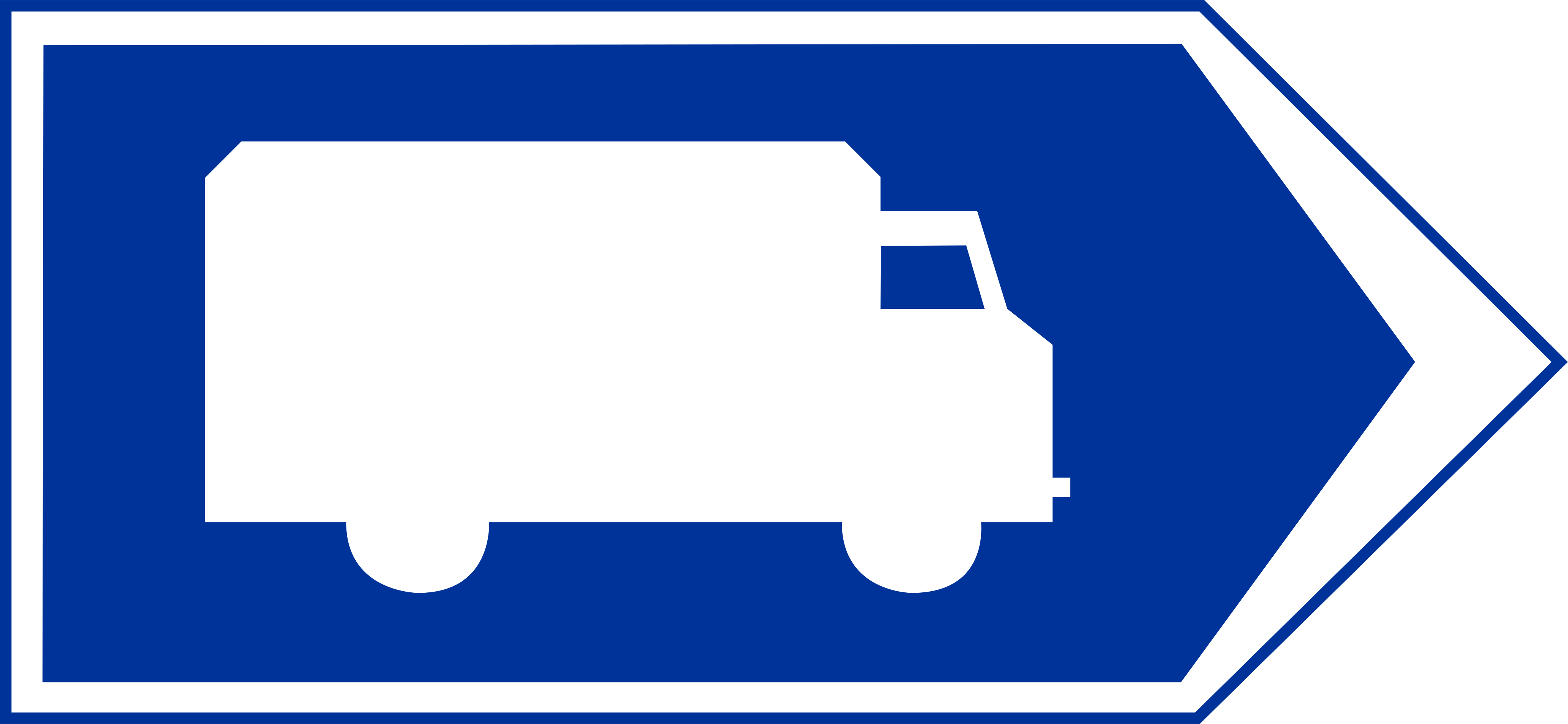
Follow the F-13 Sign for Your Designated Transit Route
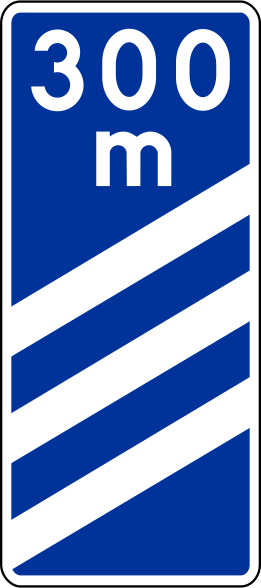
Approaching a Highway Exit? The F-14a Sign Warns You 300 Meters Ahead!
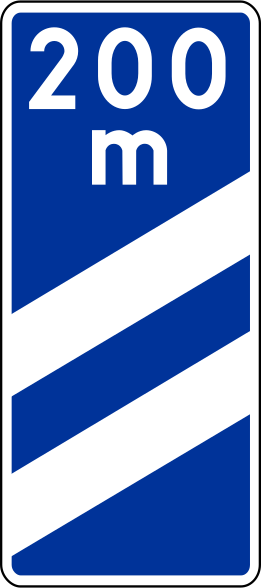
Prepare to exit the motorway with the F-14b 200-meter exit marker sign.
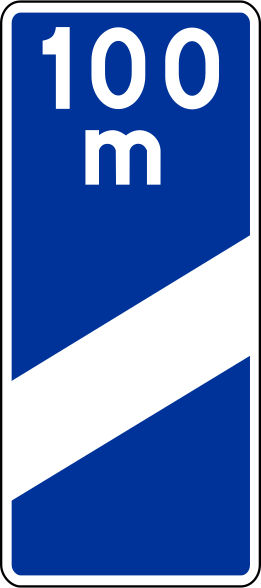
Prepare to Exit: The F-14c Highway Exit Marker (100m) Road Sign
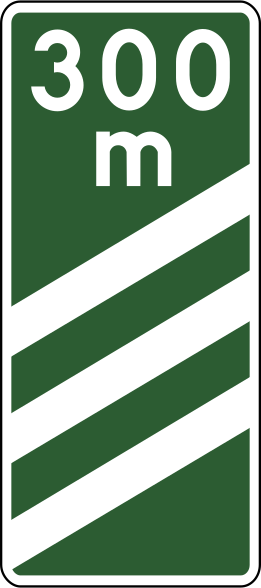
Know the F-14d sign: Expressway Exit Approaching in 300 Meters
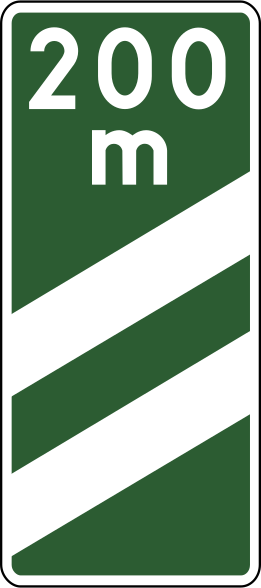
Expressway Exit Warning: F-14e Sign Indicates Exit in 200 Meters
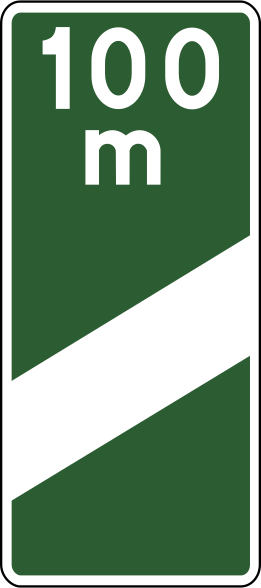
Prepare to exit the expressway with the F-14f 100-meter marker sign.
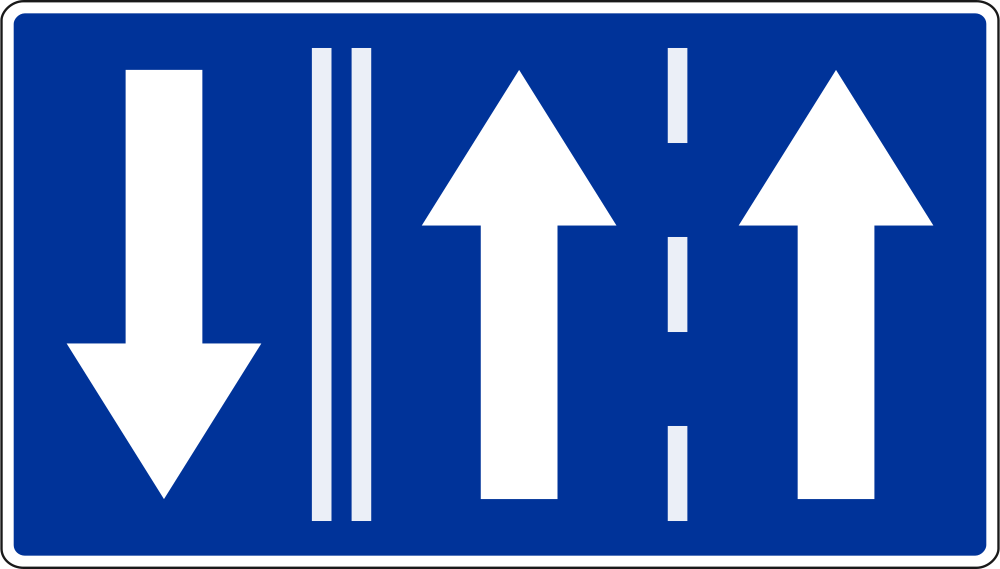
F-15 Asymmetric Lane Division: Navigating Uneven Road Lanes
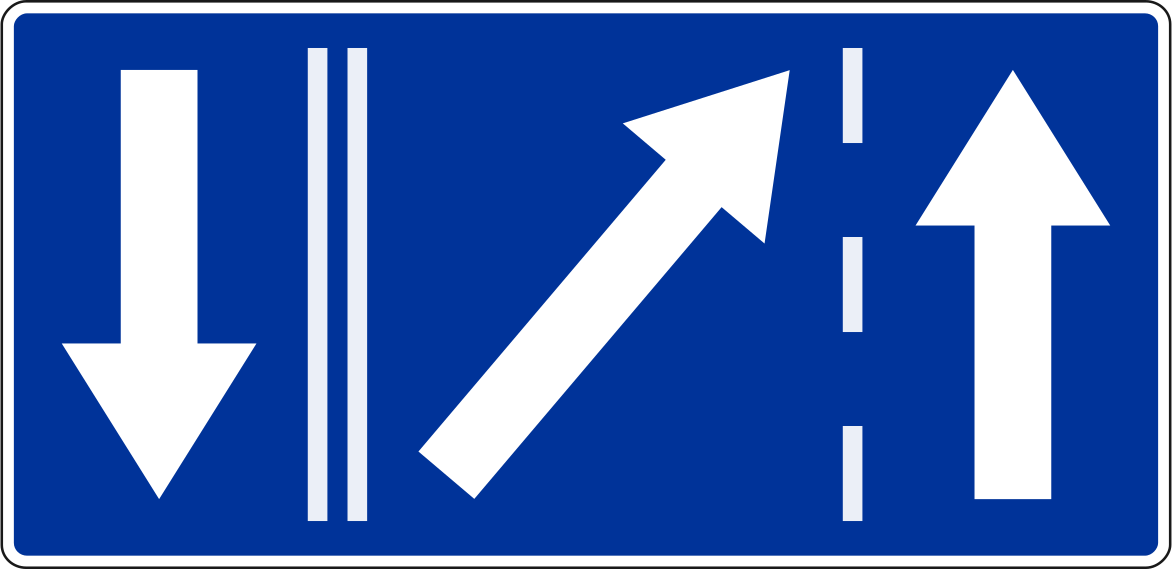
Warning: Your Left Lane Is Ending Ahead!
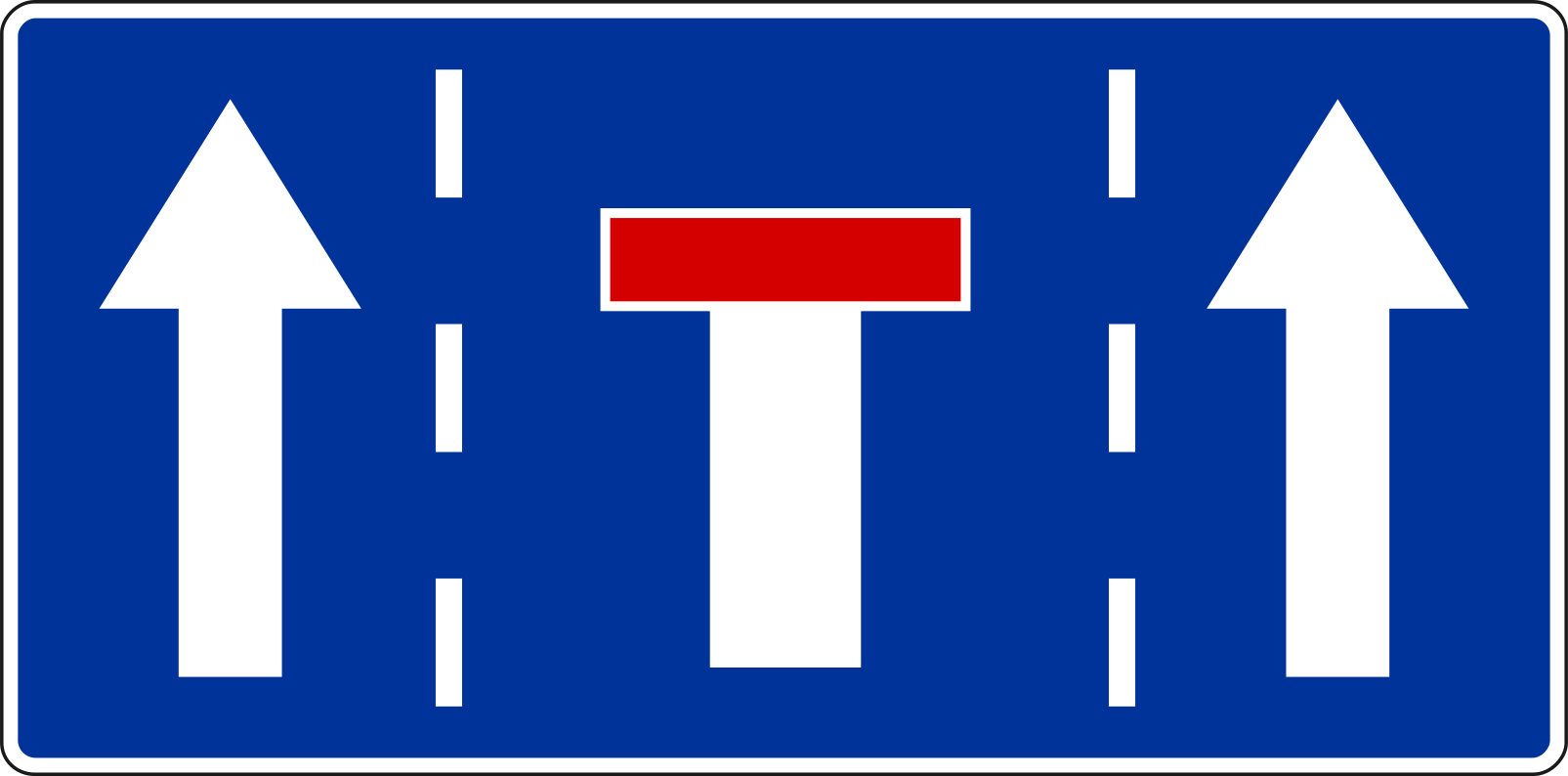
The F-17 sign means your lane is ending – prepare to merge!
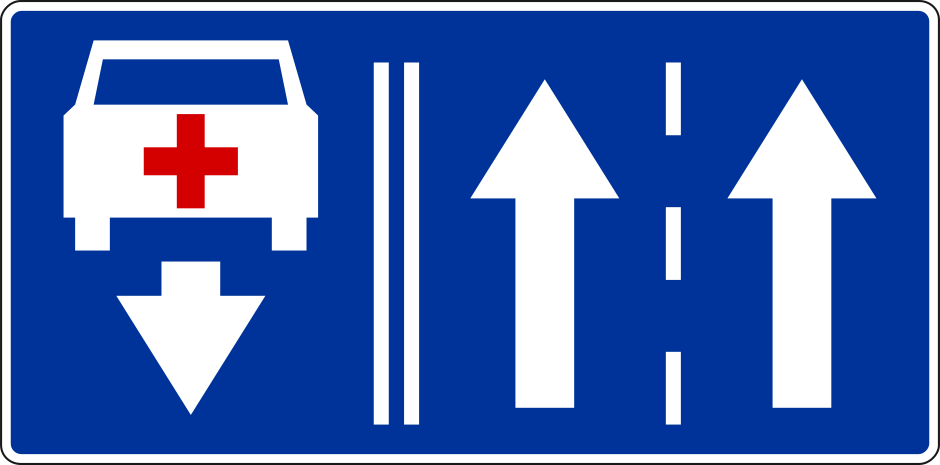
F-18 sign indicates the left lane is for oncoming traffic, usually buses.
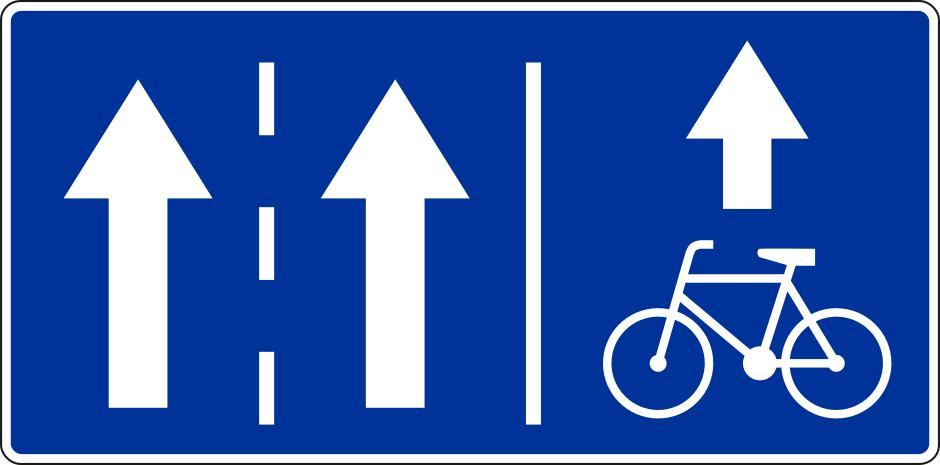
The F-19 sign designates lanes exclusively for specific vehicle types like buses.
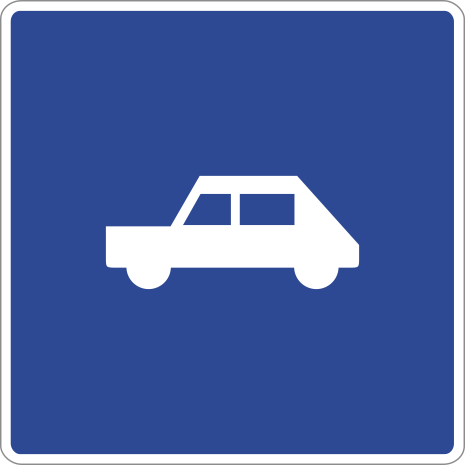
F-20 Sign: Know Which Part of the Road is for Which Vehicles
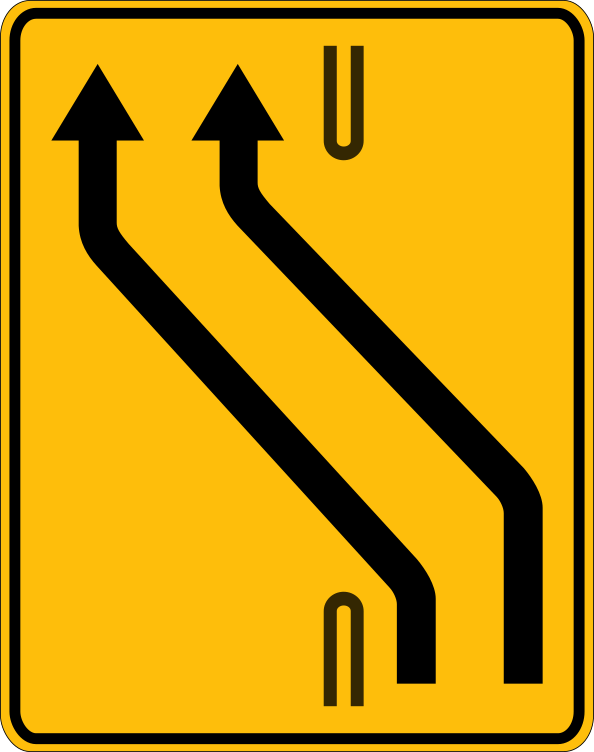
F-21 Traffic Diverted: Crossover to Oncoming Traffic Ahead
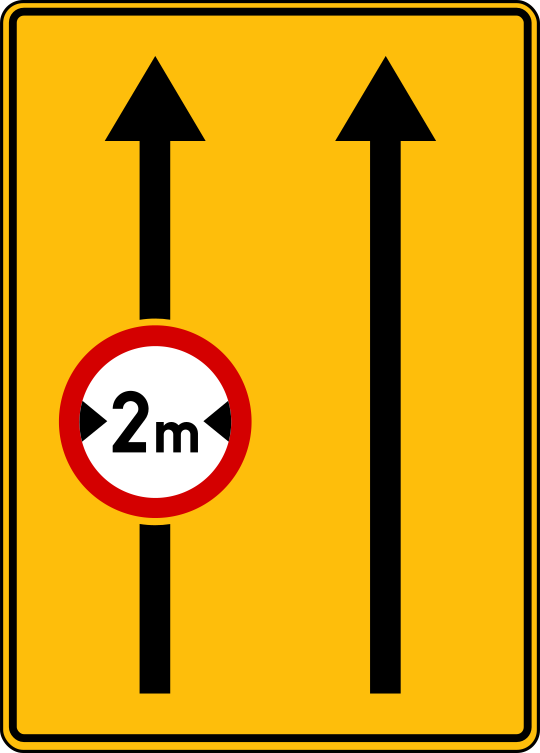
Master the F-22 Sign: Lane-Specific Restrictions Explained
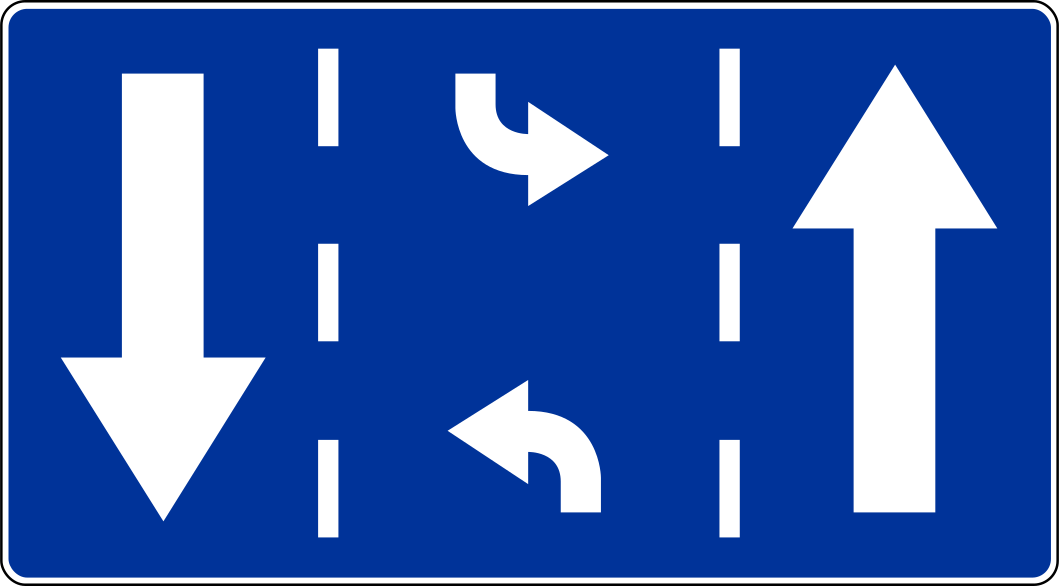
F-23: Use the Center Lane for Safe Turns Into or Out of Side Roads
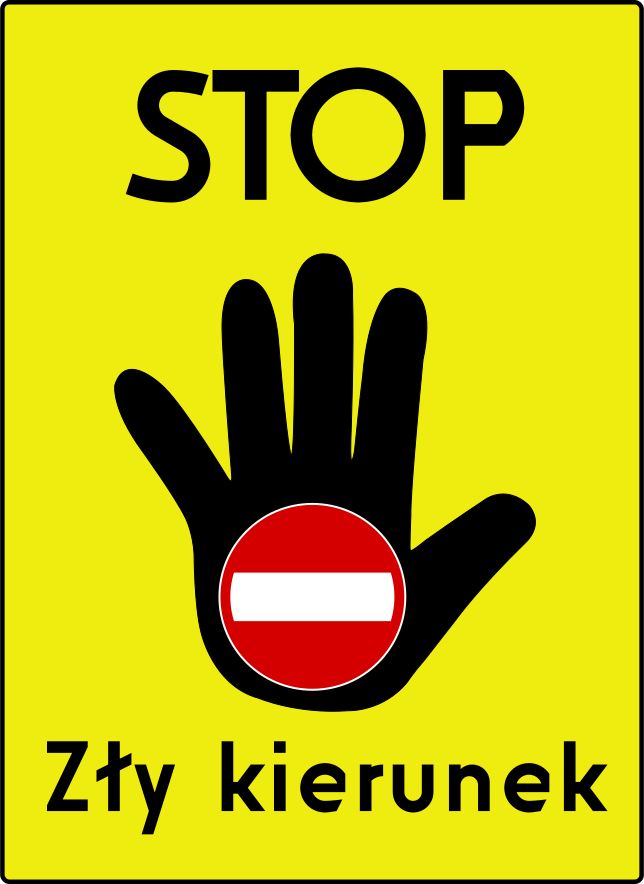
Warning! This sign means you are going the wrong way.
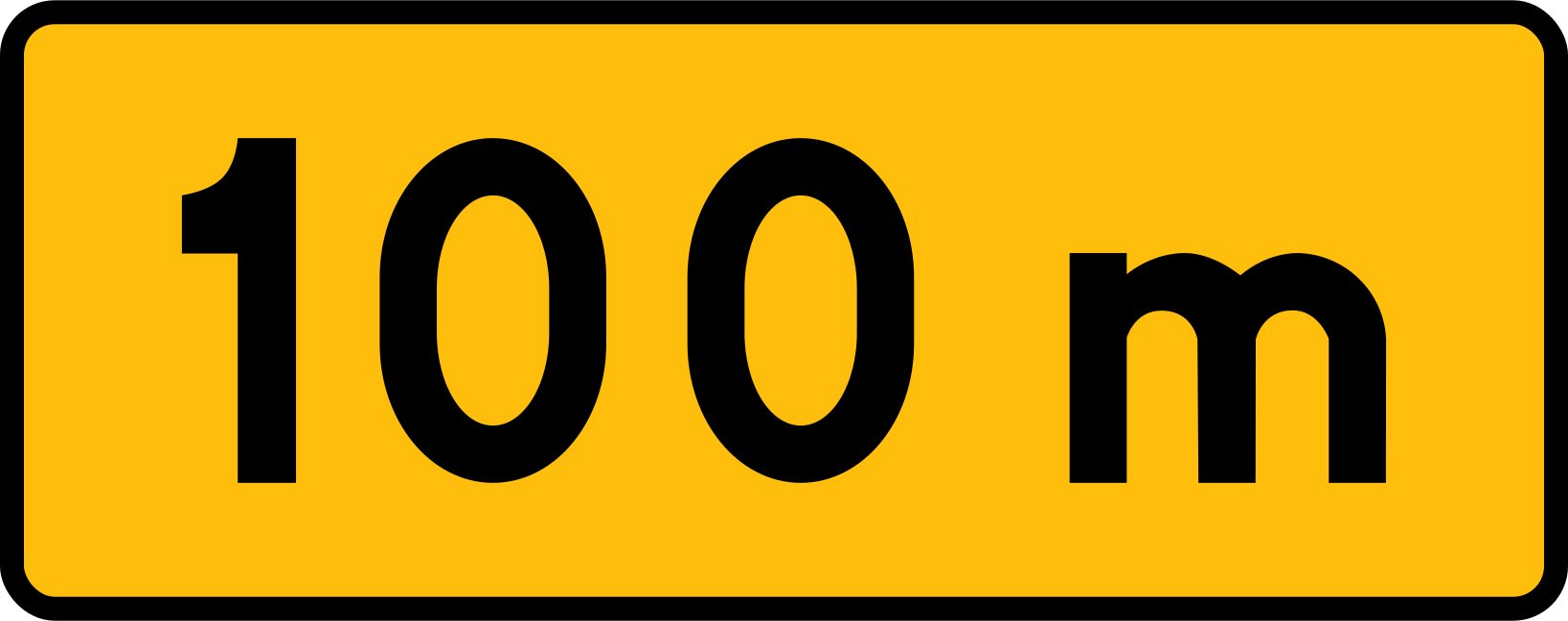
Understand the T-1 'Distance to Hazard' Plate for Safe Driving
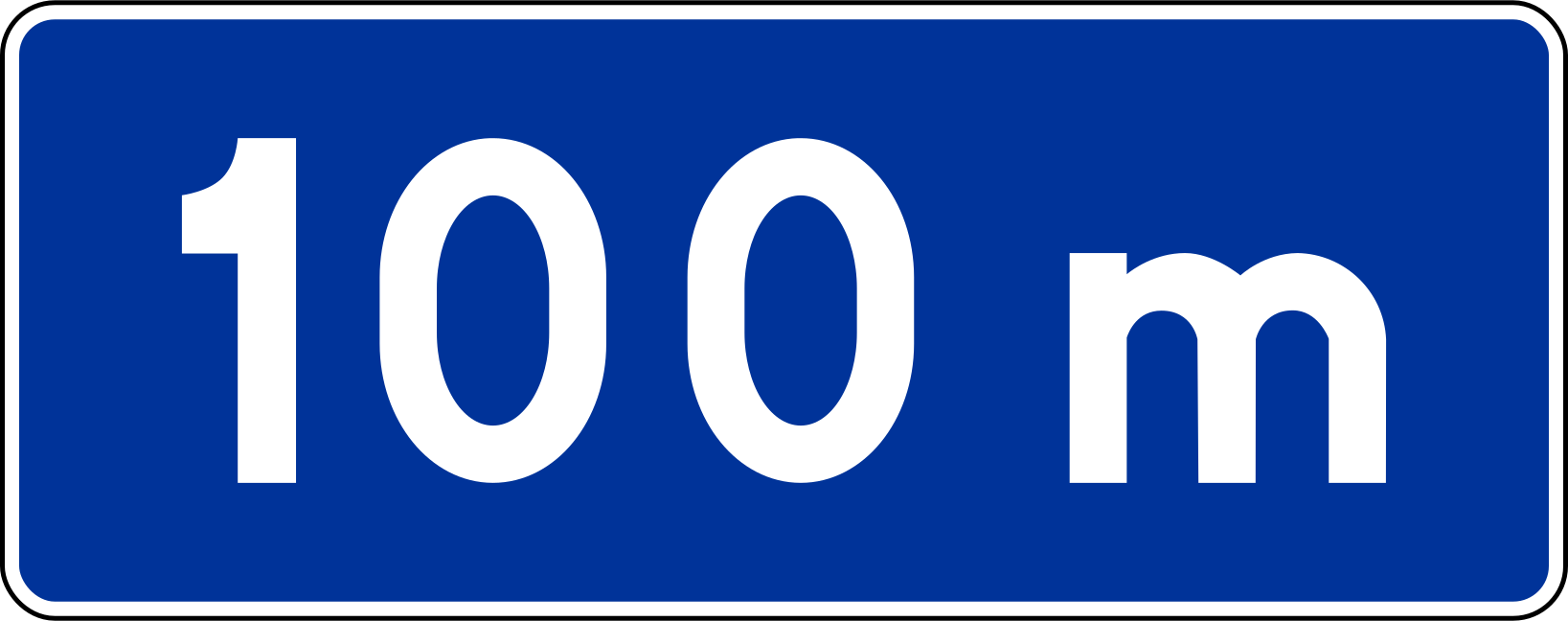
Prepare for upcoming changes with the T-1a distance countdown sign.
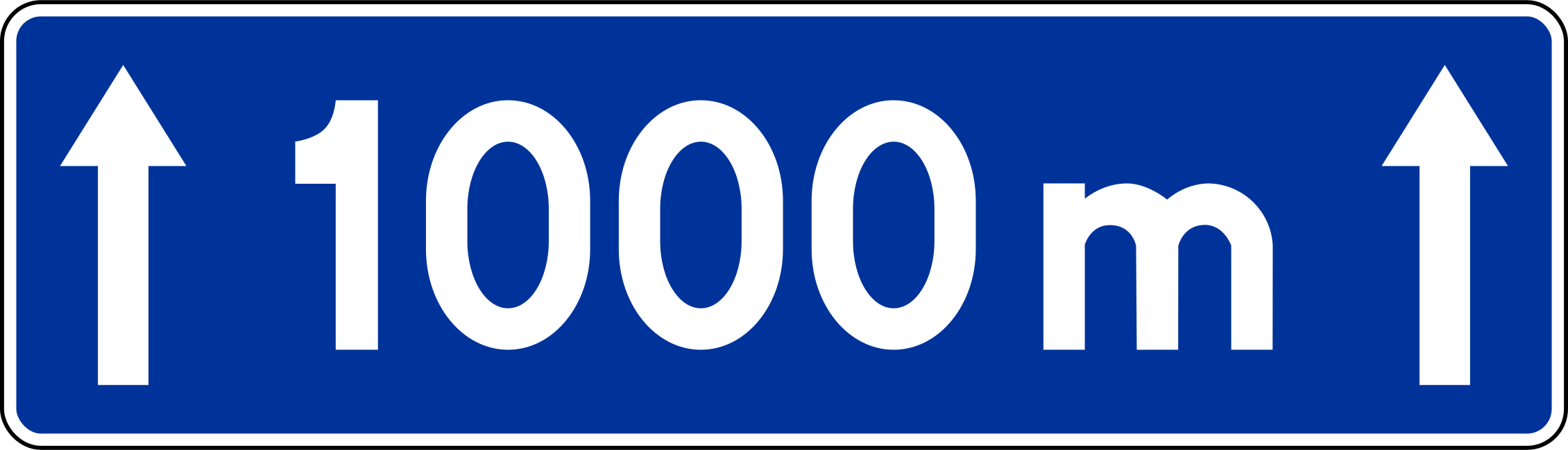
The T-1b sign tells you how long the tunnel is or how far the exit is.
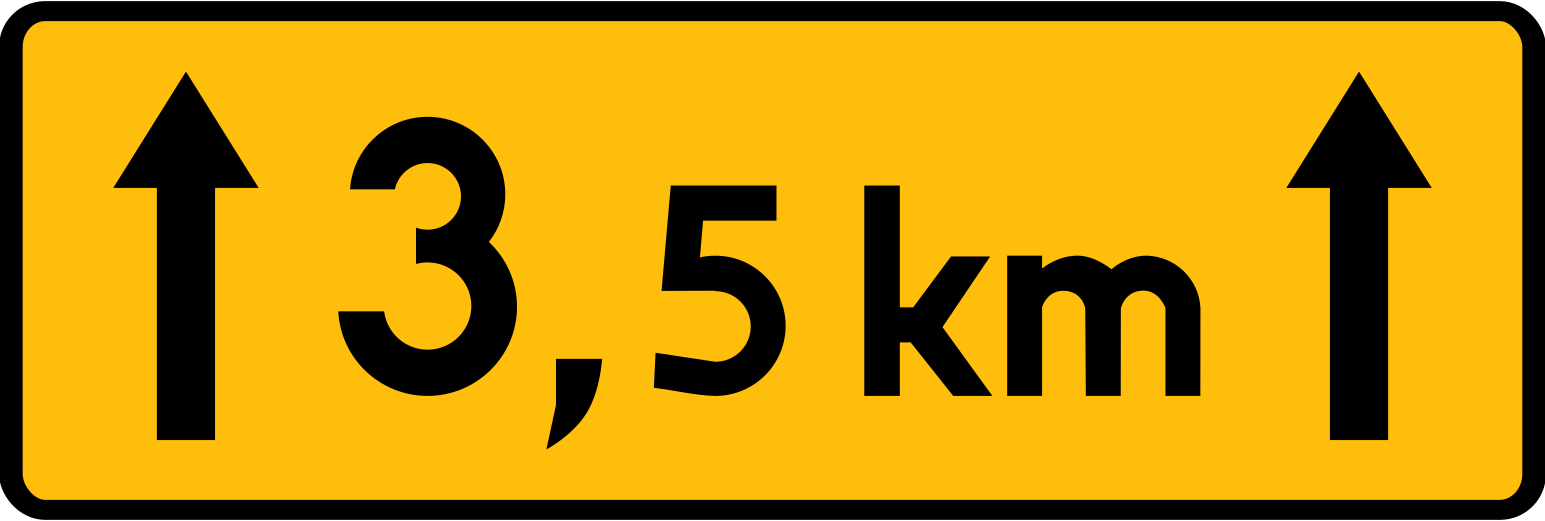
The T-2 sign warns you about a hazardous section of road lasting for a specific distance.
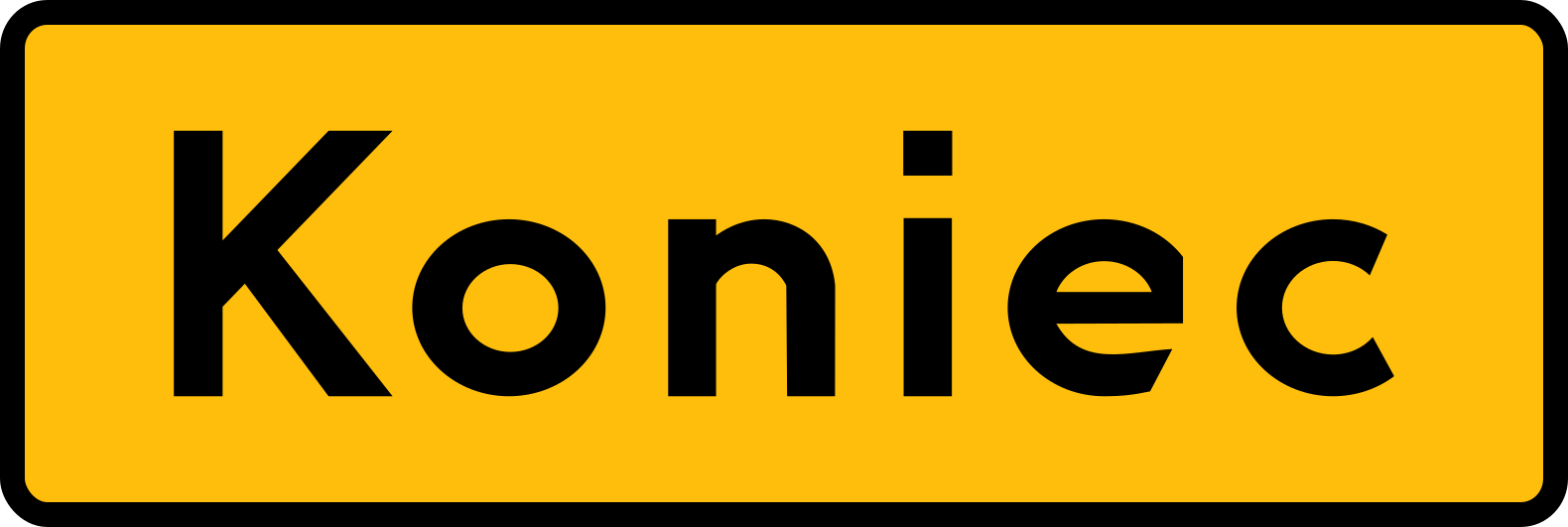
The T-3 sign signals the end of a previously warned hazardous section of road.
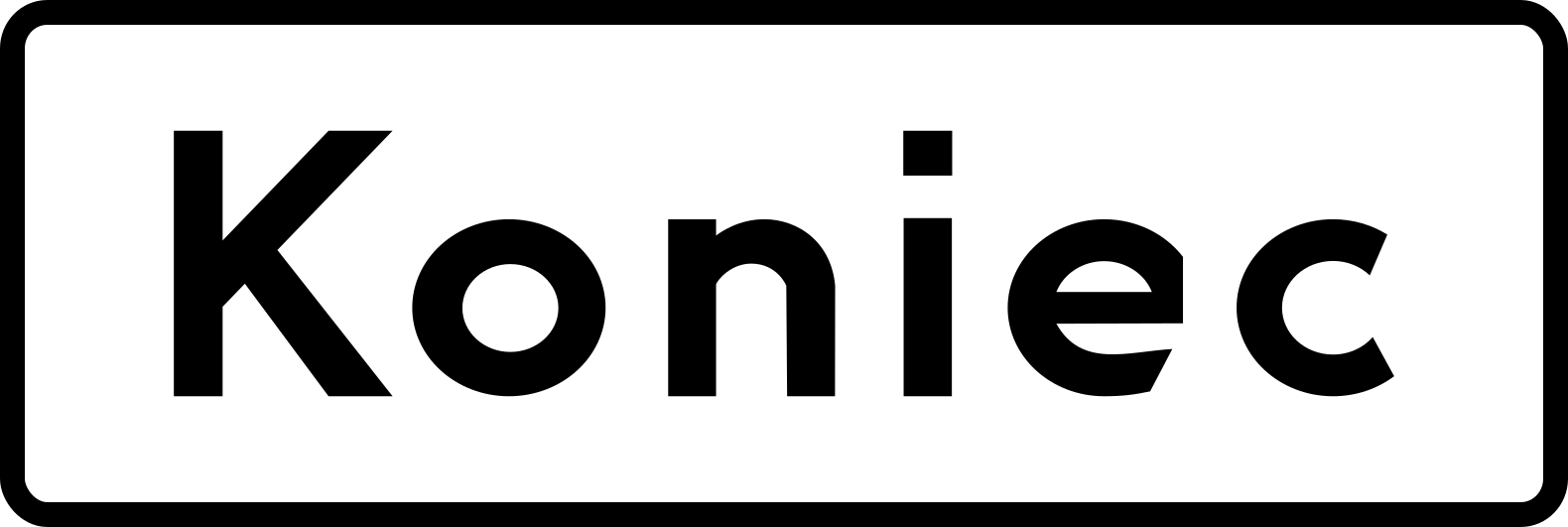
The T-3a sign marks the end of a permitted parking zone.
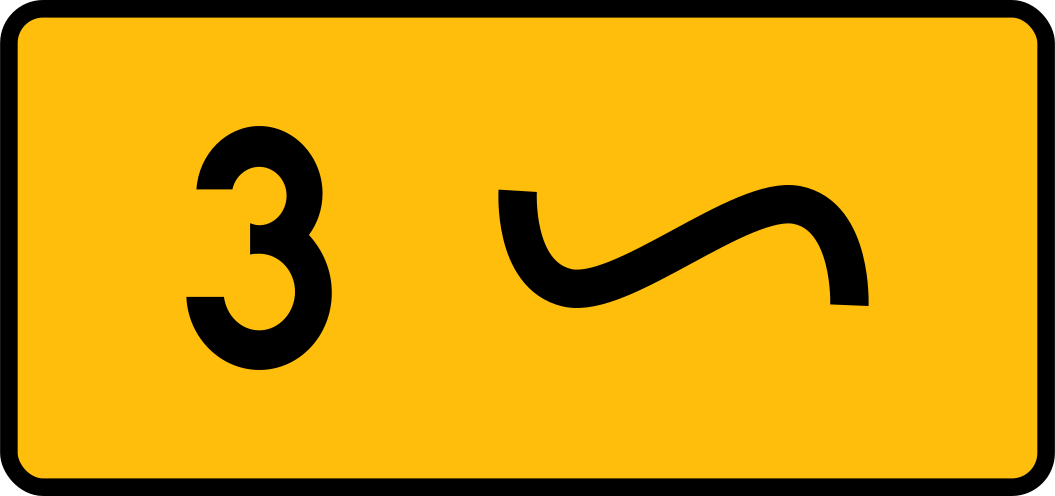
T-4 Road Sign: How Many Dangerous Curves Are Ahead?
Prepare for twists ahead with the T-5 Start of Winding Road sign!
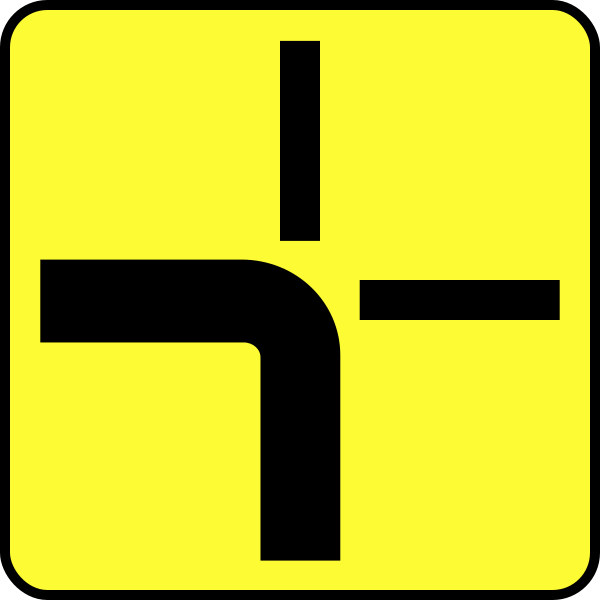
What the T-6a Priority Path Sign Means and How to Use It
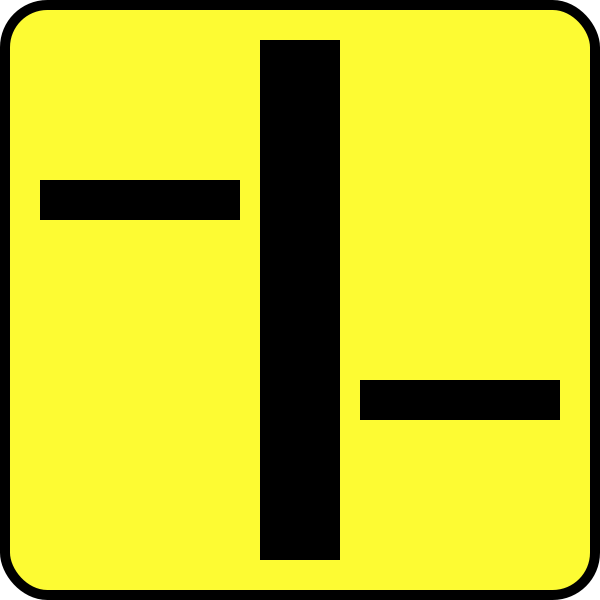
Master the T-6b sign and safely navigate asymmetrical road junctions.
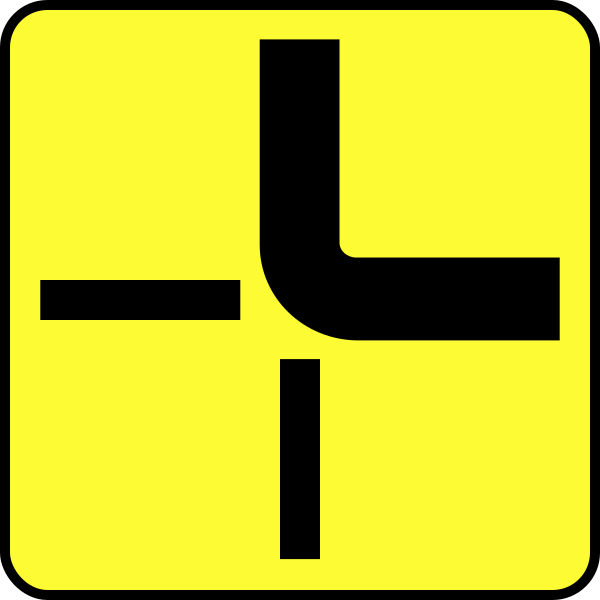
Understand the T-6c Actual Priority Path Diagram: Know Where Priority Traffic Comes From
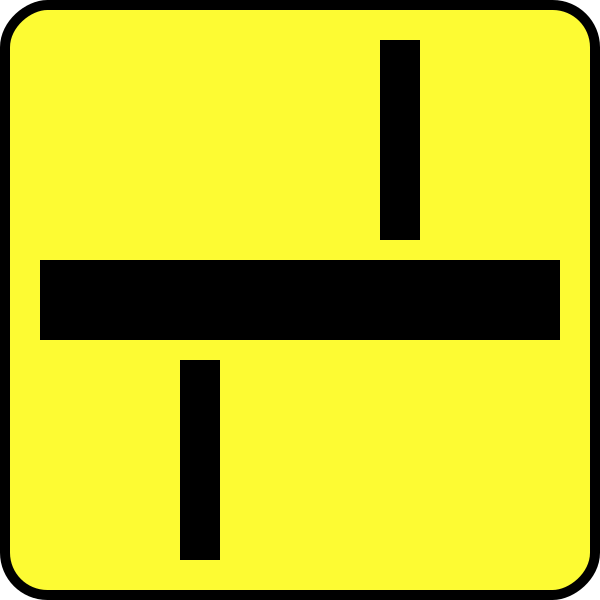
Master the T-6d Sign for Complex Yielding and Staggered Intersections
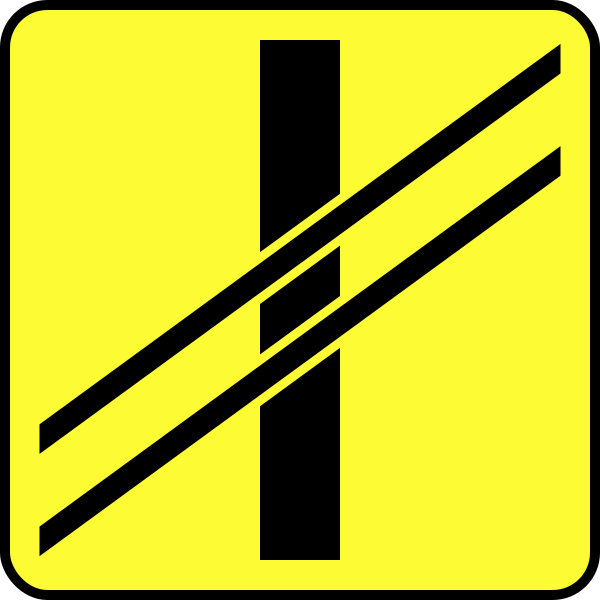
The T-7 Sign Warns of Angled Railway or Tram Tracks Ahead
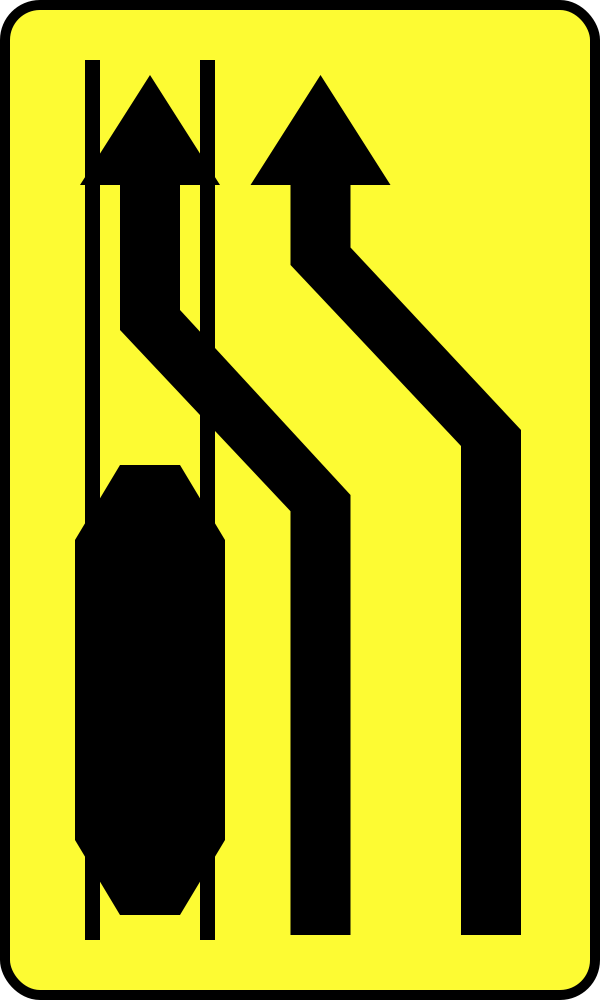
Prepare to share your lane with tram tracks: Understand the T-8 sign!
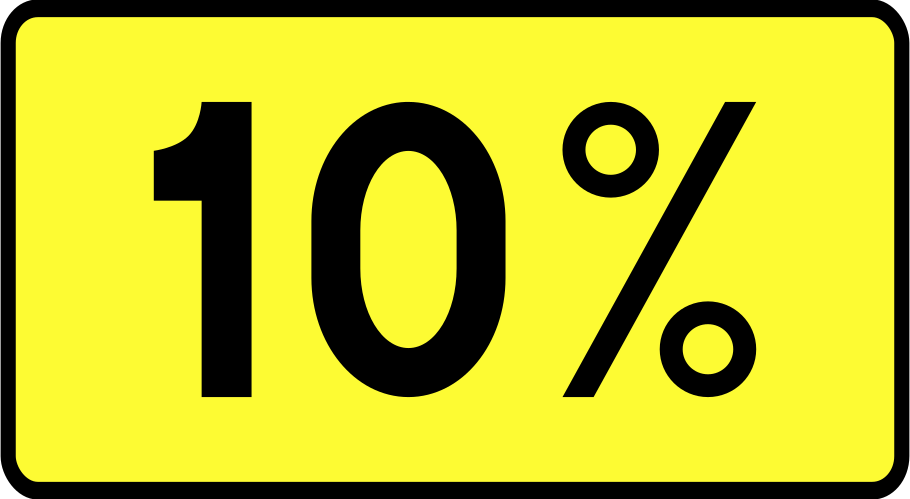
This T-9 sign warns you about the steepness of the road ahead.
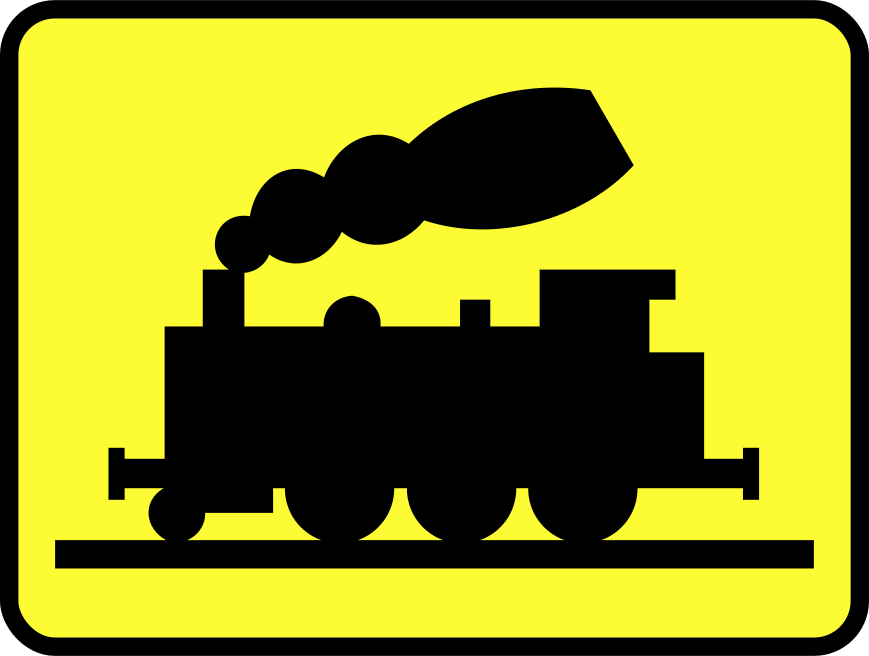
Beware of the T-10 sign: Industrial Railway Siding Ahead
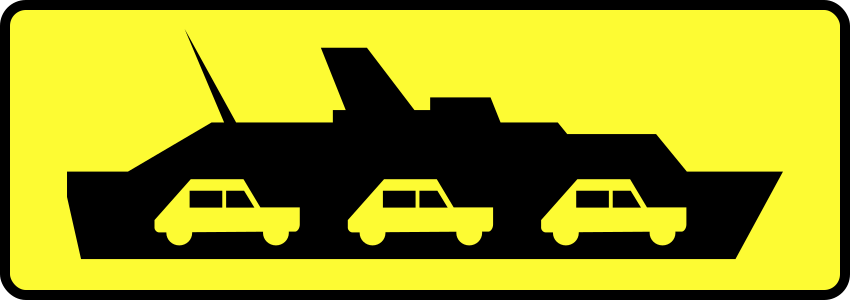
Prepare for a Ferry Crossing with the T-11 Warning Sign
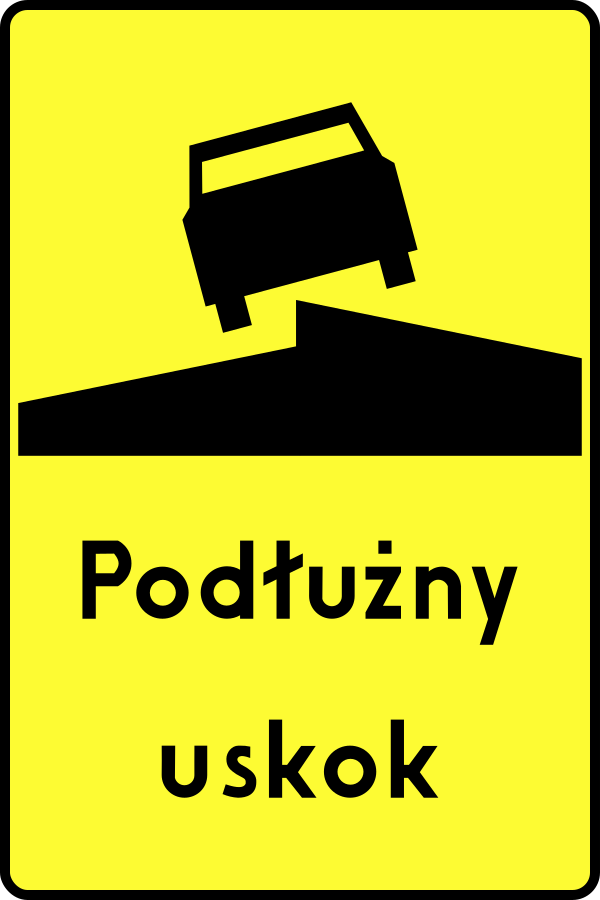
Watch out for the T-12 sign warning of a longitudinal step in the road surface!
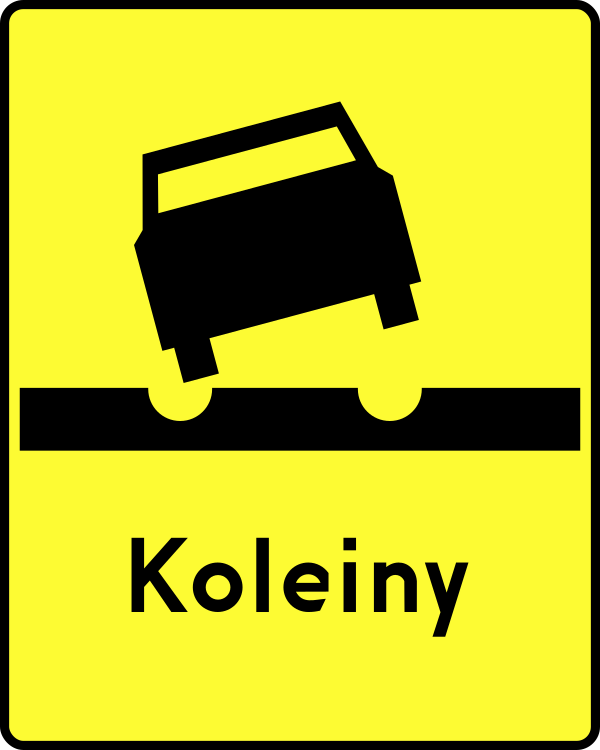
Warning: Deep Road Surface Ruts Ahead (T-13)
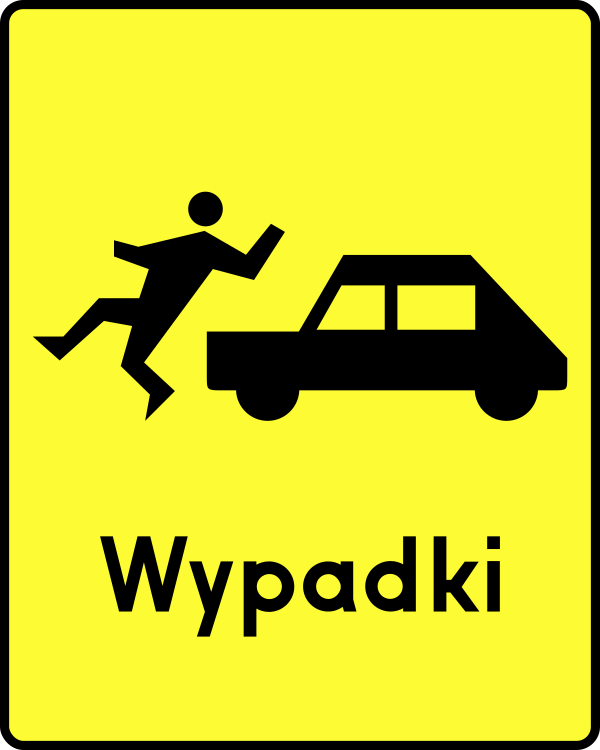
T-14: Beware of Frequent Pedestrian Accidents Ahead!
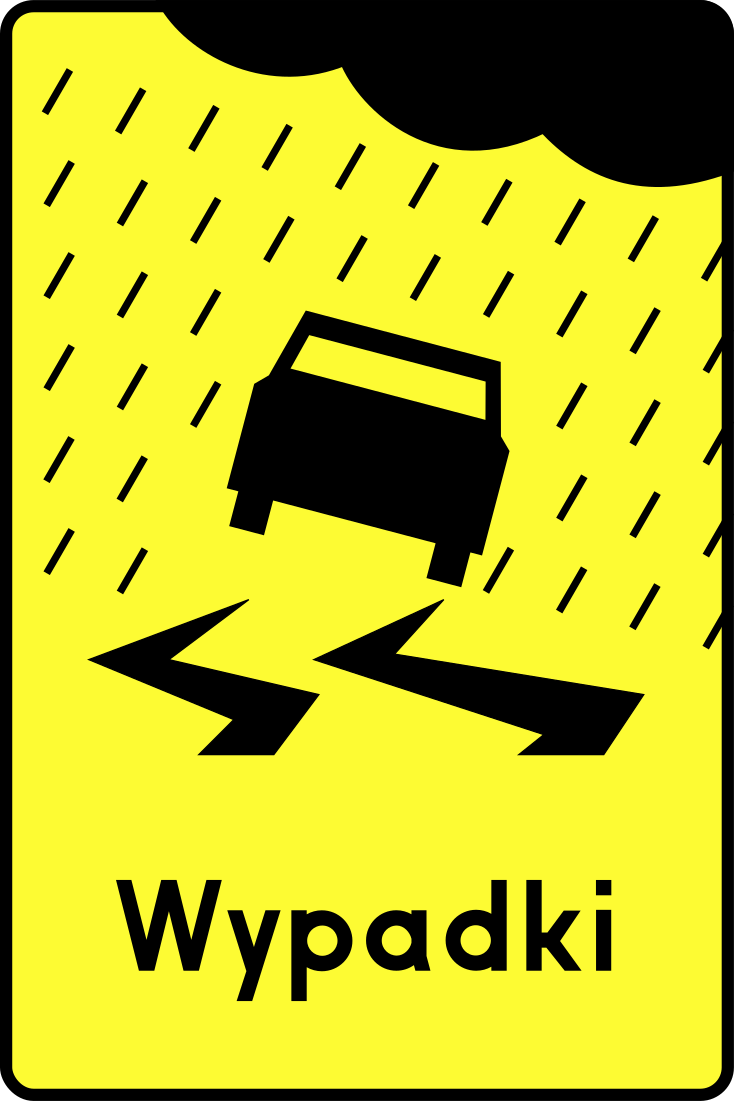
Beware: This Road Can Become Extremely Slippery When Wet!
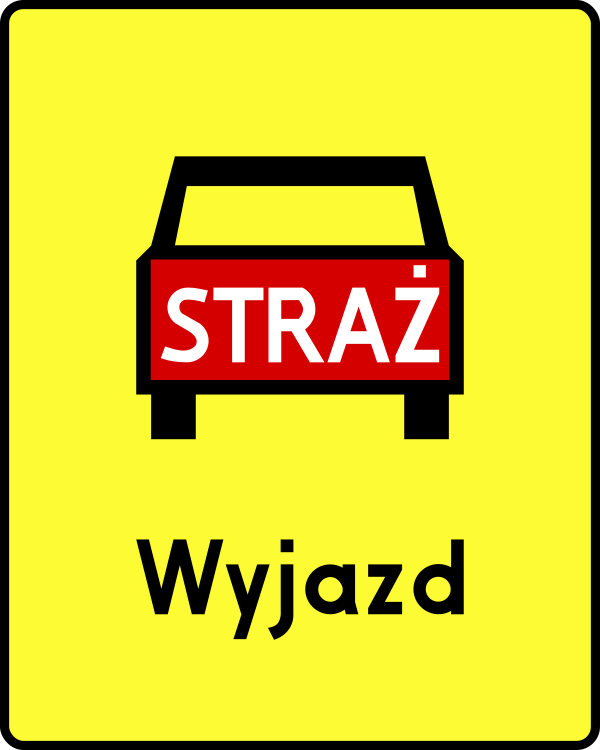
Prepare for sudden fire truck departures with the T-16 Fire Engine Exit sign.
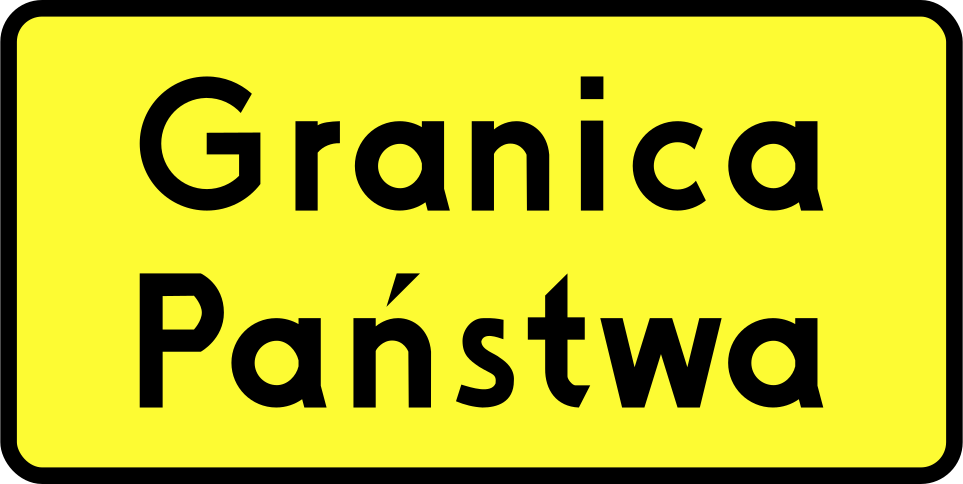
The T-17 State Border sign warns you that you are approaching an international boundary.
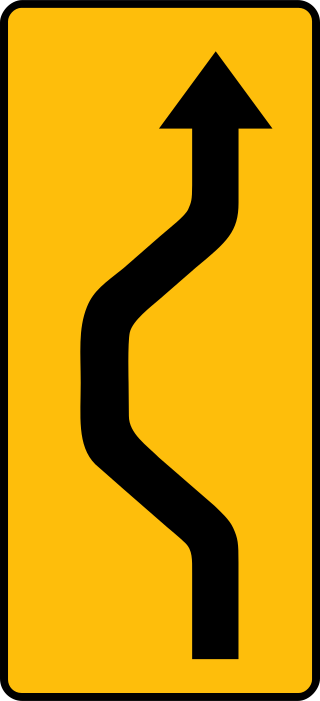
Navigate the Unexpected: Understanding the T-18 S-Curve Road Sign
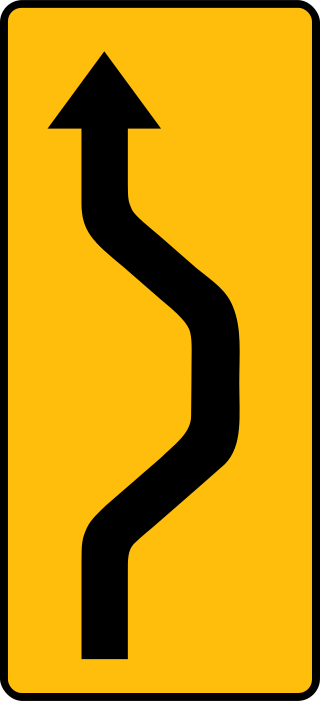
Navigate Sharp Turns Safely with the T-18a Unexpected Change of Direction Sign
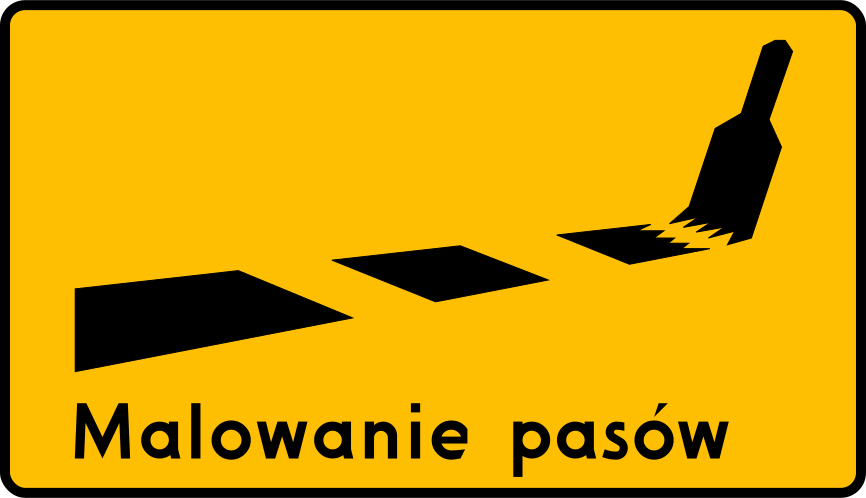
Beware of Fresh Road Markings with the T-19 Sign!
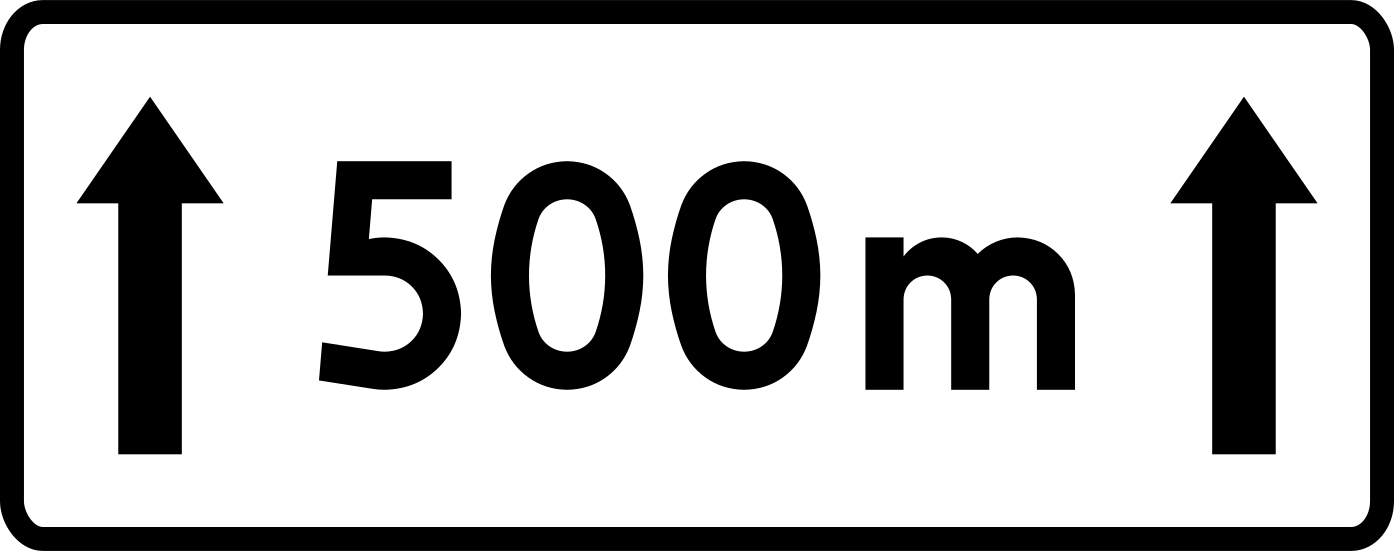
The T-20 sign indicates how far a prohibition, like a speed limit, will last.
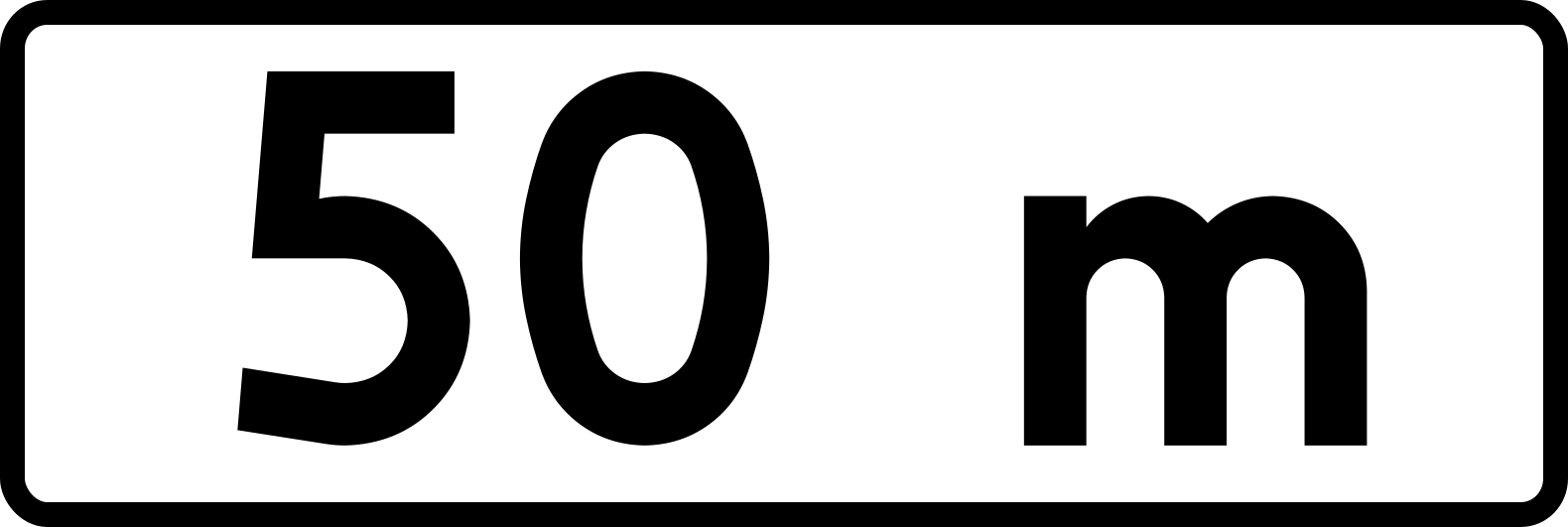
Prepare for upcoming prohibitions with the T-21 distance warning sign.
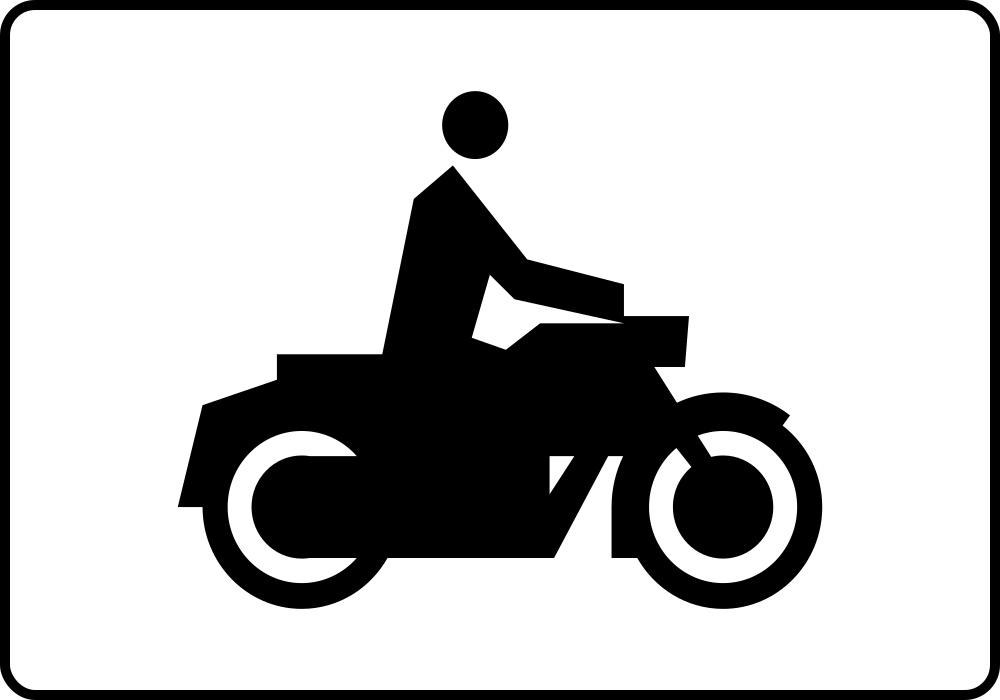
The T-23a sign means a rule or parking space is exclusively for motorcycles.
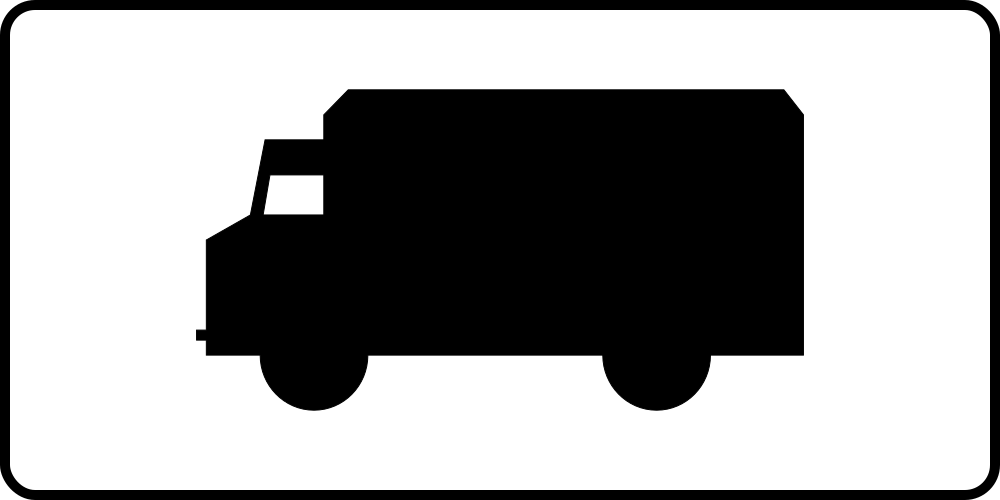
Understand the T-23b sign: Truck and Heavy Vehicle Restrictions
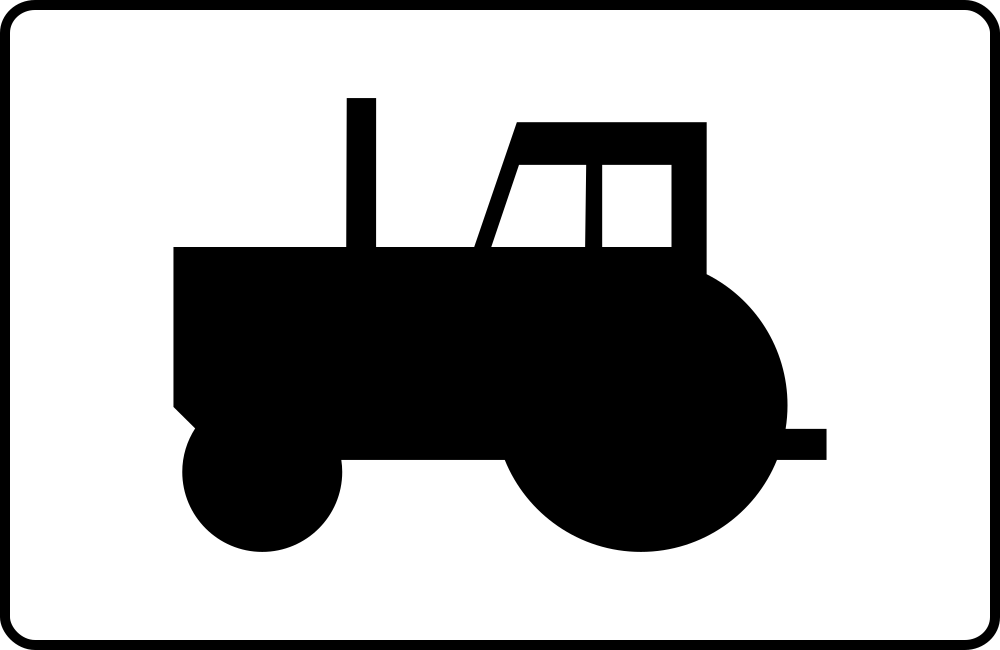
Understand the T-23c sign for Agricultural Tractors and slow-moving vehicles.
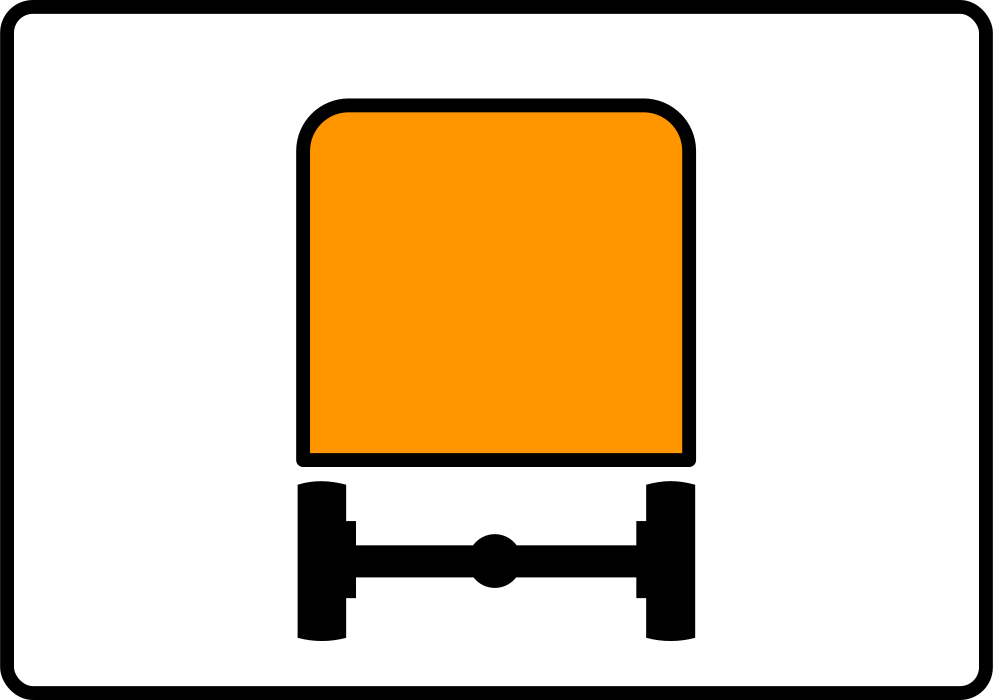
T-23h Sign: Warning Drivers of Vehicles Carrying Dangerous Goods (ADR)
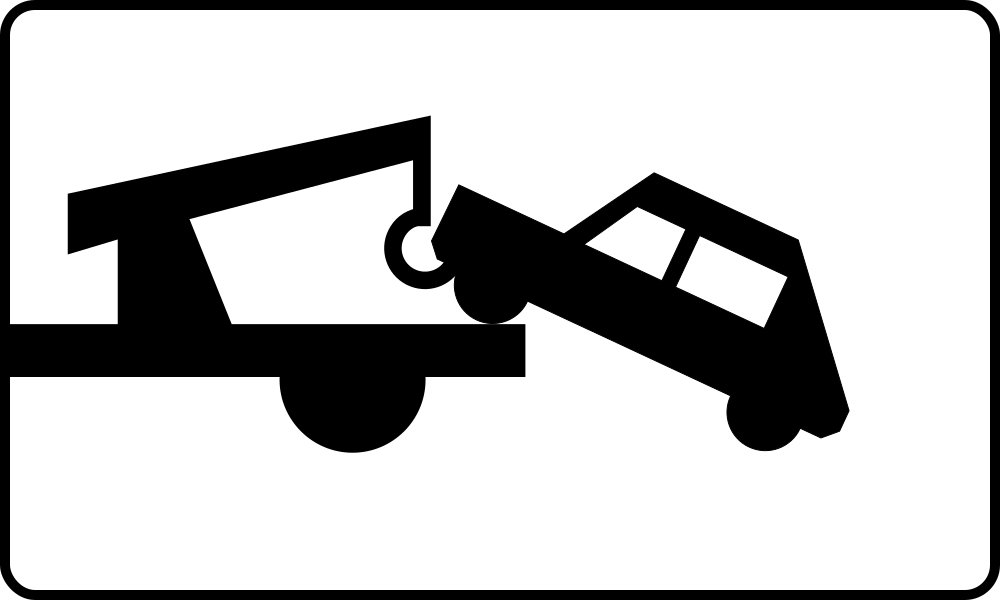
T-24: Warning – Your Vehicle Will Be Towed If Illegally Parked!
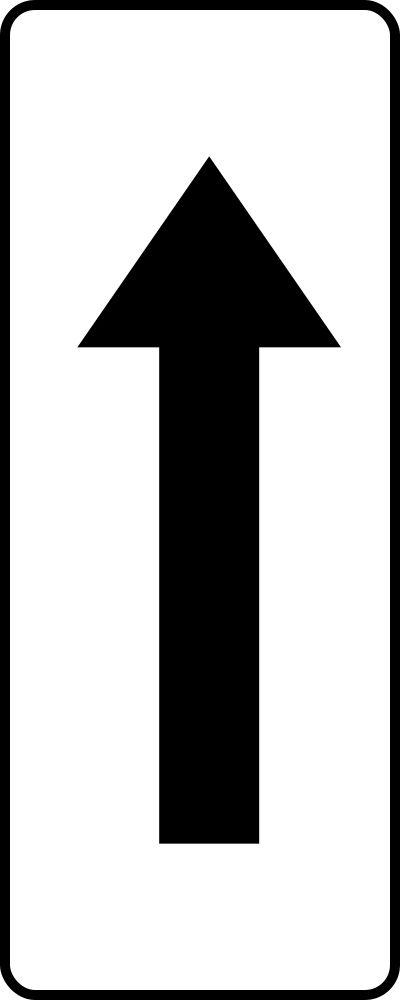
The T-25a Sign Marks the Exact Start of a Parking and Stopping Ban
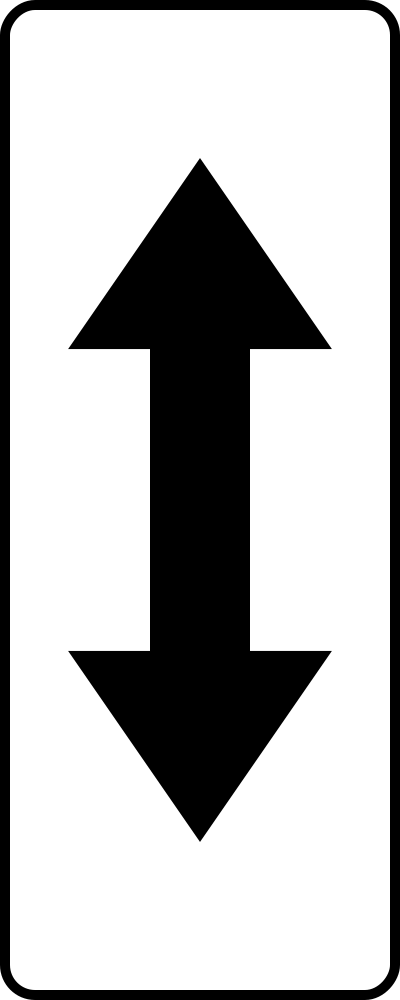
The T-25b sign means the parking ban you encountered earlier is still in effect.
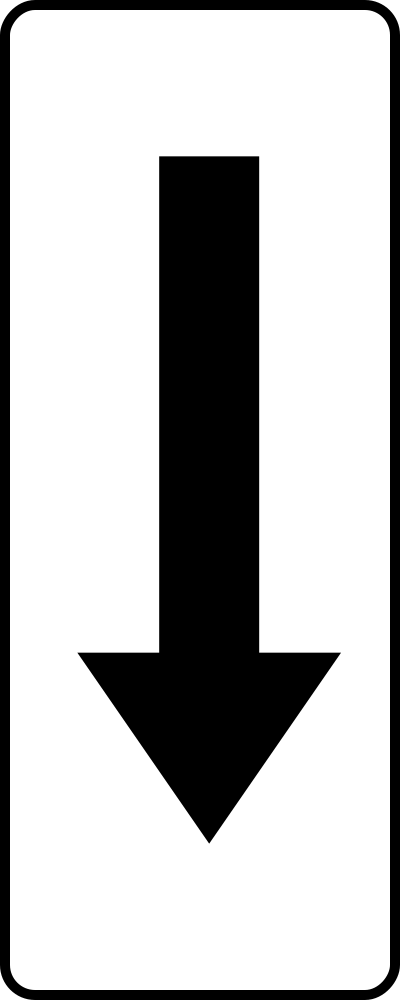
Understand the T-25c sign: When the Parking or Stopping Ban Ends
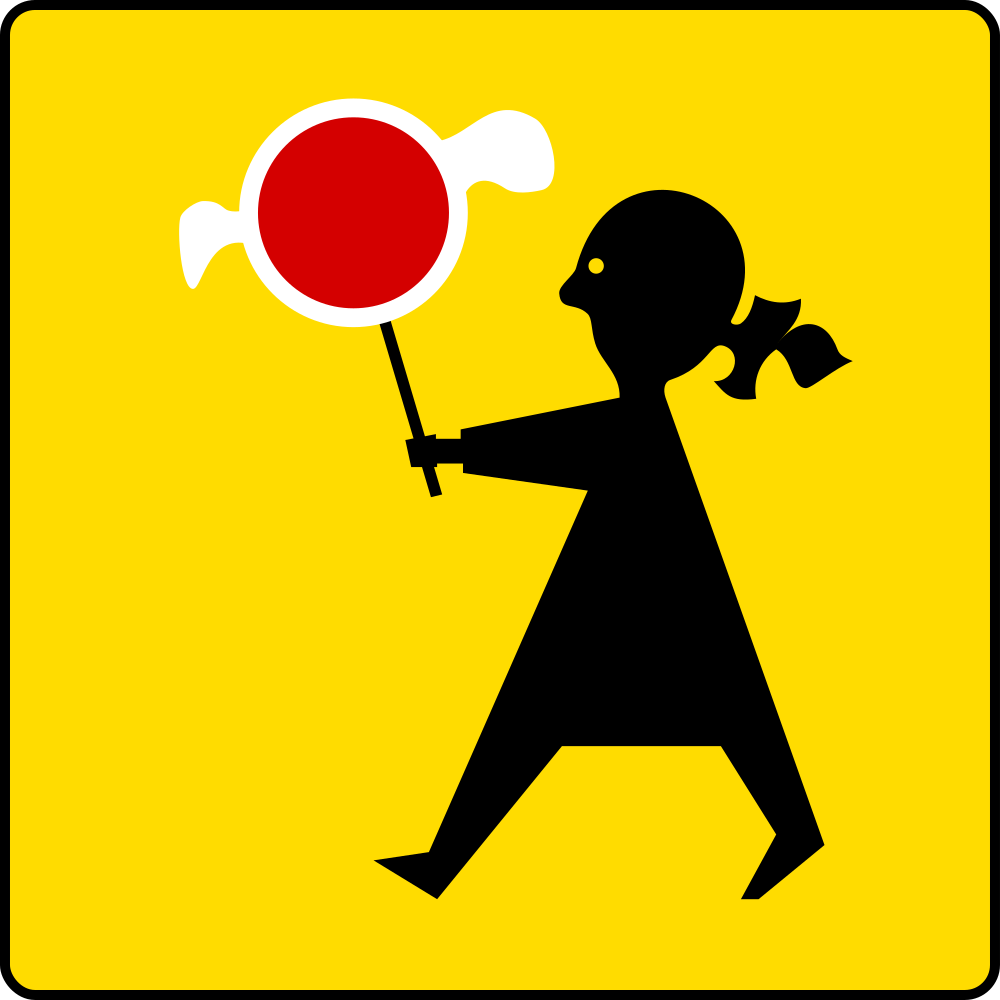
Beware of Children Crossing: The 'Agatka' Sign (T-27)
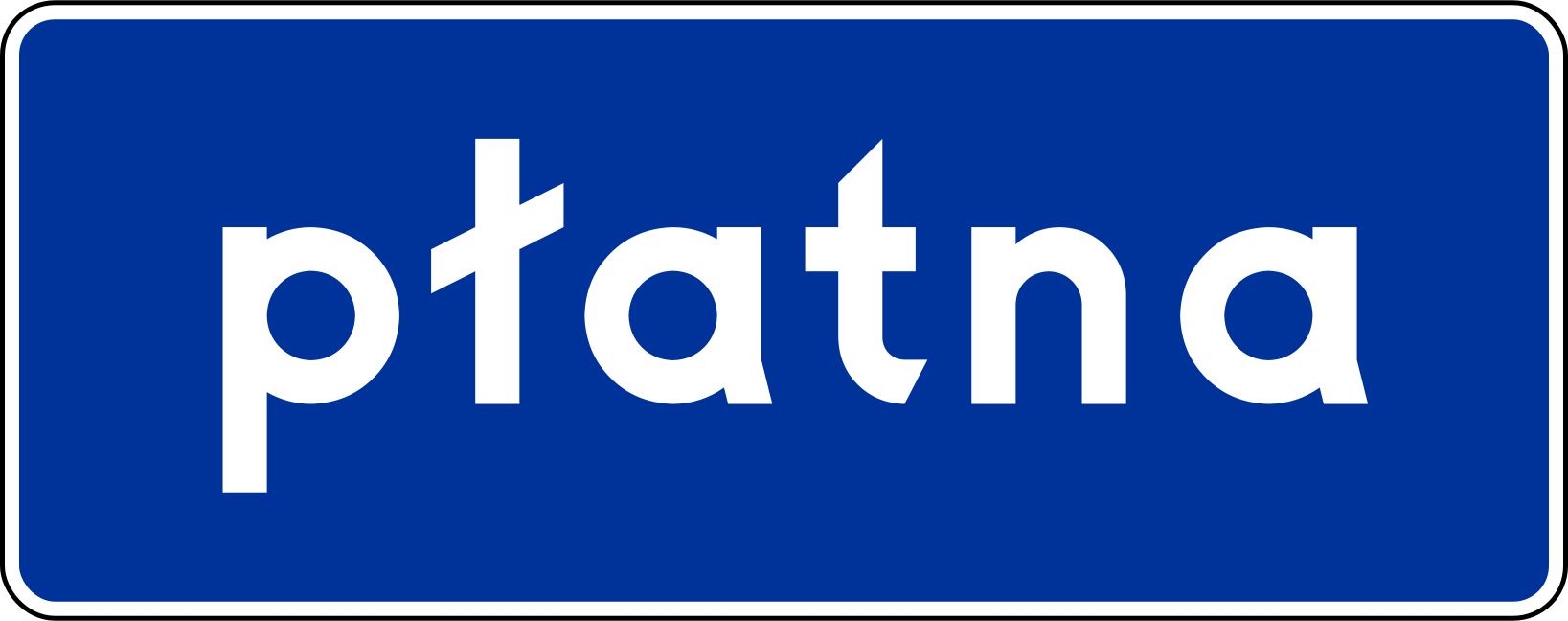
The T-28 Toll Road sign means you must pay a fee to continue on this expressway or motorway.
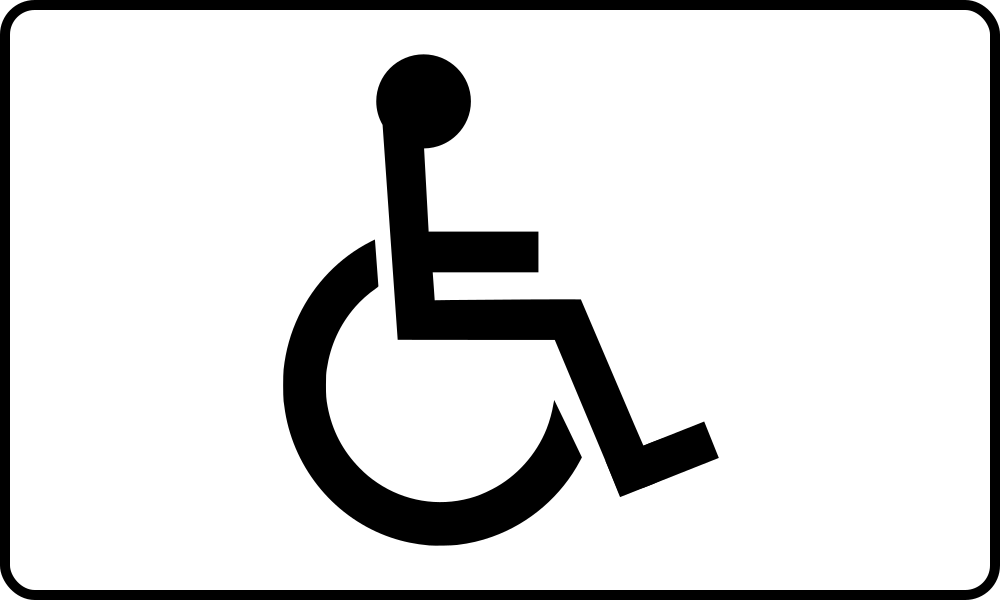
The T-29 Sign: Reserved Parking for Disabled Persons
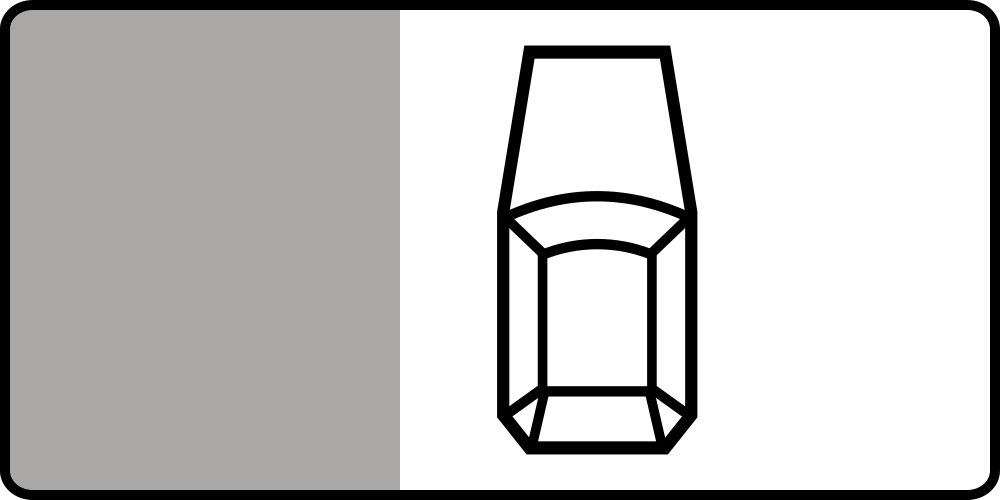
Understand the T-30a Sign: Parallel Parking on Sidewalk is Allowed Under Specific Conditions
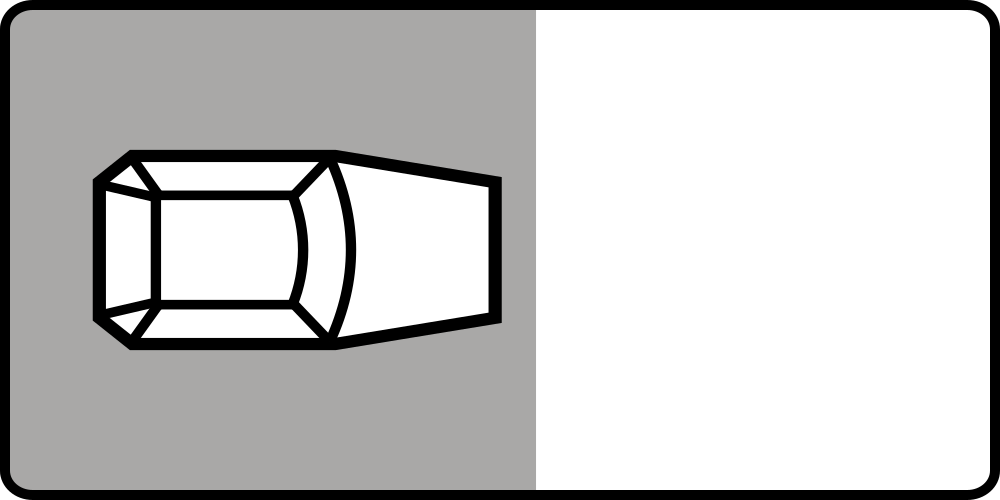
The T-30f sign means you must park perpendicularly on the roadway, keeping the pavement clear.
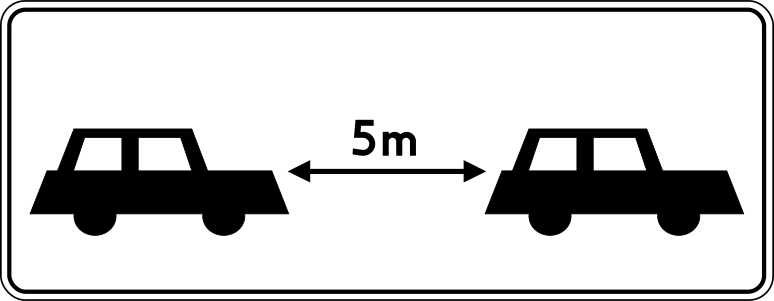
Maintain a minimum safe distance when stopped in a tunnel using the T-32 sign.
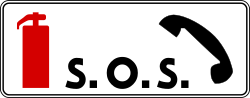
The T-33 sign means an emergency bay is equipped with a telephone and fire extinguisher.
The T-34 sign signals mandatory electronic toll collection via e-TOLL.

Prepare for Railway Crossings with the G-1a Three-Stripe Marker Post

G-1b: The Two-Stripe Marker Post Warning You're Getting Closer to the Railway Crossing

G-1c: This final marker post warns you're just moments from railway tracks!

Understand the G-1d Three-Stripe Marker Post for Left-Side Railway Crossing Warnings

Recognize the G-1e Sign: The Two-Stripe Marker Post Warning You About Railway Crossings on the Left.

The G-1f sign: your final warning for a railway crossing on the left.
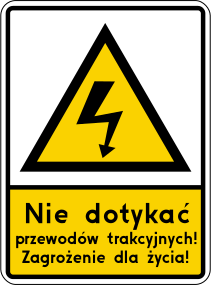
Beware of High Voltage Catenary Lines for Trains and Trams!
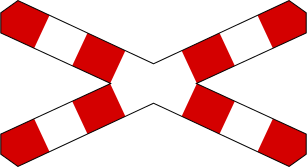
Prepare to stop at the G-3 St. Andrew's Cross sign indicating a single railway track crossing.
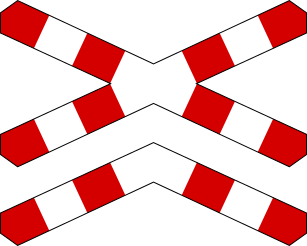
Master the G-4 'St. Andrew's Cross' Sign for Multi-Track Railway Crossings

Prepare for tram signals ahead with the AT-1 warning sign.

Understand the AT-2 Tram-Activated Signal: Know when trams are coming!
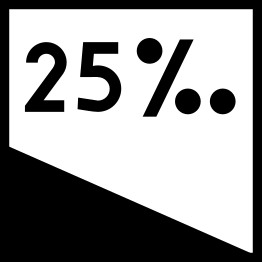
Understand the AT-3 Dangerous Tram Descent warning sign for trams.
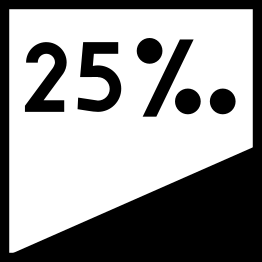
Warning: Steep Tram Ascent Ahead (AT-4)

Understand the AT-5 sign: Tram Collision Movement Warning for Turning Trams
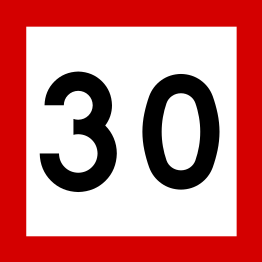
What the BT-1 Tram Speed Limit sign means and how to obey it.

BT-2: Tram Speed Limit Restriction Ends Here

BT-3 Tram Switch Lock: Don't Enter Until Clear!
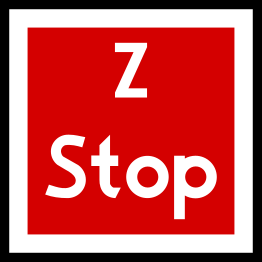
Stop and manually check the tram switch with the BT-4 sign.
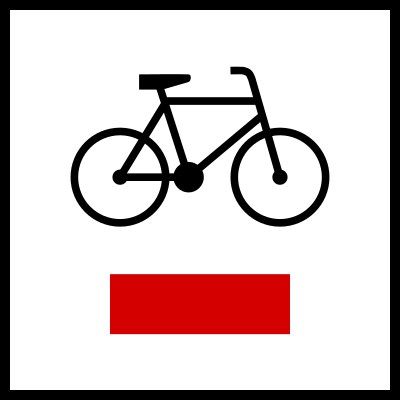
R-1 Local Bicycle Trail Sign: Navigating Designated Cycling Routes
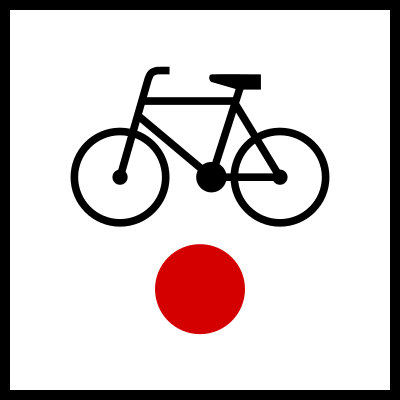
Understand the R-1a sign: The Beginning or End of a Bicycle Trail
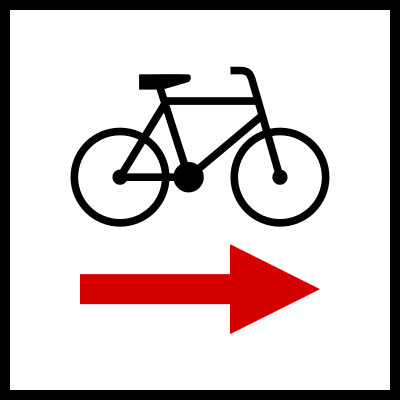
Understand the R-1b Sign: Bicycle Trail Direction Change Ahead
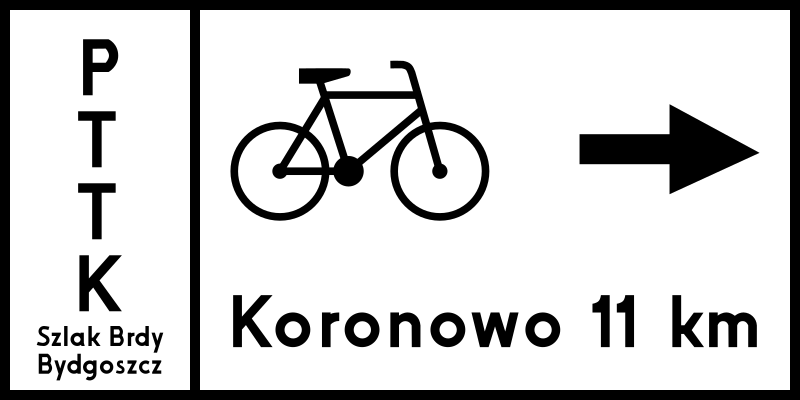
Understand the R-3 Local Bicycle Trail Information Board for Cycle Route Navigation
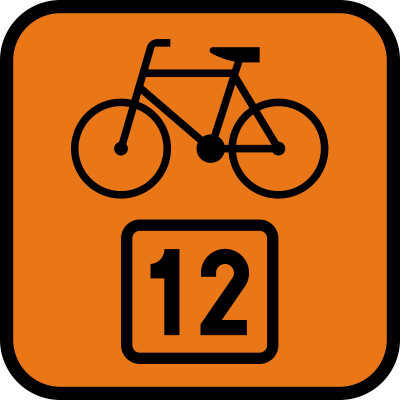
The R-4 Sign: Your Guide to Official Bicycle Routes
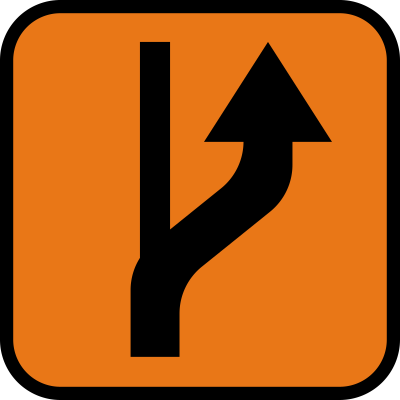
The R-4a sign guides you along the actual course of the bicycle trail.
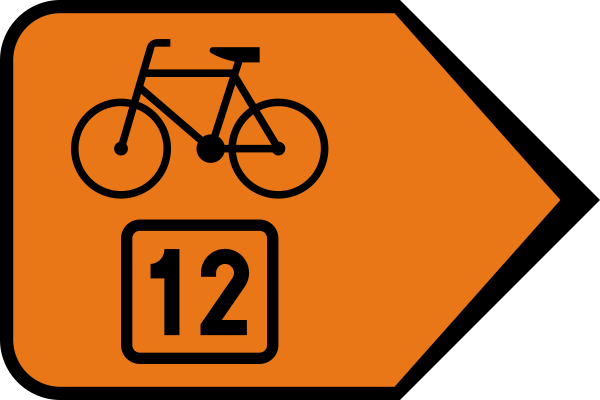
The R-4b sign guides you along major, high-priority cycling routes.
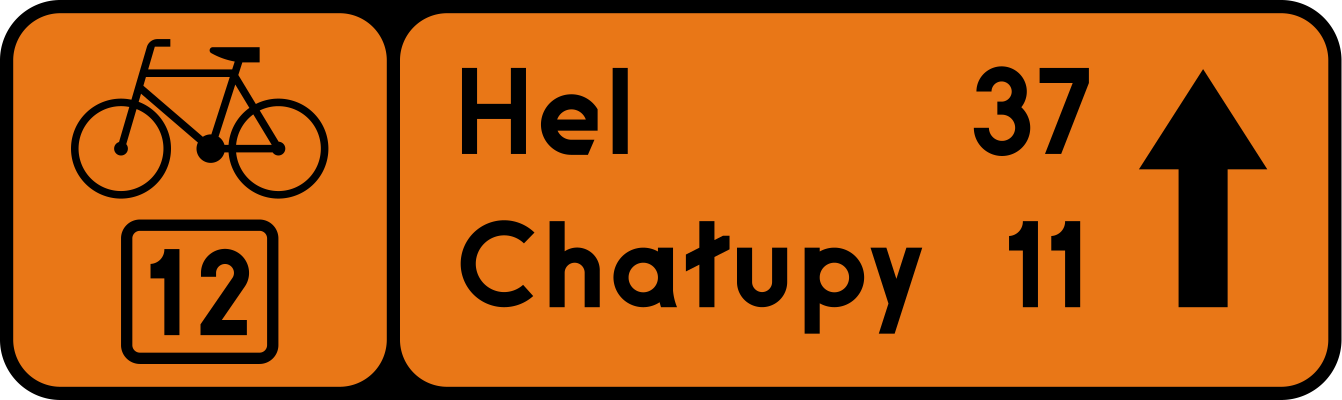
Navigate with the R-4c Directional Board for Bicycle Trails
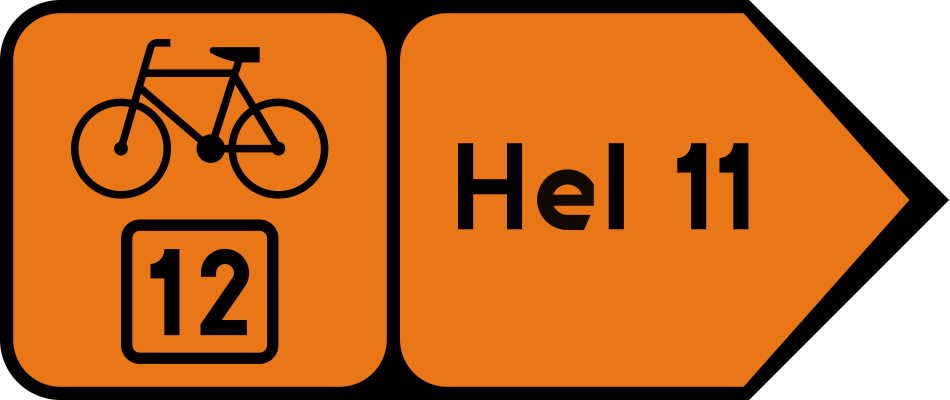
The R-4d sign guides cyclists with an arrow and distance to a destination.
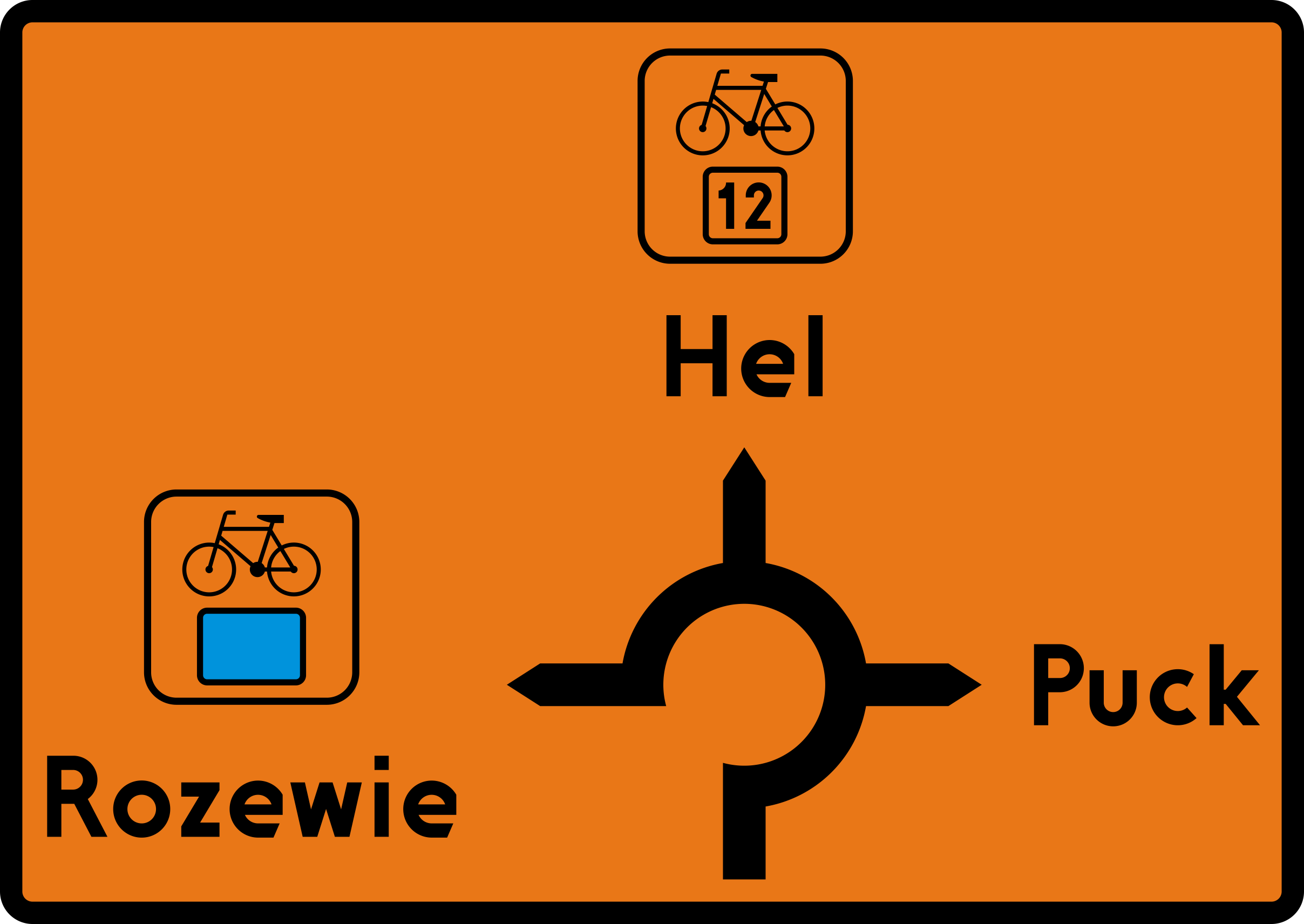
Prepare for junctions with the R-4e Advanced Directional Sign for Bicycle Trails.
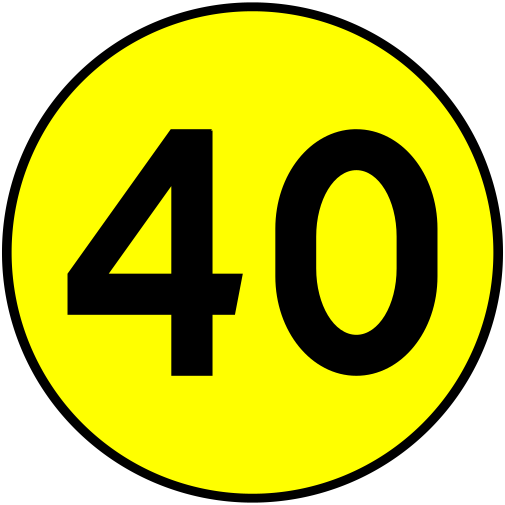
The W-1 sign specifies the maximum military load for a bridge during one-way traffic.
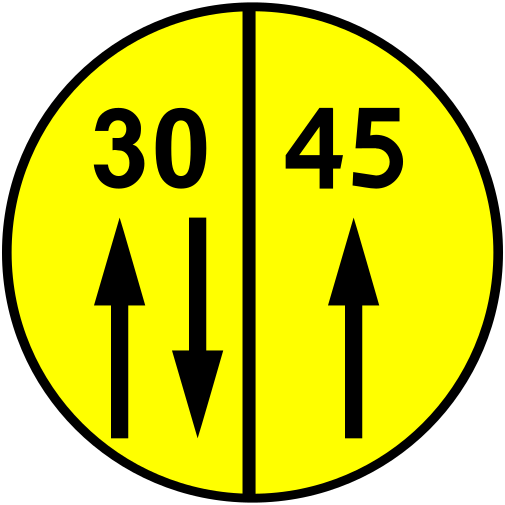
The W-2 Sign: Understanding Bridge Load Limits for Two-Way Military Traffic
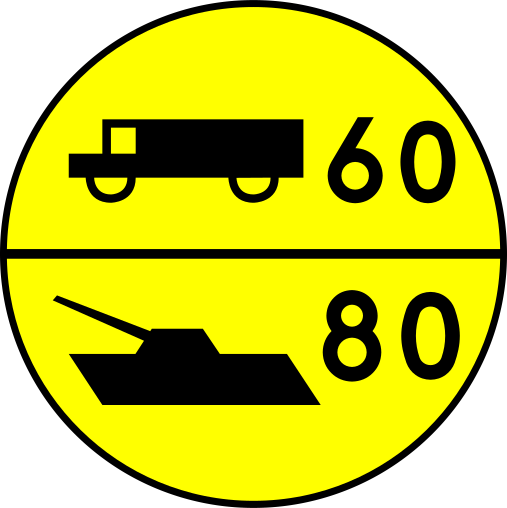
W-3 Sign: Know Your Vehicle's Bridge Weight Limit (Wheeled vs. Tracked)
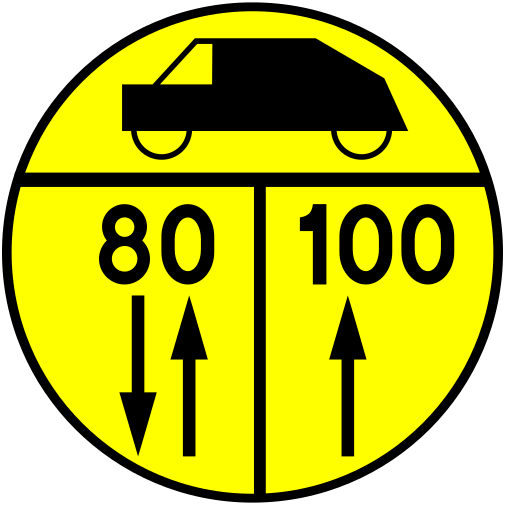
The W-4 Sign: Navigating Military Wheeled Vehicle Bridge Class Limits
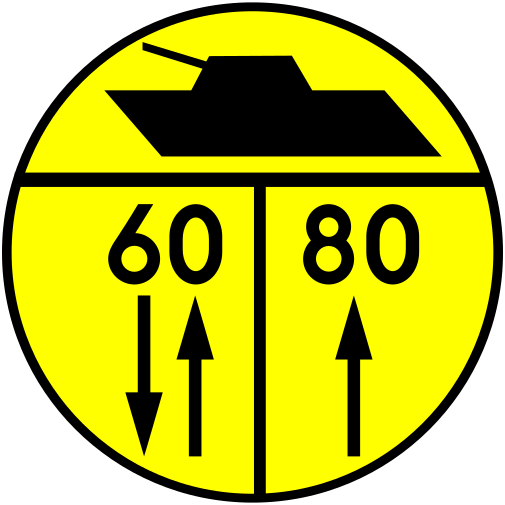
W-5 Sign: Understand Bridge Weight Limits for Tracked Military Vehicles
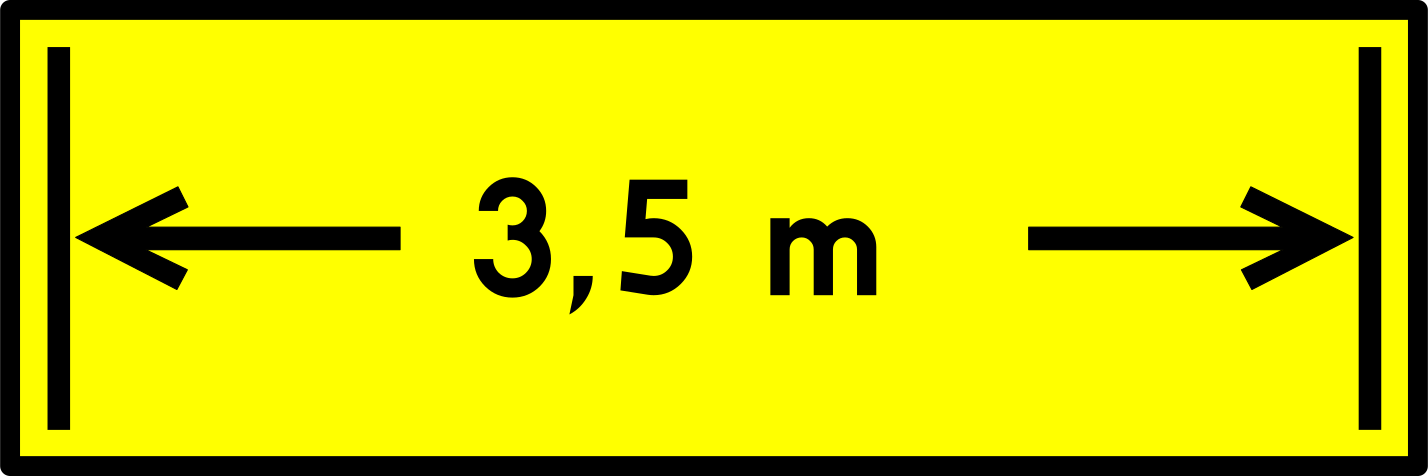
W-6 Bridge Width (Military) Sign: Critical for Wide Military Vehicle Crossings
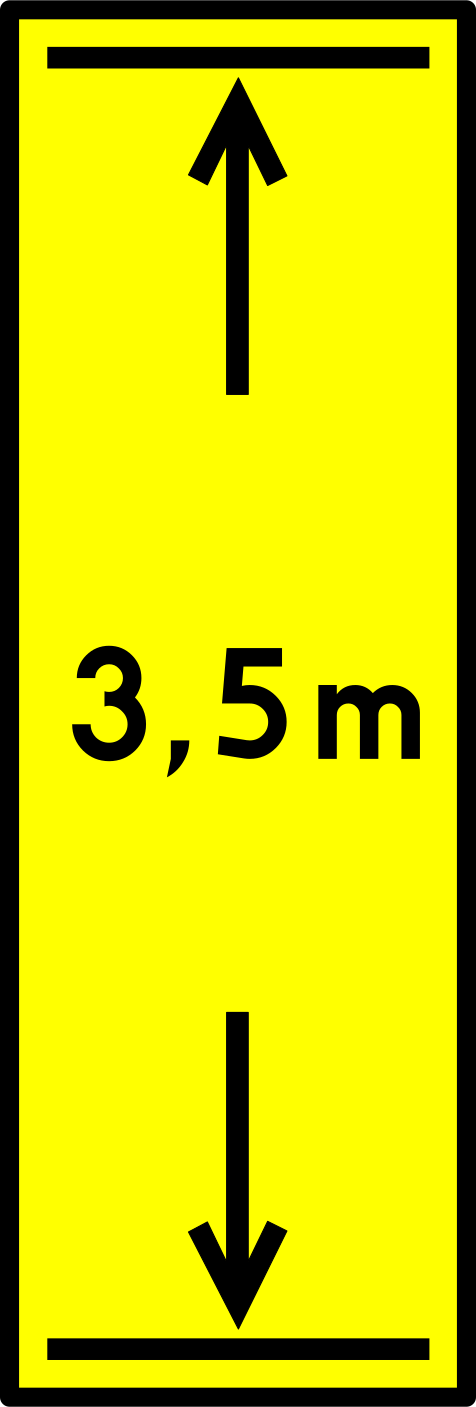
The W-7 Sign: Crucial Height Limit for Military Vehicle Passage

The P-1 Single Dashed Line: Your guide to safe lane changes and overtaking in Poland.

P-2 Solid White Line: Never Cross This Road Marking

Master the Unilateral Crossing Line (P-3) for safer Polish roads.

The P-4 Double Solid Line: A Strict Barrier You Must Not Cross

Master the P-5 Double Dashed Line for Reversible Lanes

Understand the P-6 Warning Line: Your Signal to Prepare for Restriction Ahead

The P-7a Intermittent Edge Line: Your Guide to Road Boundaries

The P-7b Solid Edge Line: Stay on the Roadway, Not the Shoulder!
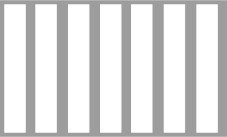
Understand the P-10 'Pedestrian Crossing' Road Sign and Your Obligations

Understand the P-11 Bicycle Crossing Road Sign and Cyclist Priority
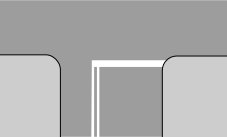
The P-12 Absolute Stop Line: You MUST stop here, no exceptions!
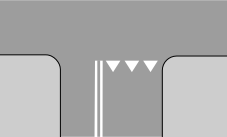
The P-13 'Conditional Stop Line' – Know When to Stop and Yield!
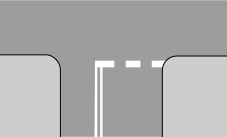
Know When to Stop: The P-14 Conditional Stop Line Explained

Prepare to yield: Understand the P-15 floor yield triangle road marking.

The P-16 'STOP' road marking means you must stop – even without a vertical sign!

P-17 Bus Stop Line: What This Zig-Zag Marking Means for Drivers

The P-18 marking clearly defines legal parking spaces.

The P-19 Parking Lane Line clearly separates parking areas from the main road.
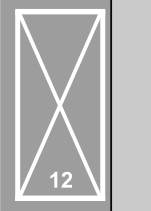
What Does the P-20 Reserved Parking Space (Envelope) Sign Mean?
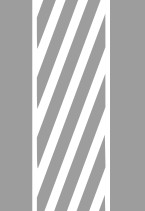
The P-21 'Excluded Surface' Marking: What It Means and How to Treat It

The P-22 'BUS' marking indicates a dedicated lane for public transport and authorized vehicles.
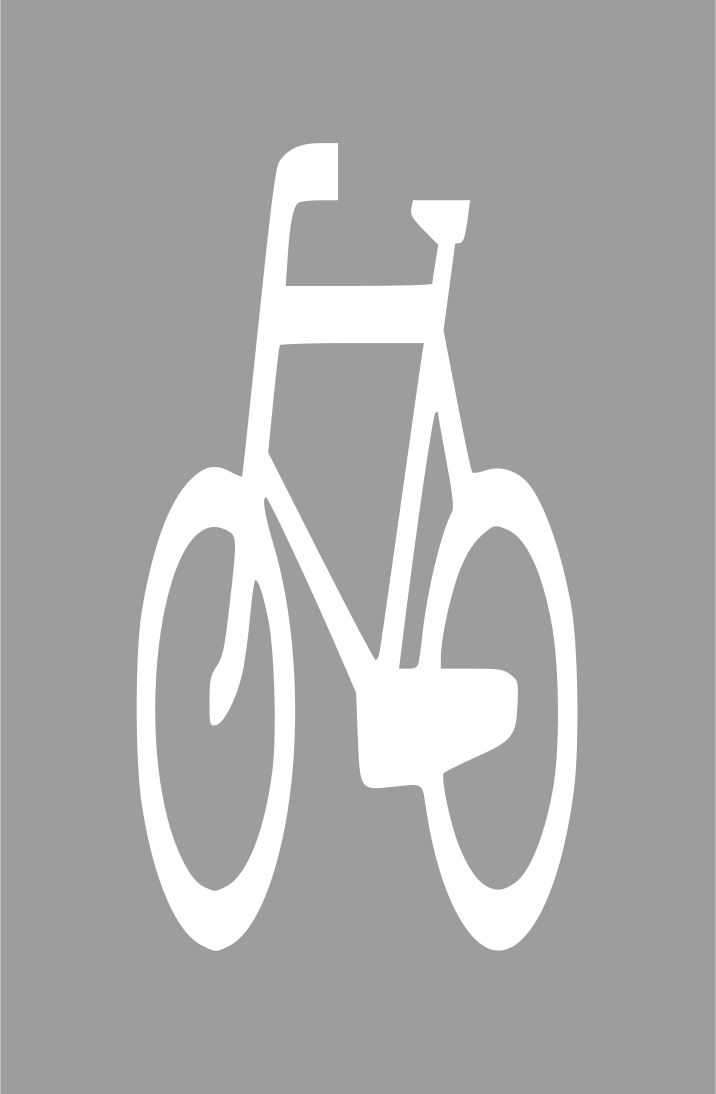
Recognise the P-23 Bicycle Symbol for Safe Cycling and Driving
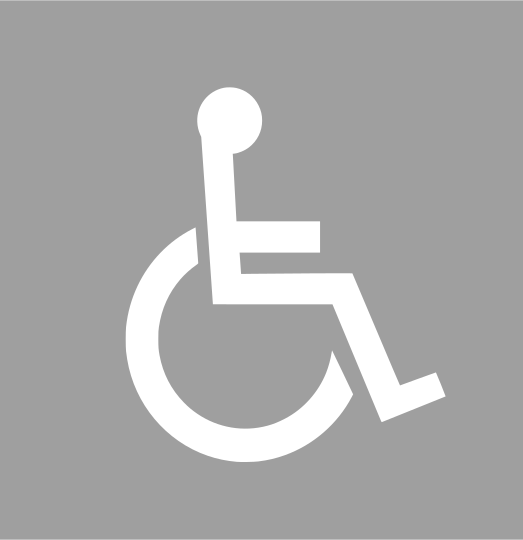
The P-24 Disabled Parking Sign: Reserved Parking for Those Who Need It

Understand the P-25 Marking: Your Signal for Speed Bumps Ahead!
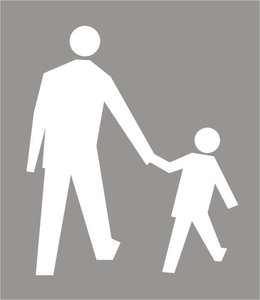
P-26 Pedestrian Path Symbol: A Zone Strictly for Walking
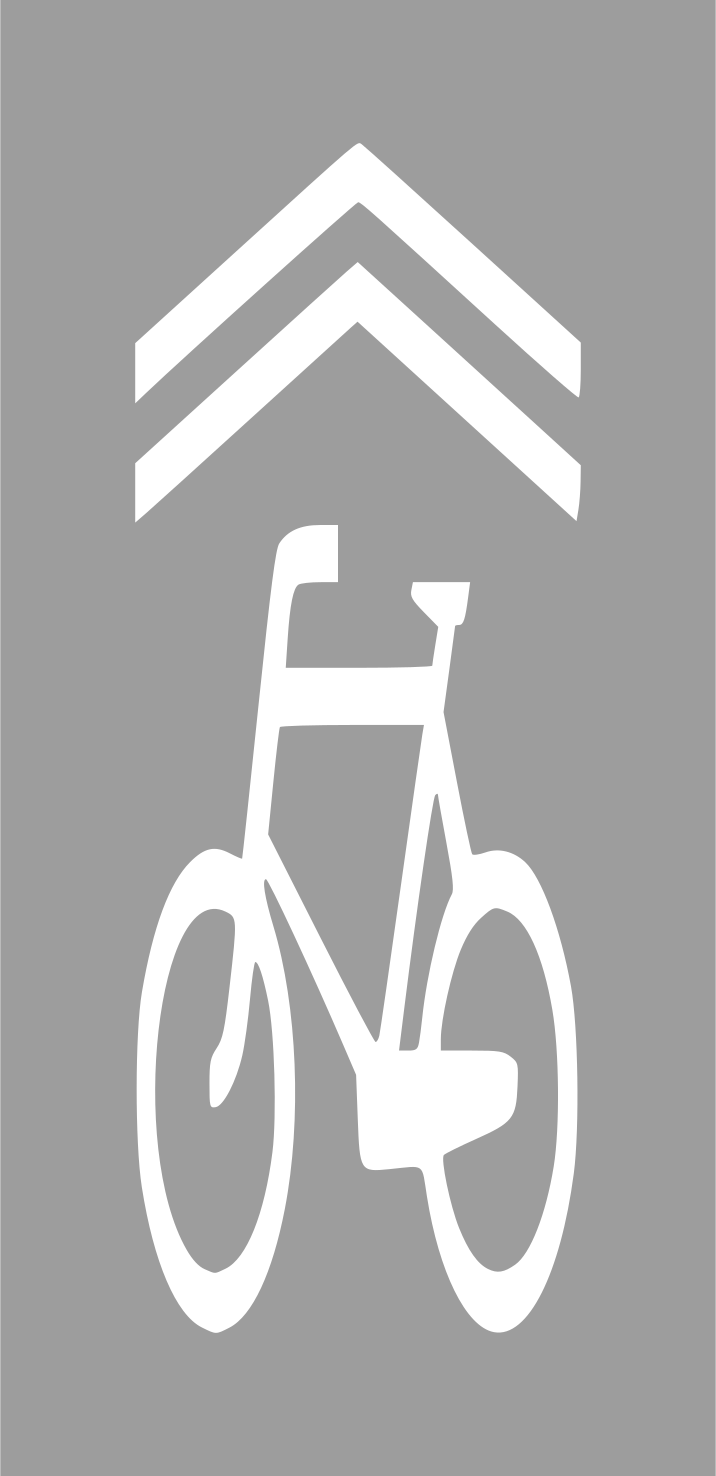
The P-27 Bicycle Direction and Path marking guides cyclists and informs drivers.
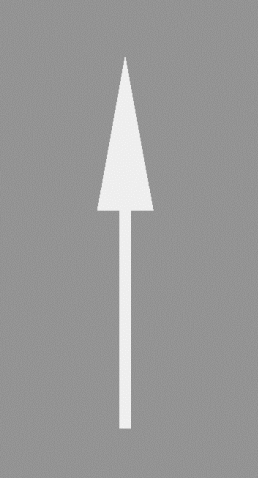
P-8a Straight Ahead Arrow: You Must Go Straight!

The P-8b Directional Arrow sign means you MUST turn in the direction shown.
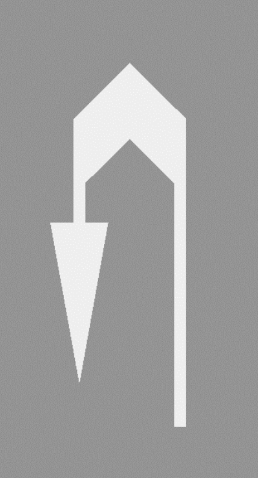
The P-8c sign means this lane is exclusively for U-turns.

The P-9 Guiding Arrow: Prepare to Merge as Your Lane Ends
Continue your preparation for the Polish driving licence exam by exploring our full range of detailed articles and guides. Understand complex road rules, interpret various road signs, and learn best practices for safe driving in Poland. Expand your expertise and ensure you are fully confident for your theory test.
All Polish Driving Theory Articles