
Sharpen your hazard perception skills for the Polish driving theory exam by practicing challenging scenarios involving adverse weather. This set from Polish Driving License Theory covers complex situations like heavy rain at night, dense fog with traffic, and strong crosswinds, teaching you how to identify multiple risks and react safely according to Polish traffic rules.

This practice set helps you prepare for the most challenging hazard perception questions related to adverse weather conditions on Polish roads. Focus on multi-factor scenarios like limited visibility with slippery surfaces, strong winds, and other combined risks to master critical road safety decisions for your Polish driving theory exam. Improve your anticipation skills and apply correct driving techniques effectively.
Prepare for the most challenging weather-related hazard perception questions in the Polish driving theory exam. This set focuses on multi-factor scenarios, including limited visibility combined with slippery roads, strong winds with potential debris, and how these conditions compound risks for Polish drivers. Learn to anticipate dangers and apply correct driving techniques.
Preview sample questions from the Adverse Weather Combined Risks practice set to see how they help you prepare for the driving theory exam in Poland.
Learners choose Adverse Weather Combined Risks to improve accuracy and understanding of key exam themes in Poland. It offers realistic driving theory questions and targeted revision for effective preparation.
Find answers to the most common queries learners have when practising Adverse Weather Combined Risks, including how questions match the official theory exam in Poland, how scoring works, and how this practice improves exam readiness.
Combined risks refer to situations where multiple hazardous factors are present simultaneously, such as heavy rain at night (reduced visibility + slippery roads) or fog with heavy traffic (poor visibility + increased collision risk). This practice set focuses on these complex scenarios.
When driving in fog in Poland, braking distance can significantly increase, especially if the road surface is wet. Reduced visibility means you have less time to react, and moisture on the road reduces tyre grip, making it harder to stop safely. Always reduce speed and maintain a larger following distance.
No, you should not use high beams (światła drogowe) in dense fog in Poland. High beams reflect off the fog particles, creating glare that significantly worsens visibility rather than improving it. Instead, use your front fog lights (światła przeciwmgłowe przednie) and dipped headlights (światła mijania).
Aquaplaning occurs when a layer of water builds up between your tires and the road surface, causing your vehicle to lose traction and steering control. To prevent it in heavy rain in Poland, reduce your speed, avoid sudden braking or steering, and ensure your tires have adequate tread depth. Drive defensively, especially through standing water or ruts.
In Poland, you are permitted to use rear fog lights (tylne światła przeciwmgłowe) only when visibility is reduced to less than 50 meters due to fog, heavy rain, or snow. It is crucial to switch them off once visibility improves to avoid dazzling drivers behind you.
By completing Adverse Weather Combined Risks, you will gain stronger rule knowledge, faster recognition of signs and situations, better decision making in traffic scenarios, and increased accuracy on exam style questions used in Poland. These outcomes directly support higher scoring exam performance.
Continuing with related practice questions helps reinforce your understanding of adverse weather driving conditions and complex hazard perception scenarios specific to Polish roads. This targeted topic revision ensures comprehensive exam preparation, building confidence for your Polish driving theory test.

Master navigating Poland's roads when conditions turn complex and dangerous.
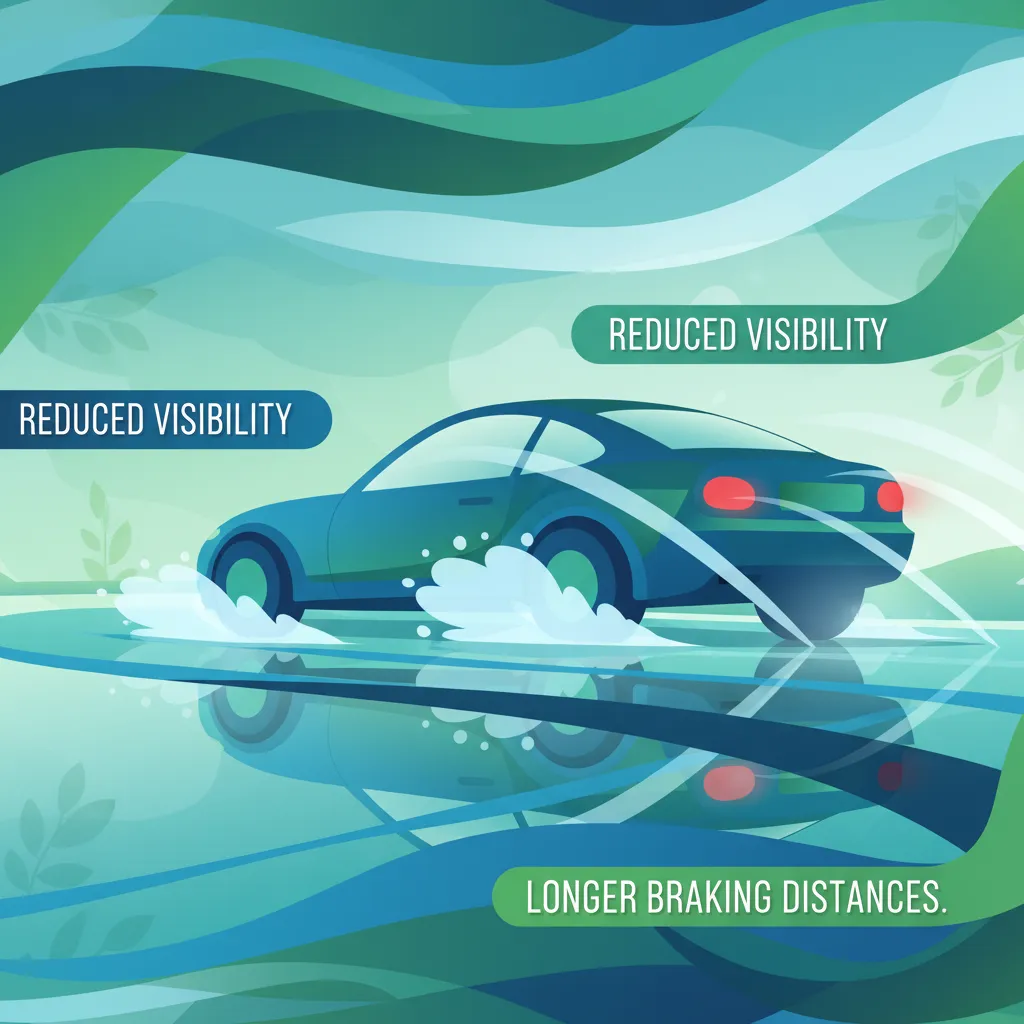
Navigate Wet Polish Roads with Confidence and Pass Your Exam
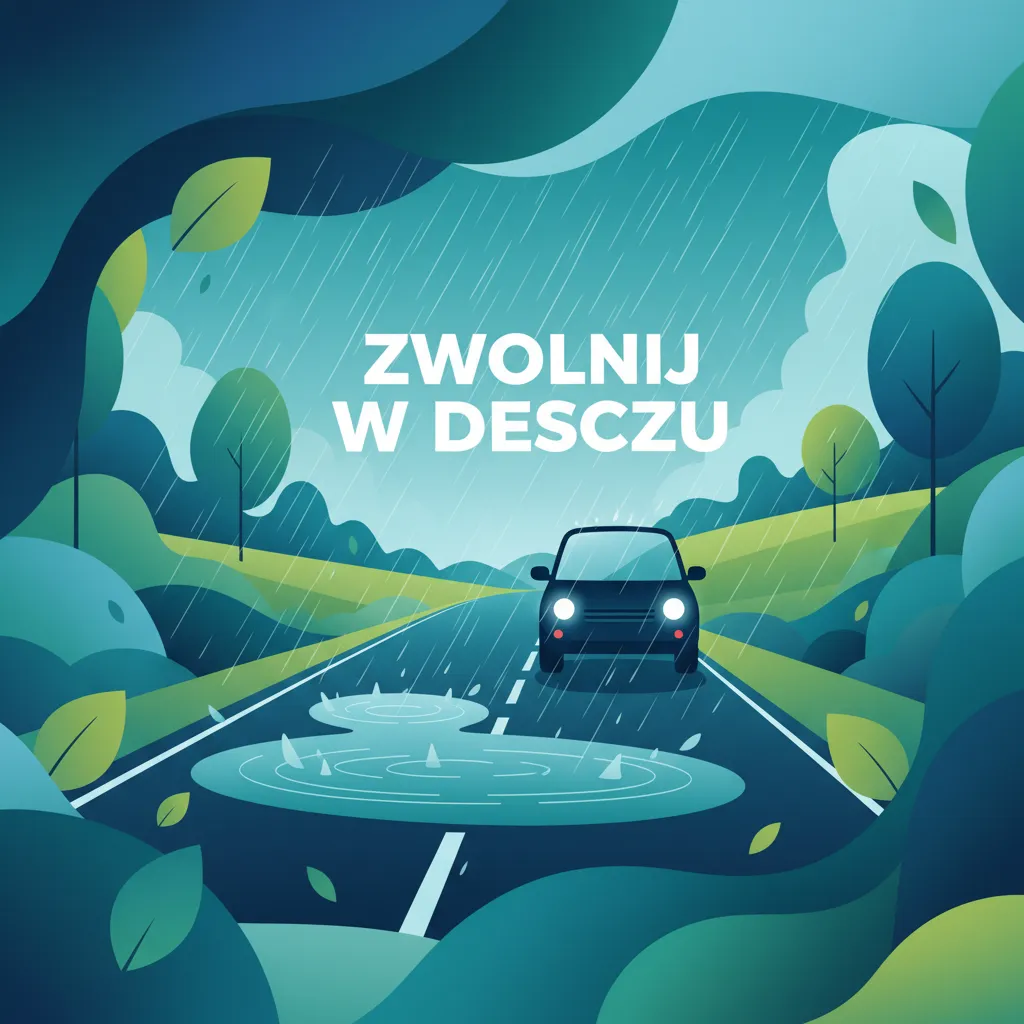
Navigate Polish Roads Safely: Master Speed Control in Challenging Weather!

Master Wet Weather Driving for Your Polish Driving License Theory Exam

Go Beyond Obvious Dangers: Master Proactive Hazard Recognition for Your Polish Driving Exam.
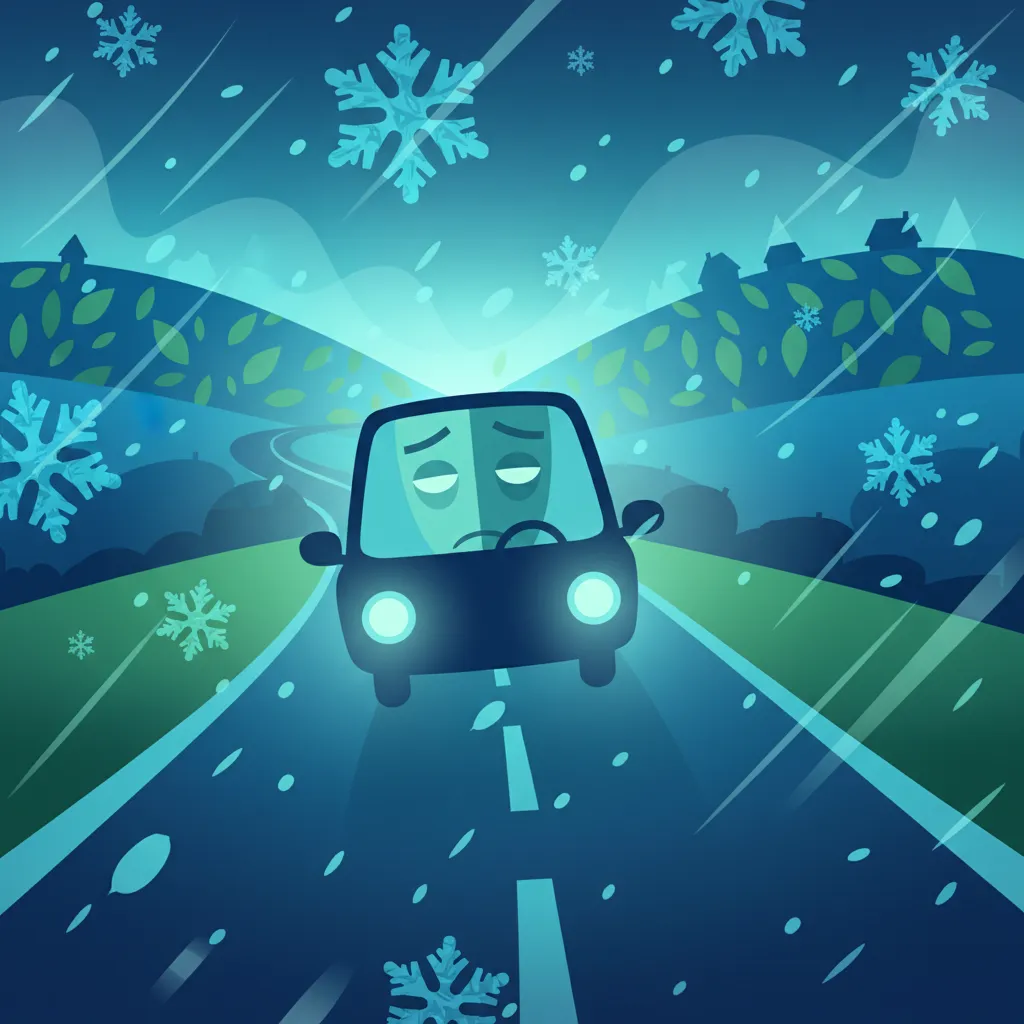
Conquer Advanced Driving Challenges: Fatigue and Low Visibility Scenarios.
Questions in Adverse Weather Combined Risks
Exam focused questionss
Adverse Weather Combined Risks offers quick, focused exam style practice to boost your Polish knowledge for the driving theory exam in Poland.
Adverse Weather Combined Risks helps learners in Poland with clear explanations and targeted Polish practice to improve essential driving theory topics.
This practice set is designed for advanced learners and those preparing for the Polish driving theory exam who want to master complex hazard perception. It targets drivers who may struggle with integrating multiple risk factors, such as poor visibility, slippery roads, and traffic density. Master these tricky situations to build confidence and avoid common exam mistakes.
Explore more topics for the Polish driving theory exam in Poland.
Dive into specific Polish driving theory topics by selecting a category that matches your revision needs. Whether you want to master road signs, understand priority rules, or review traffic regulations, our categorized practice sets will guide your learning and prepare you thoroughly.
Browse Practice Categories