
Prepare for your Polish driving theory exam by understanding how different road surfaces affect vehicle control. This set covers braking distance, grip, and handling on gravel, cobblestone, and asphalt, crucial for safe driving in Poland. Learn to adapt your driving technique to various conditions and avoid common errors on your journey to a Polish driving license.
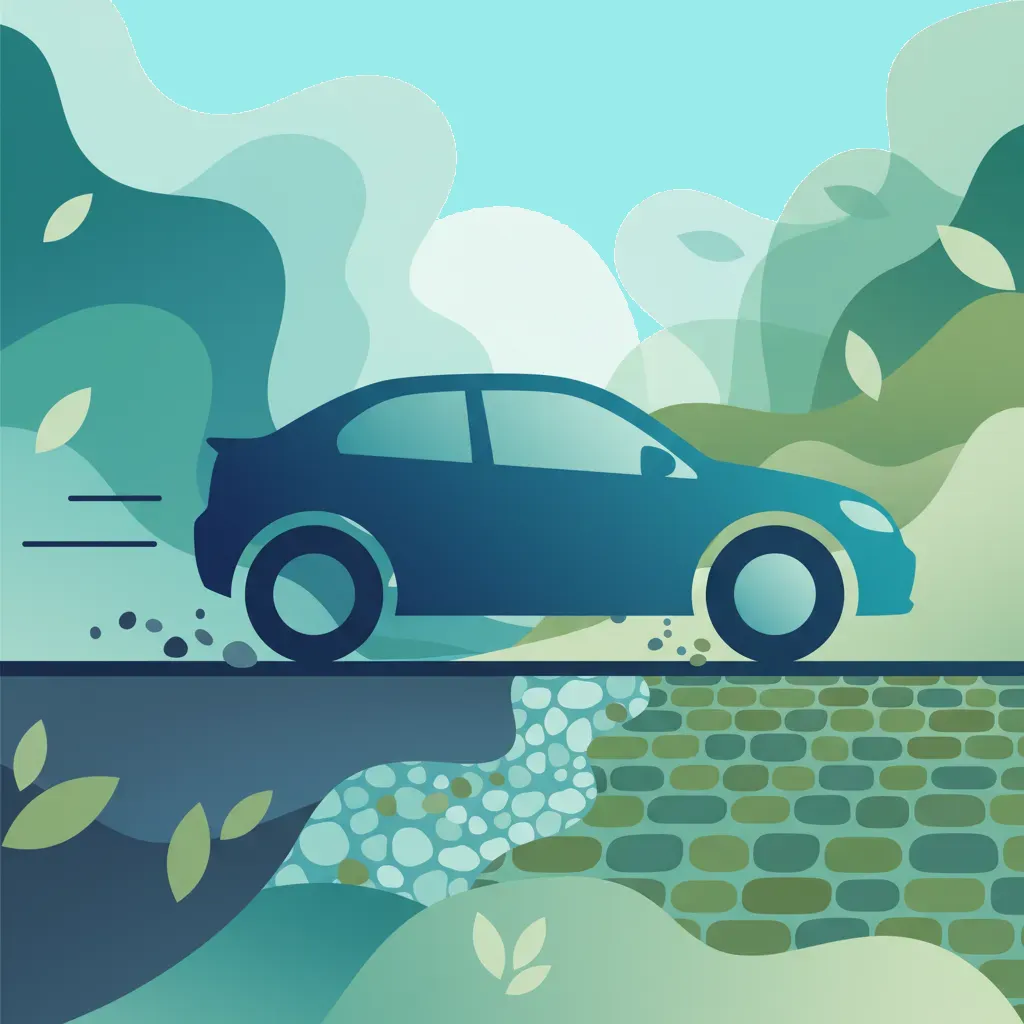
This practice set helps you understand how different road surfaces, from gravel to smooth asphalt, influence vehicle control and stability. Master crucial knowledge on grip, braking distances, and safe handling under various conditions unique to Polish roads. Start now to enhance your driving theory exam preparation and build confidence for real-world challenges.
Understand how road surfaces such as gravel, cobblestone, and smooth asphalt influence vehicle grip, braking distance, and handling. This set prepares you for varying conditions on Polish roads, helping you avoid common mistakes and drive more safely for your driving theory exam.
Preview sample questions from the Road Surface Control practice set to see how they help you prepare for the driving theory exam in Poland.
Learners choose Road Surface Control to improve accuracy and understanding of key exam themes in Poland. It offers realistic driving theory questions and targeted revision for effective preparation.
Find answers to the most common queries learners have when practising Road Surface Control, including how questions match the official theory exam in Poland, how scoring works, and how this practice improves exam readiness.
Different road surfaces significantly impact braking distance. Loose surfaces like gravel or highly textured surfaces like cobblestone offer less grip than smooth, dry asphalt, leading to longer braking distances. Always adjust your speed and maintain a greater following distance on such roads.
Asphalt generally provides the highest grip when dry and clean. Gravel offers significantly less grip due to loose particles, making it easy for tyres to slide. Cobblestone, especially when wet, can be very slippery due to its uneven and often polished surface, reducing overall traction.
The Polish driving theory exam often includes questions on safe driving practices under various conditions. Understanding how road surfaces affect vehicle control is crucial for demonstrating your awareness of hazards and your ability to make safe decisions, which is a key part of the exam.
If you encounter a sudden change in road surface, such as transitioning from asphalt to gravel, reduce your speed gently, avoid sudden braking or steering inputs, and maintain a firm but relaxed grip on the steering wheel. Be prepared for a decrease in grip and potential instability.
Yes, uneven road surfaces can reduce the effectiveness of safety systems like ABS (Anti-lock Braking System). While ABS helps prevent wheel lock-up, its performance can be compromised on highly uneven surfaces like cobblestone or gravel, which can lead to longer stopping distances or reduced control.
By completing Road Surface Control, you will gain stronger rule knowledge, faster recognition of signs and situations, better decision making in traffic scenarios, and increased accuracy on exam style questions used in Poland. These outcomes directly support higher scoring exam performance.
These related practice questions deepen your understanding of how various Polish road conditions affect vehicle handling and braking. Engaging with these topic revision sets is crucial for comprehensive exam preparation and ensuring confident driving across all scenarios.

Master the Art of Vehicle Control in Poland's Toughest Winter Conditions.

Master vehicle control for safer driving and confident exam performance.
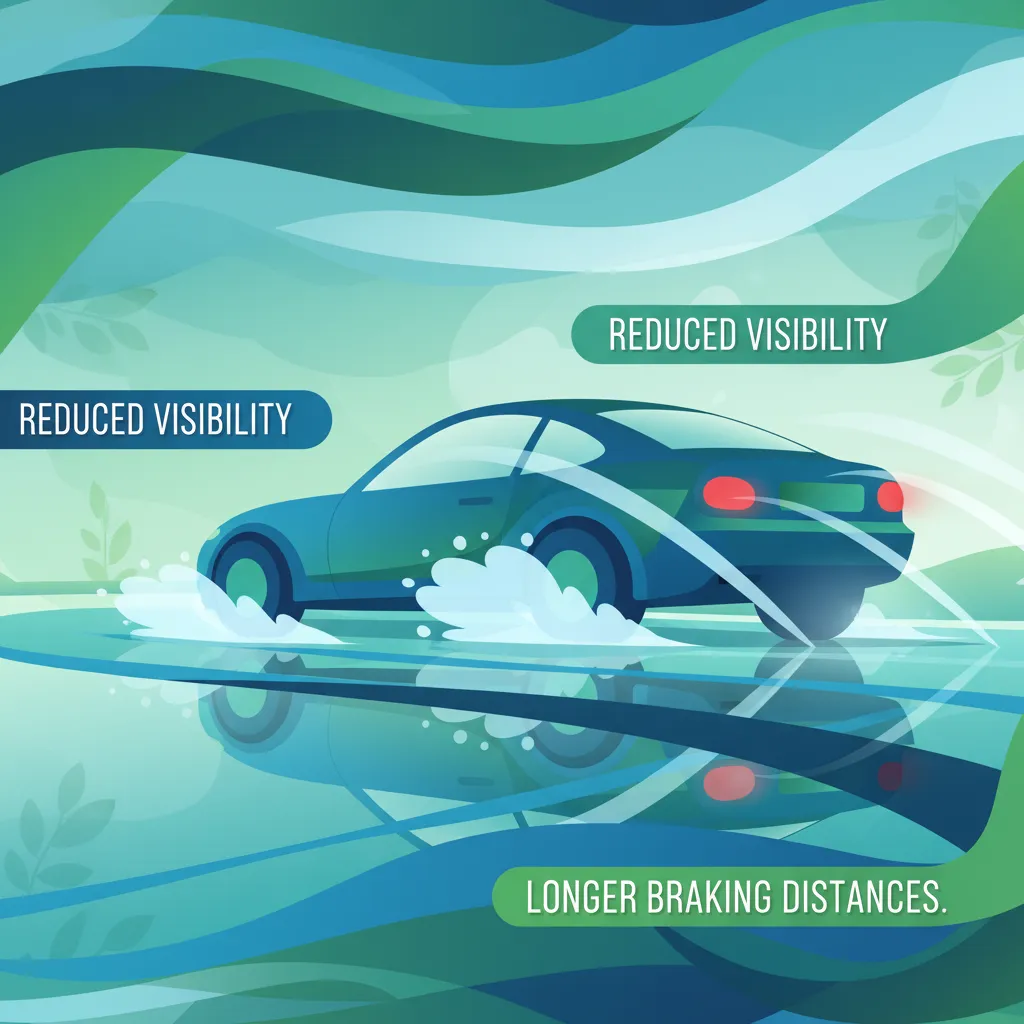
Navigate Wet Polish Roads with Confidence and Pass Your Exam

Master advanced vehicle control and emergency reactions for challenging Polish road conditions.
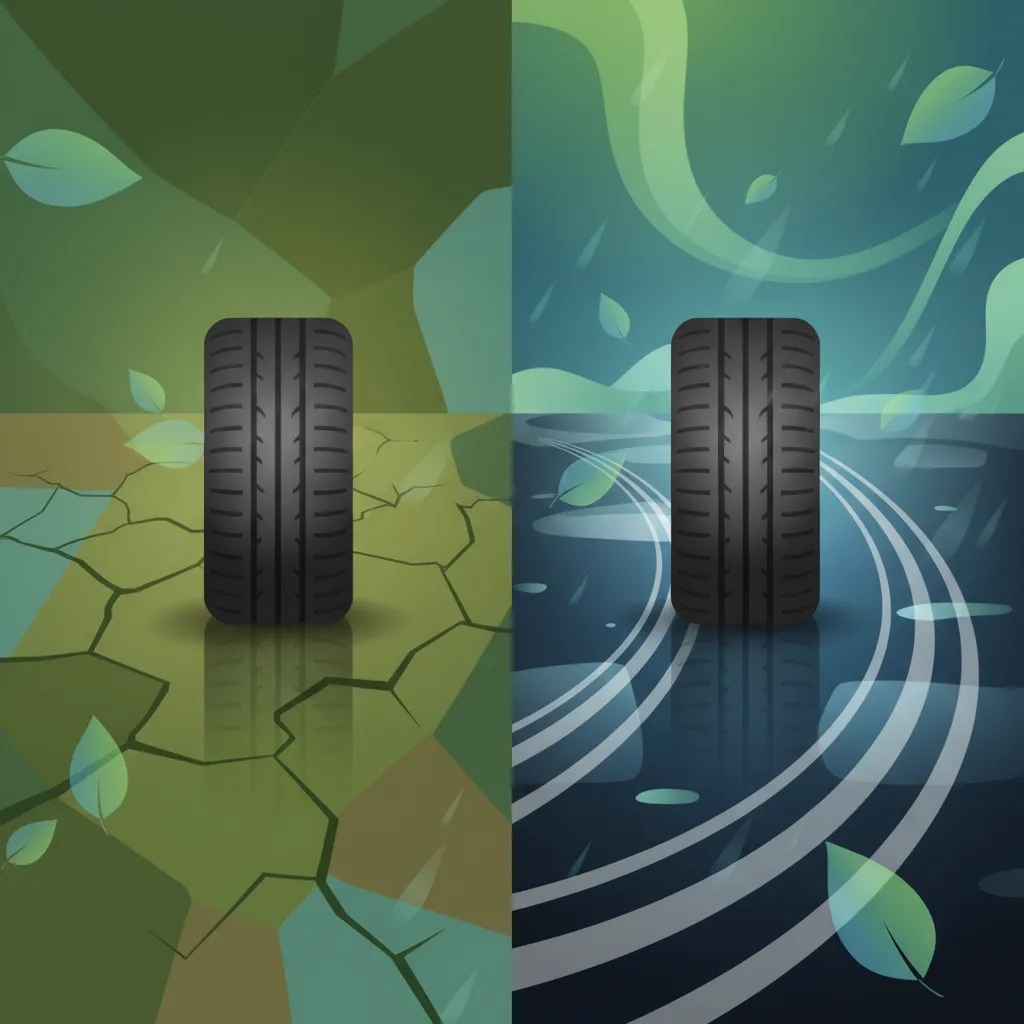
Master Tyre Performance for Ultimate Road Safety and Exam Success.
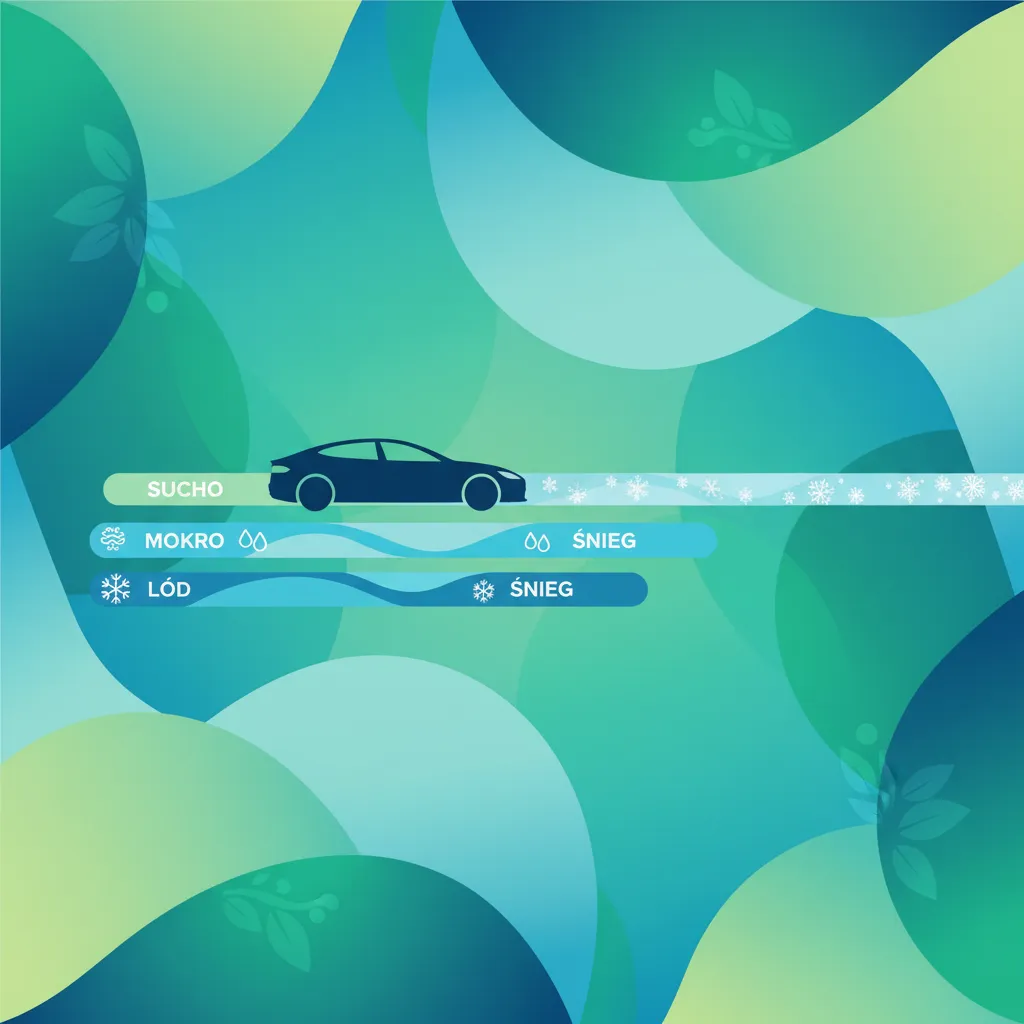
Master Braking Distances: Understand How Speed and Weather Impact Your Stop in Poland
Questions in Road Surface Control
Exam focused questionss
Road Surface Control offers quick, focused exam style practice to boost your Polish knowledge for the driving theory exam in Poland.
Road Surface Control helps learners in Poland with clear explanations and targeted Polish practice to improve essential driving theory topics.
This practice set is ideal for intermediate learners preparing for their Polish driving theory exam who want to deepen their understanding of vehicle dynamics. It addresses common misconceptions about grip and braking on varied surfaces, helping you confidently navigate diverse Polish road conditions and reduce mistakes in challenging situations.
Explore more topics for the Polish driving theory exam in Poland.
Dive into specific Polish driving theory topics by selecting a category that matches your revision needs. Whether you want to master road signs, understand priority rules, or review traffic regulations, our categorized practice sets will guide your learning and prepare you thoroughly.
Browse Practice Categories