
Learn to anticipate and manage hazardous driving conditions caused by slippery road surfaces such as black ice, wet leaves, and loose gravel. Practising these scenarios is crucial for passing the Swedish theory test and ensures you are prepared for real-world driving challenges.
These practice sets offer in-depth coverage of managing slippery road conditions in Sweden, including black ice and aquaplaning risks. Enhance your driving knowledge and prepare for the Swedish theory test with targeted questions on skid control, safe braking, and adapting to winter driving. This essential exam preparation ensures you understand critical traffic rules for adverse weather.

Drive Smarter and Safer: Conquer Slippery Conditions with Expert Techniques.

Mastering Safe Stopping: Critical Skills for Swedish Roads

Master the Subtle Signs of Slippery Roads and Drive Safely in Sweden.
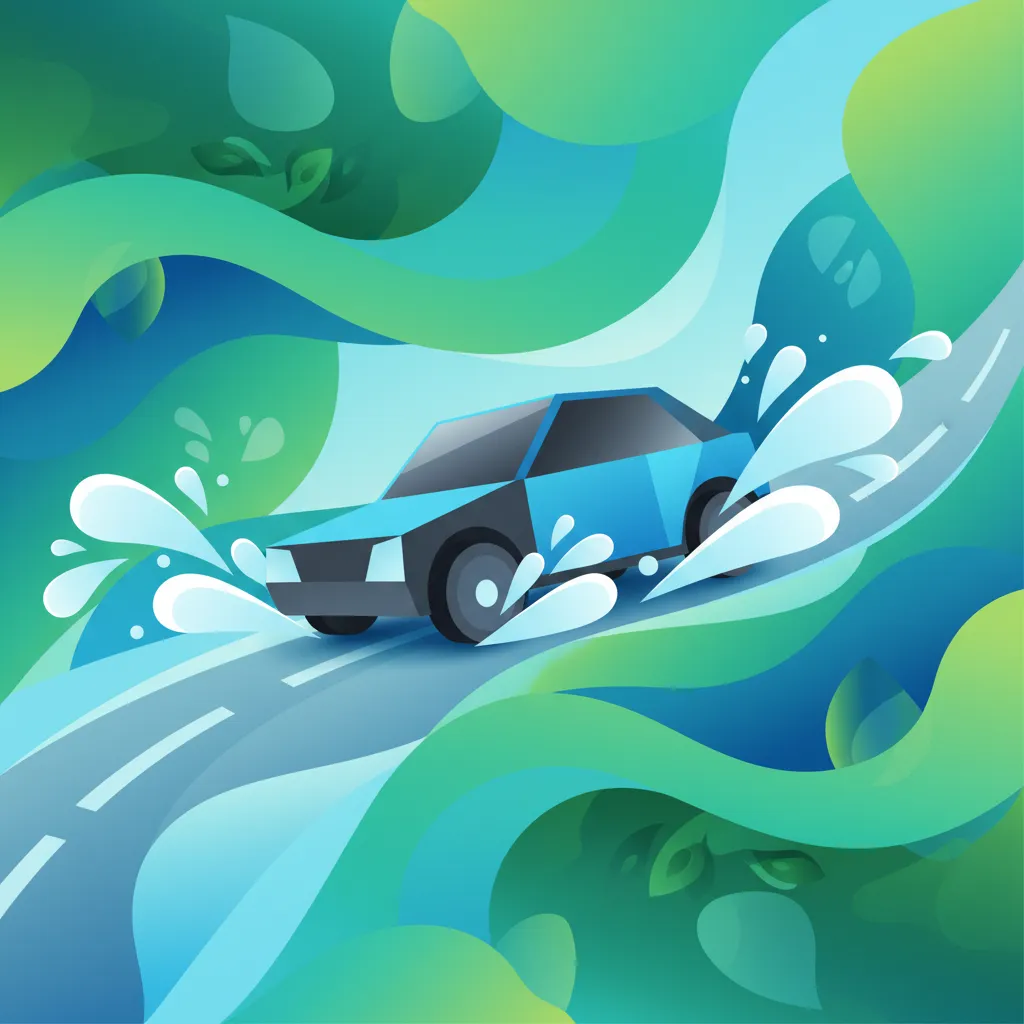
Master the Risks of Aquaplaning and Wet Weather Driving for Your Swedish Theory Test
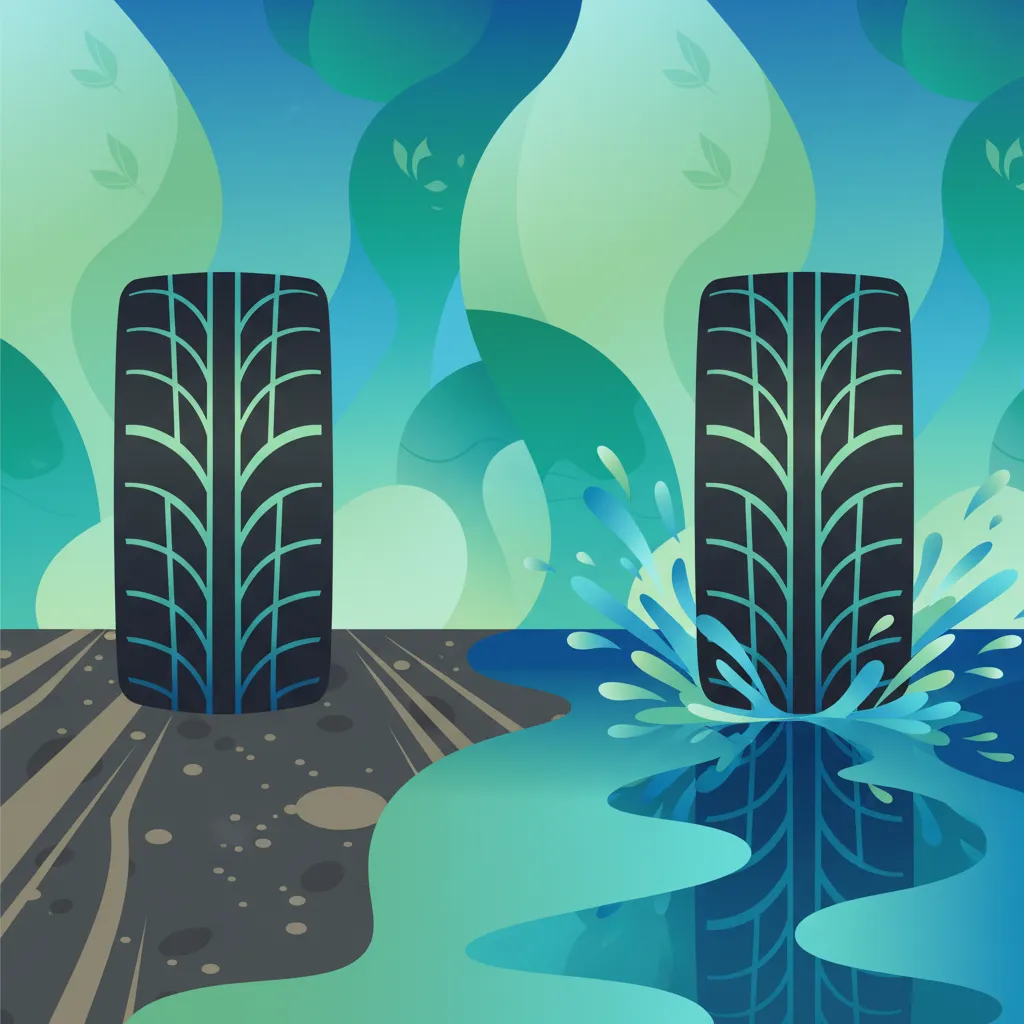
Master Road Grip and Traction: Crucial for Safe Driving and Your Swedish Exam
Navigating slippery roads is critical for safe driving in Sweden. Practising these scenarios prepares you for common hazards like ice and wet conditions, boosting your confidence and ensuring you score better on the Swedish theory exam by understanding essential safety measures.
Learners in Sweden choose Slippery Road Surfaces practice to prepare for realistic exam questions and difficult scenarios that often appear in the official theory test. This category is popular because it helps strengthen rule knowledge, reduce common mistakes, and build confidence before taking the Swedish driving theory exam.
All practice sets available
Practice sets in Slippery Road Surfaces
Practising Slippery Road Surfaces helps you understand key rules and situations tested in the Swedish driving theory exam in Sweden.
Get answers to common questions learners have about practising Slippery Road Surfaces. This section highlights what is tested, how practice helps, and how to improve your results for the Swedish driving theory exam in Sweden.
The Swedish driving theory exam includes questions about adapting speed and driving behaviour to different road surfaces, especially slippery ones. You'll be tested on your knowledge of hazard recognition and appropriate reactions to maintain safety.
Sweden experiences significant winter conditions, making knowledge of driving on ice, snow, and wet surfaces vital for road safety. The theory test reflects this by assessing drivers' understanding of these hazards.
Our practice sets focus on identifying risks like black ice, aquaplaning, and the effects of wet leaves or gravel. You'll learn how these conditions impact braking, steering, and acceleration, and how to counteract them.
By working through these practice questions, you'll gain a deeper understanding of the rules and best practices for slippery conditions, directly improving your ability to answer related questions correctly on the Swedish theory exam.
Key principles include drastically reducing speed, increasing following distances, avoiding sudden braking or steering, and using gentle acceleration. Understanding when and how to apply these is essential and tested.
Explore other practice categories connected to Slippery Road Surfaces. These sections help you practise additional topics, strengthen your understanding of driving theory in Sweden, and prepare more completely for the theory exam.
Dive into our extensive collection of practice categories to reinforce your knowledge of Swedish traffic rules, road signs, and driving regulations. Choose specific areas to target your study and build confidence for your upcoming official driving licence theory test.