

This unit focuses on the physical dynamics of operating a lightweight, two-wheeled vehicle, addressing the crucial relationships between speed, braking force, and road traction. Learners will explore the mechanics of coordinated front and rear brake applications, stopping distances, and handling techniques on varying road surfaces. The course content prepares you to maintain steady control and prevent loss of traction during unexpected urban driving maneuvers.

This comprehensive learning course is specifically designed for candidates preparing for the official Turkish MTSK e-sınav for Category AM mopeds and light motorized bicycles. It covers all mandatory traffic rules, official road signs, safety apparel standards, defensive riding techniques, and essential emergency procedures applicable under Turkish road law. By engaging with these structured modules, you will build a solid foundation of theoretical knowledge to navigate urban and mixed traffic situations safely and successfully pass your theoretical driving exam.
The Speed, Braking, Grip and Small Vehicle Control unit is a key part of the AM Moped Theory curriculum and helps learners in Turkey understand essential theory topics in a clear and practical way. Each lesson breaks down a specific theme that often appears in the Turkish driving theory exam. With structured explanations and examples taken from real traffic situations, this unit helps learners study smarter, fix common misunderstandings, and build the knowledge required for confident exam performance.
By completing this unit, you will gain a comprehensive understanding of the physical dynamics involved in operating a moped. You will be prepared to handle real-world scenarios on Turkish roads by mastering the balance between speed and braking, ultimately reducing the risk of traction loss. This knowledge is not only vital for passing the practical-theoretical elements of the MTSK e-sınav but also for building lifelong defensive riding habits. You will emerge with the confidence to assess road surfaces, manage your speed in mixed traffic, and react appropriately to sudden hazards, ensuring your safety and that of other road users.

This unit is designed for AM category license candidates preparing for the Turkish MTSK e-sınav who need to understand the physics of small vehicle operation. It is ideal for beginners and those looking to improve their defensive riding skills.
See all lessonsExplore key lessons that shape the Speed, Braking, Grip and Small Vehicle Control unit in the AM Moped Theory curriculum. These lessons focus on exam related topics, important rules, and practical skills that help you progress faster and prepare effectively for the driving theory exam in Turkey.

Learn how to effectively manage your speed in urban and mixed traffic to ensure stability, maintain control, and pass your AM category theory test. This lesson covers critical techniques for adapting to traffic density and environmental hazards to keep you safe on the road according to Turkish traffic regulations.

Learn the essential techniques for safe moped braking, including front and rear brake coordination, managing weight transfer, and emergency stopping maneuvers. Mastering these skills is vital for your Category AM theory exam and your daily safety on Turkish roads.
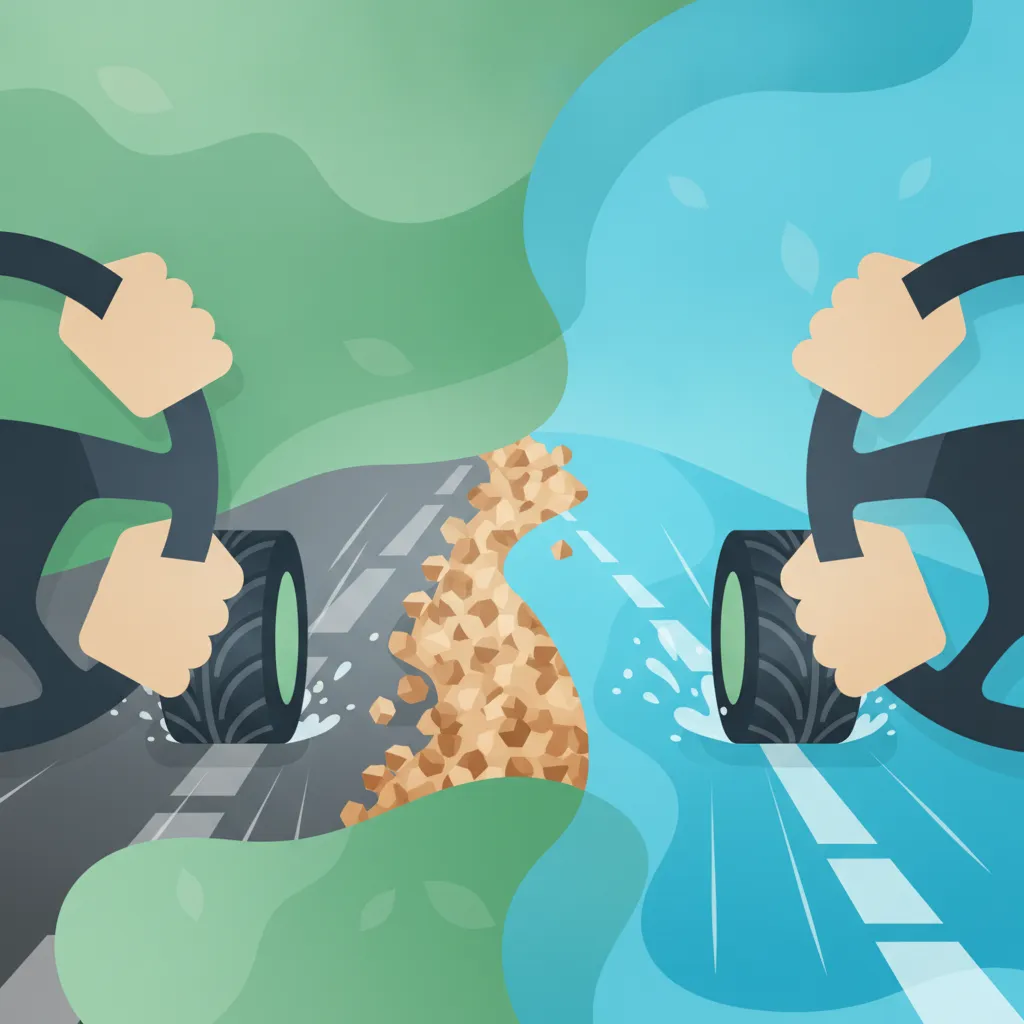
Learn how to safely manage your moped on challenging road surfaces like gravel, wet leaves, and paint. This lesson provides the critical knowledge needed to maintain tire grip and prevent loss of control, helping you pass the Category AM theory exam and ride safely in real-world Turkish traffic conditions.

This lesson covers the essential balance and hazard anticipation techniques required to manage a moped at low speeds in urban environments. You will learn to perform stable maneuvers and identify risks early to ensure both exam success and safer daily riding.
Get answers to common questions about the Speed, Braking, Grip and Small Vehicle Control unit and how it fits within the AM Moped Theory curriculum. Learn how long the unit takes, how the lessons are structured, and how this unit supports your preparation for the driving theory exam in Turkey.

The Speed, Braking, Grip and Small Vehicle Control unit stands out because it teaches essential topics in a way that is simple, clear, and focused on exam success. All content is aligned with real requirements in Turkey and designed to help learners build practical understanding, not just memorise facts. Whether you are revising or learning the material for the first time, this unit provides reliable guidance that supports measurable progress inside the AM Moped Theory curriculum.
Discover additional units that form the complete AM Moped Theory curriculum. These units cover a wide range of essential topics that help learners in Turkey strengthen their understanding of road rules, traffic behaviour, and exam relevant theory. Exploring the other units gives you a broader view of the full learning path and helps you continue your progress with confidence.

Learn the essential legal requirements, age rules, and civic responsibilities for operating AM category mopeds within the Turkish transport system to prepare for your theory exam.
4 lessons
Learn the critical safety standards for helmet use, high-visibility gear, and defensive riding techniques necessary for AM licence holders in Turkey.
4 lessons
Master the visual language of Turkish roads, including traffic signs, markings, and priority rules, to ensure you are fully prepared for the MTSK e-sınav for category AM riders.
4 lessons
Learn how to master roundabouts, intersections, and defensive road positioning for the Turkish AM driving theory exam, ensuring you stay safe and fully compliant on the road.
4 lessons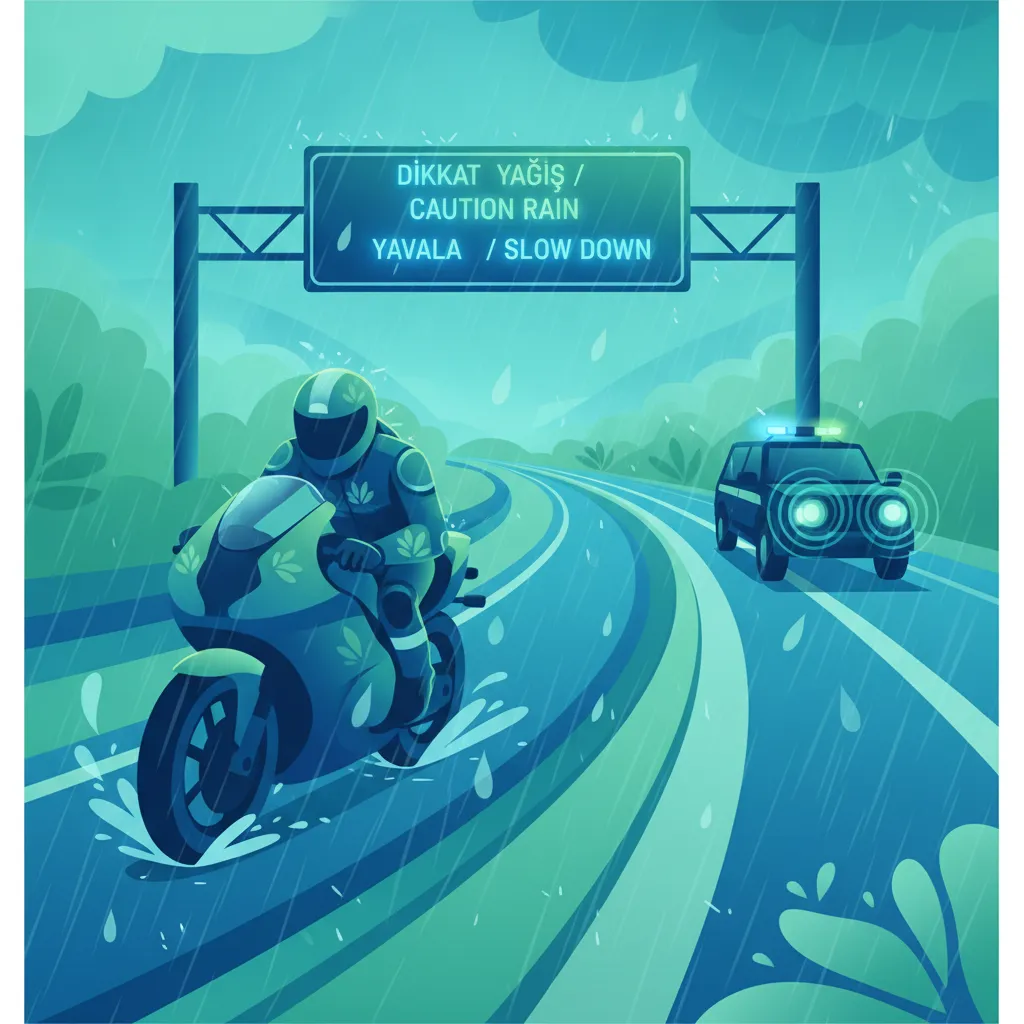
Master the final requirements of the Turkish AM theory exam by learning to navigate hazardous weather, avoiding dangerous habits, and understanding official traffic penalties.
4 lessonsStart your targeted revision today. Explore comprehensive practice questions covering all Turkish traffic legislation, road signs, first aid, and vehicle mechanics. Reinforce your knowledge, identify areas for improvement, and build confidence for your upcoming ehliyet sınavı.