
This lesson focuses on the physical coordination needed to handle a moped at low speeds in dense Turkish urban traffic. You will learn to integrate throttle, balance, and scanning techniques to safely navigate junctions and parking areas. Mastering these skills is essential for both your MTSK e-sınav success and real-world rider safety.

Lesson content overview
Mastering low-speed control is one of the most critical steps to passing your Turkish MTSK e-sınav (Electronic Motorized Vehicle Driving License Exam) and riding safely on urban roads. For Category AM riders—operating mopeds (motorlu bisiklet) and light motorized bicycles with an engine capacity up to 50cc and a maximum design speed of 45 km/h—navigating dense traffic, narrow streets, and compact parking areas demands a unique set of physical and mental skills.
While riding at high speeds relies heavily on the self-stabilizing physics of the vehicle, traveling at speeds below 20 km/h places the responsibility of balance entirely on the rider. Smooth throttle coordination, precise body weight distribution, and highly active hazard scanning are necessary to prevent tip-overs, protect vulnerable road users, and comply with the Turkish Road Traffic Code (Karayolları Trafik Kanunu).
When a moped is traveling at speed, the gyroscopic forces of the rotating wheels and the steering geometry naturally keep the vehicle upright. However, at low speeds (typically below 20 km/h), these stabilizing forces drop drastically. To maintain balance, the rider must coordinate physical inputs to constantly align the vehicle's center of gravity with its contact patches on the road surface.
A common mistake among novice Category AM riders is over-correcting with the handlebars. If the vehicle begins to tilt slightly to one side, an aggressive turn of the handlebars in the opposite direction can disrupt the balance, causing a sudden tip-over (devrilme). At slow speeds, steering inputs must be smooth, gradual, and accompanied by the correct engine power.
Operating a light motorized vehicle in confined spaces requires three main physical skills: throttle management, body positioning, and steering input.
Because AM mopeds usually feature automatic continuously variable transmissions (CVT), engine power is delivered directly as you twist the throttle. Proper throttle control prevents jerky movements, engine stalls, and sudden wheel spins.
Maintain a relaxed grip on the handlebars. Tensing your wrists can cause accidental, abrupt throttle twists when hitting small bumps.
Apply micro-adjustments to the throttle. Increase the revs incrementally to engage the automatic clutch smoothly without causing the vehicle to surge forward.
Coordinate light rear braking with minor throttle inputs. This technique, often called "dragging the rear brake," stabilizes the chassis by creating a slight tension along the drivetrain, making slow-speed balancing significantly easier.
Avoid "whiskey throttle"—a panic response where a losing balance causes the rider to pull back on the handlebars, accidentally twisting the throttle wide open. This leads to immediate loss of control, collisions, or severe tip-overs.
At higher speeds, riders lean with the motorcycle to corner. At low speeds, however, you must use a technique called counter-balancing (kontra ağırlık).
A low-speed riding technique where the rider keeps their body upright or leans slightly outward (opposite to the direction of the turn) while pushing the moped down into the turn. This shifts the combined center of gravity of the rider and vehicle over the tire contact patch, enabling exceptionally tight turns without falling over.
Keep your knees tucked close to the fuel tank or the inner fairing of the moped. This centralizes your body mass and ensures that your weight shifts are synchronized with the vehicle's frame. Keep your head up and look exactly where you want to go. If you look down at the front wheel or the ground, your body will naturally steer the vehicle toward the ground.
Unlike high-speed riding where "counter-steering" (pushing the handlebar in the direction of the turn) is used, low-speed maneuvering relies primarily on direct steering.
Turkish urban centers are characterized by high traffic density, narrow historical streets, and rapid changes in road conditions. Category AM riders must master specific maneuvering scenarios to navigate these environments safely.
When traffic comes to a standstill in Turkish cities, there is often a temptation to squeeze between lanes or pass vehicles quickly. However, under the Turkish Road Traffic Code, lane splitting must be approached with extreme caution, and reckless maneuvering is heavily penalized.
A U-turn (U-Dönüşü) on a narrow, two-way urban street is one of the most challenging low-speed tasks.
At low speeds, hazards appear closer to your vehicle, leaving less physical space to react. Developing a systematic scanning routine is essential to avoid sudden, destabilizing panic braking.
In Turkey, pedestrians (yayalar), cyclists (bisikletliler), and other motorcyclists have varying degrees of visibility and predictability. Under the law, you must yield the right-of-way to pedestrians who are on or about to step onto a crosswalk.
Parking a moped legally and safely is not just a matter of convenience; it is governed by strict rules under the Turkish Road Traffic Code (Karayolları Trafik Kanunu). Incorrectly parked mopeds can obstruct pedestrians, block emergency vehicles, and result in fines or impoundment.
In Turkey, Category AM vehicles must be parked in designated parking spaces (park yerleri) whenever available. If specific motorcycle/moped parking is not marked:
Locate a legal parking zone and signal your intention to pull over.
Scan the curb area for low obstacles, broken glass, drain grates, or slippery paint markings.
Bring the vehicle to a complete stop using soft, progressive braking.
Turn off the engine, engage the steering lock, and dismount on the left side (away from traffic).
Deploy the center stand on stable ground, ensuring the vehicle is upright and secure.
Under Turkish traffic regulations, you are strictly prohibited from stopping or parking your moped in the following locations:
The performance and stability of a lightweight moped change dramatically based on environmental conditions and the weight carried.
When rain begins to fall, it mixes with oil, dust, and diesel residue on Turkish roads, creating a highly slippery layer.
Adding cargo to your moped’s top box or carrying a passenger (if your Category AM vehicle is legally certified for passengers) shifts the vehicle's center of gravity upward and backward.
To pass your MTSK practical exam and avoid fines in daily traffic, make sure to avoid these common violations and mistakes:
This lesson covers the essential balance physics and control techniques required to operate a Category AM moped safely at low speeds in Turkish urban traffic. Riders must master counter-balancing and precision throttle management because gyroscopic stability vanishes below 20 km/h. The three-zone hazard scanning method (forward, lateral, and rear) helps identify threats like pedestrians, opening car doors, and road debris before they become immediate dangers. Turkish-specific parking regulations under Karayolları Trafik Kanunu prohibit stopping on sidewalks, within 15 meters of transit stops, and near crosswalks—violations result in fines or vehicle impoundment. Environmental factors such as wet road markings, night visibility, and cargo weight distribution all require adjusted low-speed techniques to maintain stability.
A short set of high-value points that capture the most important learning from this lesson.
At speeds below 20 km/h, gyroscopic stability disappears and the rider must actively maintain balance through coordinated throttle, body weight, and steering inputs.
Counter-balancing means keeping your body upright or leaning slightly outward while pushing the moped down into the turn to maintain stability during tight maneuvers.
Low-speed riding uses direct steering (physically turning handlebars in the turn direction), unlike high-speed counter-steering.
Apply three-zone scanning: forward 10-15 meters for road surface hazards, laterally for pedestrians and parked car doors, and rearward via mirrors and shoulder checks.
Always use the center stand for parking on uneven surfaces and deploy the left-side dismount away from traffic.
Explore all units and lessons included in this driving theory course.
'Whiskey throttle'—a panic grip on handlebars causing unintended acceleration—is one of the most dangerous low-speed errors that leads to tip-overs and collisions.
Under Turkish law, mopeds must not park within 15 meters of public transit stops, on sidewalks, or within specified distances of crosswalks and intersections.
When rain mixes with road oil and diesel residue, painted markings and metal grates lose nearly all traction; reduce lean angles and avoid braking on these surfaces.
Cargo or passengers shift the center of gravity upward and backward, making the front wheel lighter and requiring even smoother throttle inputs at low speeds.
Hazard lights (dörtlüler) do not make illegal parking legal; they are reserved strictly for emergencies or breakdowns.
Over-correcting handlebar inputs when the moped begins to tilt, which disrupts balance and causes sudden tip-overs instead of preventing them.
Neglecting to activate turn signals before U-turns or lane changes, resulting in traffic code violations and exam failures.
Parking on pedestrian sidewalks (yaya kaldırımları) instead of designated parking zones, risking fines and impoundment by municipal police.
Failing to yield to pedestrians at marked crosswalks (yaya geçitleri), especially when turning at low speed, which carries fines and point penalties.
Looking down at the front wheel while maneuvering, which causes the body to naturally steer the vehicle toward the ground.
Lesson content overview
A short set of high-value points that capture the most important learning from this lesson.
At speeds below 20 km/h, gyroscopic stability disappears and the rider must actively maintain balance through coordinated throttle, body weight, and steering inputs.
Counter-balancing means keeping your body upright or leaning slightly outward while pushing the moped down into the turn to maintain stability during tight maneuvers.
Low-speed riding uses direct steering (physically turning handlebars in the turn direction), unlike high-speed counter-steering.
Apply three-zone scanning: forward 10-15 meters for road surface hazards, laterally for pedestrians and parked car doors, and rearward via mirrors and shoulder checks.
Always use the center stand for parking on uneven surfaces and deploy the left-side dismount away from traffic.
Explore all units and lessons included in this driving theory course.
'Whiskey throttle'—a panic grip on handlebars causing unintended acceleration—is one of the most dangerous low-speed errors that leads to tip-overs and collisions.
Under Turkish law, mopeds must not park within 15 meters of public transit stops, on sidewalks, or within specified distances of crosswalks and intersections.
When rain mixes with road oil and diesel residue, painted markings and metal grates lose nearly all traction; reduce lean angles and avoid braking on these surfaces.
Cargo or passengers shift the center of gravity upward and backward, making the front wheel lighter and requiring even smoother throttle inputs at low speeds.
Hazard lights (dörtlüler) do not make illegal parking legal; they are reserved strictly for emergencies or breakdowns.
Over-correcting handlebar inputs when the moped begins to tilt, which disrupts balance and causes sudden tip-overs instead of preventing them.
Neglecting to activate turn signals before U-turns or lane changes, resulting in traffic code violations and exam failures.
Parking on pedestrian sidewalks (yaya kaldırımları) instead of designated parking zones, risking fines and impoundment by municipal police.
Failing to yield to pedestrians at marked crosswalks (yaya geçitleri), especially when turning at low speed, which carries fines and point penalties.
Looking down at the front wheel while maneuvering, which causes the body to naturally steer the vehicle toward the ground.
Explore search topics learners often look for when studying Low-Speed Maneuvers and Hazard Anticipation. These topics reflect common questions about road rules, driving situations, safety guidance, and lesson level theory preparation for learners in Turkey.
Browse additional driving theory lessons that cover connected traffic rules, road signs, and common driving situations related to this topic. Improve your understanding of how different rules interact across everyday traffic scenarios.
Learn the official traffic priority rules for entering intersections, navigating roundabouts, and yielding at pedestrian crossings. This guide explains the legal responsibilities of moped riders when encountering various road junctions and signal-controlled intersections according to the Turkish Road Traffic Code.
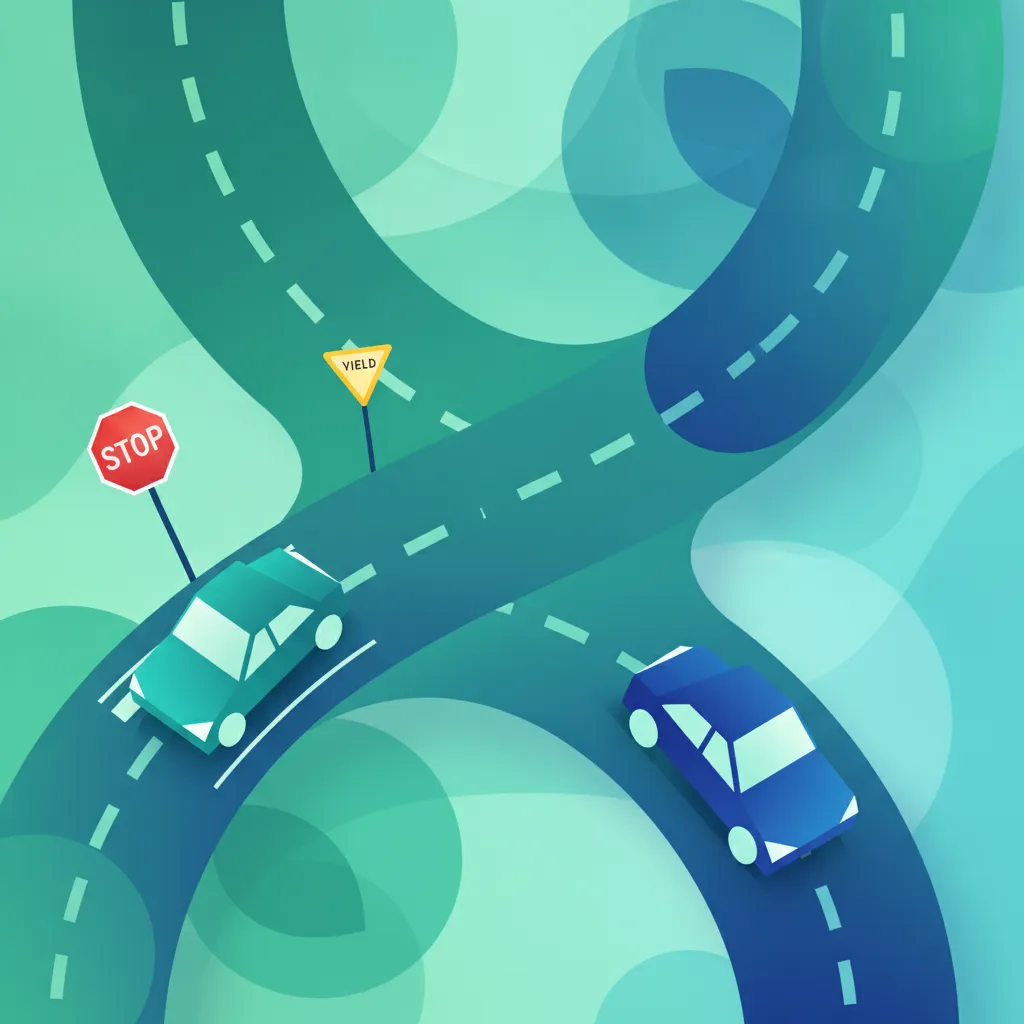
This lesson focuses on priority rules at controlled intersections equipped with traffic signals, stop signs, or yield signs. Learners will understand how to interpret traffic light phases, comply with stop and yield indications, and assess right-of-way at these intersections. The lesson also covers pedestrian and cyclist considerations, as well as emergency vehicle priority.
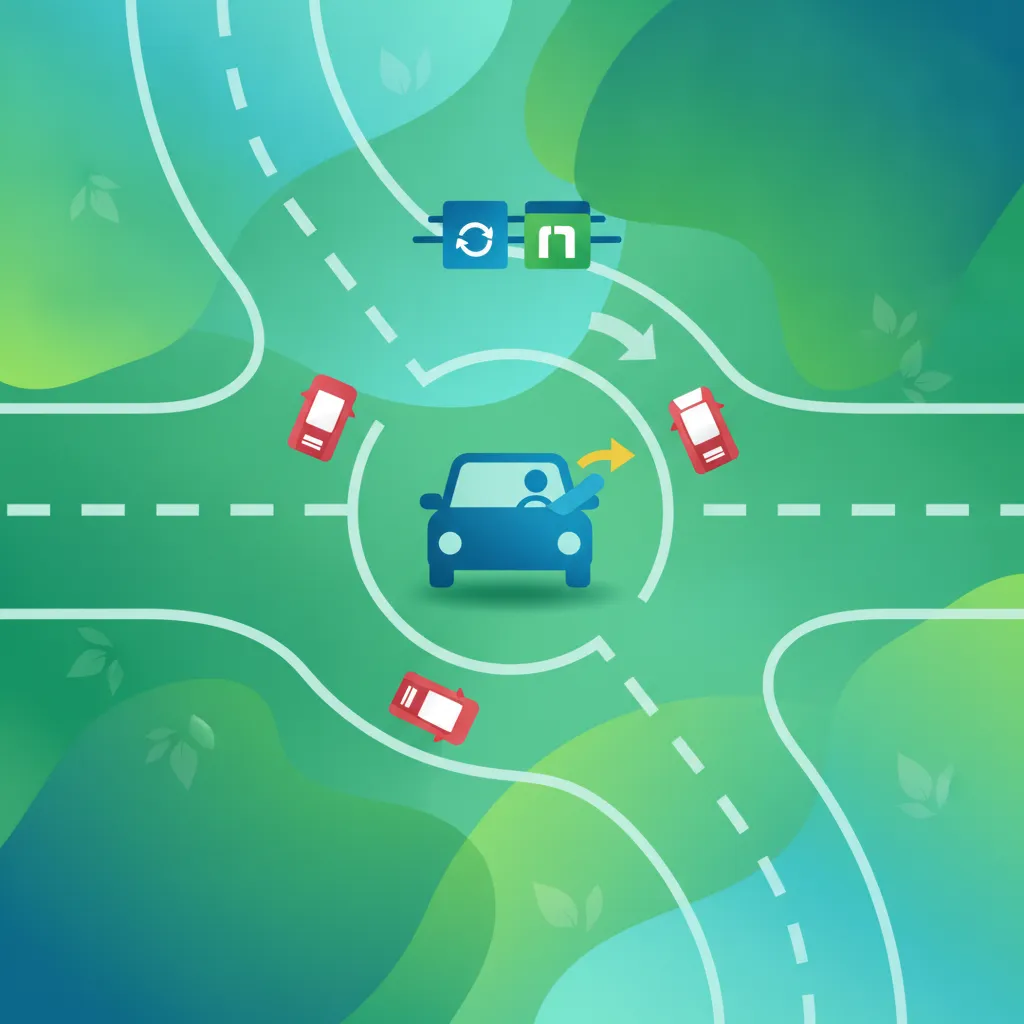
In this lesson, learners explore the specific priority rules and navigation techniques for roundabouts. Topics include yielding to traffic already in the roundabout, proper lane selection upon entry, and safe exit strategies. The lesson also addresses interactions with pedestrians and cyclists near roundabouts and the importance of maintaining appropriate speed.
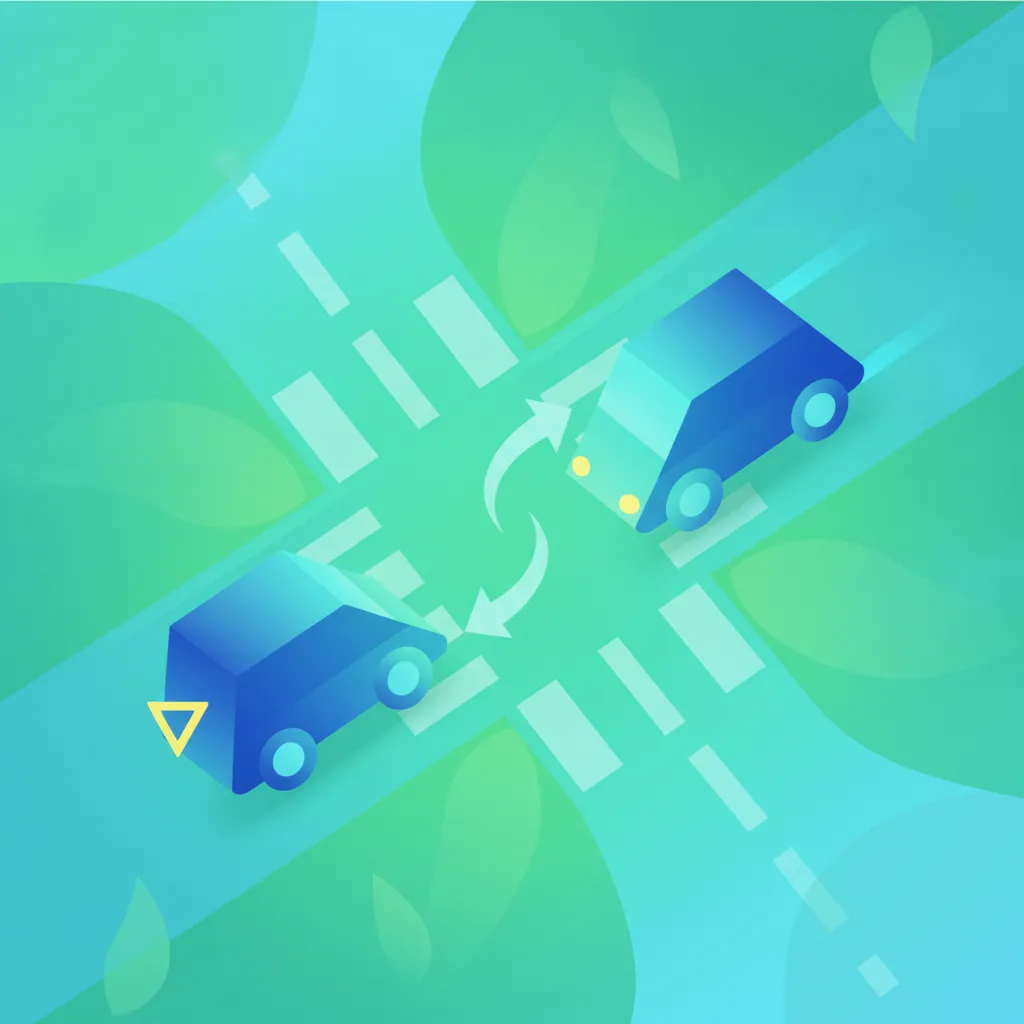
In this lesson, learners explore priority rules specific to uncontrolled intersections, where traffic signals or signs are absent. Topics include determining right-of-way based on vehicle classification, approach angle, and arrival sequence. The lesson emphasizes the importance of stopping, yielding, and assessing potential hazards before proceeding.

This lesson provides an overview of the general priority principles that dictate right-of-way on Turkish roads. Topics include the hierarchy of road users, such as pedestrians, cyclists, and emergency vehicles, and how these hierarchies apply at various intersections. Learners will understand the fundamental concepts of yielding, stopping, and proceeding, as well as the importance of clear decision-making.
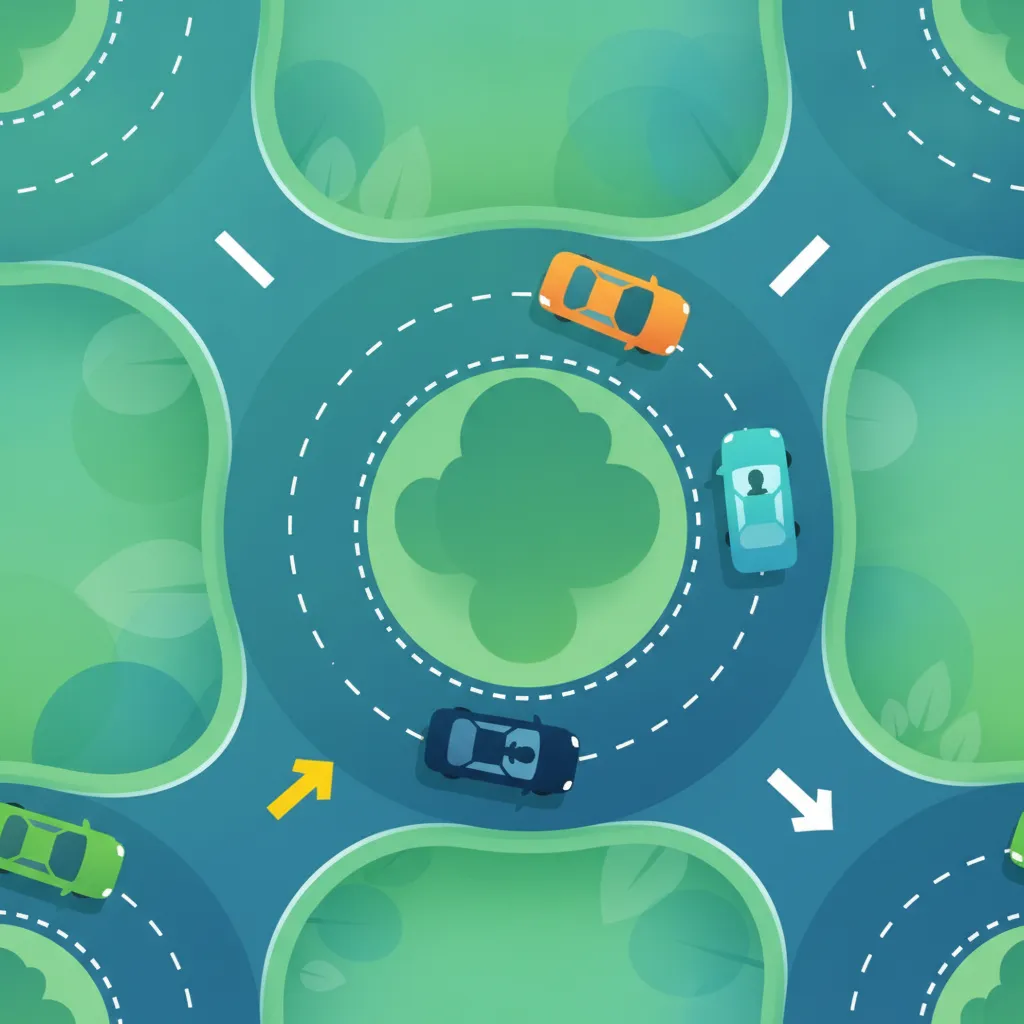
This lesson delves into the specific challenges and procedures associated with navigating roundabouts on a motorcycle. It outlines the importance of approaching at a safe speed, selecting the correct lane, and yielding to vehicles already within the roundabout. The content also covers the proper use of signals when exiting and emphasizes the need for heightened awareness of blind spots, especially when larger vehicles are present.
Correctly interpreting traffic signal sequences and priority rules is crucial for preventing devastating right-angle collisions at intersections. This lesson breaks down the phase progression of standard lights, the meanings of flashing amber or red indicators, and the hierarchy of traffic control when a police officer is directing vehicles. You will also master the basic legal default rules of right-of-way, such as yielding to vehicles coming from the right at uncontrolled junctions.
Roundabouts require a clear understanding of yield regulations and precise signaling to avoid conflicts with larger vehicles. This lesson details the legal requirements under Turkish road rules, which demand that entering vehicles yield to traffic already circulating inside the roundabout. You will learn how to select the appropriate lane upon entry, maintain a steady speed, signal your exit intentions clearly with your indicators, and remain alert to drivers who cut across lanes.

This lesson focuses on the safe interaction with other traffic participants at bus stops and traffic intersections. Learners will explore right-of-way rules, signal compliance, and techniques for maintaining safe distances while stopping and departing. Understanding these interactions is vital for preventing accidents in complex traffic environments.
In this lesson, learners will master the skills required to safely navigate various types of intersections encountered in Turkish urban settings. The content covers interpreting traffic signals, understanding right-of-way rules, and executing proper lane positioning. Practical strategies for managing blind spots and ensuring visibility to other road users are emphasized. By the end of this session, participants will be equipped with safe crossing techniques.
This lesson outlines the precise legal and safety procedures for overtaking slower vehicles on two-lane and multi-lane roads. It details when overtaking is strictly prohibited by signs or solid road lines, and how to calculate passing distances. Drivers will learn how to communicate their intentions using indicators and pass other vehicles safely.
Explore systematic techniques for identifying potential hazards such as opening vehicle doors, blind spots, and merging traffic. This lesson focuses on proactive scanning strategies for urban environments, helping you anticipate dangers early to maintain safety while operating your moped in dense traffic conditions.
Riding an exposed lightweight vehicle in busy Turkish cities requires exceptional personal conduct, patience, and absolute control over your emotional reactions. This lesson discusses the psychological aspects of riding, teaching you how to avoid aggressive behaviors and stay calm under stressful traffic situations. It covers proper non-verbal communication, polite road sharing practices, and maintaining safe buffers from other motorists to establish a safe, predictable presence on any public street.

Defensive riding is the practice of anticipating potential road conflicts and acting early to prevent accidents before they occur. This lesson teaches you how to systematically scan the road ahead for changing conditions, keep an adequate safety cushion around your moped, and pre-plan exit routes in tight spots. You will learn to assume you are invisible to other drivers and adapt your speed and road position proactively to protect yourself against sudden maneuvers.
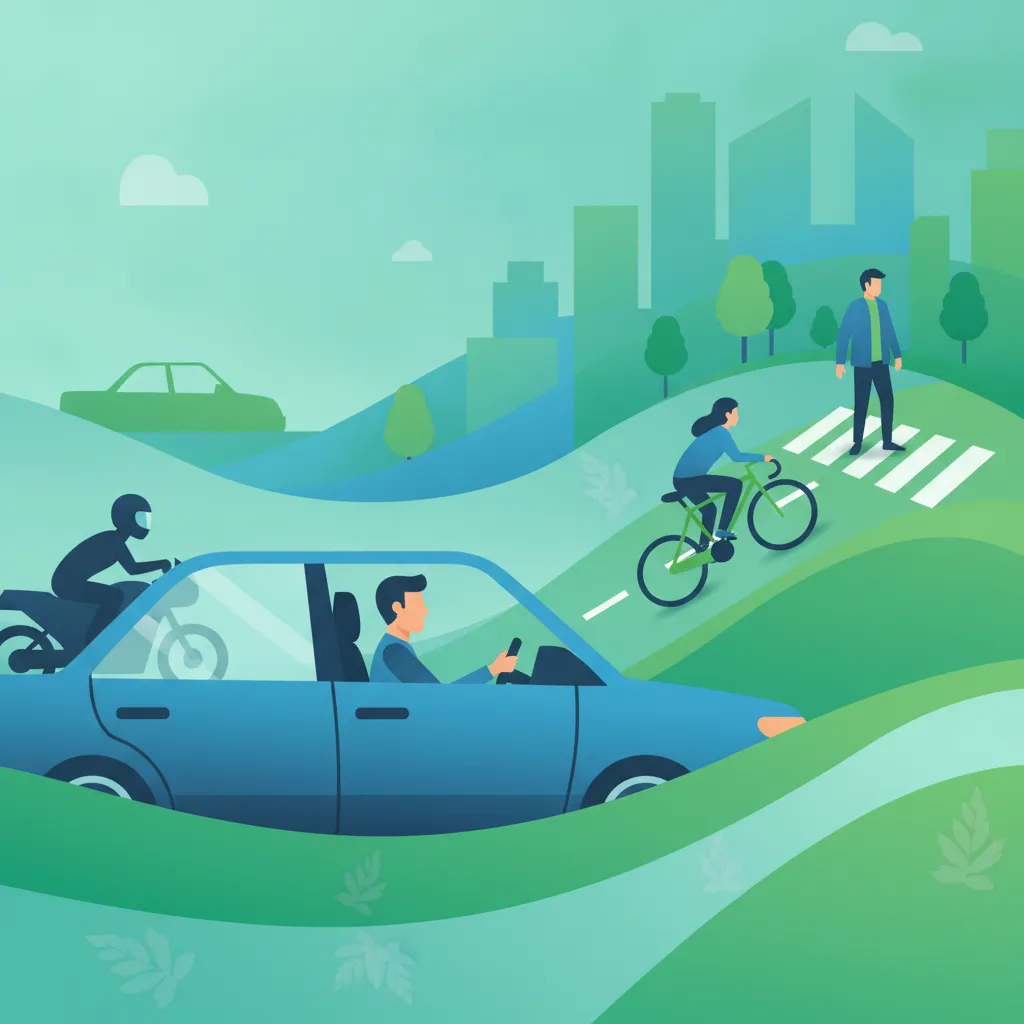
Learners will examine the complexities of operating in environments where various road users, including pedestrians, cyclists, and motorcyclists, coexist. The lesson emphasizes the need for heightened situational awareness, defensive driving techniques, and proactive hazard anticipation. Strategies for navigating mixed traffic safely, especially in congested urban areas, are highlighted.

In this lesson, learners will discover the principles of defensive riding, focusing on hazard anticipation, maintaining safe distances, and practicing proactive avoidance techniques. It emphasizes developing a vigilant riding posture, constantly scanning the environment, and preparing to react to potential dangers from other road users, road conditions, or unexpected traffic events.

Proper road positioning is your primary shield against being squeezed, sideswiped, or overlooked by larger motor vehicles in daily traffic. This lesson explains how to ride in the center or slightly off-center of your lane to prevent unsafe overtaking within the same lane. You will study how to identify the massive blind spots of buses and trucks, maintain appropriate following distances, and execute overtaking maneuvers with maximum safety margin and clear signal warning.

This lesson examines the critical interactions between goods vehicles and vulnerable road users such as pedestrians, cyclists, and motorcyclists, particularly in urban environments. Learners will explore right-of-way rules, maintaining safe distances, and strategies for anticipating the actions of these road users. The lesson emphasizes the importance of clear communication and protective driving.
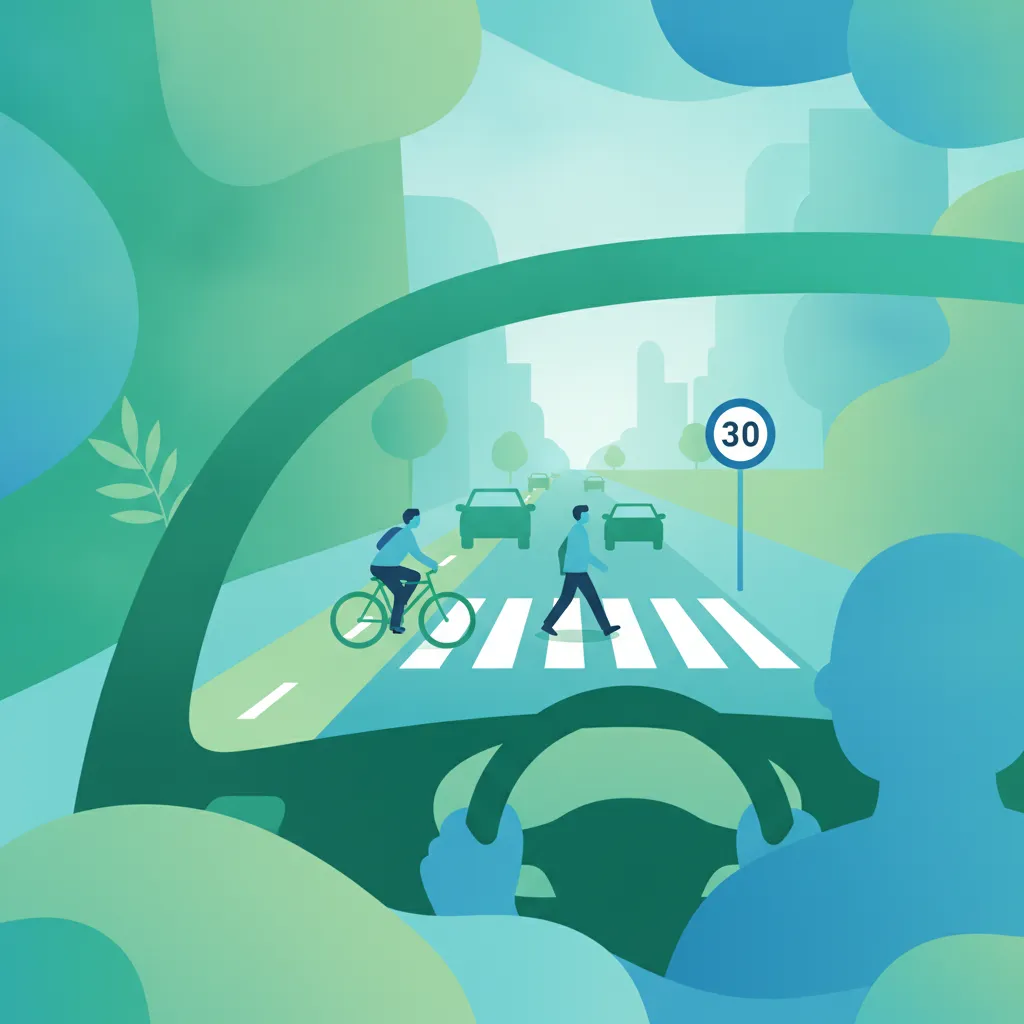
Managing your speed effectively is not just about obeying posted legal limits; it is about adjusting your pace to the immediate traffic context. This lesson teaches you how to evaluate traffic density, pedestrian presence, and blind corners to select an appropriate speed that guarantees safe stopping distances. You will learn to anticipate flow fluctuations, allowing you to avoid sudden, unstable speed changes that can compromise your balance and traction in mixed traffic.
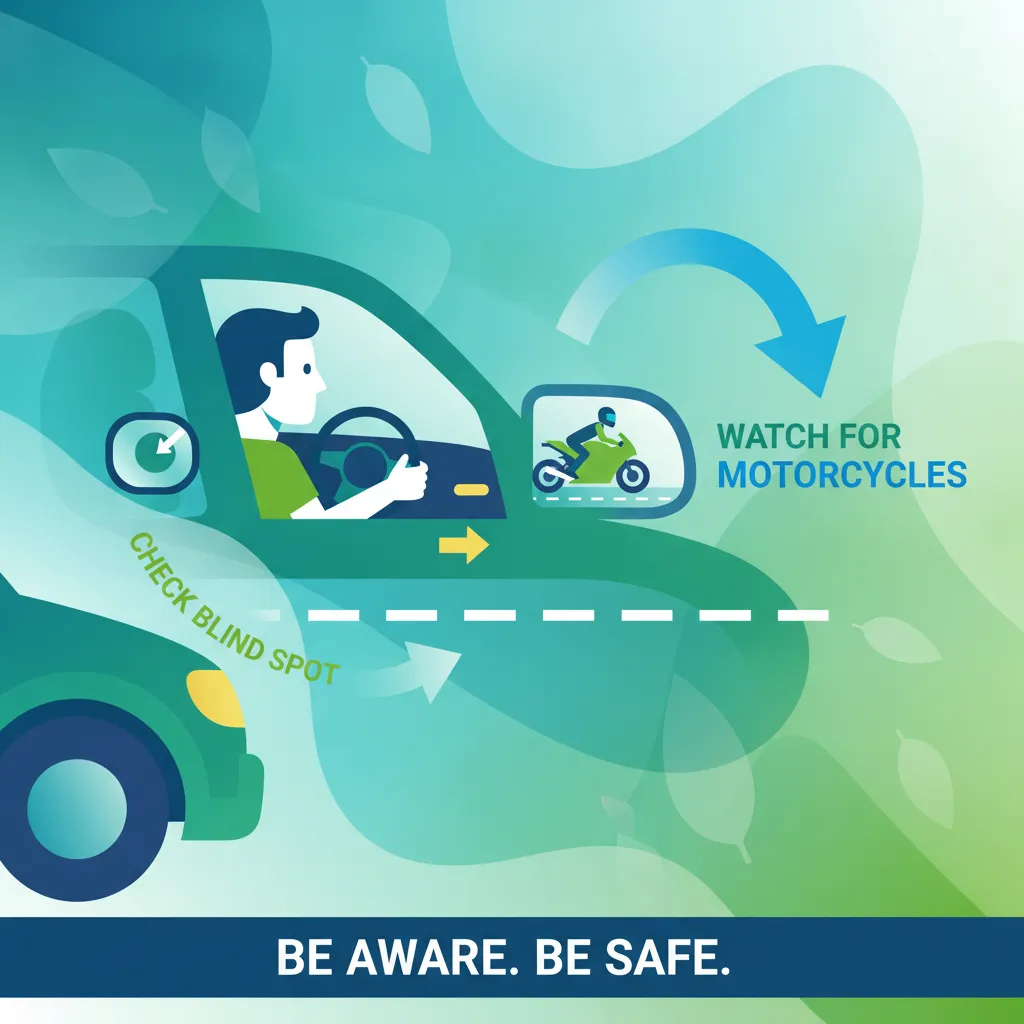
Learners will gain insight into the unique challenges posed by motorcycles and scooters sharing the road with passenger vehicles. The lesson highlights the importance of checking blind spots, maintaining safe following distances, and being aware of the faster acceleration and maneuverability of two-wheeled vehicles. Strategies for anticipating their movements and preventing collisions are discussed.
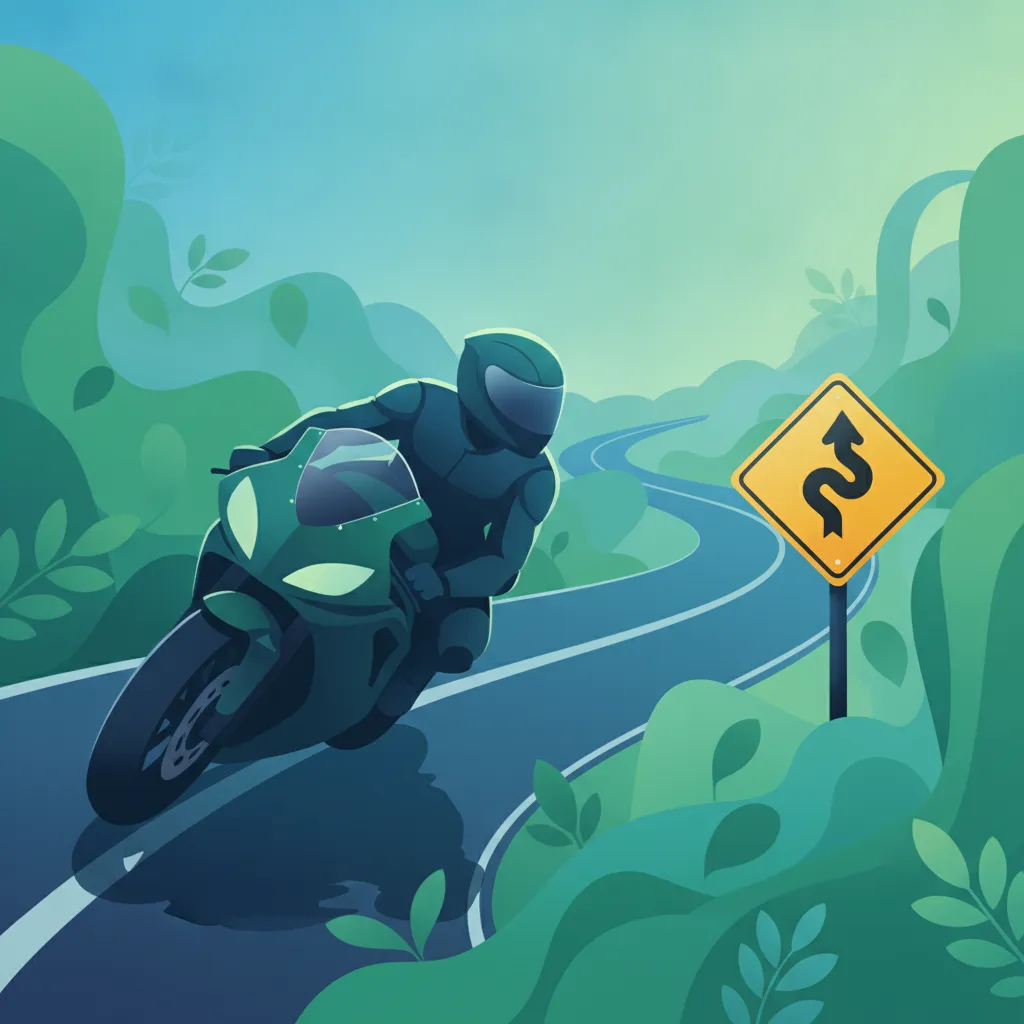
Warning signs alert road users to impending physical conditions, dangers, or layout alterations that require immediate driver attention and speed adjustment. This lesson focuses on indicators of sharp bends, narrowing paths, slippery road surfaces, upcoming pedestrian crosswalks, and school warning zones. You will study how to interpret these yellow-and-red triangular signs to safely modify your approach speed and gear your attention toward potential hazards unique to lightweight mopeds.
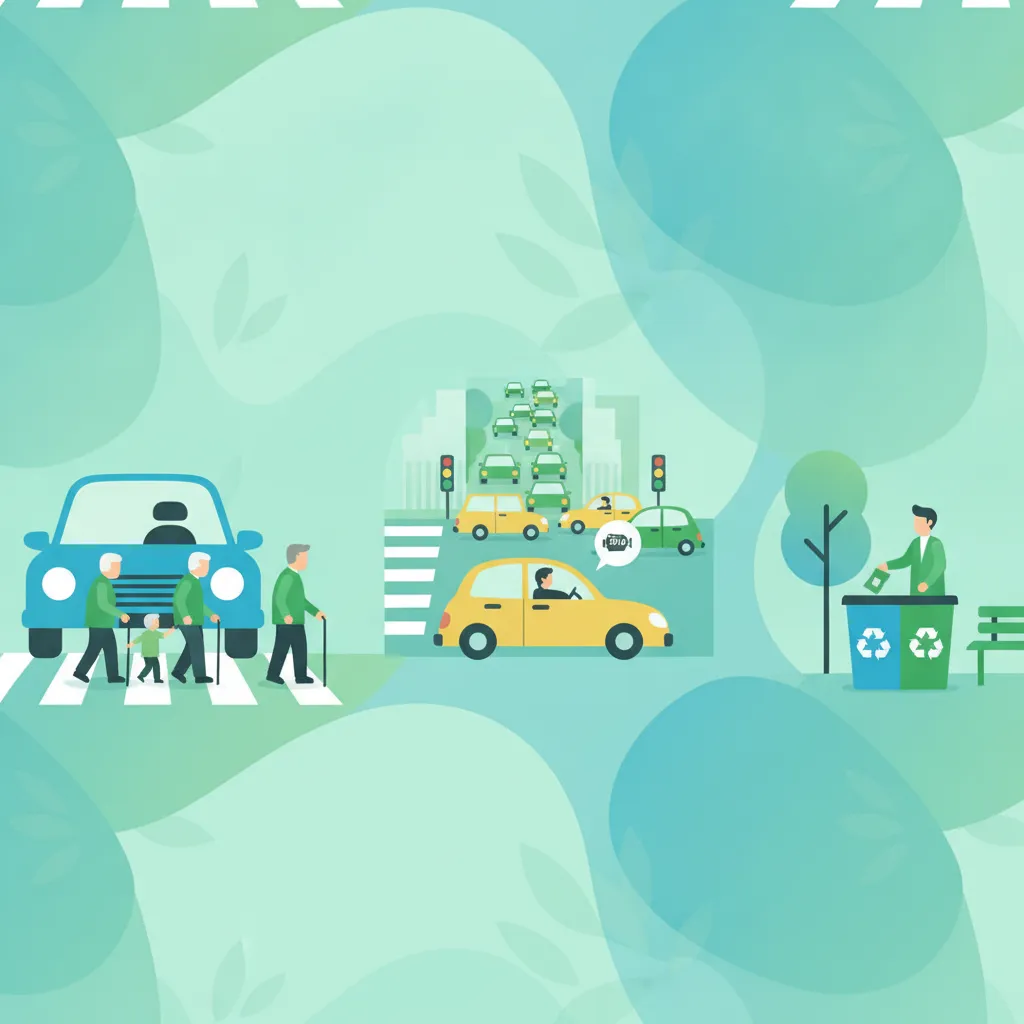
Operating a moped in highly populated Turkish urban areas requires a strong awareness of your environmental footprint and social impact. This lesson explains methods for reducing noise and exhaust emissions through timely vehicle maintenance and fuel-efficient riding techniques. You will also learn about the importance of protecting vulnerable road users like pedestrians, children, and cyclists, contributing to a cooperative, clean, and safe urban traffic ecosystem for everyone.
Find clear answers to common questions learners have about Low-Speed Maneuvers and Hazard Anticipation. Learn how the lesson is structured, which driving theory objectives it supports, and how it fits into the overall learning path of units and curriculum progression in Turkey. These explanations help you understand key concepts, lesson flow, and exam focused study goals.
Because mopeds lack the gyroscopic stability of higher-speed vehicles, you must use precise, subtle inputs. At low speeds, your body weight and steering control are the primary stabilizers, requiring smooth throttle application to maintain momentum without lurching.
Exam questions often include things like opening car doors, cyclists, uneven road surfaces, or pedestrians stepping into the path of a moped. Detecting these early allows you to adjust your road position before it becomes an emergency.
Always maintain a position where you are visible to vehicle mirrors and have an 'escape route' to the side. Avoid riding in blind spots, especially when traffic is moving slowly or stopping at intersections.
Use our comprehensive practice search to find exactly the Turkish driving theory questions you need to master. Whether reviewing specific road signs, traffic rules, or first aid scenarios, select your perfect practice set and boost your confidence for the official ehliyet sınavı.