
This lesson focuses on the critical responsibility of Category B drivers to share the road safely with cyclists. By understanding specific road rules and defensive driving techniques, you will be prepared to handle these interactions safely and answer related questions on your official MTSK e-sınav.
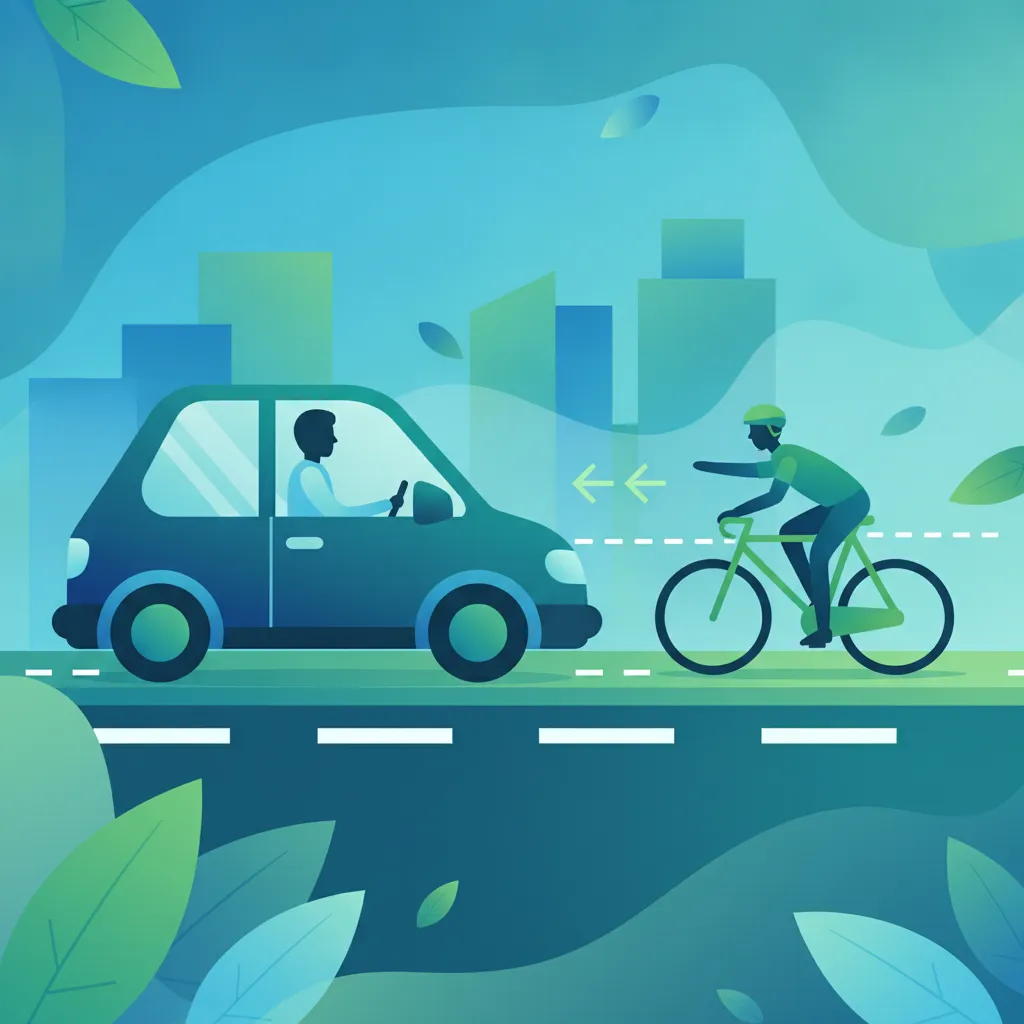
Lesson content overview
In a modern transport network, roads are shared environments where different classes of vehicles coexist. When preparing for your Turkish Driving License Category B Theory Course (MTSK e-sınav), mastering the rules regarding vulnerable road users (hassas yol kullanıcıları) is essential. Cyclists represent one of the most vulnerable groups on the road due to their lack of protective physical structures and their smaller visual profile.
This lesson explores the legal, physical, and practical elements of interacting safely with cyclists. By understanding these concepts, you will not only pass your exam but also develop the defensive driving habits necessary to prevent accidents and save lives.
To share the road safely, a driver must first understand why cyclists are classified as vulnerable road users. Unlike occupants of passenger cars, SUVs, or trucks, cyclists do not have the protection of crumple zones, seat belts, or airbags. In any collision between a motor vehicle and a bicycle, the cyclist is highly likely to suffer severe or fatal injuries.
Several factors contribute to this heightened risk:
To ensure order and safety, traffic authorities use specific signs to alert motorists to the presence of cyclists or to define dedicated infrastructure.
Under the Turkish Highway Traffic Law (Karayolları Trafik Kanunu No. 2918), bicycles are legally recognized as non-motorized vehicles. This status confers distinct rights and responsibilities:
A bicycle lane (bisiklet şeridi) is a portion of the road designated by traffic signs and longitudinal road markings for the exclusive use of bicycles. These lanes are designed to segregate slower-moving bicycles from faster motor vehicle traffic.
The Right-Turning "Hook" Collision: One of the most common urban accidents occurs when a driver overtakes a cyclist and immediately turns right across the bicycle lane, cutting off the cyclist. Always check your right-side mirror and look over your shoulder before executing any turn.
Overtaking a cyclist requires much more lateral space than overtaking a wider, motorized vehicle. Because of wind currents, road surface hazards, and the natural lateral wobble of a bicyclist, close passes can be catastrophic.
The minimum lateral clearance a motor vehicle driver must maintain when overtaking a cyclist on the road. In ideal conditions, this distance must be at least 1.5 metres.
Assess and Slow Down: As you approach a cyclist from behind, reduce your speed to match theirs until it is safe to pass. Do not tailgait.
Check and Signal: Look in your rear-view and side mirrors, check your blind spot, and turn on your left indicator to signal your intention to change lanes or straddle the center line.
Wait for a Clear Gap: Ensure there is no oncoming traffic. If there is oncoming traffic or if you are on a blind bend, wait patiently behind the cyclist.
Execute the Pass: Change lanes or steer wide, ensuring you maintain a minimum of 1.5 metres of clearance. Accelerate smoothly; do not rev your engine, as sudden loud noises can startle the cyclist.
Return to the Lane: Check your mirrors to confirm that the cyclist is well behind you before signaling and returning to the right lane.
If you are driving a larger Category B vehicle, such as a panel van, or if you are towing a trailer, you must increase this passing distance. Large vehicles create much larger wind vortexes. Similarly, in wet weather, rain, or gusty wind conditions, increase the passing distance beyond 1.5 metres to compensate for reduced tyre traction and unpredictable wind forces.
Intersections are high-conflict zones where the paths of motor vehicles and bicycles frequently cross. Neglecting a cyclist's right-of-way at these junctions is a frequent cause of severe accidents.
Safe road sharing is built on clear communication. Because cyclists do not have brake lights or electronic turn indicators (though some may use hand signals), drivers must take extra steps to ensure their own intentions are crystal clear.
A unique but highly dangerous hazard for cyclists in urban areas is "dooring." This occurs when a driver or passenger parked on the side of a road opens their door directly into the path of an oncoming cyclist.
The Dutch Reach Method: To prevent dooring, always open your car door with your far hand (the hand furthest from the door). If you are in the driver's seat, use your right hand to open the door. This naturally forces your torso to turn, placing your eyes in a position to look back over your shoulder into your blind spot and side mirror for approaching cyclists.
To prepare for your Category B exam and real-life driving, examine these common mistakes and how to avoid them:
This lesson covers the legal, physical, and practical aspects of sharing Turkish roads with cyclists. Cyclists are vulnerable road users recognised under Turkish Highway Traffic Law (No. 2918), with the right to use general roadways when no dedicated bicycle path exists. Key rules include never driving or parking in bicycle lanes, maintaining at least 1.5 metres of lateral clearance when overtaking, and yielding to straight-going cyclists at intersections. The lesson also highlights the common 'hook' collision hazard, the dooring risk, and the Dutch Reach technique. Understanding these principles is essential for both passing the MTSK e-sınav and developing the defensive driving habits needed to prevent serious accidents.
A short set of high-value points that capture the most important learning from this lesson.
Cyclists are classified as vulnerable road users due to their physical exposure, reduced visibility, instability on two wheels, and speed discrepancy with motor vehicles.
Bicycle lanes are exclusively for cyclists; driving, parking, or stopping in them is illegal and forces cyclists into dangerous detours.
The minimum safe passing distance when overtaking a cyclist is 1.5 metres, required to account for wind turbulence and give cyclists room to evade hazards.
At intersections, drivers must yield to cyclists proceeding straight, whether on the roadway or in a parallel bicycle lane.
The right-turning 'hook' collision is one of the most common urban accidents involving cyclists and must be prevented by checking mirrors and shoulder before turning.
Explore all units and lessons included in this driving theory course.
The T-21 (Bisiklet Geçebilir) sign warns of cyclist crossings ahead; TT-29 (Bisiklet Giremez) prohibits bicycles on motorways.
Under Turkish law, cyclists have the legal right to use the main roadway when no dedicated bicycle path exists.
Use the Dutch Reach method—open car doors with the far hand—to prevent dooring accidents.
Always signal at least 3 seconds or 30–50 metres before turning or changing lanes near cyclists.
Larger vehicles and adverse weather conditions require increasing the passing distance beyond the standard 1.5 metres.
Overtaking a cyclist on a blind bend or curve where oncoming traffic cannot be seen, risking a sideswipe collision.
Following a cyclist too closely; if the cyclist falls, there is no time to brake and the driver will collide with them.
Misjudging cyclist speed—modern e-bikes and road bikes can reach 25–40 km/h, making them much faster than they may appear.
Blocking or crossing a bicycle lane without yielding to oncoming cyclists when turning into a side street.
Waving a cyclist to proceed at an intersection; another driver who does not see the gesture may hit them.
Lesson content overview
A short set of high-value points that capture the most important learning from this lesson.
Cyclists are classified as vulnerable road users due to their physical exposure, reduced visibility, instability on two wheels, and speed discrepancy with motor vehicles.
Bicycle lanes are exclusively for cyclists; driving, parking, or stopping in them is illegal and forces cyclists into dangerous detours.
The minimum safe passing distance when overtaking a cyclist is 1.5 metres, required to account for wind turbulence and give cyclists room to evade hazards.
At intersections, drivers must yield to cyclists proceeding straight, whether on the roadway or in a parallel bicycle lane.
The right-turning 'hook' collision is one of the most common urban accidents involving cyclists and must be prevented by checking mirrors and shoulder before turning.
Explore all units and lessons included in this driving theory course.
The T-21 (Bisiklet Geçebilir) sign warns of cyclist crossings ahead; TT-29 (Bisiklet Giremez) prohibits bicycles on motorways.
Under Turkish law, cyclists have the legal right to use the main roadway when no dedicated bicycle path exists.
Use the Dutch Reach method—open car doors with the far hand—to prevent dooring accidents.
Always signal at least 3 seconds or 30–50 metres before turning or changing lanes near cyclists.
Larger vehicles and adverse weather conditions require increasing the passing distance beyond the standard 1.5 metres.
Overtaking a cyclist on a blind bend or curve where oncoming traffic cannot be seen, risking a sideswipe collision.
Following a cyclist too closely; if the cyclist falls, there is no time to brake and the driver will collide with them.
Misjudging cyclist speed—modern e-bikes and road bikes can reach 25–40 km/h, making them much faster than they may appear.
Blocking or crossing a bicycle lane without yielding to oncoming cyclists when turning into a side street.
Waving a cyclist to proceed at an intersection; another driver who does not see the gesture may hit them.
Explore search topics learners often look for when studying Interaction with Cyclists. These topics reflect common questions about road rules, driving situations, safety guidance, and lesson level theory preparation for learners in Turkey.
Browse additional driving theory lessons that cover connected traffic rules, road signs, and common driving situations related to this topic. Improve your understanding of how different rules interact across everyday traffic scenarios.
Learn the legal requirements for priority and yielding when interacting with pedestrians and cyclists in urban traffic. This lesson clarifies the responsibilities of Category B drivers to ensure safety for vulnerable road users at crossings, junctions, and shared pathways according to Turkish traffic regulations.

This lesson focuses on pedestrian rights and safety measures to ensure their protection on Turkish roads. Topics include proper use of crosswalks, pedestrian signals, and yielding to pedestrians at intersections. The lesson also addresses specific considerations for vulnerable pedestrians such as children, the elderly, and the visually impaired. Real-world scenarios illustrate safe crossing practices.
Protecting vulnerable road users is a core legal and ethical responsibility for all motorized vehicle operators in Turkey. This lesson covers the absolute requirement to yield to pedestrians at marked crosswalks, zebra crossings, and designated school zones. You will learn how to identify these zones early, reduce your speed proactively, and maintain heightened situational awareness for children or distracted pedestrians who may step onto the road unexpectedly.
This lesson emphasizes the importance of yielding to pedestrians and cyclists at intersections, crosswalks, and designated lanes. Learners will understand the legal obligations to provide safe passage to vulnerable road users and the correct procedures for stopping and allowing them to cross. Real-world examples illustrate scenarios where failing to yield can lead to accidents.
This lesson examines the critical interactions between goods vehicles and vulnerable road users such as pedestrians, cyclists, and motorcyclists, particularly in urban environments. Learners will explore right-of-way rules, maintaining safe distances, and strategies for anticipating the actions of these road users. The lesson emphasizes the importance of clear communication and protective driving.
This lesson provides an overview of the general priority principles that dictate right-of-way on Turkish roads. Topics include the hierarchy of road users, such as pedestrians, cyclists, and emergency vehicles, and how these hierarchies apply at various intersections. Learners will understand the fundamental concepts of yielding, stopping, and proceeding, as well as the importance of clear decision-making.
This lesson focuses on the specific needs and challenges faced by children, elderly, and disabled pedestrians. Topics include recognizing vulnerable road users, understanding their behavior, and providing additional safety measures. The lesson also discusses school zones, pedestrian crossing assistance, and strategies to mitigate risks. Real-world examples demonstrate how drivers can anticipate dangers.
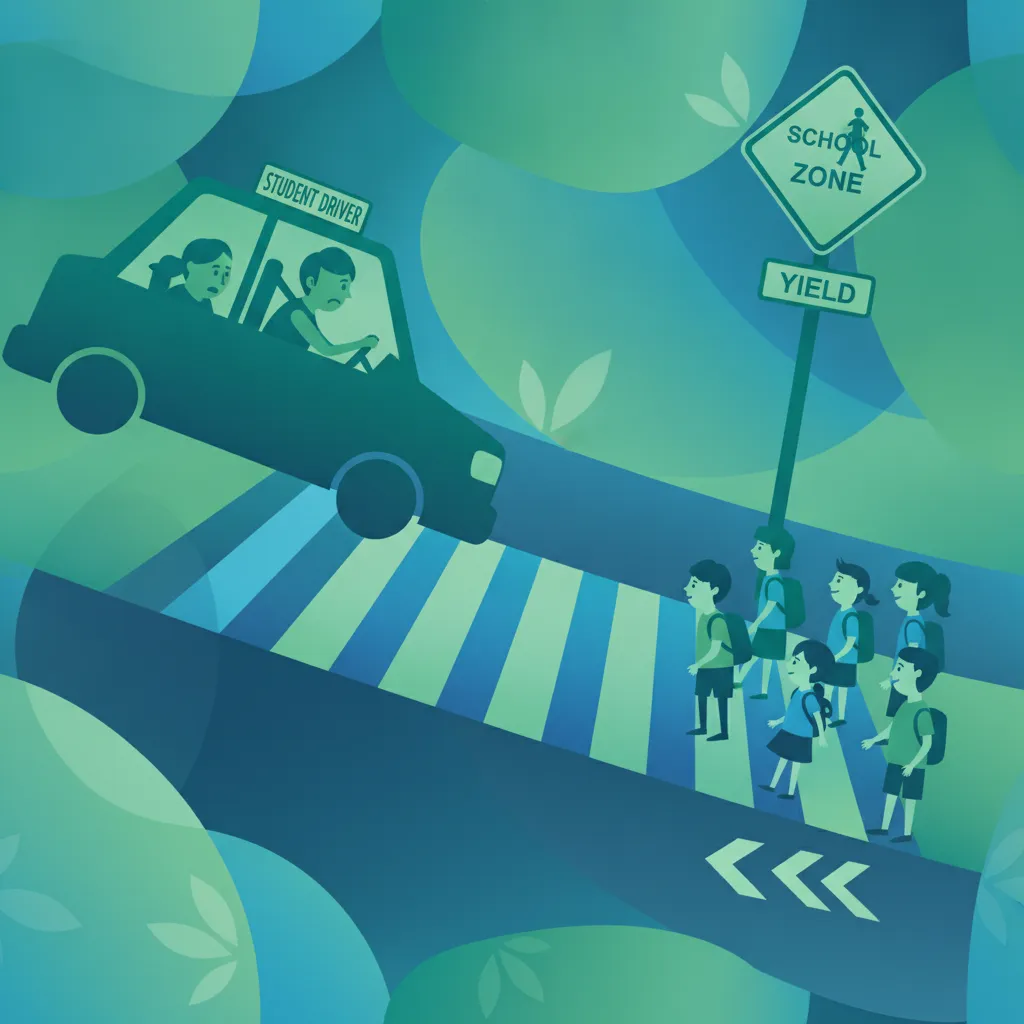
Focusing on pedestrian safety, this lesson addresses the unique considerations motorcyclists must take when approaching zebra crossings, traffic signal-controlled pedestrian crossings, and designated school zones. Learners will understand the legal obligations to yield to pedestrians, especially children, and the importance of reducing speed in these high-risk areas. The lesson also provides practical tips for ensuring visibility.
This lesson focuses on protecting vulnerable road users, such as pedestrians, cyclists, and motorcyclists, in mixed traffic environments. Learners will examine specific strategies for increased vigilance, anticipatory driving, and properly yielding to these users. The lesson also covers high-risk zones, such as school areas and public transport stops, emphasizing the need for heightened safety.

This lesson focuses on the safe interaction with other traffic participants at bus stops and traffic intersections. Learners will explore right-of-way rules, signal compliance, and techniques for maintaining safe distances while stopping and departing. Understanding these interactions is vital for preventing accidents in complex traffic environments.
Learners will identify the different categories of vulnerable road users and understand the heightened risks they face. The lesson emphasizes the importance of recognizing these users, anticipating their actions, and taking proactive measures to ensure their safety while operating passenger vehicles. Strategies for mitigating danger and fostering a protective driving environment are explored.
Examine common urban driving scenarios involving bicycle lanes, right-turning manoeuvres, and the dooring hazard. This guide explains how to safely navigate complex city streets and interact with non-motorized traffic to avoid common accidents and improve your overall defensive driving skills within the Turkish traffic system.
Learners will explore strategies for navigating congested urban traffic environments while operating large passenger vehicles. The lesson covers lane selection, adherence to traffic signals, and the use of bus lanes where applicable. Understanding how to maintain smooth traffic flow while ensuring passenger safety is crucial for efficient urban transportation.
Learners will examine the complexities of operating in environments where various road users, including pedestrians, cyclists, and motorcyclists, coexist. The lesson emphasizes the need for heightened situational awareness, defensive driving techniques, and proactive hazard anticipation. Strategies for navigating mixed traffic safely, especially in congested urban areas, are highlighted.
This lesson delves into specific manoeuvring strategies required when navigating both tight urban environments and open rural roads with large passenger vehicles. Learners will explore techniques for handling narrow streets, tight turns, and intersections, while maintaining safety and efficiency. The content emphasizes planning and execution of manoeuvres based on road conditions and vehicle dimensions.
Managing your speed effectively is not just about obeying posted legal limits; it is about adjusting your pace to the immediate traffic context. This lesson teaches you how to evaluate traffic density, pedestrian presence, and blind corners to select an appropriate speed that guarantees safe stopping distances. You will learn to anticipate flow fluctuations, allowing you to avoid sudden, unstable speed changes that can compromise your balance and traction in mixed traffic.
This lesson examines the critical interactions between goods vehicles and vulnerable road users such as pedestrians, cyclists, and motorcyclists, particularly in urban environments. Learners will explore right-of-way rules, maintaining safe distances, and strategies for anticipating the actions of these road users. The lesson emphasizes the importance of clear communication and protective driving.
Find clear answers to common questions learners have about Interaction with Cyclists. Learn how the lesson is structured, which driving theory objectives it supports, and how it fits into the overall learning path of units and curriculum progression in Turkey. These explanations help you understand key concepts, lesson flow, and exam focused study goals.
While traffic laws emphasize safety, you must always provide enough clearance to account for any sudden movements by the cyclist. In the theory test, prioritize the principle of maximum safety and avoiding narrow passes that put the cyclist at risk.
Not always. Priority depends on traffic signs, signals, and road markings. However, if a cyclist is already within an intersection or using a designated crossing, you must yield. Always look for cyclists before making turns, as they are easily obscured by vehicle pillars.
You must never drive or park in a designated bicycle lane. When turning across a bicycle lane, you are required to yield to any cyclists traveling in that lane, just as you would yield to another vehicle on the road.
Cyclists are classified as vulnerable road users. The exam includes these questions to ensure you can anticipate potential hazards and show the level of awareness required to prevent accidents in real-world Turkish traffic.
Use our comprehensive practice search to find exactly the Turkish driving theory questions you need to master. Whether reviewing specific road signs, traffic rules, or first aid scenarios, select your perfect practice set and boost your confidence for the official ehliyet sınavı.