
This lesson explores the essential safety protocols for interacting with vulnerable pedestrians such as children, the elderly, and disabled individuals. As part of our Category B course, you will learn to anticipate their unique needs in traffic, including navigating school zones and assisting with crossings. Mastering these skills is critical for both passing your official Turkish driving theory exam and maintaining safety on real roads.
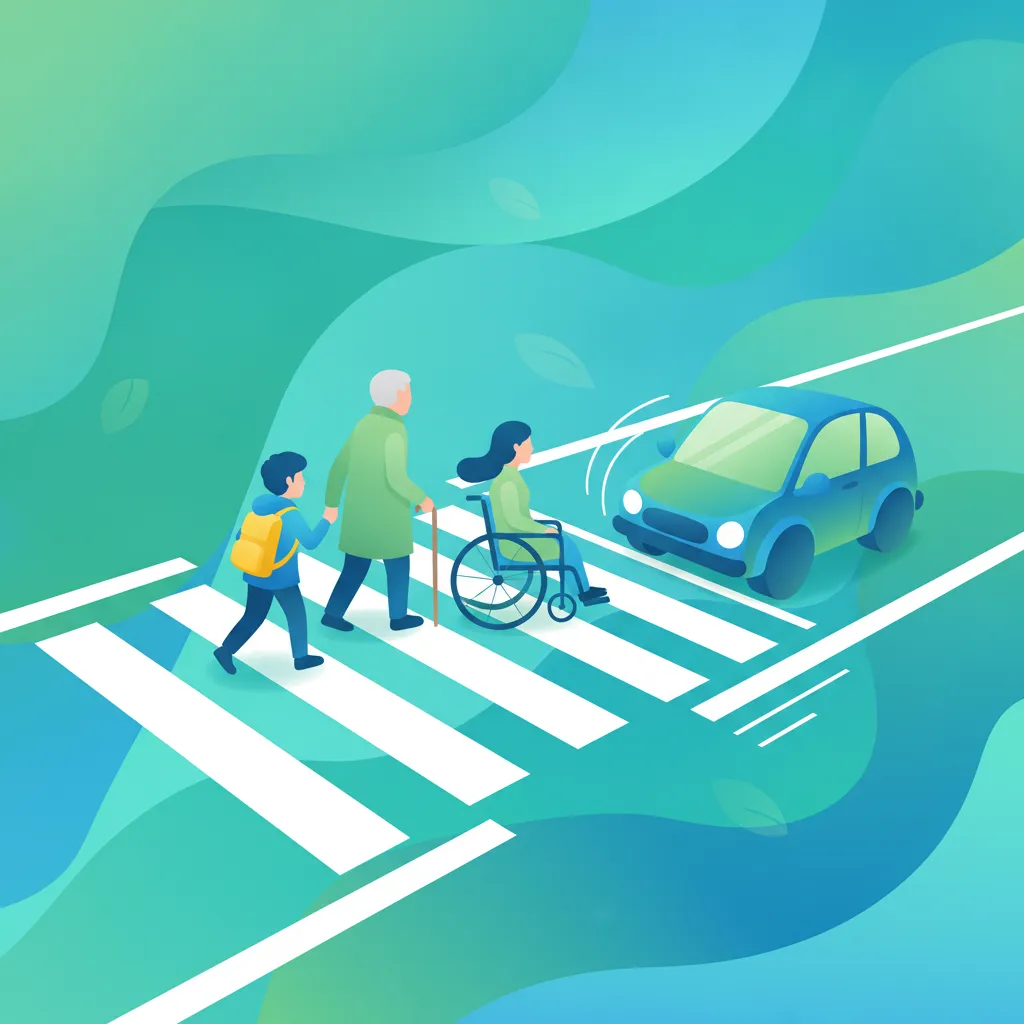
Lesson content overview
In the Turkish Highway Traffic System, safety is built on a foundation of mutual respect and legal priority. Among all road users, pedestrians are the most vulnerable, possessing no protective steel cage, airbags, or safety gear. Within this group, children, the elderly, and individuals with disabilities face heightened physical, sensory, and cognitive challenges.
For candidates preparing for the Turkish Driving License Category B Theory Course, mastering how to interact with these vulnerable road users is not just a requirement for passing the official MTSK e-sınav; it is a core pillar of defensive driving that prevents tragic accidents and ensures compliance with the Turkish Highway Traffic Law (Karayolları Trafik Kanunu - KTK).
Turkish traffic regulations explicitly distinguish between standard traffic flows and zones populated by vulnerable road users. The law places the burden of safety primarily on the driver of the motor vehicle. This is known as the Vulnerability Principle: because motorists control heavy, fast-moving machines, they must actively compensate for the physical and cognitive limitations of those on foot.
When driving in urban areas, residential neighborhoods, or near dedicated facilities like schools and hospitals, you must anticipate that not all pedestrians perceive hazards in the same way. Failing to adjust your driving behavior in these zones carries severe legal penalties, including heavy administrative fines, license point deductions, and potential criminal liability under the Turkish Penal Code if an accident occurs.
Children under the age of 12 are among the most unpredictable road users. Because their physical and psychological development is incomplete, they do not perceive the traffic environment the same way adults do.
To drive safely around children, you must understand their developmental limitations:
The Ball Rule: If you see a ball roll into the street, always assume a child is running immediately behind it. Do not just watch the ball; brake hard and bring your vehicle to a controlled halt.
As a Category B driver, you must maintain extreme vigilance in specific areas where children gather. Residential areas (yerleşim yerleri), public parks, playgrounds, and ice cream shops are typical hotspots. In these areas, children are often playing close to the curb.
When driving past parked cars in residential zones, look underneath the vehicles. You can often spot the moving feet of a child between the tyres before their body becomes visible above the hood of a parked car.
School zones (okul geçitleri) are heavily regulated areas designed to protect children during their daily commute. Turkish traffic authorities place clear warning signs and implement strict speed limits in these sectors.
When approaching a designated school zone, you must adhere to the following strict rules:
As individuals age, their sensory and motor skills naturally decline. Pedestrians over the age of 65 face unique challenges that require patience and accommodation from drivers.
When encountering elderly pedestrians, follow these defensive driving strategies:
Drivers have a strict legal and ethical duty to ensure that pedestrians with physical, sensory, or cognitive disabilities can navigate roads safely. This requires recognizing special assistive devices and modifying your driving accordingly.
| Device / Indicator | Target Group | Driver Obligation |
|---|---|---|
| White Cane (Beyaz Baston) | Visually Impaired | Universal stop signal. Stop completely and allow them to cross. |
| Guide Dog (Rehber Köpek) | Visually Impaired | Yield immediately. Do not distract the dog or honk. |
| Wheelchair / Mobility Scooter | Physically Disabled | Give wide passing clearance; yield at all curb ramps. |
| Yellow Tactile Paving | Visually Impaired | Do not park or stop your vehicle over these textured paths on sidewalks. |
Visually impaired pedestrians carrying a white cane have an absolute right of way under Turkish Traffic Law. If a visually impaired person extends their white cane forward or steps onto the roadway, drivers in all directions must come to a complete stop immediately.
When passing a wheelchair user or a pedestrian with limited mobility, you must provide a generous lateral safety clearance—at least 1.5 metres. Wheelchairs may need to steer around pavement defects or cracked curbs, causing them to veer slightly into the traffic lane.
Do Not Honk: Never use your horn to alert a visually impaired pedestrian or someone with a guide dog. The loud noise can disorient the pedestrian or startle the guide dog, creating a highly dangerous situation.
Under Article 74 of the Turkish Highway Traffic Law (KTK), drivers must yield the right of way to pedestrians who are crossing or about to cross at marked pedestrian crossings, school crossings, or intersections without traffic lights.
Scan Ahead: Look left and right at the approach to the crossing. Check for pedestrians walking toward the curb, especially if your view is partially blocked by trees or signs.
Reduce Speed: Ease off the accelerator. Reducing your speed early signals to vehicles behind you that you are preparing to stop, preventing rear-end collisions.
Check Your Mirrors: Ensure the vehicle behind you is maintaining a safe following distance and is aware that you are slowing down.
Stop Safely: Stop completely behind the stop line (durma çizgisi). Do not block the zebra stripes with your vehicle's bumper.
Wait and Proceed: Do not wave your hand to encourage pedestrians to cross; this can lure them into danger if a vehicle in the adjacent lane fails to stop. Simply wait until they have cleared your lane and the adjacent lane before moving.
Understanding where drivers frequently fail helps you avoid dangerous mistakes during your practical driving test and daily commutes.
Your defensive driving strategy must adapt dynamically to changes in weather, lighting, and road conditions:
Wet and icy asphalt significantly increases your stopping distance. At the same time, elderly pedestrians are at a higher risk of slipping, making them cross even slower. Rain also reduces your visibility, and umbrellas or hoods can block a pedestrian's peripheral vision. You must double your following distance and reduce your speed near crossings.
Pedestrians, especially children in dark clothing or wheelchair users who sit lower than the headlight beam's direct path, are exceptionally difficult to spot at night. Use your dipped headlights (yakın ışıklar) correctly to illuminate the road ahead without blinding oncoming traffic or pedestrians.
If you are driving a fully loaded Category B passenger car or towing a light trailer, your stopping distance increases. You must start braking much earlier when approaching school zones or pedestrian crossings to ensure you can come to a controlled, safe stop.
To solidify your understanding of pedestrian safety and general right-of-way rules for your driving license theory exam, review these highly relevant topics:
This lesson covers the critical topic of vulnerable road users in Turkey, focusing on children, elderly, and disabled pedestrians. Children under 12 have significantly narrower peripheral vision and cannot judge vehicle speed, making the Ball Rule and reduced school zone speeds essential. Elderly pedestrians require patience and extra crossing time due to slower mobility and delayed reactions. Disabled pedestrians with white canes or guide dogs have absolute legal priority under Turkish traffic law, and drivers must provide at least 1.5 metres of clearance for wheelchair users. Key legal obligations include the 30 km/h school zone speed limit, the overtaking ban near school crossings, and stopping completely for school buses with active DUR signs.
A short set of high-value points that capture the most important learning from this lesson.
Children have narrower peripheral vision and cannot accurately judge vehicle speed or direction, making them highly unpredictable near roads
School zones enforce reduced speed limits (typically 30 km/h) and an absolute overtaking ban to protect child pedestrians
A white cane (Beyaz Baston) signals absolute right of way for visually impaired pedestrians under Turkish law; you must stop completely
Elderly pedestrians require extra crossing time and may hesitate or turn back unexpectedly, demanding patient and generous safety buffers
When a school bus activates its red DUR sign, all vehicles must stop completely until it is deactivated and the bus moves
Explore all units and lessons included in this driving theory course.
The Ball Rule: if you see a ball roll into the street, always assume a child is running immediately behind it and brake hard
Visually impaired pedestrians with white canes or guide dogs have unconditional priority regardless of crossing markings
Maintain at least 1.5 metres of lateral clearance when passing wheelchair users, who may need to veer around pavement defects
Never park on yellow tactile paving, sidewalks, or curb ramps, as this blocks access for disabled pedestrians
Even if your traffic light turns green, you must wait for any pedestrian still within the crosswalk to finish crossing safely
Failing to yield at zebra crossings because the pedestrian has not yet stepped onto the white stripes—under Turkish law, you must yield to anyone waiting at the curb
Overtaking near pedestrian crossings, which blocks your view and is one of the most common causes of fatal pedestrian accidents
Using the horn to alert visually impaired pedestrians, which can disorient them or startle guide dogs into dangerous situations
Creeping forward or revving your engine at crossings when elderly pedestrians are crossing, as this causes panic and increases fall risk
Parking vehicles so they block pedestrian ramps or tactile paving, forcing wheelchair users and parents with strollers onto the roadway
Lesson content overview
A short set of high-value points that capture the most important learning from this lesson.
Children have narrower peripheral vision and cannot accurately judge vehicle speed or direction, making them highly unpredictable near roads
School zones enforce reduced speed limits (typically 30 km/h) and an absolute overtaking ban to protect child pedestrians
A white cane (Beyaz Baston) signals absolute right of way for visually impaired pedestrians under Turkish law; you must stop completely
Elderly pedestrians require extra crossing time and may hesitate or turn back unexpectedly, demanding patient and generous safety buffers
When a school bus activates its red DUR sign, all vehicles must stop completely until it is deactivated and the bus moves
Explore all units and lessons included in this driving theory course.
The Ball Rule: if you see a ball roll into the street, always assume a child is running immediately behind it and brake hard
Visually impaired pedestrians with white canes or guide dogs have unconditional priority regardless of crossing markings
Maintain at least 1.5 metres of lateral clearance when passing wheelchair users, who may need to veer around pavement defects
Never park on yellow tactile paving, sidewalks, or curb ramps, as this blocks access for disabled pedestrians
Even if your traffic light turns green, you must wait for any pedestrian still within the crosswalk to finish crossing safely
Failing to yield at zebra crossings because the pedestrian has not yet stepped onto the white stripes—under Turkish law, you must yield to anyone waiting at the curb
Overtaking near pedestrian crossings, which blocks your view and is one of the most common causes of fatal pedestrian accidents
Using the horn to alert visually impaired pedestrians, which can disorient them or startle guide dogs into dangerous situations
Creeping forward or revving your engine at crossings when elderly pedestrians are crossing, as this causes panic and increases fall risk
Parking vehicles so they block pedestrian ramps or tactile paving, forcing wheelchair users and parents with strollers onto the roadway
Explore search topics learners often look for when studying Children, Elderly, and Disabled Pedestrians. These topics reflect common questions about road rules, driving situations, safety guidance, and lesson level theory preparation for learners in Turkey.
Browse additional driving theory lessons that cover connected traffic rules, road signs, and common driving situations related to this topic. Improve your understanding of how different rules interact across everyday traffic scenarios.
Understand the legal foundations for right of way at intersections. This guide explains general priority principles for controlled and uncontrolled junctions, helping you navigate complex traffic situations safely according to the Turkish Highway Traffic Law.
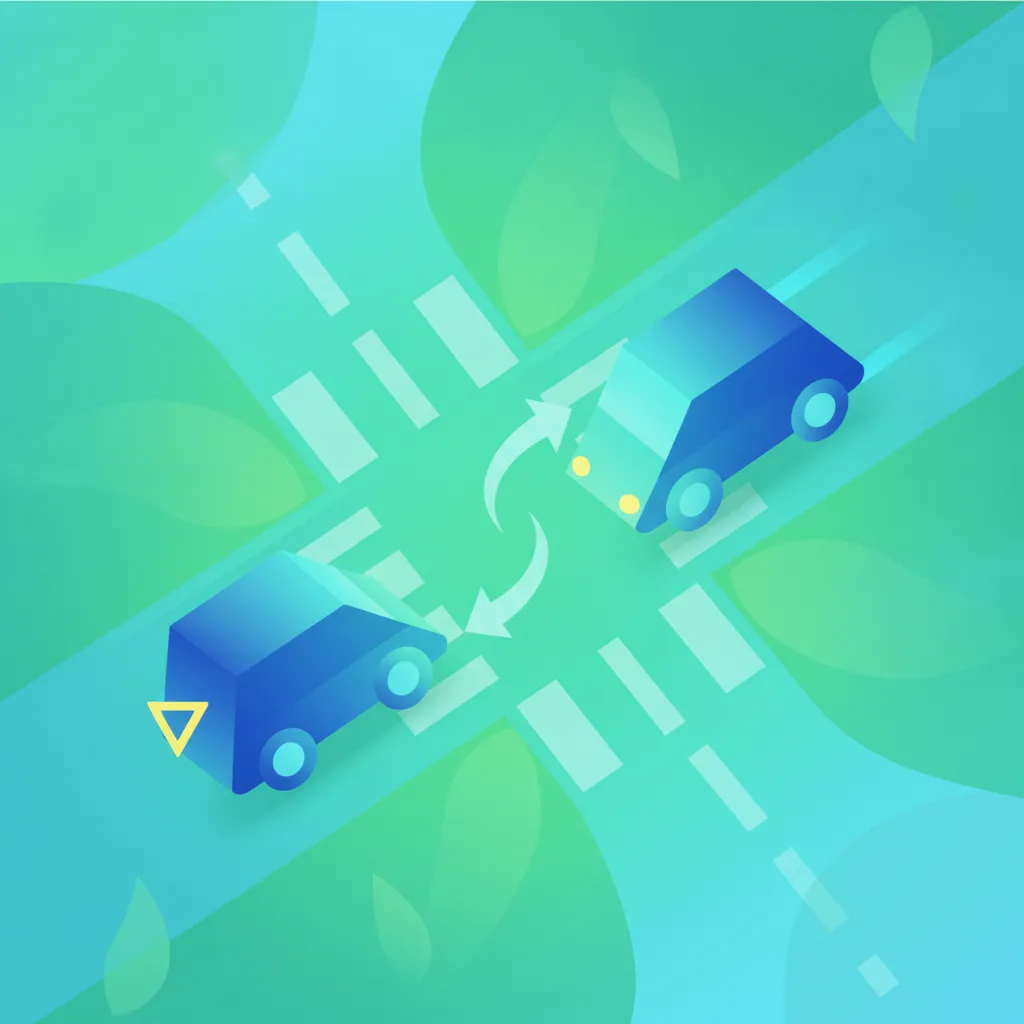
In this lesson, learners explore priority rules specific to uncontrolled intersections, where traffic signals or signs are absent. Topics include determining right-of-way based on vehicle classification, approach angle, and arrival sequence. The lesson emphasizes the importance of stopping, yielding, and assessing potential hazards before proceeding.
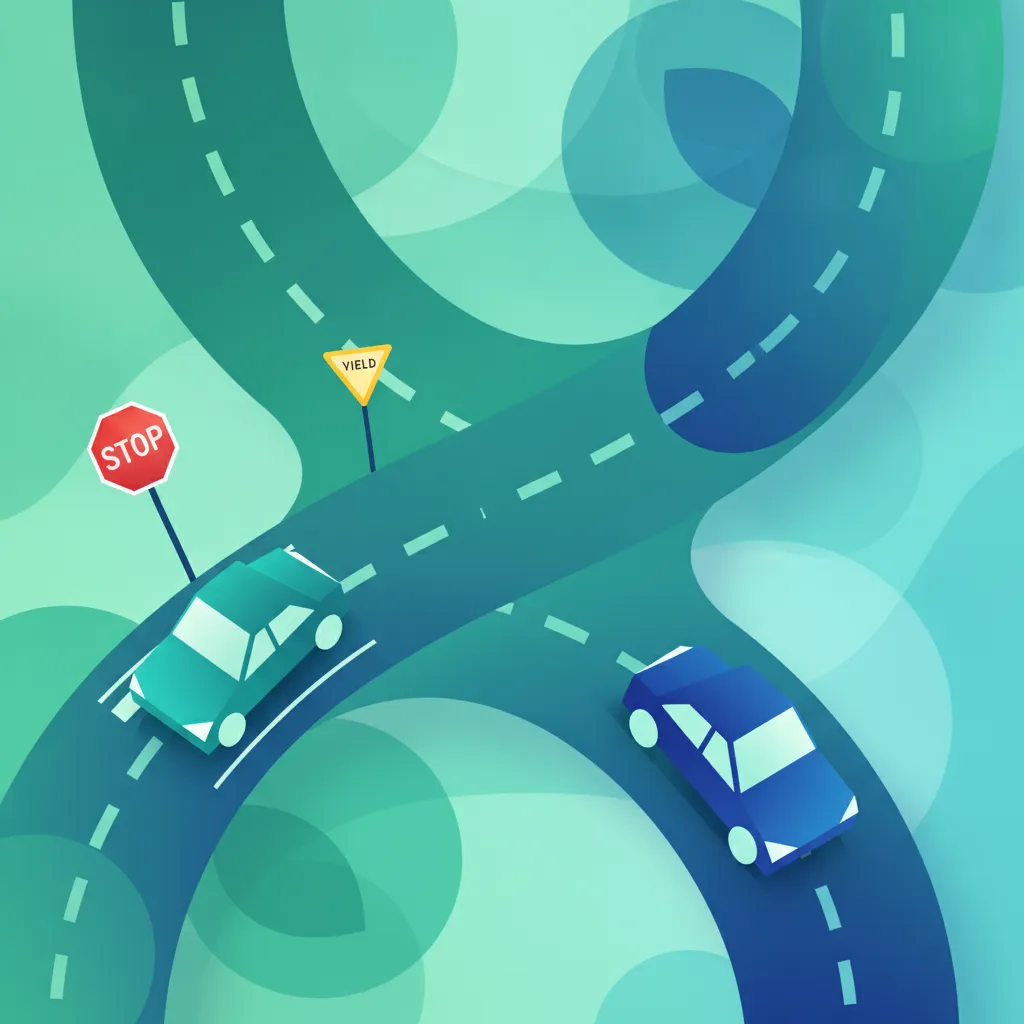
This lesson focuses on priority rules at controlled intersections equipped with traffic signals, stop signs, or yield signs. Learners will understand how to interpret traffic light phases, comply with stop and yield indications, and assess right-of-way at these intersections. The lesson also covers pedestrian and cyclist considerations, as well as emergency vehicle priority.
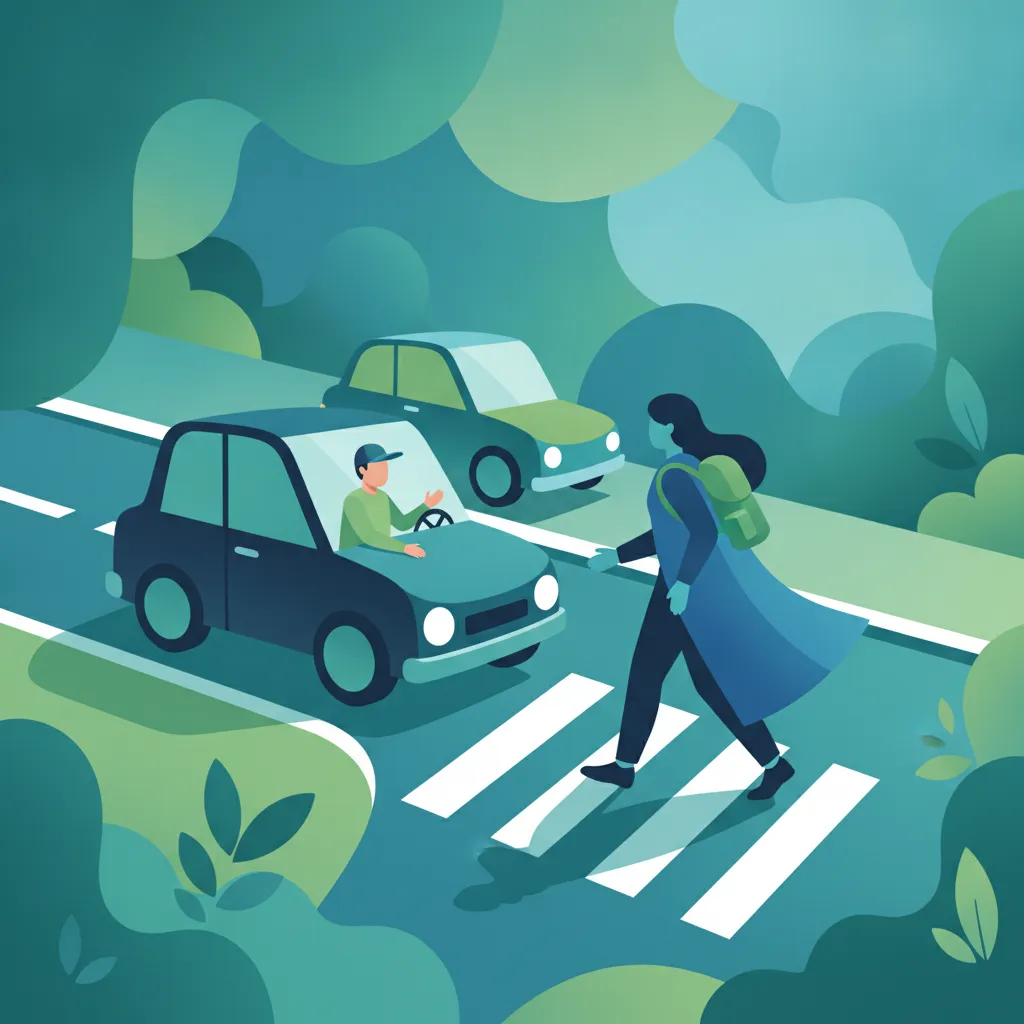
This lesson provides an overview of the general priority principles that dictate right-of-way on Turkish roads. Topics include the hierarchy of road users, such as pedestrians, cyclists, and emergency vehicles, and how these hierarchies apply at various intersections. Learners will understand the fundamental concepts of yielding, stopping, and proceeding, as well as the importance of clear decision-making.
Correctly interpreting traffic signal sequences and priority rules is crucial for preventing devastating right-angle collisions at intersections. This lesson breaks down the phase progression of standard lights, the meanings of flashing amber or red indicators, and the hierarchy of traffic control when a police officer is directing vehicles. You will also master the basic legal default rules of right-of-way, such as yielding to vehicles coming from the right at uncontrolled junctions.
This lesson focuses on the safe interaction with other traffic participants at bus stops and traffic intersections. Learners will explore right-of-way rules, signal compliance, and techniques for maintaining safe distances while stopping and departing. Understanding these interactions is vital for preventing accidents in complex traffic environments.
Protecting vulnerable road users is a core legal and ethical responsibility for all motorized vehicle operators in Turkey. This lesson covers the absolute requirement to yield to pedestrians at marked crosswalks, zebra crossings, and designated school zones. You will learn how to identify these zones early, reduce your speed proactively, and maintain heightened situational awareness for children or distracted pedestrians who may step onto the road unexpectedly.
This lesson emphasizes the importance of yielding to pedestrians and cyclists at intersections, crosswalks, and designated lanes. Learners will understand the legal obligations to provide safe passage to vulnerable road users and the correct procedures for stopping and allowing them to cross. Real-world examples illustrate scenarios where failing to yield can lead to accidents.
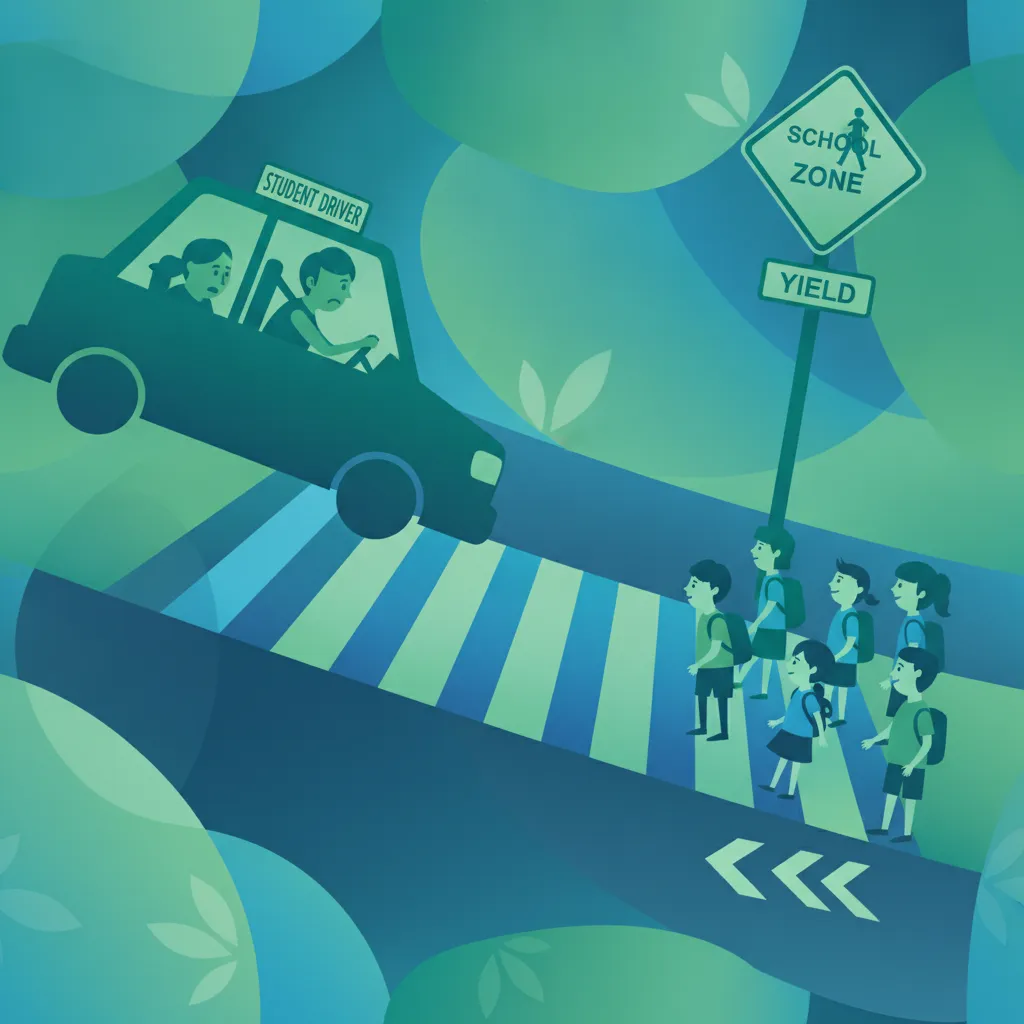
Focusing on pedestrian safety, this lesson addresses the unique considerations motorcyclists must take when approaching zebra crossings, traffic signal-controlled pedestrian crossings, and designated school zones. Learners will understand the legal obligations to yield to pedestrians, especially children, and the importance of reducing speed in these high-risk areas. The lesson also provides practical tips for ensuring visibility.
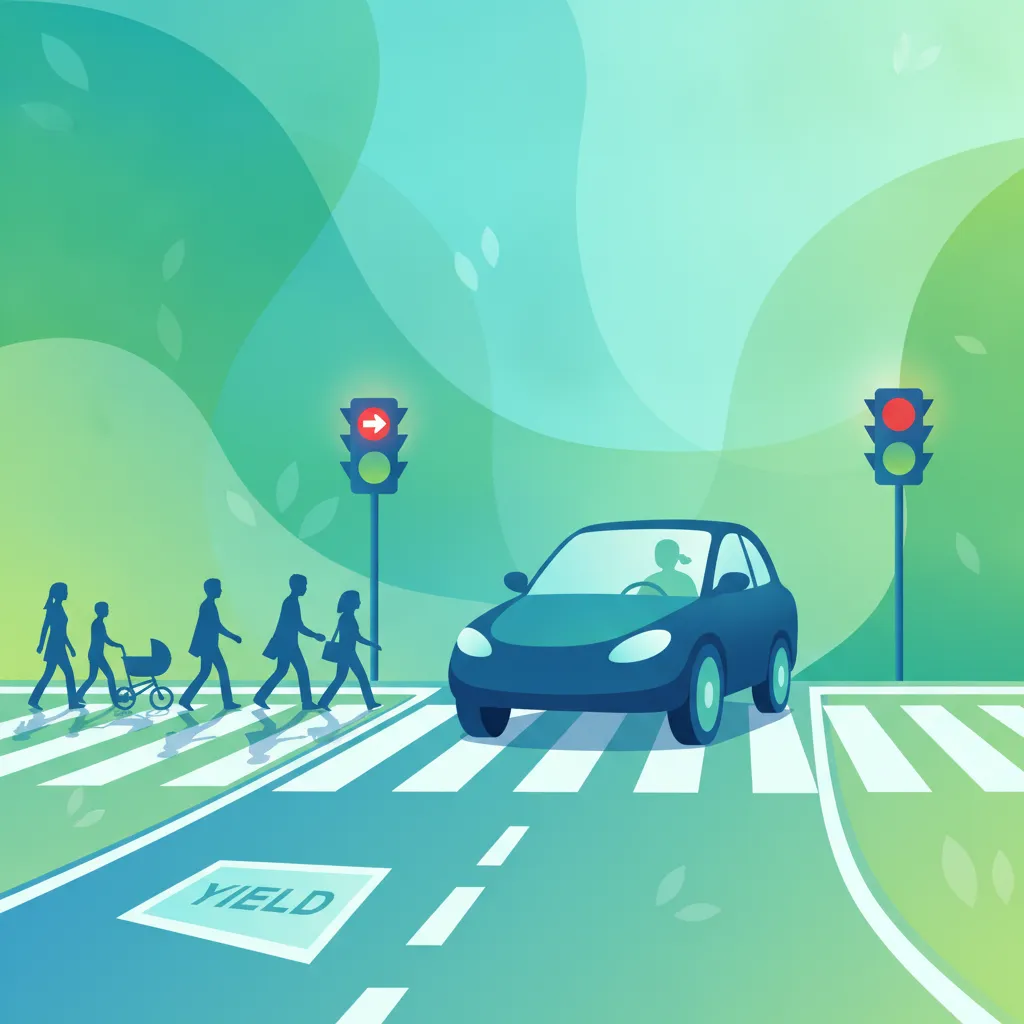
In this lesson, learners will master the skills required to safely navigate various types of intersections encountered in Turkish urban settings. The content covers interpreting traffic signals, understanding right-of-way rules, and executing proper lane positioning. Practical strategies for managing blind spots and ensuring visibility to other road users are emphasized. By the end of this session, participants will be equipped with safe crossing techniques.
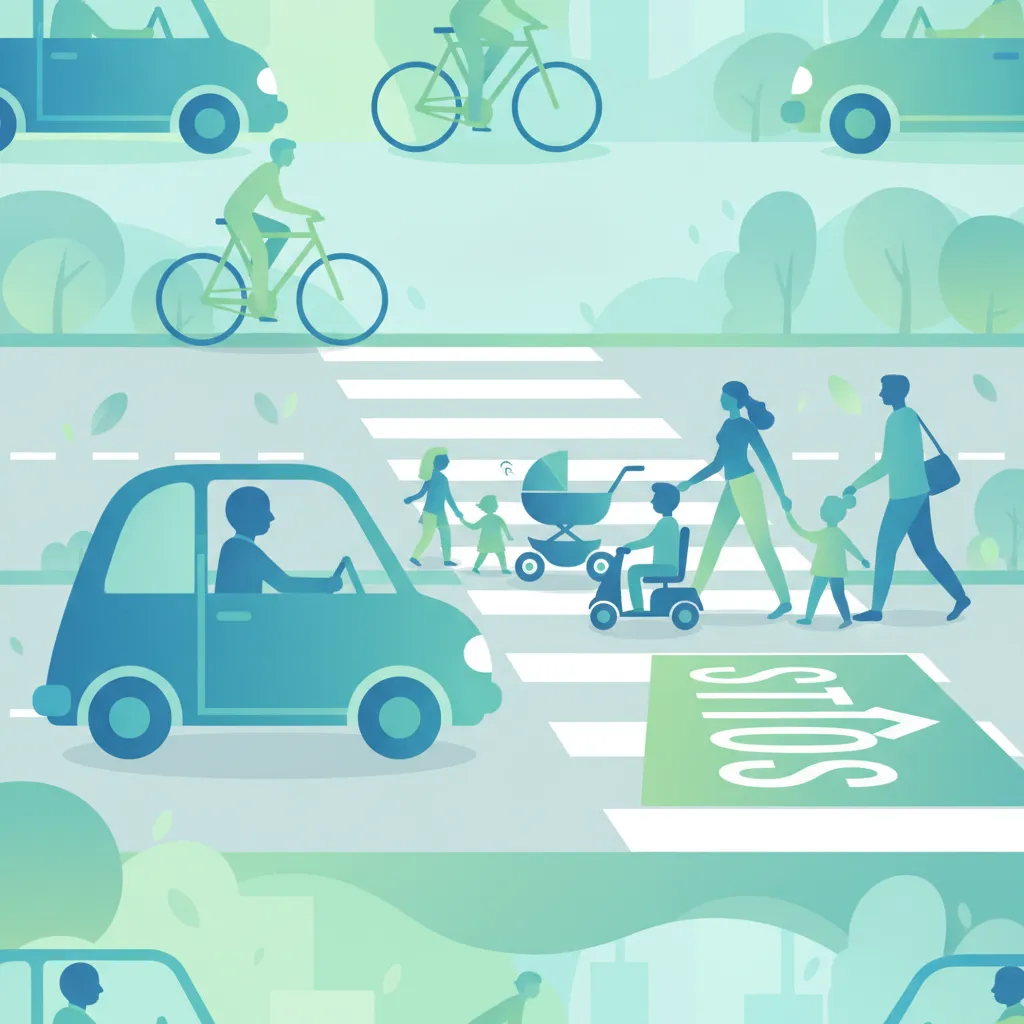
Learners will examine effective strategies for safely coordinating with pedestrians and other road users when approaching and departing bus stops. The lesson highlights right-of-way rules, the importance of yielding at crosswalks, and clear communication with both passengers and other drivers. These practices are vital for preventing accidents and ensuring a harmonious flow of traffic in busy urban areas.
Learn how to actively scan the road to identify potential dangers before they develop into accidents. This lesson covers key strategies for defensive driving, including how to anticipate risks from vulnerable road users and adapt your speed to changing road conditions.
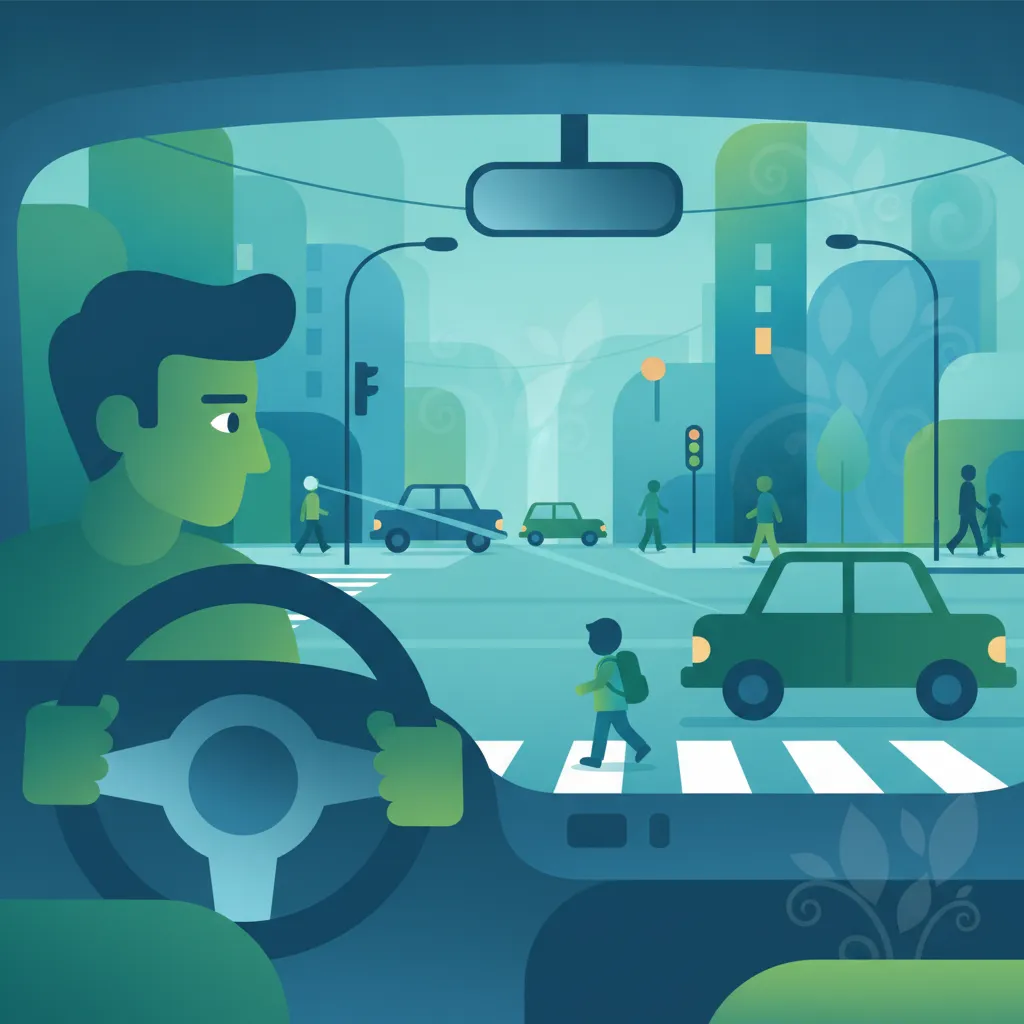
This lesson explores the critical skill of hazard identification and anticipation while driving. Topics include recognizing potential risks in traffic, road conditions, and environmental factors. Learners will develop skills in anticipatory driving to proactively address hazards before they become dangerous. Real-world examples illustrate how to maintain vigilance.
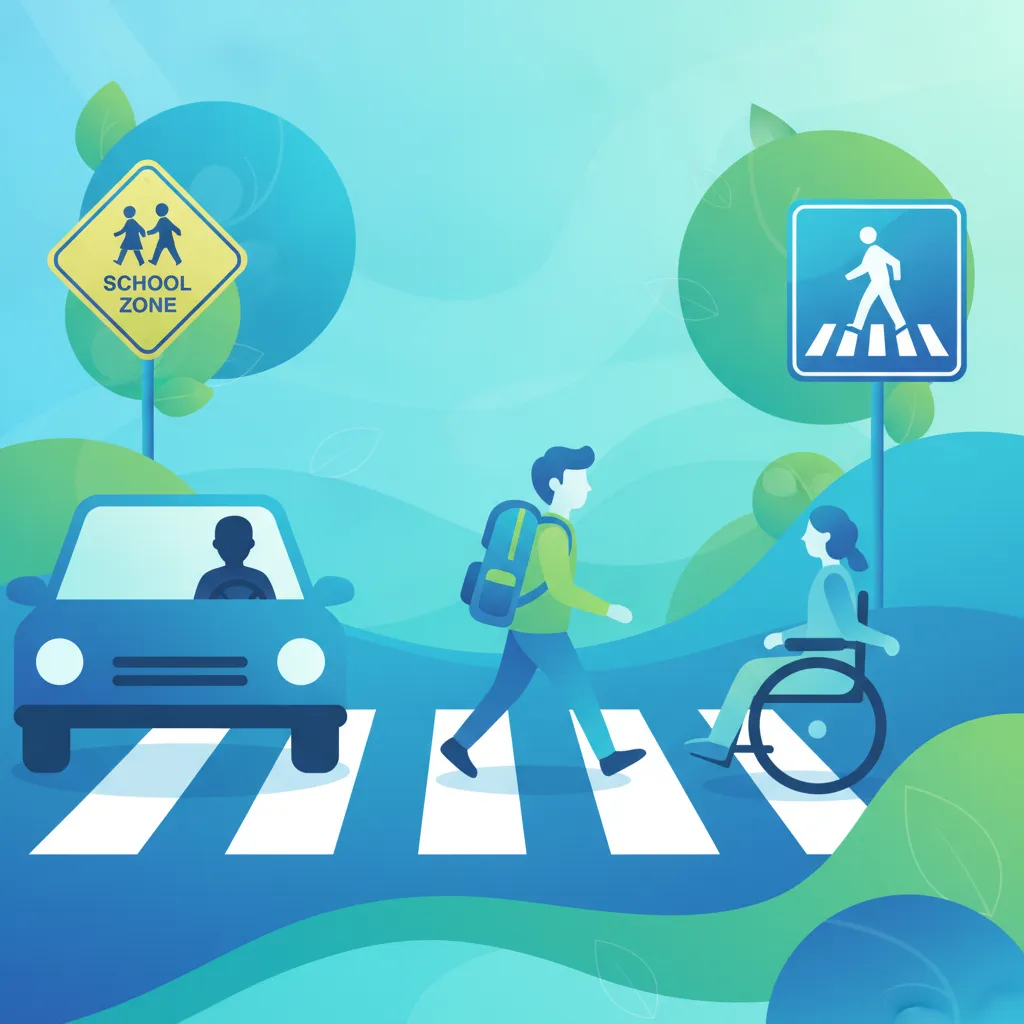
Learners will identify the different categories of vulnerable road users and understand the heightened risks they face. The lesson emphasizes the importance of recognizing these users, anticipating their actions, and taking proactive measures to ensure their safety while operating passenger vehicles. Strategies for mitigating danger and fostering a protective driving environment are explored.
In this lesson, learners explore warning traffic signs designed to alert drivers to potential hazards ahead. Topics include signs indicating curves, steep descents, slippery surfaces, pedestrian crossings, and school zones. The lesson emphasizes the importance of interpreting these signs correctly to adjust speed and driving behaviour, thereby preventing accidents.

This lesson explores the hazards characteristic of rural roads, including narrow paths, lack of lighting, slow agricultural vehicles, and sharp curves. It teaches drivers how to anticipate blind corners, adjust speed, and pass slow-moving tractors safely. Motorists will learn to remain highly alert for unexpected roadway obstructions.
This lesson details defensive driving techniques for adverse weather conditions such as rain, snow, black ice, dense fog, and strong winds. It explains the physics of aquaplaning and how to regain vehicle control when losing traction on slippery surfaces. Drivers will learn how to adjust speed and increase safety gaps to prevent weather crashes.
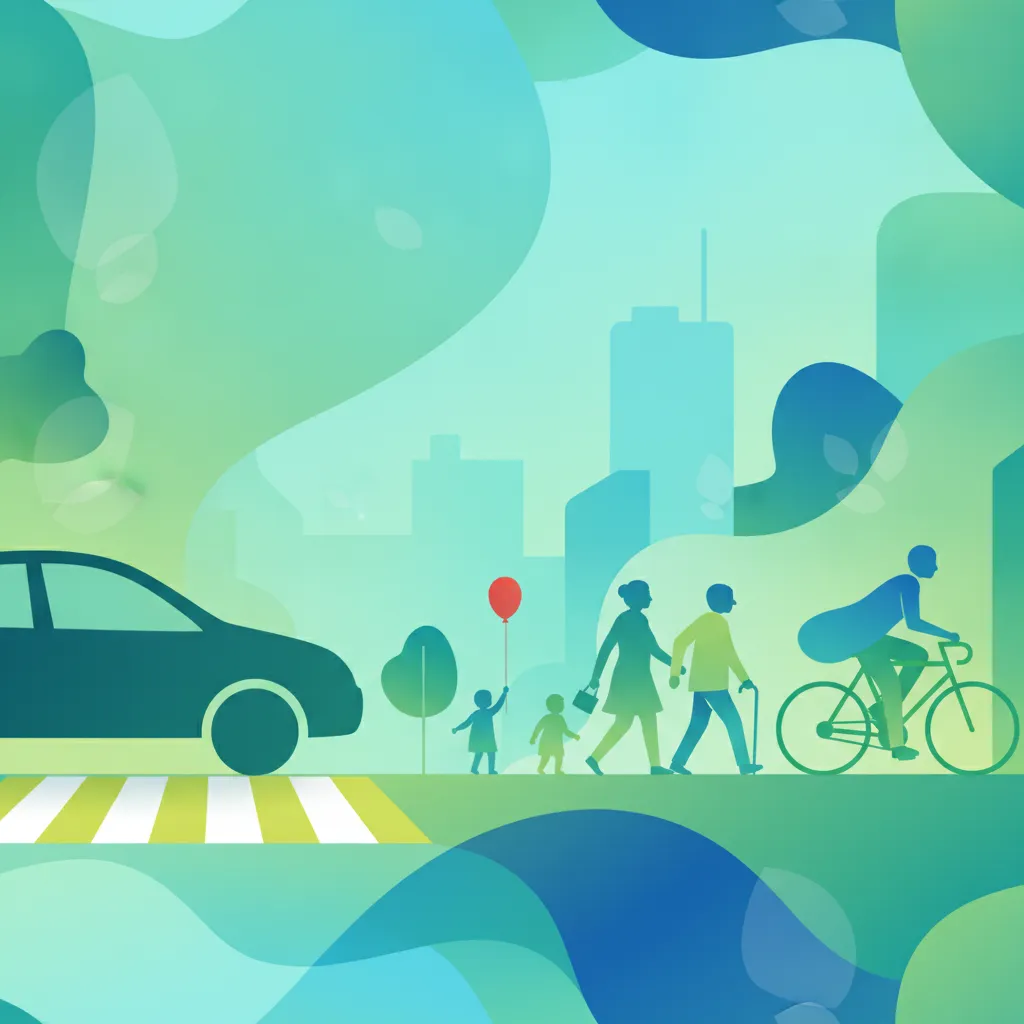
This lesson focuses on protecting vulnerable road users, such as pedestrians, cyclists, and motorcyclists, in mixed traffic environments. Learners will examine specific strategies for increased vigilance, anticipatory driving, and properly yielding to these users. The lesson also covers high-risk zones, such as school areas and public transport stops, emphasizing the need for heightened safety.
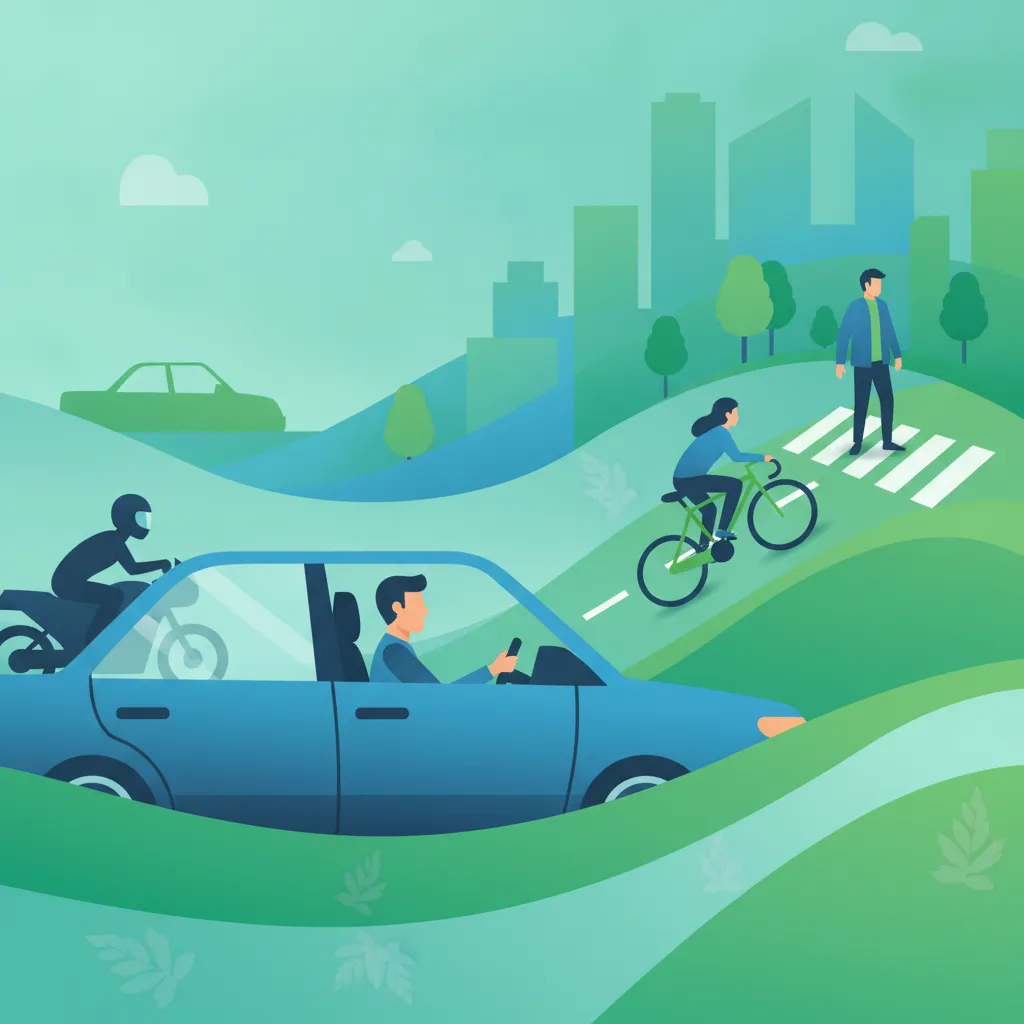
Learners will examine the complexities of operating in environments where various road users, including pedestrians, cyclists, and motorcyclists, coexist. The lesson emphasizes the need for heightened situational awareness, defensive driving techniques, and proactive hazard anticipation. Strategies for navigating mixed traffic safely, especially in congested urban areas, are highlighted.
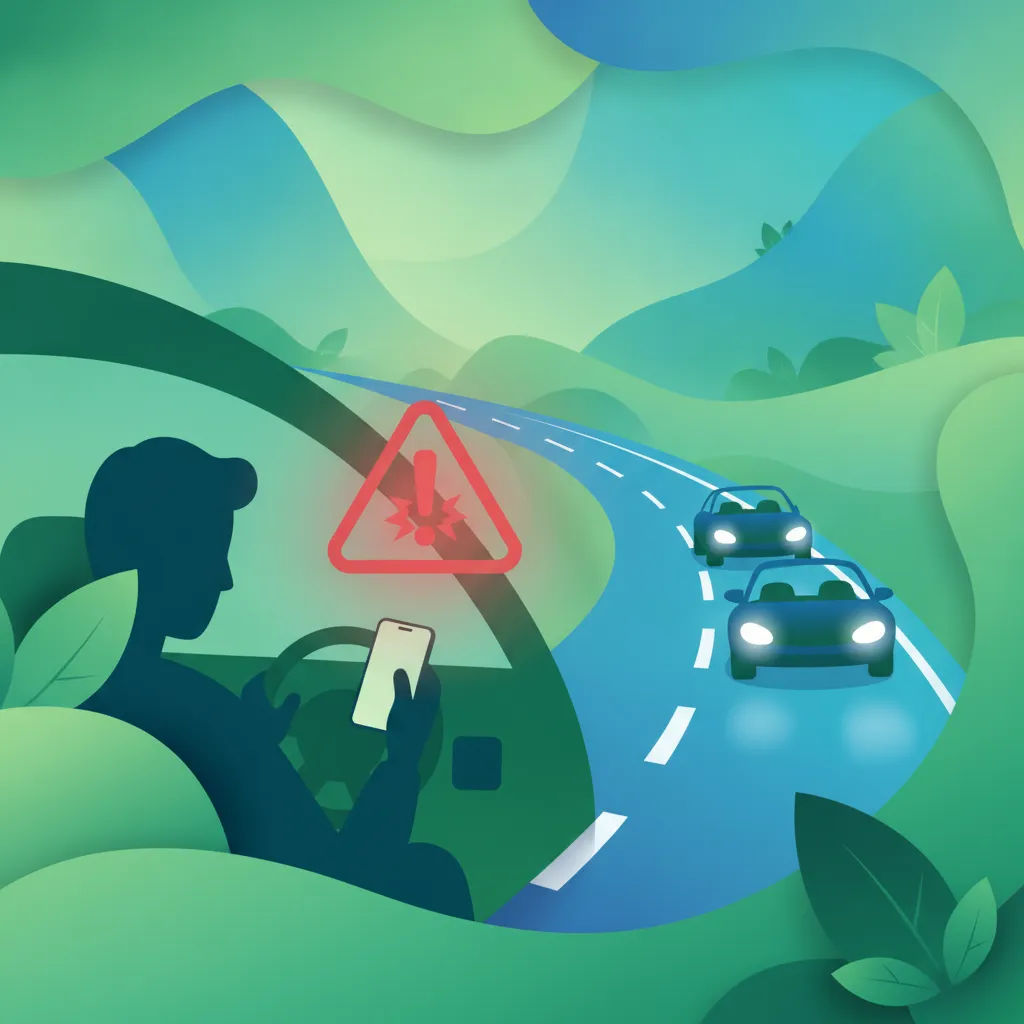
Human error and deliberate risk-taking represent the leading causes of traffic collisions among novice moped riders. This lesson analyzes the high dangers of using mobile phones while riding, weaving unsafely between lanes, and tailgating other motorists. It also covers the severe legal limits on alcohol and drug consumption under Turkish law, explaining how even minor impairments can drastically slower your hazard response times and lead to catastrophic accidents.
In this lesson, learners will discover the principles of defensive riding, focusing on hazard anticipation, maintaining safe distances, and practicing proactive avoidance techniques. It emphasizes developing a vigilant riding posture, constantly scanning the environment, and preparing to react to potential dangers from other road users, road conditions, or unexpected traffic events.
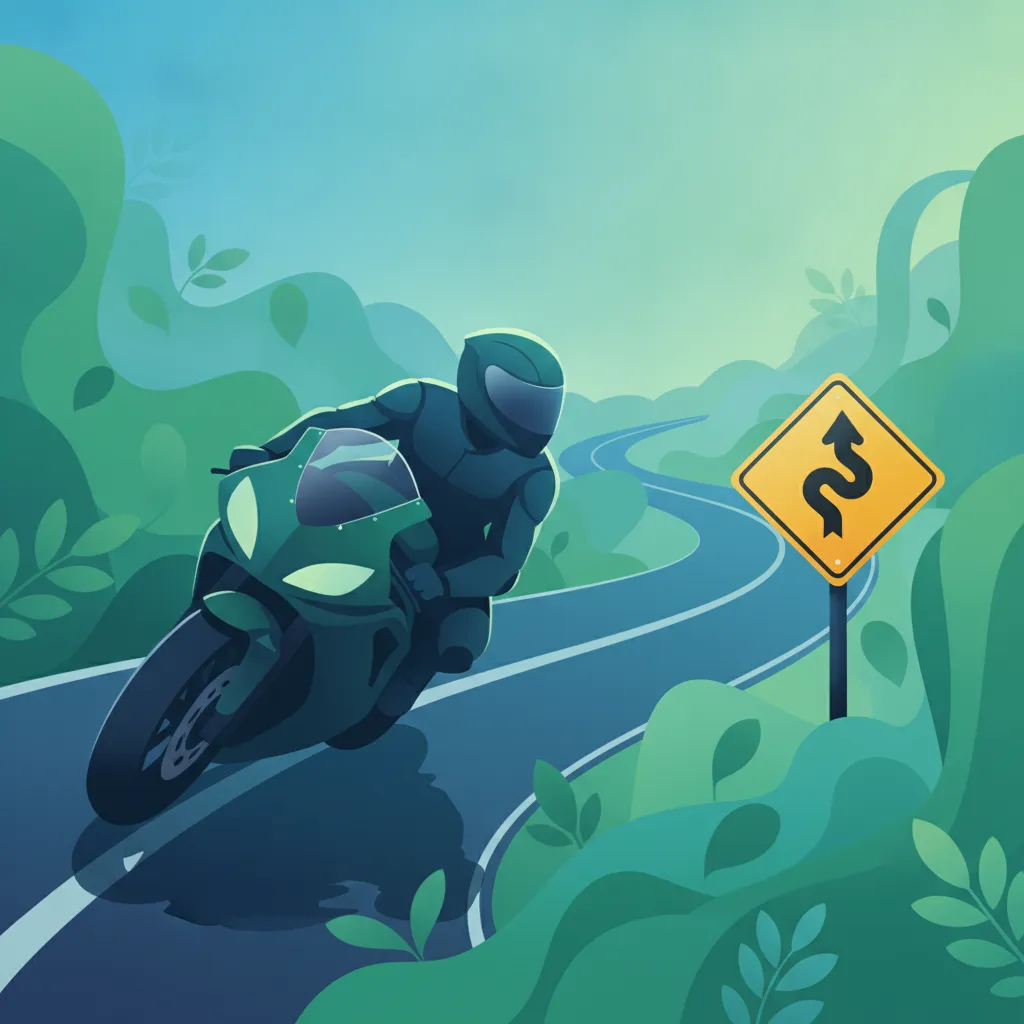
Warning signs alert road users to impending physical conditions, dangers, or layout alterations that require immediate driver attention and speed adjustment. This lesson focuses on indicators of sharp bends, narrowing paths, slippery road surfaces, upcoming pedestrian crosswalks, and school warning zones. You will study how to interpret these yellow-and-red triangular signs to safely modify your approach speed and gear your attention toward potential hazards unique to lightweight mopeds.
Find clear answers to common questions learners have about Children, Elderly, and Disabled Pedestrians. Learn how the lesson is structured, which driving theory objectives it supports, and how it fits into the overall learning path of units and curriculum progression in Turkey. These explanations help you understand key concepts, lesson flow, and exam focused study goals.
You must significantly reduce your speed, stay alert for children who may step into the road unexpectedly, and strictly obey any school crossing guard or warning signal.
Yes, under Turkish traffic law, if a pedestrian has entered or is about to enter a marked crosswalk, you must yield and allow them to pass safely.
Be patient and maintain a safe distance. Never honk your horn to hurry them, as this may cause confusion or panic. Allow them ample time to clear the road completely.
Drivers must be extra vigilant, as vision, hearing, or mobility impairments may prevent them from detecting your vehicle. Always provide extra space and signal your intentions clearly.
Use our comprehensive practice search to find exactly the Turkish driving theory questions you need to master. Whether reviewing specific road signs, traffic rules, or first aid scenarios, select your perfect practice set and boost your confidence for the official ehliyet sınavı.