
This lesson focuses on the critical skills required to navigate rural roads where livestock or wildlife may be present. You will learn to recognize specific warning signs, anticipate animal behaviour, and adjust your speed to ensure safety for both you and the animals. This knowledge is essential for the MTSK e-sınav and real-world driving in Turkey.
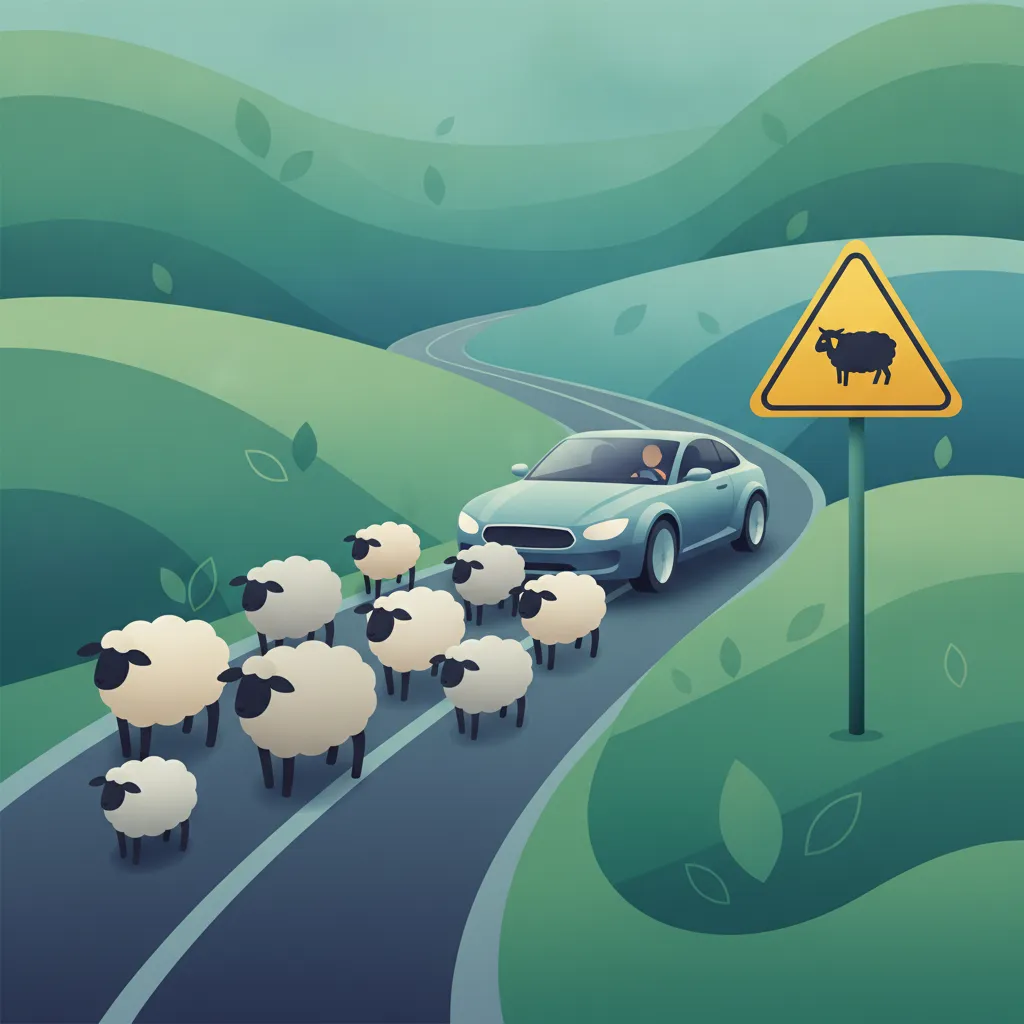
Lesson content overview
Driving in rural environments offers scenic views and open roads, but it also presents unique hazards that are rarely encountered in urban areas. In Turkey, rural roads frequently pass through agricultural fields, livestock pastures, and dense forest regions, such as those in the Black Sea (Karadeniz) or Mediterranean (Akdeniz) regions.
Understanding how to anticipate and navigate animal crossings is a core component of the Turkish Driving License Category B Theory Course (MTSK e-sınav). This lesson provides a deep dive into recognizing hazards, understanding animal behavior, interpreting traffic signs, and implementing defensive driving tactics on rural roads.
Rural roads often lack the structural safety features of modern highways. They are characterized by narrower lanes, sharp blind bends, limited street lighting, and immediate proximity to wildlife habitats or agricultural zones. Because of these factors, encountering animals—either domesticated livestock (evcil hayvanlar) or wild animals (vahşi hayvanlar)—is a highly probable hazard.
When animals enter the roadway, the risk of a severe collision is exceptionally high. This danger stems from three main elements:
Under the Turkish Highway Traffic Regulations (based on Turkey's Traffic Law No. 2918), specific warning signs alert drivers to areas where animals are highly likely to appear. Recognizing these signs and immediately modifying your driving behavior is a mandatory requirement for safety and legal compliance.
When you encounter the A-18 sign, you are entering an agricultural or pastoral zone. In many parts of Anatolia, herds of sheep or cattle are regularly moved across or along roads by herders (çobanlar).
The A-19 sign is typically placed near forest borders, national parks, and mountainous regions. Wild animals are highly active, fast-moving, and exceptionally difficult to spot, especially during specific times of the day.
To safely navigate these areas, you must apply five core defensive driving principles.
Do not wait for an animal to appear directly in your lane. Scan the road ahead and the shoulders continuously.
The moment you see an animal crossing sign or enter a rural area with limited visibility, you must reduce your speed.
Crucial Speed Safety Rule: Maintaining high speeds (such as the default rural limit of 90 km/h for Category B vehicles) in designated animal crossing zones is a major safety violation. You must reduce your speed to a level that allows you to stop safely within the distance you can see clearly ahead.
Lowering your speed from 90 km/h to 60 km/h or lower dramatically reduces your braking distance and gives you critical seconds to react if an animal leaps into the road.
In rural areas, you must increase your following distance behind other vehicles. If the vehicle ahead of you suddenly brakes to avoid an animal, you need a substantial buffer zone to prevent a rear-end collision.
Your horn is an acoustic warning device that can save lives, but it must be used correctly.
How you use your headlights at night directly impacts how animals behave.
The standard low-beam headlight setting designed to illuminate the road ahead without blinding oncoming traffic or animals.
The high-intensity headlight setting used for maximum visibility on unlit rural roads when no oncoming traffic is present.
When driving through an animal crossing zone at night:
A key aspect of hazard perception is understanding that animals do not think like humans. Anticipating their natural instincts is vital to avoiding a collision.
Many animals, including sheep, goats, and deer, travel in groups.
Animals are easily frightened by the sound of approaching engines and tires. Their reactions are erratic:
According to Turkish Traffic Law No. 2918, drivers hold specific legal responsibilities when sharing rural roads with animals.
If a herder (çoban) is guiding a herd of livestock across a designated crossing or across a rural road where it is safe to do so, drivers must yield and bring their vehicles to a complete stop. Driving through a crossing herd, attempting to nudge animals with your bumper, or revving your engine to force them to scatter is strictly prohibited and subject to heavy traffic fines.
You must never attempt to overtake a vehicle that has slowed down or stopped at an animal crossing zone.
As shown in the scenario above, overtaking a stopped vehicle in these zones is highly dangerous. The stopped vehicle blocks your view of the road ahead, meaning you could pull out directly into a crossing animal or an oncoming vehicle.
Safe driving is not one-size-fits-all; you must adapt your strategy based on weather, road surface, and the type of vehicle you are operating.
Despite maximum vigilance, there may be a moment where an animal suddenly leaps directly in front of your vehicle. Knowing how to react in this split second can mean the difference between a minor bumper scratch and a fatal crash.
Apply the Brakes Firmly: If your vehicle has an Anti-lock Braking System (ABS), press the brake pedal down hard and hold it. Do not pump the brakes.
Hold the Steering Wheel Straight: Keep your vehicle tracking straight within your lane.
Do Not Swerve Violently: This is the most critical rule. Your natural instinct is to swerve to miss the animal. However, swerving at high speed on a rural road often leads to head-on collisions with oncoming vehicles, hitting solid trees, or rolling into deep ditches. A controlled impact with a medium-sized animal is safer for the occupants than a high-speed collision with an oncoming truck or a concrete barrier.
Protect Yourself: Just before impact, if the animal is large (like a cow or horse) and likely to break through the windshield, duck down slightly to protect your head and face from shattered glass and structural collapse.
If you collide with an animal on a Turkish road, you must follow a clear safety and legal protocol:
This lesson covers the essential skills for navigating animal crossings on Turkish rural roads, where livestock and wildlife frequently share the roadway with vehicles. Learners must recognize the A-18 (domestic animals) and A-19 (wild animals) warning signs and immediately adjust their speed and headlight use accordingly. Key defensive techniques include maintaining increased following distances, using dipped beams at night to prevent animal freezing, and applying firm braking rather than swerving in emergencies. Turkish Traffic Law No. 2918 mandates yielding to guided herds and prohibits overtaking stopped vehicles in crossing zones, with violations subject to fines. For post-collision situations, drivers must secure the scene with hazard lights and triangles, wear reflective vests, and report to authorities (Jandarma or DKMP depending on whether livestock or wild animals are involved).
A short set of high-value points that capture the most important learning from this lesson.
The A-18 sign warns of domestic animals (livestock) crossing, while A-19 warns of wild animals in areas like forests and national parks.
Always switch from high beams to dipped beams (kısa farlar) when you spot wildlife at night to prevent animals from freezing in your path.
In an emergency, brake firmly and keep steering straight—never swerve violently, as this causes more dangerous collisions with oncoming traffic or roadside obstacles.
If you see one animal cross, assume more will follow due to herd mentality; wait and scan thoroughly before accelerating.
You must yield completely to guided livestock herds and never attempt to overtake a vehicle that has stopped at an animal crossing zone.
Explore all units and lessons included in this driving theory course.
A-18 = domestic/livestock crossing signs; A-19 = wild animal crossing signs, typically near forests and mountainous regions.
Three-second following distance in clear conditions; increase to four or five seconds at night, in rain, or on gravel roads.
Use short horn taps from a distance to alert animals, but never blast the horn close to them as this triggers panic and unpredictable movement.
Peak wildlife activity occurs during dawn and dusk (crepuscular hours) and increases during autumn and spring migrations.
After a collision: activate hazard lights, wear reflective vest, place warning triangles 150 meters behind on rural roads, and report to Jandarma (112) or DKMP.
Assuming high-beam headlights provide better safety at night—instead, they blind animals causing them to freeze directly in your lane.
Accelerating after one animal crosses safely, not anticipating the 'one-more' rule that more animals typically follow.
Swerving to avoid an animal instead of braking hard and maintaining direction, leading to worse crashes with other vehicles or roadside hazards.
Attempting to overtake a stopped vehicle at an animal crossing, not realizing the stopped car blocks your view of crossing animals or oncoming traffic.
Not reducing speed sufficiently in animal crossing zones—driving at the default 90 km/h rural limit leaves insufficient stopping distance.
Lesson content overview
A short set of high-value points that capture the most important learning from this lesson.
The A-18 sign warns of domestic animals (livestock) crossing, while A-19 warns of wild animals in areas like forests and national parks.
Always switch from high beams to dipped beams (kısa farlar) when you spot wildlife at night to prevent animals from freezing in your path.
In an emergency, brake firmly and keep steering straight—never swerve violently, as this causes more dangerous collisions with oncoming traffic or roadside obstacles.
If you see one animal cross, assume more will follow due to herd mentality; wait and scan thoroughly before accelerating.
You must yield completely to guided livestock herds and never attempt to overtake a vehicle that has stopped at an animal crossing zone.
Explore all units and lessons included in this driving theory course.
A-18 = domestic/livestock crossing signs; A-19 = wild animal crossing signs, typically near forests and mountainous regions.
Three-second following distance in clear conditions; increase to four or five seconds at night, in rain, or on gravel roads.
Use short horn taps from a distance to alert animals, but never blast the horn close to them as this triggers panic and unpredictable movement.
Peak wildlife activity occurs during dawn and dusk (crepuscular hours) and increases during autumn and spring migrations.
After a collision: activate hazard lights, wear reflective vest, place warning triangles 150 meters behind on rural roads, and report to Jandarma (112) or DKMP.
Assuming high-beam headlights provide better safety at night—instead, they blind animals causing them to freeze directly in your lane.
Accelerating after one animal crosses safely, not anticipating the 'one-more' rule that more animals typically follow.
Swerving to avoid an animal instead of braking hard and maintaining direction, leading to worse crashes with other vehicles or roadside hazards.
Attempting to overtake a stopped vehicle at an animal crossing, not realizing the stopped car blocks your view of crossing animals or oncoming traffic.
Not reducing speed sufficiently in animal crossing zones—driving at the default 90 km/h rural limit leaves insufficient stopping distance.
Explore search topics learners often look for when studying Animal Crossings and Rural Scenarios. These topics reflect common questions about road rules, driving situations, safety guidance, and lesson level theory preparation for learners in Turkey.
Browse additional driving theory lessons that cover connected traffic rules, road signs, and common driving situations related to this topic. Improve your understanding of how different rules interact across everyday traffic scenarios.
Learn how to detect and respond to environmental hazards typical of Turkish rural roads such as blind bends, narrow lanes, and limited visibility. This lesson explains how to adjust speed and following distances to maintain safety in non-urban driving environments where road conditions are unpredictable.

This lesson explores the hazards characteristic of rural roads, including narrow paths, lack of lighting, slow agricultural vehicles, and sharp curves. It teaches drivers how to anticipate blind corners, adjust speed, and pass slow-moving tractors safely. Motorists will learn to remain highly alert for unexpected roadway obstructions.
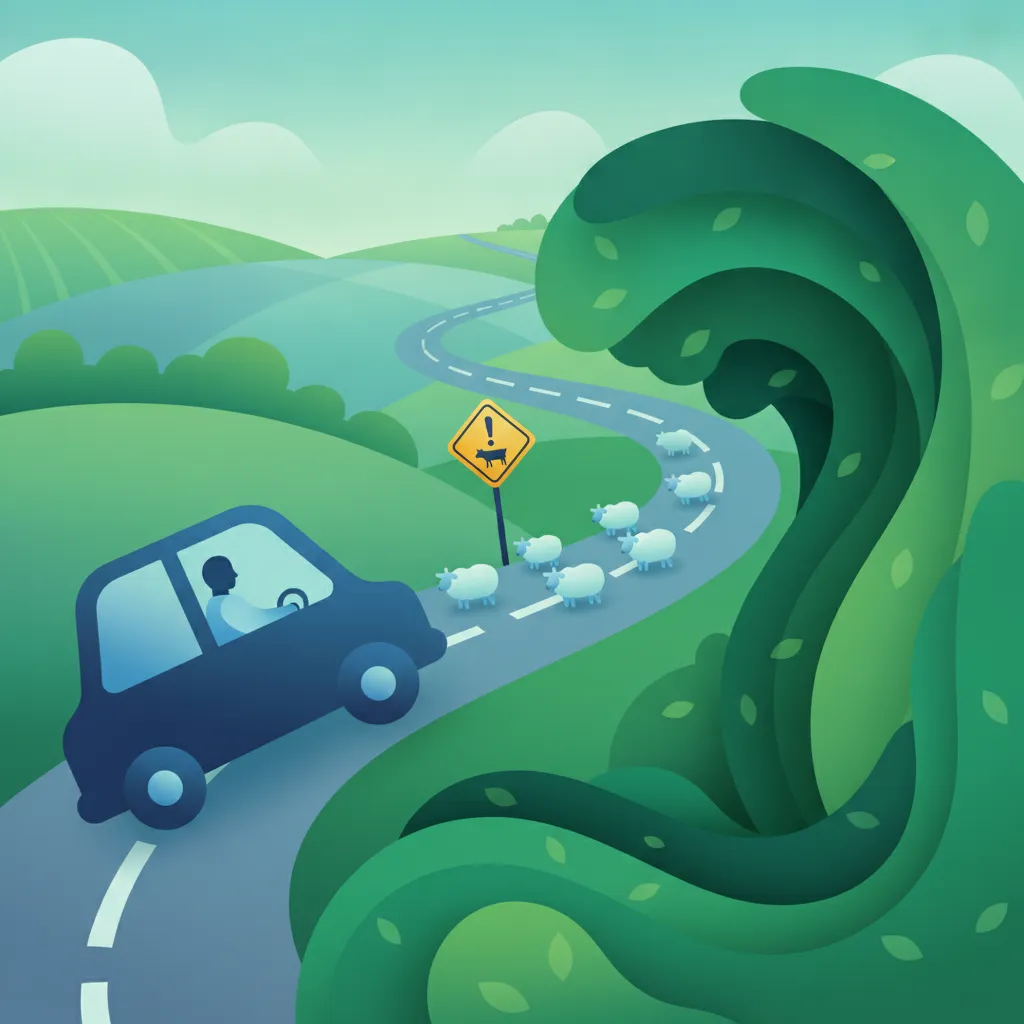
This lesson explores the unique challenges encountered when driving goods vehicles on rural roads, including narrow widths, sharp curves, animal crossings, and varying road surface conditions. Learners will understand the importance of adjusting speed, maintaining vigilance, and respecting road markings. Emphasis is placed on safe navigation practices to mitigate risks associated with rural areas.
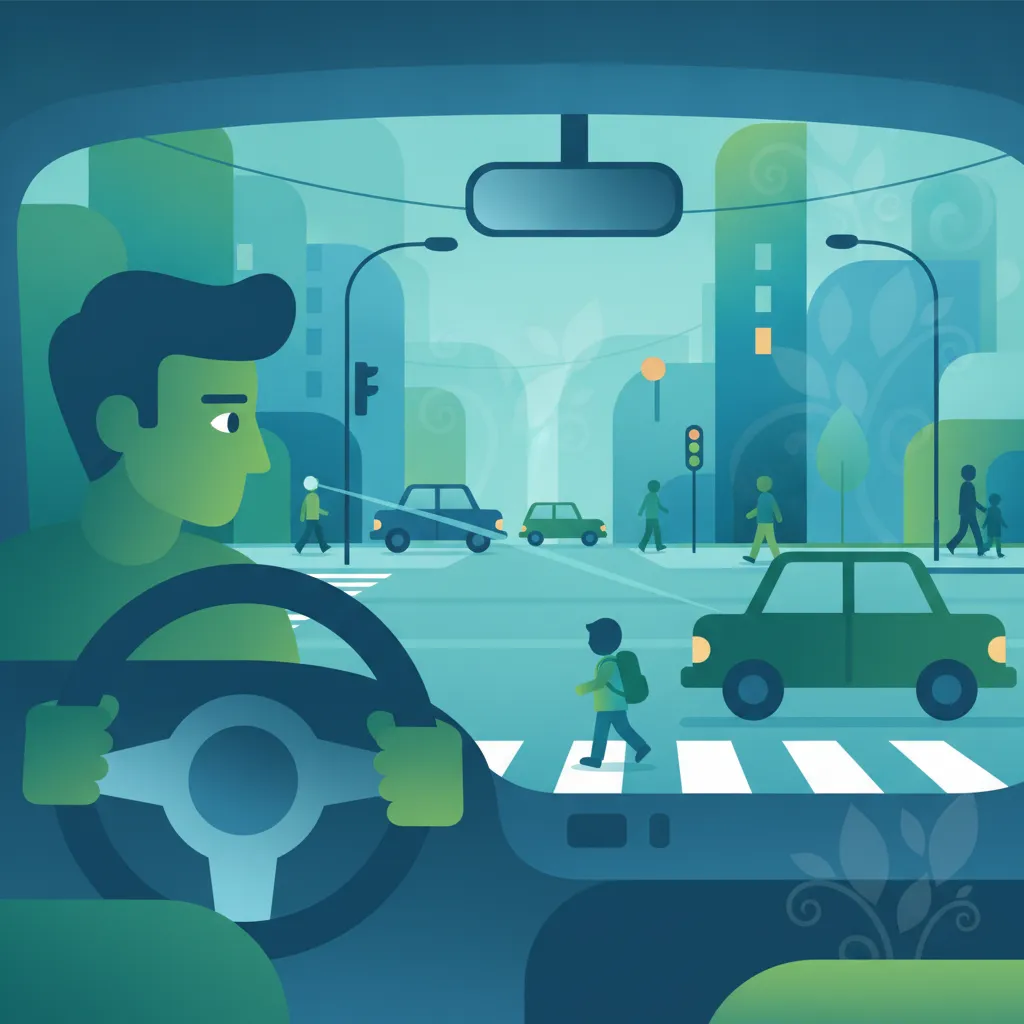
This lesson explores the critical skill of hazard identification and anticipation while driving. Topics include recognizing potential risks in traffic, road conditions, and environmental factors. Learners will develop skills in anticipatory driving to proactively address hazards before they become dangerous. Real-world examples illustrate how to maintain vigilance.
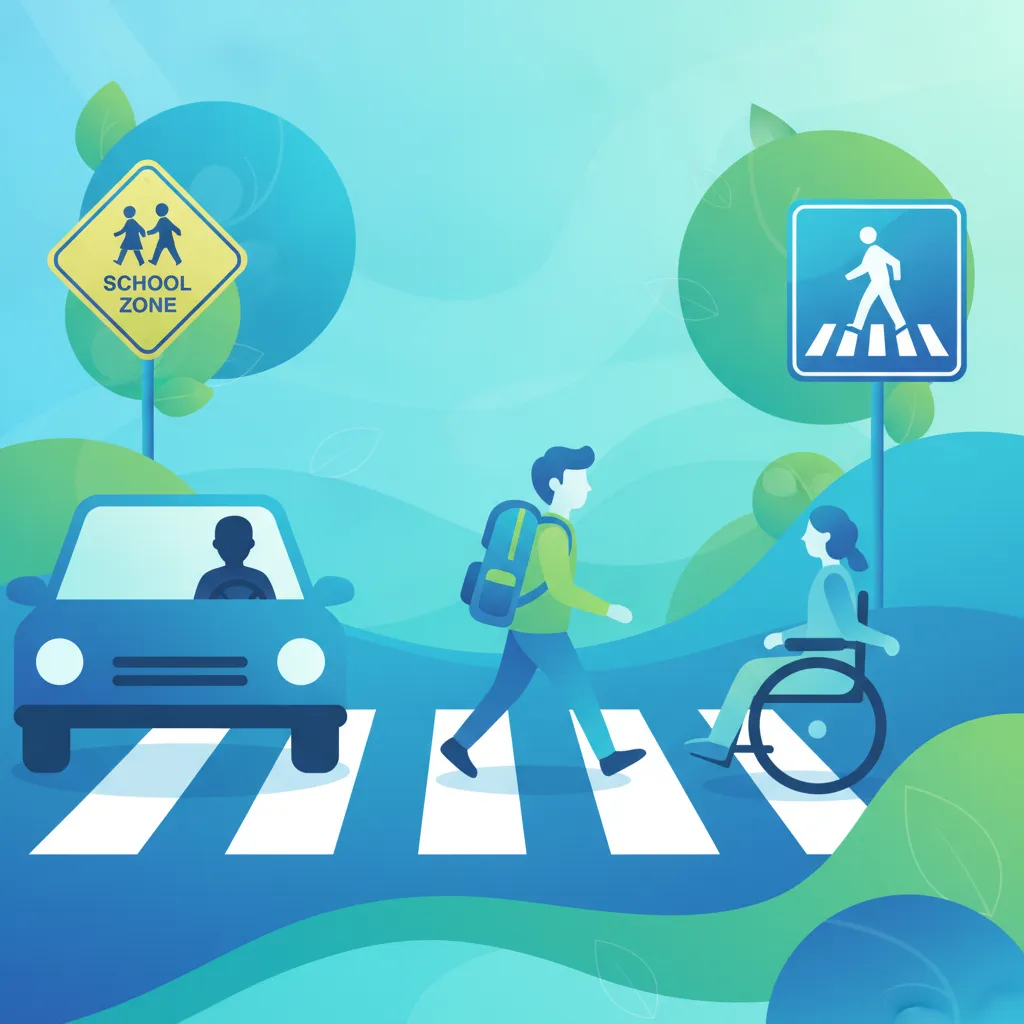
Learners will identify the different categories of vulnerable road users and understand the heightened risks they face. The lesson emphasizes the importance of recognizing these users, anticipating their actions, and taking proactive measures to ensure their safety while operating passenger vehicles. Strategies for mitigating danger and fostering a protective driving environment are explored.
Learners will examine the complexities of operating in environments where various road users, including pedestrians, cyclists, and motorcyclists, coexist. The lesson emphasizes the need for heightened situational awareness, defensive driving techniques, and proactive hazard anticipation. Strategies for navigating mixed traffic safely, especially in congested urban areas, are highlighted.
This lesson explains the specific rules, driving etiquette, and safety protocols for operating a vehicle on high-speed Turkish motorways. It covers correct lane usage, overtaking procedures, emergency lane restrictions, and how to maintain consistent high speeds safely. Drivers will learn to avoid dangerous tailgating and sudden lane changes.
This lesson details defensive driving techniques for adverse weather conditions such as rain, snow, black ice, dense fog, and strong winds. It explains the physics of aquaplaning and how to regain vehicle control when losing traction on slippery surfaces. Drivers will learn how to adjust speed and increase safety gaps to prevent weather crashes.
This lesson examines the integral role of the goods vehicle driver in contributing to overall traffic safety and a positive safety culture. It focuses on proactive driving behaviors, hazard identification, and effective risk management strategies. Communication techniques with other road users, compliance with traffic flow regulations, and competent emergency responses are highlighted as essential skills.
Learners will explore the specific challenges presented by adverse weather conditions, such as rain, fog, and nighttime driving. The lesson emphasizes the importance of adjusting speed, increasing following distances, and using appropriate lighting to maintain safety. Strategies for handling reduced road surface grip and visibility issues are discussed, ensuring drivers can adapt to changing weather while protecting passengers and other road users.
This lesson examines the critical interactions between goods vehicles and vulnerable road users such as pedestrians, cyclists, and motorcyclists, particularly in urban environments. Learners will explore right-of-way rules, maintaining safe distances, and strategies for anticipating the actions of these road users. The lesson emphasizes the importance of clear communication and protective driving.
Gain a comprehensive understanding of regulatory and warning traffic signs under Turkish Law No. 2918. This guide covers the meaning of specific warning indicators and road markings that alert drivers to potential dangers like animal crossings, ensuring you understand your legal responsibilities while navigating different traffic zones.
In this lesson, learners explore warning traffic signs designed to alert drivers to potential hazards ahead. Topics include signs indicating curves, steep descents, slippery surfaces, pedestrian crossings, and school zones. The lesson emphasizes the importance of interpreting these signs correctly to adjust speed and driving behaviour, thereby preventing accidents.
Warning signs alert road users to impending physical conditions, dangers, or layout alterations that require immediate driver attention and speed adjustment. This lesson focuses on indicators of sharp bends, narrowing paths, slippery road surfaces, upcoming pedestrian crosswalks, and school warning zones. You will study how to interpret these yellow-and-red triangular signs to safely modify your approach speed and gear your attention toward potential hazards unique to lightweight mopeds.
This lesson covers the various road surface markings that motorcyclists must be aware of, such as lane lines, turn arrows, and dedicated bike lanes. It explains how to interpret solid and broken lines, the meaning of specific arrows for turning or lane changes, and the significance of pedestrian crossing markings. Understanding these visual cues is essential for maintaining lane discipline and performing safe road maneuvers.
In this lesson, learners will master the meanings of various traffic signs as defined by Turkish traffic legislation. The focus will be on understanding regulatory, warning, and informational signs, with particular attention to those that directly affect motorcyclists, such as speed limits and lane usage. By the end of this session, participants will be able to quickly recognize sign categories and apply the required actions safely.
This lesson delves into the regulatory traffic signs that dictate mandatory and prohibited actions for drivers. Learners will study signs indicating speed limits, stop and yield requirements, no-entry zones, and lane usage directives. The lesson also covers temporary regulatory signs used in construction or special events, emphasizing the importance of adhering to these signs to avoid penalties.
In this lesson, learners explore vertical road markings, primarily focusing on signs mounted on poles or overhead structures. Topics include direction indicators, speed limit signs, warning signs, and regulatory signs. The lesson emphasizes the importance of sign placement, illumination, and visibility in ensuring driver compliance. Real-world scenarios demonstrate how drivers should interpret and react to vertical markings.
Road markings painted directly onto the asphalt provide continuous guidance and carry the same legal weight as vertical traffic signs. This lesson explains the differences between solid and broken longitudinal lines, channelizing arrows, and restricted zones like dedicated bus or bicycle paths. You will discover how to properly align your moped within your lane, execute lawful line changes, and respect painted buffer zones to prevent dangerous side-swipe accidents in dense traffic.
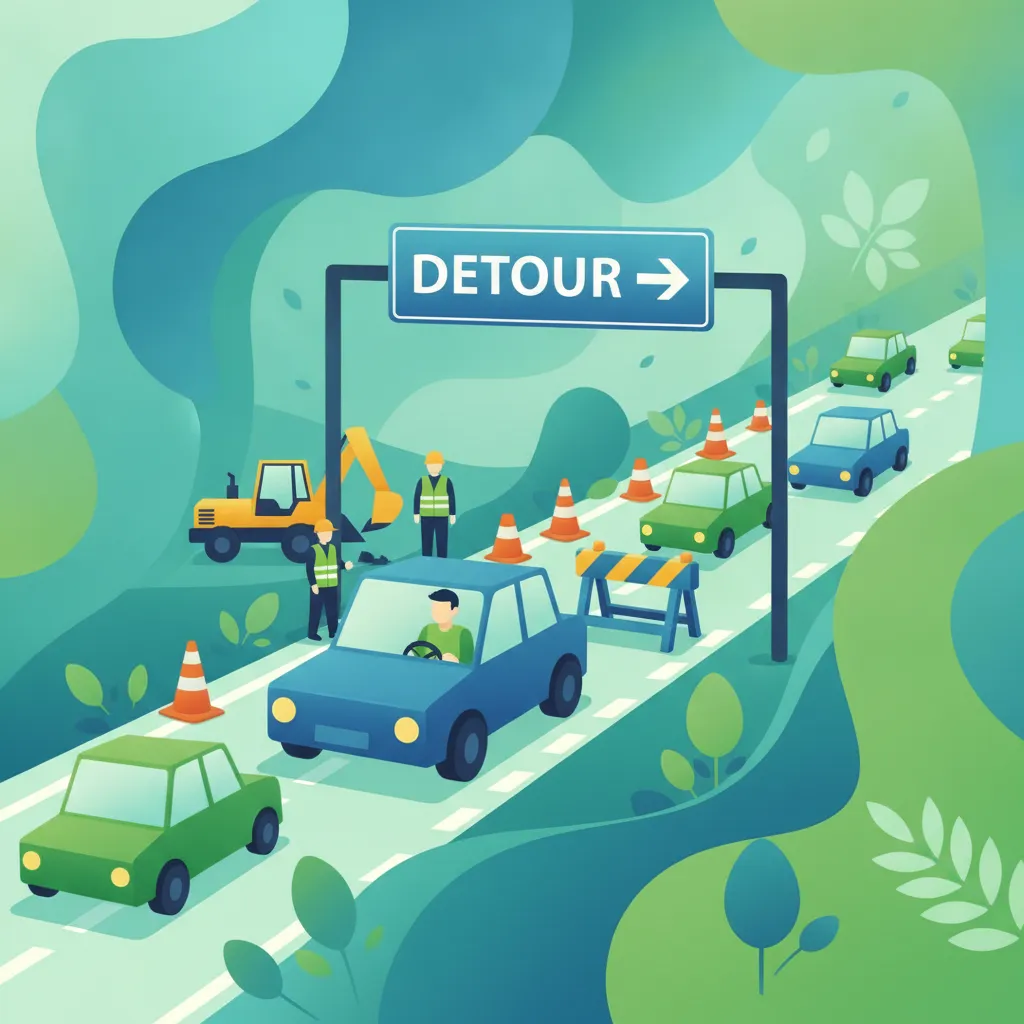
This lesson guides motorists on how to safely navigate active roadwork zones, detours, and temporary lane configurations. It details the meaning of construction signs, temporary speed reductions, and the legal requirement to protect highway workers. Drivers will learn to expect sudden stops and maintain slow, steady speeds through work areas.
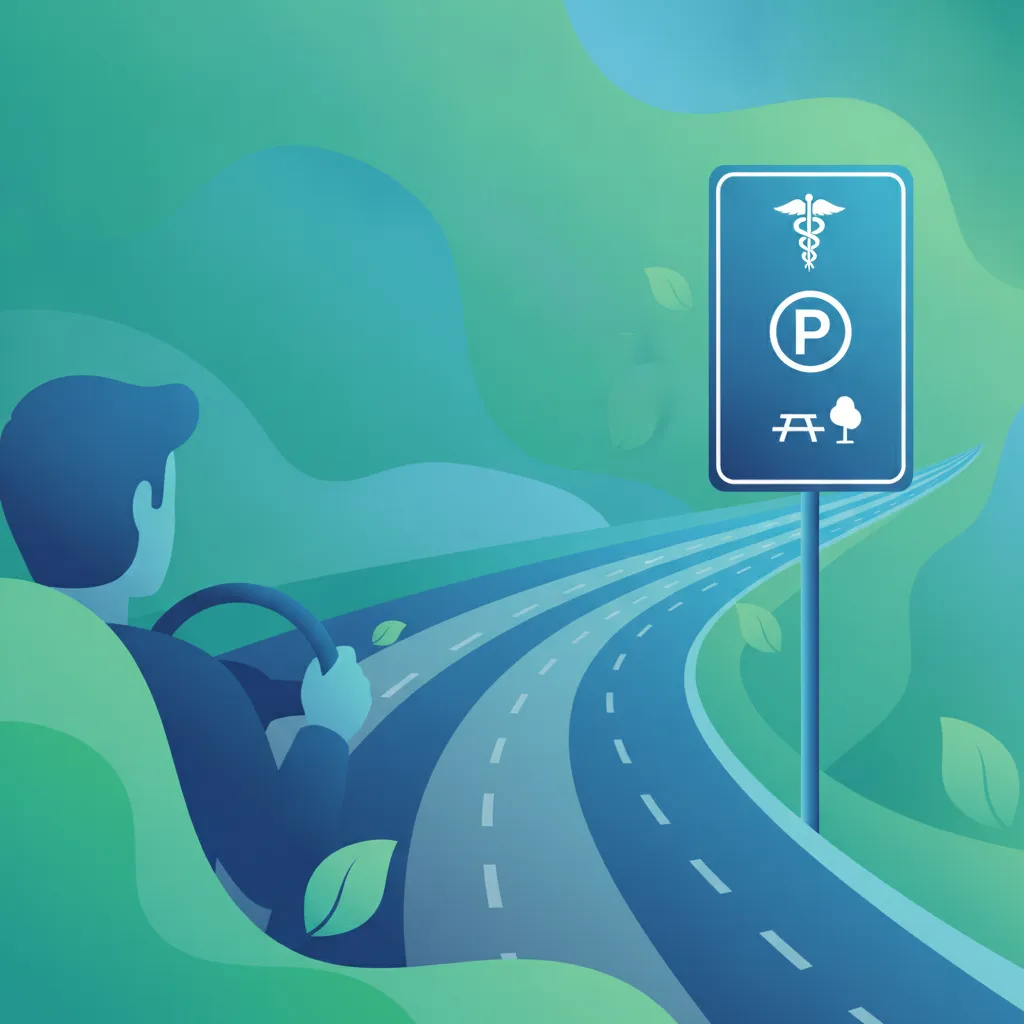
This lesson focuses on informational traffic signs that provide guidance and essential information to drivers. Learners will examine signs indicating directions, distances to cities, service areas, fuel stations, hospitals, police stations, and tourist attractions. The lesson highlights the role of these signs in facilitating navigation and ensuring drivers can locate essential services safely.
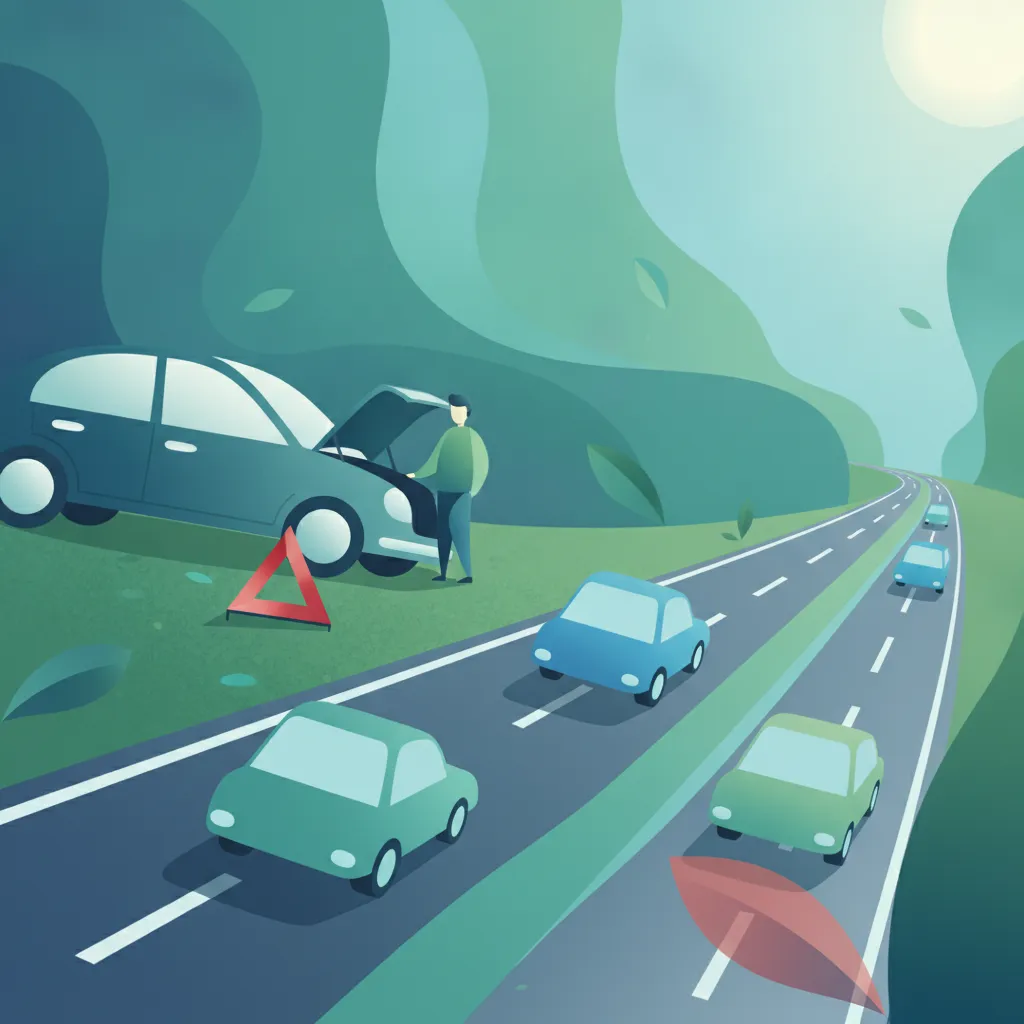
This lesson examines portable and electronic warning devices used to inform drivers of temporary road conditions. Learners will explore the use of movable signs, electronic variable message signs, speed display devices, and reflective hazard cones. The lesson emphasizes the significance of these devices in construction zones, roadworks, and dynamic traffic situations.
Find clear answers to common questions learners have about Animal Crossings and Rural Scenarios. Learn how the lesson is structured, which driving theory objectives it supports, and how it fits into the overall learning path of units and curriculum progression in Turkey. These explanations help you understand key concepts, lesson flow, and exam focused study goals.
You should immediately reduce your speed and increase your observation of the road shoulders. The sign indicates that animals are frequently present, so remain alert and be prepared to stop if necessary.
No, you should avoid using the horn as it may startle the animals and cause them to behave unpredictably or move directly into your path. Slow down and wait for them to clear the road safely.
In Turkey, you must prioritize road safety. Regardless of right-of-way, if animals are blocking the road, you are legally and ethically obligated to stop and wait until the path is clear.
Hazard perception is a core component of the MTSK e-sınav. Understanding how to manage unexpected rural hazards like animals is crucial for being a safe, responsible driver in various environments.
Use our comprehensive practice search to find exactly the Turkish driving theory questions you need to master. Whether reviewing specific road signs, traffic rules, or first aid scenarios, select your perfect practice set and boost your confidence for the official ehliyet sınavı.