
Driving Theory
Learn with Turkish Theory Courses

Goods Vehicle Theory: Use of Mirrors, Cameras, and Additional Sensors

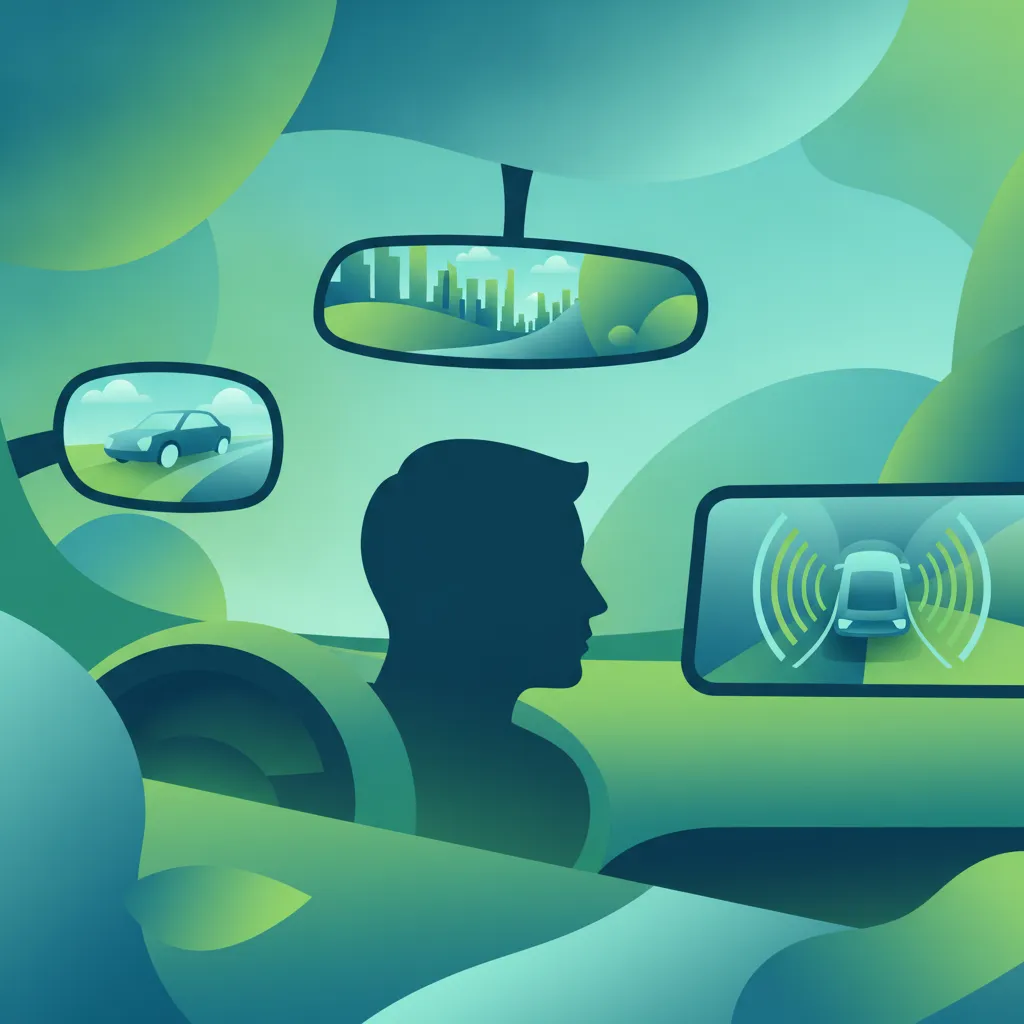
Use of Mirrors, Cameras, and Additional Sensors lesson overview image

This lesson introduces the proper utilization of mirrors, rearview cameras, and additional sensor systems to enhance situational awareness for goods vehicle drivers. Learners will understand the importance of correctly adjusting mirrors for optimal coverage, interpreting camera feeds, and relying on sensor alerts. The lesson emphasizes integrating modern safety technology into daily driving practices.

blind spotsprofessional driverC licensevehicle technologysafety sensorstheory exam
Goods Vehicle Theory curriculum

Part of the full Goods Vehicle Theory curriculum

The Use of Mirrors, Cameras, and Additional Sensors lesson belongs to the structured Goods Vehicle Theory curriculum, a complete learning program designed to help learners in Turkey master every key topic required for the Turkish driving theory exam. By studying this lesson, you continue building the knowledge, traffic awareness, and exam readiness developed throughout the units of the curriculum.
professional driverC licenseCE licenseheavy goods vehicleTurkey traffic lawsMTSK examdriving theorycargo safetyprofessional conductexam prep
Goods Vehicle Theory curriculum image

Turkey Professional Goods Vehicle Theory Course

This comprehensive theory course is designed for professional drivers seeking C1, C, C1E, or CE licenses in Turkey. It covers vital regulations under the Turkish Highway Traffic Regulation, safe loading procedures, route planning, and heavy vehicle handling. Drivers will learn to navigate urban deliveries, manage vehicle dimensions, and interact safely with vulnerable road users.

9 units45 lessons
View curriculum

Why the Use of Mirrors, Cameras, and Additional Sensors lesson matters

The Use of Mirrors, Cameras, and Additional Sensors lesson explains one of the most important subjects in the Blind Spots, Vulnerable Road Users and Urban Delivery Risks unit of the Goods Vehicle Theory curriculum. It focuses on essential exam content that every learner in Turkey needs for the Turkish driving theory exam. Through clear explanations, practical examples, and real traffic situations, this lesson helps you understand how the rules work in practice and strengthens your overall exam preparation.

Browse curriculum
Learning objectives

What you will learn in the Use of Mirrors, Cameras, and Additional Sensors lesson

Identify the blind spot areas unique to large goods vehicles.
Explain the importance of correct mirror adjustment for optimal visibility.
Understand the role of modern camera and sensor systems in accident prevention.
Apply effective scanning techniques to integrate electronic aids with direct observation.
Recognize when to rely on electronic sensors versus manual vehicle monitoring.
What you will gain

What you will understand after completing the Use of Mirrors, Cameras, and Additional Sensors lesson

By the end of this lesson, you will possess a comprehensive understanding of how to manage visibility in large vehicles, a critical component of the Turkish professional driving theory exam. You will be able to demonstrate why relying solely on mirrors is insufficient for heavy goods vehicles and how to correctly synthesize information from cameras, sensors, and direct vision to maintain safety.

Furthermore, you will gain the practical knowledge required to minimize blind-spot-related incidents in urban delivery environments. This expertise will not only assist you in passing the MTSK e-sınav but will also instill a proactive safety culture essential for professional goods vehicle operation on Turkish highways and in congested urban areas.
Start reading topics
What you will understand after completing the Use of Mirrors, Cameras, and Additional Sensors lesson
Learners who benefit the most from the Use of Mirrors, Cameras, and Additional Sensors lesson
Who should study this

Learners who benefit the most from the Use of Mirrors, Cameras, and Additional Sensors lesson

This lesson is essential for professional drivers preparing for C1, C, C1E, or CE license examinations in Turkey. It is particularly helpful for those transitioning from lighter vehicles who need to adapt to the significantly larger blind spots and visibility challenges of heavy goods vehicles.

View all lesson topics
Questions

FAQs about the Use of Mirrors, Cameras, and Additional Sensors lesson

Find answers to common questions about the Use of Mirrors, Cameras, and Additional Sensors lesson, including how it connects to the Blind Spots, Vulnerable Road Users and Urban Delivery Risks unit and the full Goods Vehicle Theory curriculum. Learn how long the lesson takes, what topics it covers, and how it supports your preparation for the driving theory exam in Turkey.
Why learners trust the Use of Mirrors, Cameras, and Additional Sensors lesson

Why learners trust the Use of Mirrors, Cameras, and Additional Sensors lesson

The Use of Mirrors, Cameras, and Additional Sensors lesson is designed to make complex driving theory topics easier to understand. Content is written in a clear and practical way, aligned with exam expectations in Turkey, and supported by examples that reflect real traffic situations. Whether you are reviewing or starting from scratch, this lesson helps you study efficiently and make steady progress inside the Goods Vehicle Theory curriculum.

Covers all important concepts linked to this lessonCreated using exam relevant topics from TurkeyEvery topic explained using real world traffic situationsLesson layout that guides you step by stepReflects the latest rules required for the driving theory examStrengthens your preparation for the Turkish theory exam
Start now

More units in the Goods Vehicle Theory curriculum

Explore additional units that make up the complete Goods Vehicle Theory curriculum. Each unit focuses on important driving theory subjects, helping learners in Turkey build strong exam knowledge and improve understanding of rules, signs, and traffic behaviour.
Professional Licence Scope and Responsibility unit image
1

Professional Licence Scope and Responsibility

Learn the legal scope, licensing requirements, and professional responsibilities for C-category goods vehicle drivers in Turkey to prepare for your professional theory exam.

5 lessons
Learn more
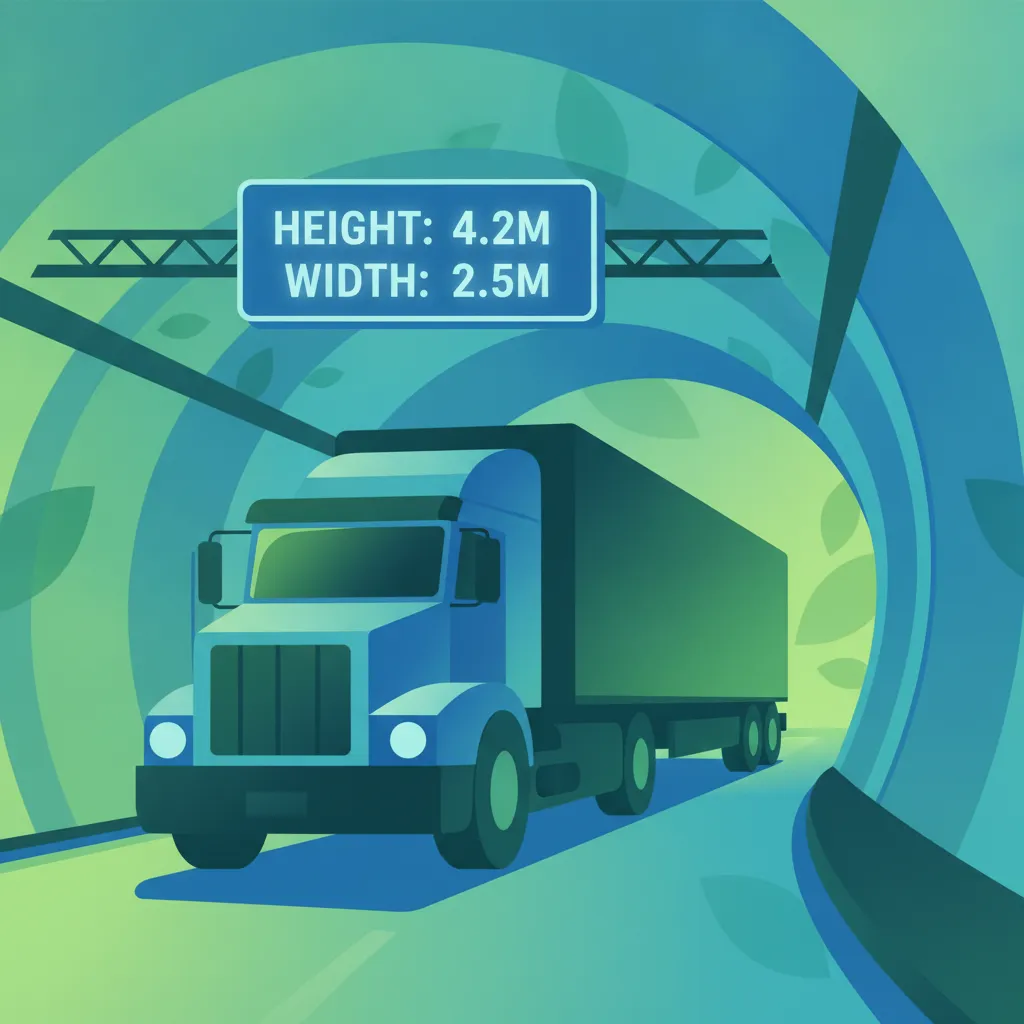
Vehicle Size, Weight, Dimensions and Road Space unit image
2

Vehicle Size, Weight, Dimensions and Road Space

Master the critical size, weight, and dimensional regulations for heavy goods vehicles in Turkey to ensure compliance and safety on the road.

5 lessons
Learn more
Loads, Cargo Security, Stability and Safety Checks unit image
3

Loads, Cargo Security, Stability and Safety Checks

Master the art of secure cargo loading, weight distribution, and systematic pre-trip safety inspections necessary for professional goods vehicle operation in Turkey.

5 lessons
Learn more
Signs, Restrictions, Route Planning and Access Limits unit image
4

Signs, Restrictions, Route Planning and Access Limits

Learn the essential signs, legal restrictions, and strategic route planning skills required for professional goods vehicle operation on Turkish roads and theory exams.

5 lessons

Learn more
Speed, Braking, Following Distance, Gradients and Heavy Vehicle Control unit image
5

Speed, Braking, Following Distance, Gradients and Heavy Vehicle Control

Learn to manage speed, braking, and following distances safely in a heavy goods vehicle while complying with Turkish traffic regulations for C and CE licence holders.

5 lessons

Learn more
Lane Use, Turning, Reversing, Manoeuvring and Trailer Awareness unit image
6

Lane Use, Turning, Reversing, Manoeuvring and Trailer Awareness

Master the complex art of maneuvering, reversing, and lane management for heavy goods vehicles to ensure safety and exam success for your professional C or CE licence.

5 lessons
Learn more
Blind Spots, Vulnerable Road Users and Urban Delivery Risks unit image
7

Blind Spots, Vulnerable Road Users and Urban Delivery Risks

Master the art of managing large-vehicle blind spots and safely navigating urban delivery zones while protecting vulnerable road users in accordance with Turkish traffic law.

5 lessons
Learn more
Weather, Highways, Rural Roads, Roadworks and Emergency Situations unit image
8

Weather, Highways, Rural Roads, Roadworks and Emergency Situations

Learn to safely manage heavy goods vehicles in challenging conditions including adverse weather, highways, roadworks, and emergency breakdown scenarios for your professional exam.

5 lessons
Learn more
Fatigue, Documentation Awareness, Penalties and Professional Conduct unit image
9

Fatigue, Documentation Awareness, Penalties and Professional Conduct

Learn how to manage driver fatigue, maintain mandatory documentation, and navigate legal penalties while upholding professional ethics for your Turkish C-class vehicle licence.

5 lessons
Learn more

Start Your Targeted Turkish Theory Practice Now

Use our comprehensive practice search to find exactly the Turkish driving theory questions you need to master. Whether reviewing specific road signs, traffic rules, or first aid scenarios, select your perfect practice set and boost your confidence for the official ehliyet sınavı.

Search Practice Questions by Topic

Explore more content on Turkish driving theory

Turkish road signsAM Moped Theory courseTurkish article topicsMotorcycle Theory courseSearch Turkish road signsGoods Vehicle Theory courseTurkish driving theory homeTurkish road sign categoriesTurkish driving theory topicsSearch Turkish theory articlesTurkish driving theory coursesTurkish B Licence Theory courseTurkish D Licence Theory courseTurkish driving theory articlesTurkish driving theory practiceTurkish practice set categoriesTurkish driving licence proceduresSearch Turkish driving theory practiceTurkish driving theory terminology A–ZTurkish driving theory terms and glossaryHelmet, Visibility and Protective Behaviour unit in AM Moped TheoryLicence Basics and Small Vehicle Responsibility unit in AM Moped TheoryProfessional Licence Scope and Responsibility unit in Goods Vehicle TheoryTurkish Traffic Signs and Traffic Signals unit in Turkish B Licence TheoryMotorcycle Licence Basics and Rider Responsibility unit in Motorcycle TheoryVehicle Size, Weight, Dimensions and Road Space unit in Goods Vehicle TheoryProtective Equipment, Visibility and Rider Condition unit in Motorcycle TheoryCategory B Licence Basics and Driver Responsibility unit in Turkish B Licence TheoryPassenger Safety, Comfort, Accessibility and Driver Conduct unit in Turkish D Licence TheoryPassenger Vehicle Licence Scope and Professional Responsibility unit in Turkish D Licence TheoryUrban Delivery Challenges and Solutions lesson in Blind Spots, Vulnerable Road Users and Urban Delivery RisksIdentification of Blind Spots in Goods Vehicles lesson in Blind Spots, Vulnerable Road Users and Urban Delivery RisksUse of Mirrors, Cameras, and Additional Sensors lesson in Blind Spots, Vulnerable Road Users and Urban Delivery RisksProtecting Vulnerable Road Users in Mixed Traffic lesson in Blind Spots, Vulnerable Road Users and Urban Delivery RisksInteractions with Pedestrians, Cyclists, and Motorcyclists lesson in Blind Spots, Vulnerable Road Users and Urban Delivery Risks