
This hub provides a complete overview of Turkish driving theory, covering all essential topics for your ehliyet sınavı. Delve into detailed explanations of road rules, traffic signs, vehicle mechanics, first aid, and environmental regulations specific to Türkiye. Gain a solid foundation in safe driving practices and prepare confidently for your official driving license theory exam by mastering key concepts.

Strengthen your knowledge of essential traffic rules, road signs, and vehicle mechanics through our structured subject directory. These curated modules help you navigate the complexities of Turkish traffic legislation to ensure you are exam-ready.
9 topics
7 topics
7 topics
4 topics
3 topics
3 topics
2 topics
2 topics
2 topics
1 topic
1 topic
1 topic
Discover essential Turkish driving theory topics for your ehliyet sınavı preparation. Whether you need to clarify specific traffic rules or broadly review subjects for your exam study, this section provides a comprehensive overview of all available driving knowledge.
Filter by category
7 theory topics found
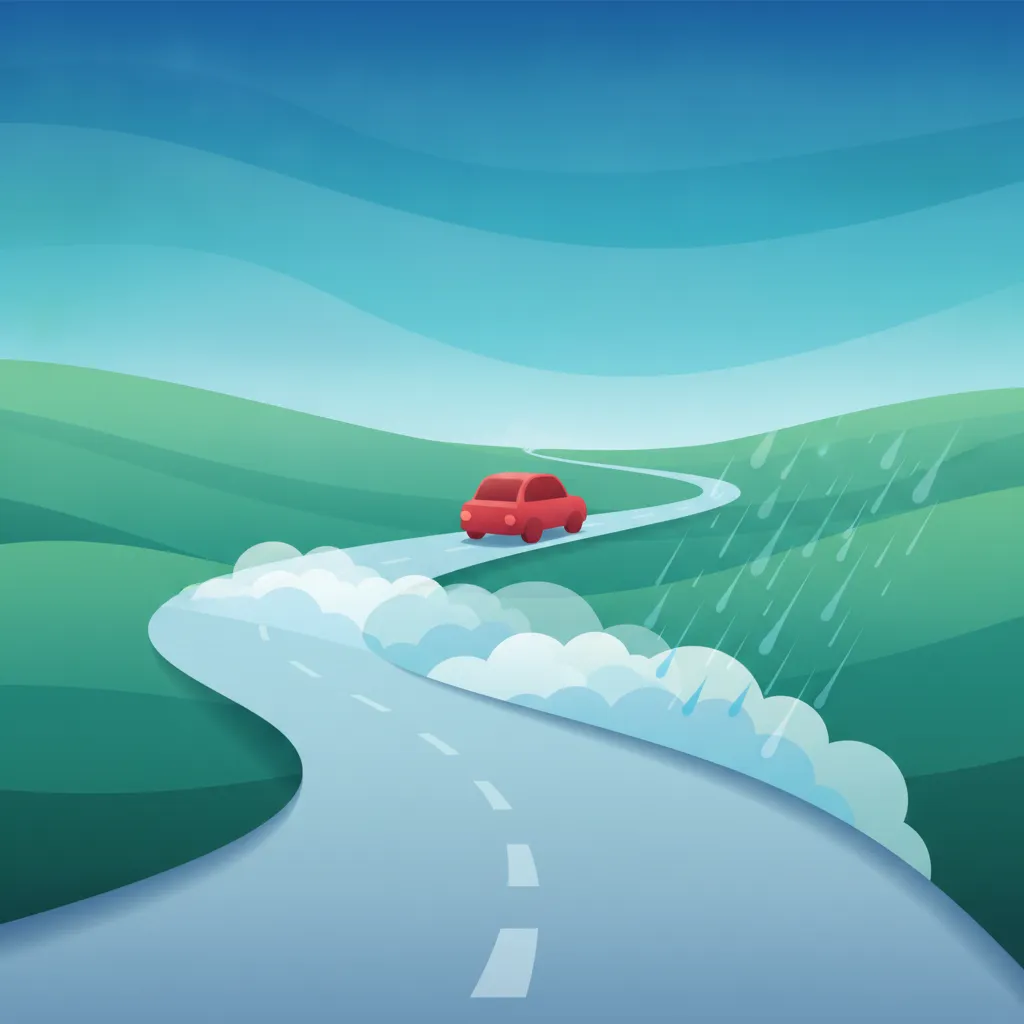
The concept of safe speed goes beyond simply obeying posted speed limits. It requires drivers in Türkiye to continuously evaluate current road, traffic, and environmental conditions to determine the appropriate speed for maintaining full control. This principle is vital for preventing accidents, effectively responding to unexpected hazards, and is a core component of defensive driving emphasized in the ehliyet sınavı.
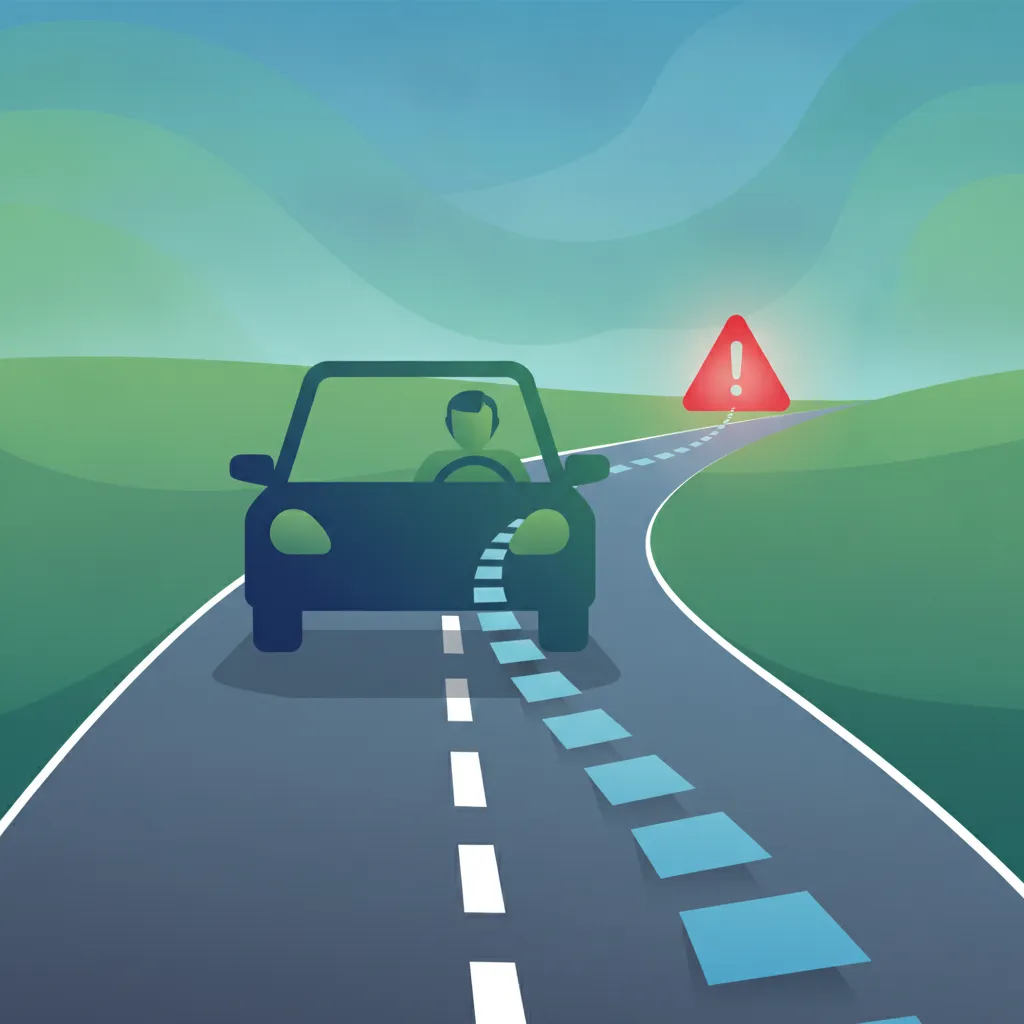
Reaction distance is the distance your vehicle travels from the moment you detect a hazard until you physically begin to apply the brakes. It's a crucial part of your total stopping distance and is directly influenced by your speed, alertness, and various environmental factors. Understanding this concept is fundamental for safe driving and excelling in your Turkish driving theory exam.
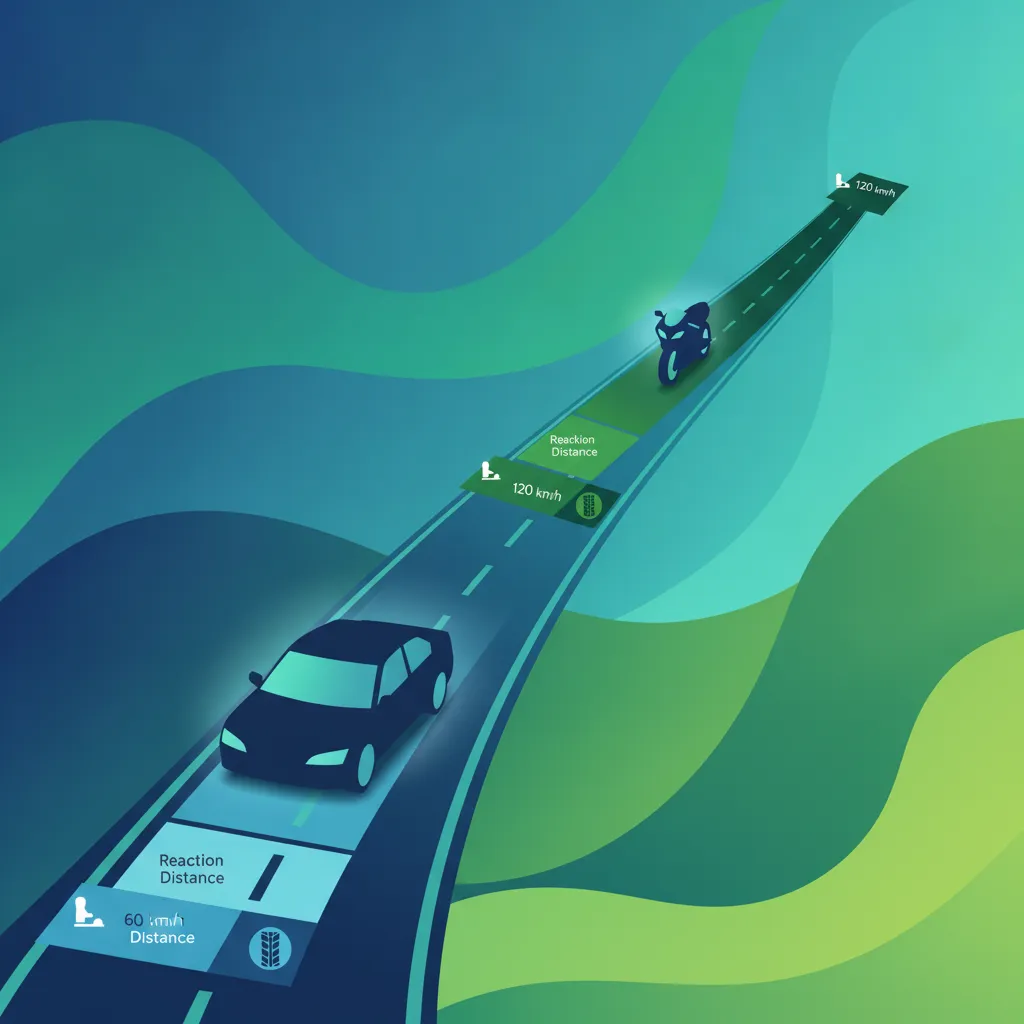
Stopping distance is the total distance your vehicle travels from the moment you identify a hazard until you come to a complete stop. It consists of two parts: your reaction distance and your braking distance. Higher speeds disproportionately increase this total distance, significantly impacting your ability to react safely to unexpected situations in Türkiye's traffic.
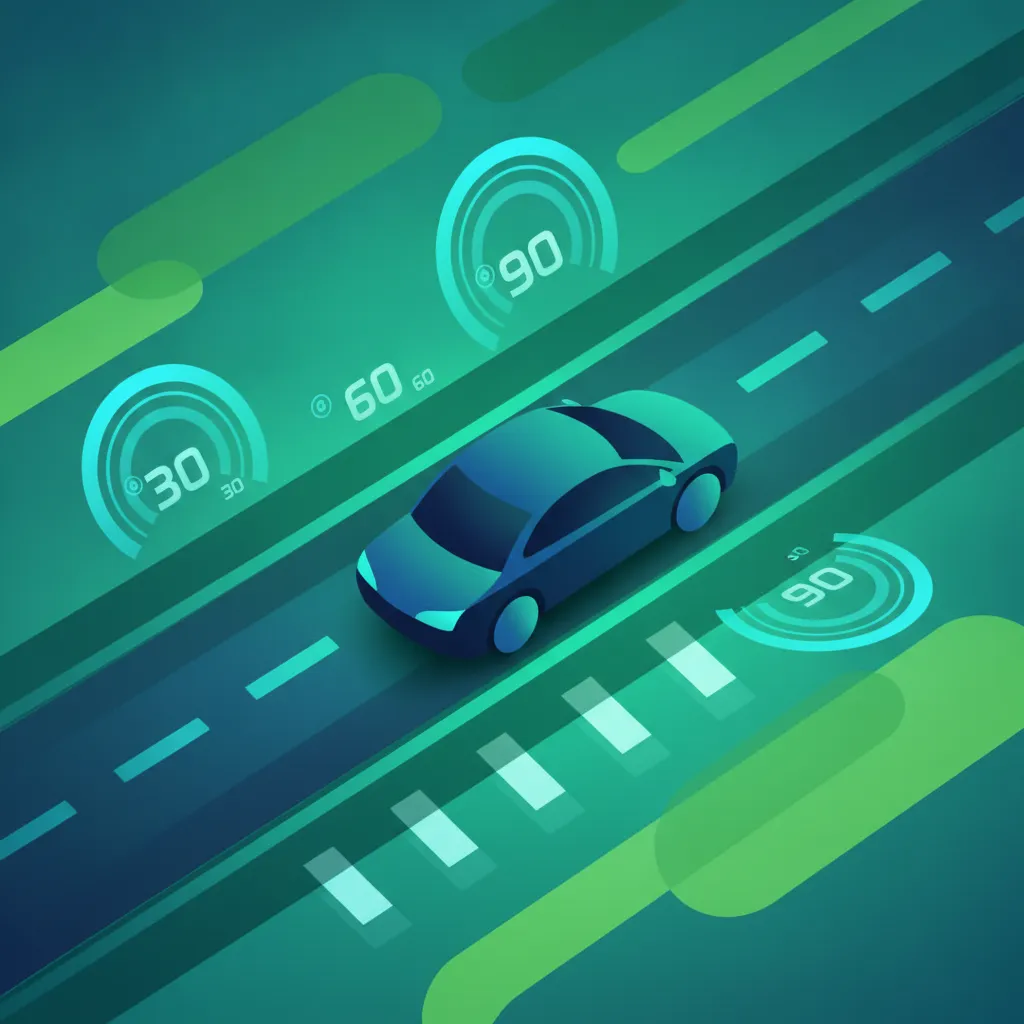
Stopping distance is the full extent a vehicle travels from the moment a driver identifies a hazard until the vehicle comes to a complete halt. It consists of two distinct yet interconnected phases: reaction distance and braking distance. For drivers in Türkiye, grasping this concept is fundamental for safe driving practices and is frequently tested in the ehliyet sınavı, emphasizing the non-linear relationship between speed and stopping capability.
Braking distance refers to the distance your vehicle travels from the moment you press the brake pedal until it comes to a complete halt. This measurement is distinct from reaction distance and is heavily influenced by several factors, primarily vehicle speed and road surface conditions. Mastering these principles is fundamental for safe driving practices and excelling in the Turkish driving theory exam.
Speed limits are legally enforced maximum speeds set for different road environments across Türkiye, designed to ensure safety and manage traffic flow. While these limits indicate the fastest you are allowed to drive, they do not always represent the safest or most appropriate speed. Drivers must constantly evaluate road conditions, traffic density, and weather, and adjust their speed accordingly to prevent accidents and maintain control.

Emergency braking is a critical skill for any driver, involving the rapid and forceful application of your vehicle's brakes to prevent an immediate collision. This page explains the key differences from normal braking, the correct technique, and how modern safety systems like ABS enhance your ability to stop quickly while maintaining control. Mastering this technique is essential for your safety and success in the Turkish driving theory exam.
Continue your Ehliyet Sınavı preparation by exploring our full library of articles. Gain detailed insights into specific traffic rules, road signs, and advanced driving concepts. Use these guides to reinforce your knowledge and prepare confidently for your exam.
Explore Driving Theory Articles