
Welcome to the unit on Stops, Doors, Boarding, Alighting, and Passenger Movement for your German Passenger-Vehicle Theory (D1, D1E, D, DE) licence. This crucial section covers everything you need to know about safely managing passenger exchanges at bus stops, ensuring both passenger well-being and efficient operation.
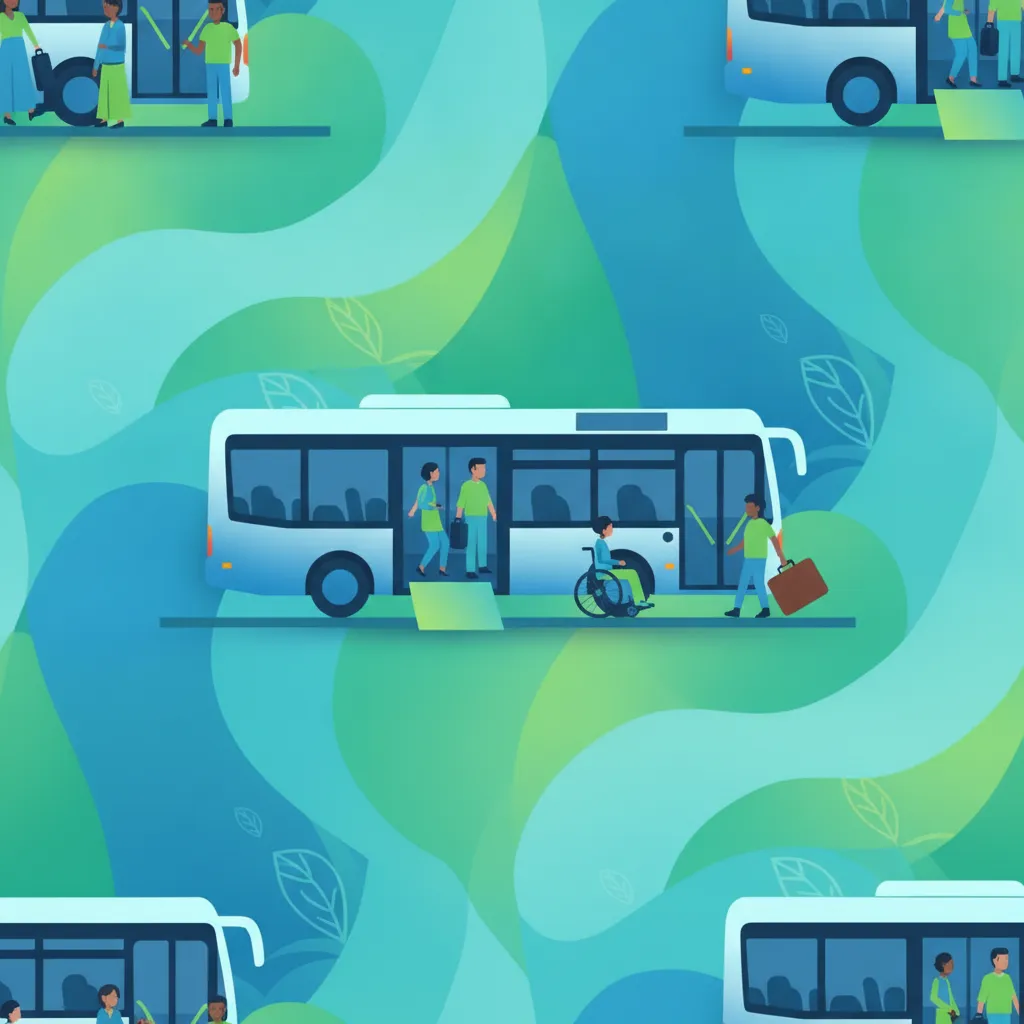
Browse all lessons that make up Stops, Doors, Boarding, Alighting and Passenger Movement. Each lesson focuses on specific topics, learning objectives, and core concepts, helping you build essential knowledge and follow a clear, structured progression toward your study goals in Germany.
This lesson provides an overview of the various types of bus stops, such as scheduled, request, and marked station stops. It explains the legal regulations governing stopping procedures, including how to interpret official signage and the importance of adhering to the route timetable. Learners will understand their obligations and the correct procedures for each type of stop to ensure legal compliance and efficient service.
This lesson teaches the precise techniques for positioning a passenger vehicle at a bus stop to ensure safety and accessibility. It covers proper alignment with the curb, managing approach speed, and positioning the doors in a safe zone away from hazards. Learners will understand how to perform these maneuvers without disrupting traffic flow and while maintaining awareness of pedestrians and cyclists in the vicinity.
This lesson focuses on the safe operation of passenger doors, a critical aspect of daily duties. It explains the function of safety interlocks that prevent the vehicle from moving while doors are open and the importance of visually monitoring passengers. Learners will master the sequence of checking for obstructions, confirming all passengers are clear, and securely closing doors before departure.
This lesson details the structured process for managing passenger boarding and alighting. It covers coordinating passenger flow to prevent crowding and providing clear instructions or assistance when needed. The procedures for deploying ramps or kneeling systems for passengers with reduced mobility are also covered to ensure a safe, dignified, and efficient exchange process at every stop.
This lesson addresses the specific safety protocols required when transporting standing passengers. It explains the importance of ensuring passengers have access to handholds and are distributed evenly to maintain vehicle stability. Learners will understand their responsibility to drive smoothly, make announcements about sudden stops, and adhere to legal capacity limits for standing passengers.
This lesson covers the proper management of items brought on board by passengers, including luggage, prams, and mobility aids. It teaches how to use designated storage areas and racks correctly to prevent items from becoming hazards. The procedures for securing wheelchairs and other mobility devices are detailed to ensure they are stable and do not move during transit, complying with safety and accessibility standards.
Explore high-intent keywords and long-tail search topics learners use when researching Stops, Doors, Boarding, Alighting and Passenger Movement. These terms reflect how people search for reliable study materials, structured explanations, and unit-level theory preparation support in Germany.
Find clear answers to the most common questions learners ask about Stops, Doors, Boarding, Alighting and Passenger Movement. Understand how the unit is organized, what learning goals it supports, and how it contributes to your study progression with structured explanations and practical guidance tailored for learners in Germany.
When approaching a German bus stop, you must prioritize safety and adhere to specific regulations. This includes scanning for pedestrians, cyclists, and other vehicles, especially children. You need to position the bus correctly to ensure safe door operation and boarding without obstructing traffic unnecessarily, while also being aware of different stop types (e.g., marked stops, request stops).
Always ensure the bus is stationary and the parking brake is engaged before opening the doors. Check your mirrors and surroundings to confirm no passengers are in a dangerous position (e.g., falling, or near the curb). Open doors only when it is safe to allow passengers to board or alight, and close them only after verifying that all passengers are safely aboard or have cleared the immediate vicinity.
When assisting passengers with mobility aids such as wheelchairs or walkers, deploy ramps or lifts carefully and ensure they are stable. Communicate clearly with the passenger about the process. Secure mobility aids appropriately once the passenger is seated or inside the vehicle. Always allow ample time for these passengers to board and alight safely.
Before moving off after passenger exchange, ensure all standing passengers are stable and have something to hold onto. Advise them to remain seated or stable. During boarding and alighting, ensure they do not crowd the doors or block others. The driver must remain vigilant until the bus is moving and all passengers are secure.
Yes, German regulations require drivers to manage luggage, prams, and similar items safely. Ensure they are stowed in designated areas (e.g., luggage compartments or designated floor spaces) where they will not obstruct aisles or emergency exits. Assist passengers with larger items if necessary and confirm they are safely stored before departing.
A high-risk stop environment in Germany typically includes stops located near schools, playgrounds, busy intersections, or areas with high pedestrian and cyclist traffic. These locations require extra vigilance from the driver during passenger exchange, as vulnerable road users may be present and less predictable.
All included lessons
Lessons in Stops, Doors, Boarding, Alighting and Passenger Movement
See who benefits most from studying Stops, Doors, Boarding, Alighting and Passenger Movement. This overview explains how the unit supports different learning needs, what level of knowledge is helpful before starting, and how it fits into the overall study path in Germany.
This unit is designed for individuals pursuing their German professional passenger vehicle driving licences (D1, D1E, D, DE). It is particularly beneficial for those who may not have prior experience with commercial passenger transport and need to understand the specific rules and responsibilities involved in managing bus stops and passenger interactions.

Ready to prepare for your German driving licence theory exam? Dive into our carefully structured courses to build your knowledge effectively. Select a course that matches your licence category and begin your systematic study path today for confident exam success.
Browse Driving Theory CoursesExplore all units and lessons included in this driving theory course.
Ready to prepare for your German driving licence theory exam? Dive into our carefully structured courses to build your knowledge effectively. Select a course that matches your licence category and begin your systematic study path today for confident exam success.
Browse Driving Theory Courses