
This unit focuses on the critical awareness needed when encountering vulnerable road users and managing school transport operations. You will learn to identify high-risk stop environments and adopt defensive driving techniques to ensure the safety of all road users, particularly children and the elderly. Mastering these German driving rules is essential for your professional passenger vehicle licence exam.
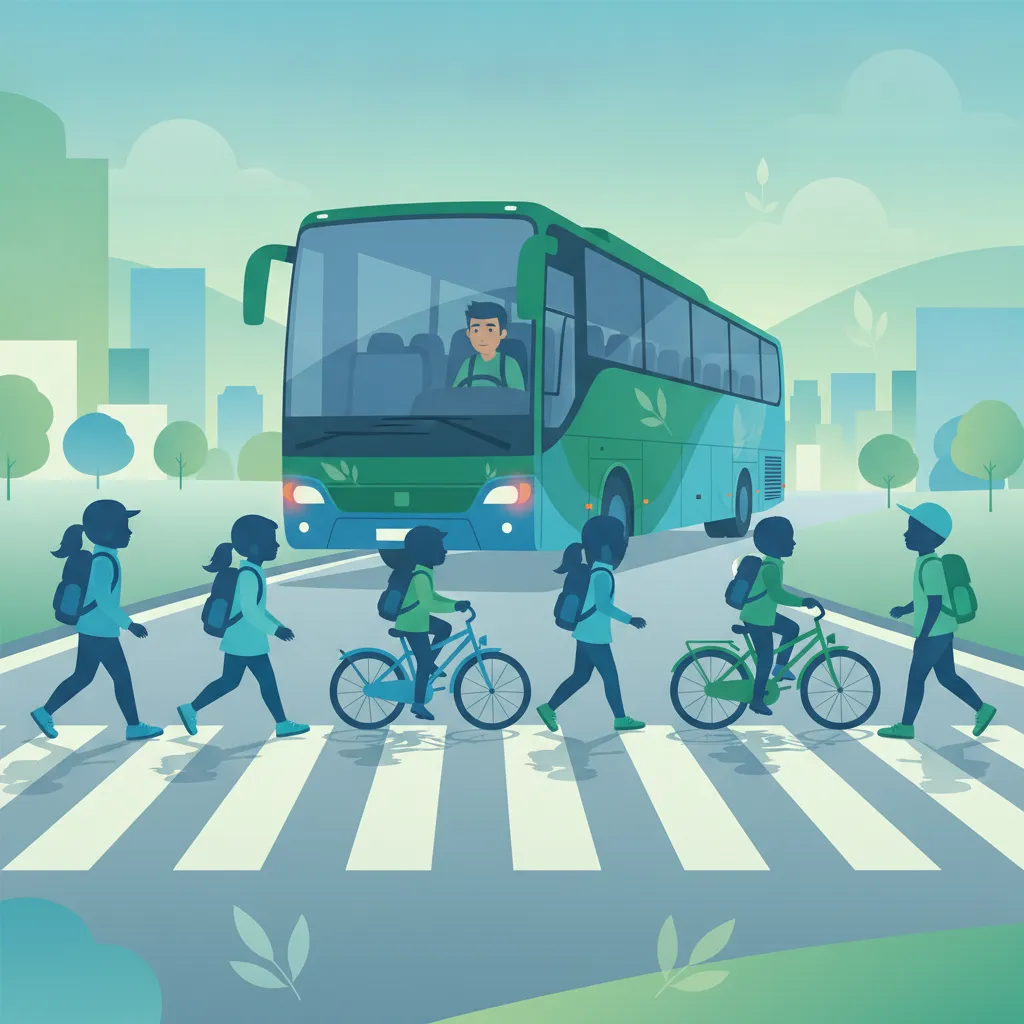
Browse all lessons that make up Vulnerable Road Users, School Transport and High-Risk Stop Environments. Each lesson focuses on specific topics, learning objectives, and core concepts, helping you build essential knowledge and follow a clear, structured progression toward your study goals in Germany.
This lesson trains drivers to proactively identify vulnerable road users and anticipate their often unpredictable behavior. It highlights the specific risks posed by children, elderly pedestrians, cyclists, and e-scooter users, particularly near bus stops and crossings. The goal is to develop a heightened sense of risk perception and apply defensive driving techniques to protect those who are most at risk on the road.
This lesson details the specific legal obligations and safety protocols required for transporting schoolchildren. It covers the correct procedures for pick-up and drop-off, the use of warning lights, and the importance of supervised boarding and alighting. The lesson also explains how to interact with school crossing guards and navigate school zones safely to ensure the highest level of protection for children.
This lesson teaches drivers how to identify and assess stop locations that present elevated risks, such as those in dense residential areas, near schools, or with limited visibility. It provides strategies for mitigating these risks through careful vehicle positioning and heightened situational awareness. The goal is to ensure that passenger exchanges can be conducted safely even when the surrounding environment is challenging and unpredictable.
This lesson focuses on the critical moments of interaction with pedestrians and cyclists near bus stops, a common location for accidents. It reinforces the importance of reducing speed, yielding right-of-way, and constantly monitoring blind spots during the stopping process. Learners will practice techniques like making eye contact and using signals to communicate intentions, creating a safer environment for everyone around the vehicle.
Explore high-intent keywords and long-tail search topics learners use when researching Vulnerable Road Users, School Transport and High-Risk Stop Environments. These terms reflect how people search for reliable study materials, structured explanations, and unit-level theory preparation support in Germany.
Find clear answers to the most common questions learners ask about Vulnerable Road Users, School Transport and High-Risk Stop Environments. Understand how the unit is organized, what learning goals it supports, and how it contributes to your study progression with structured explanations and practical guidance tailored for learners in Germany.
In Germany, vulnerable road users are those who, due to age, physical condition, or lack of protective features, are more susceptible to injury in traffic incidents. This primarily includes children, the elderly, pedestrians, cyclists, and individuals with disabilities. Drivers have a heightened duty of care towards them.
When operating school transport, drivers must exercise extreme caution. This includes slowing down significantly in areas frequented by children, being prepared to stop suddenly, using hazard lights when necessary (especially during boarding/alighting), and ensuring all passengers are safely seated and secured before moving off. Adherence to specific school transport regulations is mandatory.
High-risk stop environments are typically characterized by frequent child activity, limited visibility, narrow roads, parked cars that obstruct sightlines, or areas with high pedestrian and cyclist traffic. Locations near schools, parks, playgrounds, and busy residential streets are prime examples where increased vigilance is essential.
When a school bus is stopped and flashing its warning lights, drivers approaching from any direction must come to a complete stop. You must remain stopped until the lights stop flashing and the driver signals that it is safe to proceed. Overtaking a stopped school bus displaying these signals is strictly prohibited and carries severe penalties.
Maintain a generous distance from cyclists and pedestrians, especially when they are near bus stops or crossing zones. Be aware that their movements can be unpredictable. Always check your mirrors and blind spots thoroughly before opening doors or pulling away from a stop, ensuring no cyclists or pedestrians are in the immediate vicinity.
Yes, drivers must be patient and provide ample time for elderly passengers to board or alight safely. Ensure the steps are clear, assist if necessary (or direct staff to assist), and wait until they are safely on the pavement or seated before closing doors and moving off. Keep a watchful eye for any signs of difficulty or disorientation.
All included lessons
Lessons in Vulnerable Road Users, School Transport and High-Risk Stop Environments
See who benefits most from studying Vulnerable Road Users, School Transport and High-Risk Stop Environments. This overview explains how the unit supports different learning needs, what level of knowledge is helpful before starting, and how it fits into the overall study path in Germany.
This unit is crucial for professional drivers preparing for the German theory examination for passenger vehicle categories D1, D, and DE. It is particularly important for those who will be operating vehicles in urban or suburban areas with frequent pedestrian and child traffic, or those specifically involved in school transport services.

Ready to prepare for your German driving licence theory exam? Dive into our carefully structured courses to build your knowledge effectively. Select a course that matches your licence category and begin your systematic study path today for confident exam success.
Browse Driving Theory CoursesExplore all units and lessons included in this driving theory course.
Ready to prepare for your German driving licence theory exam? Dive into our carefully structured courses to build your knowledge effectively. Select a course that matches your licence category and begin your systematic study path today for confident exam success.
Browse Driving Theory Courses