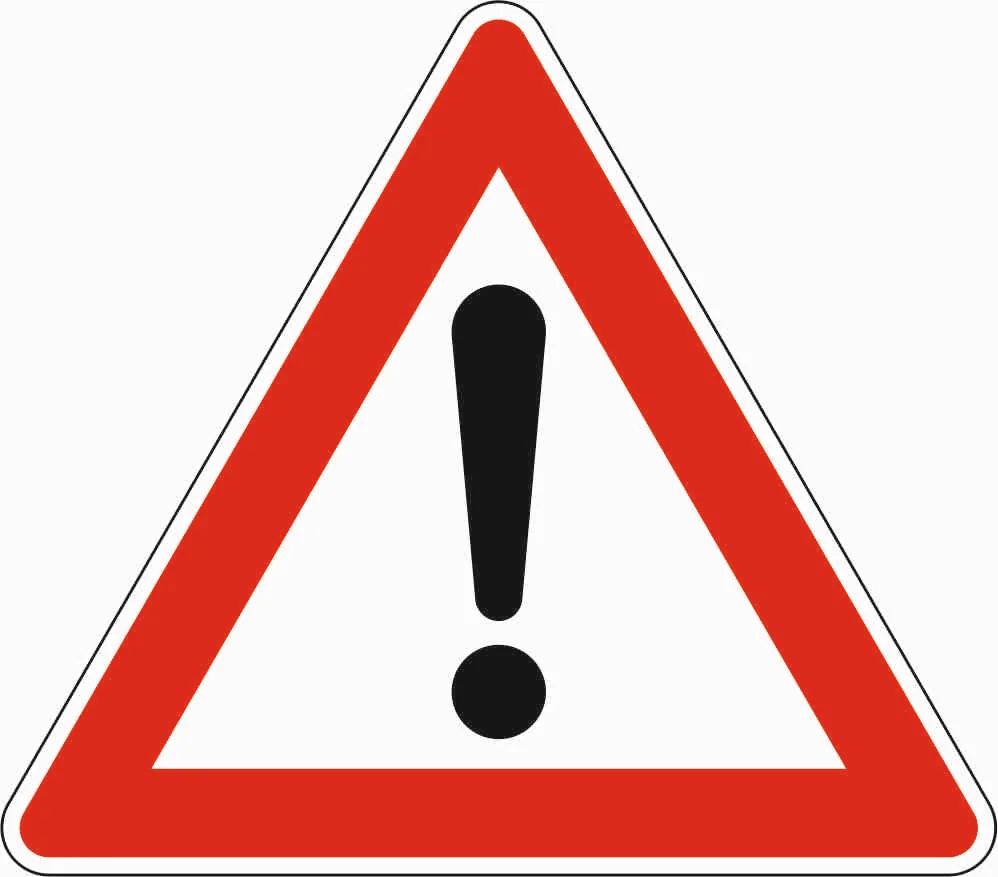
German road sign 101, officially "Gefahrstelle", is a critical warning sign alerting you to potential dangers on the road that might not be immediately obvious. This sign, part of the general warning signs group, signifies that you should anticipate a hazard and adjust your driving behaviour before reaching it. Always combine its message with any supplementary plates, road markings, or specific road conditions to ensure your safety and pass your theory exam.
German road sign 101, "Gefahrstelle" or Danger Spot, requires careful interpretation for your theory test revision. This sign signals a potential hazard ahead, prompting you to adjust your driving behaviour for safety and compliance with traffic rules.
German road sign 101, officially designated "Gefahrstelle", belongs to the danger warning signs group. It gives advance notice of a hazard that may not be obvious early enough without the sign. You may see it in approaches to hazards, rural roads, urban conflict points, railway crossings, roadworks, and weather-sensitive sections, depending on how the road authority has arranged the location. The practical meaning is not just the symbol itself, but the driving decision it triggers: adjust speed, position, priority, route choice, stopping behaviour, or attention before the situation becomes urgent. For learners, the key skill is anticipating what could go wrong before the hazard is visible. Always combine the sign with road markings, traffic lights, police instructions, and any supplementary plates at the same location.
German road sign 101 means "Danger spot" and is officially listed as "Gefahrstelle". In practice, it tells drivers to recognise the situation early, adapt before reaching the controlled area, and check whether markings or supplementary plates change how the rule applies.
Get clear, practical answers to the most common questions about the 101 - Danger spot road sign. Learn how the sign works, what rules it represents, and how it affects real driving situations. This FAQ strengthens your understanding and supports accurate decision making for the German driving theory exam in Germany.
Sign 101 "Gefahrstelle" means "Danger Spot". It's a warning that there is a hazard ahead which you might not see in time. You should proactively reduce your speed and increase your attention before you reach the danger zone.
Upon seeing sign 101, you must prepare for a hazard. This typically involves reducing your speed early to maintain full control, increasing your following distance, and scanning for the specific danger indicated, which could be anything from poor road surfaces to hidden intersections or vulnerable road users.
A common trap is assuming the danger is only at the sign's exact location or waiting too long to react. Learners might also forget to consider supplementary plates or specific conditions like weather, which can intensify the hazard. Always be proactive and anticipate potential issues rather than reacting only when it's critical.
No, sign 101 "Gefahrstelle" (Danger Spot) does not mean you must always stop. It's a warning sign that requires you to be vigilant and adjust your speed or driving behaviour as necessary for the specific hazard ahead, which could range from a sharp bend to a pedestrian crossing or poor road conditions.
The "Gefahrstelle" sign can be placed anywhere a hazard might not be obvious in advance. This includes approaches to sharp bends, areas with poor visibility, roadworks, sections prone to ice or fog, urban conflict points, or areas where pedestrians or cyclists might unexpectedly enter the road.
A clear reference image of the 101 - Danger spot road sign used in Germany.
The 101 - Danger spot road sign may also be known by these alternative names or terms.
The 101 - Danger spot road sign is part of the German Danger Warning Signs category, which groups together signs with similar rules and functions.
Comparing signs like 'Danger spot' with other warning signs helps solidify your understanding of their unique meanings and applications. This comparative review is essential for accurate sign recognition and passing your German theory test revision.
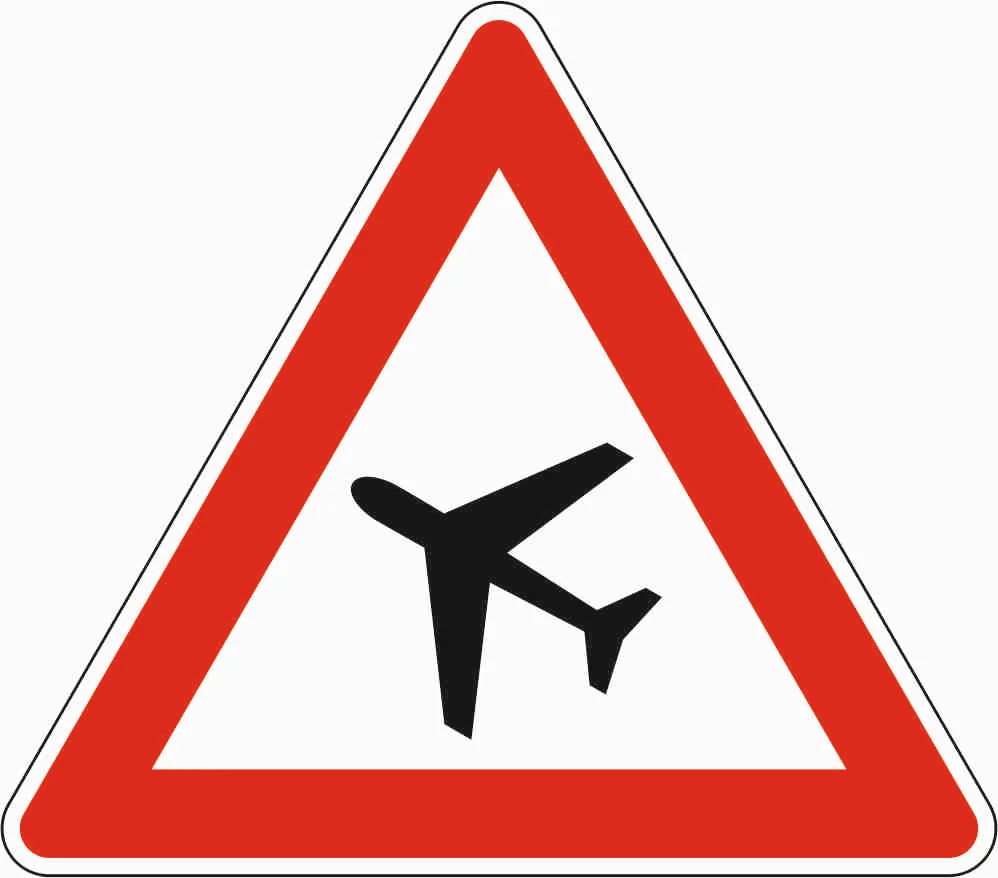
Warning: Aircraft Operations Ahead (Sign Installed on the Right)
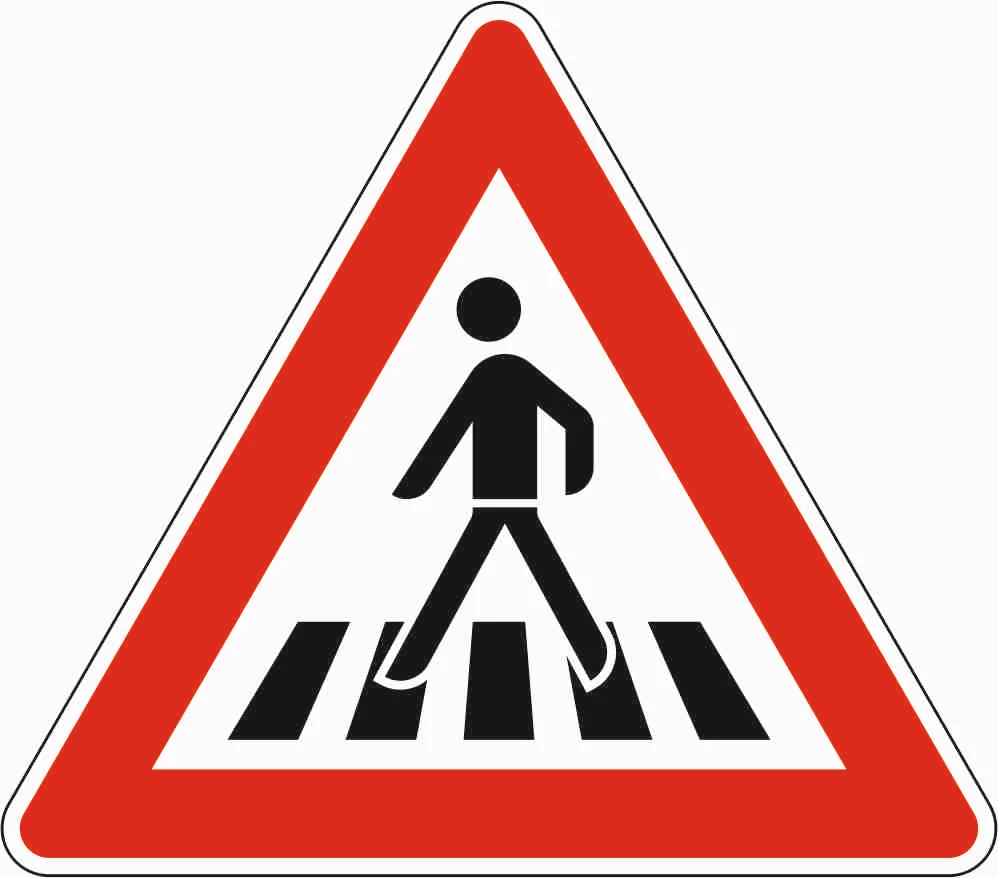
Beware of Pedestrians: Understand the "Pedestrian Crossing - Installed on the Right" Danger Warning Sign (101-11)
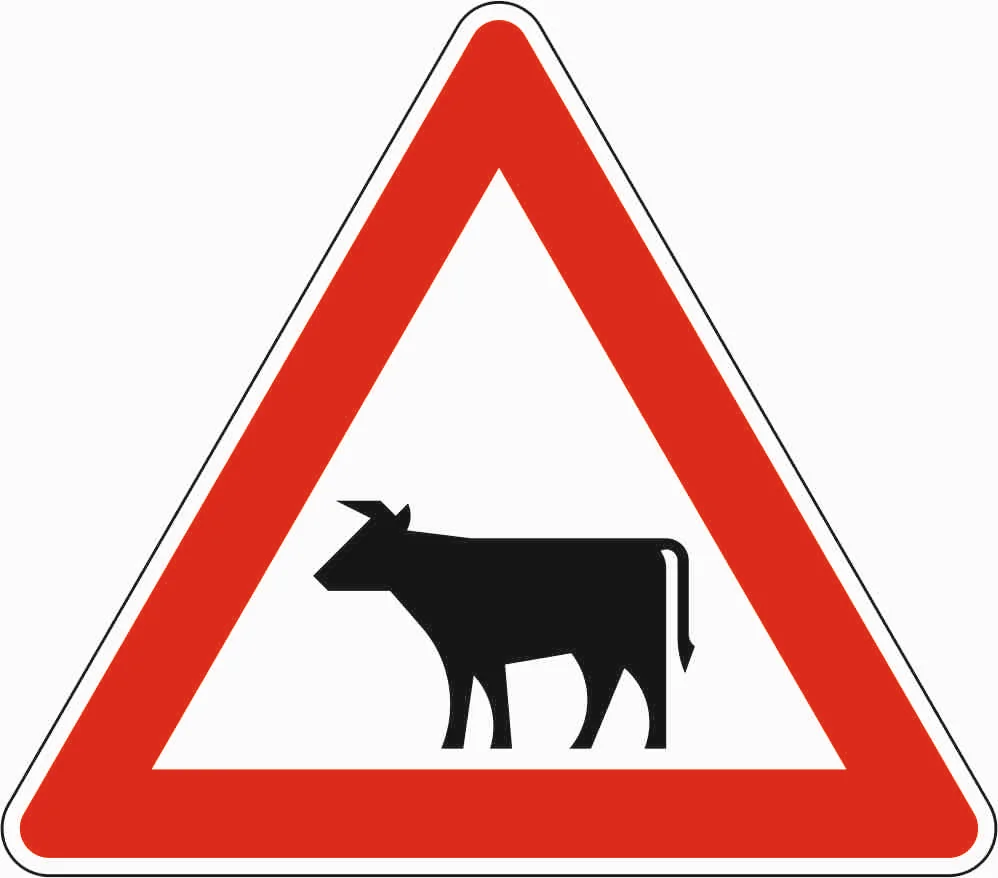
Warning: Cattle Crossing Ahead - Sign 101-12 (Installed on the Right)
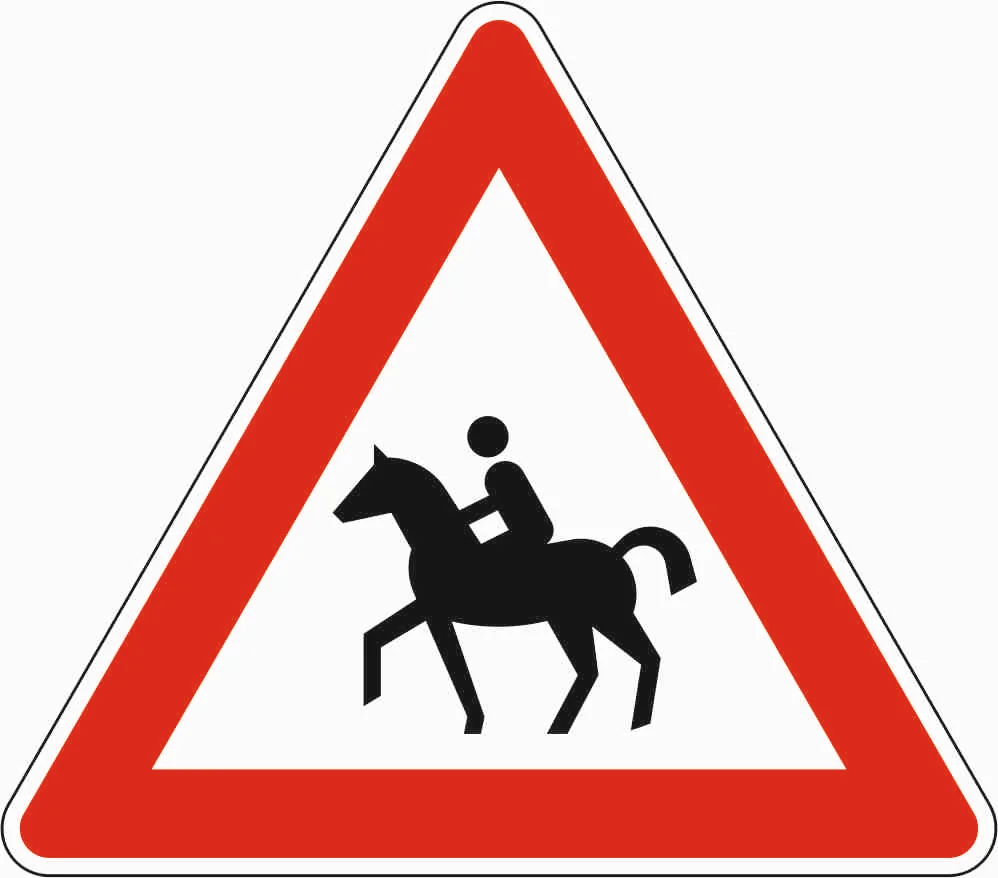
Understand German Road Sign 101-13: Reiter - Installed on the Right
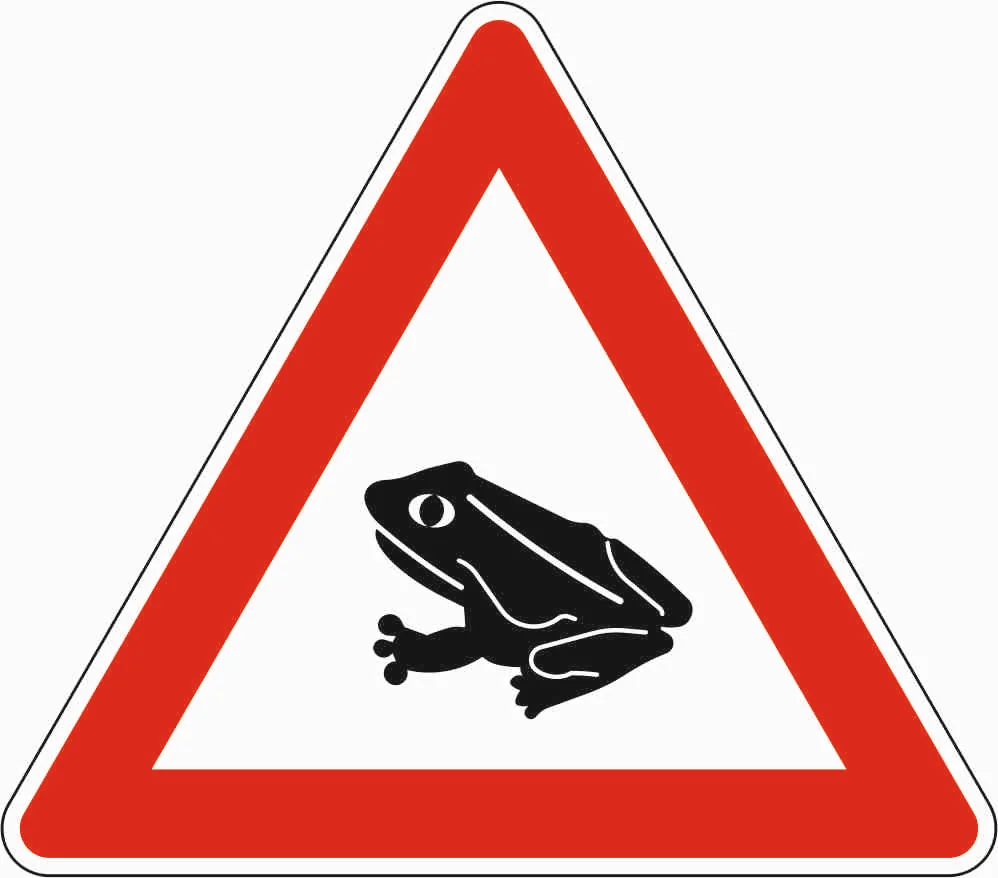
Beware of Amphibian Migration Crossing Ahead!
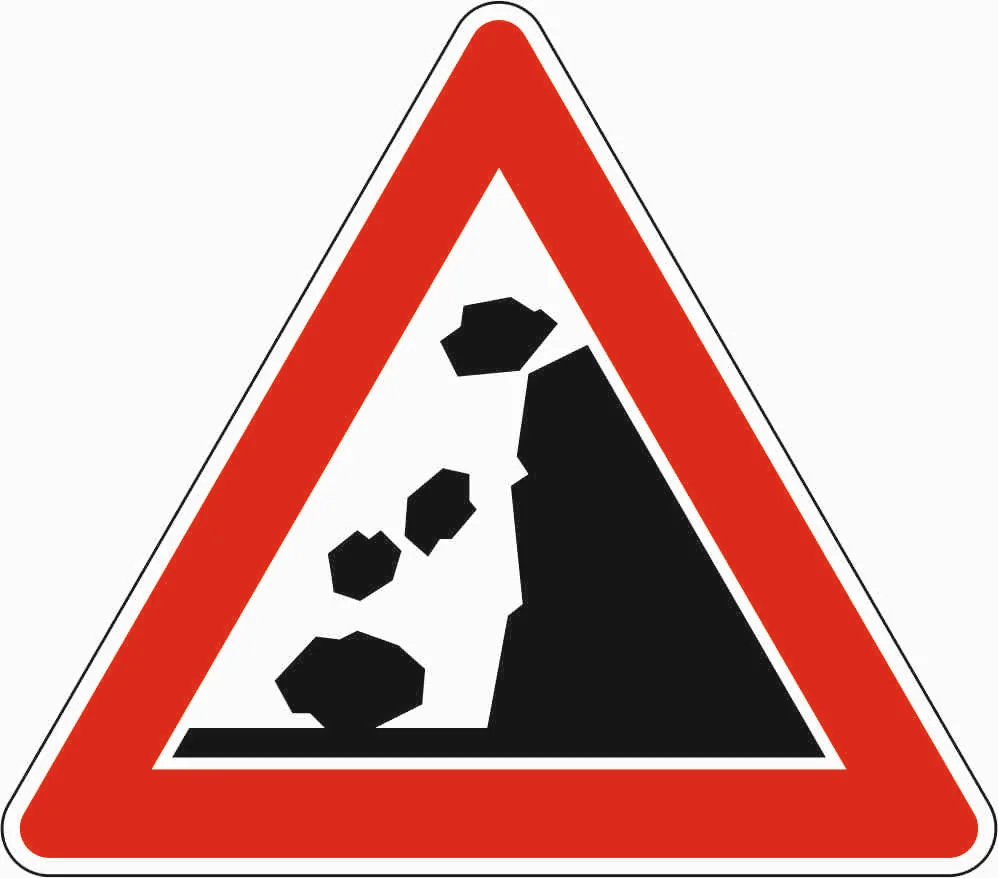
Beware of falling rocks on the right with sign 101-15
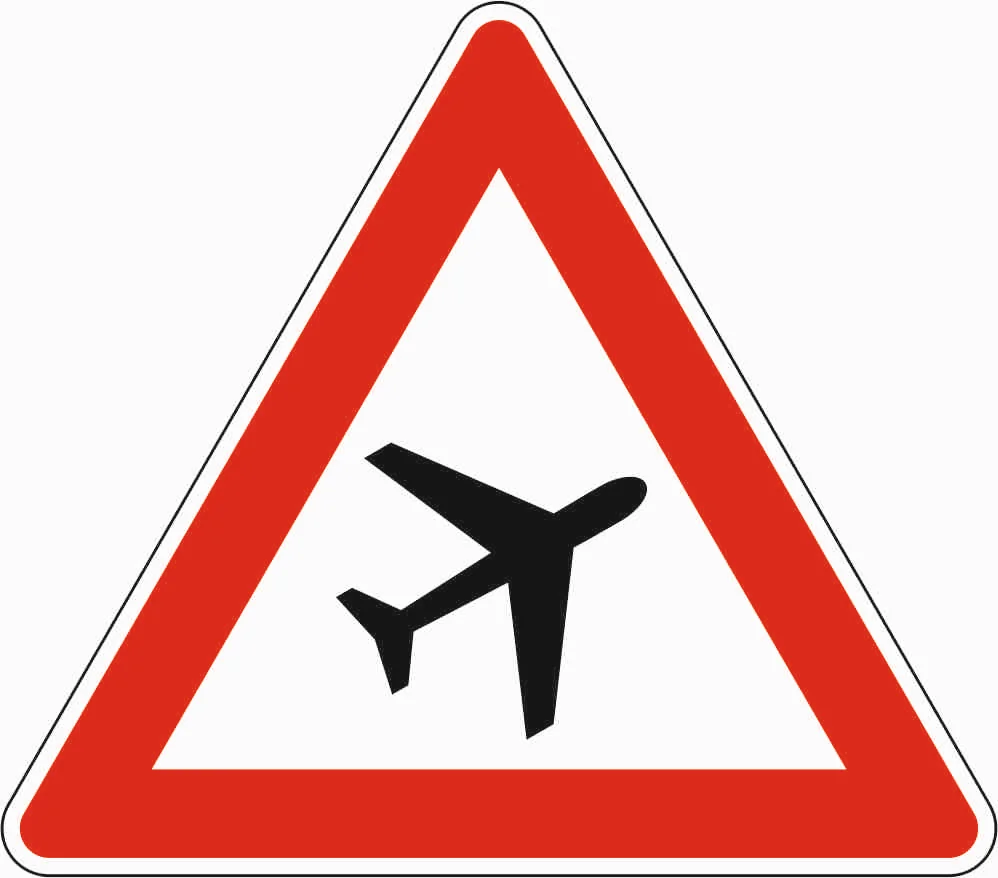
Prepare for Aircraft Operations Ahead with Warning Sign 101-20
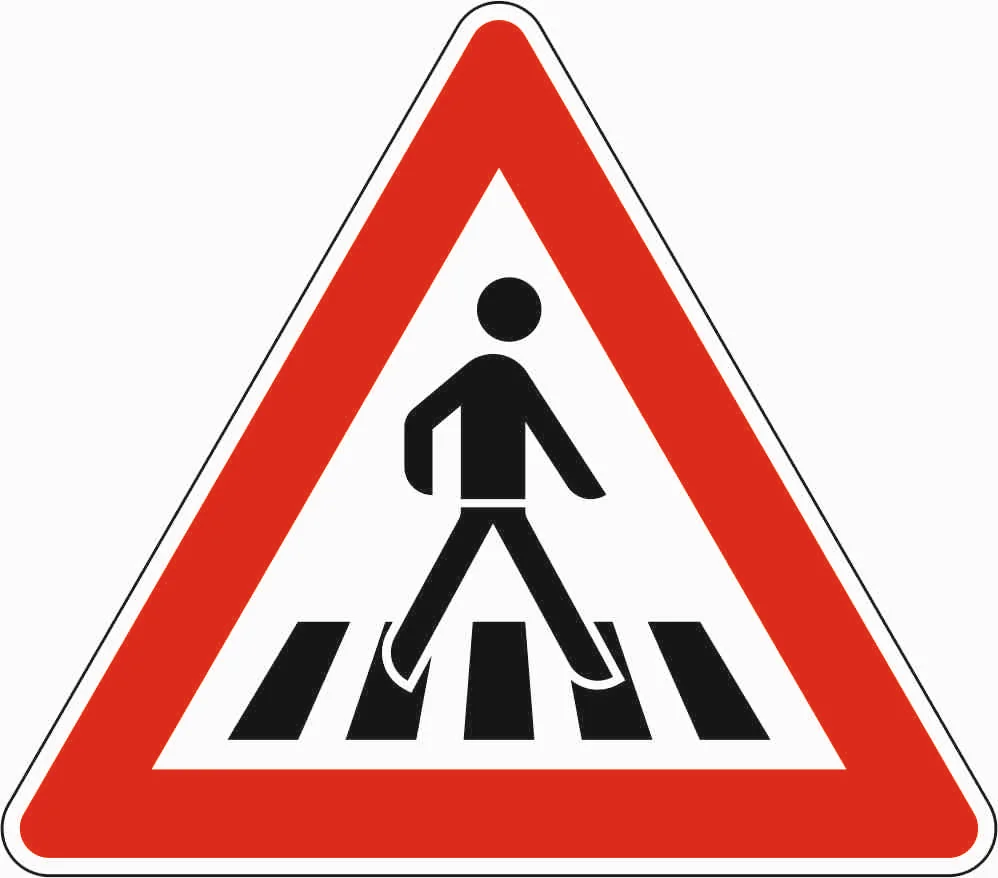
Watch out for pedestrians: sign 101-21 warns of a crossing on the left.
Deepen your understanding of specific road sign categories or test your knowledge with practice questions. Explore our themed sign groups for targeted study or jump into quizzes to reinforce your recognition skills for the official German theory exam.
All German Road Signs List