This supplementary sign, 'Parken in marked Flächen erlaubt' (1053-30), indicates that parking is allowed in specifically marked parking areas. It must always be read in conjunction with the main traffic sign positioned above it, as it modifies the rule displayed. Pay close attention to any arrows, time limits, vehicle restrictions, or other conditions indicated on this plate to ensure you are parking legally and safely.
This supplementary sign, "Parken in gekennzeichneten Flächen erlaubt," clarifies parking regulations when combined with other traffic signs. Essential for your theory test revision, understanding its specific context is key to correctly interpreting parking rules and making safe decisions on German roads.
German road sign 1053-30, officially designated "Parken in gekennzeichneten Flächen erlaubt", belongs to the supplementary signs group. It changes how the sign above is applied by adding a distance, direction, time period, vehicle class, exception, condition, or parking detail. You may see it in below a main traffic sign, where it limits, extends, explains, or creates an exception to the rule shown above it, depending on how the road authority has arranged the location. The practical meaning is not just the symbol itself, but the driving decision it triggers: adjust speed, position, priority, route choice, stopping behaviour, or attention before the situation becomes urgent. For learners, the key skill is reading the entire sign stack from top to bottom before deciding whether the rule applies to your vehicle. Always combine the sign with road markings, traffic lights, police instructions, and any supplementary plates at the same location.
German road sign 1053-30 means "Parken in marked Flächen erlaubt" and is officially listed as "Parken in gekennzeichneten Flächen erlaubt". In practice, it tells drivers to recognise the situation early, adapt before reaching the controlled area, and check whether markings or supplementary plates change how the rule applies.
Get clear, practical answers to the most common questions about the 1053-30 - Parken in marked Flächen erlaubt road sign. Learn how the sign works, what rules it represents, and how it affects real driving situations. This FAQ strengthens your understanding and supports accurate decision making for the German driving theory exam in Germany.
Sign 1053-30 means that parking is permitted within specifically designated and marked parking areas. This is a supplementary sign, so it always appears with a main traffic sign above it, clarifying the parking conditions.
You must always read sign 1053-30 together with the main sign mounted above it. This supplementary plate clarifies the scope of the main sign, for example, by indicating specific parking bays, time restrictions, or vehicle types that are allowed to park there.
A common trap is failing to read the entire sign stack. Learners might only see the main sign and not notice how the supplementary plate, like 1053-30, modifies the rule. Always check for arrows indicating direction, time plates, or vehicle class restrictions before parking.
Road markings are crucial when you see sign 1053-30. The sign indicates parking is allowed in 'marked areas', so you should look for clearly defined parking bays or spaces on the road surface. If the markings are unclear, or if there's a conflict with other signs or instructions, it's best to find a more clearly indicated parking spot.
No, sign 1053-30 specifically refers to marked *flächen* (areas) or bays. This means officially designated parking spots. Simply seeing white lines does not automatically mean it is a legal parking area unless indicated by this sign or other traffic regulations.
A clear reference image of the 1053-30 - Parken in marked Flächen erlaubt road sign used in Germany.
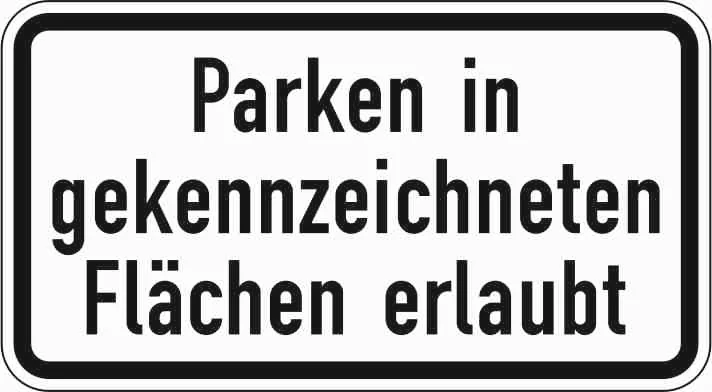
The 1053-30 - Parken in marked Flächen erlaubt road sign may also be known by these alternative names or terms.
The 1053-30 - Parken in marked Flächen erlaubt road sign is part of the German Supplementary Signs category, which groups together signs with similar rules and functions.
Comparing similar road signs helps you distinguish crucial differences and reinforce correct recognition for your theory test revision. Mastering traffic sign comparison improves your ability to recall and apply rules correctly, reducing confusion during your driving exam.
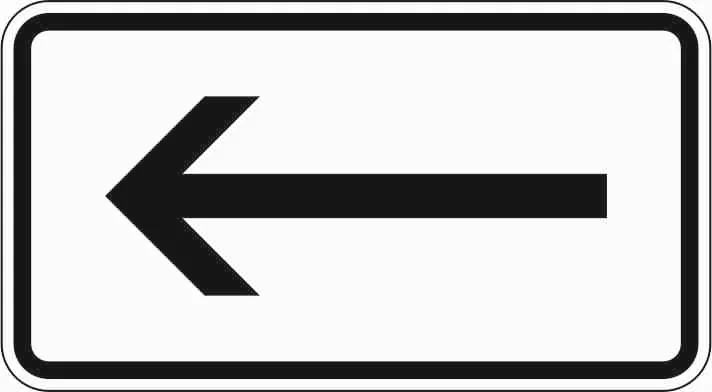
Understand German Sign 1000-10: Direction, Pointing Left Supplementary Sign
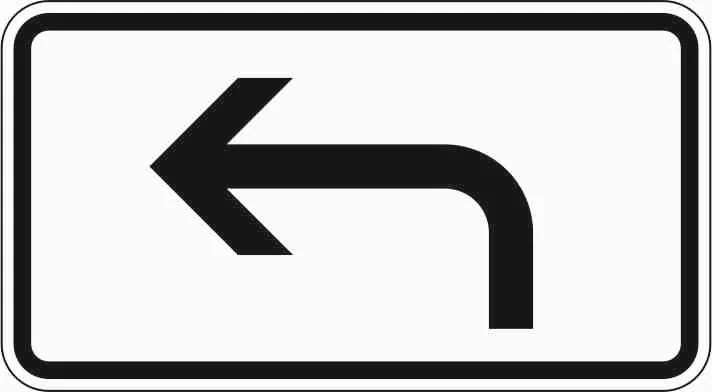
German Road Sign 1000-11: Advance Notice, Pointing Left
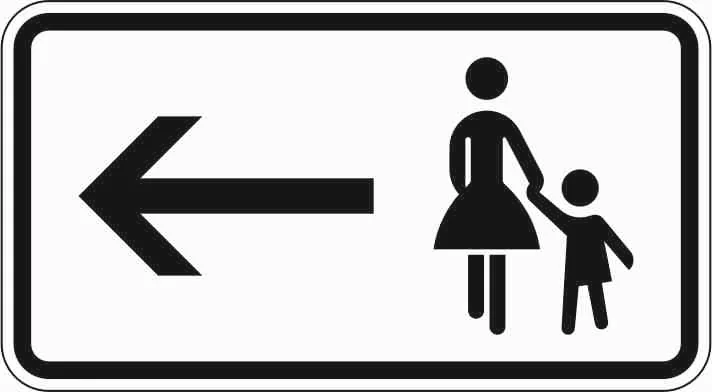
Understand German Supplementary Sign 1000-12: Pedestrians Use Sidewalk Opposite, Pointing Left
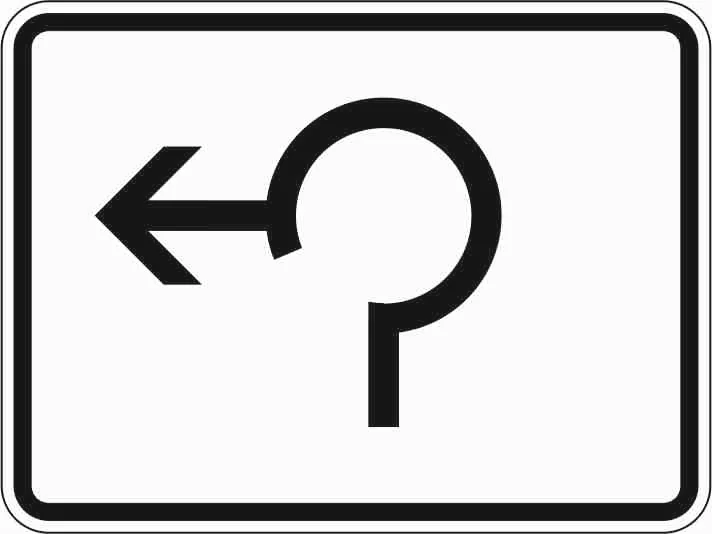
Understand the 'Umleitungsbeschilderung Dreiviertelkreis' Supplementary Sign (1000-13)
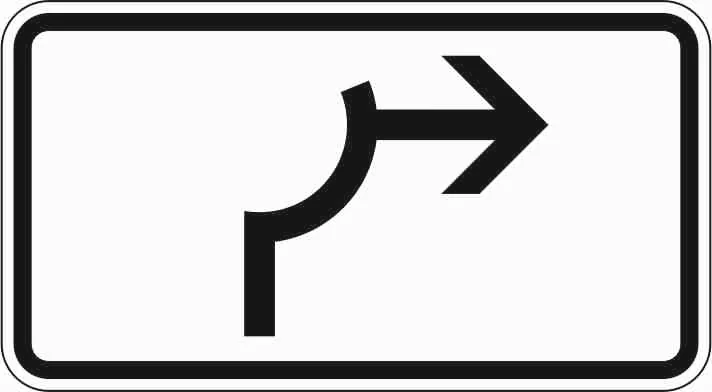
Understand the 'Umleitungsbeschilderung Viertelkreis' Supplementary Sign
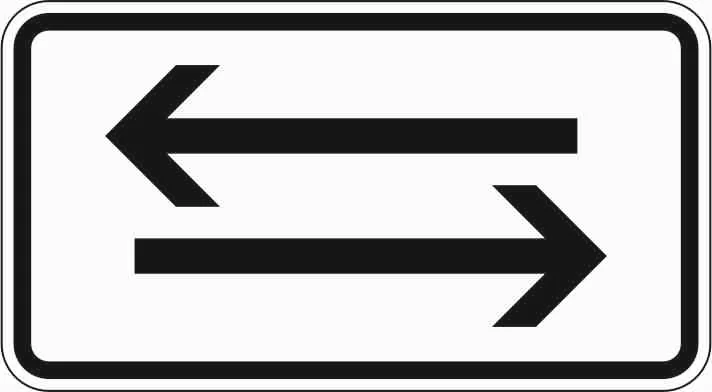
Understand German Supplementary Sign 1000-30: Opposing Directional Arrows
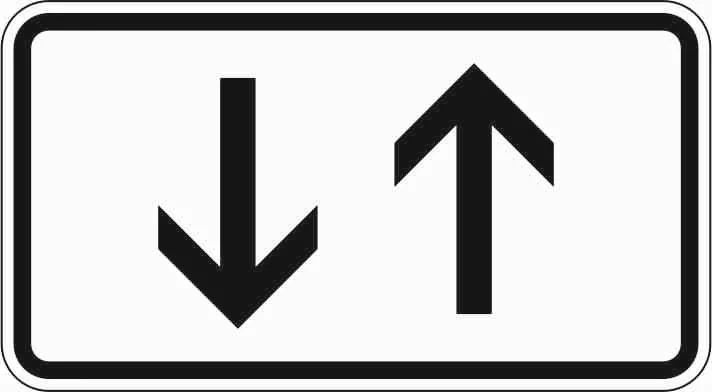
This Supplementary Sign Explains How to Apply the Main Sign Above it.
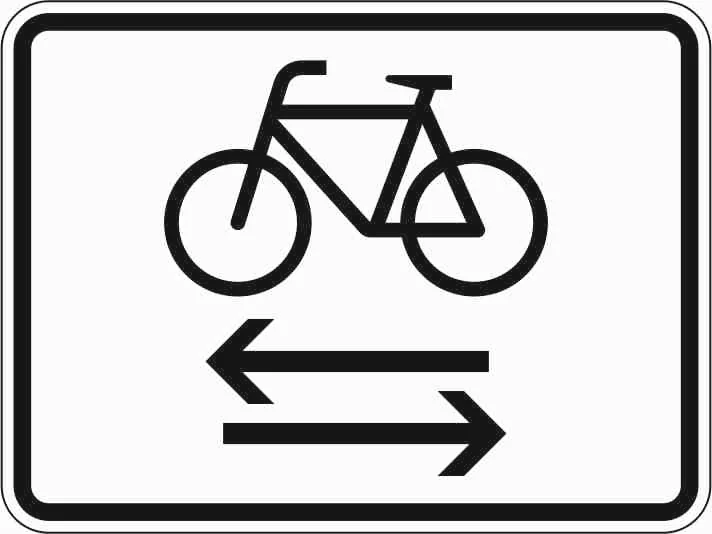
Understand When Cycle Traffic Crosses or Travels Opposite with Sign 1000-32
Deepen your understanding of specific road sign categories or test your knowledge with practice questions. Explore our themed sign groups for targeted study or jump into quizzes to reinforce your recognition skills for the official German theory exam.
All German Road Signs List