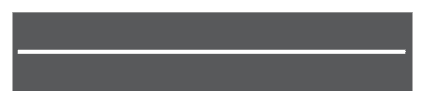
The Double Central Line (1006.4) is a crucial road marking painted directly onto the carriageway. It serves as a visual guide, similar to an upright sign, controlling vehicle positioning, indicating where crossing is permitted or forbidden, and designating restricted areas. Always read these markings early to adjust your lane position smoothly and safely, especially when overtaking or changing lanes.
This Double Central Line road marking (1006.4) is fundamental for controlling vehicle flow and ensuring safety on Icelandic roads, directly dictating permissible maneuvers. A thorough understanding of this traffic sign explanation is vital for proper lane discipline and essential for strong performance during your Icelandic driving theory test revision.
Double Central Line is a painted or surface-applied marking used to organise movement on the road itself. Road markings guide positioning, separate opposing flows, indicate priorities, reserve space for certain users, and show where stopping, crossing, or turning is allowed or restricted. The safest approach is to read the marking early and adjust lane position before reaching it, especially where overtaking, crossing, or lane choice is affected. In winter or poor maintenance conditions, markings may be harder to see, but where visible they remain an important part of the legal traffic arrangement.
This road marking controls or guides double central line directly on the carriageway. It must be read just as seriously as an upright sign because it tells you how to position the vehicle, where you may cross, and which part of the road is reserved or restricted.
Get clear, practical answers to the most common questions about the 1006.4 - Double Central Line road sign. Learn how the sign works, what rules it represents, and how it affects real driving situations. This FAQ strengthens your understanding and supports accurate decision making for the Icelandic driving theory exam in Iceland.
The Double Central Line (1006.4) is a road marking used to organize traffic flow. It primarily separates opposing traffic lanes, but can also indicate areas where crossing, stopping, or lane changes are prohibited. It dictates how you must position your vehicle on the road.
You must treat the Double Central Line with the same seriousness as an upright traffic sign. Observe it early and adjust your lane position accordingly. Do not cross it if it forbids crossing or entry, and respect any areas it designates as reserved or restricted.
No, road markings like the Double Central Line are always legally important. However, in winter or if they are worn and dirty, they can be harder to see. If a marking is obscured, drive with extra caution and assume the rule still applies, but always prioritize visible instructions.
A common mistake is underestimating the importance of road markings, especially when no upright sign is present. Learners might also incorrectly assume they can cross a double line in certain situations, or fail to notice a double line due to poor visibility, leading to exam failure. Always remember that markings are part of the traffic rules.
You can only overtake or change lanes if the Double Central Line marking explicitly allows it. If the marking forbids crossing or entry, or if it separates opposing traffic flows, you must not cross it for these manoeuvres. Always check for supplementary signs or road conditions that might modify the rule.
A clear reference image of the 1006.4 - Double Central Line road sign used in Iceland.

The 1006.4 - Double Central Line road sign may also be known by these alternative names or terms.
The 1006.4 - Double Central Line road sign is part of the Road Markings category, which groups together signs with similar rules and functions.
Comparing signs like the Double Central Line helps solidify your understanding of Icelandic traffic rules. This targeted revision aids in sign recognition and reduces confusion, crucial for your theory test revision and safe driving.

Understand the Half-broken Line (Caution Line) for clear driving guidance on the carriageway.
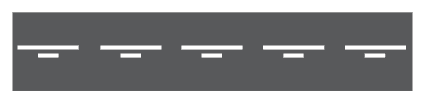
Master the Double Central Line Road Marking (1006.1) for Safer Driving
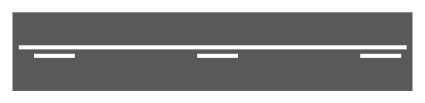
Understand the Double Central Line Road Marking in Iceland
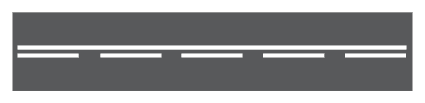
Obey the Double Central Line road marking for safe lane guidance.
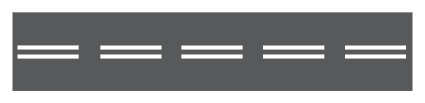
Understand the Double Broken Midline road marking to position your vehicle correctly.

Master the 1010 Control Line: Essential Road Marking Guidance for Icelandic Drivers

Learn to interpret the Broken Border road marking (1012.1a) on Icelandic roads.
After reviewing the full list of Icelandic road signs, reinforce your learning with targeted practice. Explore our sign group categories or take a specific quiz to test your recognition and recall. Ensure you're fully prepared to identify and interpret all traffic signs for your upcoming driving theory exam.
View All Icelandic Road Signs