The Give Way to Oncoming Traffic sign (212) is crucial for managing priority at junctions or road narrowings where two-way traffic conflicts. It clearly indicates whether you must yield to oncoming vehicles or if you have the right of way. Always observe this sign early, combine its meaning with road markings and the actual traffic situation, and be prepared to slow down or stop to ensure safety and prevent collisions.
This sign is crucial for navigating Icelandic roads safely, indicating when to yield to oncoming vehicles. Mastering its meaning is essential for your theory test revision and understanding traffic sign explanations.
Give Way to Oncoming Traffic is used where the right of way has to be made unmistakably clear. It tells drivers how to manage conflict with cross traffic or oncoming traffic and helps prevent hesitation, false assumptions, and side-impact collisions. At the approach, you should decide your priority status before entering the conflict point, while still being ready to slow or stop if another road user behaves unexpectedly. Good priority reading is not just about the sign itself; it also depends on observation, road markings, speed, and communication with other traffic.
This sign explains how priority works where give way to oncoming traffic applies, so you know whether you must stop, yield, or may proceed with priority. Read it early and combine it with road markings, junction geometry, and the position of other road users before committing to the movement.
Get clear, practical answers to the most common questions about the 212 - Give Way to Oncoming Traffic road sign. Learn how the sign works, what rules it represents, and how it affects real driving situations. This FAQ strengthens your understanding and supports accurate decision making for the Icelandic driving theory exam in Iceland.
The Give Way to Oncoming Traffic sign (212) tells you how to manage priority when facing oncoming traffic, typically at narrow sections of road or specific junctions. It explicitly defines who has the right of way to avoid confusion and potential accidents. You must always check the sign and surrounding road markings to understand your obligation.
Not necessarily. The sign indicates a priority situation, meaning you either have priority or must yield to oncoming traffic. If you have priority, you may proceed carefully after confirming the way is clear. If you must yield, you need to slow down or stop to let oncoming traffic pass before you proceed.
A common mistake is assuming you have priority and not observing oncoming traffic carefully. Another is forcing your way through a narrowing because you believe you have the right of way. Learners may also roll through a required stop or fail to combine the sign’s message with road markings and junction layout, leading to hesitation or dangerous assumptions.
If you do not have priority, you must be prepared to slow down significantly or stop completely. Wait until the oncoming vehicle has passed or it is safe for you to proceed without causing conflict. Always read the situation early, as the sign is there to make priority unmistakably clear.
You should always combine the 212 sign with road markings, the actual layout of the junction or narrowing, and the positions of other road users. Never rely solely on the sign; good priority reading involves a comprehensive assessment of the traffic situation to ensure safe passage.
A clear reference image of the 212 - Give Way to Oncoming Traffic road sign used in Iceland.

The 212 - Give Way to Oncoming Traffic road sign may also be known by these alternative names or terms.
The 212 - Give Way to Oncoming Traffic road sign is part of the Priority Signs category, which groups together signs with similar rules and functions.
Reviewing signs like 'Give Way to Oncoming Traffic' alongside similar priority signs reinforces your understanding and improves recall for the theory test. Practicing this traffic sign comparison sharpens your ability to distinguish critical differences, reducing errors and building confident driving knowledge.

Understand the 'Give Way' (Biðskylda) Sign: Your Priority at Junctions
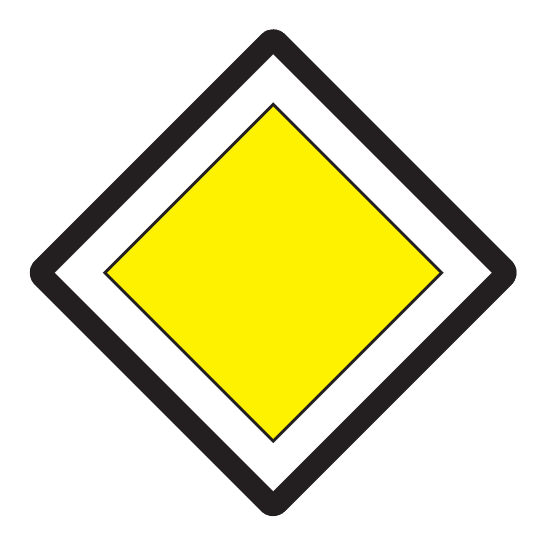
Master Junction Priority with the 'Priority Road' Sign (206)

The End of Priority Road Sign (208): What You Need to Know
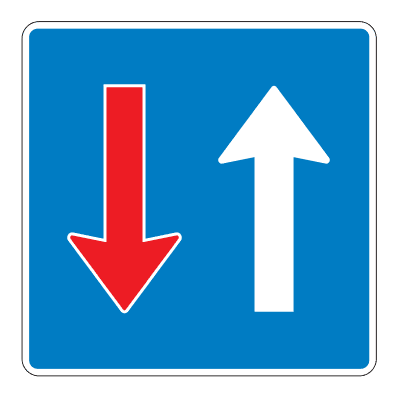
Sign 214: Know When to Give Way to Oncoming Traffic
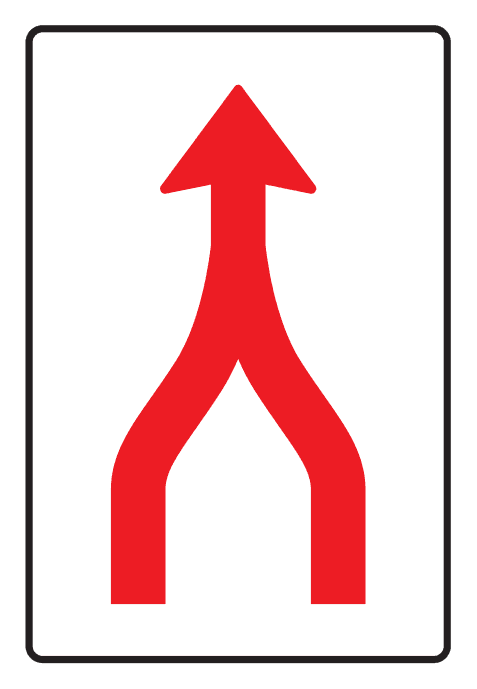
Understand the Priority Pattern at the Next Junction
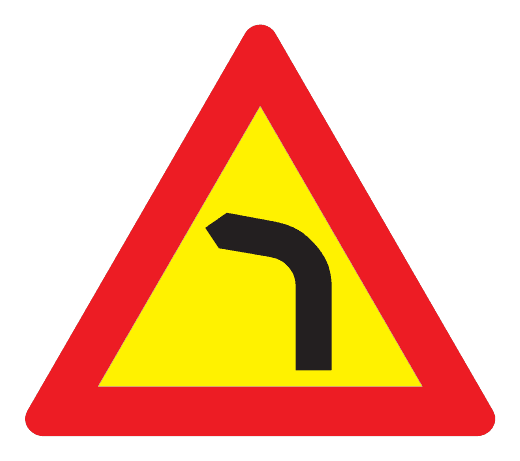
Prepare for a Dangerous Left-Hand Bend Ahead with Sign 100.2

Understand the Half-broken Line (Caution Line) for clear driving guidance on the carriageway.
After reviewing the full list of Icelandic road signs, reinforce your learning with targeted practice. Explore our sign group categories or take a specific quiz to test your recognition and recall. Ensure you're fully prepared to identify and interpret all traffic signs for your upcoming driving theory exam.
View All Icelandic Road Signs