Sign 315 dictates the minimum safe distance you must maintain between your motor vehicle and the one in front. This restrictive sign is crucial for maintaining traffic flow and preventing accidents, especially in conditions where following too closely could be dangerous. Always obey this sign immediately and check any supplementary plates for specific conditions or exceptions. Understanding this sign is vital for your Icelandic driving theory exam and safe driving practice.
Mastering the minimum distance requirement for vehicles is essential for safe driving and passing your theory test. This sign specifies the mandatory gap, directly impacting how you navigate Icelandic roads and avoid traffic violations.
Minimum Distance Between Motor Vehicles is a restrictive sign that removes a movement, access right, or operating condition that would otherwise be possible. It is used to manage safety, protect vulnerable users, reduce conflict, or keep unsuitable vehicles and behaviour out of a particular road environment. The restriction usually starts at the sign itself and continues until it is cancelled, replaced, or naturally ends according to the road-sign rules. Whenever a supplementary plate is present, it tells you exactly which vehicles, times, distances, or conditions the ban covers.
This sign prohibits or restricts minimum distance between motor vehicles from the point where it applies. Drivers must obey the restriction immediately and look for any supplementary plate or end sign that explains the scope, duration, or exceptions.
Get clear, practical answers to the most common questions about the 315 - Minimum Distance Between Motor Vehicles road sign. Learn how the sign works, what rules it represents, and how it affects real driving situations. This FAQ strengthens your understanding and supports accurate decision making for the Icelandic driving theory exam in Iceland.
The primary purpose of sign 315 is to enforce a safe minimum distance between motor vehicles. It's a restrictive sign aimed at preventing tailgating and reducing the risk of rear-end collisions, ensuring smoother traffic and increased safety, especially on roads where such distances are critical.
Upon seeing sign 315, you must immediately adjust your speed to ensure you maintain at least the specified minimum distance to the vehicle in front. This restriction applies from the sign onwards unless indicated otherwise by a supplementary plate or an end sign.
Supplementary plates accompanying sign 315 provide crucial details. They might specify which types of vehicles the rule applies to, the exact distance required in meters, or specific times or conditions under which the restriction is active. Always read and obey any information on these plates.
The sign's restriction applies universally from the point it's displayed unless a supplementary plate states otherwise. However, the restriction typically ends when it is cancelled by another sign, replaced by a different rule, or at the next relevant junction where different traffic rules might take over. It's essential to be aware of your surroundings and any subsequent signs.
A common mistake is treating the sign as optional, especially if the road appears empty, or failing to check supplementary plates. Another trap is continuing to follow too closely and assuming you can correct the distance later. On the theory test, understanding that this is a mandatory restriction, not a suggestion, is key.
A clear reference image of the 315 - Minimum Distance Between Motor Vehicles road sign used in Iceland.

The 315 - Minimum Distance Between Motor Vehicles road sign may also be known by these alternative names or terms.
The 315 - Minimum Distance Between Motor Vehicles road sign is part of the Prohibition and Restriction Signs category, which groups together signs with similar rules and functions.
Mastering Icelandic traffic rules means distinguishing between similar road signs. Reviewing related prohibitions helps solidify your understanding for the theory test, preventing confusion and ensuring you recall the correct driving behaviour. Explore these adjacent signs for effective theory test revision.

Understand the 'All Driving Prohibited' traffic sign (306.0) and its implications.

Understand the 'No Motor Vehicles' prohibition sign (306.1) in Iceland
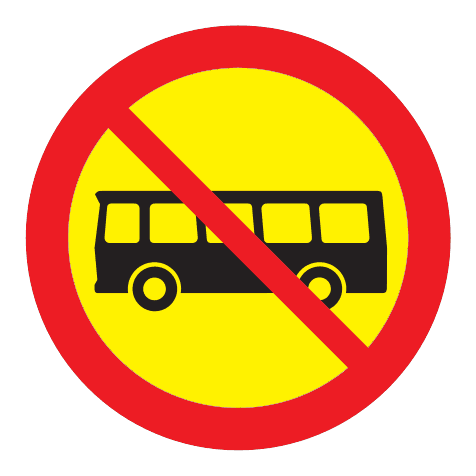
What the 'No Buses' (306.10) Road Sign Means and How to React

Understand the 'No Motor Vehicles Except Two-Wheelers' Road Sign (306.2)

Understand the 'No Tractors or Work Machines' Prohibition Sign

Understand the 'No Light Mopeds' (306.41) Traffic Sign

Understand the 'No Motorcycles' Road Sign (306.42) and its Restrictions
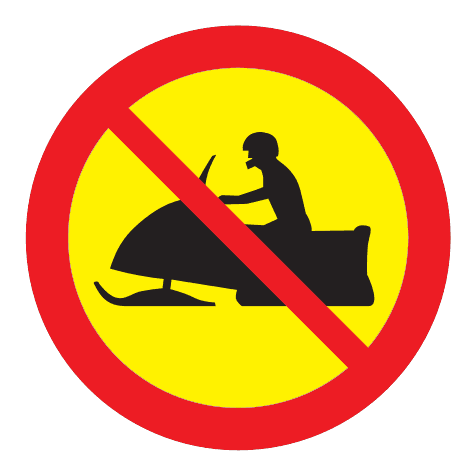
Understand the 'Driving All-terrain Vehicles On Tracks (snowmobiles) Is Prohibited' Sign
After reviewing the full list of Icelandic road signs, reinforce your learning with targeted practice. Explore our sign group categories or take a specific quiz to test your recognition and recall. Ensure you're fully prepared to identify and interpret all traffic signs for your upcoming driving theory exam.
View All Icelandic Road Signs