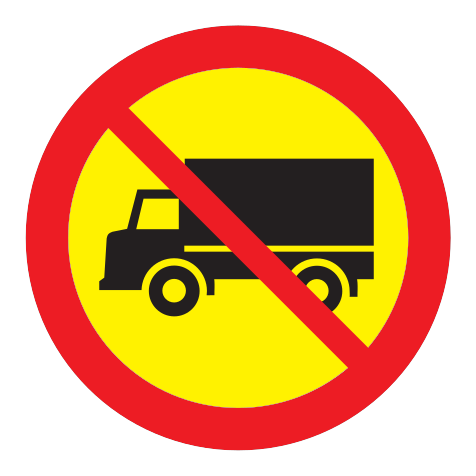
The 'No Trucks' sign (306.5) is a restrictive traffic sign indicating that trucks are prohibited from proceeding past this point. This restriction typically begins immediately at the sign and continues until explicitly cancelled or modified by another sign. Always be vigilant for supplementary plates that may specify exceptions, time limits, or the precise scope of the ban. These signs are crucial for managing traffic flow, ensuring safety, and preventing unsuitable vehicles from entering specific road sections or areas.
This explanation card clarifies the specific 'No Trucks' prohibition, detailing why this sign is crucial for managing traffic flow and safety in Iceland. Understanding this traffic sign's precise meaning is vital for your theory test revision and safe driving.
No Trucks is a restrictive sign that removes a movement, access right, or operating condition that would otherwise be possible. It is used to manage safety, protect vulnerable users, reduce conflict, or keep unsuitable vehicles and behaviour out of a particular road environment. The restriction usually starts at the sign itself and continues until it is cancelled, replaced, or naturally ends according to the road-sign rules. Whenever a supplementary plate is present, it tells you exactly which vehicles, times, distances, or conditions the ban covers.
This sign prohibits or restricts no trucks from the point where it applies. Drivers must obey the restriction immediately and look for any supplementary plate or end sign that explains the scope, duration, or exceptions.
Get clear, practical answers to the most common questions about the 306.5 - No Trucks road sign. Learn how the sign works, what rules it represents, and how it affects real driving situations. This FAQ strengthens your understanding and supports accurate decision making for the Icelandic driving theory exam in Iceland.
The 'No Trucks' sign (306.5) means that vehicles classified as trucks are not allowed to proceed beyond the point where the sign is displayed. This restriction applies to trucks unless a supplementary plate indicates otherwise.
The restriction imposed by the 'No Trucks' sign (306.5) usually continues from the sign onwards until it is cancelled by an 'End of Restriction' sign, replaced by a different sign, or naturally ends at the next junction where a new rule applies. Always look for these indicators.
A common mistake is assuming the sign doesn't apply if the road seems clear or if you're already on the road. Another trap is ignoring supplementary plates that might detail exceptions or the exact duration of the ban. You must always obey the sign and any accompanying plates.
If you are driving a truck, you must not proceed past the 'No Trucks' sign (306.5) unless a supplementary plate explicitly allows it. You should plan an alternative route or prepare to take a different turn or exit before reaching the sign.
Yes, exceptions can be indicated by supplementary plates. These plates might specify certain types of trucks that are allowed, times of day when the restriction is lifted, or a limited distance the ban applies for. Always check for these additional signs.
A clear reference image of the 306.5 - No Trucks road sign used in Iceland.
The 306.5 - No Trucks road sign may also be known by these alternative names or terms.
The 306.5 - No Trucks road sign is part of the Prohibition and Restriction Signs category, which groups together signs with similar rules and functions.
Comparing this 'No Trucks' sign with similar prohibition signs reinforces your understanding of traffic rules. Effective sign recognition and comparison are key for passing your theory test revision and navigating Iceland's roads safely.

Understand the 'All Driving Prohibited' traffic sign (306.0) and its implications.
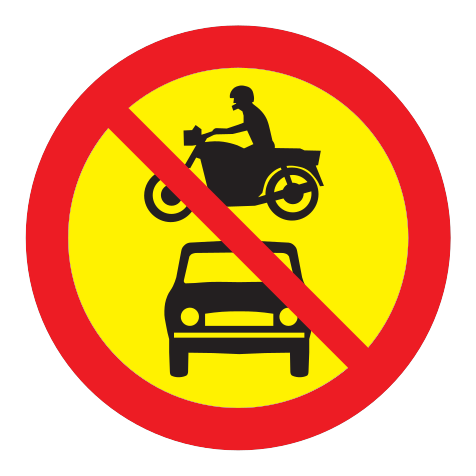
Understand the 'No Motor Vehicles' prohibition sign (306.1) in Iceland
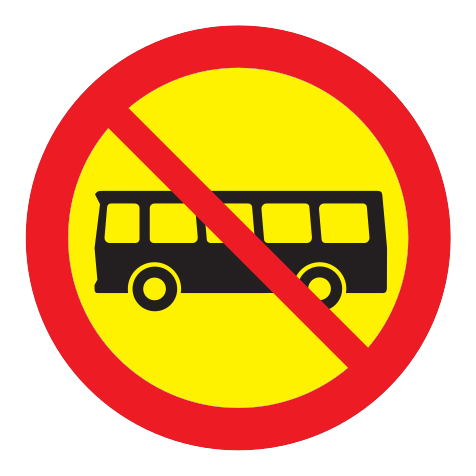
What the 'No Buses' (306.10) Road Sign Means and How to React
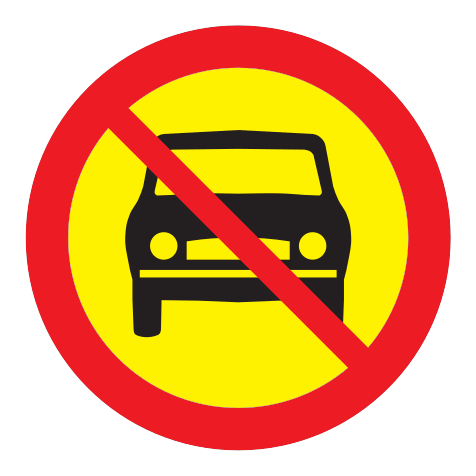
Understand the 'No Motor Vehicles Except Two-Wheelers' Road Sign (306.2)
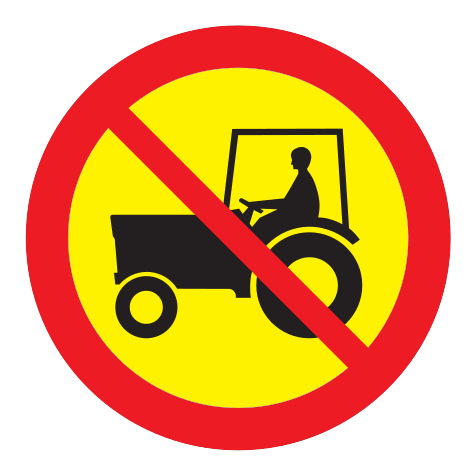
Understand the 'No Tractors or Work Machines' Prohibition Sign
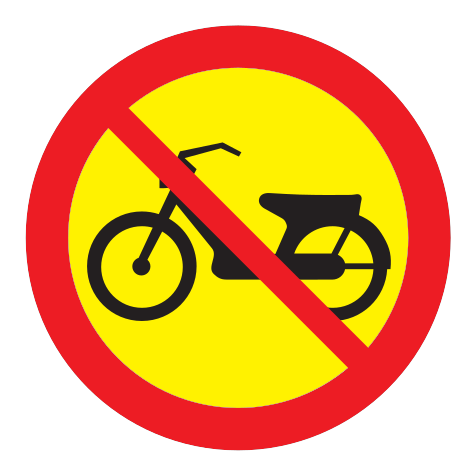
Understand the 'No Light Mopeds' (306.41) Traffic Sign
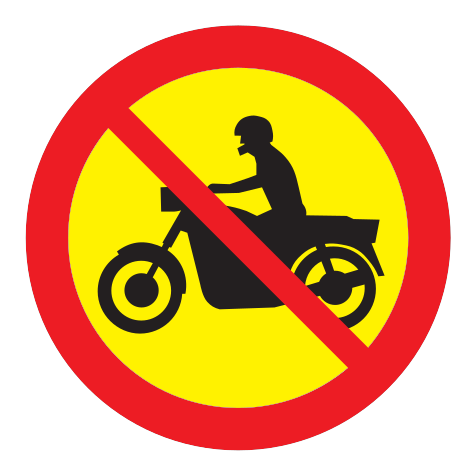
Understand the 'No Motorcycles' Road Sign (306.42) and its Restrictions
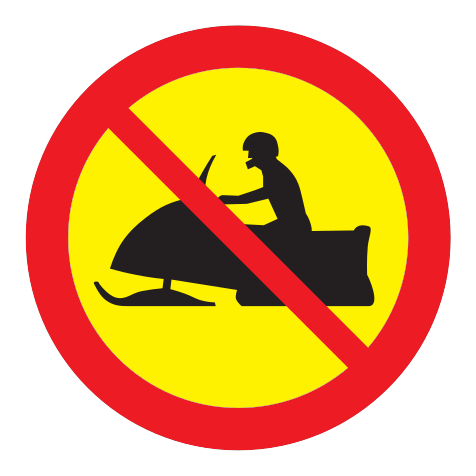
Understand the 'Driving All-terrain Vehicles On Tracks (snowmobiles) Is Prohibited' Sign
Explore curated theory modules and safety procedures that clarify how specific road signs dictate right-of-way and vehicle conduct on Icelandic roads. Apply this knowledge to your driving theory test preparation by linking visual signage to real-world traffic laws.
Don't let a false sense of security put you at risk on Icelandic roads.
Deciphering your Icelandic driving licence categories is essential for legal and safe operation of vehicles. This guide will clarify the scope of common categories like B, BE, and A, detailing vehicle and trailer weight restrictions. Gaining a clear understanding of these entitlements prepares you for the demands of Icelandic traffic and the official theory examination.
Master Icelandic Crosswalk Rules for a Safer Drive and Exam Success
Navigating intersections without signs can be confusing, but Iceland's 'Hægri Regla' provides a clear priority system. This article explains how to yield to traffic from the right in such situations and outlines the hierarchy of traffic controls, from police officers to road signs. Understanding these principles is essential for safe driving and success in your Icelandic driving theory test.
Overtaking Ban Lifted is a restrictive sign that removes a movement, access right, or operating condition that would otherwise be possible. It is used to manage safety, protect vulnerable users, reduce conflict, or keep unsuitable vehicles and behaviour out of a particular road environment. The restriction usually starts at the sign itself and continues until it is cancelled, replaced, or naturally ends according to the road-sign rules. Whenever a supplementary plate is present, it tells you exactly which vehicles, times, distances, or conditions the ban covers.
Ban On Truck Overtaking Lifted is a restrictive sign that removes a movement, access right, or operating condition that would otherwise be possible. It is used to manage safety, protect vulnerable users, reduce conflict, or keep unsuitable vehicles and behaviour out of a particular road environment. The restriction usually starts at the sign itself and continues until it is cancelled, replaced, or naturally ends according to the road-sign rules. Whenever a supplementary plate is present, it tells you exactly which vehicles, times, distances, or conditions the ban covers.
After reviewing the full list of Icelandic road signs, reinforce your learning with targeted practice. Explore our sign group categories or take a specific quiz to test your recognition and recall. Ensure you're fully prepared to identify and interpret all traffic signs for your upcoming driving theory exam.
View All Icelandic Road Signs