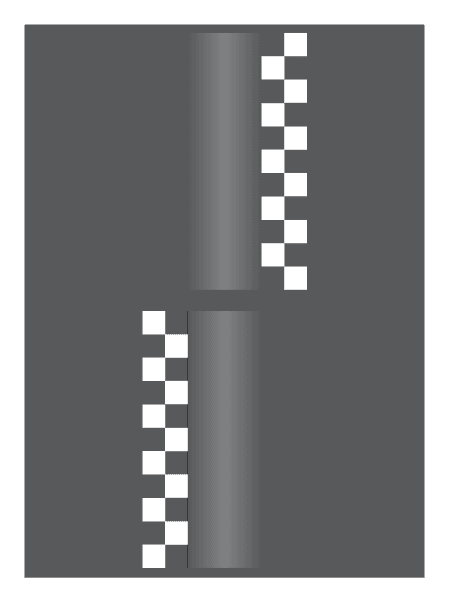
This speed bump road marking, identified by code 1027.11 and also known as Hraðahindrun, is a crucial surface-applied instruction on the carriageway. It's as legally binding as an upright sign, dictating vehicle positioning and speed. Always treat these markings seriously, especially in adverse weather or poor visibility, as they are an integral part of Iceland's traffic control system and essential for safe navigation.
This vital road marking, code 1027.11, signals an upcoming speed bump, requiring immediate speed reduction. Proper recognition is crucial for safe driving and passing your theory test, ensuring you navigate Icelandic traffic conditions effectively.
Speed bump is a painted or surface-applied marking used to organise movement on the road itself. Road markings guide positioning, separate opposing flows, indicate priorities, reserve space for certain users, and show where stopping, crossing, or turning is allowed or restricted. The safest approach is to read the marking early and adjust lane position before reaching it, especially where overtaking, crossing, or lane choice is affected. In winter or poor maintenance conditions, markings may be harder to see, but where visible they remain an important part of the legal traffic arrangement.
This road marking controls or guides speed bump directly on the carriageway. It must be read just as seriously as an upright sign because it tells you how to position the vehicle, where you may cross, and which part of the road is reserved or restricted.
Get clear, practical answers to the most common questions about the 1027.11 - Speed bump road sign. Learn how the sign works, what rules it represents, and how it affects real driving situations. This FAQ strengthens your understanding and supports accurate decision making for the Icelandic driving theory exam in Iceland.
The 1027.11 marking, or Speed Bump, is a surface indicator designed to manage and control vehicle speed directly on the road. It guides drivers on how to position their vehicle and indicates where speed reduction is necessary for safety, similar to how an actual speed bump would function.
Upon seeing the 1027.11 Speed Bump marking, you must prepare to reduce your speed. The marking visually signals an upcoming hazard or a change in road conditions requiring a slower pace. Adjust your speed smoothly and ensure you are in the correct position on the carriageway before reaching the marked area.
Yes, road markings such as the 1027.11 Speed Bump are legally enforceable in Iceland. They are an integral part of the traffic rules and must be obeyed just like upright signs. Ignoring them can lead to unsafe driving conditions and potential penalties.
A common mistake is assuming road markings are less important than signs on posts, especially if they are worn or partially obscured by snow or dirt. Learners might also fail to adjust their speed early enough or maintain the correct lane position. It's vital to combine your understanding of signs and markings to navigate Icelandic roads safely.
No, the 1027.11 Speed Bump marking does not typically require you to stop. Its primary purpose is to warn you of an upcoming speed reduction zone or a physical speed bump and to guide your vehicle's position accordingly. You should slow down to a safe speed and proceed with caution.
A clear reference image of the 1027.11 - Speed bump road sign used in Iceland.
The 1027.11 - Speed bump road sign may also be known by these alternative names or terms.
The 1027.11 - Speed bump road sign is part of the Road Markings category, which groups together signs with similar rules and functions.
Understanding the nuances between similar road signs is crucial for effective theory test revision and clear sign recognition. Comparing these related markings helps solidify your knowledge, reducing errors and boosting confidence for your Icelandic driving licence theory exam.

Understand the Half-broken Line (Caution Line) for clear driving guidance on the carriageway.
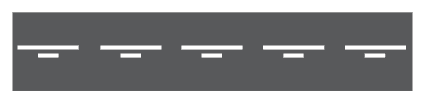
Master the Double Central Line Road Marking (1006.1) for Safer Driving

Understand the Double Central Line Road Marking in Iceland

Obey the Double Central Line road marking for safe lane guidance.

Understand the Double Central Line road marking and how it guides your driving.

Understand the Double Broken Midline road marking to position your vehicle correctly.

Master the 1010 Control Line: Essential Road Marking Guidance for Icelandic Drivers
After reviewing the full list of Icelandic road signs, reinforce your learning with targeted practice. Explore our sign group categories or take a specific quiz to test your recognition and recall. Ensure you're fully prepared to identify and interpret all traffic signs for your upcoming driving theory exam.
View All Icelandic Road Signs