
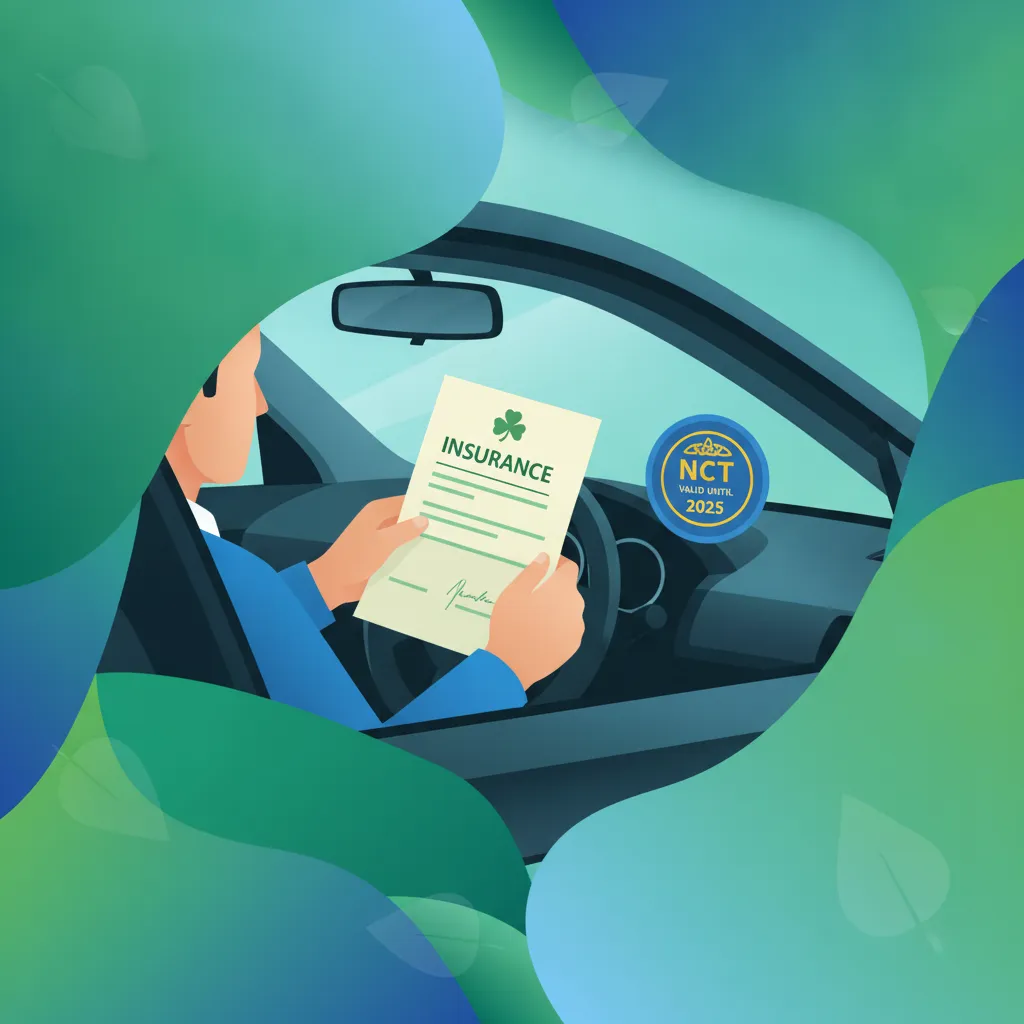
This lesson covers your essential legal obligations as a motorcycle rider in Ireland, focusing on mandatory insurance and the requirement to keep your vehicle roadworthy. Understanding these rules is a critical part of your preparation for the Category A, A1, and A2 theory exams, ensuring you remain compliant on Irish roads.
Lesson content overview
Operating a motorcycle on public roads in Ireland is a privilege that comes with strict legal and ethical responsibilities. To obtain and maintain your riding privileges under the Irish Category A, A1, or A2 licence framework, you must comply with two main pillars of road safety: compulsory motor insurance and continuous vehicle roadworthiness.
These requirements are not merely bureaucratic hurdles; they are designed to protect you, your passengers, and all other road users. This lesson details your legal obligations under Irish road traffic legislation, explores the mechanics of motorcycle safety, and outlines the severe legal and financial consequences of non-compliance.
In Ireland, operating any motor vehicle on a public road without valid insurance is a serious criminal offence. Motor insurance exists to ensure that if an accident occurs, any injured parties or individuals who suffer property damage can receive fair financial compensation. For motorcyclists—who are statistically more vulnerable to severe injuries in collisions—proper insurance coverage is an absolute safety net.
Under the Road Traffic Act 1961 (as amended), all motorcyclists must hold, at minimum, a valid policy of Third-Party Insurance. This is the absolute legal baseline required to wheel a motorcycle onto a public road, even if the engine is switched off.
A mandatory insurance policy that covers the rider's legal liability for death, bodily injury, or damage to the property of other people (third parties) resulting from an accident. It does not provide any financial compensation for damage to the rider's own motorcycle or injuries sustained by the rider if they are at fault.
While third-party cover satisfies the minimum statutory legal requirement, riders can choose from three main tiers of insurance depending on their risk tolerance and financial needs:
A common and highly dangerous misunderstanding among new riders is the belief that holding a standard car insurance policy automatically permits them to ride a motorcycle, or that a motorcycle policy automatically covers any bike they hop onto. This is false.
Insurance policies are vehicle-specific and rider-specific. You must ensure that the specific motorcycle you are operating is explicitly listed on your active certificate of insurance, or that your policy contains a highly specific "riding other bikes" extension (which is increasingly rare and heavily restricted for younger or inexperienced riders).
Furthermore, you cannot legally ride a motorcycle on public roads using a "stamp" on a vehicle registration document or a pending application as proof of insurance. You must possess a valid, active policy.
The "Friend's Bike" Misconception: Never assume you are legally covered to ride a friend's motorcycle just because they have "fully comprehensive" insurance. Unless your own policy explicitly details permission to ride other vehicles with third-party cover, or your friend's policy has explicitly named you as an authorized driver, you are riding uninsured and committing a serious offence.
The Garda Síochána (the Irish police force) take an exceptionally strict approach to uninsured driving. If you are stopped by a Garda and found to be riding without valid third-party cover, the consequences are immediate and severe:
A motorcycle must be maintained in a condition that does not pose a danger to the rider, any passengers, or other road users. This is known as roadworthiness.
Unlike passenger cars in Ireland, which must undergo periodic National Car Tests (NCT), motorcycles are not currently subject to a compulsory, scheduled national mechanical inspection. However, this does not mean maintenance is optional. Under Irish road traffic law, the ultimate responsibility for ensuring a vehicle is completely safe and roadworthy lies squarely on the shoulders of the rider before every single journey.
A motorcycle is a dynamically sensitive machine. While a minor mechanical failure in a car (such as a single non-functioning headlight or a worn tyre) might be an inconvenience, the same failure on a motorcycle can easily lead to a catastrophic loss of control, severe injury, or death.
With only two small contact patches connecting you to the tarmac, any degradation in your tyres, suspension, steering, or brakes immediately compromises your safety.
If you are involved in a collision and subsequent investigations reveal that your motorcycle was in an unroadworthy condition (for example, with bald tyres or defective brakes), you face severe repercussions:
To stay on the right side of the law and ensure your physical safety, you must understand the exact legal and mechanical standards required for the critical components of your motorcycle.
Your tyres are the most critical safety component on your motorcycle. They provide the necessary friction (grip) to accelerate, steer, and stop safely.
The depth of the rubber grooves on a tyre's surface designed to channel water away from the contact patch, preventing the tyre from riding up on a cushion of water and losing contact with the road.
Visual Inspection: Rotate both wheels slowly, looking closely for cuts, cracks, bulges, or embedded debris (such as glass or nails) in the tread and sidewalls.
Measure Tread Depth: Use a dedicated digital or manual tread depth gauge across the center three-quarters of the tyre. Ensure no spot is approaching or below the 1.6mm threshold.
Check Pressure: Use a reliable tyre pressure gauge to verify the PSI or Bar rating matches the manufacturer's specification in your owner's manual. Adjust for carrying luggage or a passenger if necessary.
A motorcycle features two independent braking systems: the front brake (typically operated by the lever on the right handlebar) and the rear brake (operated by the pedal near your right foot). Both must function perfectly to provide maximum stopping efficiency.
On a motorcycle, being seen is just as important as seeing. Because of a motorcycle's slim profile, other road users struggle to judge your speed and distance. Your lighting and signalling systems are your primary tools for communication.
The mechanical status of your motorcycle interacts dynamically with the environment. What might be a minor, manageable physical defect in perfect weather can easily turn lethal under harsh road conditions.
Ireland's weather is notoriously unpredictable, meaning you will frequently ride in wet, windy, or cold conditions.
To keep your Category A, A1, or A2 licence clean, steer clear of these common pitfalls and misunderstandings:
Many riders assume that because they have paid for their own policy, they are universally insured. Here are the facts on common insurance errors:
If a Garda stops you and notes blatant mechanical safety violations, they are legally empowered to take immediate action to protect public safety.
To ensure your motorcycle is always safe and legal, you should perform a systematic check before every ride. A simple, structured way to remember these checks is the POWER method.
P - Petrol (Fuel): Ensure you have sufficient fuel for your planned journey to avoid running out of fuel in a dangerous location, such as a motorway or a busy junction.
O - Oil and Fluids: Check the engine oil level using the sight glass or dipstick. Check the brake fluid reservoirs (front and rear) and coolant levels (if liquid-cooled). Look underneath the bike for any signs of fresh fluid leaks.
W - Water and Weather (Tyres): Check tyre pressures, tread depth (minimum 1.6mm), and look closely for any embedded objects or damage to the sidewalls. Ensure the tyres are clean of mud or grease.
E - Electrics and Lights: Turn on the ignition and test your headlight (dipped and high beam), tail light, brake light (using both the front lever and rear pedal), indicators, hazard lights (if fitted), and horn.
R - Rubber and Controls: Check that your throttle rotates smoothly and snaps shut instantly when released. Verify that the front brake lever and clutch lever operate smoothly. Check the drive chain tension and ensure it is properly lubricated.
To consolidate your understanding of Irish motorcycle insurance laws and vehicle roadworthiness standards, explore these targeted practice resources:
Explore all units and lessons included in this driving theory course.
Lesson content overview
Explore all units and lessons included in this driving theory course.
Explore search topics learners often look for when studying Insurance and Roadworthiness Obligations. These topics reflect common questions about road rules, driving situations, safety guidance, and lesson level theory preparation for learners in Ireland.
Browse additional driving theory lessons that cover connected traffic rules, road signs, and common driving situations related to this topic. Improve your understanding of how different rules interact across everyday traffic scenarios.
Learn the core principles of defensive riding and proactive hazard anticipation. This guide explains how to effectively scan for dangers, manage your space, and plan safe routes in Irish traffic conditions to significantly reduce your exposure to common road risks.

This lesson teaches how to cultivate a proactive defensive riding mindset, focusing on situational awareness and constant hazard scanning. It describes the system of motorcycle control, encouraging riders to anticipate potential mistakes from other drivers, pedestrians, and cyclists. Motorcyclists will learn to position themselves defensively, leaving clear escape routes in all driving environments.

This lesson covers the strategic aspects of journey management, emphasizing the safety benefits of proactive route planning and weather checks. It teaches riders how to select safer roads, avoid high-congestion zones during rush hour, and schedule regular rest intervals. Motorcyclists will learn to pack essential tools, emergency contacts, and spare safety gear to remain prepared for any roadside situation.
This lesson focuses on riding techniques suited for gravel, loose surfaces, and rural roads. Learners will understand how to maintain stability, adjust braking and cornering approaches, and anticipate hazards such as potholes and farm vehicles, following RSA guidance for safe riding in the Irish countryside.

This lesson outlines how motorcyclists should respond when permanent road signs are dirty, damaged, or hidden by overgrown trees and hedges. It introduces the temporary signage, warning cones, and detour markers commonly deployed at active roadwork zones in Ireland. Riders will learn to read the road ahead defensively, reducing speed when visual information is incomplete or compromised.

This lesson analyzes the crucial role of rider attitude, mental focus, and psychological factors in preventing motorcycle collisions on Irish roads. It addresses how overconfidence, fatigue, and peer pressure can negatively impact a rider's decision-making process and elevate risk levels. Motorcyclists will explore strategies to maintain a defensive mindset, exercise patience, and practice active situational awareness under all traffic conditions.

This lesson highlights the importance of smooth throttle adjustments for maintaining traction and stability on a moped. It teaches riders how to anticipate potential road hazards early, reducing the need for sudden emergency braking. Developing strong observation habits allows riders to adjust their speed smoothly and respond safely to traffic changes.

This lesson teaches riders how to create and preserve a protective safety envelope around their motorcycle under various traffic densities. It explains the two-second rule for dry conditions and how to expand this buffer zone in adverse weather or heavy traffic. Motorcyclists will learn to manage tailgaters by gradually increasing their following distance from the vehicle ahead to prevent sudden braking.
This lesson teaches riders how to manage extreme weather conditions such as high crosswinds, thick fog, and low sun glare. It details how wind forces can push a motorcycle off course and how to use minor body adjustments and lane placement to maintain stability. Riders will learn how to manage visibility limits in dense fog, utilizing specialized riding gear and reducing speeds safely.

This lesson explains how to modify riding techniques when navigating wet tarmac, focusing on the heightened risk of hydroplaning and reduced tire grip. It details the necessity of increasing following distances, avoiding painted road markings, and executing smoother control inputs. Riders will understand how surface water accumulates in ruts, presenting severe hazards during heavy rainstorms.

This lesson focuses on the critical techniques required to ride safely during severe rain or heavy fog in Ireland. It teaches riders how to handle aquaplaning risks, use headlights correctly, and significantly increase their following distances. Adapting speed to visibility ensures that riders can brake safely when road conditions deteriorate.
Understand the impact of Irish weather and diverse road surfaces on motorcycle handling. This lesson covers how to adjust your braking, steering, and visibility strategies when riding in rain, fog, or on loose surfaces like gravel to maintain safe traction.
This lesson focuses on riding techniques suited for gravel, loose surfaces, and rural roads. Learners will understand how to maintain stability, adjust braking and cornering approaches, and anticipate hazards such as potholes and farm vehicles, following RSA guidance for safe riding in the Irish countryside.
This lesson explains how to modify riding techniques when navigating wet tarmac, focusing on the heightened risk of hydroplaning and reduced tire grip. It details the necessity of increasing following distances, avoiding painted road markings, and executing smoother control inputs. Riders will understand how surface water accumulates in ruts, presenting severe hazards during heavy rainstorms.

This lesson explores common surface hazards encountered on municipal and rural Irish roads, including loose gravel and wet leaves. It explains how these surface conditions rapidly reduce tyre traction and affect overall handling and braking control. Riders will learn visual scanning techniques to identify these hazards early and execute safe evasion maneuvers.
This lesson focuses on the critical techniques required to ride safely during severe rain or heavy fog in Ireland. It teaches riders how to handle aquaplaning risks, use headlights correctly, and significantly increase their following distances. Adapting speed to visibility ensures that riders can brake safely when road conditions deteriorate.

This lesson analyzes how tyre contact patches generate grip and how different road surfaces affect stability. It explains the dangers of diesel spills, loose gravel, fallen leaves, and cold tyres, which drastically reduce traction limits. Motorcyclists will learn to identify these surface hazards early and modify their throttle, braking, and lean inputs to prevent loss of control.

This lesson details the critical role of tyres in maintaining grip and vehicle stability on diverse road surfaces. It provides guidance on measuring tread depth, checking inflation levels, and identifying signs of tyre wear and damage. Additionally, it presents techniques for maintaining balance and executing tight, low-speed turns safely.
This lesson teaches riders how to manage extreme weather conditions such as high crosswinds, thick fog, and low sun glare. It details how wind forces can push a motorcycle off course and how to use minor body adjustments and lane placement to maintain stability. Riders will learn how to manage visibility limits in dense fog, utilizing specialized riding gear and reducing speeds safely.

This lesson explains the physics of cornering, focusing on lean angles, speed selection, and body positioning on a moped. It teaches riders how to assess road curves, adjust their speed prior to entering a turn, and handle slippery cambers. Mastering these cornering principles is essential for avoiding lose-of-control accidents on winding rural Irish roads.

This lesson analyzes traffic flow characteristics in dense municipal areas and teaches safe riding methods for congested gridlock situations. It covers the maintenance of adequate safety cushions, scanning for opening car doors, and monitoring pedestrians stepping from between parked cars. Riders will learn to manage frequent stopping, constant clutch wear, and the stress of urban commuting.
Find clear answers to common questions learners have about Insurance and Roadworthiness Obligations. Learn how the lesson is structured, which driving theory objectives it supports, and how it fits into the overall learning path of units and curriculum progression in Ireland. These explanations help you understand key concepts, lesson flow, and exam focused study goals.
Yes, third-party insurance is the legal minimum requirement to ride on Irish public roads. However, many riders opt for comprehensive cover to protect their own vehicle against accidental damage or theft.
Critical components include tyres (tread depth and pressure), brake systems, lights (headlight, tail light, and indicators), mirrors, and your registration plate. Any failure here can lead to penalty points or your bike being deemed unroadworthy.
While you should always have your documents accessible, you are required by law to produce them if requested by a member of An Garda Síochána. Keeping a digital copy or a physical copy in a secure space is good practice.
Yes, operating a motorcycle with defective lights is a road traffic offence. You are legally responsible for ensuring your motorcycle is in roadworthy condition before every journey.
Use the practice question search tool to pinpoint specific topics, road signs, or rules you need to master for your official Driver Theory Test. Refine your study strategy and ensure comprehensive preparation for all aspects of the Irish driving exam. Start your focused revision now and build confidence for your learner permit test.