This lesson explores the common risk behaviours that impact motorcycle safety on Irish roads, such as speeding, tailgating, and riding under the influence. It provides essential preparation for the RSA Driver Theory Test by examining the legal consequences and defensive strategies required for Category A, A1, and A2 riders.

Lesson content overview
Operating a motorcycle under a Category A, A1, or A2 licence is an exhilarating experience that offers unmatched freedom and mobility. However, because motorcyclists lack the structural protection of a closed vehicle, they are among the most vulnerable road users on Irish roads. The Road Safety Authority (RSA) emphasizes that safe riding requires not only technical mastery of your motorcycle but also an acute awareness of human factors, cognitive biases, and behavioral risks.
This lesson explores the primary risk behaviors that lead to collisions, injuries, and legal penalties under Irish traffic law. By understanding the physics, psychology, and legal consequences of these behaviors, you can build a robust defensive riding mindset and protect yourself and other road users.
Speeding is a leading contributing factor in motorcycle fatalities in Ireland. Speeding includes both exceeding the posted limit (absolute speeding) and riding too fast for the prevailing road, traffic, or weather conditions (inappropriate speeding).
The act of riding a motorcycle at a speed exceeding the legal limit, or at a velocity that is unsafe for the current road layout, traffic density, weather, or rider capability.
Many riders fail to appreciate how a small increase in speed drastically alters their stopping distance. The physics of motion dictate that kinetic energy () increases with the square of your speed:
If you double your speed, your motorcycle's kinetic energy increases fourfold. This means that your braking distance also increases roughly four times, assuming constant braking force and tyre grip. Total stopping distance is comprised of two distinct elements:
Reaction Distance: The distance traveled from the moment you perceive a hazard to the moment you physically apply the brakes. At typical human reaction times (1.5 seconds), a rider travelling at 100 km/h covers over 41 metres before even squeezing the brake lever.
Braking Distance: The physical distance the motorcycle travels while the brakes are active until it comes to a complete halt. This is heavily influenced by speed, tyre condition, road surface grip, and the presence of Anti-lock Braking Systems (ABS).
Riding at 80 km/h in a 60 km/h zone, especially on a typical damp Irish regional road, severely compromises your ability to stop if an obstacle appears around a bend. The reduced time window also limits your ability to perform evasive swerves or adjust your line.
Under the Road Traffic Act 2006, speeding is a strict liability offence. Believing that a higher speed is safer because you are an "experienced rider" is a dangerous misconception. The legal consequences for speeding in Ireland are progressive and severe:
Following the vehicle ahead too closely—commonly known as tailgating—is a highly prevalent risk behaviour. It significantly reduces your reaction time, narrows your forward vision, and increases the likelihood of a rear-end collision.
Motorcyclists sometimes mistakenly believe they can stop faster than cars because motorcycles are lighter. In reality, a car has four large contact patches of rubber on the road and highly stable, computer-assisted braking systems. A motorcycle has only two small contact patches, and braking requires delicate balance and coordination between the front and rear brake controls.
Furthermore, if a car in front brakes suddenly to avoid a pothole or debris, a tailgating motorcyclist will not only strike the car but is also highly likely to be thrown from the bike, risking secondary impacts from vehicles behind.
To maintain an adequate safety cushion, Irish road safety guidelines mandate the use of time-based following distances rather than static distance measurements:
Operating a motorcycle requires peak physical coordination, rapid reflexes, and flawless split-second decision-making. Consuming alcohol, illicit drugs, or even certain over-the-counter and prescription medications severely degrades these cognitive and motor functions.
Ireland enforces strict statutory limits on Blood Alcohol Concentration (BAC). It is important to note that the limits are significantly lower for learner and novice riders:
| Rider Category | Blood Alcohol Limit | Breath Alcohol Limit | Urine Alcohol Limit |
|---|---|---|---|
| Standard Fully Licensed Riders | 50 mg per 100 ml (0.5 g/l) | 22 mcg per 100 ml | 67 mg per 100 ml |
| Learner & Novice Riders | 20 mg per 100 ml (0.2 g/l) | 9 mcg per 100 ml | 27 mg per 100 ml |
For learner permit holders and novice riders, the 20 mg limit represents a virtual zero-tolerance policy. Even a single small alcoholic drink can push your BAC over this limit. The safest, most responsible choice is always: Never drink any alcohol before riding.
Alcohol and drugs alter your brain chemistry, leading to specific, dangerous changes in riding behavior:
Under Irish law, driving or riding under the influence of drugs is treated with the same severity as drink-driving. Gardaí (Irish police) routinely conduct roadside drug testing using oral fluid testing devices. These devices can detect active substances including:
Many riders are unaware that legal, prescribed, or over-the-counter medications (such as strong antihistamines, cough syrups, or prescription painkillers) can also impair driving ability. If a medication bottle carries a warning label indicating drowsiness or advising against operating machinery, you must not ride your motorcycle while taking it.
Fatigue is a state of physical or mental exhaustion that degrades a rider's performance. Because riding a motorcycle is physically demanding—requiring constant balance, wind resistance management, and sensory processing—fatigue affects motorcyclists much faster and more severely than car drivers.
Fatigue accumulates slowly, and riders often fail to realize how impaired they have become. Common warning signs include:
While there is no specific "fatigue limit" measured by a breathalyser, all riders have a legal duty of care to ensure they are medically and physically fit to ride. Operating a vehicle while severely fatigued can lead to charges of dangerous or careless driving under the Road Traffic Acts.
Schedule Regular Breaks: Take a minimum of a 15-to-20-minute break every two hours or 100 kilometres. Get off the motorcycle, stretch, and hydrate.
Stay Hydrated: Dehydration accelerates mental fatigue and reduces concentration. Avoid excessive caffeine, which can lead to a sudden energy "crash" later.
Avoid Riding After a Long Workday: Do not embark on long, complex touring routes or high-speed motorway journeys when you are already mentally exhausted from work or sleep deprivation.
Group riding is a popular social activity among Irish motorcyclists, but it introduces distinct psychological hazards, especially for younger or less experienced Category A1 or A2 riders.
Peer pressure can be explicit (friends actively encouraging you to perform stunts or ride faster) or implicit (the subconscious desire to keep pace with more experienced riders in a convoy). This can lead to:
To enjoy group rides safely, riders should establish clear protocols before starting:
The Road Safety Authority and the National Driver Licence Service (NDLS) utilize the penalty point system to deter risky behaviors and remove dangerous operators from public roads.
Penalty points are recorded on your driving record when you pay a fixed charge fine for a driving offence or are convicted in court.
Engaging in risk behaviors does not just lead to points and fines; it can destroy your lifestyle and financial stability:
The danger posed by risky behaviors is highly dependent on the riding environment, weather, and road type. Safe riders constantly adapt their risk tolerance based on these variables.
Irish weather is notoriously unpredictable. Rain, mist, fog, and winter frost dramatically reduce the coefficient of friction between your tyres and the road surface. Speeding or tailgating on a bone-dry summer afternoon is dangerous; doing so on a wet, greasy regional road in November is an almost guaranteed recipe for a low-side or high-side crash.
Always increase your safety margins when riding near pedestrians, children, elderly individuals, cyclists, and equestrians. Tailgating or revving your engine near horses can startle them, creating an immediate hazard for the animal, the rider, and yourself.
To solidify your understanding of these principles, let us analyze real-world driving situations and contrast unsafe behaviors with proper defensive riding decisions.
To master your understanding of safe riding behaviors and succeed in your RSA theory exam, continue exploring defensive riding tactics, understanding legal codes, and practicing realistic hazard scenarios.
Explore all units and lessons included in this driving theory course.
Lesson content overview
Explore all units and lessons included in this driving theory course.
Explore search topics learners often look for when studying Identifying Common Risk Behaviours and Their Consequences. These topics reflect common questions about road rules, driving situations, safety guidance, and lesson level theory preparation for learners in Ireland.
Browse additional driving theory lessons that cover connected traffic rules, road signs, and common driving situations related to this topic. Improve your understanding of how different rules interact across everyday traffic scenarios.
Learn the core principles of defensive riding required for Irish road safety. This guide explains how to anticipate hazards, manage space cushions, and maintain situational awareness in diverse traffic conditions to improve rider safety and meet RSA driving standards.
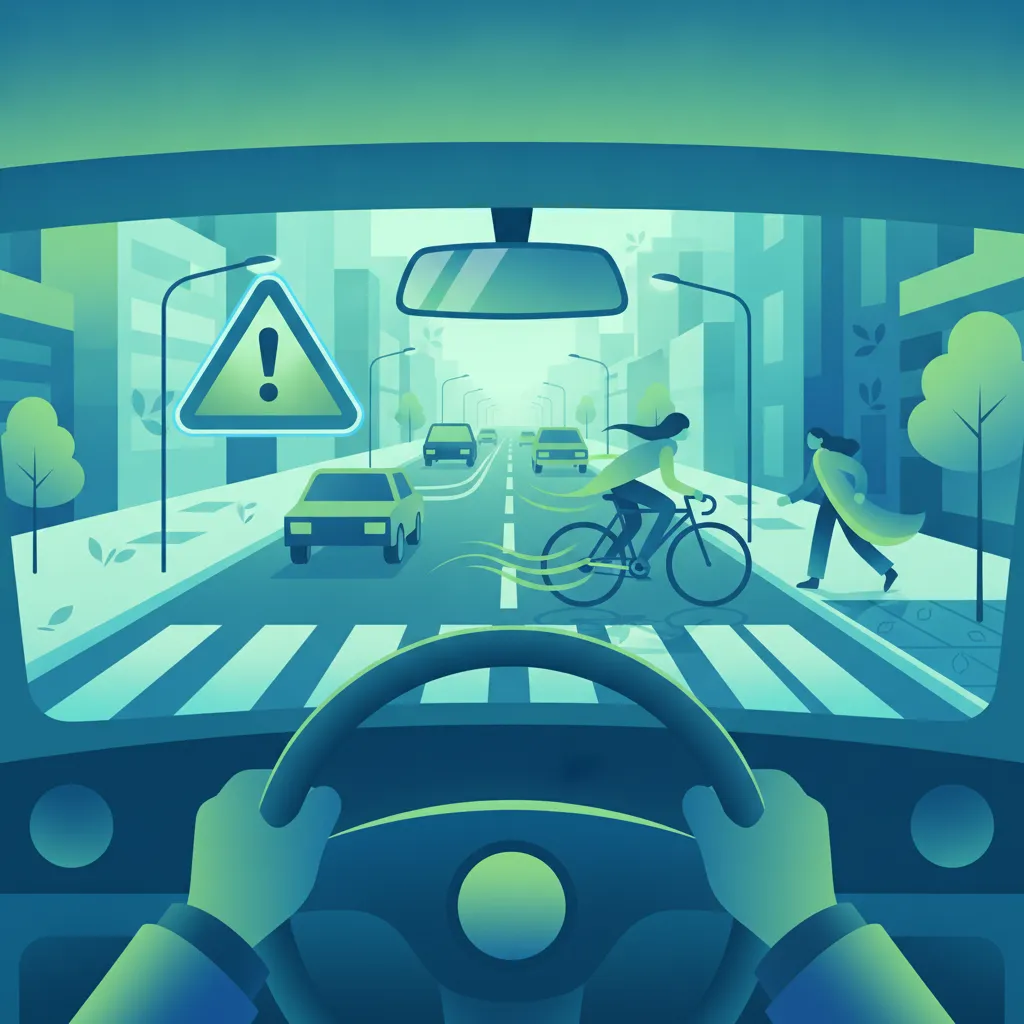
Proactive hazard perception involves constantly scanning the road ahead to identify potential dangers before they turn into actual emergencies. This lesson covers active scanning techniques, helping you look far ahead, check mirrors regularly, and identify subtle risk clues such as exhaust smoke from parked cars or children playing near kerbs. Anticipating these developments gives you the time to adjust speed and position safely.

Irish rural roads are often narrow, winding, and bordered by high hedges, presenting unique hazards compared to urban streets. This lesson focuses on scanning for hidden hazards such as slow-moving farm machinery, mud on the road surface, and loose livestock. You will learn how to adjust your speed before entering blind bends, sound your horn at blind crests, and safely share the road with local agricultural traffic.
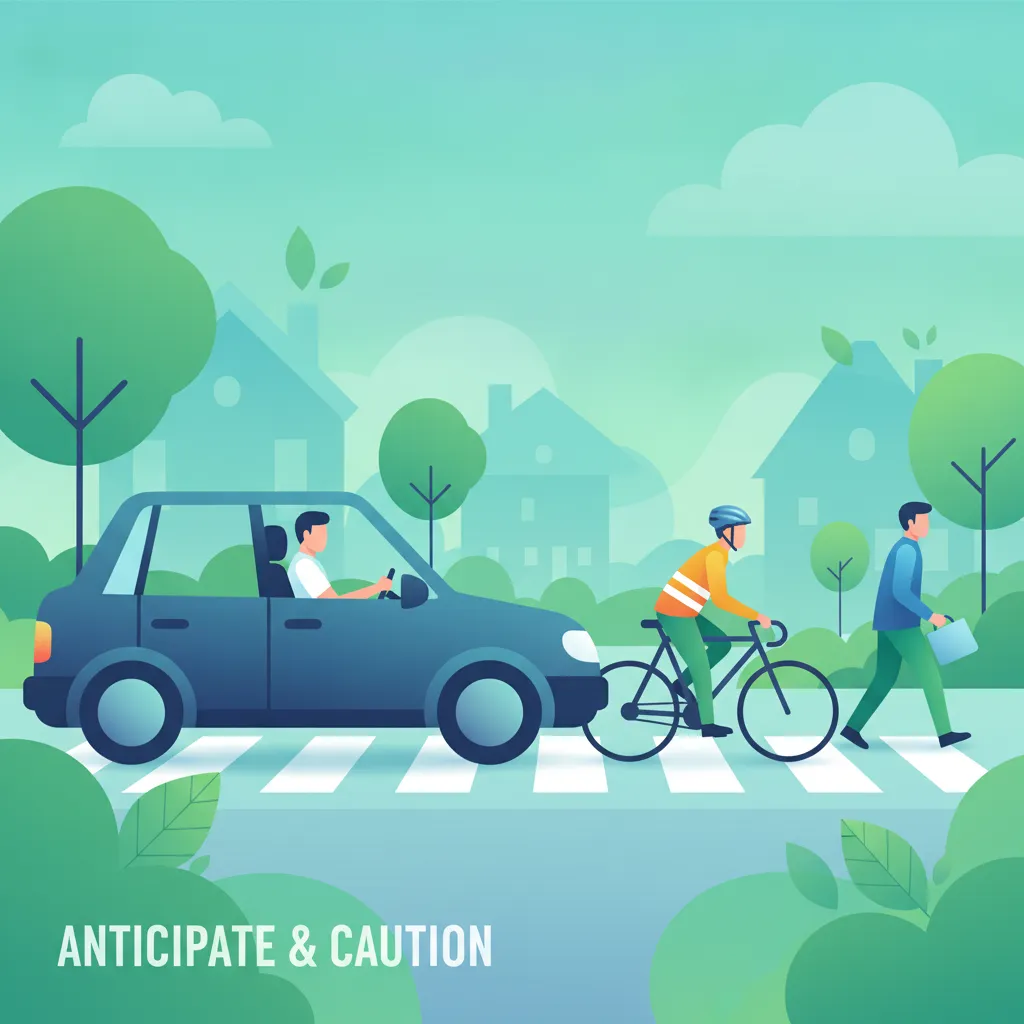
Safeguarding vulnerable road users requires more than simple obedience to traffic signs; it demands a defensive driving mindset. This lesson summarizes safe practices, including scanning far ahead in urban areas, keeping massive safety margins in wet weather, and executing thorough blind spot checks before reversing. By anticipating the unpredictable movements of others, you can prevent accidents and support a safe road culture.

This lesson teaches how to cultivate a proactive defensive riding mindset, focusing on situational awareness and constant hazard scanning. It describes the system of motorcycle control, encouraging riders to anticipate potential mistakes from other drivers, pedestrians, and cyclists. Motorcyclists will learn to position themselves defensively, leaving clear escape routes in all driving environments.
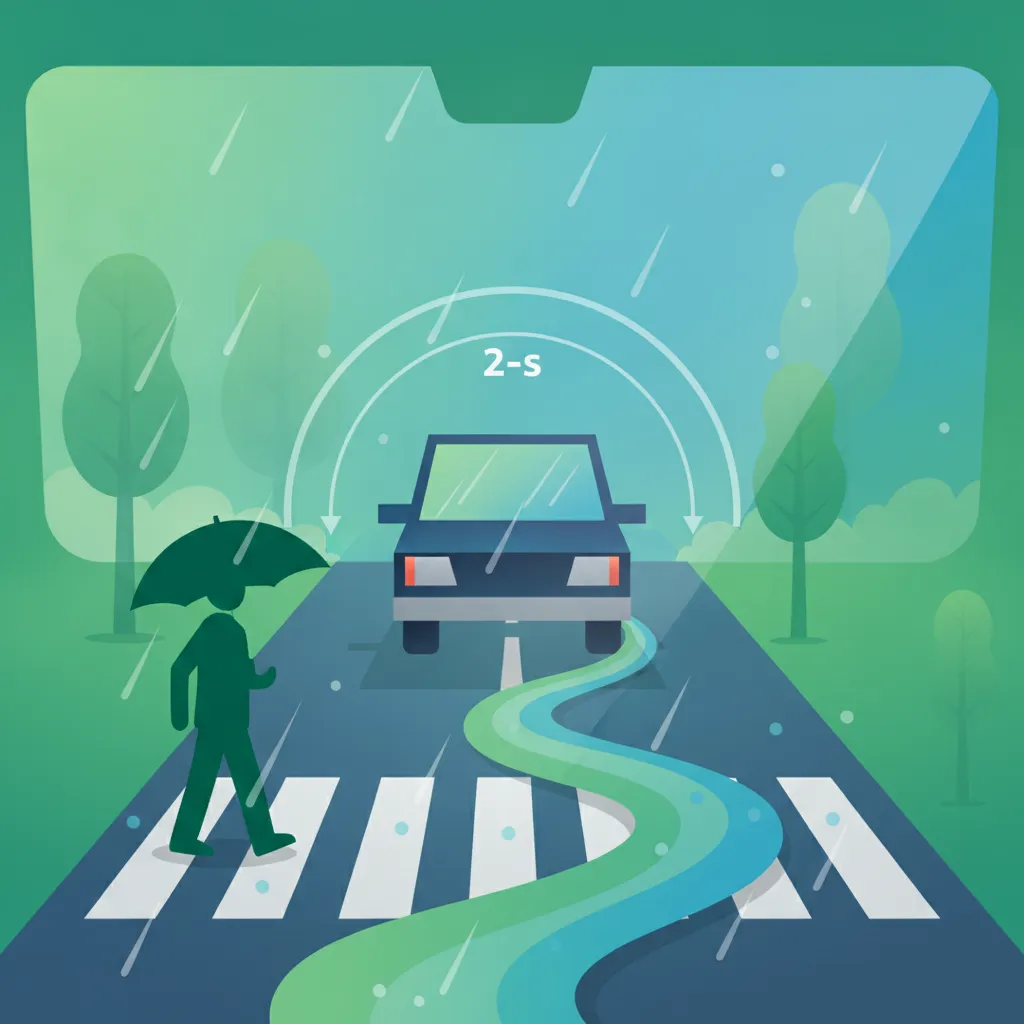
Maintaining an extensive buffer zone ahead of a large passenger vehicle is critical to ensuring enough space for emergency maneuvers. This lesson teaches the time-gap method, detailing how following distances must double on wet roads or increase with full passenger loads. It builds hazard anticipation skills, teaching drivers to read distant traffic cues and react early to hazards.
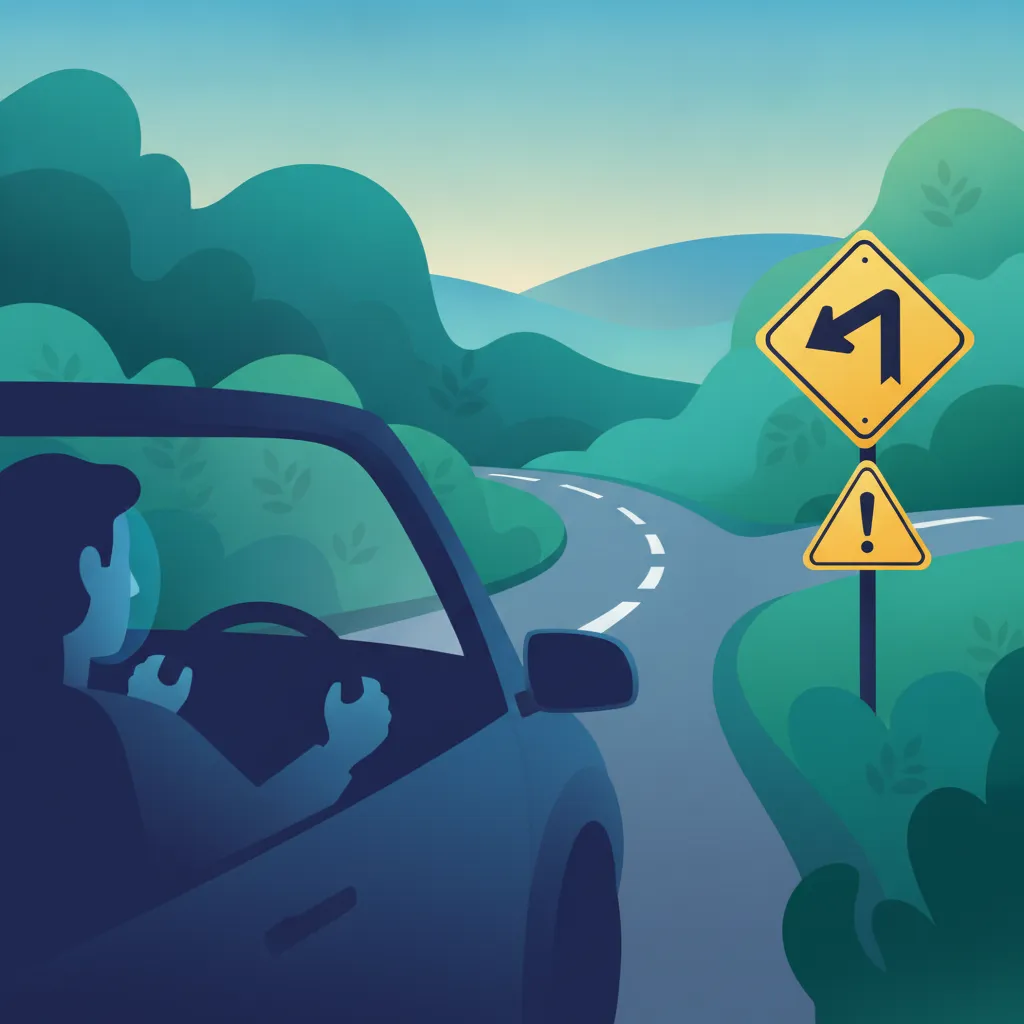
Warning signs in Ireland are typically diamond-shaped with yellow backgrounds and black symbols, indicating potential dangers on the road ahead. This lesson details signs for upcoming sharp bends, narrow roads, steep hills, pedestrian activity, and animal hazards. Learning to spot these warning indicators early allows you to reduce speed safely and adjust your vehicle positioning before encountering the hazard itself.

Heavy vehicles require continuous visual scanning to identify small or slow-moving road users who may enter the path of travel. This lesson explores the typical behaviors of young children, elderly pedestrians, and visually impaired road users. Drivers will build strong hazard perception skills to anticipate sudden movements, ensuring they can brake safely and avoid serious accidents.
Defensive driving prepares you to react safely when facing unexpected mechanical failures or immediate road hazards. This lesson explains how to execute an emergency stop using Anti-lock Braking Systems (ABS) and how to recover from front and rear-wheel skids on slippery roads. You will learn the importance of remaining calm, avoiding panic-steering, and applying controlled evasive actions to prevent collisions.

This lesson highlights the importance of smooth throttle adjustments for maintaining traction and stability on a moped. It teaches riders how to anticipate potential road hazards early, reducing the need for sudden emergency braking. Developing strong observation habits allows riders to adjust their speed smoothly and respond safely to traffic changes.
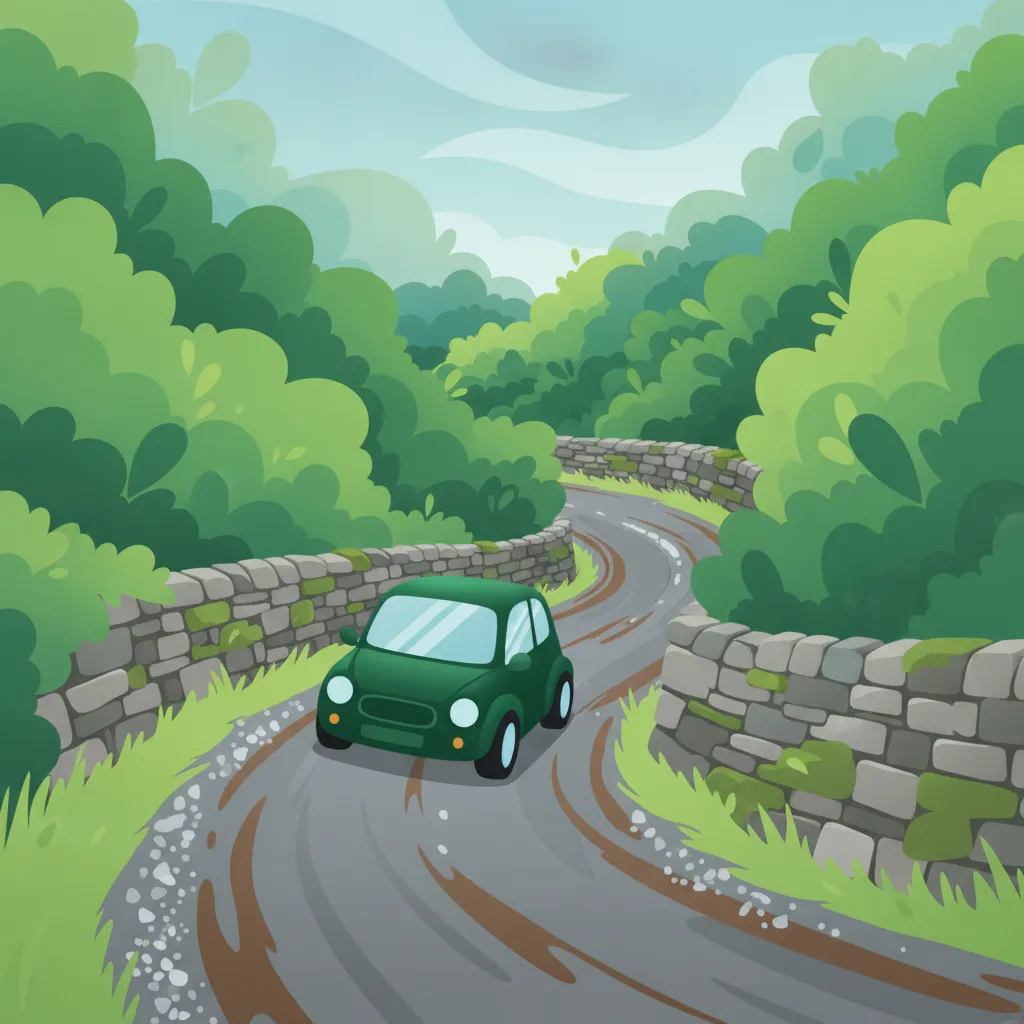
Irish rural routes are often narrow, lacking central markings, and bordered by tall hedges that restrict forward visibility on sharp bends. This lesson teaches drivers how to negotiate blind curves, anticipate slow-moving agricultural machinery, and respond to wandering farm animals. Drivers will learn to regulate vehicle speed proactively, maintaining a safe stopping margin in rural areas.
Understand the legal framework governing motorcycle operation in Ireland, including the penalty point system, disqualification thresholds for learners, and the broader consequences of dangerous riding. Gain clarity on your legal responsibilities under the Road Traffic Acts to ensure compliance while riding.

The Irish penalty points system is designed to deter unsafe driving practices by recording points against a driver's record for specific traffic violations. This lesson explains how points are accumulated, the lower threshold applied to learner and novice drivers, and the consequences of reaching the suspension limit. You will also learn about the role of the Garda Síochána in enforcing these road traffic laws and the financial impact points have on your insurance.
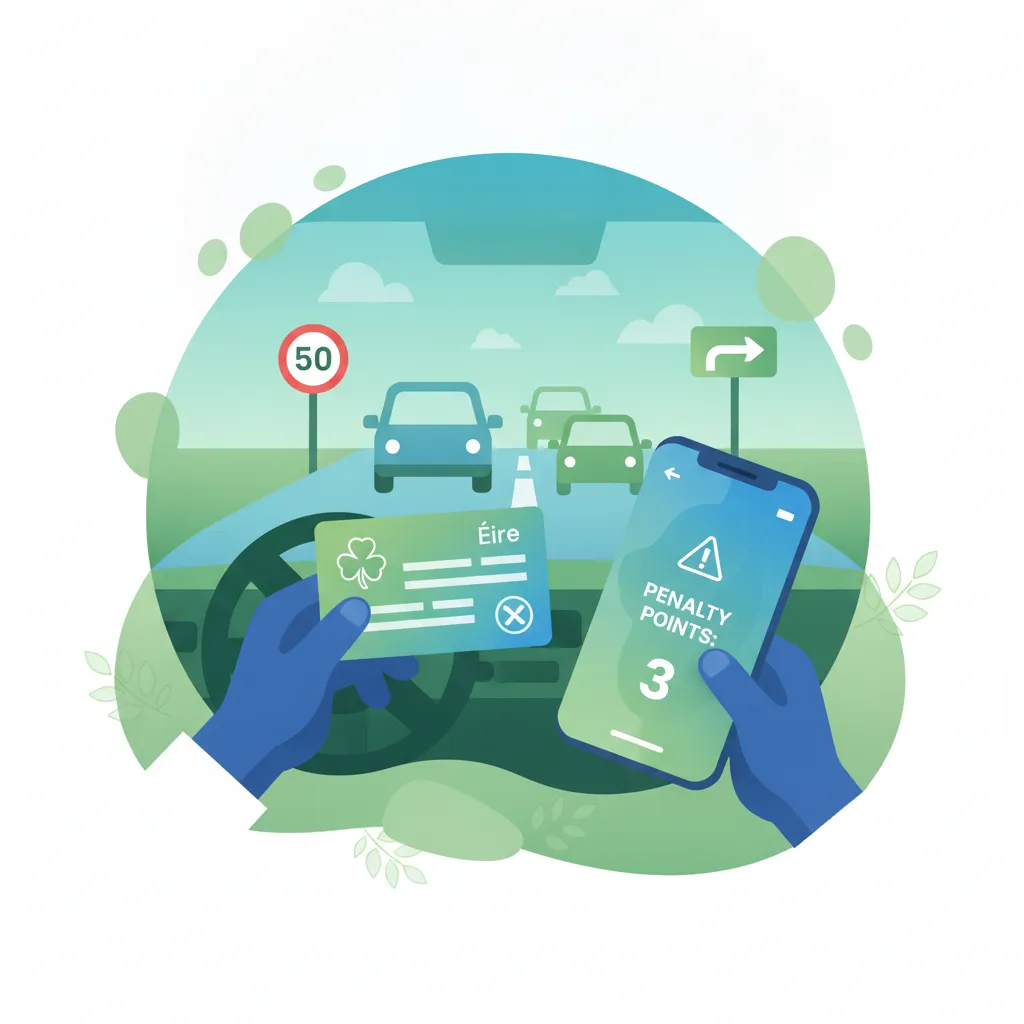
This lesson details the structure of the Irish penalty point system and its implications for novice Category AM riders. It highlights the specific traffic violations that trigger points and the thresholds that result in automatic disqualification. Learners will understand the process of moving from a learner permit to a full driving licence safely.
Violating Irish traffic laws triggers a structured enforcement process, starting with fixed charge notices and ending in severe court-ordered bans. This lesson details the roles of the Garda Síochána and the National Car Testing Service in enforcing safety regulations on roads. You will learn how fines are paid, how penalty points are formally added to your NDLS record, and the legal consequences of driving while disqualified.

This lesson provides a comprehensive overview of the Irish penalty point system and how traffic offences are monitored by An Garda Síochána. It details the accumulation limits that trigger automatic licence suspension, with a focus on special lower thresholds for learner drivers. Learners will explore common traffic violations, such as speeding and reckless riding, which carry statutory point penalties.
Operating commercial passenger vehicles requires strict adherence to Irish road laws to prevent heavy fines, penalty points, or disqualification. This lesson outlines the primary motoring offences, the mechanics of the Irish penalty points system, and active enforcement by An Garda Síochána. Drivers will learn the serious operational and professional consequences of non-compliance, encouraging long-term safe driving habits.
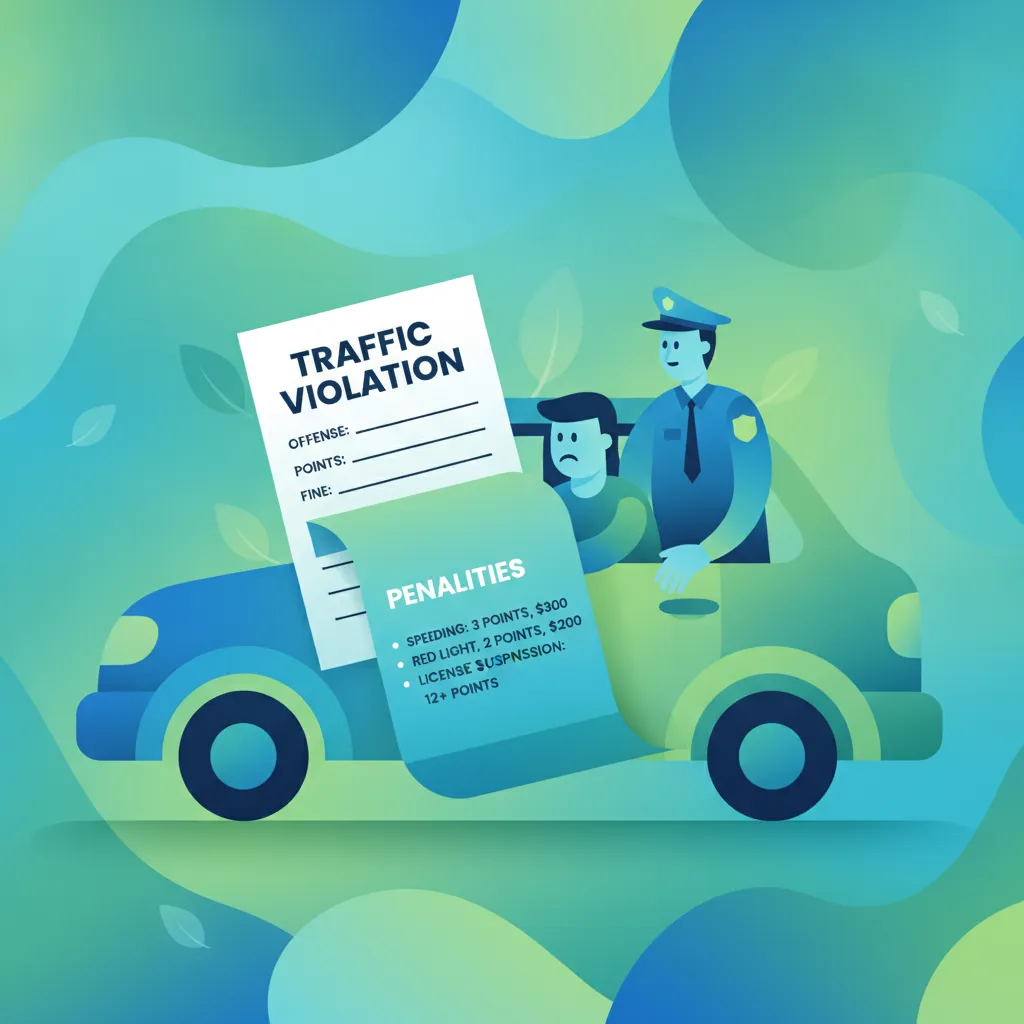
This lesson details the legal consequences of failing to adhere to the Irish Rules of the Road as a Category AM rider. It explains the structure of financial fines, penalty points, and situations that trigger immediate license suspension or disqualification. Understanding these severe penalties emphasizes the importance of consistent compliance and safe road use.

This lesson provides a comprehensive overview of the Irish penalty points system with a specific focus on commercial goods vehicles. It details how enforcement agencies like the Road Safety Authority and Garda Síochána monitor driver compliance and conduct roadside checks. Learners will examine the specific heavy vehicle offences that result in severe fines, penalty points, or immediate licence suspension.

Violating passenger transport laws can lead to severe operator penalties, heavy fines, and the immediate suspension of driving privileges. This lesson examines common operational infractions, including tachograph violations, overloading offences, and driving with defective tires. Drivers will understand their personal legal liabilities under Irish legislation, supporting long-term safety compliance.

This lesson details the legal consequences of non-compliance with Irish road traffic laws, focusing on fixed charge notices, fines, and court prosecutions. It explains how persistent traffic violations can lead to mandatory licence disqualification, vehicle seizure, and soaring insurance premiums. Motorcyclists will learn about the serious long-term impact that a criminal driving record has on employment.
This lesson reinforces the moral, ethical, and legal expectations of commercial drivers on the Irish public road network. It highlights the most frequent compliance violations, including weight infractions, speed, and incorrect logging, which result in heavy operator fines. By embracing a positive safety culture, professional drivers preserve their career standing, safeguard their licences, and protect all citizens.
Find clear answers to common questions learners have about Identifying Common Risk Behaviours and Their Consequences. Learn how the lesson is structured, which driving theory objectives it supports, and how it fits into the overall learning path of units and curriculum progression in Ireland. These explanations help you understand key concepts, lesson flow, and exam focused study goals.
The test often covers speeding, tailgating, improper overtaking, riding under the influence of alcohol or drugs, and ignoring road signs. You must understand both the physical danger and the legal consequences, such as penalty points and fines, associated with these actions.
Fatigue significantly slows reaction times and impairs your ability to judge distances, which is a common topic in the RSA theory exam. The test expects you to know that you should plan regular breaks and avoid long periods of riding without resting.
Yes, as a category A, A1, or A2 licence holder, you are subject to the same penalty point system as any other road user. Offences such as speeding, mobile phone use while riding, or riding without valid insurance will result in penalty points on your record.
Peer pressure is a major factor in risky riding behaviour, often leading to speeding or reckless maneuvers that you might not attempt if riding alone. Recognizing this influence is vital for developing the defensive mindset required by the RSA for safe road use.
Use the practice question search tool to pinpoint specific topics, road signs, or rules you need to master for your official Driver Theory Test. Refine your study strategy and ensure comprehensive preparation for all aspects of the Irish driving exam. Start your focused revision now and build confidence for your learner permit test.