
When driving in Sweden, rain fundamentally changes road conditions by reducing tire grip, increasing stopping distances, and limiting your field of vision. This makes it harder to steer, accelerate, and brake effectively. Understanding these effects and how to mitigate them is crucial for maintaining safety on all road types, from city streets to motorways.
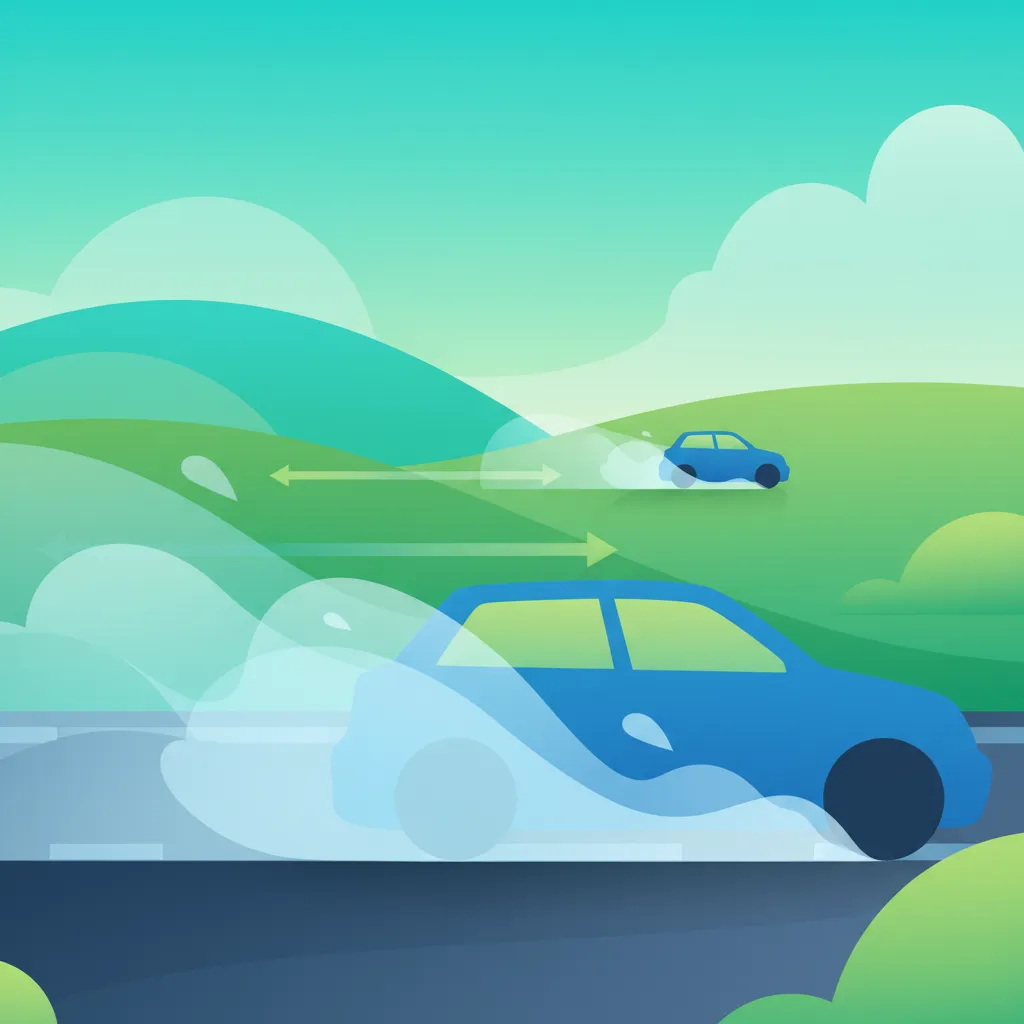
Theory topic content overview
Read the full theory topic guide for Rainy Weather Driving with structured, easy-to-scan content built for learners in Sweden. This detailed section explains the exact rule, meaning, traffic context, comparison points, and exam logic behind this Swedish driving theory topic so you can study faster, understand the concept more clearly, and avoid common interpretation mistakes on the theory test.
Driving in rain fundamentally alters road conditions, demanding significant adjustments from drivers to maintain safety. In Sweden, where weather can change rapidly, understanding these impacts is crucial for anyone behind the wheel. The primary effects of rain are:
These factors compound the risk on Swedish roads, from busy urban streets to high-speed motorways and winding rural routes.
Vattenplaning (Hydroplaning): A Critical HazardOne of the most dangerous phenomena when driving in rain is vattenplaning, known internationally as hydroplaning or aquaplaning. This occurs when a layer of water builds up between your vehicle's tires and the road surface, causing the tires to lose contact with the road entirely. Essentially, your car begins to "float" on the water, turning into an uncontrollable sled.
When vattenplaning happens, you lose:
Vattenplaning:Transportstyrelsen (the Swedish Transport Agency) specifies minimum tread depths, and it's vital to have more than the legal minimum for optimal safety, especially in wet conditions.Moddplaning: A related phenomenon in Sweden, moddplaning refers to losing traction on slush (wet snow), which presents similar risks to vattenplaning and requires similar corrective actions.Vattenplaning:The key is to react calmly and smoothly.
Safe driving in rain requires a proactive and cautious approach.
This is the most crucial adjustment. The posted speed limit is a maximum for ideal conditions, not a target for all conditions. On wet roads, even slightly exceeding a safe speed can drastically increase your stopping distance and the risk of vattenplaning. Adjust your speed significantly, especially on motorways or rural roads where speeds are generally higher.
Give yourself more time and space to react. In rainy conditions, double or even triple your normal following distance. The rule of thumb "three-second rule" should extend to "six seconds" or more. This extra space is vital for braking safely if the vehicle ahead slows or stops suddenly.
halvljus) when it's raining, even during the day. This not only helps you see but, more importantly, makes your vehicle visible to other drivers, particularly through spray.dimljus) should generally not be used in rain alone unless visibility is severely restricted (below 50 meters), and even then, they must not be used with dipped beam headlights. Rear fog lights (dimbakljus) are for extremely poor visibility (e.g., dense fog or heavy snowfall) to make your vehicle visible from behind. Misuse can dazzle other drivers.Avoid sudden acceleration, harsh braking, or abrupt steering inputs. These actions can easily cause a loss of traction on slippery wet roads. Apply controls gently and progressively.
Regularly check your tire pressure and, crucially, your tire tread depth. Good tread is essential for displacing water and preventing vattenplaning. Worn tires are a major hazard in rain.
vägsalt (road salt) residue from winter can also contribute to slipperiness when mixed with rain.vattenplaning risk is high. Adjusting your merge speed and signalling well in advance are critical.vattenplaning. Slow down significantly and try to steer clear of these water channels.Learners and experienced drivers alike can make mistakes in rainy conditions:
varselljus) or misusing fog lights, failing to make the vehicle fully visible.When driving in rain in Sweden, always prioritize visibility, grip, and anticipation. Assume the road is slicker and your reaction time is shorter than usual. Reduce your speed, increase your following distance, ensure your lights are on, and use smooth control inputs. Being mindful of the risks of vattenplaning and knowing how to react if it occurs will make you a safer, more confident driver in all adverse weather conditions. Remember, adapting to the conditions, not just the rules, is the mark of a responsible Swedish driver.
Driving in rain requires significant adaptation because water reduces tire grip, extends stopping distances, and limits visibility. Vattenplaning (vattenplaning) is a critical hazard where tires lose contact with the road entirely, and its risk increases with speed, worn tires, and deep water. The primary defenses are reducing speed below the posted limit, doubling or tripling following distance, using dipped beam headlights (halvljus), and applying controls smoothly. Tires with sufficient tread depth are essential for displacing water, and drivers must be especially cautious during the first rain after a dry spell when roads are most slippery.
A short set of high-value points that capture the most important ideas from this theory explanation.
Rain reduces road grip, increases braking distance, and decreases visibility, requiring fundamental driving adjustments.
Vattenplaning (hydroplaning) occurs when water separates tires from the road, causing complete loss of steering, braking, and acceleration control.
Reducing speed is the single most important adjustment in rain as it directly reduces vattenplaning risk and braking distance.
Always switch on dipped beam headlights (halvljus) when driving in rain to improve both your visibility and your visibility to other drivers.
Worn tire tread is a major hazard in wet conditions because sufficient tread depth is required to channel water away from the tire contact patch.
The posted speed limit is a maximum for ideal conditions; in rain, safe speed is almost always lower than the limit.
The road is most slippery at the very start of rainfall after a dry spell due to accumulated oil, dust, and rubber.
Front fog lights (dimljus) must not be used with dipped beam headlights in rain; rear fog lights (dimbakljus) are only for extreme visibility reduction like dense fog.
Transportstyrelsen specifies minimum tread depths, but more than the legal minimum is recommended for safety in wet conditions.
If vattenplaning occurs, ease off the accelerator smoothly, do not brake suddenly, and keep steering inputs gentle until grip is regained.
Failing to reduce speed adequately, which is the most common and dangerous error in rainy conditions.
Maintaining too close a following distance, eliminating the extra reaction time needed for longer wet braking distances.
Using only daytime running lights (varselljus) instead of switching to full dipped beam headlights, making the vehicle difficult to see through spray.
Ignoring tire condition by continuing to drive with worn tread or incorrect tire pressure, which dramatically worsens wet-weather performance.
Underestimating slipperiness at the start of rainfall after a dry period, when roads are most treacherous.
Start with a short, direct summary of Rainy Weather Driving before reading the full explanation below.
Driving in rain requires significant adjustments due to reduced road grip, longer braking distances, and decreased visibility. Water on the road creates a layer between tires and the surface, increasing the risk of hydroplaning (vattenplaning), where tires lose contact. Drivers must reduce speed, increase following distance, and use appropriate lighting to compensate for these hazards and ensure safe travel.
Review the most important terms, rule signals, and traffic concepts linked to Rainy Weather Driving.
Explore related theory topic pages connected to Rainy Weather Driving and continue with the next useful rule explanation.
See the common search queries learners use when trying to understand Rainy Weather Driving in Sweden.

Dive deeper into specific theory topics, review detailed explanations of road rules, and reinforce your understanding of Swedish traffic regulations. Continue your preparation for the driving licence exam by exploring each core concept in detail.
Explore Driving Theory TopicsTheory topic content overview
A short set of high-value points that capture the most important ideas from this theory explanation.
Rain reduces road grip, increases braking distance, and decreases visibility, requiring fundamental driving adjustments.
Vattenplaning (hydroplaning) occurs when water separates tires from the road, causing complete loss of steering, braking, and acceleration control.
Reducing speed is the single most important adjustment in rain as it directly reduces vattenplaning risk and braking distance.
Always switch on dipped beam headlights (halvljus) when driving in rain to improve both your visibility and your visibility to other drivers.
Worn tire tread is a major hazard in wet conditions because sufficient tread depth is required to channel water away from the tire contact patch.
The posted speed limit is a maximum for ideal conditions; in rain, safe speed is almost always lower than the limit.
The road is most slippery at the very start of rainfall after a dry spell due to accumulated oil, dust, and rubber.
Front fog lights (dimljus) must not be used with dipped beam headlights in rain; rear fog lights (dimbakljus) are only for extreme visibility reduction like dense fog.
Transportstyrelsen specifies minimum tread depths, but more than the legal minimum is recommended for safety in wet conditions.
If vattenplaning occurs, ease off the accelerator smoothly, do not brake suddenly, and keep steering inputs gentle until grip is regained.
Failing to reduce speed adequately, which is the most common and dangerous error in rainy conditions.
Maintaining too close a following distance, eliminating the extra reaction time needed for longer wet braking distances.
Using only daytime running lights (varselljus) instead of switching to full dipped beam headlights, making the vehicle difficult to see through spray.
Ignoring tire condition by continuing to drive with worn tread or incorrect tire pressure, which dramatically worsens wet-weather performance.
Underestimating slipperiness at the start of rainfall after a dry period, when roads are most treacherous.
Start with a short, direct summary of Rainy Weather Driving before reading the full explanation below.
Driving in rain requires significant adjustments due to reduced road grip, longer braking distances, and decreased visibility. Water on the road creates a layer between tires and the surface, increasing the risk of hydroplaning (vattenplaning), where tires lose contact. Drivers must reduce speed, increase following distance, and use appropriate lighting to compensate for these hazards and ensure safe travel.
Review the most important terms, rule signals, and traffic concepts linked to Rainy Weather Driving.
Explore related theory topic pages connected to Rainy Weather Driving and continue with the next useful rule explanation.
See the common search queries learners use when trying to understand Rainy Weather Driving in Sweden.
Dive deeper into specific theory topics, review detailed explanations of road rules, and reinforce your understanding of Swedish traffic regulations. Continue your preparation for the driving licence exam by exploring each core concept in detail.
Explore Driving Theory TopicsUse this exam-focused revision tip to understand how Rainy Weather Driving is likely to appear in theory questions for learners in Sweden. This section helps you identify the most testable part of the rule, avoid common traps, and remember the concept more effectively during Swedish driving theory exam preparation.
The Swedish theory exam frequently tests your understanding of how to adapt to adverse weather. Remember that reduced speed and increased following distance are your primary defenses against reduced grip and hydroplaning (vattenplaning). Pay special attention to questions involving speed limits on wet roads and what actions to take if you feel your car losing traction.
Read direct answers to the most common learner questions about Rainy Weather Driving in Sweden. This FAQ focuses on rule confusion, practical meaning, comparison with similar concepts, and the exact uncertainties that appear most often in Swedish driving theory revision and exam preparation.
The primary risks include reduced tire grip leading to less effective braking and steering, decreased visibility due to rain and spray, and the danger of hydroplaning (vattenplaning) where tires lose contact with the road surface.
Rain dramatically increases braking distance because water on the road reduces friction between tires and the pavement. This means your vehicle will need a longer distance to come to a complete stop compared to dry conditions.
Hydroplaning, known as vattenplaning in Swedish, occurs when a layer of water builds up between your tires and the road surface, causing the tires to lose traction. Your vehicle effectively floats on the water, making it impossible to steer or brake effectively.
You must significantly reduce your speed in rainy conditions. Lower speeds help maintain tire contact with the road, reduce the risk of hydroplaning, and give you more time to react to hazards, especially important on Swedish roads where conditions can change quickly.
In Sweden, you must use dipped headlights (halvljus) even during daylight hours when visibility is reduced due to rain, fog, or snow. This makes your vehicle more visible to others and helps you see the road ahead clearly.
If your car starts to hydroplane, remain calm. Do not brake hard or make sudden steering movements. Instead, slowly ease off the accelerator and keep the steering wheel pointed straight ahead until your tires regain contact with the road. Pushing the clutch pedal down can also help.
You should significantly increase your following distance in rain, ideally doubling or even tripling the distance you would normally keep in dry conditions. This provides a greater margin for error and allows for longer braking distances.
Refine your study plan by exploring practice sets on specific Swedish traffic rules, road signs, or driving situations. Use the search to quickly access relevant questions and focus your preparation for the official driving licence theory exam.