This lesson explores the essential mindset and habits required for professional goods vehicle drivers in Turkey. By focusing on safety culture and self-improvement, you will learn how to maintain high professional standards that go beyond basic regulatory compliance.

Lesson content overview
Operating heavy goods vehicles such as C1, C, C1E, or CE category vehicles involves high-stakes responsibilities. Under the Turkish Highway Traffic Regulation (Karayolları Trafik Yönetmeliği), driving a commercial vehicle is not merely a job but a highly regulated profession that requires specialized knowledge, physical fitness, and constant adaptation. To remain safe, compliant, and efficient on the road, professional drivers must shift their mindset from "basic licensing" to a lifelong commitment to Continuous Professional Development (CPD) and an active organizational safety culture.
This lesson explores how continuous training, proactive risk management, and structured safety practices directly reduce road accidents, lower operational costs, and elevate the status of the commercial driving profession in Turkey.
Continuous Professional Development (CPD) is the systematic and ongoing process of acquiring, maintaining, and updating the skills, knowledge, and physical competencies required throughout a driver’s professional career. In the transport sector, relying solely on the training received when first earning a driver's license is a dangerous mistake. Regulations, vehicle technologies, and road environments change rapidly, making regular updates essential.
The ongoing, structured process of learning and skill acquisition that ensures a professional remains competent, compliant, and highly capable in their field throughout their career.
In Turkey, the Ministry of Transport and Infrastructure (Ulaştırma ve Altyapı Bakanlığı) enforces mandatory qualification standards. For goods transportation, drivers must obtain and maintain the appropriate Professional Competence Certificate, commonly known as the SRC Certificate (SRC Belgesi).
Neglecting these professional development standards is a serious regulatory violation. Failing to update professional credentials or ignoring mandatory training can result in heavy administrative fines under the Road Transport Law (Karayolları Taşıma Kanunu), suspension of professional driving privileges, and the invalidation of commercial vehicle insurance policies in the event of an accident.
A safety culture (güvenlik kültürü) refers to the shared values, beliefs, attitudes, and behaviors regarding risk and safety within an organization or across an entire industry. It determines how safety rules are perceived and executed on a daily basis. When a transport company has a strong safety culture, safety is not treated as a bureaucratic chore; it is an active priority that guides every single decision, from speed management to cargo securement.
A functional safety culture relies on three core pillars:
To achieve excellence and maintain safety on public roads, professional drivers must integrate several core principles into their daily routines.
Technology in heavy vehicles is advancing rapidly. Today's C and CE license holders must understand complex safety systems, including Electronic Stability Control (ESC), Advanced Emergency Braking Systems (AEBS), and Lane Departure Warning Systems (LDWS). Lifelong learning ensures that drivers can confidently operate these advanced vehicle technologies rather than resisting or disabling them.
A reactive driver only responds when a hazard appears. A proactive driver actively scans the driving environment, anticipates potential risks, and takes preventative action before a hazard manifests. This mindset requires constant situational awareness, particularly when navigating high-risk environments like congested urban delivery zones or steep mountain passes.
Experienced drivers possess invaluable practical knowledge about specific routes, local hazards, and complex loading procedures. In a professional transport environment, this knowledge should not be kept secret. Through formal safety briefings or informal peer mentoring, experienced drivers help guide newer drivers, strengthening the entire team's safety margin.
Assess Vehicle and Cargo State: Verify that the cargo is properly secured, weight distribution is within legal limits, and the vehicle pre-trip safety checklist is completed.
Check Weather and Route Conditions: Review local forecasts and road reports, paying attention to potential hazards such as fog, ice, or road construction.
Evaluate Physical Fitness: Honestly assess your level of fatigue, alertness, and overall health before sitting behind the wheel.
Formulate Contingency Plans: Identify safe parking spots and alternative routes in case of unexpected delays, extreme weather, or road closures.
Maintaining a high standard of professional driving requires regular, objective feedback. Transport companies utilize both quantitative and qualitative methods to evaluate driver performance and direct targeted training efforts.
Modern commercial vehicles are equipped with telematics systems that record key driving metrics, such as:
These metrics are not used solely for punishment. Instead, they serve as diagnostic tools to identify specific driving habits that require correction through focused coaching or practical driver retraining.
In Turkey, the evaluation of professional drivers extends beyond basic on-road checks. Under Article 79 of the Turkish Highway Traffic Regulation, commercial drivers must undergo a mandatory Psychotechnical Evaluation (Psikoteknik Değerlendirme) every five years.
This specialized assessment is conducted by approved centers and utilizes computerized testing systems to evaluate critical cognitive and psychomotor skills, including:
Passing this assessment is a strict legal requirement to maintain your professional driving credentials. A negative psychotechnical report indicates that a driver's cognitive or motor skills have degraded to a level that poses a threat to public safety, resulting in the temporary suspension of their commercial driving privileges.
A key element of a driver's professional conduct is their interaction with law enforcement, such as the Traffic Police (Trafik Polisi) and the Gendarmerie Traffic teams (Jandarma Trafik). Commercial vehicles are frequently subjected to roadside safety checks, weight measurements, and driving time audits.
During an official inspection, a professional driver must display exemplary conduct:
Continuous professional development ensures that drivers know how to adjust their driving strategies based on changing external conditions. Safe vehicle operation is highly dependent on adapting to variable environments.
To build a safe, compliant, and sustainable career in the commercial transport sector, you must adhere to the following checklist of professional standards:
Explore all units and lessons included in this driving theory course.
Lesson content overview
Explore all units and lessons included in this driving theory course.
Explore search topics learners often look for when studying Continuous Professional Development and Safety Culture. These topics reflect common questions about road rules, driving situations, safety guidance, and lesson level theory preparation for learners in Turkey.
Browse additional driving theory lessons that cover connected traffic rules, road signs, and common driving situations related to this topic. Improve your understanding of how different rules interact across everyday traffic scenarios.
Understand the legal framework governing professional goods vehicle drivers in Turkey, including interaction with traffic authorities, accurate record keeping for tachograph compliance, and the administrative importance of the SRC certificate for commercial transport operations under the Highway Traffic Regulation.
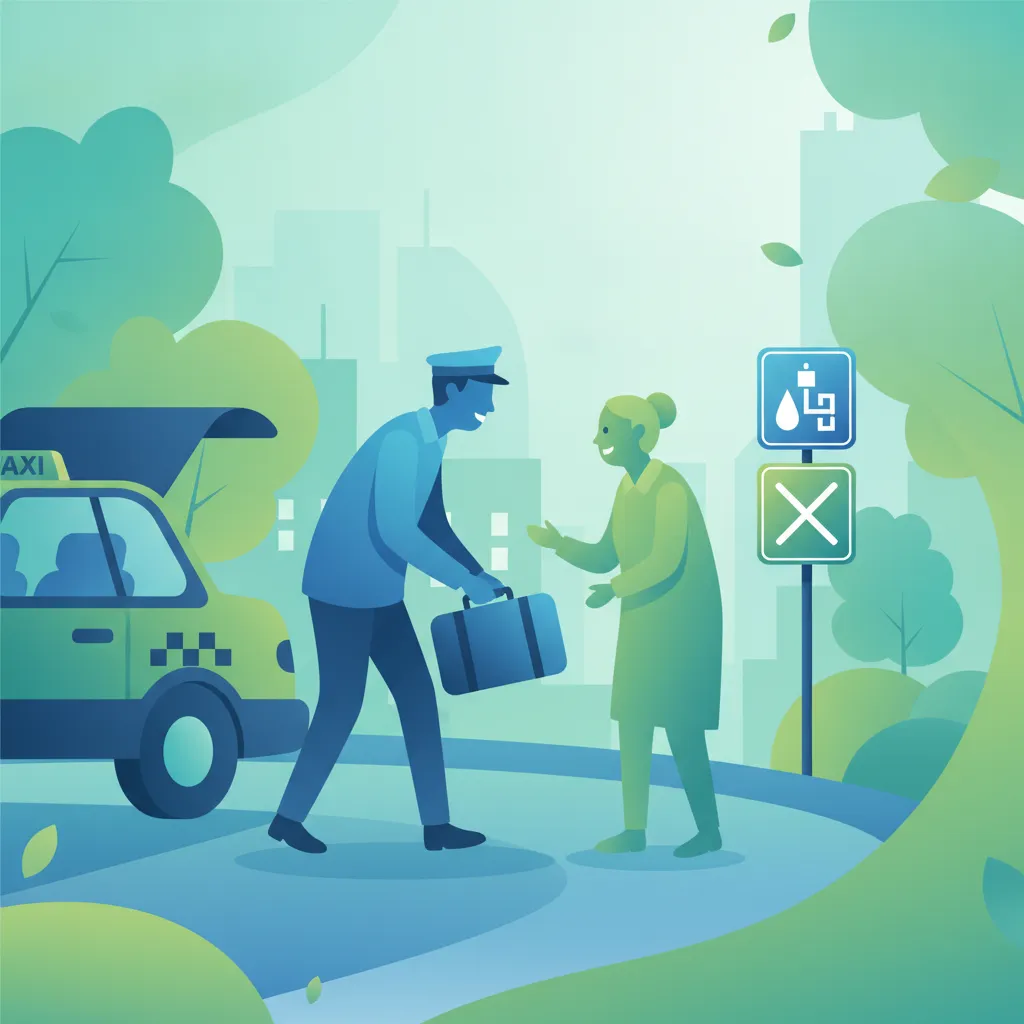
This lesson delves into the ethical responsibilities and professional standards expected of goods vehicle drivers, emphasizing their pivotal role in ensuring traffic safety. It explores the duty of care owed to other road users and the broader societal expectations placed upon professional drivers. Learners will examine how their conduct directly influences public trust and overall traffic flow in urban environments.

This lesson focuses on the importance of maintaining professional conduct when interacting with traffic authorities, law enforcement, and the general public. Learners will explore communication techniques that convey respect and courtesy, even in stressful situations. Emphasis is placed on upholding a positive image of the transportation industry and resolving conflicts amicably on the road.
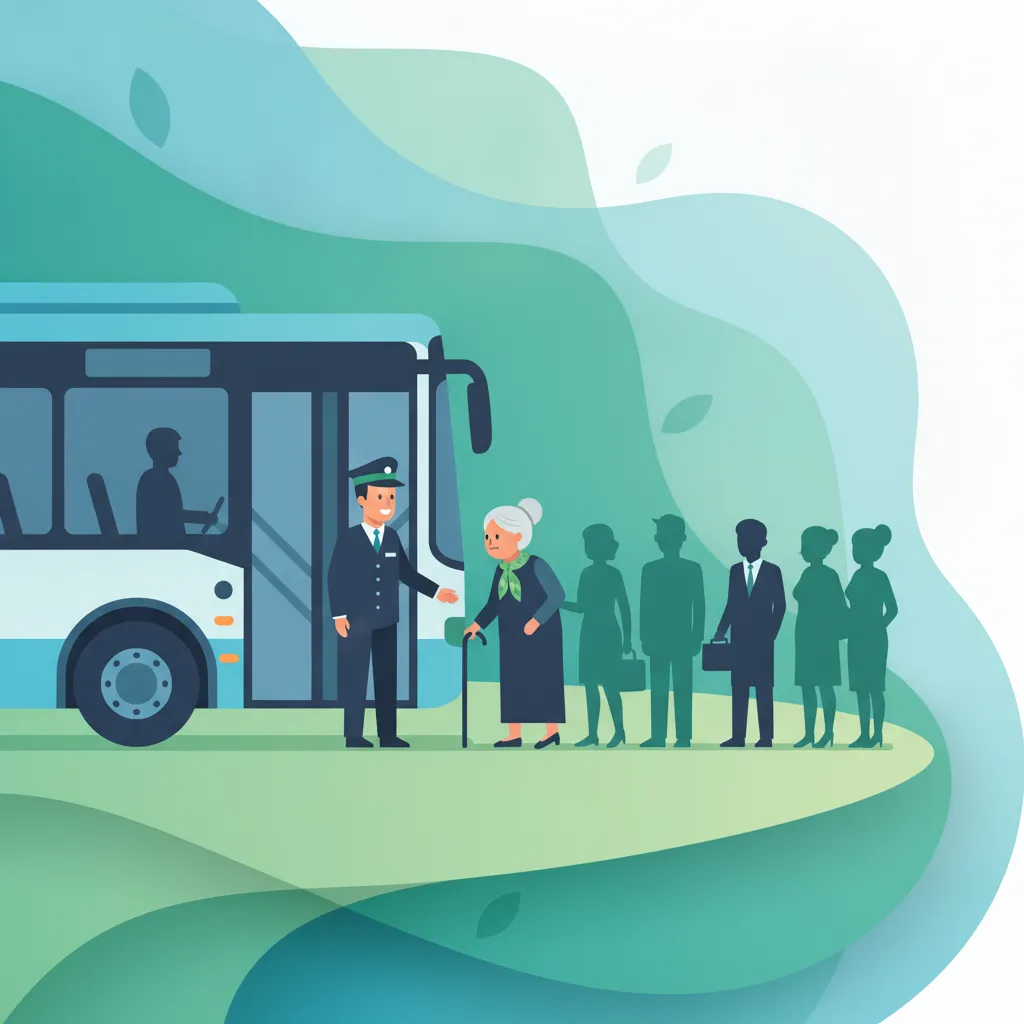
This lesson explores the standards of conduct expected from passenger vehicle drivers, emphasizing ethical decision-making and interactions with passengers and the public. It covers the impact of driver behaviour on public perception, the importance of maintaining a professional image, and the responsibilities inherent in transporting passengers safely and courteously. Learners will develop an understanding of how ethical practices contribute to service excellence and public trust.
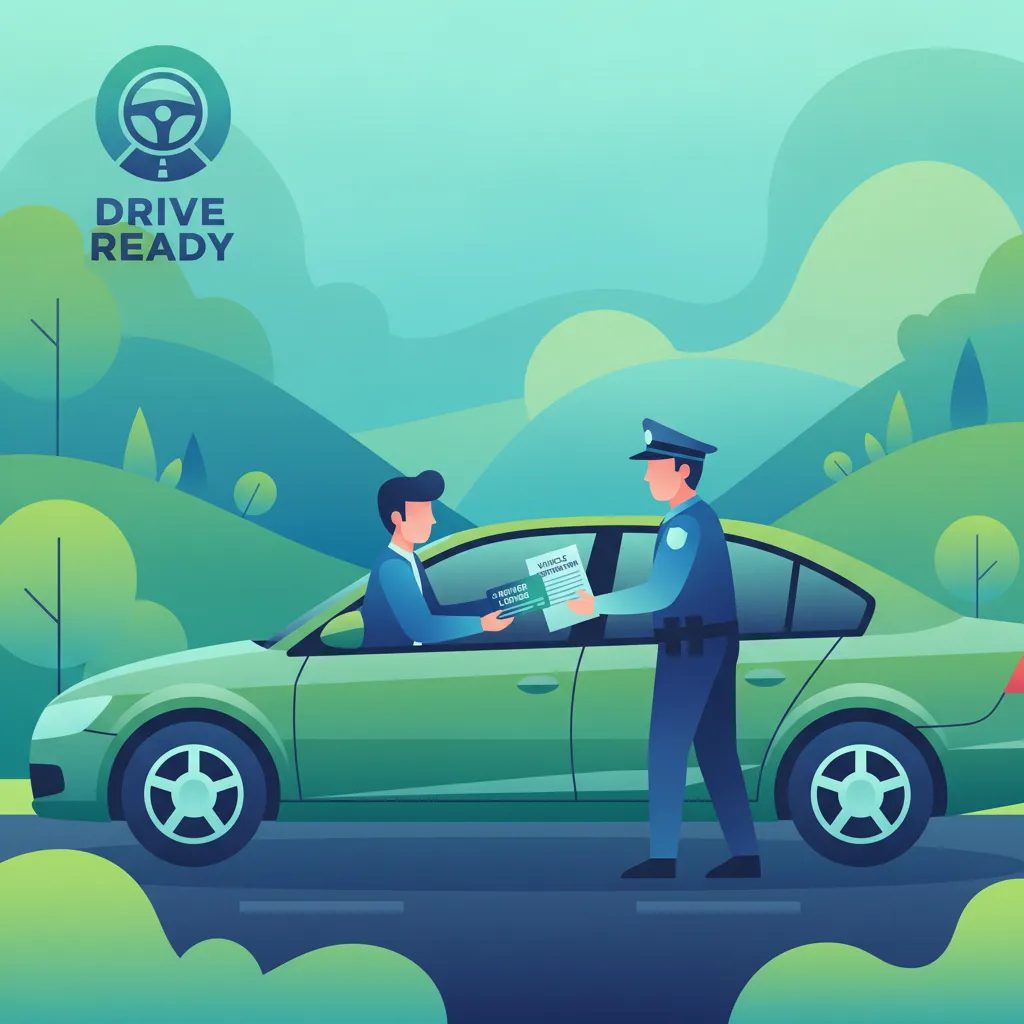
This lesson details the statutory duties imposed on motor vehicle drivers by Turkish traffic legislation to maintain order on public roads. It emphasizes mandatory seat belt usage, mobile phone bans, vehicle inspection rules, and general compliance with police directions. Understanding these duties ensures drivers avoid heavy penalties and maintain road safety.
This lesson examines the integral role of the goods vehicle driver in contributing to overall traffic safety and a positive safety culture. It focuses on proactive driving behaviors, hazard identification, and effective risk management strategies. Communication techniques with other road users, compliance with traffic flow regulations, and competent emergency responses are highlighted as essential skills.

This lesson outlines the spectrum of penalties and legal consequences that goods vehicle drivers may face for violating traffic regulations. It details the types of infractions, ranging from minor violations to serious offenses, and explains the corresponding fines, points, and license suspensions. Learners will gain an understanding of the enforcement mechanisms and how repeat offenses can exacerbate penalties.

This lesson emphasizes the critical importance of maintaining accurate and up-to-date documentation for professional goods vehicle operation. It covers essential documents such as driver's licences, vehicle registration, logbooks, cargo permits, and inspection certificates. Learners will understand the legal requirements for record keeping and the role of tachographs in monitoring driver activity.

Learners will examine the broader concept of fostering a safety-oriented and professional culture within passenger transport services. The lesson discusses the impact of driver attitudes on passenger trust, the importance of ongoing safety training, and the role of ethical conduct in enhancing service quality. Strategies for promoting a proactive safety mindset among drivers and staff are presented.
This lesson outlines the legal framework governing passenger vehicle operation, highlighting the penalties for various offences, such as speeding, failure to adhere to stop procedures, or neglecting passenger safety protocols. Learners will understand the importance of compliance to avoid fines, licence suspension, or other legal actions, and the role of regulatory bodies in enforcement.

This lesson focuses on the health and fitness criteria required for passenger vehicle drivers, outlining the medical examinations and certifications needed to maintain a valid licence. Additionally, it emphasizes the importance of continuing education and professional development to keep drivers updated on new regulations, technologies, and best practices. By prioritizing driver health and lifelong learning, the overall safety and quality of passenger transport are enhanced.
Explore the core pillars of safety culture, including proactive hazard identification, near-miss reporting, and vehicle telematics usage. Learn how these professional practices help drivers anticipate risks on rural roads, motorways, and in urban delivery environments while maintaining high safety standards for heavy goods vehicles.
This lesson examines the integral role of the goods vehicle driver in contributing to overall traffic safety and a positive safety culture. It focuses on proactive driving behaviors, hazard identification, and effective risk management strategies. Communication techniques with other road users, compliance with traffic flow regulations, and competent emergency responses are highlighted as essential skills.

This lesson focuses on protecting vulnerable road users, such as pedestrians, cyclists, and motorcyclists, in mixed traffic environments. Learners will examine specific strategies for increased vigilance, anticipatory driving, and properly yielding to these users. The lesson also covers high-risk zones, such as school areas and public transport stops, emphasizing the need for heightened safety.
Learners will examine the broader concept of fostering a safety-oriented and professional culture within passenger transport services. The lesson discusses the impact of driver attitudes on passenger trust, the importance of ongoing safety training, and the role of ethical conduct in enhancing service quality. Strategies for promoting a proactive safety mindset among drivers and staff are presented.
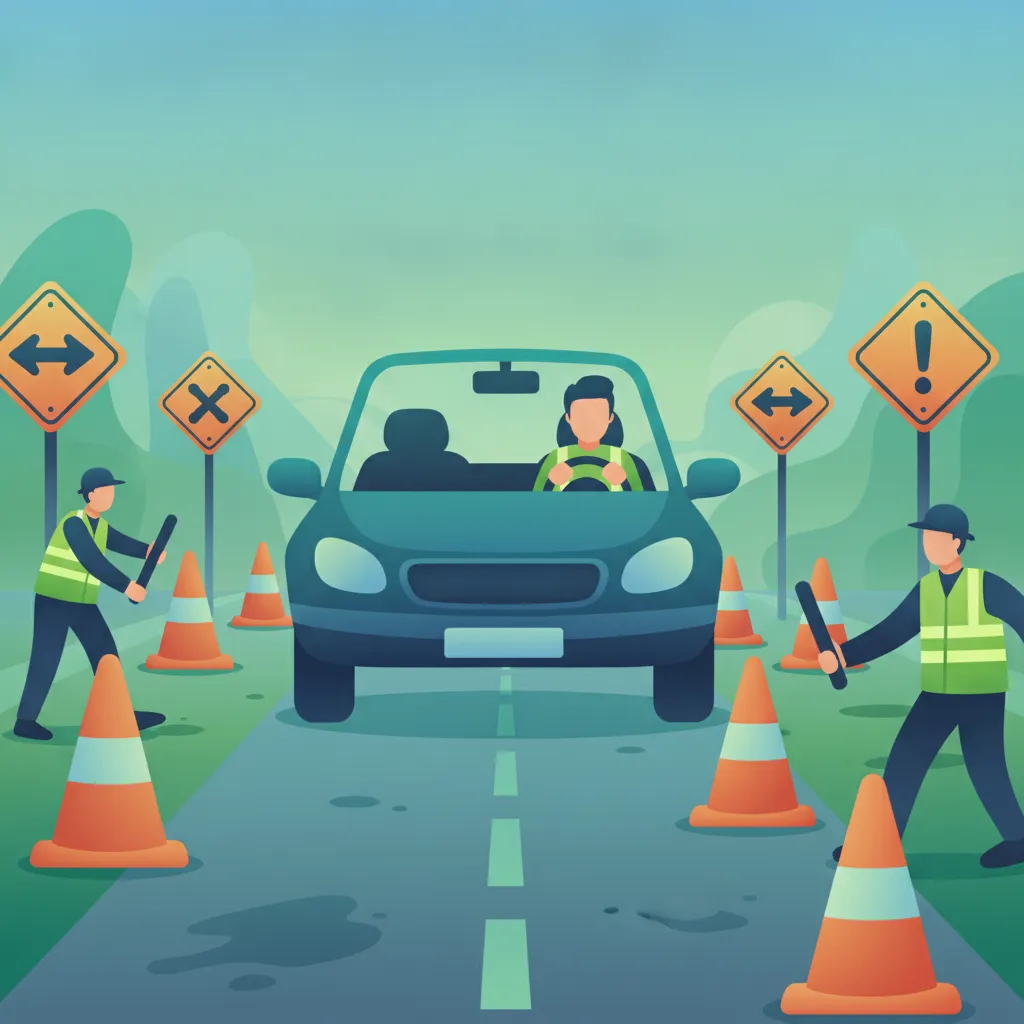
This lesson focuses on the safe navigation of goods vehicles through roadworks and construction zones. Learners will examine the importance of recognizing temporary signs, adhering to reduced speed limits, and maintaining heightened caution around workers and equipment. The lesson emphasizes the need for special attention due to the altered road environment and hazards specific to heavy vehicles.
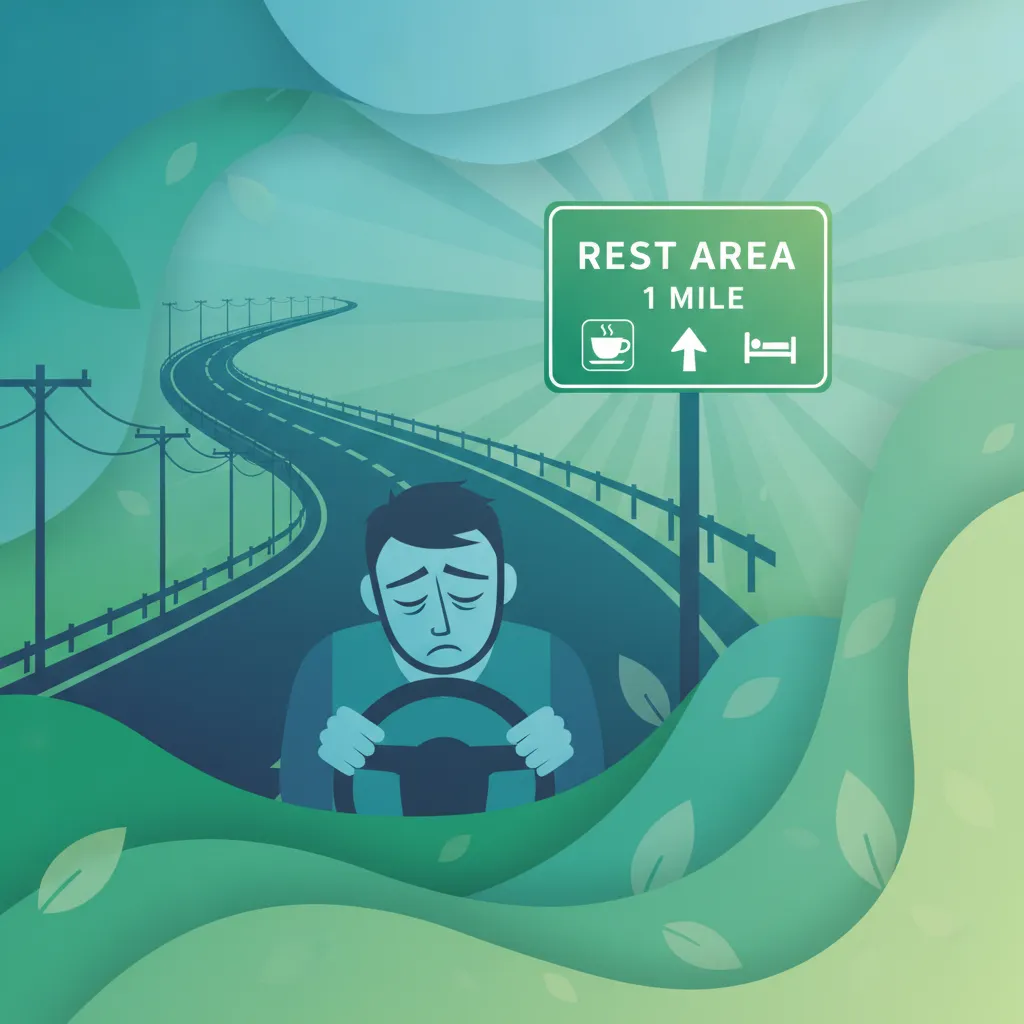
This lesson focuses on recognizing the signs of driver fatigue and implementing effective strategies to manage it while operating a goods vehicle. Learners will understand the health risks associated with prolonged driving periods, the importance of regular rest breaks, and techniques to maintain alertness. Emphasis is placed on fatigue mitigation measures to ensure safe driving and prevent accidents.
Find clear answers to common questions learners have about Continuous Professional Development and Safety Culture. Learn how the lesson is structured, which driving theory objectives it supports, and how it fits into the overall learning path of units and curriculum progression in Turkey. These explanations help you understand key concepts, lesson flow, and exam focused study goals.
Professional goods vehicle drivers operate large, heavy vehicles that carry significant risk. A strong safety culture ensures that drivers go beyond mere rule-following by actively identifying hazards and prioritizing the safety of vulnerable road users in all traffic conditions.
Ongoing training helps you stay updated on the latest Turkish traffic regulations, technical vehicle advancements, and defensive driving techniques. This keeps your skills sharp, which directly reduces the likelihood of traffic violations, accidents, and penalty points on your license.
Yes, the Turkish professional driving theory exam includes questions regarding the moral and legal responsibilities of a professional driver. These questions assess your understanding of how your behavior impacts public safety and the professional reputation of the transport industry.
Absolutely. In dense urban environments, a driver with a strong safety culture is more vigilant about blind spots, pedestrian movements, and tight clearances, leading to safer maneuvers and a lower risk of incidents in delivery zones.
Use our comprehensive practice search to find exactly the Turkish driving theory questions you need to master. Whether reviewing specific road signs, traffic rules, or first aid scenarios, select your perfect practice set and boost your confidence for the official ehliyet sınavı.