
This lesson details the legal consequences of traffic violations for professional goods vehicle operators. By understanding penalty points, administrative fines, and the risks of license suspension, you will be better prepared for both the MTSK theory exam and your professional career.
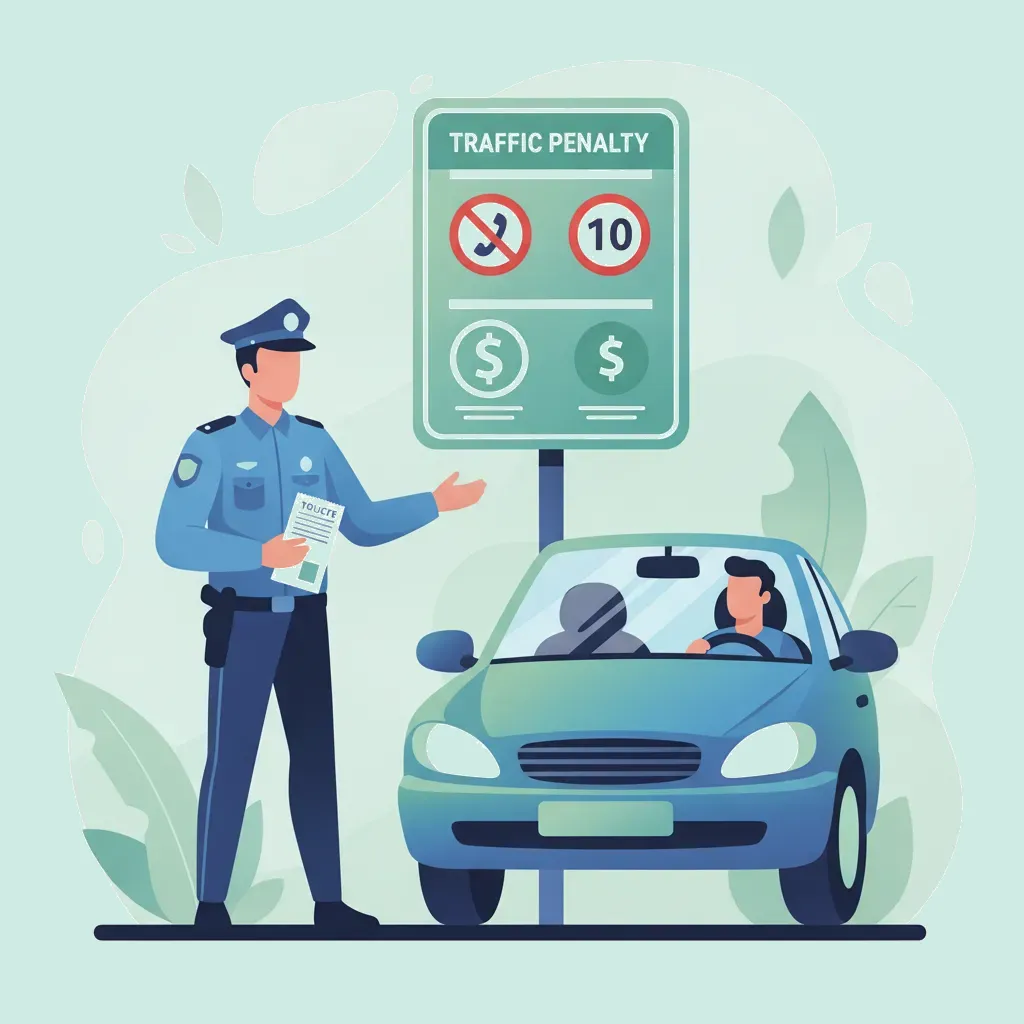
Lesson content overview
Operating a commercial goods vehicle—such as a heavy truck, tractor-trailer, or specialized delivery van—demands a heightened level of responsibility. Because of the sheer mass and size of vehicles in classes C1, C, C1E, and CE, any traffic violation or safe-driving oversight can have catastrophic consequences.
The Turkish Highway Traffic Regulation (Karayolları Trafik Yönetmeliği) establishes a strict legal framework designed to enforce compliance, deter unsafe behaviors, and remove high-risk drivers from the road.
This lesson provides an in-depth analysis of traffic violations, administrative and criminal penalties, the demerit point system, and the immediate operational impact these laws have on professional drivers.
The primary legislation governing road safety in Turkey is the Highway Traffic Law No. 2918 (Karayolları Trafik Kanunu), supplemented by detailed execution procedures in the Highway Traffic Regulation. These regulations do not merely exist to punish; they serve as a public safety intervention.
For professional drivers, compliance is doubly critical. A single severe infraction can result in the immediate loss of your professional license, disrupting your livelihood and exposing your employer to substantial vicarious liability.
                  ┌─────────────────────────────────────┐
                  │   Highway Traffic Law (No. 2918)    │
                  └──────────────────┬──────────────────┘
                                     │
                  ┌──────────────────▼──────────────────┐
                  │ Turkish Highway Traffic Regulation  │
                  └──────────────────┬──────────────────┘
                                     │
         ┌───────────────────────────┴───────────────────────────┐
         ▼                                                       ▼
┌──────────────────┐                                   ┌──────────────────┐
│  Administrative  │                                   │     Criminal     │
│    Penalties     │                                   │    Penalties     │
│ (Fines, Points)  │                                   │ (Trials, Prison) │
└──────────────────┘                                   └──────────────────┘
The law operates under four core legal principles:
The Turkish legal system divides traffic consequences into two primary categories: administrative actions and criminal actions. Understanding where a violation falls is essential for managing your legal defense and professional standing.
Administrative penalties are non-criminal sanctions issued directly by traffic police, municipal enforcement, or electronic monitoring systems (such as TEDES or EDS). These do not result in a criminal record but can severely restrict your right to drive.
In Turkey, paying an administrative traffic fine within 15 calendar days of receiving the notification grants a 25% discount on the total fine amount. This does not, however, erase the demerit points associated with the ticket.
When a traffic violation crosses the line from simple negligence to reckless endangerment, bodily harm, or loss of life, it enters the domain of the Turkish Penal Code (Türk Ceza Kanunu).
The demerit point system is a cumulative mechanism used to track driver behavior over a rolling 12-month period. Every traffic ticket you receive carries both a financial fine and a specific number of demerit points (typically 5, 10, 15, or 20 points, depending on the severity of the offense).
A numerical tracking system where points are added to a driver's record for traffic violations. Accumulating 100 points within a single calendar year triggers an automatic license suspension.
Your active point total is calculated on a rolling 12-month basis. If you reach or exceed 100 demerit points within one year, the administrative warning system triggers an immediate progressive suspension:
First 100-Point Accumulation: Your driving license is suspended for a period of 2 months. To regain your license, you must complete a mandatory traffic safety education course at an authorized driving school.
Second 100-Point Accumulation (Within the Same Year): Your license is suspended for 4 months. Before reinstatement, you must undergo a comprehensive psychotechnical evaluation (psikoteknik değerlendirme) and a psychiatric examination to prove your mental and physical fitness to drive.
Third 100-Point Accumulation (Within the Same Year): Your license is permanently revoked. You must wait out any court-mandated periods, retake all driving exams, and secure a new medical clearance.
To maintain your commercial driver status, you must memorize and adhere to the strict operating rules dictated by the Turkish Highway Traffic Regulation. Below are the most common violations, their safety rationales, and how they apply to heavy vehicles.
Speeding in a heavy goods vehicle (C, CE) is treated with extreme severity because of kinetic energy. A fully loaded truck traveling at 90 km/h requires up to double the stopping distance of a standard passenger car.
Turkish speed penalties are scaled based on the percentage by which you exceed the speed limit:
Penalties increase dramatically in residential areas (meskun mahal), school zones, and active roadworks. For heavy vehicles, tachograph (takograf) records are used by traffic inspectors to verify speed history over the preceding 28 days.
Ignoring traffic control signals at intersections is one of the leading causes of side-impact collisions involving trucks.
Improper headlamp use significantly increases the risk of night-time and low-visibility collisions. The regulation strictly dictates when to use dipped beams (yakın ışıklar) and main beams (uzak ışıklar).
A common misconception among heavy truck drivers is that their elevated cabin height protects them in a crash, making seat belts unnecessary. This is false. In a rollover or jackknife event, an unbelted driver is thrown around the cabin, losing all control of the steering wheel and brakes, often resulting in fatal ejections.
For commercial transport operations involving pharmaceutical products, raw chemical precursors, or highly controlled medical supplies, drivers and transport companies must hold specialized transport credentials.
To encourage rehabilitation before harsh license confiscation occurs, the Turkish traffic enforcement structure utilizes a progressive warning system (uyarı sistemi).
[Minor First Offense] ──► Official Warning / Administrative Fine
                                  │
                                  ▼
[Point Accumulation]  ──► Demerit Points Logged (e.g., 20, 50, 80 Points)
                                  │
                                  ▼
[100-Point Threshold] ──► 2-Month Suspension & Retraining Course
                                  │
                                  ▼
[2nd 100-Point Limit] ──► 4-Month Suspension & Psychotechnical Exam
                                  │
                                  ▼
[3rd 100-Point Limit] ──► Permanent License Revocation
For certain first-time minor infractions (such as minor parking violations or failing to carry physical registration documents that are verifiable online), officers may issue a formal warning instead of an administrative fine. However, for moving violations like speeding, red lights, or headlight misuse, points are assessed immediately.
The severity of a violation is not judged in a vacuum. Judges, traffic officers, and prosecutors evaluate the environmental conditions surrounding the offense to determine the final penalty or criminal charge.
| Environmental Factor | Impact on Violations and Penalties | Correct Driver Response |
|---|---|---|
| Adverse Weather | Penalties for headlamp misuse, speeding, or tailgating double in practical risk. A crash in fog due to high-beam misuse can be classified as "conscious negligence" (bilinçli taksir) in criminal court. | Switch to dipped beams; double your following distance; reduce speed well below the legal maximum. |
| Road Type | Speeding penalties carry different baseline limits on motorways (otoyol) versus narrow rural roads or residential zones. | Strictly observe local speed limits; assume lower thresholds apply in residential areas. |
| Overloaded Cargo | Overloaded vehicles (tonaj sınırı ihlali) face massive financial fines. Additionally, any speeding ticket received while overloaded is treated with high severity due to increased stopping distance. | Always verify axle weights and total vehicle weight at a scale station (karayolları denetim istasyonu) before starting your journey. |
| Time of Day | Not using headlamps or driving with failed tail lights at night carries severe demerit points and can result in immediate vehicle impoundment. | Perform a full pre-trip exterior lighting check before sunset or when entering tunnels. |
To build an outstanding safety culture, you must understand the direct correlation between your operational decisions and their physical and legal outcomes:
This lesson covers the comprehensive Turkish traffic penalty framework for professional C-class drivers, including the dual system of administrative penalties (fines, demerit points, vehicle impoundment) and criminal penalties (prosecution, imprisonment, license revocation). The demerit point system tracks violations on a rolling 12-month basis, with 100 points triggering progressive consequences escalating from a 2-month suspension with retraining to permanent license revocation after three accumulations. Specific violation penalties include 20 points for red-light violations, 15 points for seatbelt non-compliance, and percentage-based scaling for speeding offenses. Environmental conditions such as adverse weather and overloaded cargo can elevate both practical risk and legal consequences, making compliance critical for maintaining professional driving credentials in Turkey.
A short set of high-value points that capture the most important learning from this lesson.
The Turkish demerit point system operates on a rolling 12-month basis where reaching 100 points triggers progressive license suspension: 2 months (first offense), 4 months with psychotechnical evaluation (second), and permanent revocation (third).
Traffic violations are divided into administrative penalties (fines, points, vehicle impoundment) and criminal penalties (prosecution, imprisonment, permanent license cancellation) depending on severity.
Heavy vehicle speed penalties are scaled by percentage over the limit, with dramatically increased consequences in residential areas, school zones, and roadworks, and verified through tachograph records.
Headlight use is governed by the 150-meter rule: dipped beams mandatory at 150m visibility or less or in urban areas, main beams only on dark unlit highways beyond 150m with no nearby vehicles.
Transporting controlled pharmaceutical products requires an Eczane Ruhsatı (pharmacy transport permit); operating without this specialized credential can trigger immediate vehicle impoundment and criminal prosecution.
Explore all units and lessons included in this driving theory course.
Red light violation carries 20 demerit points, and three suspensions within one year from red-light offenses results in 30-day license confiscation plus mandatory psychotechnical evaluation.
Seat belt non-compliance costs 15 demerit points; elevated cabin height does not protect drivers from ejection in rollover or jackknife events.
Paying administrative fines within 15 calendar days grants a 25% discount but does not erase the associated demerit points.
Environmental conditions such as adverse weather or overloaded cargo can double the practical severity of penalties and potentially elevate a violation to criminal negligence in court.
The psychotechnical evaluation (psikoteknik değerlendirme) is required after a second 100-point suspension before license reinstatement.
Assuming that paying a fine erases demerit points; the 25% discount applies only to the monetary amount, not the point balance.
Using main beams in fog, rain, or snow, which creates a dangerous white-out effect by reflecting light off water droplets or snowflakes back into the driver's eyes.
Believing that heavy truck cabin height makes seat belts unnecessary; unbelted drivers lose control during rollover or jackknife events.
Misunderstanding when main beams are permitted; they require visibility exceeding 150 meters with no vehicles ahead or oncoming, not simply darkness.
Confusing vehicle impoundment (Trafikten men) with license suspension; impoundment is the physical seizure of the vehicle, not just driving privileges.
Lesson content overview
A short set of high-value points that capture the most important learning from this lesson.
The Turkish demerit point system operates on a rolling 12-month basis where reaching 100 points triggers progressive license suspension: 2 months (first offense), 4 months with psychotechnical evaluation (second), and permanent revocation (third).
Traffic violations are divided into administrative penalties (fines, points, vehicle impoundment) and criminal penalties (prosecution, imprisonment, permanent license cancellation) depending on severity.
Heavy vehicle speed penalties are scaled by percentage over the limit, with dramatically increased consequences in residential areas, school zones, and roadworks, and verified through tachograph records.
Headlight use is governed by the 150-meter rule: dipped beams mandatory at 150m visibility or less or in urban areas, main beams only on dark unlit highways beyond 150m with no nearby vehicles.
Transporting controlled pharmaceutical products requires an Eczane Ruhsatı (pharmacy transport permit); operating without this specialized credential can trigger immediate vehicle impoundment and criminal prosecution.
Explore all units and lessons included in this driving theory course.
Red light violation carries 20 demerit points, and three suspensions within one year from red-light offenses results in 30-day license confiscation plus mandatory psychotechnical evaluation.
Seat belt non-compliance costs 15 demerit points; elevated cabin height does not protect drivers from ejection in rollover or jackknife events.
Paying administrative fines within 15 calendar days grants a 25% discount but does not erase the associated demerit points.
Environmental conditions such as adverse weather or overloaded cargo can double the practical severity of penalties and potentially elevate a violation to criminal negligence in court.
The psychotechnical evaluation (psikoteknik değerlendirme) is required after a second 100-point suspension before license reinstatement.
Assuming that paying a fine erases demerit points; the 25% discount applies only to the monetary amount, not the point balance.
Using main beams in fog, rain, or snow, which creates a dangerous white-out effect by reflecting light off water droplets or snowflakes back into the driver's eyes.
Believing that heavy truck cabin height makes seat belts unnecessary; unbelted drivers lose control during rollover or jackknife events.
Misunderstanding when main beams are permitted; they require visibility exceeding 150 meters with no vehicles ahead or oncoming, not simply darkness.
Confusing vehicle impoundment (Trafikten men) with license suspension; impoundment is the physical seizure of the vehicle, not just driving privileges.
Explore search topics learners often look for when studying Understanding Penalties for Violations. These topics reflect common questions about road rules, driving situations, safety guidance, and lesson level theory preparation for learners in Turkey.
Browse additional driving theory lessons that cover connected traffic rules, road signs, and common driving situations related to this topic. Improve your understanding of how different rules interact across everyday traffic scenarios.
Understand the legal and ethical requirements for C-class licence holders in Turkey. This guide covers professional obligations, documentation awareness, and driver conduct necessary for safe commercial vehicle operation within the Turkish highway traffic regulation framework.
This lesson delves into the ethical responsibilities and professional standards expected of goods vehicle drivers, emphasizing their pivotal role in ensuring traffic safety. It explores the duty of care owed to other road users and the broader societal expectations placed upon professional drivers. Learners will examine how their conduct directly influences public trust and overall traffic flow in urban environments.

This lesson focuses on the importance of maintaining professional conduct when interacting with traffic authorities, law enforcement, and the general public. Learners will explore communication techniques that convey respect and courtesy, even in stressful situations. Emphasis is placed on upholding a positive image of the transportation industry and resolving conflicts amicably on the road.

This lesson explores the standards of conduct expected from passenger vehicle drivers, emphasizing ethical decision-making and interactions with passengers and the public. It covers the impact of driver behaviour on public perception, the importance of maintaining a professional image, and the responsibilities inherent in transporting passengers safely and courteously. Learners will develop an understanding of how ethical practices contribute to service excellence and public trust.
This lesson examines the integral role of the goods vehicle driver in contributing to overall traffic safety and a positive safety culture. It focuses on proactive driving behaviors, hazard identification, and effective risk management strategies. Communication techniques with other road users, compliance with traffic flow regulations, and competent emergency responses are highlighted as essential skills.

This lesson emphasizes the value of continuous professional development and fostering a safety culture within the goods vehicle transportation sector. Learners will understand the importance of ongoing training, staying updated with industry standards, and pursuing proactive self-improvement. Emphasis is placed on cultivating a mindset that prioritizes safety and best practices in Turkey.
This lesson outlines the spectrum of penalties and legal consequences that goods vehicle drivers may face for violating traffic regulations. It details the types of infractions, ranging from minor violations to serious offenses, and explains the corresponding fines, points, and license suspensions. Learners will gain an understanding of the enforcement mechanisms and how repeat offenses can exacerbate penalties.
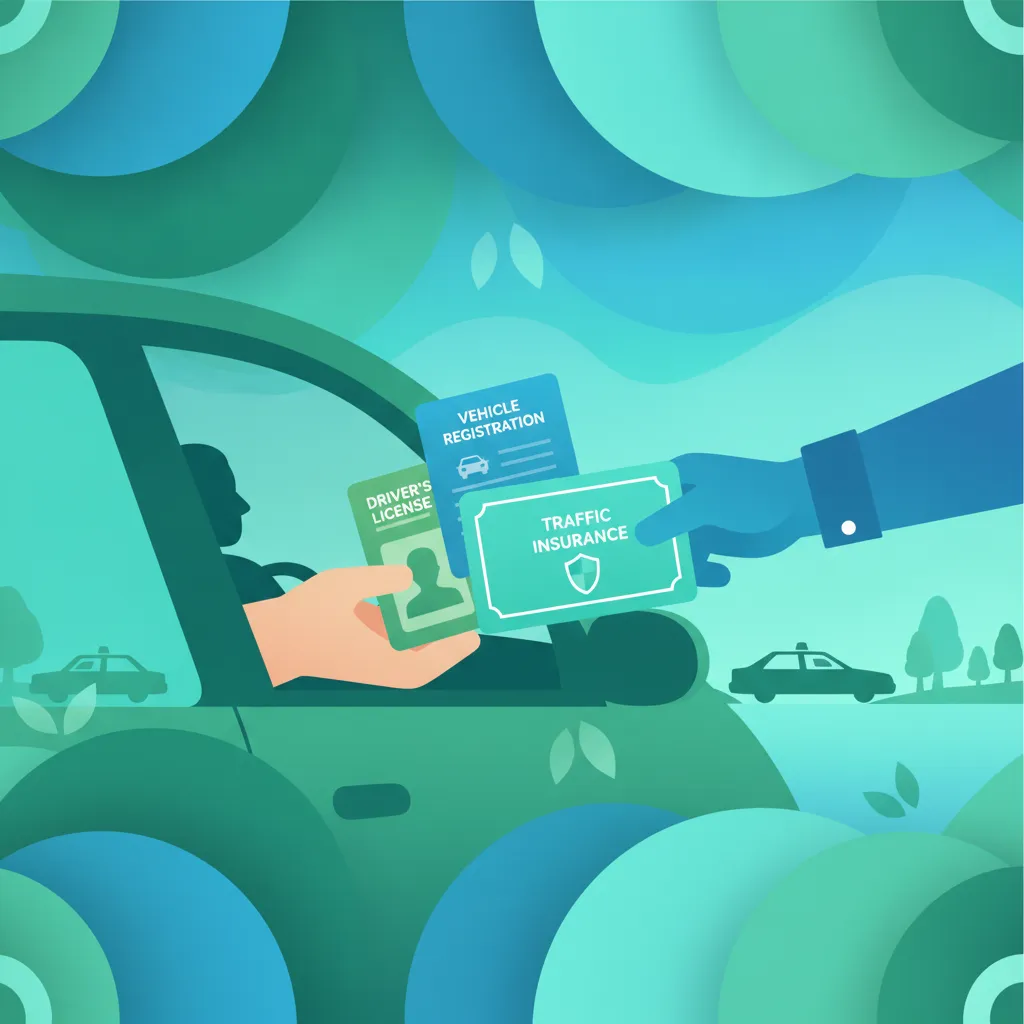
This lesson emphasizes the critical importance of maintaining accurate and up-to-date documentation for professional goods vehicle operation. It covers essential documents such as driver's licences, vehicle registration, logbooks, cargo permits, and inspection certificates. Learners will understand the legal requirements for record keeping and the role of tachographs in monitoring driver activity.

Learners will examine the broader concept of fostering a safety-oriented and professional culture within passenger transport services. The lesson discusses the impact of driver attitudes on passenger trust, the importance of ongoing safety training, and the role of ethical conduct in enhancing service quality. Strategies for promoting a proactive safety mindset among drivers and staff are presented.
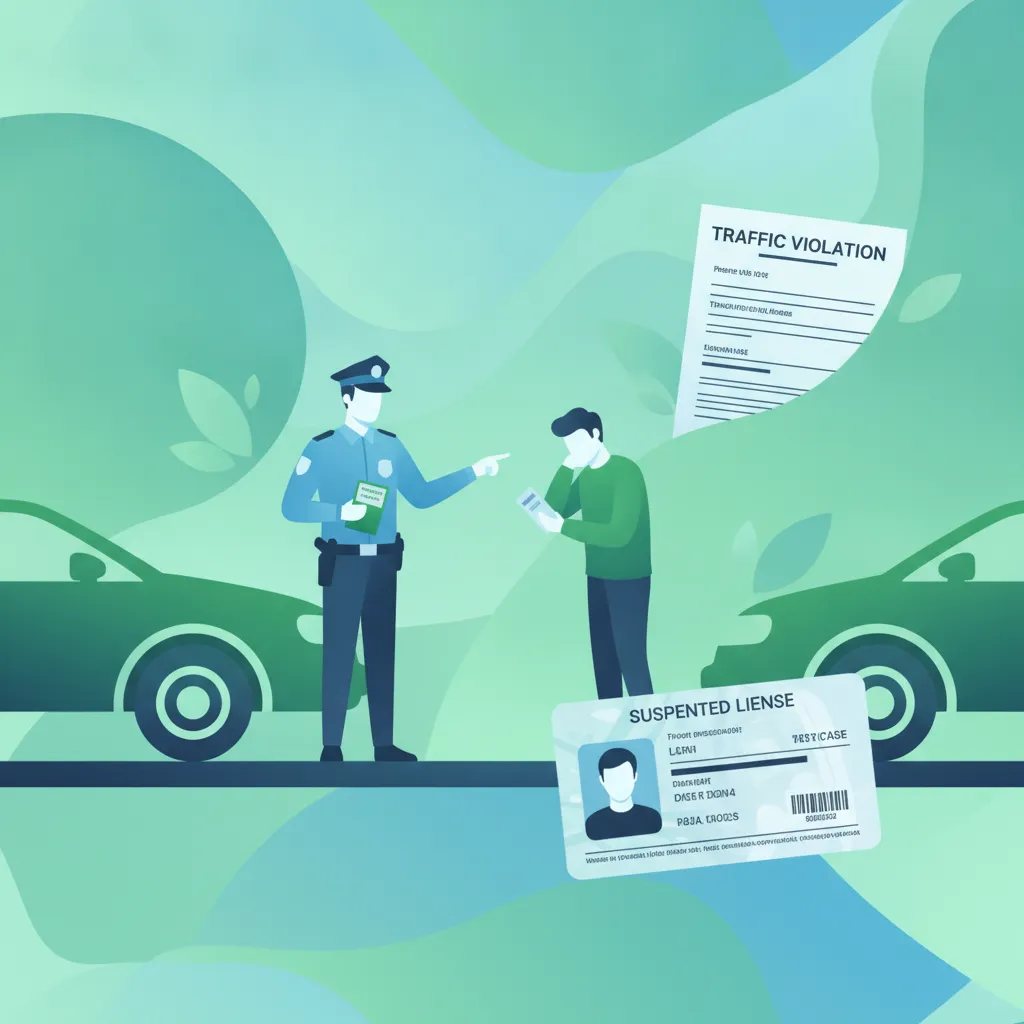
This lesson outlines the legal framework governing passenger vehicle operation, highlighting the penalties for various offences, such as speeding, failure to adhere to stop procedures, or neglecting passenger safety protocols. Learners will understand the importance of compliance to avoid fines, licence suspension, or other legal actions, and the role of regulatory bodies in enforcement.
Learn effective strategies for recognizing and mitigating driver fatigue while operating heavy goods vehicles. This lesson details the importance of safety culture, record keeping, and professional habits that help avoid traffic violations and maintain high safety standards on Turkish roads.
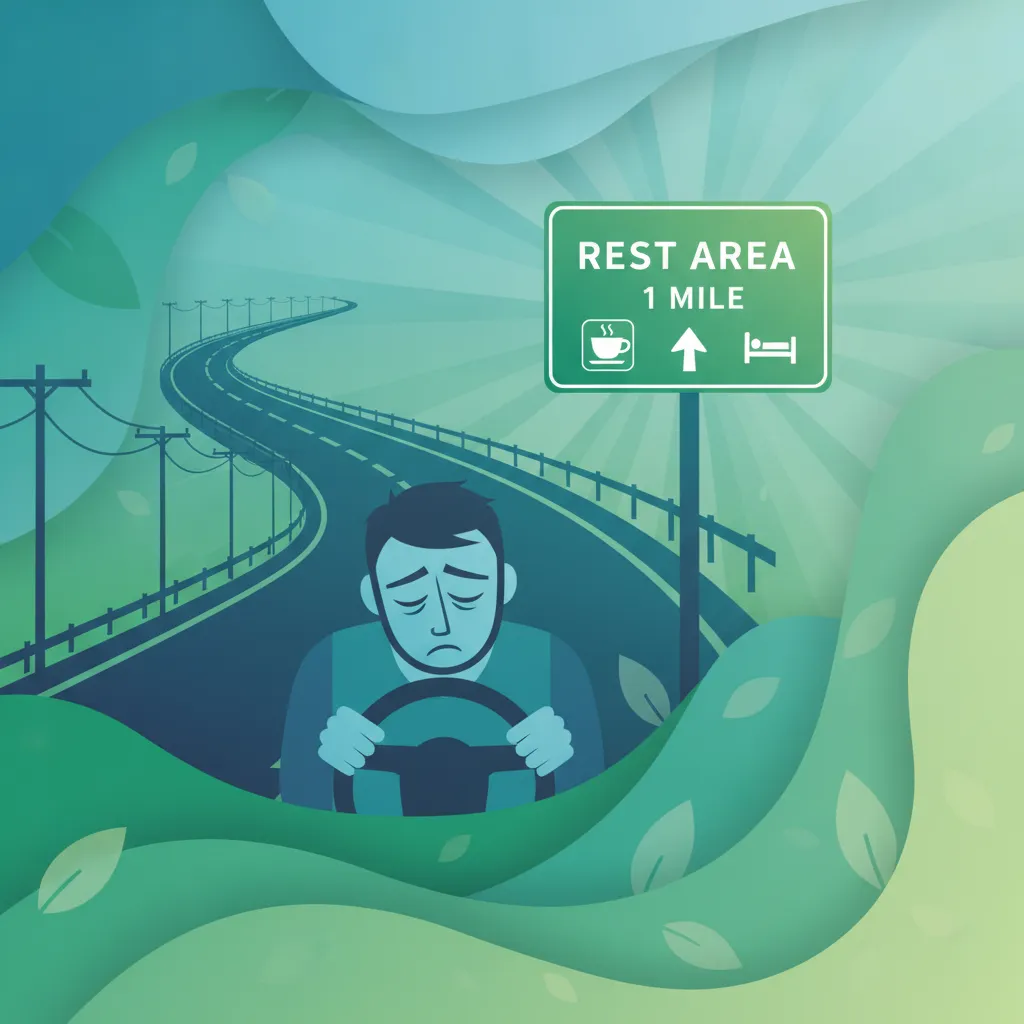
This lesson focuses on recognizing the signs of driver fatigue and implementing effective strategies to manage it while operating a goods vehicle. Learners will understand the health risks associated with prolonged driving periods, the importance of regular rest breaks, and techniques to maintain alertness. Emphasis is placed on fatigue mitigation measures to ensure safe driving and prevent accidents.

Learners will explore the risks associated with driver fatigue, distraction, and stress, particularly during long trips with passengers. The lesson provides strategies for recognizing fatigue, scheduling appropriate rest breaks, and employing techniques to maintain focus and reduce stress. Emphasis is placed on the impact of these factors on safety and passenger comfort.
This lesson emphasizes the value of continuous professional development and fostering a safety culture within the goods vehicle transportation sector. Learners will understand the importance of ongoing training, staying updated with industry standards, and pursuing proactive self-improvement. Emphasis is placed on cultivating a mindset that prioritizes safety and best practices in Turkey.

This lesson focuses on the extreme dangers of driver fatigue, micro-sleep episodes, and the signs of physical exhaustion. It details how sleep deprivation compromises driving safety in a manner comparable to moderate alcohol intoxication. Drivers will learn proactive fatigue management strategies, including scheduling regular rest stops.
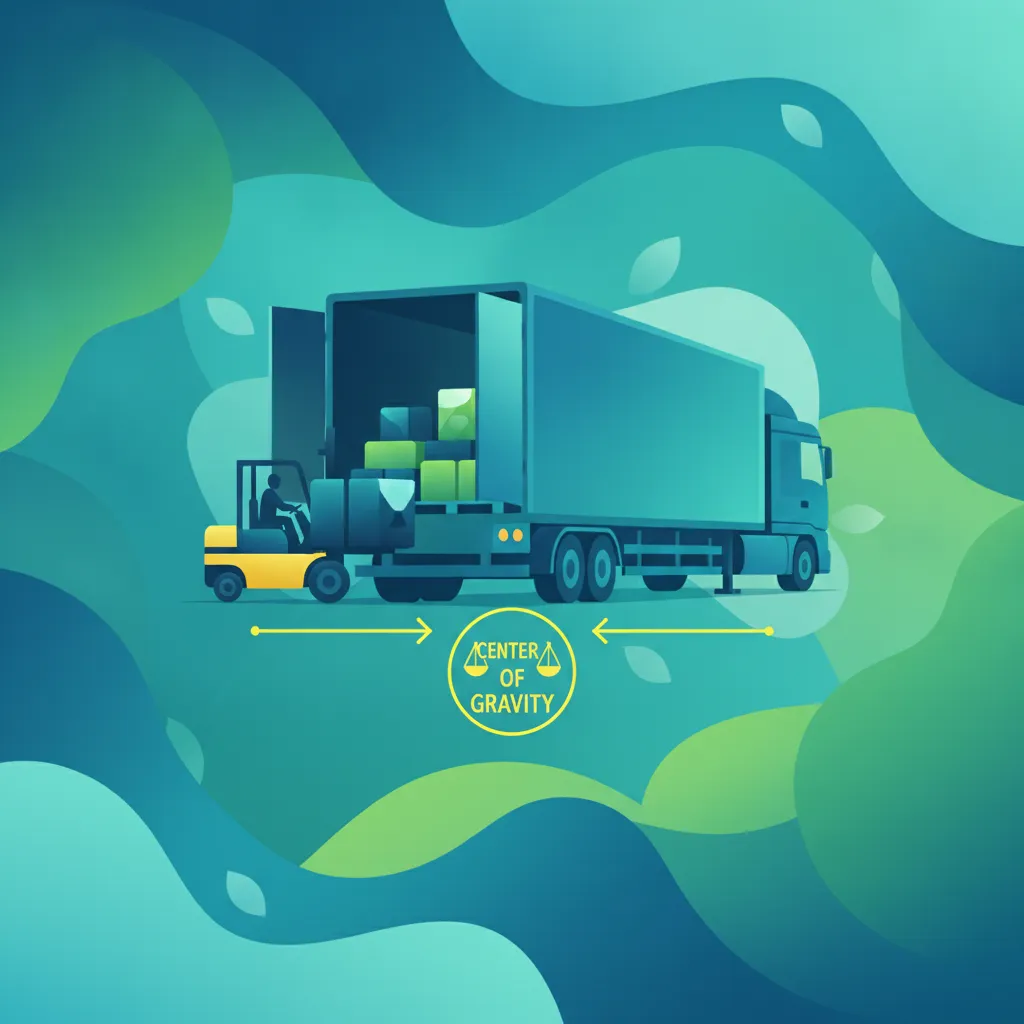
This lesson focuses on the essential principles of load planning and weight distribution for goods vehicles. Learners will understand how to assess cargo weight, determine optimal placement, and maintain a low centre of gravity to ensure vehicle stability. The lesson emphasizes legal load limits, the dangers of overloading, and the impact of uneven load distribution on handling and braking.

Learners will understand the importance of ergonomic adjustments for both driver and passenger welfare, covering seat positioning, steering wheel adjustments, mirror settings, and control accessibility. The lesson emphasizes how proper ergonomics can reduce driver fatigue, improve reaction times, and enhance overall safety. Drivers will learn to customize their vehicle setup to suit their own needs and those of their passengers.
This lesson examines the integral role of the goods vehicle driver in contributing to overall traffic safety and a positive safety culture. It focuses on proactive driving behaviors, hazard identification, and effective risk management strategies. Communication techniques with other road users, compliance with traffic flow regulations, and competent emergency responses are highlighted as essential skills.
Learners will examine strategies for planning and executing long-distance and intercity routes with passenger vehicles. The lesson covers effective route planning, managing driver fatigue, scheduling rest stops, and addressing passenger comfort and informational needs during extended journeys. Understanding these aspects ensures safe, efficient, and passenger-friendly long-distance service.
Find clear answers to common questions learners have about Understanding Penalties for Violations. Learn how the lesson is structured, which driving theory objectives it supports, and how it fits into the overall learning path of units and curriculum progression in Turkey. These explanations help you understand key concepts, lesson flow, and exam focused study goals.
In Turkey, if you exceed the designated penalty point threshold within a set period, your driving license will be suspended for a specific duration. For professional goods vehicle drivers, these suspensions directly impact your ability to work.
Yes, overloading is a serious violation that carries both significant administrative fines and potential vehicle impoundment. Understanding these specific penalties is crucial for the professional theory exam.
Yes, penalty points are linked to the driver's identification number, not just the vehicle type. Violations committed in a personal vehicle can accumulate points that may lead to the suspension of your professional license.
Traffic police are responsible for documenting violations and issuing administrative fines according to the Highway Traffic Law. In an exam scenario, you must understand the procedures for both on-site fines and administrative reports.
Use our comprehensive practice search to find exactly the Turkish driving theory questions you need to master. Whether reviewing specific road signs, traffic rules, or first aid scenarios, select your perfect practice set and boost your confidence for the official ehliyet sınavı.