
This lesson examines the high-risk behaviours that lead to collisions and legal consequences for motorcyclists in Great Britain. By identifying patterns of dangerous riding, such as excessive speed and aggression, you will learn how to make safer choices that protect yourself and other road users. This knowledge is vital for both your DVSA theory test and your long-term safety on the road.

Lesson content overview
Riding a motorcycle offers a unique sense of freedom and exhilaration, but it also demands a high level of responsibility and skill. For riders undertaking the Great Britain Motorcycle Theory Course, understanding and avoiding common risky behaviours is not merely about passing a test; it is fundamentally about ensuring your safety, the safety of other road users, and maintaining legal compliance on UK roads. This lesson delves into the critical behaviours that significantly increase the risk of a collision, explaining the dangers and the profound consequences associated with them.
Every decision made on the road, from your chosen speed to your attitude towards other drivers, directly impacts your safety. Risky behaviours often stem from a combination of over-confidence, a lack of awareness, or a disregard for traffic laws and road conditions. By understanding the physics, legal framework, and human factors involved, you can develop a proactive approach to riding that minimises hazards and fosters a safe, responsible riding style.
Motorcycle riding inherently carries a higher risk compared to driving a car, primarily due to the lack of protective enclosure. This makes a rider's behaviour and choices even more critical for safety. Certain actions dramatically amplify collision risk by reducing a rider's reaction time, impairing their judgment, or leading to a loss of control. It is vital to recognise these behaviours and actively work to eliminate them from your riding habits.
These behaviours are not just unsafe; many are illegal and carry severe penalties, including fines, penalty points on your licence, and even disqualification. The Road Traffic Act 1988 and the Highway Code establish clear rules to deter hazardous conduct and protect all road users, particularly the most vulnerable.
Excessive speed is a primary contributing factor in motorcycle collisions, particularly those resulting in serious injury or fatalities. It is defined as riding at a speed that is higher than appropriate for the road type, posted legal limits, prevailing traffic conditions, current weather, or your own skill level. This includes both riding above the legally enforced speed limit and riding below the limit but at a speed unsafe for the specific conditions.
The physics of speed are undeniable: kinetic energy increases proportionally to the square of your speed. This means doubling your speed quadruples the kinetic energy, requiring significantly longer stopping distances and amplifying the force of any impact. For example, entering a bend at 80 km/h where the safe advisory speed is 40 km/h dramatically increases your stopping distance and reduces tyre grip, making a loss of control highly probable.
Common misunderstandings include believing that motorcycles, being lighter, can stop faster than cars, or that higher speeds always lead to shorter travel times regardless of the increased risk. In reality, reaction time remains constant, but the distance travelled during that reaction time, and the subsequent braking distance, increase sharply with speed.
Always adjust your speed to conditions, even if it means riding below the posted speed limit. A speed that is legal can still be dangerous.
Under the Road Traffic Act 1988, Section 1, riders must not exceed the speed limit for the road type. Furthermore, Section 4 of the same Act prohibits driving at a dangerous speed, even if the posted limit is not exceeded. This makes it an offence to ride at a speed that is unsafe given the road layout, traffic volume, or adverse weather. Penalties include fines, penalty points, and potential licence disqualification.
Tailgating, or following too closely, is another extremely dangerous behaviour. It is defined as maintaining a gap behind the vehicle ahead that is insufficient to stop safely if that vehicle brakes abruptly. This significantly reduces your reaction time and increases the likelihood of a rear-end collision.
The widely recommended guideline for a safe following distance is the "2-second rule" in ideal conditions. To apply this, pick a fixed point ahead (like a bridge or signpost). When the vehicle in front passes that point, start counting "one thousand and one, one thousand and two." If you reach the fixed point before you finish counting, you are following too closely and need to drop back.
In adverse conditions such as wet roads, poor visibility, or when carrying a heavy load, extend the 2-second rule to at least 4 seconds.
Riders sometimes misunderstand that a motorcycle’s manoeuvrability can compensate for close following, or they underestimate how quickly road surface conditions can change. However, physics dictates that stopping distances are still required, and tight gaps restrict a rider's ability to see hazards ahead or react to sudden changes in traffic flow. Following too closely, especially at higher speeds or in heavy traffic, contributes to dangerous riding, which falls under the Road Traffic Act 1988, Section 41 (Careless or dangerous driving).
Aggressive riding encompasses behaviours such as frequent and rapid lane changes, tailgating, high-speed overtaking without adequate clearance, and using intimidation tactics. These actions reflect a hostile attitude that compromises predictability on the road and increases risk for all road users.
Filtering, which involves a motorcyclist riding between lanes of slow-moving or stationary traffic, is permissible in the UK under specific conditions. However, aggressive filtering involves deliberately weaving through traffic, often at excessive speed or when space is insufficient, irrespective of road markings or the presence of vulnerable road users like cyclists.
The manoeuvre by which a motorcyclist rides between lanes of slow-moving or stationary traffic, typically to make progress in congested conditions.
Highway Code Rule 137 advises motorcyclists to filter only when it is safe to do so and not prohibited by signs. It must be undertaken with extreme caution, maintaining adequate lateral clearance and being prepared for other vehicles to change lanes unexpectedly. Misunderstanding filtering allowances often leads to dangerous situations, such as filtering aggressively in dense traffic, forcing other vehicles into evasive actions.
Improper overtaking, covered by Highway Code Rule 130, involves passing another road user when it is unsafe, without clear visibility, or endangering other users. This includes overtaking on a bend, near a junction, or without sufficient space to return to your lane safely. Aggressive overtaking often results in cutting in too quickly, forcing the overtaken vehicle to brake sharply, creating a high-risk scenario.
Cornering is a fundamental motorcycle skill, but hazardous cornering or misjudged entry speed is a significant cause of single-vehicle motorcycle collisions. This occurs when a rider takes a bend or turn at a speed that exceeds the grip limits of the tyres, leading to a loss of traction.
Factors contributing to hazardous cornering include:
For example, approaching a 30 km/h advisory bend at 70 km/h will almost certainly result in either understeer (the bike runs wide) or a high-side crash as the tyres lose traction. The Road Traffic Act 1988, Section 41 (Careless or dangerous driving), can be applied to incidents arising from misjudged cornering. Always slow down before the bend, look through the corner, and apply smooth throttle through the exit.
Consistent and correct road positioning is crucial for motorcycle safety, enhancing your visibility to other road users and giving you the best view of the road ahead. Inconsistent road positioning, such as riding on the wrong side of the lane or too far left or right without reason, significantly increases risk.
Highway Code Rule 152 states that motorcyclists should ride where they are most visible and not where it is dangerous to be. Generally, this means riding in the left half of your lane at normal speeds. This position provides a good view ahead, allows you to be seen by drivers in front and behind, and offers space to manoeuvre if hazards emerge.
Incorrect lane choices include:
Maintaining an awareness of your road position allows you to manage hazards proactively, create an escape route, and communicate your intentions to other drivers effectively.
A rider's mindset significantly influences their safety. Over-confidence and complacency are dangerous attitudes that can lead to risky behaviours and serious consequences.
An inflated sense of one's own skill or ability, leading to an underestimation of risks and a tendency to attempt manoeuvres beyond one's actual capability.
A state of uncritical satisfaction with oneself or one's achievements, leading to a relaxed attitude towards safety checks and a neglect of ongoing skill development.
Over-confidence can manifest as:
Complacency, on the other hand, can lead to:
Both attitudes prevent a rider from accurately assessing risks and responding appropriately. A truly skilled rider is always aware of their limitations and the unpredictable nature of the road.
Distraction is any activity that diverts a rider’s attention away from the primary task of riding, whether visual, auditory, or cognitive. The use of mobile devices is a particularly dangerous form of distraction, directly compromising situational awareness and reaction time.
Using a hand-held mobile phone while riding a motorcycle is illegal in Great Britain. Even hands-free devices must not distract you from the road.
Under the Road Traffic Act 1988, Section 1, using a hand-held mobile phone whilst riding is prohibited on all public roads. This includes making or receiving calls, texting, checking messages, or accessing navigation apps. Even a brief glance down at a phone can mean missing a critical hazard, such as a changing traffic light, a pedestrian stepping into the road, or a sudden stop by the vehicle ahead.
While hands-free devices are generally permissible, they must be used responsibly. If the conversation or navigation instructions distract you to the point where your riding is impaired, you could still be charged with careless or dangerous riding. The key is to minimise any activity that takes your focus away from the road, your surroundings, and the immediate demands of controlling your motorcycle.
Riding a motorcycle while under the influence of alcohol or drugs is one of the most reckless and dangerous behaviours, with severe consequences for both the rider and other road users. Alcohol and various substances impair cognitive and motor abilities, significantly reducing reaction time, judgment, coordination, and perception.
35 micrograms of alcohol per 100 millilitres of breath, or 80 milligrams of alcohol per 100 millilitres of blood. This is the same as for car drivers.
The Road Traffic Act 1988, Section 5, strictly prohibits riding a vehicle if your blood alcohol level exceeds the prescribed limit or if you are unfit to drive due to drugs. Even if you are below the legal alcohol limit, if your riding is impaired, you can still be charged. Common misunderstandings include the belief that a "small drink" won't affect a rider, or that experience can compensate for impairment. However, even small amounts of alcohol can dull senses and slow reactions, which are critical for motorcycle control.
The consequences for impaired riding are among the harshest, including substantial fines, penalty points, immediate driving disqualification, and even imprisonment. It is simply never worth the risk.
Adverse weather conditions significantly reduce available tyre grip, impair visibility, and alter road surface quality. A risky behaviour is to maintain normal speed and riding style despite these changes. Safe riding demands significant adjustments in your approach.
Wet Roads:
Ice/Snow:
Strong Winds:
Poor Visibility (Fog, Heavy Rain, Night):
Adjusting your speed, increasing your following distance, and adopting a smoother, more cautious riding style are crucial under any adverse conditions.
The legal system in Great Britain is designed to deter risky behaviours through a robust framework of rules and penalties. Understanding these is a core part of the Great Britain Motorcycle Theory Course. Non-compliance can lead to serious sanctions, affecting your ability to ride and your personal finances.
Here's a summary of key regulations and their implications:
| Regulation | Common Violations | Potential Consequences |
|---|---|---|
| Road Traffic Act 1988 – Section 1 (Speed Limits) | Exceeding posted speed limits. | Fine (variable, typically 100 GBP +), 3-6 penalty points, possible disqualification for serious offences. |
| Road Traffic Act 1988 – Section 4 (Dangerous Speed) | Riding too fast for conditions (e.g., wet roads), even if below the limit. | Fine, 3-11 penalty points (or disqualification), possible imprisonment for serious offences. |
| Road Traffic Act 1988 – Section 41 (Careless or Dangerous Driving) | Tailgating, aggressive overtaking, hazardous cornering, weaving. | Fine, 3-11 penalty points (or disqualification), possible imprisonment for dangerous driving. |
| Road Traffic Act 1988 – Section 3 (Defective Vehicle) | Riding with faulty brakes, worn tyres, unroadworthy lights. | Fine, 3 penalty points. |
| Road Traffic Act 1988 – Section 5 (Alcohol & Drugs) | Riding over the prescribed alcohol limit or under the influence of drugs. | Fine (unlimited), minimum 12-month disqualification, up to 6 months imprisonment, 3-11 penalty points on return. |
| Road Traffic Act 1988 – Section 1 (Using a mobile phone) | Using a hand-held mobile phone while riding. | Fine (typically 200 GBP), 6 penalty points. |
| Highway Code Rule 137 (Filtering) | Aggressive filtering, filtering where prohibited. | May contribute to a charge of careless driving (Section 41 RTA). |
| Highway Code Rule 130 (Overtaking) | Overtaking when unsafe, without clear visibility. | May contribute to a charge of careless driving (Section 41 RTA). |
| Highway Code Rule 152 (Road Positioning) | Poor road positioning leading to danger. | May contribute to a charge of careless driving (Section 41 RTA). |
| Highway Code Rule 159 (Speed in Bad Weather) | Failing to reduce speed in adverse conditions. | May contribute to a charge of dangerous speed (Section 4 RTA) or careless driving (Section 41 RTA). |
Accumulating 6 or more penalty points within two years of passing your first practical test (or 12 points within three years for experienced riders) can lead to your licence being revoked or suspended.
Safe riding is highly conditional. Your approach must adapt to various environmental and situational factors. Ignoring these contexts dramatically increases risk.
Understanding the mechanics of risky behaviour is only one step; the ultimate goal is to cultivate a consistently safe rider's mindset. This involves:
By internalising the core principles of speed management, safe following distances, responsible filtering and overtaking, proper cornering techniques, correct road positioning, and avoiding distractions and impairments, you build a foundation for a lifetime of safe and enjoyable motorcycle riding in Great Britain. Every decision you make on the road has a consequence; choose wisely to ensure safety for yourself and others.
Explore all units and lessons included in this driving theory course.
Lesson content overview
Explore all units and lessons included in this driving theory course.
Explore search topics learners often look for when studying Common Risky Behaviours and Their Consequences. These topics reflect common questions about road rules, driving situations, safety guidance, and lesson level theory preparation for learners in Great Britain.
Browse additional driving theory lessons that cover connected traffic rules, road signs, and common driving situations related to this topic. Improve your understanding of how different rules interact across everyday traffic scenarios.
Explore the severe consequences of common risky motorcycle riding behaviours like speeding and tailgating. Understand the legal penalties and safety implications relevant to the Great Britain driving theory curriculum and road safety.

This lesson addresses the critical safety topics of impairment, distraction, and social pressures. It explains how alcohol and drugs severely affect judgment, coordination, and reaction time, outlining the strict legal limits and harsh penalties in Great Britain. The content also covers modern distractions like mobile phones and the importance of resisting negative peer pressure to maintain focus and make responsible decisions as a rider.

This lesson covers the strict laws and significant safety risks associated with drink and drug riding. It explains the legal blood alcohol limits in Great Britain, the procedures for roadside testing, and the severe penalties for infringement, including fines, disqualification, and imprisonment. You will also learn how various substances, including some prescription medications, can dangerously impair your riding ability.
This lesson explains the legal consequences of committing traffic offences. It covers how the penalty points system works, the number of points for common offences like speeding, and how accumulating 12 points can lead to disqualification under the 'totting-up' procedure. You will also learn about the specific rules for new riders, who can have their licence revoked with just 6 points.

Defensive riding is the practice of actively anticipating potential hazards rather than just reacting to them. This lesson teaches you how to scan for clues, predict the actions of other road users, and position yourself to avoid trouble. By developing strong anticipation skills, you can significantly reduce your risk of being taken by surprise on the road.

This lesson contrasts the challenges of different road types. It covers how to handle the hidden bends, poor surfaces, and unexpected hazards of rural roads. It then details the specific procedures for using dual carriageways and motorways, including using slip roads, adhering to strict lane discipline, and safely overtaking at high speeds.

This lesson highlights why motorcyclists are considered vulnerable road users. It covers the increased risk of serious injury in a collision due to lack of physical protection compared to car occupants. You will learn about common visibility challenges and how to adopt proactive, defensive strategies to mitigate risks and anticipate potential hazards on the road.

This lesson explains the legal consequences of committing traffic offences in Great Britain. It details the penalty points system, explaining how points are issued for various offences like speeding or using a mobile phone, and the thresholds that can lead to a driving ban. Understanding these penalties, fines, and potential licence revocation reinforces the importance of consistent, lawful riding and helps you appreciate the value of a clean driving record.

Filtering through traffic can be an efficient way to ride, but it carries risks. This lesson explains when it is appropriate to filter, the importance of maintaining a low speed differential, and how to watch out for potential hazards like changing lanes, opening doors, and pedestrians. Safe filtering requires heightened awareness and excellent machine control.

Knowing what to do at an accident scene can save lives. This lesson outlines the critical steps: ensuring your own safety, making the scene safe for others, assessing casualties, and calling the emergency services. It also covers your legal obligations to stop, report the collision, and exchange details with other parties involved.
This lesson focuses on the dynamic and often unpredictable nature of urban traffic. It covers how to safely negotiate various pedestrian crossings, anticipate the movement of cyclists and pedestrians, and be aware of hazards like bus stops and car doors opening. You will also learn about the considerations for safe and legal filtering in slow-moving traffic.
Learn how to cultivate a proactive and defensive rider mindset. This lesson focuses on continuous risk awareness, anticipation of hazards, and understanding how attitude impacts safety for motorcyclists in Great Britain.
Defensive riding is the practice of actively anticipating potential hazards rather than just reacting to them. This lesson teaches you how to scan for clues, predict the actions of other road users, and position yourself to avoid trouble. By developing strong anticipation skills, you can significantly reduce your risk of being taken by surprise on the road.
This lesson highlights why motorcyclists are considered vulnerable road users. It covers the increased risk of serious injury in a collision due to lack of physical protection compared to car occupants. You will learn about common visibility challenges and how to adopt proactive, defensive strategies to mitigate risks and anticipate potential hazards on the road.
This lesson teaches strategic road positioning techniques to maximize your visibility and safety in traffic. You will learn how to choose the correct lane position to avoid the blind spots of larger vehicles and how to communicate your intentions through predictable riding. Key skills covered include effective use of shoulder checks, making eye contact with drivers, and maintaining a safe following distance, all of which are crucial for defensive riding on British roads.
This lesson addresses the critical safety topics of impairment, distraction, and social pressures. It explains how alcohol and drugs severely affect judgment, coordination, and reaction time, outlining the strict legal limits and harsh penalties in Great Britain. The content also covers modern distractions like mobile phones and the importance of resisting negative peer pressure to maintain focus and make responsible decisions as a rider.

A key aspect of motorcycle safety is being seen by others. This lesson teaches techniques to increase your conspicuity on the road. Topics include the strategic use of high-visibility and reflective clothing, correct use of headlights and daytime running lights, and adopting lane positions that place you in the direct line of sight of other drivers.
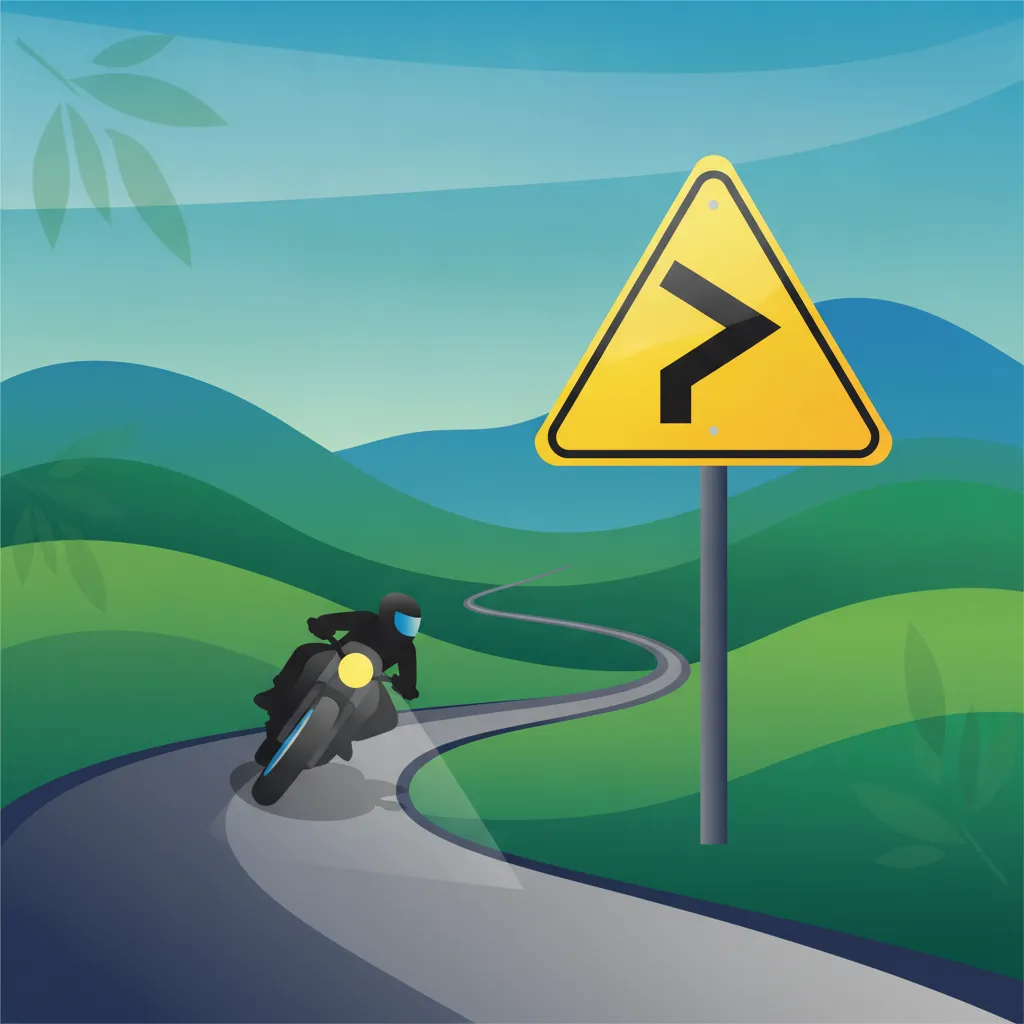
This lesson explains the function of warning signs, which are mostly triangular and alert road users to potential dangers ahead. You will learn to identify signs for bends, junctions, slippery surfaces, and other hazards particularly relevant to motorcyclists. Acting on these warnings allows a rider to adjust speed and position proactively, enhancing safety.
This lesson contrasts the challenges of different road types. It covers how to handle the hidden bends, poor surfaces, and unexpected hazards of rural roads. It then details the specific procedures for using dual carriageways and motorways, including using slip roads, adhering to strict lane discipline, and safely overtaking at high speeds.
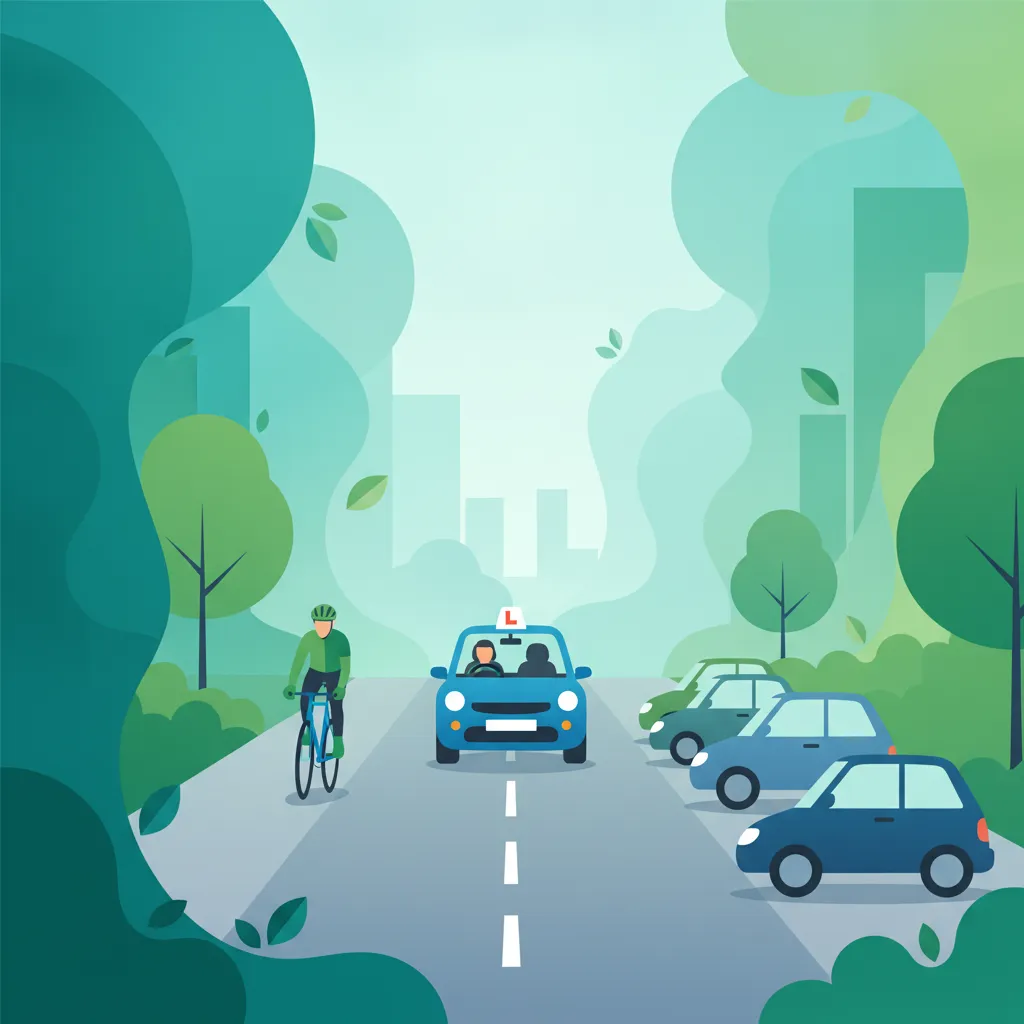
This lesson introduces the concept of managing the space around you as a primary defensive riding technique. It explains how to apply the two-second rule to maintain a safe following distance, and how to adjust this for poor weather. You will also learn the importance of maintaining adequate space from parked cars and other roadside objects.
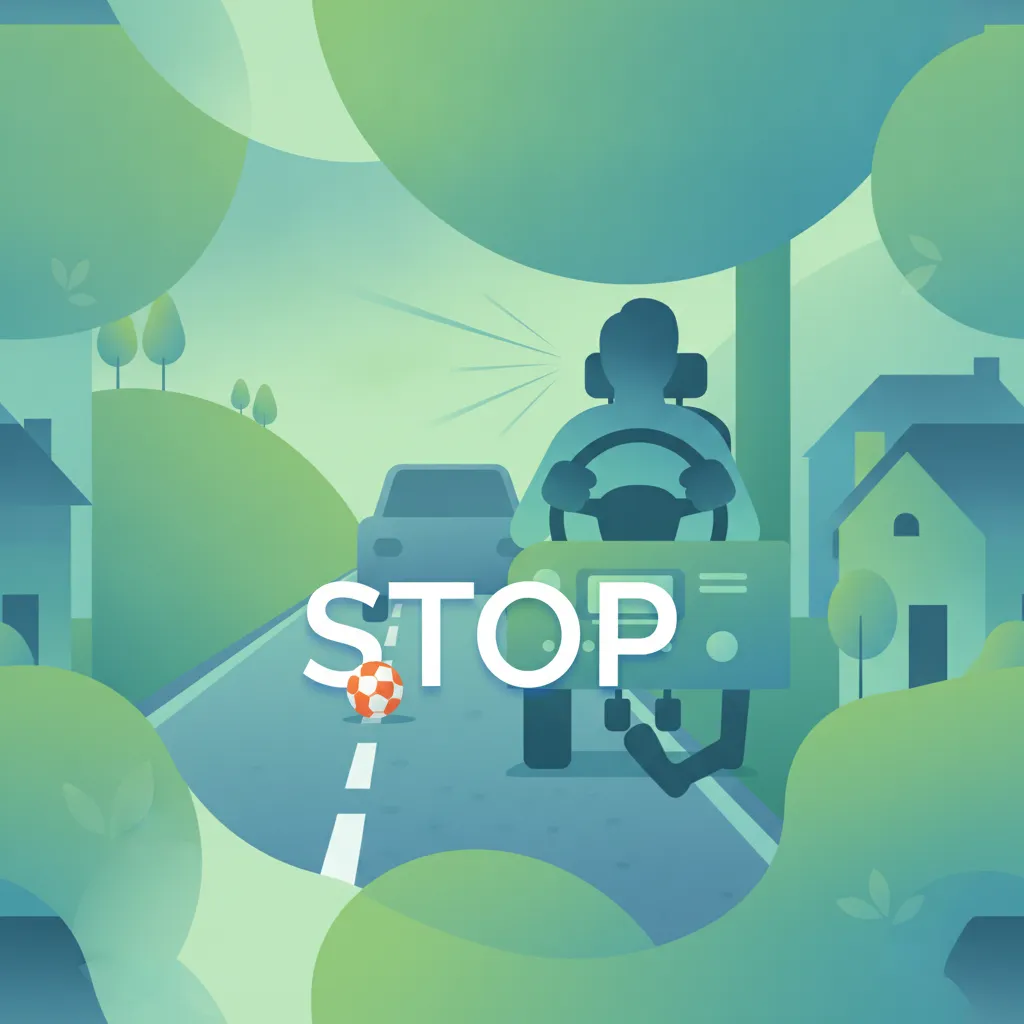
This lesson focuses on developing advanced hazard perception skills and using them to manage your speed proactively. You will learn to constantly scan the road for potential dangers, anticipate the actions of other road users, and adjust your speed to give yourself more time to react. This defensive approach to speed management is fundamental to staying safe and avoiding emergency situations while riding in complex traffic environments.

This lesson explains that your lane is more than just a single track. You will learn how to move within your lane to a position of safety, whether it's to be more visible in another driver's mirrors, to avoid road surface hazards, or to set up for a corner. This proactive approach to positioning is a key defensive riding skill.
Find clear answers to common questions learners have about Common Risky Behaviours and Their Consequences. Learn how the lesson is structured, which driving theory objectives it supports, and how it fits into the overall learning path of units and curriculum progression in Great Britain. These explanations help you understand key concepts, lesson flow, and exam focused study goals.
The theory test includes questions that evaluate your understanding of road safety and risk. Demonstrating a responsible attitude ensures you can correctly identify dangerous situations and choose the safest response, which is crucial for passing.
Aggressive riding, such as tailgating or excessive speed, can lead to fixed penalty notices, licence penalty points, or even court-imposed driving bans. It also significantly increases your risk of being involved in a serious collision.
Yes, tailgating is a major risk as it reduces your ability to react to sudden hazards, such as an emergency stop by the vehicle in front. Maintaining the correct separation distance is a key safety requirement in the Highway Code.
Excessive speed reduces your time to react to hazards, increases your braking distance, and makes your motorcycle harder to control in an emergency. It is a leading factor in motorcycle fatalities in Great Britain.
Dive into our comprehensive question bank to find exactly what you need for your Great Britain theory test. Use our advanced filters to pinpoint specific subjects or test your knowledge on challenging areas, ensuring you're fully prepared for success.