
This lesson establishes your legal and professional responsibilities as a Category C driver, focusing on the duty of care you owe to other road users and the environment. You will explore how consistent adherence to industry standards and safety protocols protects both your career and the public. This foundational knowledge is essential for succeeding in the first unit of your Category C theory preparation.

Lesson content overview
Operating a large goods vehicle (LGV) as a Category C licensed driver in Great Britain carries significant responsibility. This professional undertaking extends far beyond simply driving from one point to another; it involves a complex duty of care towards various entities. This lesson outlines the critical legal and ethical obligations that define a professional goods vehicle driver's conduct, covering responsibilities to the public, the cargo, and the workplace.
A deep understanding of the duty of care is fundamental to safe driving and forms the bedrock of all safety-critical actions. It is crucial for accident prevention, building public trust, and ensuring compliance with the extensive legal obligations placed upon professional drivers. Given the sheer size, weight, and kinetic energy of goods vehicles, the potential for harm in an incident is significantly higher, demanding a heightened standard of care and cautious behaviour to mitigate risks effectively.
This lesson forms an essential part of your Professional Goods Vehicle Theory for Great Britain - Category C Licence, connecting directly to principles of vehicle dimensions, cargo security, blind spot awareness, managing vulnerable road users, and maintaining professional conduct.
The concept of duty of care for professional goods vehicle drivers can be categorised into five distinct, yet interconnected, pillars. Each defines a specific area of responsibility that collectively ensures safety, efficiency, and legal compliance across all aspects of goods vehicle operation.
| Principle | Definition | Purpose / Rationale |
|---|---|---|
| Legal Duty of Care | The statutory obligation to act with reasonable care, avoiding negligence toward others and cargo. | Ensures adherence to higher safety standards given the increased potential harm from large goods vehicles. |
| Professional Standard of Care | An industry-agreed benchmark (e.g., DVSA Codes of Practice) outlining best practices beyond minimum legal requirements. | Encourages continuous improvement, aligns with professional trust, and demonstrates corporate responsibility. |
| Public Duty of Care | Focuses on protecting other road users, particularly vulnerable ones. | Safeguards pedestrians, cyclists, and motorcyclists who are at higher risk around goods vehicles. |
| Cargo Duty of Care | Responsibility to secure and protect loads to prevent spillage, loss, or damage. | Prevents road hazards created by unsecured cargo, reducing accident likelihood. |
| Workplace Duty of Care | Obligation to maintain safe practices within the workplace (e.g., loading docks, warehouses) and during vehicle operation. | Reduces accidents in the logistics chain and fosters a robust safety culture. |
The legal duty of care is a statutory requirement, meaning it is imposed by law, compelling professional drivers to exercise a standard of care that a reasonable person would demonstrate in similar circumstances. This legal framework is designed to prevent negligence, which is the failure to meet this standard, leading to foreseeable harm. Professional drivers must adhere to all relevant laws, conduct thorough pre-journey safety checks, and adjust their driving behaviour to prevailing conditions.
A direct breach of statutory duty occurs when a driver fails to comply with specific regulations, such as those governing load security or vehicle fitness. For example, failing to properly secure a load, leading to it falling onto the road and causing an obstruction or accident, constitutes a significant breach of this legal duty. Such actions can lead to serious consequences, including legal prosecution under relevant road traffic acts.
While the legal duty of care sets the mandatory minimum, the professional standard of care represents the higher level of skill, knowledge, and performance expected from professional goods vehicle drivers. This standard is often detailed in industry codes of practice, such as those issued by the Driver and Vehicle Standards Agency (DVSA), and through company-specific safety policies. These benchmarks encourage continuous improvement in driving practices and align with the professional trust placed in Category C drivers.
Adhering to professional standards means drivers must actively participate in refresher training, diligently follow company procedures, and consistently apply best practices in their daily operations. For instance, the use of a tachograph to accurately monitor driving hours and mandatory rest periods, as required by professional codes, is a clear example of meeting these heightened expectations. Ignoring these professional guidelines, viewing them as merely optional or "nice-to-have," is a common misunderstanding that can compromise safety and professional standing.
The public duty of care is a crucial subset of your overall responsibility, specifically focusing on safeguarding other road users, especially those considered vulnerable road users (VRUs). This category includes pedestrians, cyclists, motorcyclists, children, and the elderly, who are at significantly higher risk around large goods vehicles due to their size, weight, and restricted visibility.
Practically, this means drivers must maintain heightened vigilance, give VRUs ample space (e.g., a minimum of 1.5 metres when overtaking a cyclist), strictly obey stopping lines, and avoid obstructing pedestrian crossings. The Highway Code, for example, explicitly states rules like giving way to pedestrians at crossings (Rule 166) and taking particular care due to the blind spots of large vehicles (Rule 188). Misconceptions, such as believing blind spots are only a concern when reversing or overlooking the potential position of cyclists, can lead to dangerous near-misses or collisions.
Your cargo duty of care involves the critical responsibility to properly secure, distribute, and protect loads to prevent them from creating hazards or becoming damaged during transit. Unsecured or improperly distributed cargo can lead to severe consequences, including vehicle instability, loss of control, and items spilling onto the road, posing significant dangers to other road users.
This duty requires performing regular load checks, especially before departure, ensuring that all weight limits are strictly adhered to, and using the correct securing equipment for the type and weight of the load. Securing methods can include straps, nets, dunnage, and anti-slip mats, all of which must be correctly applied and regularly checked for tension and integrity. A common oversight is believing that a tightly packed load is inherently secure or neglecting to re-check tie-down tension after a period of driving.
The workplace duty of care extends your responsibilities to maintaining safe practices within and around various worksites where goods vehicles operate. This includes loading docks, warehouses, distribution centres, and vehicle yards. The goal is to reduce accidents throughout the entire logistics chain and foster a robust safety culture, benefiting not only drivers but also site staff.
Key practices include strictly following site-specific traffic management plans, using designated routes, and clearly communicating intentions to other personnel, such as forklift operators or warehouse staff. Health and safety regulations, such as the Health and Safety at Work etc. Act 1974, govern these environments, requiring employers to ensure the health and safety of all employees, including drivers. Assuming that yard operations are exempt from the same rigorous safety regulations as public roads is a dangerous misconception that can lead to preventable accidents.
Professional goods vehicle drivers in Great Britain must navigate a comprehensive framework of laws and regulations. These legal instruments underpin the duty of care principles and ensure a consistent standard of safety across the industry.
Section 3 of the Road Traffic Act 1988 is fundamental, stating that drivers must not drive dangerously or inconsiderately. This mandatory regulation applies to all Category C drivers on public roads and is designed to prevent road users from being endangered by negligent or reckless driving. Adhering to this means maintaining safe following distances, using mirrors effectively to monitor blind spots, and adjusting speed to conditions. For example, tailgating another vehicle, especially a smaller one, at any speed, could be considered inconsiderate or dangerous driving.
The Road Vehicles (Construction and Use) Regulations 1986, specifically Schedule 4, mandate that goods vehicles must be loaded and secured to prevent any movement or displacement of the cargo. This rule is mandatory for all goods vehicles, whether fully or partially loaded, and is crucial for preventing load shift that could lead to loss of control or create road hazards. Regular checks of restraint tension before departure and throughout a journey are essential. A common violation involves failing to secure a tarpaulin, which can result in wind-blown debris on the road.
The Highway Code provides vital rules that directly support the public duty of care.
The DVSA Code of Practice for Goods Vehicles sets out industry-agreed standards, ensuring that drivers maintain vehicles fit for purpose and secure loads properly. This code is considered mandatory as an industry standard, enforced through inspections and influencing professional training and company policies. Performing comprehensive pre-journey inspections and confirming load security are core requirements. Ignoring signs of wear on securing straps, for instance, would be a deviation from this professional standard.
The Health and Safety at Work etc. Act 1974 places a mandatory obligation on employers to ensure the health and safety of their employees, including drivers and site staff, within all workplaces where goods vehicles operate. This act aims to reduce workplace accidents and ensure a safe environment. This includes conducting site-specific risk assessments, providing clear signage, and implementing safe traffic management plans. Allowing drivers to operate in a busy yard without traffic marshals, where required, could be a breach of this act.
Regulation (EC) No 561/2006, regarding EU Drivers’ Hours, remains applicable in Great Britain post-Brexit and is a mandatory regulation for all Category C professional drivers. It requires strict adherence to maximum driving times and mandatory rest periods to mitigate the serious risks associated with driver fatigue. Taking required breaks after 4.5 hours of driving is crucial, as continuing to drive beyond legal limits significantly increases the likelihood of an accident due to reduced reaction time and impaired judgment.
The DVSA's Load Security Guidance provides detailed requirements, stating that all loads must be restrained sufficiently to prevent movement or loss during transit. This guidance is mandatory and aims to prevent road obstructions and vehicle instability. Correct application means using an appropriate number of tie-downs relative to the load's weight and characteristics, rather than relying on insufficient securing methods like a single strap for a heavy, long load.
Professional drivers must be acutely aware of common pitfalls that can lead to violations of their duty of care and compromise safety. Understanding why certain actions are wrong and what constitutes correct behaviour is paramount.
Load shift during braking: This occurs when unsecured cargo moves, altering the vehicle's centre of gravity and causing instability.
Insufficient clearance when overtaking Vulnerable Road Users (VRUs): Large vehicle blind spots and longer stopping distances compromise VRU safety.
Driving fatigued (ignoring Hours Regulations): Fatigue significantly reduces reaction time and judgment, increasing crash risk.
Failure to use mirrors and check blind spots before lane changes: Goods vehicle blind spots can conceal other road users.
Ignoring a site traffic management plan: Inconsistent movements in a yard cause confusion and hazards for other users.
Overloading beyond axle limits: Excess weight stresses vehicle components, compromises handling, and increases stopping distances.
Not using a reverse alarm in crowded yards: Reverse movements become unpredictable to nearby pedestrians and other vehicle operators.
The professional duty of care is not static; it requires drivers to adapt their behaviour based on varying conditions and contexts. Awareness of these conditional logics is vital for maintaining safety and compliance.
Adverse weather profoundly impacts driving conditions for goods vehicles. In rain, snow, or ice, stopping distances increase dramatically. Drivers must significantly reduce speed, increase following distances, and be mindful of how slick surfaces can affect cargo stability. Understanding how anti-lock braking systems (ABS) operate under these conditions is also crucial. Similarly, night driving or operating in fog demands greater vigilance, meticulous use of dipped beams to avoid glare, and increased reliance on mirrors, with particular attention to VRUs who are harder to see.
The type of road dictates necessary adjustments. On motorways, higher speeds mean substantially greater stopping distances and the need for stricter lane discipline to avoid unnecessary and potentially hazardous lane changes. In urban areas, the presence of more pedestrians, cyclists, and complex junctions necessitates lower speeds, continuous scanning of surroundings, and giving wide berth to VRUs. Rural roads may present unexpected hazards like sharp bends, uneven surfaces, or farm vehicles, requiring constant anticipation.
The vehicle's state significantly alters its handling characteristics. A fully loaded goods vehicle has a different centre of gravity compared to an empty one, affecting braking performance and stability. Drivers must increase following distances and adjust braking techniques accordingly. When a trailer is coupled, additional blind spots are created, requiring even more comprehensive mirror checks before any manoeuvre. The length of the combined vehicle also demands larger turning circles and careful route planning.
Specific interactions with VRUs require precise responses. At pedestrian crossings, drivers must be prepared to stop whenever VRUs are present or approaching, reducing speed well in advance. When cyclists are in the lane, overtaking should only occur when it is entirely safe, ensuring a clear space of at least 1.5 metres, and never attempting to overtake on the right side of a cyclist, particularly at junctions where they may turn left. Always anticipate VRU movements and be ready to react safely.
Here are practical examples demonstrating how the duty of care principles are applied in various driving situations.
Situation: You are driving a goods vehicle down a narrow city street in light rain. Ahead, there's a cyclist, and further on, a pedestrian waiting at a zebra crossing before a junction. Duty of Care Principle: Public Duty of Care (Highway Code Rules 166, 188). Correct Behaviour: You reduce your speed, use your mirrors and blind-spot checks to assess the situation thoroughly. You wait for a safe opportunity to overtake the cyclist, ensuring a minimum 1.5-metre clearance, being patient if traffic prevents it. As you approach the pedestrian crossing, you decelerate and stop fully, allowing the pedestrians to cross safely. Incorrect Behaviour: You attempt to squeeze past the cyclist in the narrow space, driving too close and causing them to swerve. You then proceed towards the crossing without fully stopping, forcing the waiting pedestrian to hesitate or step back. Explanation: Your correct actions prioritize the safety of vulnerable road users, adhering to legal requirements and professional standards. The incorrect behaviour jeopardizes both the cyclist and pedestrian and breaches Highway Code rules regarding clearance and giving way.
Situation: You are on a motorway with a 25-tonne load, evenly distributed across your trailer, in clear weather conditions. Duty of Care Principle: Cargo Duty of Care and Legal Duty of Care (Road Vehicles Regulations 1986). Correct Behaviour: Before departure, you performed a comprehensive check of all tie-down tensions and confirmed the axle load gauges were within legal limits. During the journey, you engage cruise control at a safe, appropriate speed and maintain a significant following distance, considering the laden weight. You perform an additional load check after the first 50 miles and then periodically. Incorrect Behaviour: You neglected the final tension check after loading. During an unexpected sudden braking manoeuvre, the cargo shifts slightly, causing the trailer to fishtail and leading to a dangerous near-miss with a car changing lanes. Explanation: Proper load securing prevents movement and maintains vehicle stability. Neglecting this duty can lead to catastrophic loss of control and is a clear breach of your legal obligations under the Road Vehicles (Construction and Use) Regulations.
Situation: You need to reverse your goods vehicle into a loading bay in a busy distribution centre yard where forklifts and personnel are active. Your reverse alarm fails to sound. Duty of Care Principle: Workplace Duty of Care (Health and Safety at Work etc. Act 1974). Correct Behaviour: Upon noticing the reverse alarm failure, you immediately stop. You either use hand signals to communicate with a designated spotter, or if no spotter is available, you get out of your cab to physically check your surroundings before proceeding slowly and with extreme caution, re-checking frequently. You report the faulty alarm immediately. Incorrect Behaviour: You proceed to reverse, assuming everyone will see you, or believing the alarm might fix itself. You fail to check your blind spots thoroughly, resulting in a collision with a forklift operator who did not hear your vehicle approaching. Explanation: Ensuring safety in the workplace is paramount. Failure to address a known safety system malfunction, especially when reversing, is a serious breach of health and safety duties and can lead to severe injuries or fatalities.
Situation: It's late at night, and you've been driving for 5 hours without a break, feeling increasingly tired. Duty of Care Principle: Fatigue Management (Regulation (EC) No 561/2006 on Drivers’ Hours). Correct Behaviour: Despite wanting to reach your destination, you recognise the signs of fatigue. You immediately pull over at the next safe opportunity, activate your tachograph for a break, and take the mandatory 45-minute rest period before continuing your journey. Incorrect Behaviour: You decide to push on for another 2 hours, thinking you're close. Your reaction time slows, and you momentarily miss a critical road sign warning of a low bridge ahead, narrowly avoiding a dangerous incident. Explanation: Adherence to drivers' hours regulations is mandatory to mitigate fatigue. Ignoring these rules compromises your ability to concentrate and react, significantly increasing the risk of an accident and incurring legal penalties.
Situation: You are driving on a snowy rural road with a steep gradient ahead, carrying a mixed load. Duty of Care Principle: Professional Standard of Care (adjusting to conditions) and Cargo Duty of Care. Correct Behaviour: You significantly reduce your speed well in advance of the gradient. You downshift to a lower gear to utilise engine braking for controlled descent and ascent, avoiding harsh braking. You confirm your load is still secure and stable on the slippery surface. Incorrect Behaviour: You maintain a relatively high speed, then brake harshly as you enter a curve on the gradient, causing the vehicle to skid and nearly collide with a roadside barrier. You also fail to consider how the load might be shifting on the icy surface. Explanation: In adverse weather, the professional standard of care demands proactive speed reduction and controlled braking to maintain vehicle stability. Failure to adjust to conditions can lead to loss of control, endangering yourself and others.
The professional duty of care is not merely a set of rules; it represents a commitment to safety that has profound cause-and-effect relationships within the logistics industry and on public roads.
This comprehensive understanding of the Professional Duty of Care equips you with the fundamental knowledge required to operate goods vehicles safely, legally, and professionally. It underscores that professional driving demands not just skill, but a constant, vigilant awareness of your impact on the road, your cargo, and your workplace.
Explore all units and lessons included in this driving theory course.
Lesson content overview
Explore all units and lessons included in this driving theory course.
Explore search topics learners often look for when studying Professional Duty of Care. These topics reflect common questions about road rules, driving situations, safety guidance, and lesson level theory preparation for learners in Great Britain.
Browse additional driving theory lessons that cover connected traffic rules, road signs, and common driving situations related to this topic. Improve your understanding of how different rules interact across everyday traffic scenarios.
Explore the legal obligations and ethical standards governing professional goods vehicle drivers in Great Britain. Understand your duty of care towards the public, cargo, and workplace, and the consequences of non-compliance.

This lesson examines the professional duties and ethical standards expected of passenger vehicle drivers, highlighting the duty of care owed to passengers and other road users. It covers the importance of maintaining professional standards, adhering to ethical conduct, and fostering public confidence through responsible behaviour. The content addresses industry accountability mechanisms and outlines how drivers are expected to act with integrity and respect for passenger wellbeing.

Gain a comprehensive understanding of the legal repercussions for violating goods vehicle regulations, which can range from civil penalties to criminal prosecution. This lesson details the fines, penalty points, and potential vehicle seizure enforced by authorities like the DVSA and the police. It clarifies how serious offences are handled in court and how repeated infractions can lead to escalating sanctions, impacting both your licence and professional career.

This lesson emphasizes that professional drivers are ambassadors for their company and the entire logistics industry. It covers the importance of maintaining a professional appearance and attitude, communicating clearly and courteously with customers and the public, and handling deliveries efficiently. Developing strong customer service and conflict resolution skills can enhance company reputation and contribute to a more positive working environment for everyone.

This lesson provides a clear overview of the primary goods vehicle licence categories: C1, C, C1E, and CE. It explains the specific vehicle types, weight thresholds, and axle configurations permitted for each classification. You will learn about the DVSA's regulatory framework, including the essential age and medical fitness criteria for eligibility, as well as the steps for obtaining a full licence. Understanding these legal definitions is fundamental for ensuring compliance and safety.

This lesson focuses on the specific rules and best practices for driving HGVs on motorways in Great Britain. It covers mandatory speed limits for goods vehicles, lane discipline including restrictions on using the outside lane, and procedures for safely joining and leaving the motorway. The lesson also includes up-to-date information on driving on smart motorways, including understanding the signs and using emergency refuge areas correctly.

This lesson focuses on the significant environmental responsibilities of goods vehicle operators, including the need to comply with emission standards and navigate Low Emission Zones (LEZs) in urban areas. You will learn about the impact of noise pollution and vehicle idling on local communities. Furthermore, it covers practical strategies for improving fuel efficiency and reducing environmental impact through smart route planning and eco-driving techniques, aligning with modern corporate social responsibility.

This lesson covers the critical legal requirement for accurate record-keeping in the transport industry. It provides detailed instruction on the correct use of both analogue and digital tachographs to record driving time, breaks, and other work. You will also learn about other essential documents that must be carried, such as load manifests and delivery notes, and the importance of keeping these records accurate and available for inspection by enforcement authorities.

This lesson addresses the serious danger of driver fatigue, a major cause of incidents involving commercial vehicles. It details the complex EU and GB domestic rules on drivers' hours, including driving limits and required rest periods. Learners will be taught to recognize the physical and mental signs of fatigue and understand the importance of taking quality rest to maintain alertness and ensure their own safety and that of others.
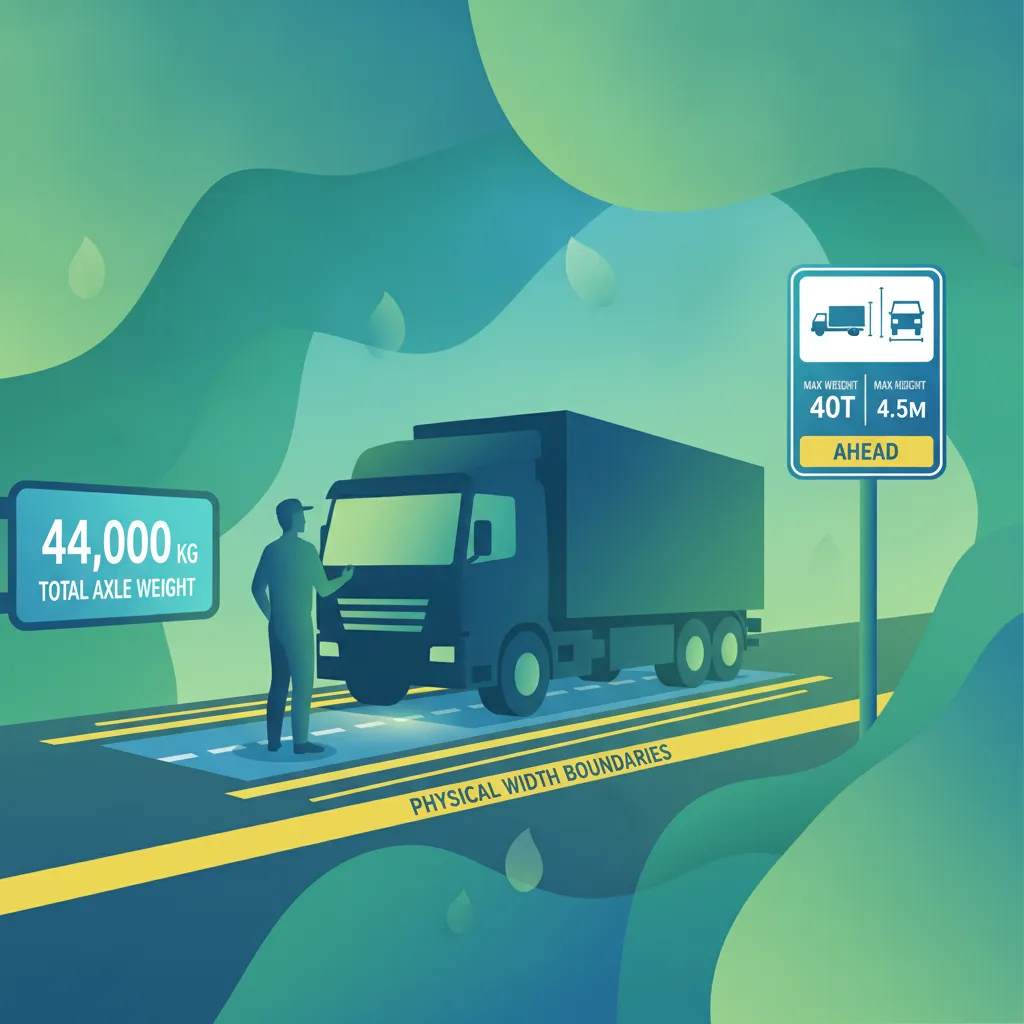
This lesson introduces the statutory limits governing the dimensions and mass of goods vehicles in Great Britain, including gross vehicle weight and individual axle loads. It explains how to calculate a vehicle's loaded weight to ensure it remains within legal parameters, preventing penalties and safety risks. Understanding these regulations is crucial for preventing damage to road infrastructure and ensuring the vehicle's stability and safe operation on every journey.
This lesson focuses on a driver's legal and ethical duty of care to all road users. It explains the concept of a road user hierarchy, which prioritizes the safety of vulnerable groups such as pedestrians, cyclists, and motorcyclists. You will learn the principles of defensive driving, anticipating potential hazards, and maintaining a courteous attitude on the road to ensure safety for everyone.
Understand how professional duty of care applies in practical driving situations, focusing on protecting vulnerable road users like pedestrians and cyclists. Learn from common scenarios faced by goods vehicle drivers.

This lesson addresses the unique challenges of operating a large goods vehicle in congested urban and city environments. It focuses on techniques for navigating narrow streets, making tight turns, and safely accessing delivery points while being highly aware of vulnerable road users like pedestrians and cyclists. The importance of exceptional observation, low-speed control, and clear communication with other road users is heavily emphasized to minimize risk in these complex settings.

This lesson explains how to adapt your driving around different vehicles. You will learn to look out for motorcyclists, who are often hard to see, especially at junctions. It also covers the challenges of sharing the road with large vehicles, such as their extended blind spots, wider turning circles, and the wind turbulence they can create.

This lesson focuses on the unique risks faced by motorcyclists and scooter riders when sharing the road with HGVs. It explains how their small size and rapid acceleration can make them difficult to see, especially when they are filtering through traffic. Drivers will learn the importance of making extra mirror checks—'look twice'—before any maneuver and giving motorcyclists extra space, as they can be more affected by wind buffeting and road surface imperfections.
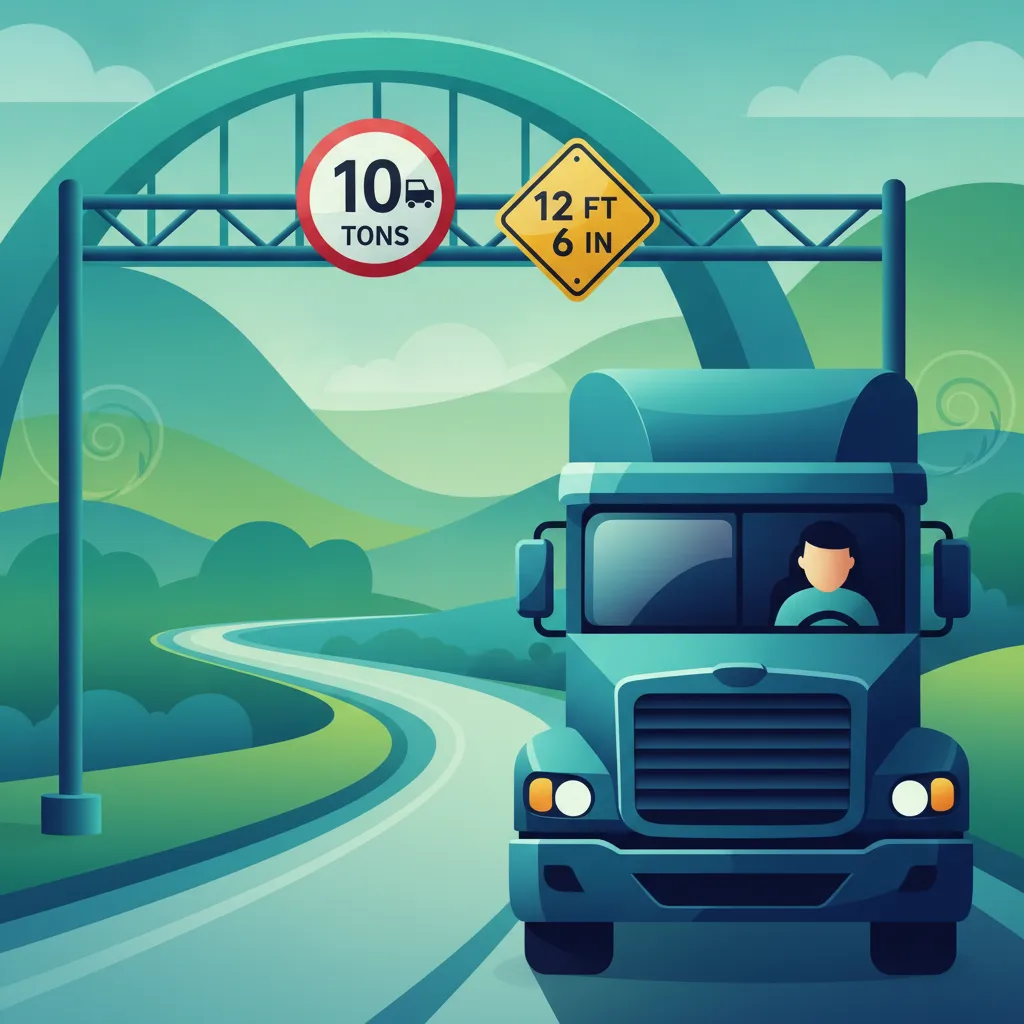
This lesson provides a detailed focus on the specific road signs that directly affect drivers of large goods vehicles. You will learn to accurately interpret mandatory signs for weight, height, and width restrictions, as well as signs indicating lane usage and prohibited routes. Understanding these signs is not optional; it is a legal requirement for avoiding fines, preventing accidents, and ensuring the safe passage of your vehicle through the road network.
This lesson teaches drivers how to identify various types of vulnerable road users and anticipate their potential actions to prevent conflicts. It covers the specific risks associated with pedestrians, cyclists, motorcyclists, children, and elderly or disabled individuals. Emphasis is placed on heightened awareness and defensive driving techniques required to share the road safely. Understanding their perspectives and typical behaviours is key to protecting them and maintaining safety for everyone.

This lesson focuses on the importance of excellent lane discipline for drivers of large vehicles. It details the rules and best practices for lane selection on motorways and dual carriageways, emphasizing the need to stay in the appropriate lane and signal intentions early. Correct positioning within a lane to maximize safety margins and visibility, especially around vulnerable road users, is a key focus for maintaining professional driving standards.

This lesson analyzes the significant impact that large goods vehicles have on overall traffic flow, particularly in congested urban areas and on narrow roads. It discusses how their size can contribute to lane blockages, reduced overtaking opportunities, and bottlenecks at junctions. Learners will study strategies to minimize these effects, such as careful lane selection, maintaining steady speeds, and allowing adequate space, to promote safer and more efficient traffic movement for everyone.

This lesson addresses the unique set of challenges that rural roads present to HGV drivers. It covers how to safely navigate narrow and winding lanes, the importance of anticipating hazards like slow-moving agricultural machinery, mud on the road, and wildlife. You will learn how the national speed limit applies to your vehicle on these roads and why it is often necessary to travel at a much lower speed to ensure safety.

This lesson reinforces the vital safety rule of maintaining an adequate following distance from the vehicle ahead. It explains why the standard 'two-second rule' must be extended for heavy vehicles, especially in poor weather or when heavily laden, to account for longer stopping distances. You will learn practical methods for judging a safe gap in various traffic situations, creating a crucial safety buffer to react to unforeseen hazards.
This lesson focuses on the specific rules and best practices for driving HGVs on motorways in Great Britain. It covers mandatory speed limits for goods vehicles, lane discipline including restrictions on using the outside lane, and procedures for safely joining and leaving the motorway. The lesson also includes up-to-date information on driving on smart motorways, including understanding the signs and using emergency refuge areas correctly.
Find clear answers to common questions learners have about Professional Duty of Care. Learn how the lesson is structured, which driving theory objectives it supports, and how it fits into the overall learning path of units and curriculum progression in Great Britain. These explanations help you understand key concepts, lesson flow, and exam focused study goals.
It means you have a legal and ethical responsibility to ensure your vehicle is safe, your load is secure, and your driving style does not put others at risk. As a professional, you are held to a higher standard than car drivers regarding safety and regulatory compliance.
No, your professional duty of care continues until the vehicle is parked safely and the load is correctly managed at the destination. Professionalism covers the entire journey, including pre-journey checks and post-journey documentation.
Because large goods vehicles have a much higher potential for causing damage or injury in the event of an accident. The DVSA wants to ensure every candidate understands that driving an HGV is a serious responsibility, not just a skill-based task.
Yes, negligence can lead to points on your license, heavy fines, or even the loss of your vocational entitlement. Consistent failure to meet standards can have severe consequences for your career and the safety of the public.
Dive into our comprehensive question bank to find exactly what you need for your Great Britain theory test. Use our advanced filters to pinpoint specific subjects or test your knowledge on challenging areas, ensuring you're fully prepared for success.