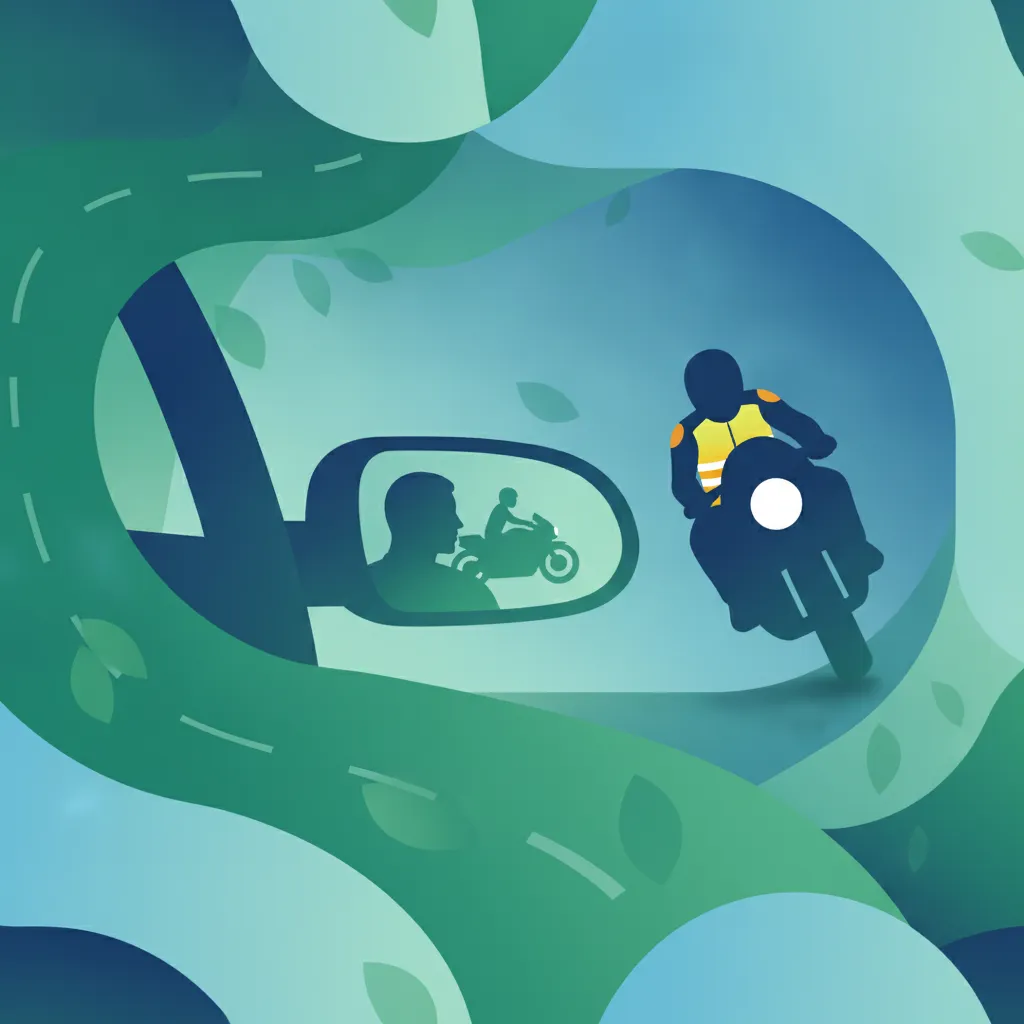
This lesson explores the critical safety measures required when sharing the road with vulnerable motorcyclists and scooter riders. As part of our Category C training, it highlights the importance of enhanced observation and vehicle placement to avoid common collision risks. You will gain the expertise needed to navigate urban environments safely while protecting smaller road users.
Lesson content overview
Operating a large goods vehicle (HGV) on public roads demands a heightened level of awareness, particularly when sharing space with vulnerable road users (VRUs). Motorcyclists and scooter riders represent a specific category of VRUs, facing unique risks due to their smaller size, rapid acceleration capabilities, and direct exposure to external forces. For Category C licence holders in Great Britain, understanding these specific hazards is crucial to prevent collisions, ensure road safety, and adhere to the strict standards set by the Highway Code and the Driver and Vehicle Standards Agency (DVSA).
This lesson will delve into the distinct challenges posed by motorcyclists and scooter riders to HGV drivers, and conversely, the challenges HGVs present to them. We will explore how their physical characteristics and common riding behaviours, such as lane filtering, impact visibility and stability, requiring professional drivers to adopt proactive and vigilant driving practices.
Motorcyclists and scooter riders are classified as vulnerable road users due to their significantly lower mass and lack of protective enclosures compared to cars and HGVs. In the event of a collision, they are at a much higher risk of serious injury or fatality. Their small visual profile makes them harder to spot, especially in the complex environment of urban traffic or on busy motorways.
The inherent size difference between an HGV and a motorcycle creates substantial visibility challenges. A motorcycle or scooter can easily be obscured by other vehicles, road furniture, or even parts of your own HGV. This is not only a problem when vehicles are stationary (static visibility), but also when they are in motion (dynamic visibility), particularly during rapid changes in speed or direction.
Motorcyclists can easily be missed in peripheral vision, requiring a dedicated, conscious effort to scan for them. Their smaller form means they occupy less space, which can lead drivers to misjudge distances or assume a lane is clear when a motorcycle is present. The Highway Code specifically addresses this, urging drivers to be extra vigilant.
The "look twice" principle is a fundamental practice for HGV drivers, specifically designed to address the challenges of detecting smaller, less visible road users like motorcyclists. This goes beyond a cursory glance and demands an additional, deliberate mirror check combined with a physical head turn to cover blind spots.
Performing an additional, deliberate mirror check on the side of the HGV opposite the intended maneuver, followed by a physical shoulder check to cover areas not visible in mirrors.
This extended checking process is crucial before initiating any manoeuvre, such as changing lanes, turning at junctions, overtaking, or even moving off from a stationary position. HGV blind spots are significantly larger than those of cars, making it easier for a motorcycle to disappear from view, even when it seems to have been visible just moments before. Integrating the 'look twice' technique into your driving routine helps compensate for the narrow field of view inherent to large vehicles and ensures better detection of motorcyclists who may be filtering or riding in adjacent lanes.
The sheer size and speed of a heavy goods vehicle generate substantial air turbulence, known as wind buffeting, which can significantly destabilise nearby motorcycles and scooters. This effect is particularly pronounced when an HGV overtakes a motorcycle or when they are travelling side-by-side on motorways or open roads.
Turbulent airflow created by the large side area of an HGV that can destabilise a nearby motorcycle or scooter, causing sudden loss of control.
This aerodynamic interaction can cause a motorcyclist to experience a sudden lateral push, making them swerve, lose balance, or even be forced off their intended path. This risk is amplified at higher speeds, in strong cross-winds, or when road surfaces are wet or uneven. As a professional HGV driver, you must anticipate this effect and adjust your driving accordingly, which primarily means maintaining a greater lateral distance and executing smoother, more gradual manoeuvres when in proximity to motorcyclists.
Lane filtering is a common practice for motorcyclists, where they ride between stationary or slow-moving lines of traffic. While it is legal in Great Britain when done safely and at low speeds, it can present an unexpected challenge for HGV drivers who may not anticipate a motorcycle appearing from between vehicles.
The practice of motorcyclists riding between stationary or slow-moving lanes of traffic, typically without overtaking from behind.
The compact nature of motorcycles allows them to utilise gaps in traffic that cars or HGVs cannot. This means a motorcyclist could quickly enter your immediate vicinity, especially in congested urban areas or at junctions. HGV drivers must continuously monitor traffic flow, including the spaces between vehicles, and be prepared for motorcyclists to filter through. Assuming a lane is fully occupied by cars and therefore clear of motorcycles is a dangerous misunderstanding that can lead to collisions. Awareness and anticipation are key to safely navigating situations where filtering motorcyclists are present.
Given the vulnerability of motorcyclists and the effects of wind buffeting and road surface sensitivity, maintaining an extra space requirement around them is not merely advised but is a critical safety imperative for HGV drivers. This refers to a greater lateral distance between your HGV and any motorcycle or scooter, especially during overtaking or when travelling side-by-side.
The mandated additional lateral clearance an HGV driver must maintain around motorcyclists and scooter riders to allow for wind gusts, manoeuvring, and reaction time.
The Highway Code recommends a minimum of 1.5 metres of lateral clearance when overtaking a motorcyclist in normal conditions. However, in adverse conditions such as strong winds, rain, or at night, an even greater distance should be provided. This additional space allows motorcyclists a vital "breathing room" to react to unforeseen hazards, counter wind gusts, or adjust their position without being forced into an unsafe manoeuvre by the HGV's proximity. Refraining from squeezing into tight gaps and always giving ample room demonstrates professional duty of care.
Motorcycles and scooters are significantly more susceptible to road surface imperfections and hazards than heavier, multi-wheeled vehicles. Potholes, oil spills, loose gravel, drain covers, or uneven tarmac, which an HGV might traverse with minimal impact, can cause a motorcyclist to lose control, skid, or even be thrown from their machine.
A motorcyclist's heightened reaction and increased risk of losing control when encountering road defects, debris, or adverse conditions due to their vehicle's low contact patch and lighter mass.
When following an HGV, a motorcyclist’s view of the road surface immediately ahead can be completely obscured. This means that if your HGV passes over a pothole or loose debris, the motorcyclist behind may not see it in time to react. HGV drivers should maintain a greater following distance from motorcycles, not only for their own braking but also to provide the motorcyclist with an unobstructed view of the road ahead, allowing them to anticipate and avoid hazards. Furthermore, avoiding leaving loose debris or being mindful of potential hazards you create (e.g., splashing water or mud) is part of responsible driving.
The Highway Code provides explicit rules and strong advice for all drivers, with particular emphasis on those operating larger vehicles like HGVs, to ensure the safety of vulnerable road users. Adhering to these regulations is not only a legal obligation but a moral one for professional drivers.
Several Highway Code rules directly address the interaction between large vehicles and motorcyclists, focusing on visibility and safe distancing:
Junctions and areas with high traffic density present particular challenges. The Highway Code outlines specific responsibilities for drivers in these scenarios:
Always assume a motorcycle or scooter might be present, even if you don't immediately see one. Their small size and speed make them easy to miss. Proactive searching, rather than passive observation, is key.
Understanding the rules is the first step; applying them correctly in dynamic driving situations is the challenge. Many collisions involving HGVs and motorcycles stem from common errors in perception, judgment, or adherence to best practices.
Here are some real-world situations demonstrating how to apply these principles:
Effective professional driving involves continuous adaptation to changing conditions. The risks associated with motorcyclists and scooters are not static; they vary significantly based on environmental and operational factors.
The emphasis on motorcyclist safety in professional driving goes beyond mere compliance; it's rooted in fundamental principles of physics, human perception, and professional responsibility.
DVSA statistics and various studies consistently highlight that a significant percentage of HGV-motorcycle collisions involve a failure to give adequate space or insufficient mirror checks by the HGV driver. Trial programs implementing enhanced "look twice" training have shown reductions in such incidents.
As a Category C licence holder, you are entrusted with a professional duty of care to all other road users, especially the most vulnerable. This includes:
By internalising these principles and consistently applying them, HGV drivers can significantly reduce the risks to motorcyclists and scooter riders, contributing to safer roads for everyone.
Explore all units and lessons included in this driving theory course.
Lesson content overview
Explore all units and lessons included in this driving theory course.
Explore search topics learners often look for when studying Risks to Motorcyclists and Scooters. These topics reflect common questions about road rules, driving situations, safety guidance, and lesson level theory preparation for learners in Great Britain.
Browse additional driving theory lessons that cover connected traffic rules, road signs, and common driving situations related to this topic. Improve your understanding of how different rules interact across everyday traffic scenarios.
Understand the specific risks HGVs pose to motorcyclists and scooter riders in Great Britain. Learn vital observation techniques like 'look twice' and how to provide extra space to ensure safe road sharing for all theory learners.
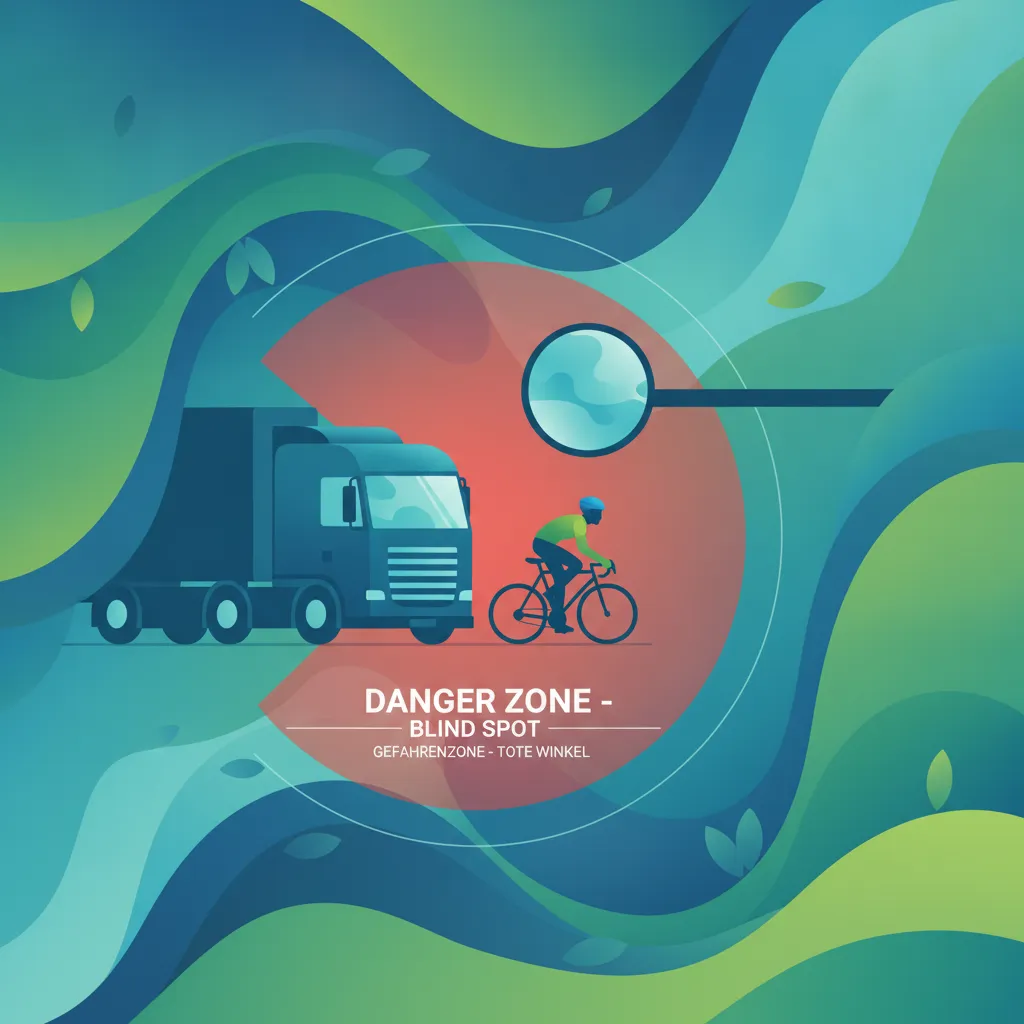
This lesson highlights the significant danger posed by the large blind spots of HGVs and buses. You will learn to identify these hazardous areas around a vehicle where the driver cannot see you. The lesson provides practical strategies for staying out of these zones, especially at junctions and when overtaking, to prevent serious accidents.

This lesson explains how to adapt your driving around different vehicles. You will learn to look out for motorcyclists, who are often hard to see, especially at junctions. It also covers the challenges of sharing the road with large vehicles, such as their extended blind spots, wider turning circles, and the wind turbulence they can create.

This lesson provides a detailed map of the significant blind spots located to the front, sides, and rear of a typical heavy goods vehicle. It explains the purpose of the different classes of mirrors and how to adjust them correctly for maximum visibility. Learners will be taught effective scanning techniques—'mirror-signal-manoeuvre'—to actively check these zones before changing position, ensuring they are aware of any hidden hazards or other road users.
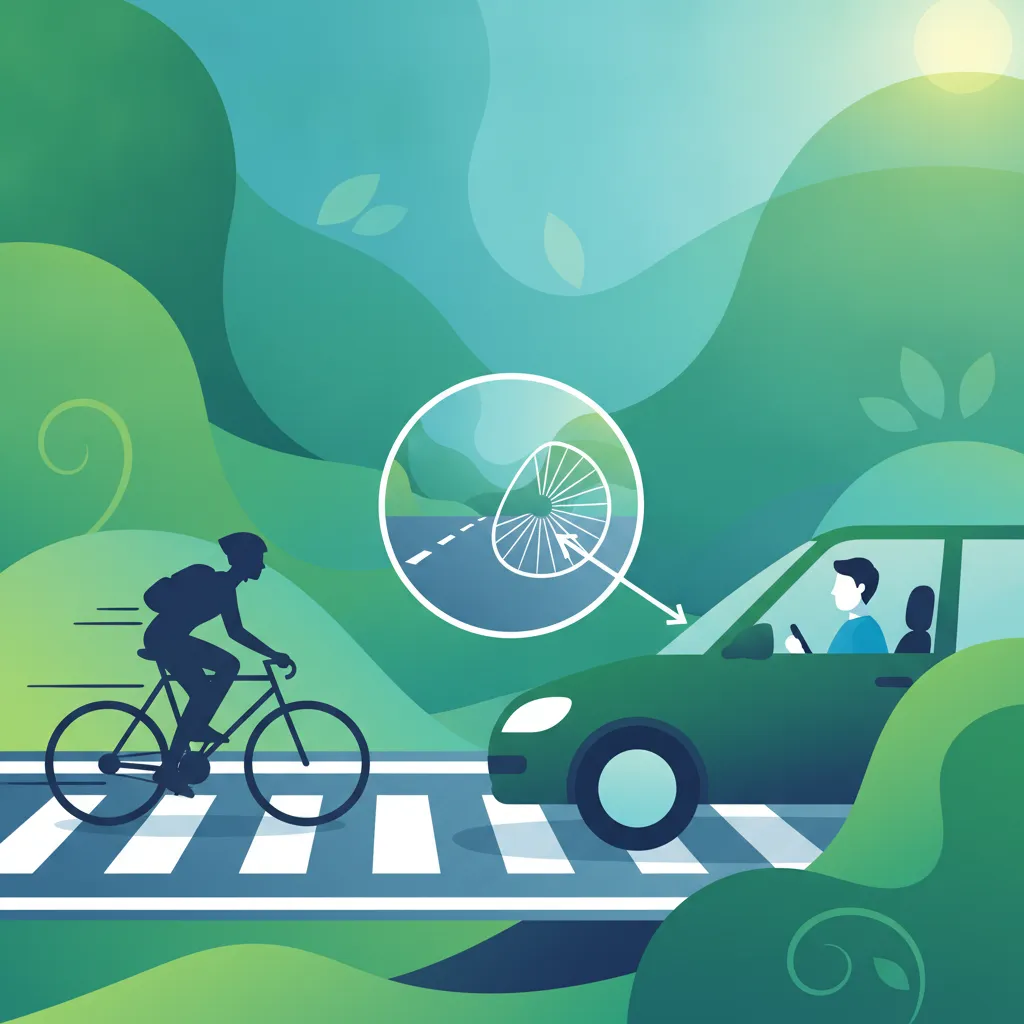
This lesson is dedicated to the safe interaction between large vehicles and the most vulnerable road users: pedestrians and cyclists. It highlights high-risk scenarios, such as left turns at junctions, where cyclists can be hidden in nearside blind spots. The content stresses the importance of anticipation, using signals clearly, and providing generous space at crossings, in cycle lanes, and within pedestrianized zones to prevent tragic accidents.
This lesson addresses the unique challenges of operating a large goods vehicle in congested urban and city environments. It focuses on techniques for navigating narrow streets, making tight turns, and safely accessing delivery points while being highly aware of vulnerable road users like pedestrians and cyclists. The importance of exceptional observation, low-speed control, and clear communication with other road users is heavily emphasized to minimize risk in these complex settings.

This lesson highlights why motorcyclists are considered vulnerable road users. It covers the increased risk of serious injury in a collision due to lack of physical protection compared to car occupants. You will learn about common visibility challenges and how to adopt proactive, defensive strategies to mitigate risks and anticipate potential hazards on the road.
This lesson teaches riders how to be constantly aware of blind spots to prevent collisions. You will learn the importance of the 'lifesaver' shoulder check before changing position, turning, or moving off. The content emphasizes active visual scanning of the road ahead and around you, along with developing the judgment needed to accurately assess traffic speed and create safe gaps for maneuvering in various traffic situations.

This lesson focuses on safe interaction with cyclists, a key aspect of urban driving for PCV operators. It details the rules for cycle lanes and advanced stop lines, and the correct procedure for overtaking cyclists, emphasizing the need to provide ample space. The content stresses the importance of frequent mirror checks to manage blind spots where cyclists can be hidden, especially when turning at junctions, to ensure their safety and comply with the Highway Code's road user hierarchy.

This lesson focuses on the critical skill of positioning your AM vehicle safely in relation to larger vehicles and roadside hazards like parked cars. You will learn to identify and stay out of the extensive blind spots of lorries and buses, especially at junctions. The content also provides strategies for maintaining a safe 'space cushion' around your vehicle and navigating narrow gaps or filtering in traffic without compromising your safety.
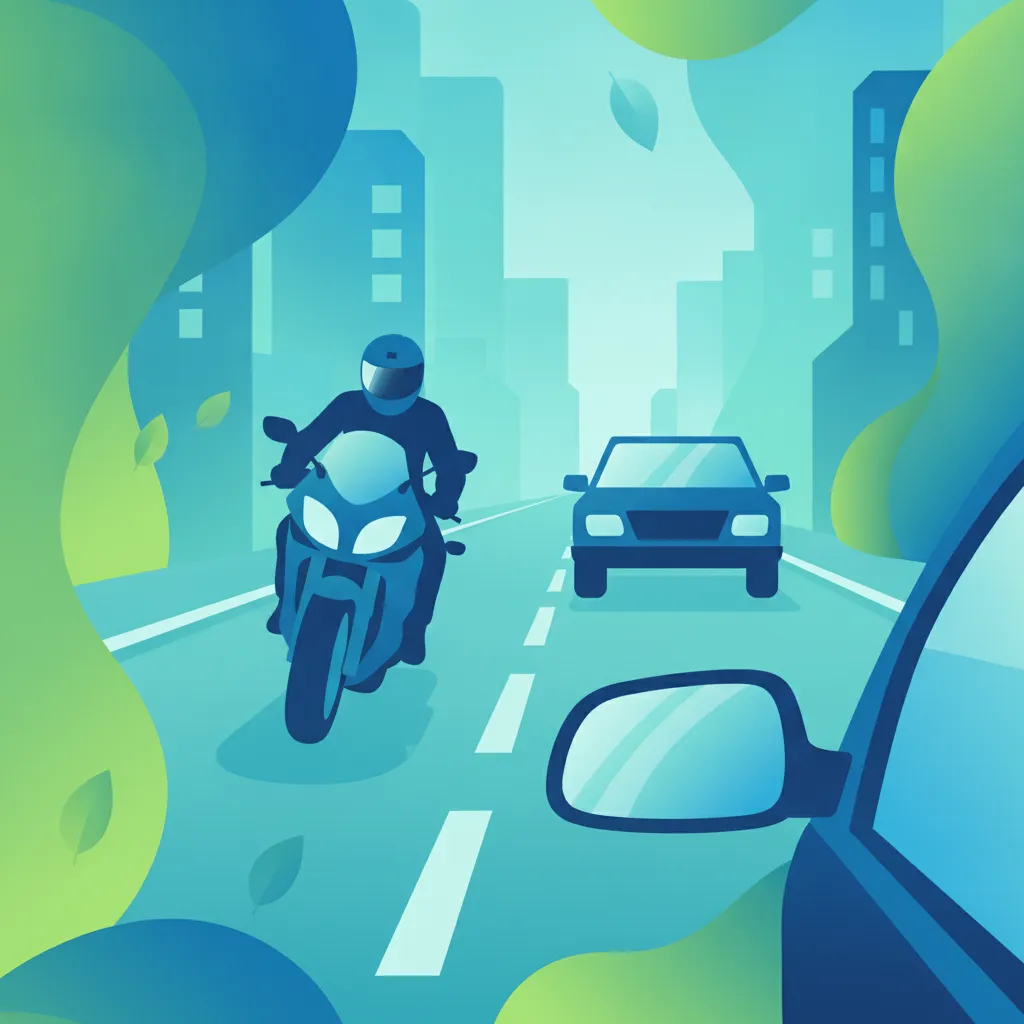
This lesson teaches strategic road positioning techniques to maximize your visibility and safety in traffic. You will learn how to choose the correct lane position to avoid the blind spots of larger vehicles and how to communicate your intentions through predictable riding. Key skills covered include effective use of shoulder checks, making eye contact with drivers, and maintaining a safe following distance, all of which are crucial for defensive riding on British roads.
Identify and learn to avoid frequent mistakes HGV drivers make when encountering motorcyclists and scooters. This lesson focuses on practical scenarios and crucial theory to prevent collisions and ensure road safety.
This lesson highlights the significant danger posed by the large blind spots of HGVs and buses. You will learn to identify these hazardous areas around a vehicle where the driver cannot see you. The lesson provides practical strategies for staying out of these zones, especially at junctions and when overtaking, to prevent serious accidents.
This lesson explains how to adapt your driving around different vehicles. You will learn to look out for motorcyclists, who are often hard to see, especially at junctions. It also covers the challenges of sharing the road with large vehicles, such as their extended blind spots, wider turning circles, and the wind turbulence they can create.
This lesson focuses on the dynamic and often unpredictable nature of urban traffic. It covers how to safely negotiate various pedestrian crossings, anticipate the movement of cyclists and pedestrians, and be aware of hazards like bus stops and car doors opening. You will also learn about the considerations for safe and legal filtering in slow-moving traffic.
This lesson is dedicated to the safe interaction between large vehicles and the most vulnerable road users: pedestrians and cyclists. It highlights high-risk scenarios, such as left turns at junctions, where cyclists can be hidden in nearside blind spots. The content stresses the importance of anticipation, using signals clearly, and providing generous space at crossings, in cycle lanes, and within pedestrianized zones to prevent tragic accidents.

This lesson identifies behaviours that significantly increase a rider's risk of being involved in a collision. It explains the dangers of excessive speed, following too closely, and aggressive riding. You will learn how a rider's attitude and choices directly contribute to their safety and the legal penalties associated with these offences.
This lesson highlights why motorcyclists are considered vulnerable road users. It covers the increased risk of serious injury in a collision due to lack of physical protection compared to car occupants. You will learn about common visibility challenges and how to adopt proactive, defensive strategies to mitigate risks and anticipate potential hazards on the road.

This lesson synthesizes safety concepts into a proactive strategy for collision avoidance. It teaches the principles of defensive driving, which involves anticipating potential hazards created by other road users or road conditions and planning an escape route. Maintaining high levels of situational awareness, managing distractions, and leaving a significant safety margin around the vehicle are presented as fundamental techniques for minimizing risk on every journey.
This lesson explains the function of warning signs, which are mostly triangular and alert road users to potential dangers ahead. You will learn to identify signs for bends, junctions, slippery surfaces, and other hazards particularly relevant to motorcyclists. Acting on these warnings allows a rider to adjust speed and position proactively, enhancing safety.
This lesson focuses on safe interaction with cyclists, a key aspect of urban driving for PCV operators. It details the rules for cycle lanes and advanced stop lines, and the correct procedure for overtaking cyclists, emphasizing the need to provide ample space. The content stresses the importance of frequent mirror checks to manage blind spots where cyclists can be hidden, especially when turning at junctions, to ensure their safety and comply with the Highway Code's road user hierarchy.

A motorcyclist is particularly vulnerable to imperfections in the road surface. This lesson teaches you how to actively scan the road ahead to spot hazards like potholes, patches of gravel, or slippery diesel spills. You will learn safe techniques for either avoiding these hazards or crossing them with minimal risk if avoidance is not possible.
Find clear answers to common questions learners have about Risks to Motorcyclists and Scooters. Learn how the lesson is structured, which driving theory objectives it supports, and how it fits into the overall learning path of units and curriculum progression in Great Britain. These explanations help you understand key concepts, lesson flow, and exam focused study goals.
Because motorcyclists and scooter riders can move quickly and often occupy a small visual profile. A single check may miss a rider entering your blind spot, so looking twice ensures you have a true picture of the surrounding traffic before maneuvering.
Wind buffeting is the turbulence caused by the displacement of air by a large vehicle. Motorcyclists and scooter riders are particularly vulnerable to this, as it can cause their vehicles to become unstable or wobble, potentially leading to a loss of control near your lorry.
Avoid swinging wide if possible, and maintain a clear, predictable path. Never leave enough room on your nearside for a rider to filter in if you are planning to turn left, as this is a primary cause of severe accidents at urban junctions.
Yes, many theory test hazard perception clips involve vulnerable road users such as cyclists and motorcyclists moving between lanes. Recognizing these hazards early is key to scoring high on the test and staying safe on the road.
Dive into our comprehensive question bank to find exactly what you need for your Great Britain theory test. Use our advanced filters to pinpoint specific subjects or test your knowledge on challenging areas, ensuring you're fully prepared for success.