
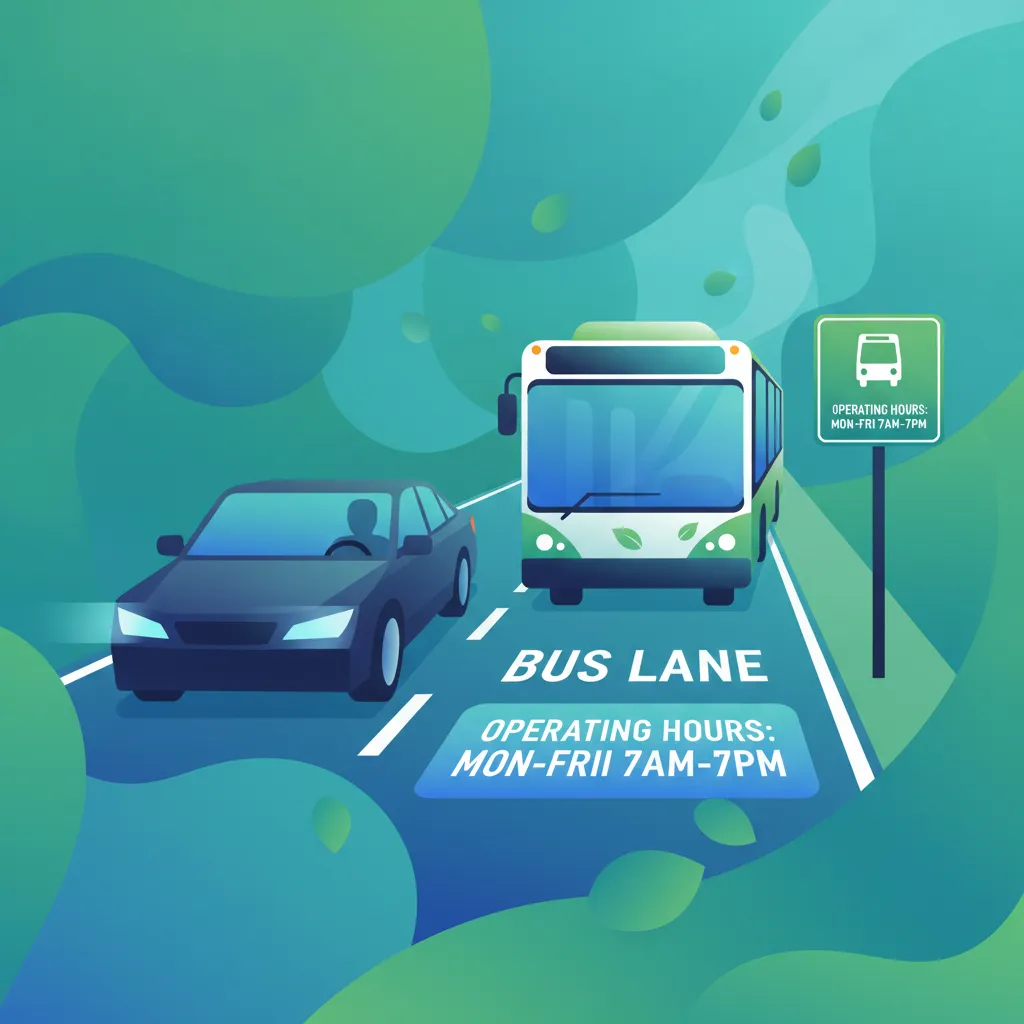
This lesson explores the essential rules for navigating bus lanes and handling priority situations as a professional passenger vehicle driver. You will gain a clear understanding of legal lane usage, operating times, and the specific signs that dictate when and how you can enter bus lanes, ensuring you are fully prepared for both your theory test and daily driving.
Lesson content overview
Explore all units and lessons included in this driving theory course.
Lesson content overview
Explore all units and lessons included in this driving theory course.
Explore search topics learners often look for when studying Designated Bus Lanes and Priority Situations. These topics reflect common questions about road rules, driving situations, safety guidance, and lesson level theory preparation for learners in Great Britain.
Browse additional driving theory lessons that cover connected traffic rules, road signs, and common driving situations related to this topic. Improve your understanding of how different rules interact across everyday traffic scenarios.
Explore how dedicated bus signals, traffic flow management, and priority infrastructure function in UK cities. Gain a deeper understanding of how these systems assist bus drivers in navigating complex intersections and urban centres efficiently and safely as part of the broader road transport network.

This lesson examines strategies for managing congestion in city centres, focusing on effective bus lane usage, understanding priority signalling, and route optimisation. It covers best practices for avoiding traffic jams while maintaining passenger loading efficiency and service reliability. Additionally, the lesson discusses how bus stop timing and adherence to specific urban traffic regulations directly affect overall congestion and passenger flow, helping drivers make informed decisions in dense traffic.

This lesson examines the design and operation of urban bus stops and how passenger flow can be managed efficiently. It covers strategies for crowd control, dwell time minimization, effective queuing systems, and proper loading zone utilization. It also explores how bus stop signage and clear passenger information can aid in smooth boarding and alighting. Mastering these skills enhances overall safety, improves service quality, and maintains schedule reliability in challenging urban environments.
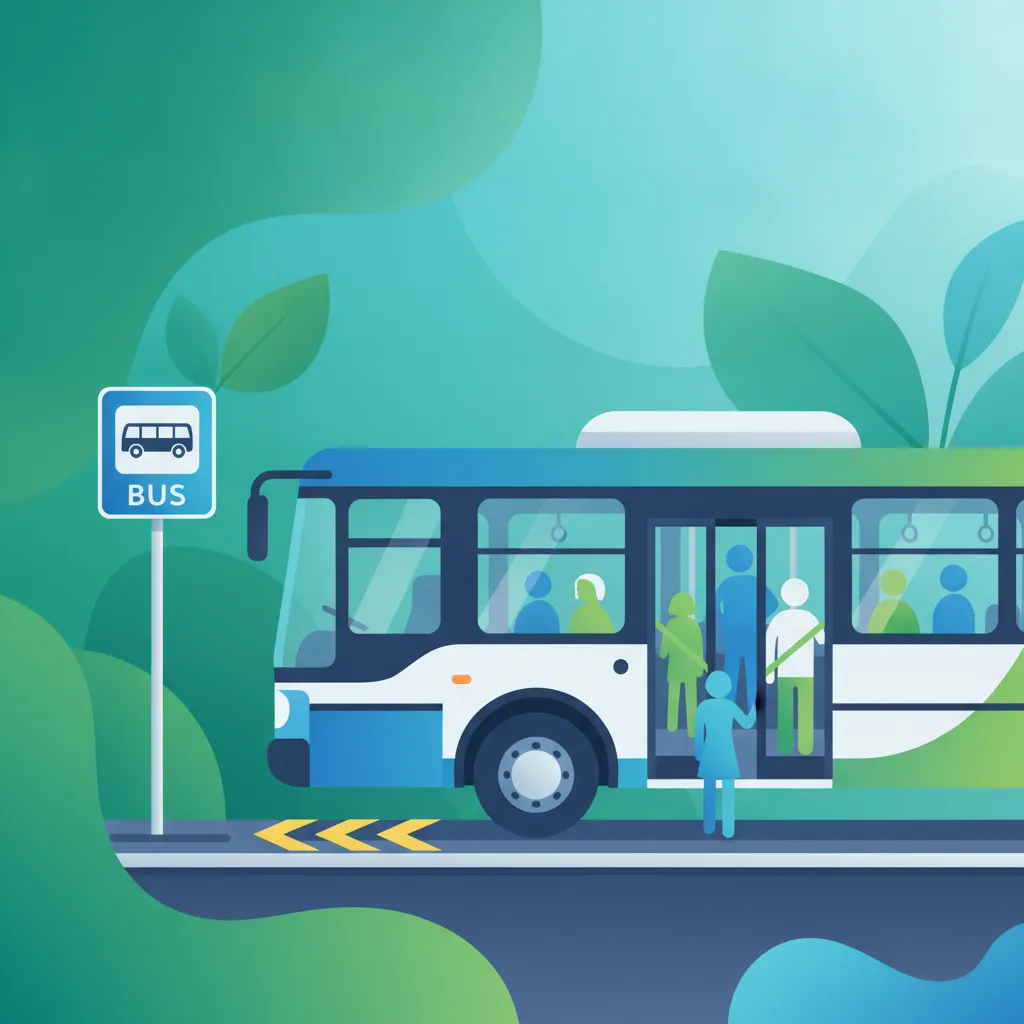
In this lesson, learners will study the specific signage and markings related to bus stops and designated passenger loading zones. Topics include correct stop approach, positioning the bus for safe boarding and alighting, and the proper use of these areas. Learners will also examine the legal expectations for passenger loading zones, including restrictions on stopping outside these zones and best practices for managing passenger flow safely and efficiently during busy periods.
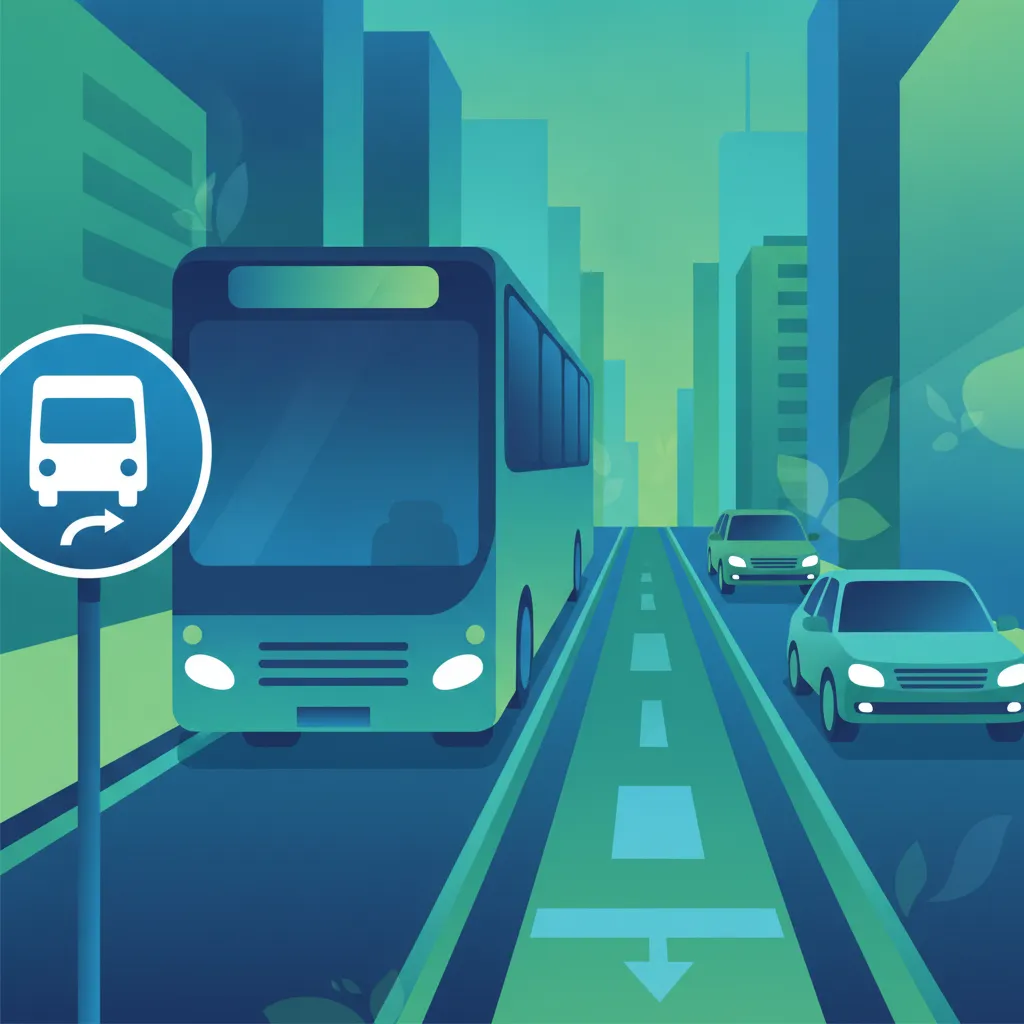
This lesson examines the unique rules and restrictions governing buses and coaches, focusing on bus lane priority, time-based restrictions, and loading zone limitations. Learners will explore the criteria for using bus-only routes and understand the legal consequences of non-compliance. The content also reviews signage indicating bus gate operation and areas where passenger vehicles are prohibited from stopping or loading outside of designated zones, ensuring lawful and efficient urban navigation.
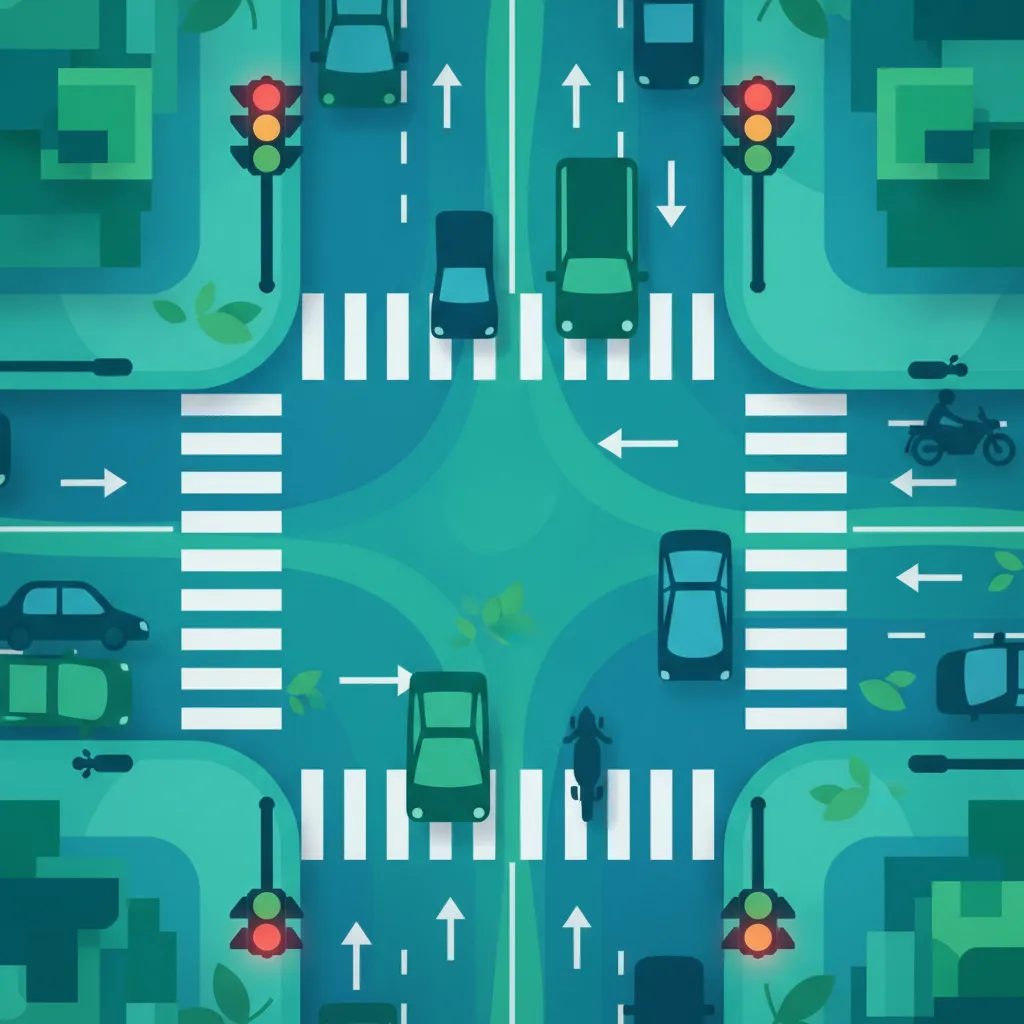
This lesson details how to safely navigate junctions controlled by traffic signals. It explains the meaning of filter arrows, which allow you to proceed in a specific direction even if the main light is red. You will also learn about respecting advanced stop lines for cyclists and how to approach a junction when the traffic lights are not working.

This lesson covers the operation of traffic light signals and the rules for approaching them safely. It also provides a detailed explanation of different pedestrian crossings, such as zebra, pelican, and toucan crossings, clarifying the specific rules and priority for each. You will learn to anticipate the actions of pedestrians and other vulnerable road users at these locations.
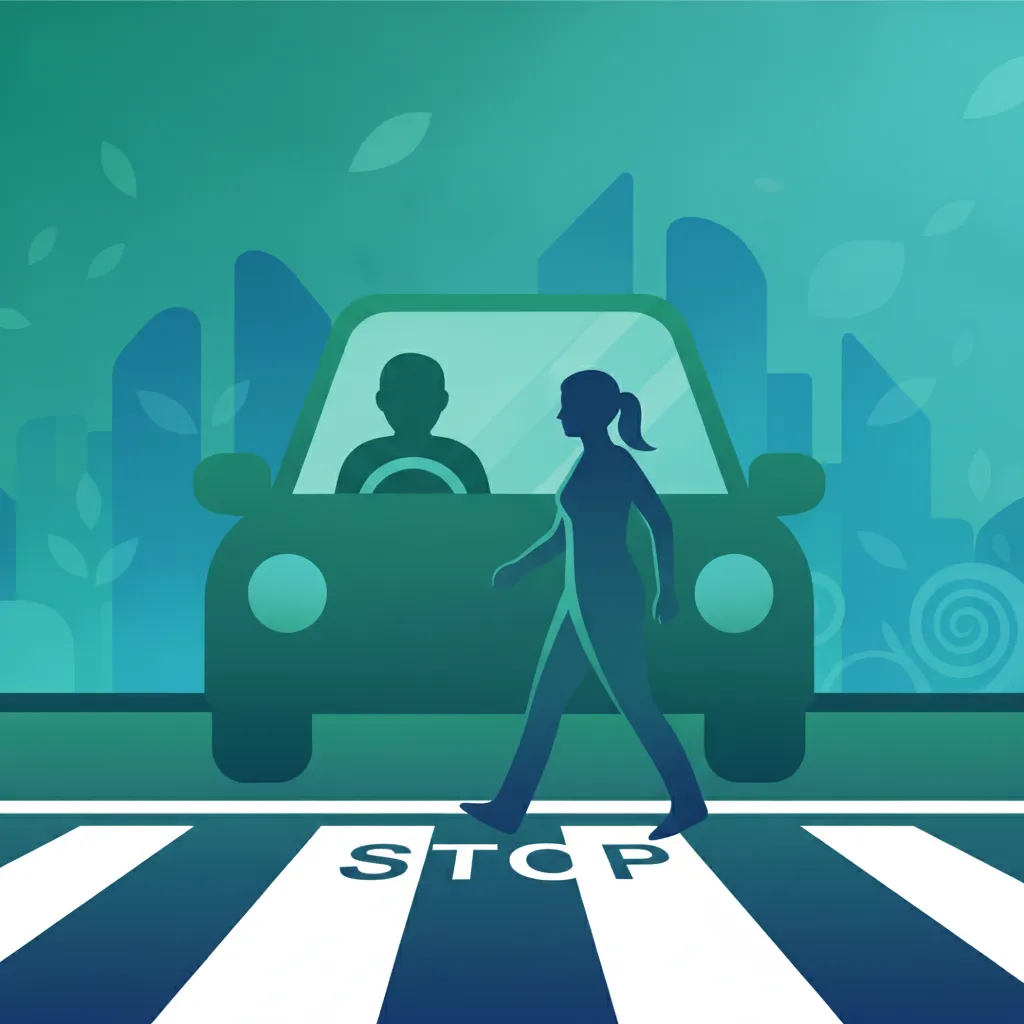
This lesson discusses the crucial interaction between passenger vehicles and pedestrians at and around bus stops. Learners will explore pedestrian right-of-way, especially at crosswalks, and positioning strategies to maintain a safe distance from people waiting or crossing. The lesson also covers pedestrian alertness measures and conflict avoidance techniques to protect vulnerable road users. This knowledge is essential for preventing accidents and maintaining a safe environment around the vehicle during stops.
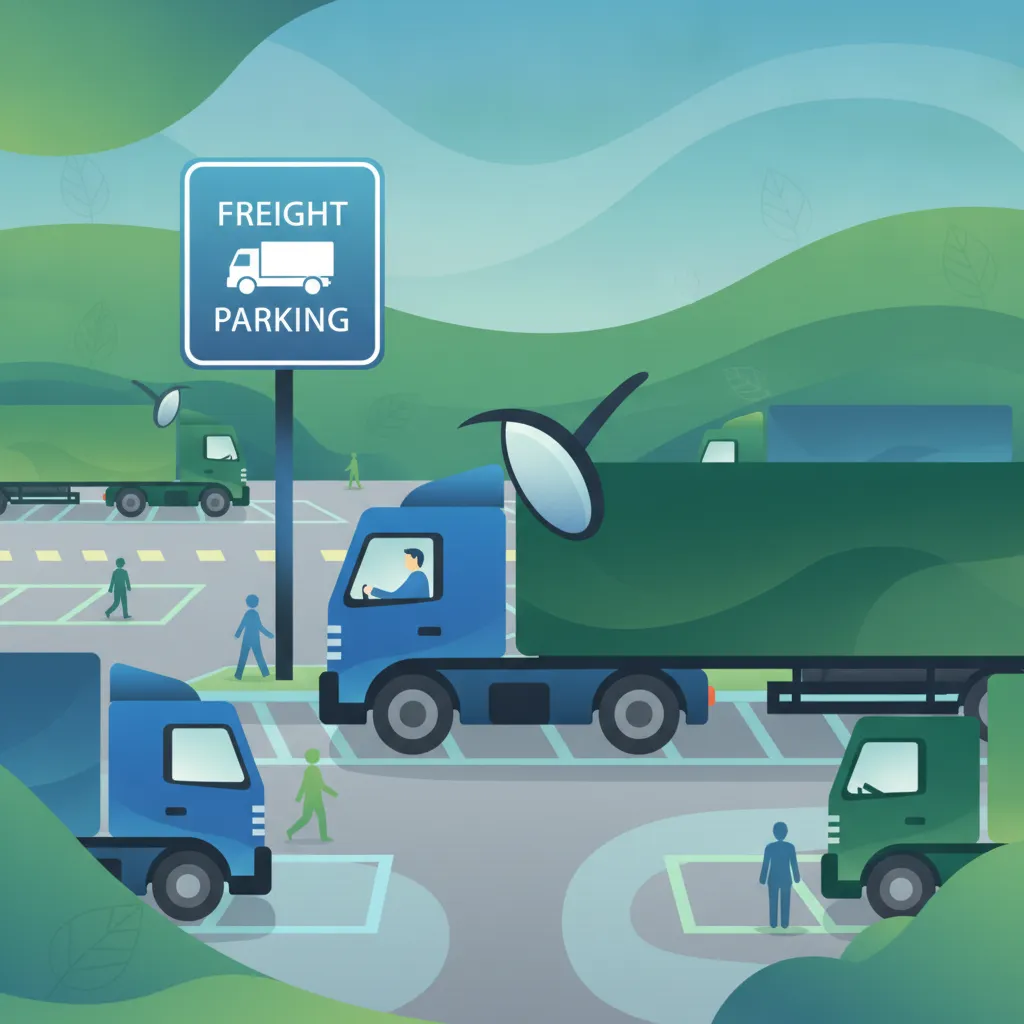
This lesson covers the specific procedures for operating within busy bus terminals and service areas. It details the protocols for approaching and parking in allocated bays, managing the safe flow of passengers, and communicating with station staff. The content emphasizes the need for extreme caution and low-speed manoeuvring due to high pedestrian traffic. It also reviews pre-departure checks and communication protocols necessary for efficient and safe terminal operations.

This lesson explains the critical rules of priority that govern traffic flow at junctions, roundabouts, and crossings throughout Great Britain. You will learn how to determine who has right-of-way at both marked and unmarked intersections, and the specific rules for giving way to traffic on roundabouts. The lesson also reinforces the hierarchy of road users from the Highway Code, ensuring you understand when to yield to pedestrians and other vulnerable users.

This lesson covers the explicit priority instructions given by signs and markings at junctions. It explains that at a 'Give Way' line, you must yield to traffic on the major road but can proceed if it is safe. At a 'Stop' sign, you must come to a complete halt before the line, assess the traffic, and only proceed when safe.
Learn the correct procedures for merging into traffic from bus lanes and designated stops. This guide explains how to safely navigate lane changes, manage blind spots, and coordinate with other road users while maintaining professional driving standards within the Great Britain road infrastructure.

This lesson addresses the unique challenges of operating a large goods vehicle in congested urban and city environments. It focuses on techniques for navigating narrow streets, making tight turns, and safely accessing delivery points while being highly aware of vulnerable road users like pedestrians and cyclists. The importance of exceptional observation, low-speed control, and clear communication with other road users is heavily emphasized to minimize risk in these complex settings.

This lesson teaches the skill of joining a major road like a dual carriageway or motorway. It explains how to use the slip road to build up your speed to match the traffic flow on the main road. The focus is on observation, signalling, and finding a safe gap before merging smoothly and decisively into the traffic stream.

This lesson analyzes the significant impact that large goods vehicles have on overall traffic flow, particularly in congested urban areas and on narrow roads. It discusses how their size can contribute to lane blockages, reduced overtaking opportunities, and bottlenecks at junctions. Learners will study strategies to minimize these effects, such as careful lane selection, maintaining steady speeds, and allowing adequate space, to promote safer and more efficient traffic movement for everyone.
This lesson examines strategies for managing congestion in city centres, focusing on effective bus lane usage, understanding priority signalling, and route optimisation. It covers best practices for avoiding traffic jams while maintaining passenger loading efficiency and service reliability. Additionally, the lesson discusses how bus stop timing and adherence to specific urban traffic regulations directly affect overall congestion and passenger flow, helping drivers make informed decisions in dense traffic.

This lesson provides detailed instruction on turning techniques tailored for long vehicles. It explains the concepts of off-tracking (where rear wheels follow a tighter path than front wheels) and rear swing, and how to compensate for them. Learners will understand how to position the vehicle correctly when approaching and navigating left and right turns at junctions, roundabouts, and tight corners, using mirrors and signals effectively to ensure clearance and safety.

This lesson explores how to maintain safe following distances specific to large passenger vehicles, accounting for their higher inertia and longer braking distances. It covers time-gap calculations, such as the four-second rule, and dynamic following distance adjustments based on speed and road conditions. Emphasis is placed on avoiding tailgating, ensuring a sufficient safety buffer is always present, and developing an awareness of convoy driving scenarios where multiple large vehicles are present.

This lesson focuses on the importance of excellent lane discipline for drivers of large vehicles. It details the rules and best practices for lane selection on motorways and dual carriageways, emphasizing the need to stay in the appropriate lane and signal intentions early. Correct positioning within a lane to maximize safety margins and visibility, especially around vulnerable road users, is a key focus for maintaining professional driving standards.

This lesson focuses on the critical skill of positioning your AM vehicle safely in relation to larger vehicles and roadside hazards like parked cars. You will learn to identify and stay out of the extensive blind spots of lorries and buses, especially at junctions. The content also provides strategies for maintaining a safe 'space cushion' around your vehicle and navigating narrow gaps or filtering in traffic without compromising your safety.

This lesson addresses the unique challenges of driving a large vehicle on rural roads. It provides techniques for positioning the vehicle through sharp bends and on narrow lanes, and for safely navigating unmarked or uncontrolled junctions. Learners will be taught to anticipate hidden hazards common in the countryside, such as slow-moving farm vehicles, animals on the road, and concealed entrances. The correct use of passing places and strategies for meeting oncoming traffic are also covered.
Find clear answers to common questions learners have about Designated Bus Lanes and Priority Situations. Learn how the lesson is structured, which driving theory objectives it supports, and how it fits into the overall learning path of units and curriculum progression in Great Britain. These explanations help you understand key concepts, lesson flow, and exam focused study goals.
No, you must always check the sign at the start of the lane. Some lanes are restricted to local buses only, while others may allow coaches, taxis, or cycles. Never assume your Category D vehicle has automatic access.
If the sign indicates the bus lane is only active during certain times, it becomes part of the normal road surface outside those hours. However, you must always observe the signage carefully, as some lanes operate 24 hours a day.
Look for the broken white line markings and the 'End of bus lane' sign or the termination of the bus lane road markings. As a professional driver, always anticipate the need to merge back into the main traffic flow safely.
Buses only have priority where specifically indicated by road signs, markings, or traffic signals. Do not assume priority unless the Highway Code or local signage clearly states it, especially in busy city centres.
Dive into our comprehensive question bank to find exactly what you need for your Great Britain theory test. Use our advanced filters to pinpoint specific subjects or test your knowledge on challenging areas, ensuring you're fully prepared for success.