The UD21.2 sign, 'End of Two-way cycle traffic', indicates that a previous mandatory instruction for cyclists to use a specific two-way cycle path no longer applies. You will typically see this sign marking the end of such a designated area. Always pay close attention to subsequent signs, road markings, or general traffic rules to understand what applies next. This is a mandatory sign, requiring a specific action from road users.
This sign indicates the termination of a previously mandated two-way cycle path, requiring careful attention to subsequent road markings or signs. Mastering its meaning is crucial for accurate traffic sign explanation during your theory test revision.
This Danish mandatory sign requires a specific action rather than merely giving information. It may prescribe direction, lane choice, path use, pass-side, minimum speed, or the route for a particular road user. Drivers should match the sign to the correct lane and road layout, then check markings, panels, and end signs to understand how long the instruction remains in force. Official catalogue code: UD21.2.
The "End of Two-way cycle traffic" sign marks where the previous mandatory requirement no longer applies. Continue under the next sign, marking, or general road rule. Catalogue code UD21.2.
Get clear, practical answers to the most common questions about the UD21.2 - End of Two-way cycle traffic road sign. Learn how the sign works, what rules it represents, and how it affects real driving situations. This FAQ strengthens your understanding and supports accurate decision making for the Danish driving theory exam in Denmark.
As a driver of a motor vehicle, this sign primarily affects cyclists, indicating that the mandatory requirement for them to use a two-way cycle path has ended. For you, it signifies that the previous rule is no longer in effect and you should look for the next sign, marking, or general rule that dictates traffic behaviour. It is crucial to understand that this sign itself does not impose a new requirement on motor vehicles but signals the end of a previous one for cyclists.
When you see the UD21.2 sign, it means that cyclists are no longer mandated to use the specific two-way cycle path that was previously required. For you, the driver of a car, it's important to be aware that the traffic situation for cyclists is changing. Continue to observe the road ahead, including any new signs or markings, and be prepared for cyclists potentially merging with or leaving designated paths.
The UD21.2 sign itself is an 'end' sign, meaning a previous mandatory action for cyclists has finished. For motor vehicle drivers, the primary principle is to remain aware and compliant with all other traffic rules. Do not assume that because the mandatory cycle path requirement has ended, cyclists will disappear; they may still be present, and you must always drive with due care and attention, especially around cycle lanes or where cyclists might be.
The UD21.2 sign's main clarification is that the specific mandatory instruction for two-way cycle traffic is no longer in force. This means cyclists are now subject to the next applicable rule or sign. For drivers, it means you should be prepared for the possibility of cyclists behaving differently than they were required to under the previous rule. Always follow standard Danish traffic rules regarding cyclists, including giving them adequate space and priority where applicable.
You would typically see the UD21.2 'End of Two-way cycle traffic' sign at locations where a mandatory two-way cycle path, often marked by signs like UD21.1, concludes. This could be at the end of a dedicated cycle lane on a road, before a junction where the cycle path merges back into the general road layout, or where cyclists are permitted to rejoin or diverge from their designated path according to new traffic regulations.
The UD21.2 sign primarily concerns mandatory cycle paths. While it doesn't directly dictate your speed as a car driver, Danish traffic law requires you to always drive at a speed that allows you to safely navigate traffic and any potential hazards. Because the sign indicates a change in rules for cyclists, it's a good reminder to be extra vigilant and adjust your speed if necessary, especially if cyclists are likely to change their behaviour or road position.
A clear reference image of the UD21.2 - End of Two-way cycle traffic road sign used in Denmark.

The UD21.2 - End of Two-way cycle traffic road sign may also be known by these alternative names or terms.
The UD21.2 - End of Two-way cycle traffic road sign is part of the Danish Mandatory Signs category, which groups together signs with similar rules and functions.
Sharpen your recognition of Danish road signs by comparing similar ones, aiding memory and reducing errors during your theory test revision. Practicing traffic sign comparison helps solidify your understanding of nuanced differences for accurate exam preparation.
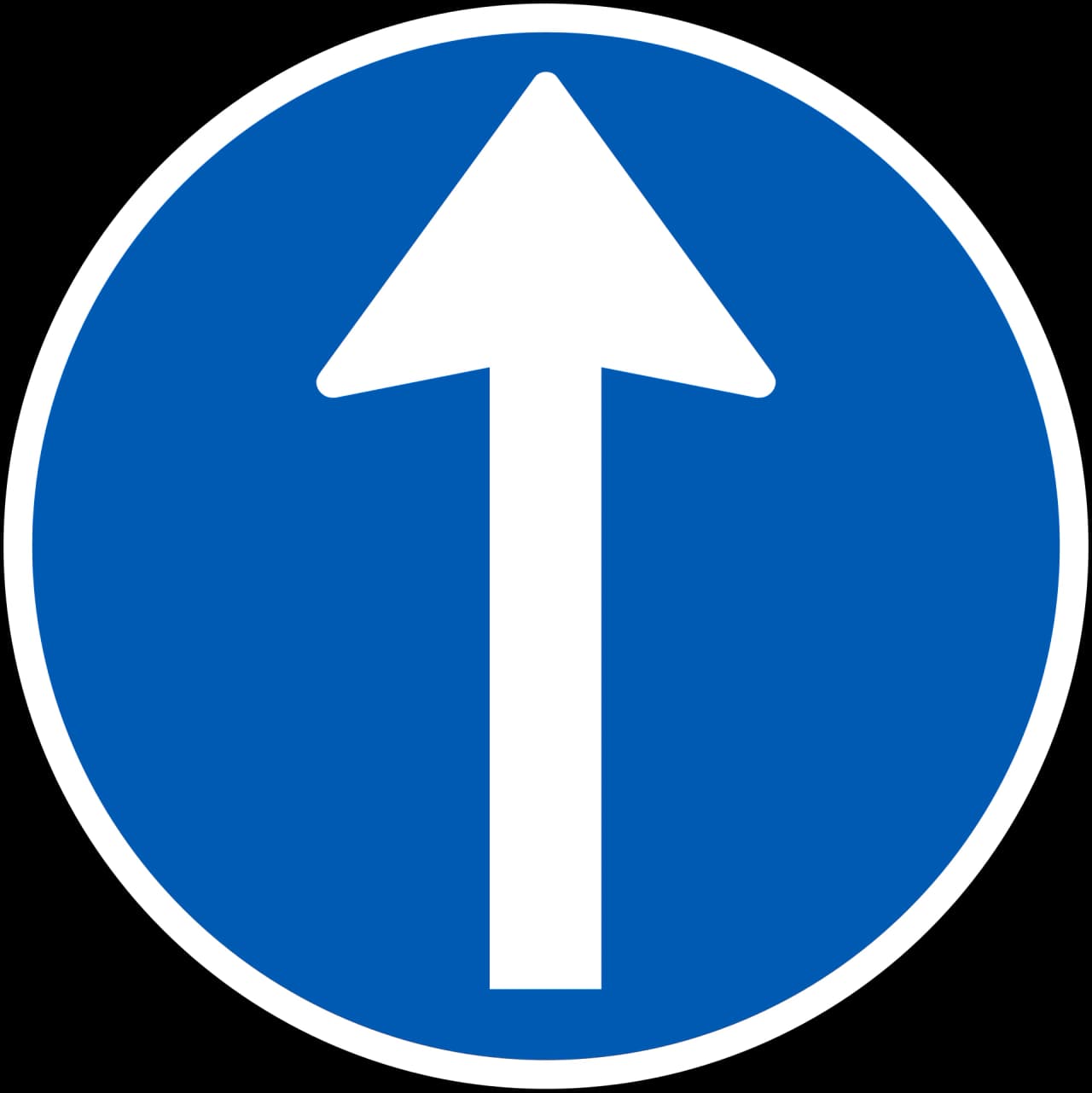
D11.1 Mandatory Direction: You Must Follow This Instruction
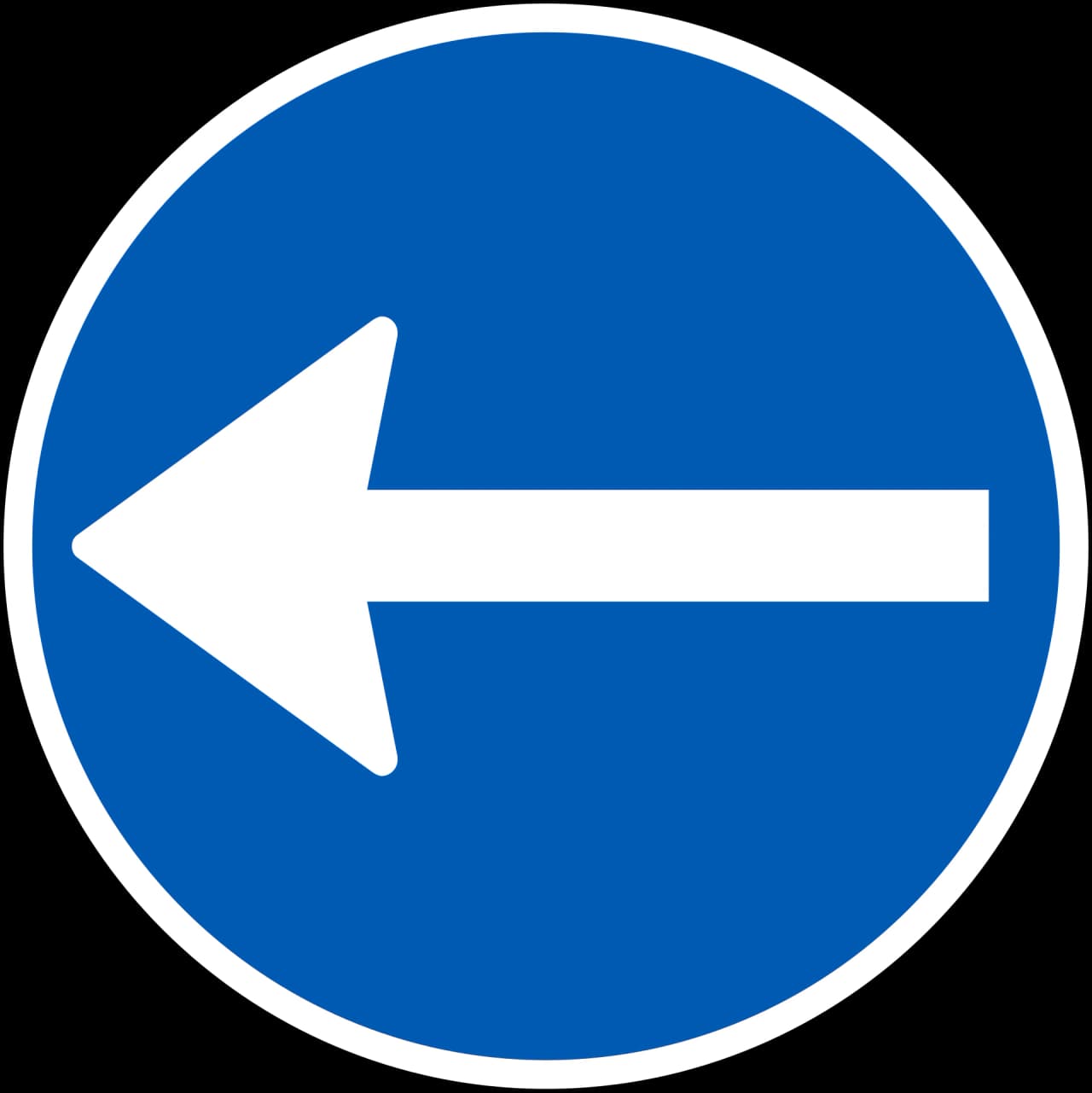
D11.2 Mandatory Direction: Follow the Required Path or Lane
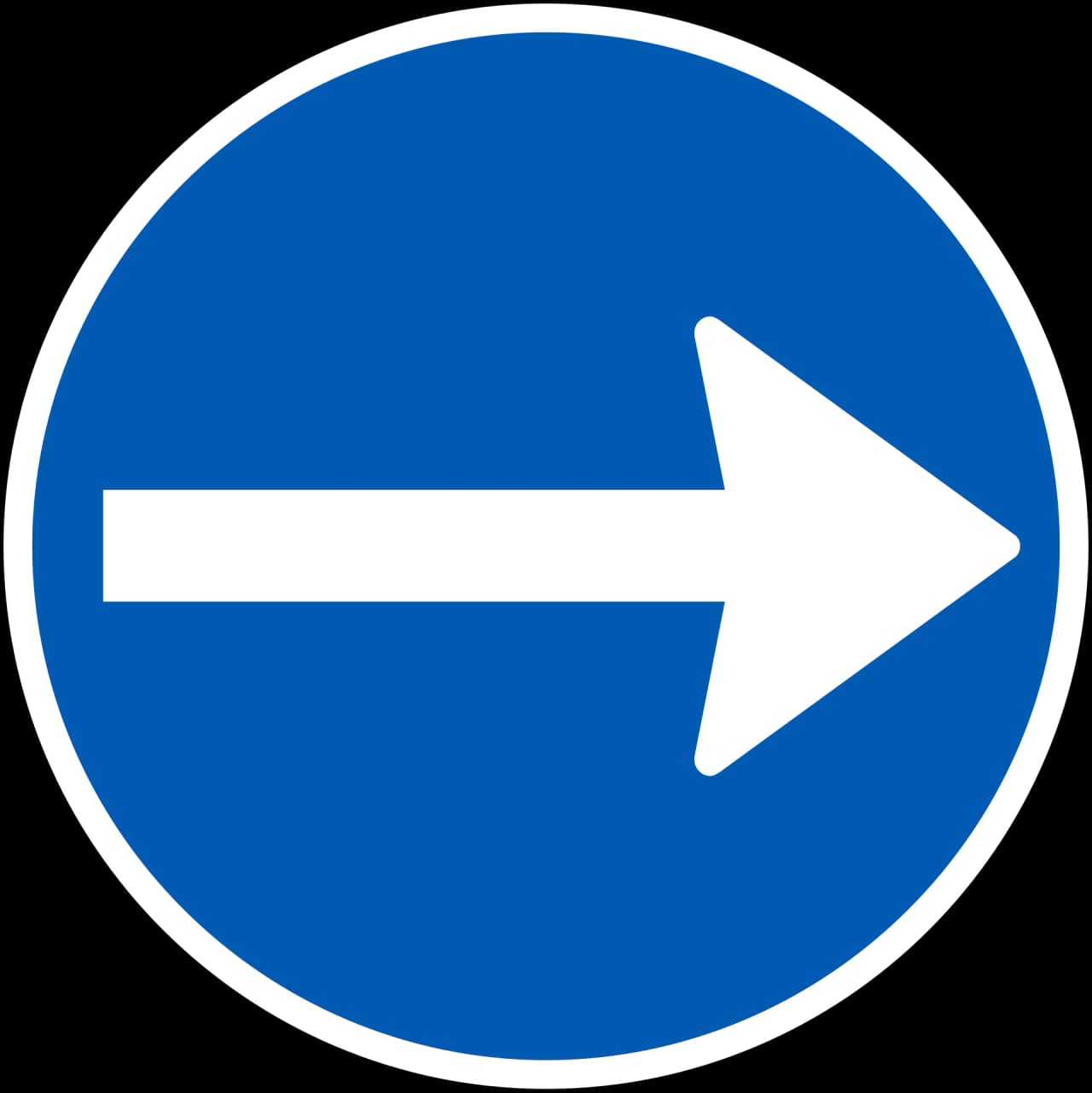
Mandatory Direction: Follow the Arrow or Lane Indicated
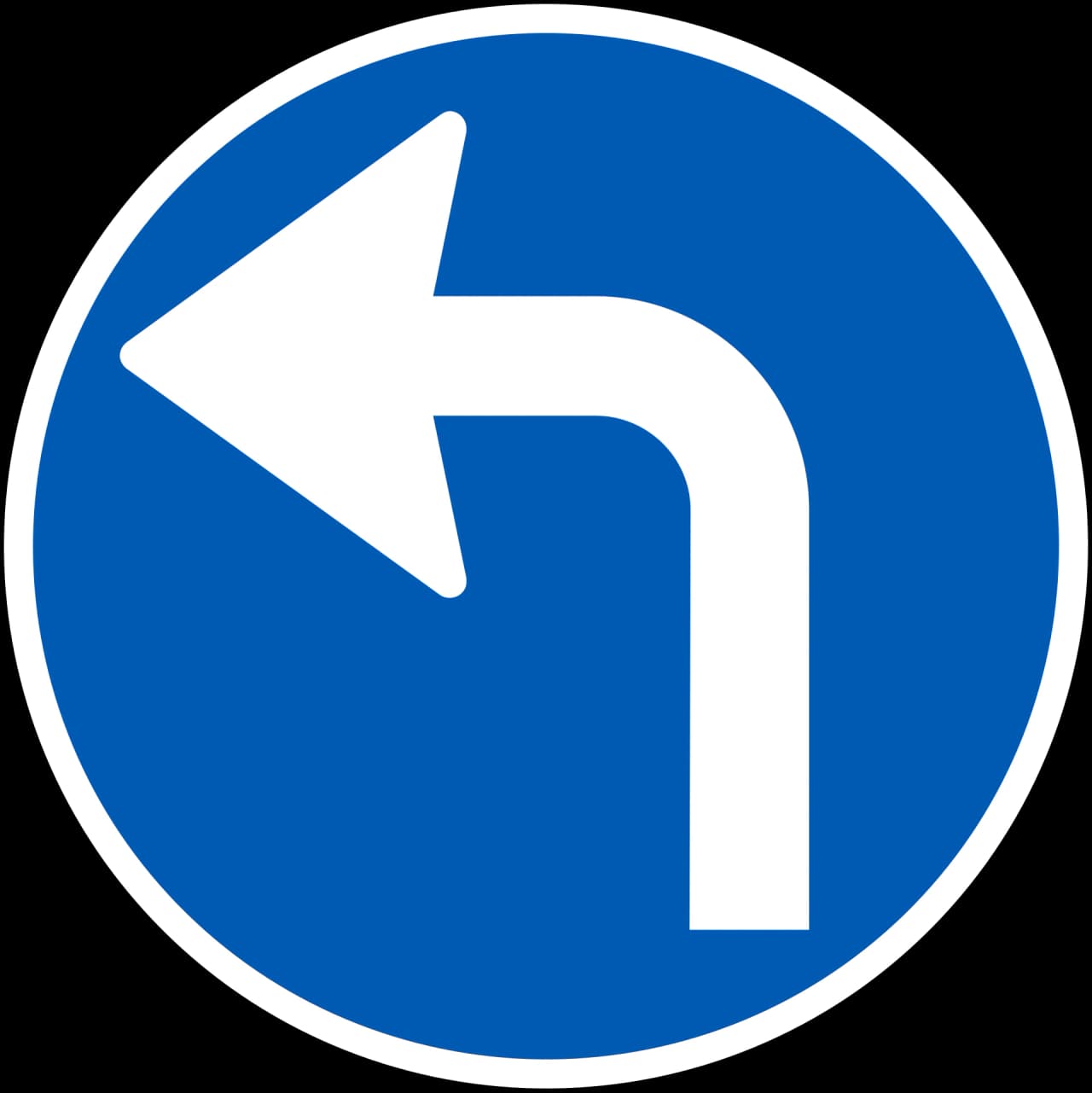
Mandatory Direction Signs: Follow the Path Set For You
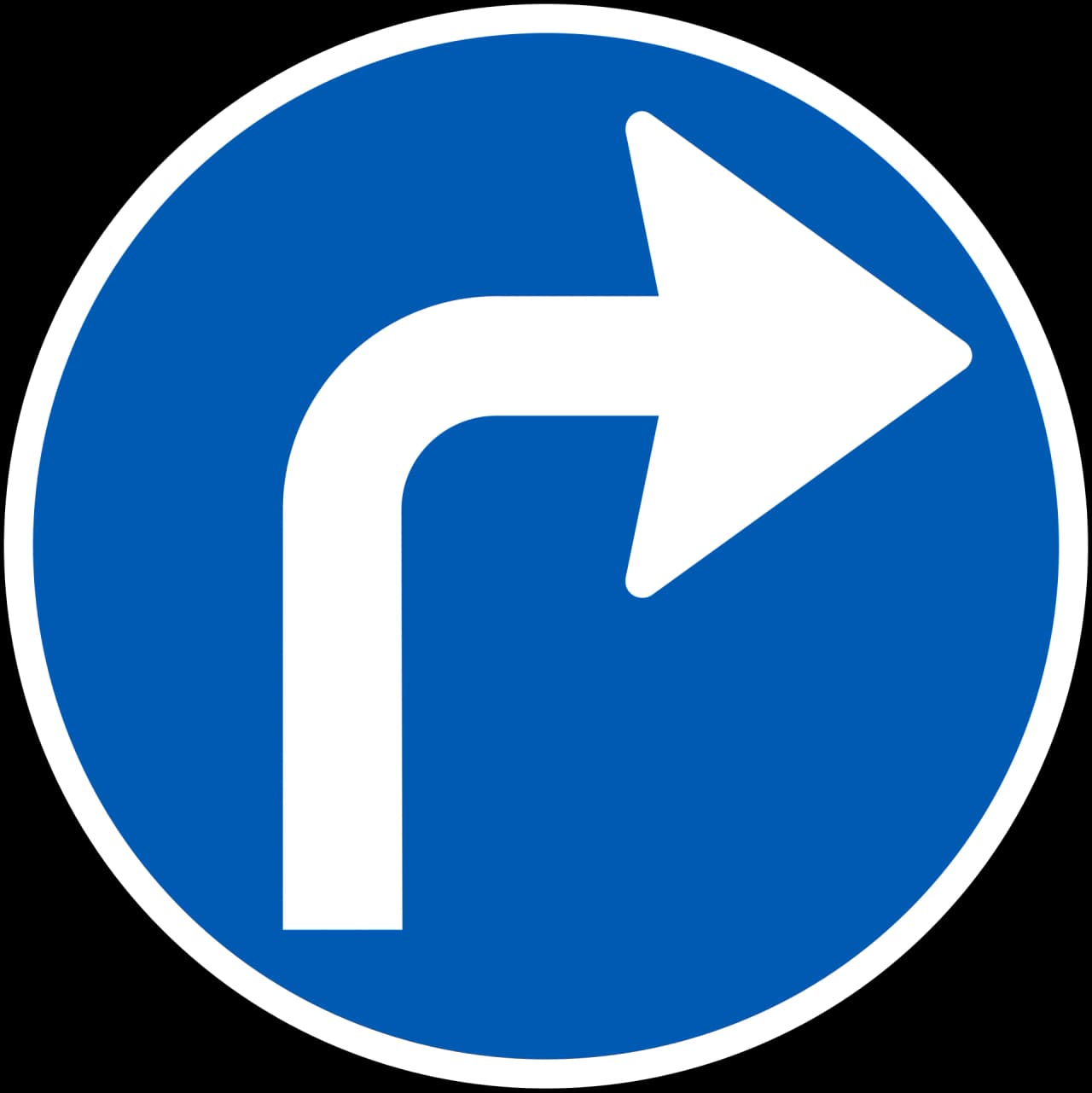
The D11.5 Mandatory Direction Sign: You Must Follow This Path
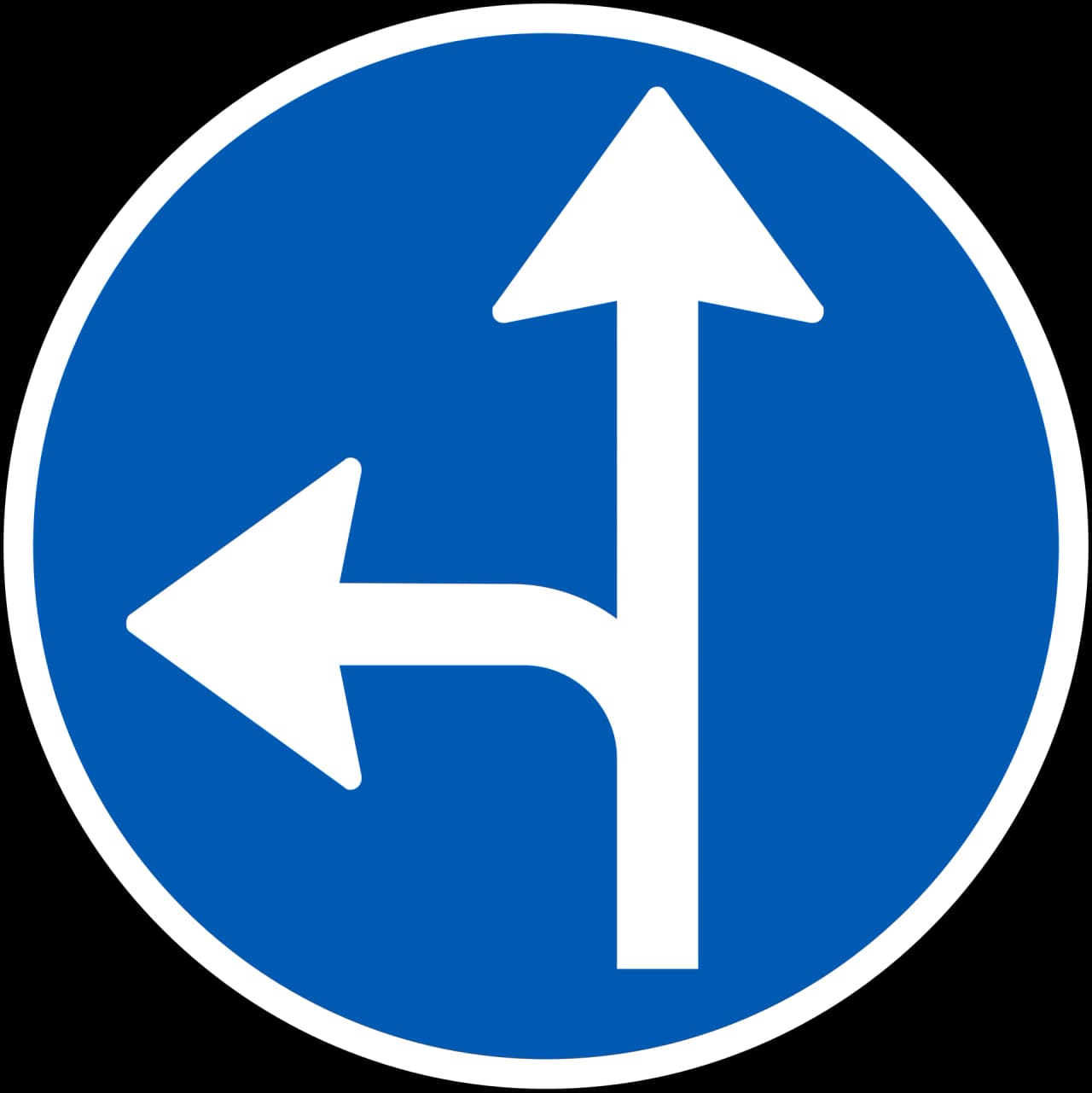
This D11.6 sign mandates a specific direction or path – follow it closely!
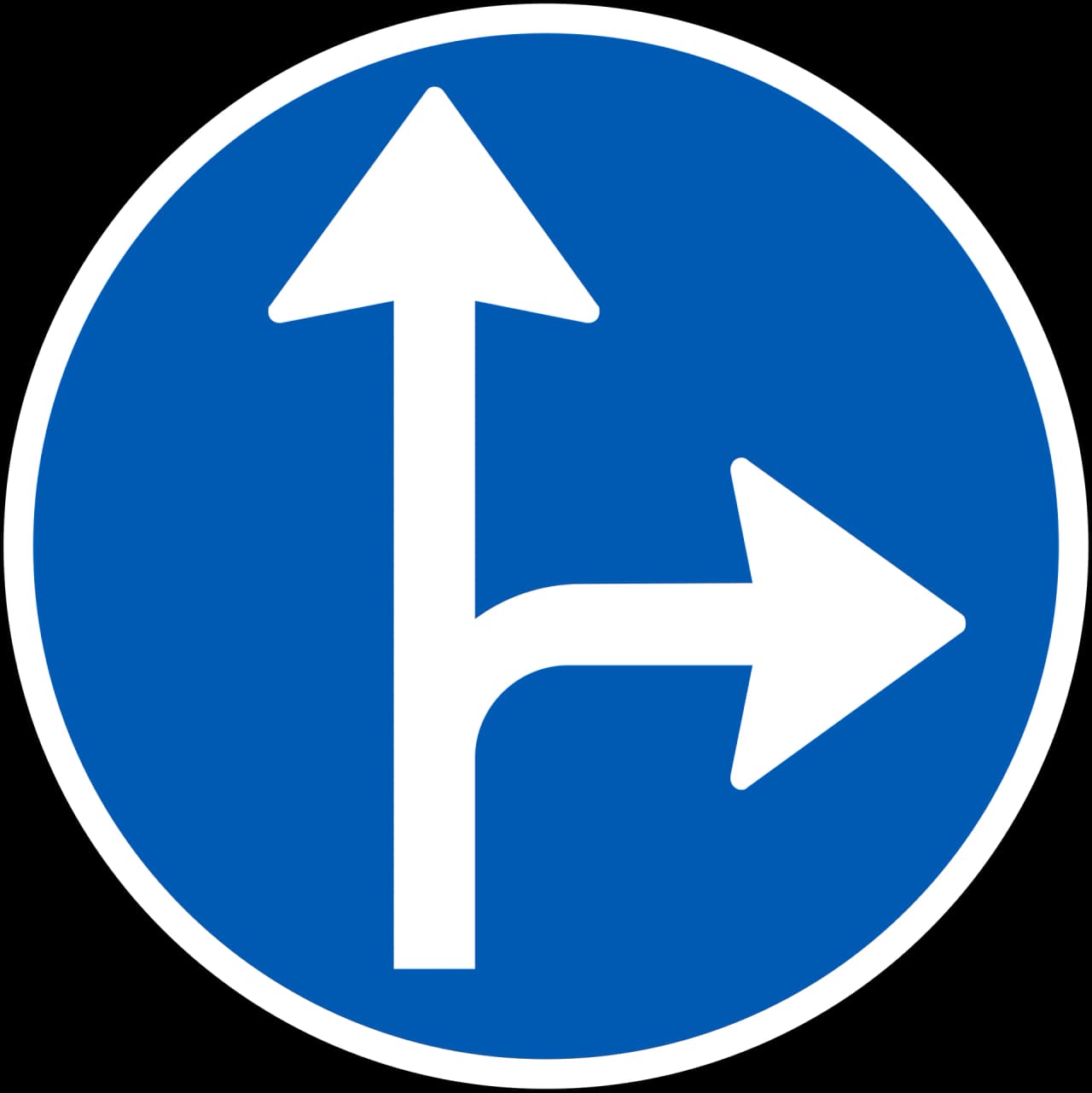
Follow the Mandatory Direction Indicated by Sign D11.7
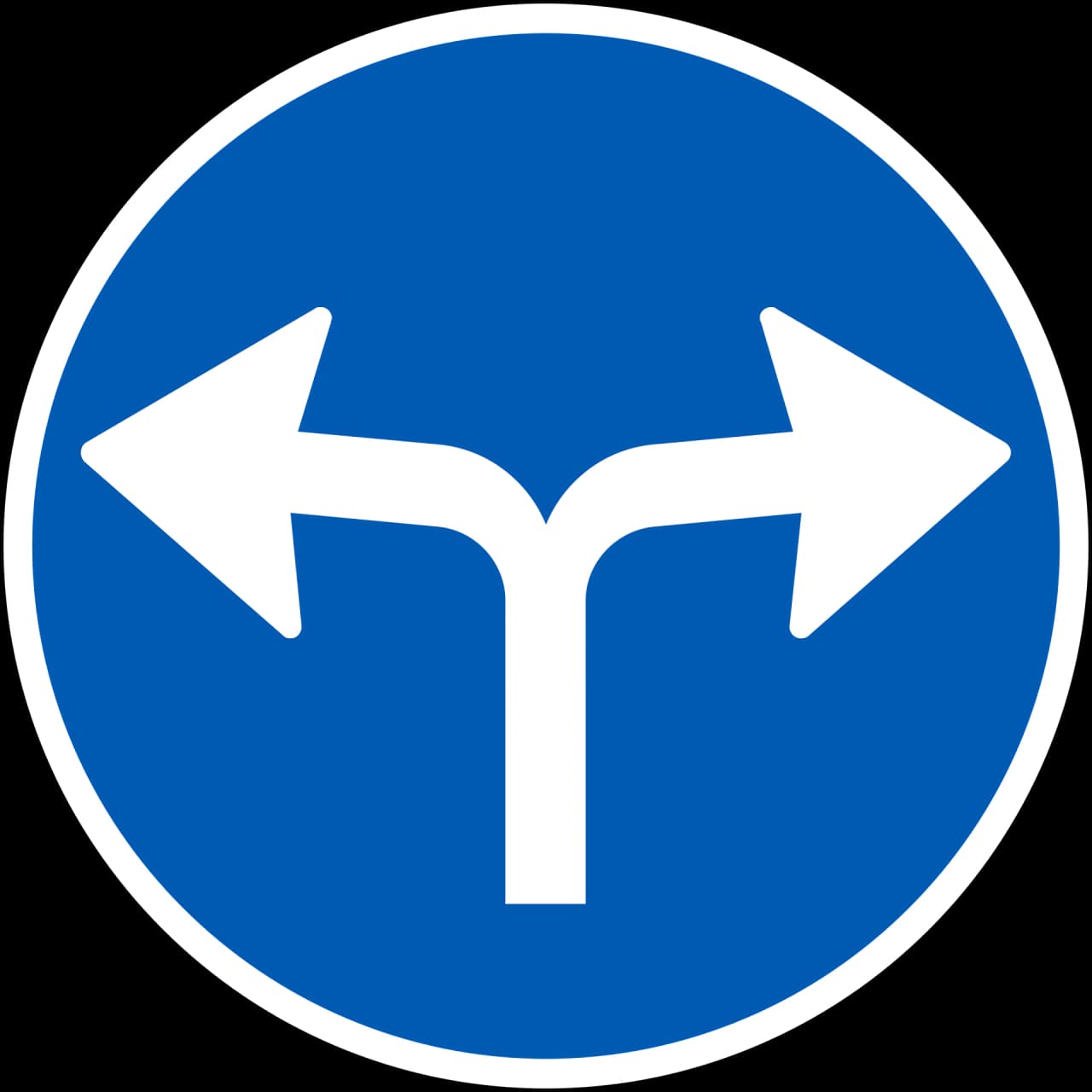
Follow the Mandatory Direction indicated by the D11.8 sign
After reviewing the full list of Danish road signs, test your understanding by attempting practice questions focused on sign recognition and meaning. Reinforce your learning and identify areas needing further study to confidently pass your driving theory exam.
View All Danish Road Signs List