
Navigate Denmark's roads like a local by mastering all official road signs, signals, and pavement markings. This section covers everything from warning triangles and prohibitory circles to vital cycling lane markings and special Danish environmental zone signs, ensuring you're prepared for the theory exam and everyday driving.
Learn to interpret every official warning sign, prohibitory signal, and road marking required to navigate Denmark's infrastructure safely. This collection prepares you for the theory test by detailing priority rules, cycling lane markings, and special environmental zone regulations.
Understanding how to approach and cross railway tracks is a critical component of safe driving and a frequent topic in the Danish theory test. You will learn the specific legal obligations when encountering an Andreaskors sign, how to interpret different types of crossing protection, and why proceeding too early can lead to severe penalties or accidents. This guide clarifies the correct behavior to help you navigate these high-risk areas with confidence.
Navigating intersections safely requires a precise understanding of when you must stop and when you are permitted to proceed. This guide breaks down the Danish rules for traffic signals, clarifying why the 'hazard' exception is the only valid reason to cross on yellow and what flashing yellow signals mean for your right-of-way. Master these regulations to improve your driving decisions and avoid common errors on the official theory exam.
Learn the critical difference between the blue square E39 information sign and the regulatory circular C55 speed limit sign to avoid common errors in your theory exam. We explain your legal obligation under the Danish Traffic Act to adjust your speed based on traffic, road, and weather conditions, regardless of whether a sign is advisory or mandatory. Mastering these sign definitions is fundamental to both passing your test and practicing responsible, defensive driving.
Understand every Danish road sign, traffic signal, and pavement marking with detailed articles covering warning signs, prohibitory circles, and vital cycling infrastructure. Prepare thoroughly for your driving theory exam by mastering official Danish traffic legislation and visual communication on the road.
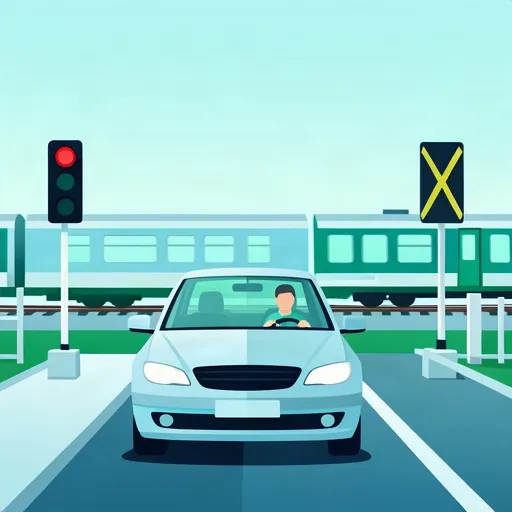
Understanding how to approach and cross railway tracks is a critical component of safe driving and a frequent topic in the Danish theory test. You will learn the specific legal obligations when encountering an Andreaskors sign, how to interpret different types of crossing protection, and why proceeding too early can lead to severe penalties or accidents. This guide clarifies the correct behavior to help you navigate these high-risk areas with confidence.
Updated on Oct 3, 2026
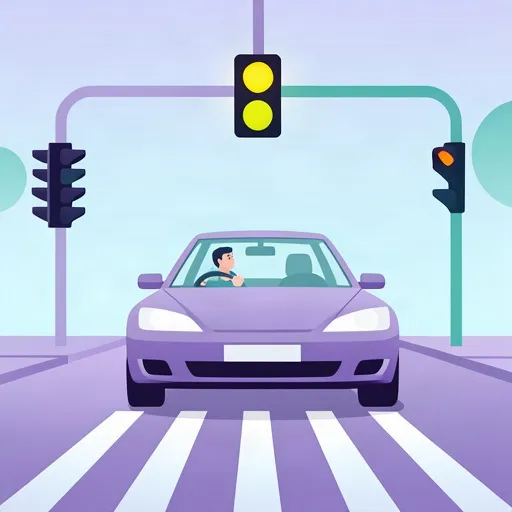
Navigating intersections safely requires a precise understanding of when you must stop and when you are permitted to proceed. This guide breaks down the Danish rules for traffic signals, clarifying why the 'hazard' exception is the only valid reason to cross on yellow and what flashing yellow signals mean for your right-of-way. Master these regulations to improve your driving decisions and avoid common errors on the official theory exam.
Updated on Sep 28, 2026
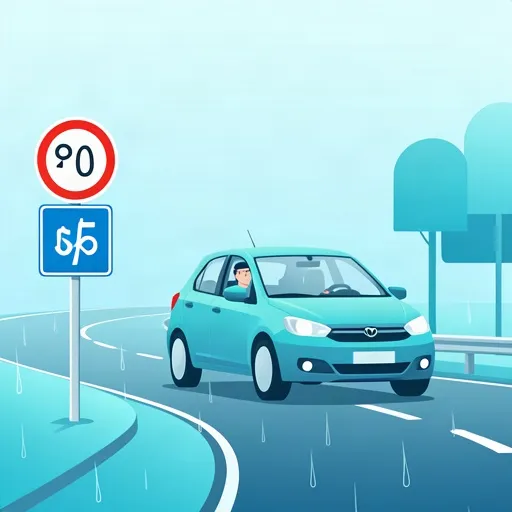
Learn the critical difference between the blue square E39 information sign and the regulatory circular C55 speed limit sign to avoid common errors in your theory exam. We explain your legal obligation under the Danish Traffic Act to adjust your speed based on traffic, road, and weather conditions, regardless of whether a sign is advisory or mandatory. Mastering these sign definitions is fundamental to both passing your test and practicing responsible, defensive driving.
Updated on Sep 18, 2026
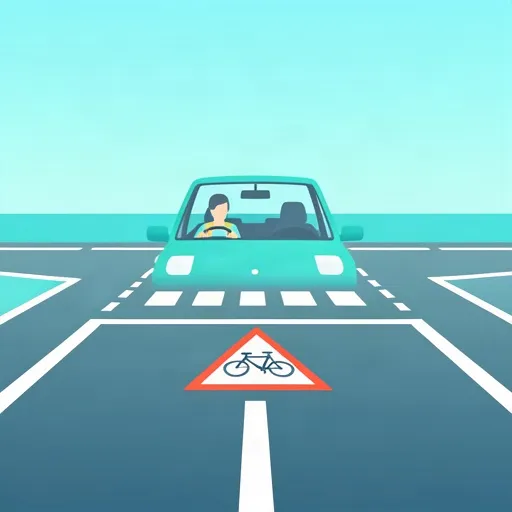
Understanding road markings is a foundational requirement for any driver in Denmark. This article explains the core functions of various surface lines, including the legal significance of solid versus broken lines, the yield requirements of hajtænder, and the specific behavior expected at cyklistboks or box junctions. By learning these rules, you will be well-prepared to identify road regulations and demonstrate correct conduct during your practical and theory assessments.
Updated on Aug 26, 2026

Navigating Denmark's roads requires understanding unique traffic calming features like 'vejbump' (speed bumps) and 'vejplateau' (raised platforms). This article covers their types, necessary signage, and appropriate speeds for safe passage, ensuring you are prepared for Danish driving conditions and the official theory test.
Updated on Jun 28, 2026
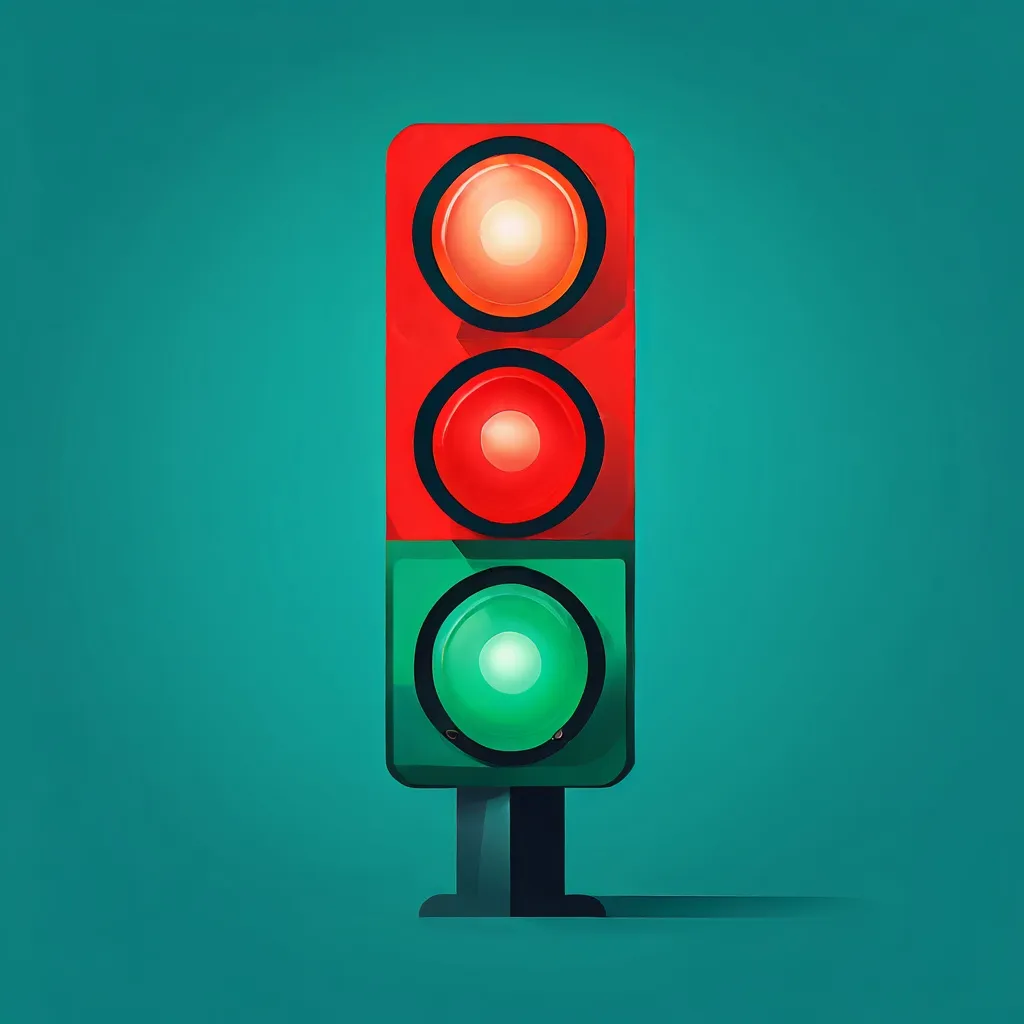
Learn the essential meanings of Danish traffic lights, from standard red, amber, and green signals to the specific 'gult lys' rule requiring a stop unless unsafe. This guide demystifies the Danish rule against turning right on red, explaining when a green filter arrow or special cyclist signals (cykelsignal) permit such movements. Mastering these signals is key to passing your Danish driving theory exam.
Updated on Jun 20, 2026
Discover other categories connected to Danish Road Signs & Markings. These sections help you explore additional topics, expand your understanding of driving theory in Danish, and build a more complete picture of the rules and situations tested during the exam.
Find answers to common questions learners ask about Danish Road Signs & Markings. This section helps clarify difficult concepts, highlight critical exam information, and support your preparation for the Danish driving theory exam in Denmark.
Danish road signs are primarily categorized into A-signs (warning signs with a red triangle), C-signs (prohibition signs within a red circle), D-signs (mandatory signs in a blue circle), and E-signs (information signs, typically blue squares). Undertavler (supplementary signs) are also used to modify the meaning of the primary sign.
Danish pavement markings include continuous centerlines (spærrelinje) to separate traffic flows, broken lines for passing opportunities, 'shark's teeth' triangles (hajtænder) indicating a yield situation, and clear markings for pedestrian crossings (fodgængerfelt). Yellow markings are often used for temporary restrictions or special notices.
Denmark has extensive and unique signage for its dense cycling network. This includes specific markings for cycle paths (cykelsti), cycle lanes (cykelbane), and even distinct markings like the blue cycle lane across intersections, which learners must understand to safely interact with cyclists.
Yes, larger Danish cities like Copenhagen, Aarhus, Odense, and Aalborg have environmental zones. Signs indicating these zones, often related to vehicle emissions, are important for drivers to be aware of to avoid fines.
Undertavler are placed beneath main traffic signs and provide additional information or restrictions. They can specify the distance to a hazard, the times of day a sign is applicable, or the types of vehicles affected by a sign's rule.
Begin your structured preparation for the Danish driving licence exam. Select a topic category from our comprehensive list to access in-depth articles on road rules, priority, signs, and practical driving situations specific to Denmark.
Browse Driving Theory Article Categories