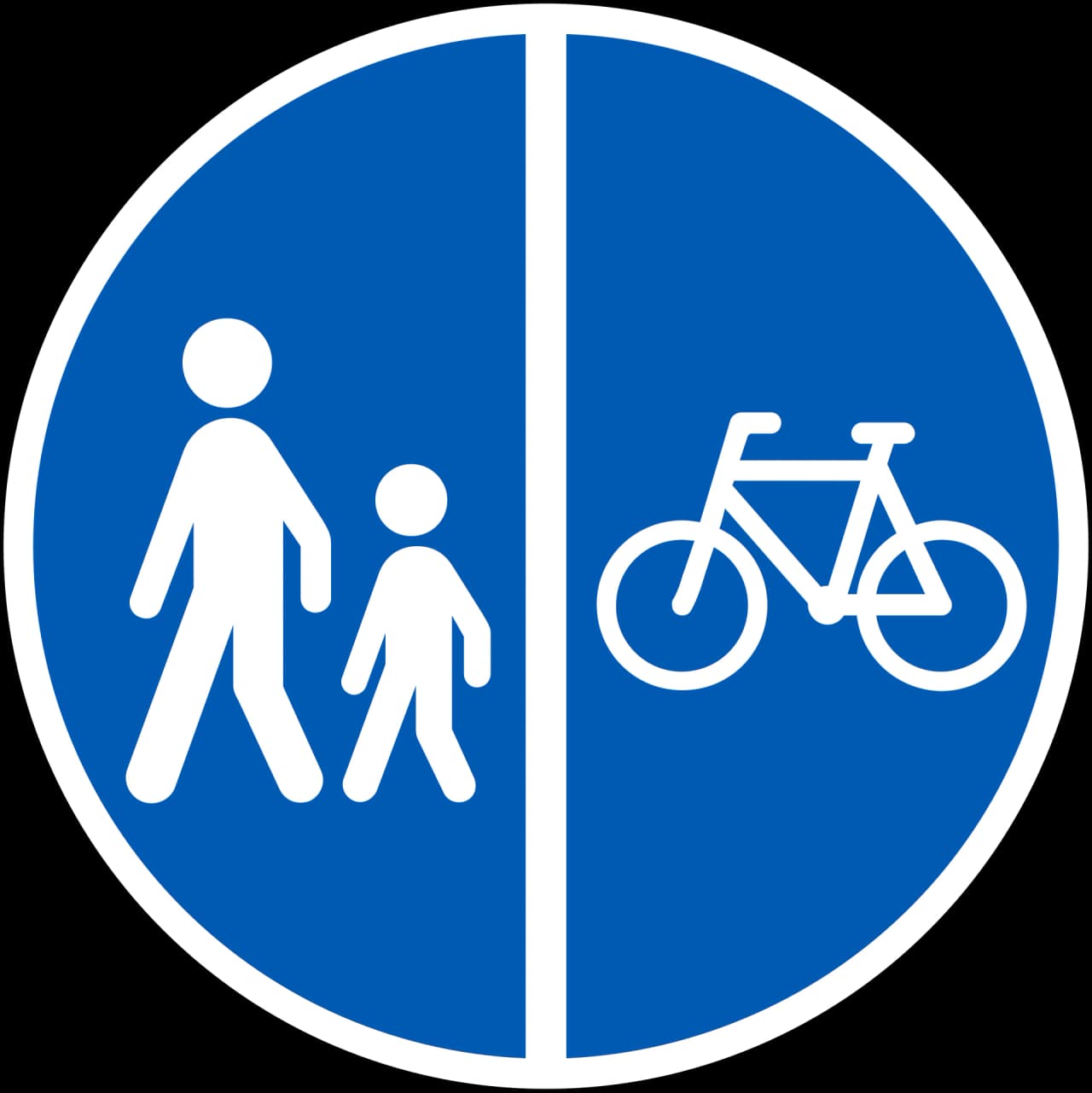
This section covers Danish mandatory signs, which dictate specific actions drivers, cyclists, and pedestrians must take. These signs are crucial for maintaining order and safety on the road, requiring you to follow a particular direction, use a specific path or lane, or maintain a minimum speed. Understanding these signs is vital for both passing your theory test and ensuring safe navigation in complex traffic situations.
An explanation of how Danish Mandatory Signs road signs apply in real traffic situations in Denmark. Learn where these signs are typically placed, what drivers are expected to do when they appear, and how correct reactions help you stay safe, avoid fines, and succeed in your Danish driving theory exam.
Mandatory signs are typically encountered in areas where specific traffic flow or user separation is essential for safety. You'll see 'Mandatory direction' signs (D11 series) at junctions and complex intersections, often combined with lane markings, to guide you into the correct lane for your intended route. The 'Mandatory direction in the roundabout' (D12) sign explicitly dictates the path to follow within a roundabout. Signs like 'Mandatory passage' (D15 series) and 'Passage' (D16) inform you that passage is permitted or required in a certain way. Signs for 'Cycleway' (D21), 'Footway' (D22), and 'Bridleway' (D23) designate specific paths for different road users, often seen in urban areas or parks to ensure segregation. Segregated and combined paths (D26 and D27 series) clearly show how different users share or are separated on a path. You'll find 'Minimum speed' (D55) signs, typically on highways or busy main roads, indicating the lowest speed you must maintain, and 'End of minimum speed' (D56) signs signal when this restriction is lifted. Subpanels like UD1 and UD21.1/UD21.2 provide additional context, specifying lane usage or detailing two-way cycle traffic.
An overview of the key learning outcomes when studying the Danish Mandatory Signs road sign category. Understand the main concepts, sign meanings, and traffic situations covered here so you can recognise patterns, answer theory questions more confidently, and build a solid foundation for safe driving in Denmark.
Master Danish mandatory signs, which dictate specific directions, pass-side, lane use, and minimum speeds. Understanding these crucial traffic signs together helps you correctly interpret road requirements and ensure compliance with Danish traffic rules for your theory test revision.
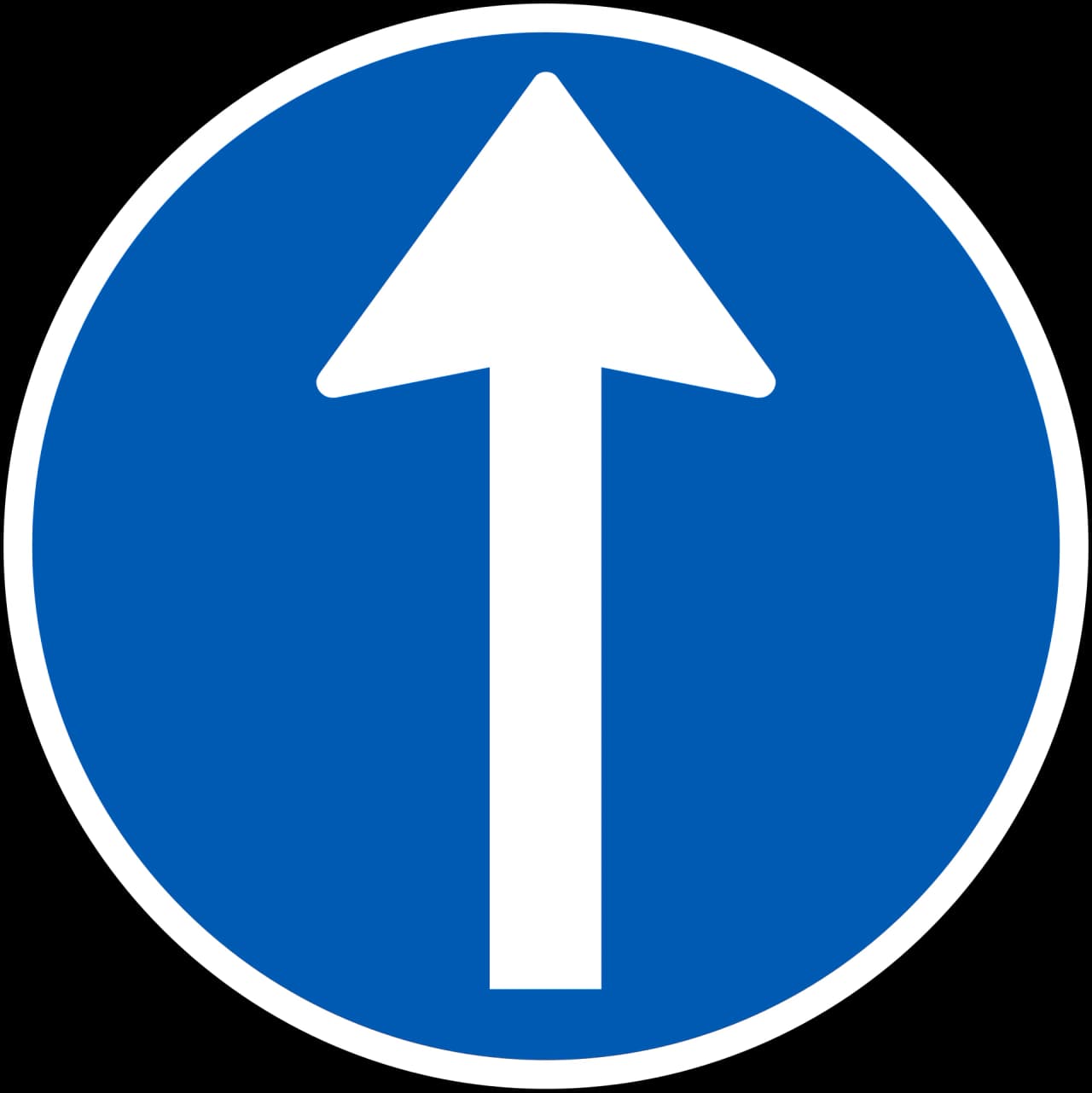
D11.1 Mandatory Direction: You Must Follow This Instruction
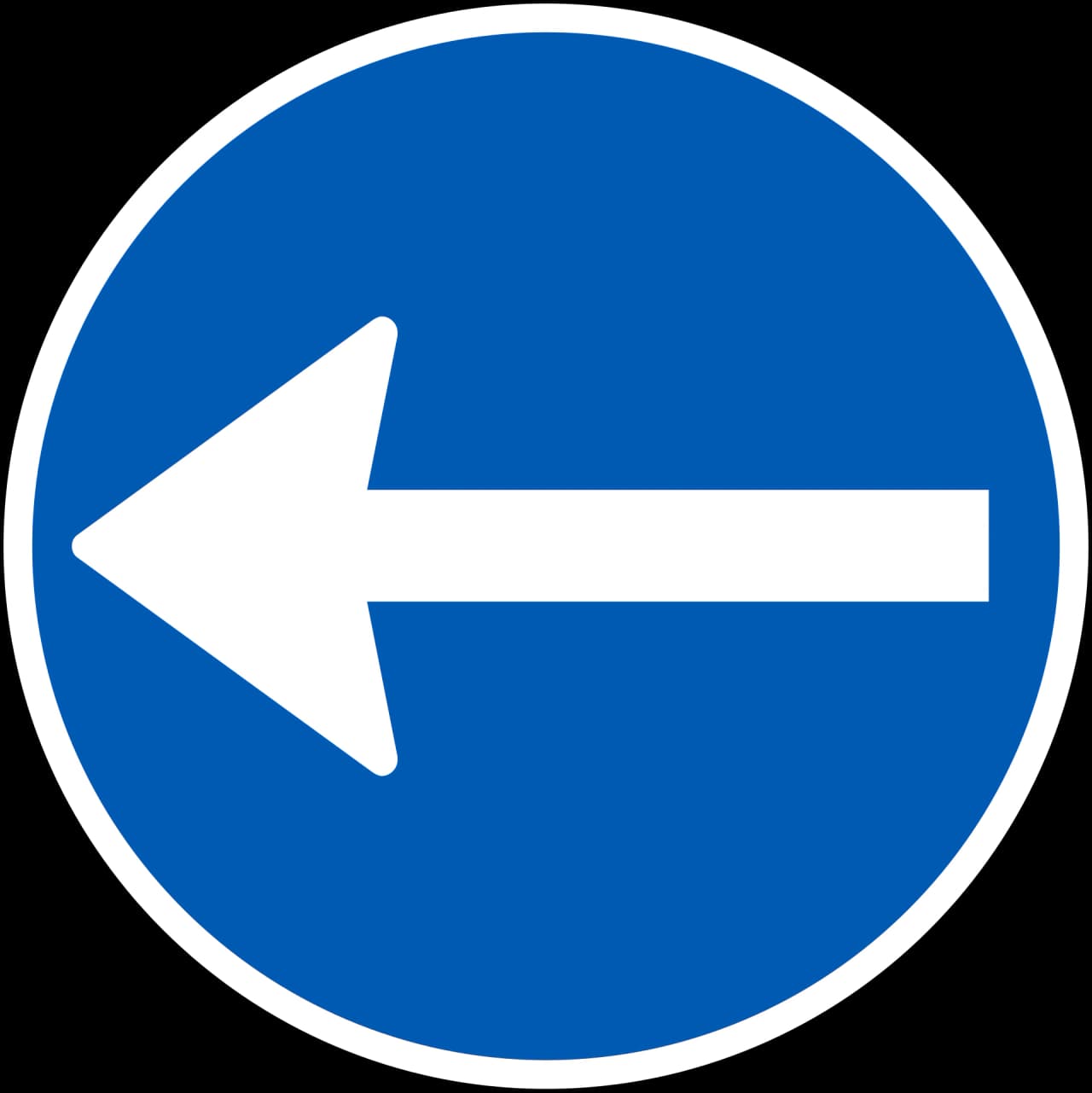
D11.2 Mandatory Direction: Follow the Required Path or Lane
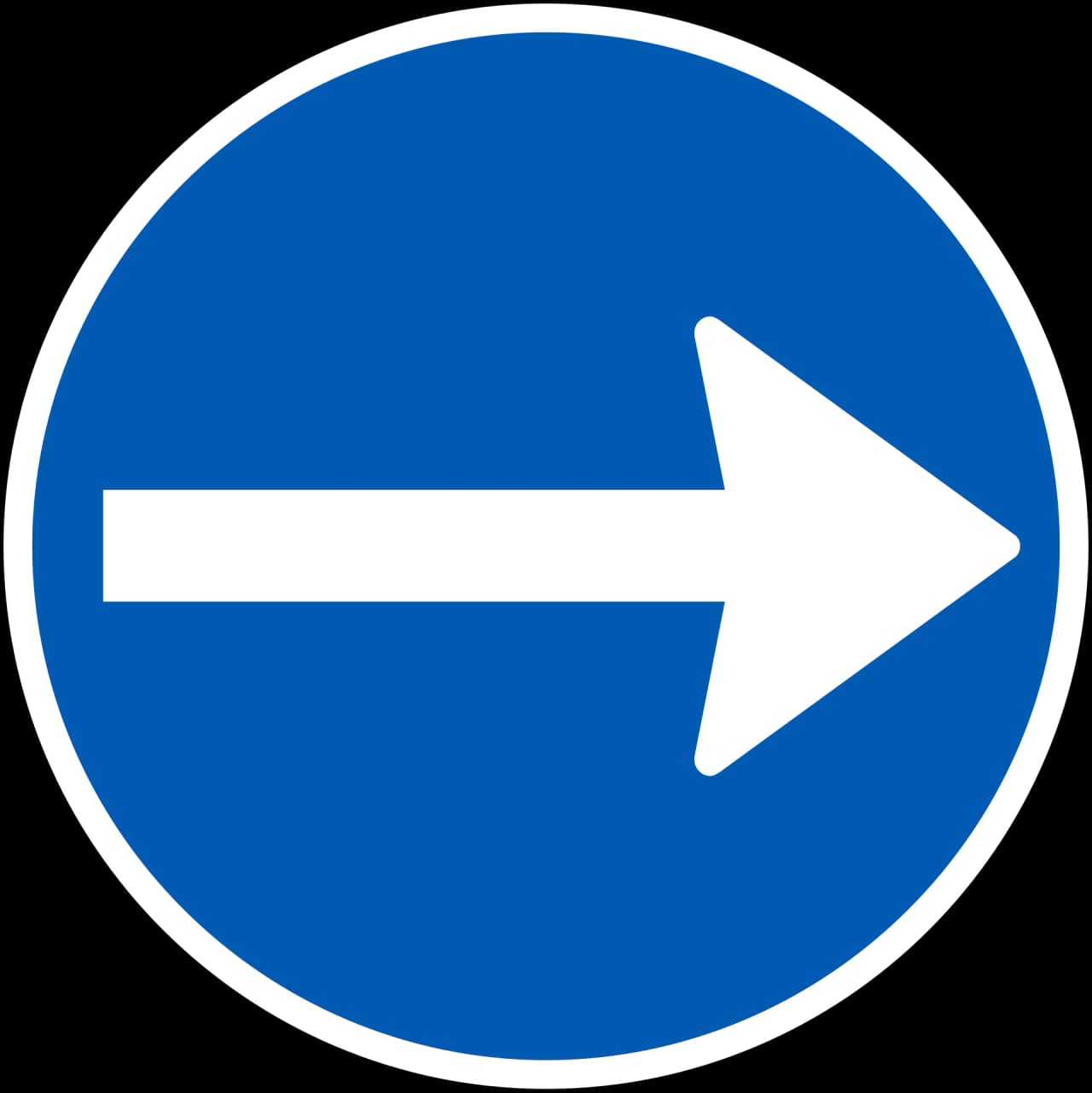
Mandatory Direction: Follow the Arrow or Lane Indicated
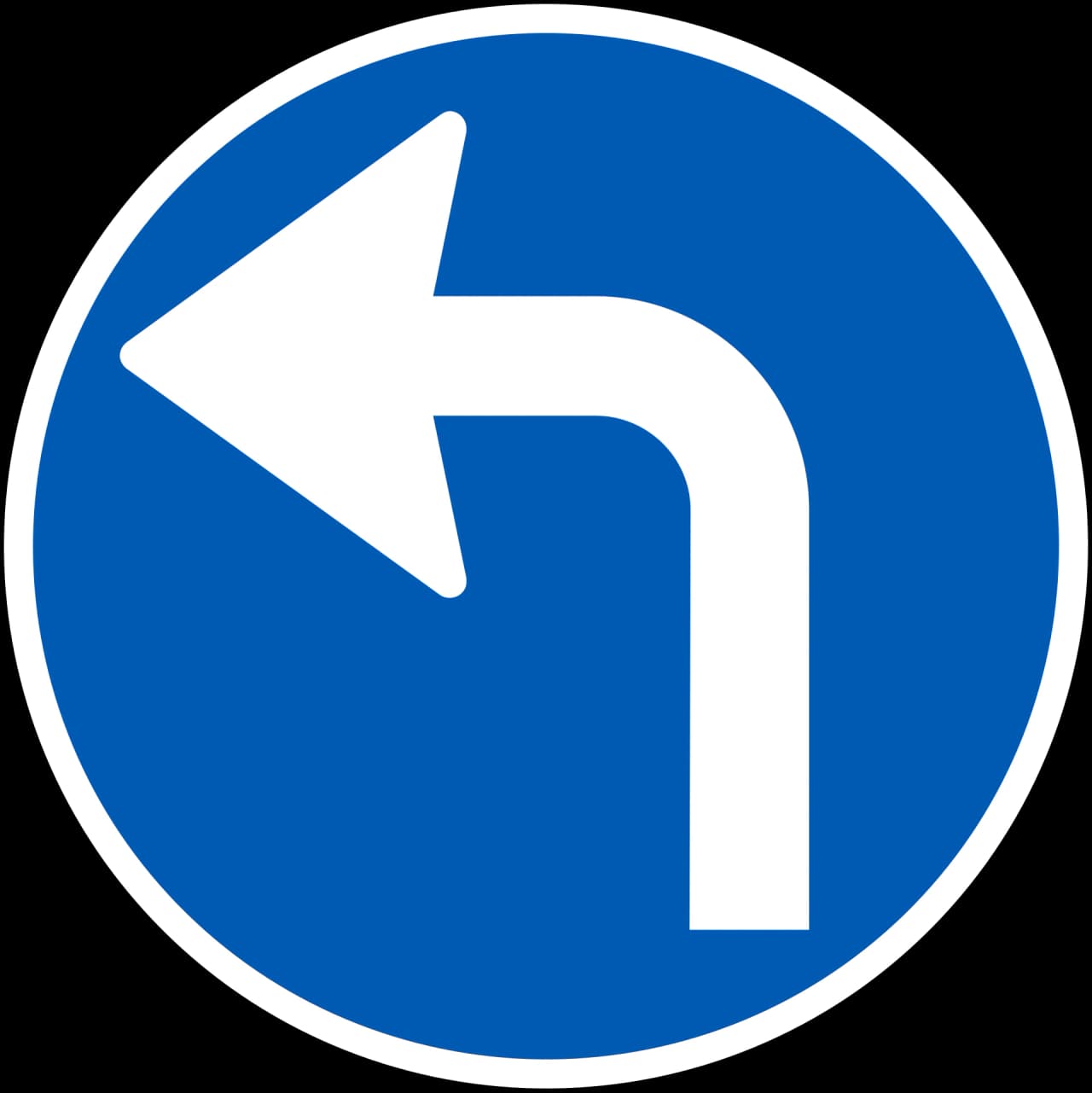
Mandatory Direction Signs: Follow the Path Set For You
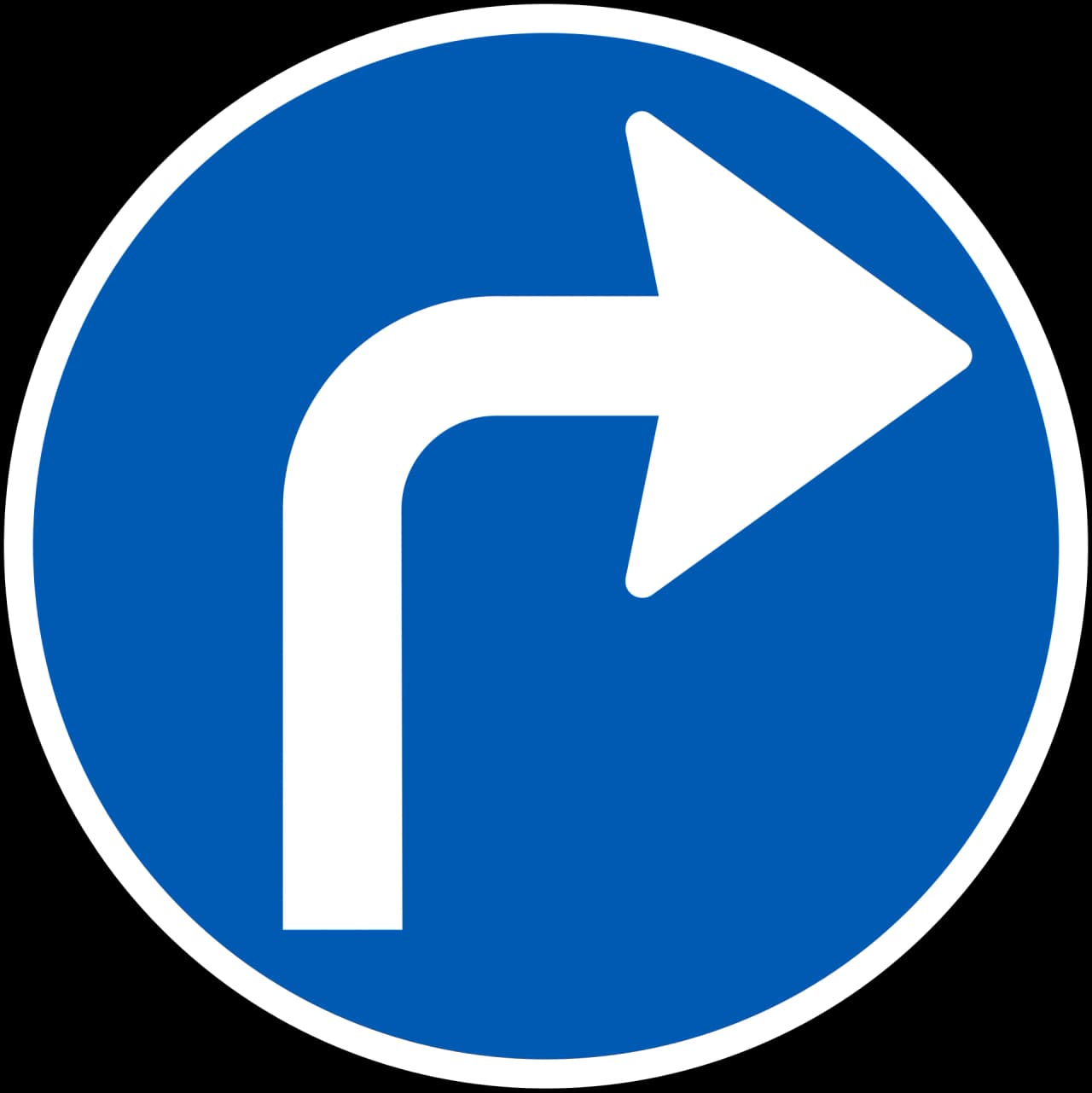
The D11.5 Mandatory Direction Sign: You Must Follow This Path
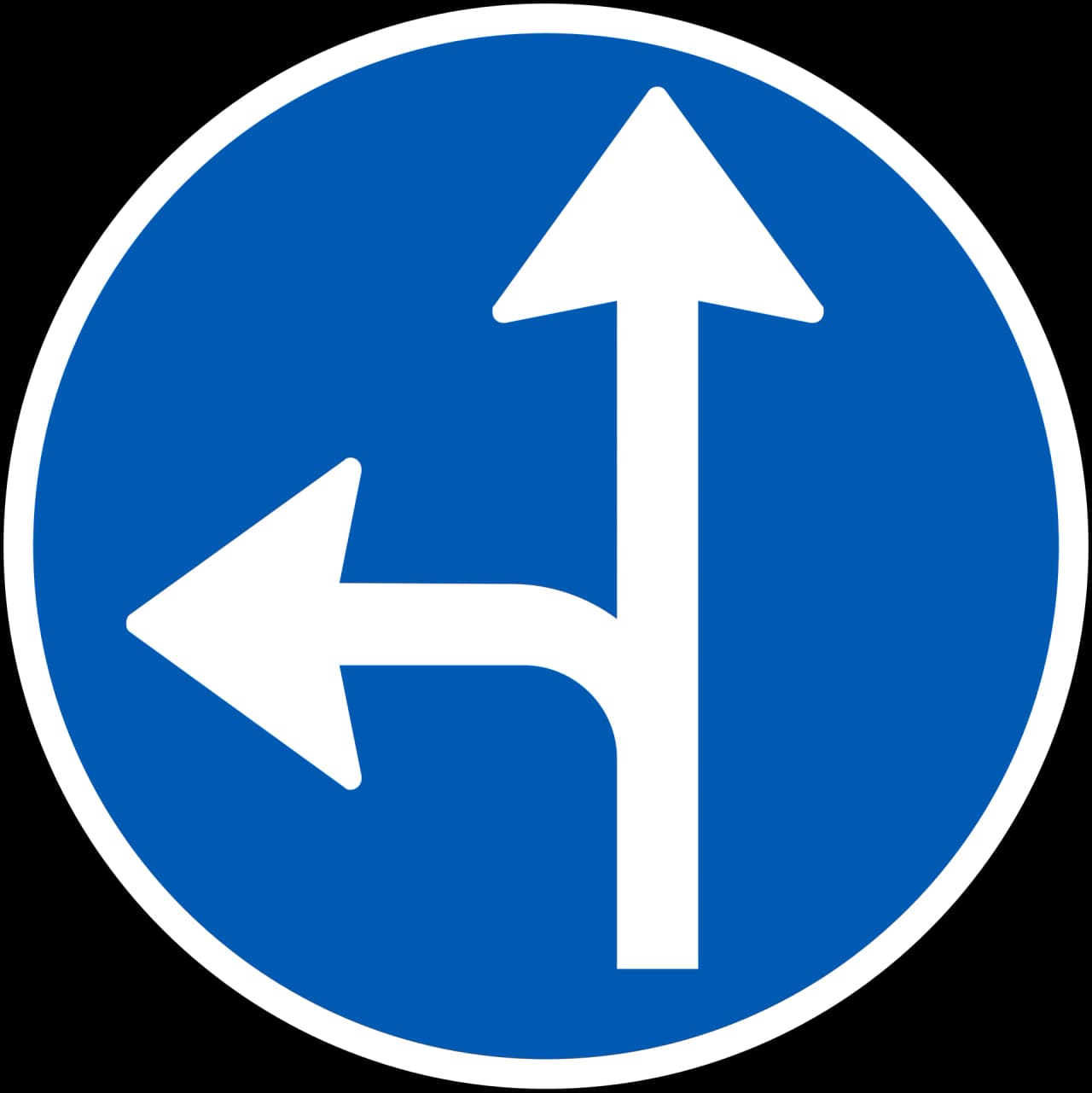
This D11.6 sign mandates a specific direction or path – follow it closely!
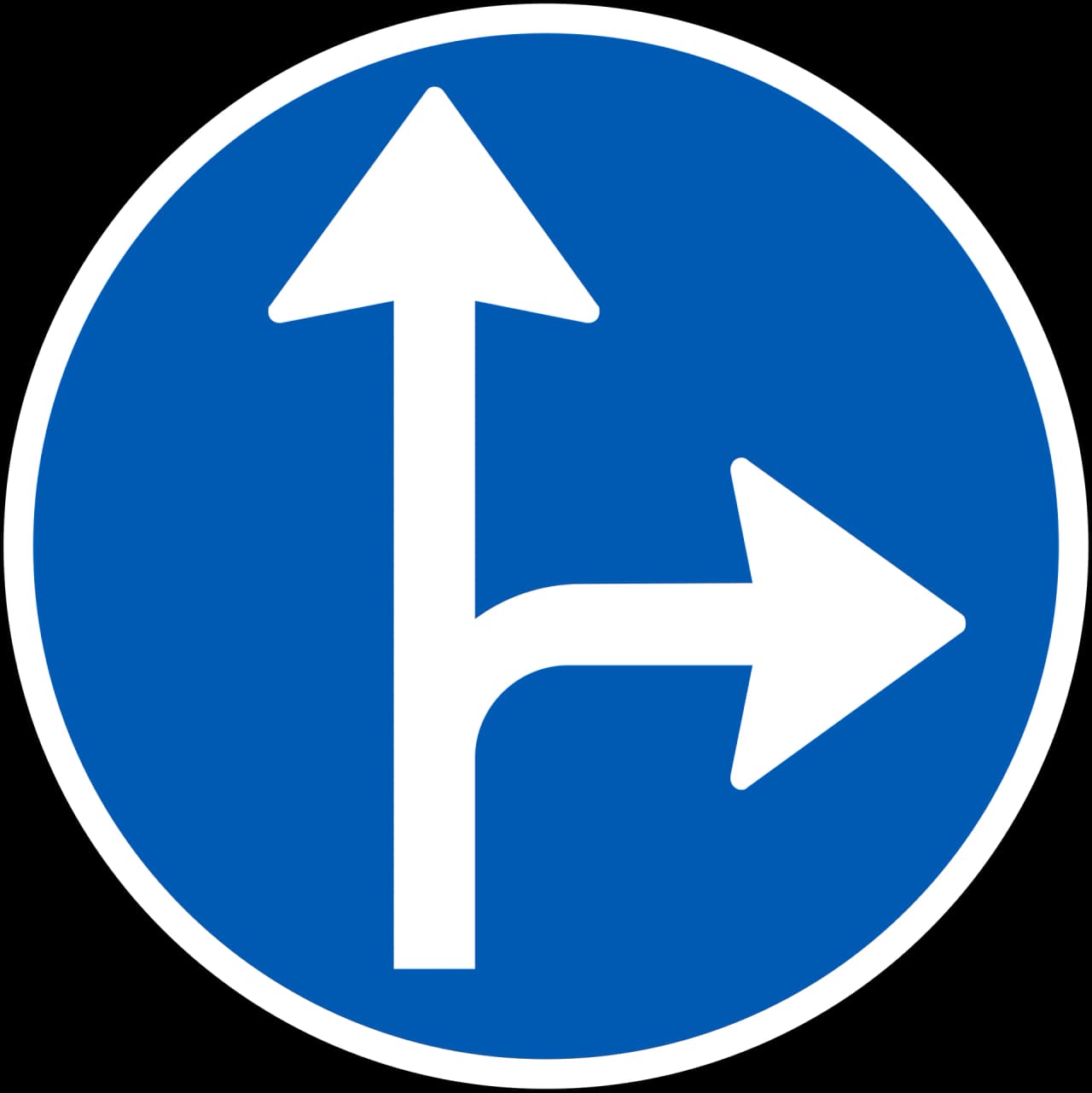
Follow the Mandatory Direction Indicated by Sign D11.7
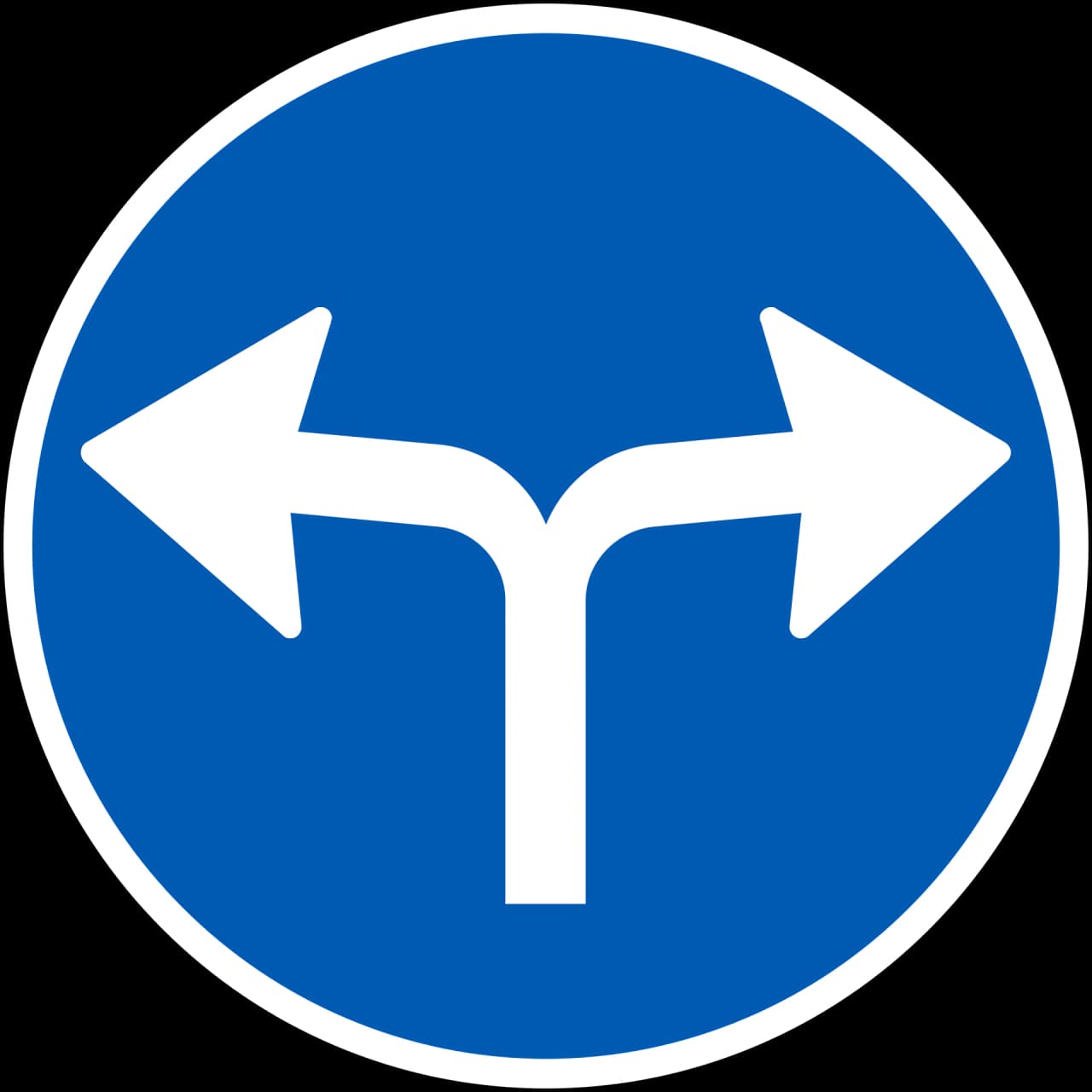
Follow the Mandatory Direction indicated by the D11.8 sign
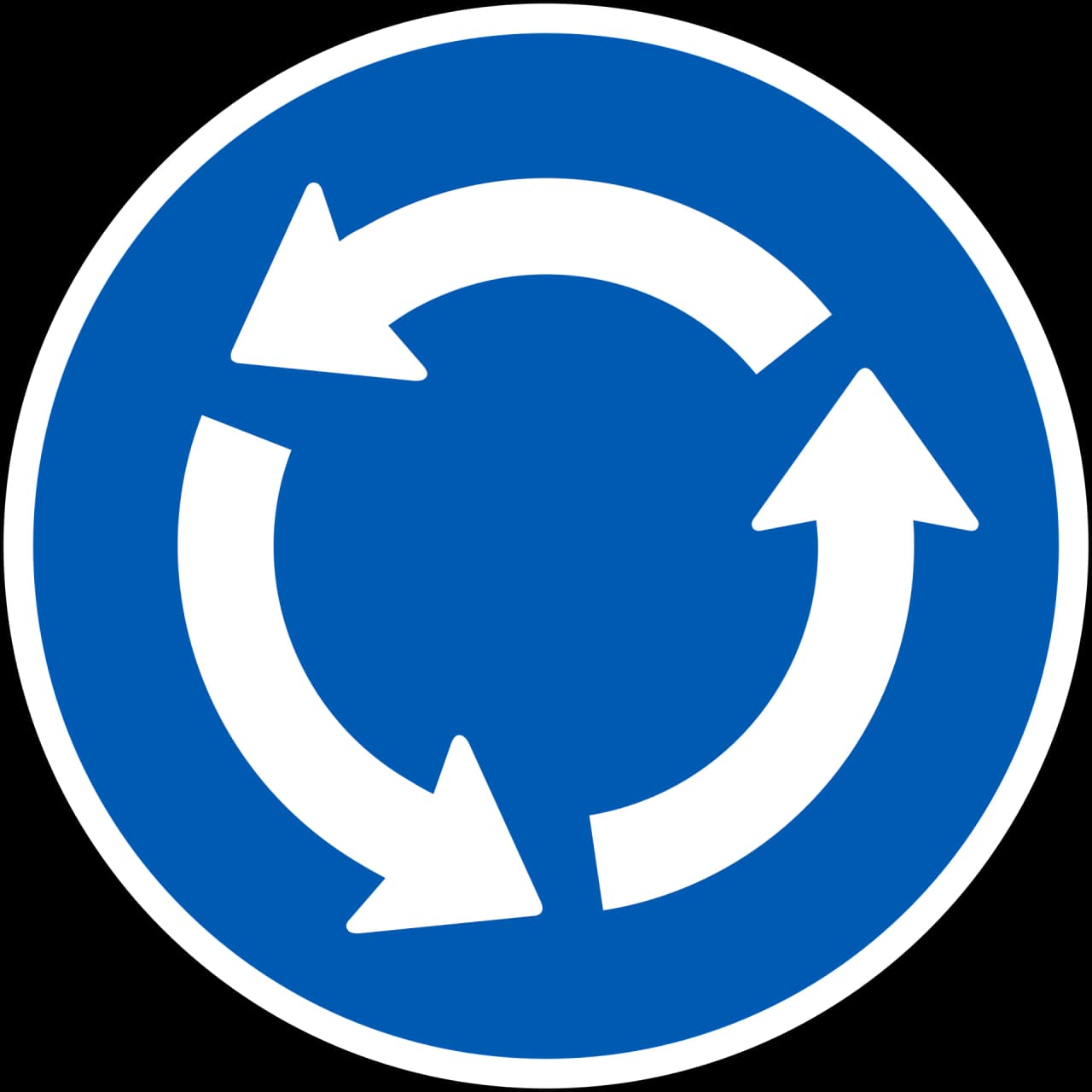
Follow the Mandatory Direction in this Danish Roundabout Sign (D12)
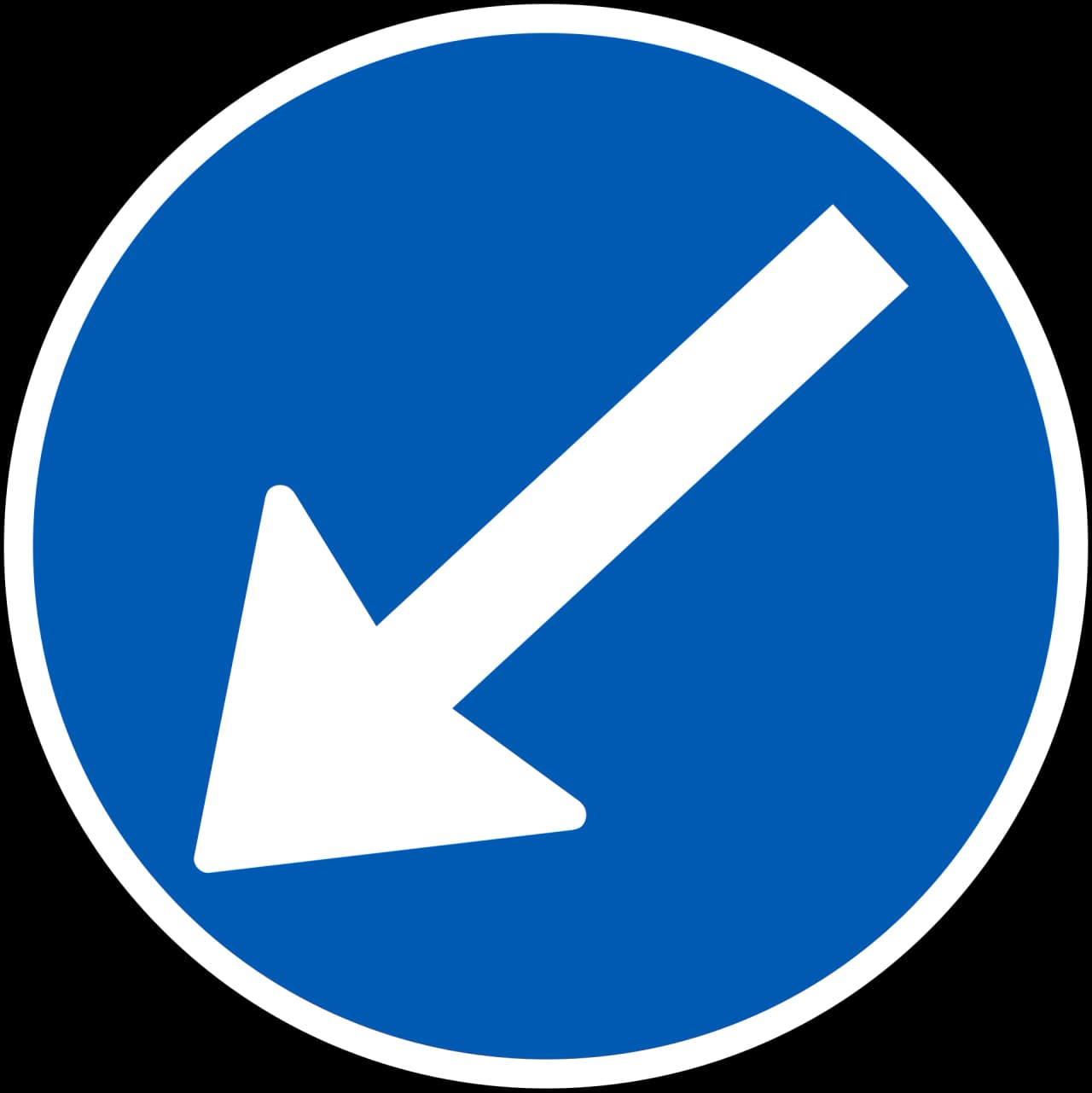
The D15.2 Mandatory Passage sign means you must follow a specific route or action.
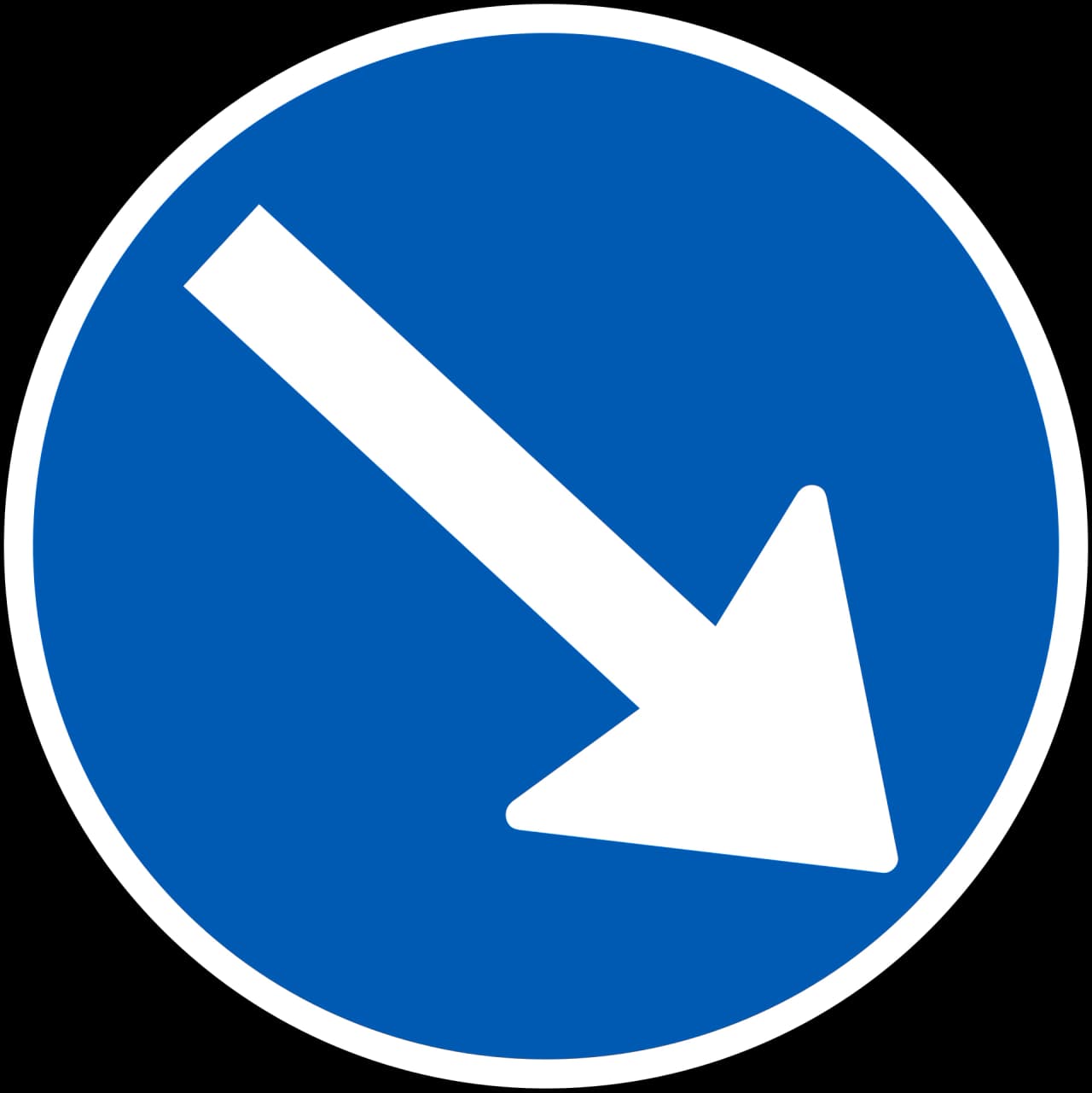
The D15.3 Mandatory Passage sign requires you to follow a specific route or direction.
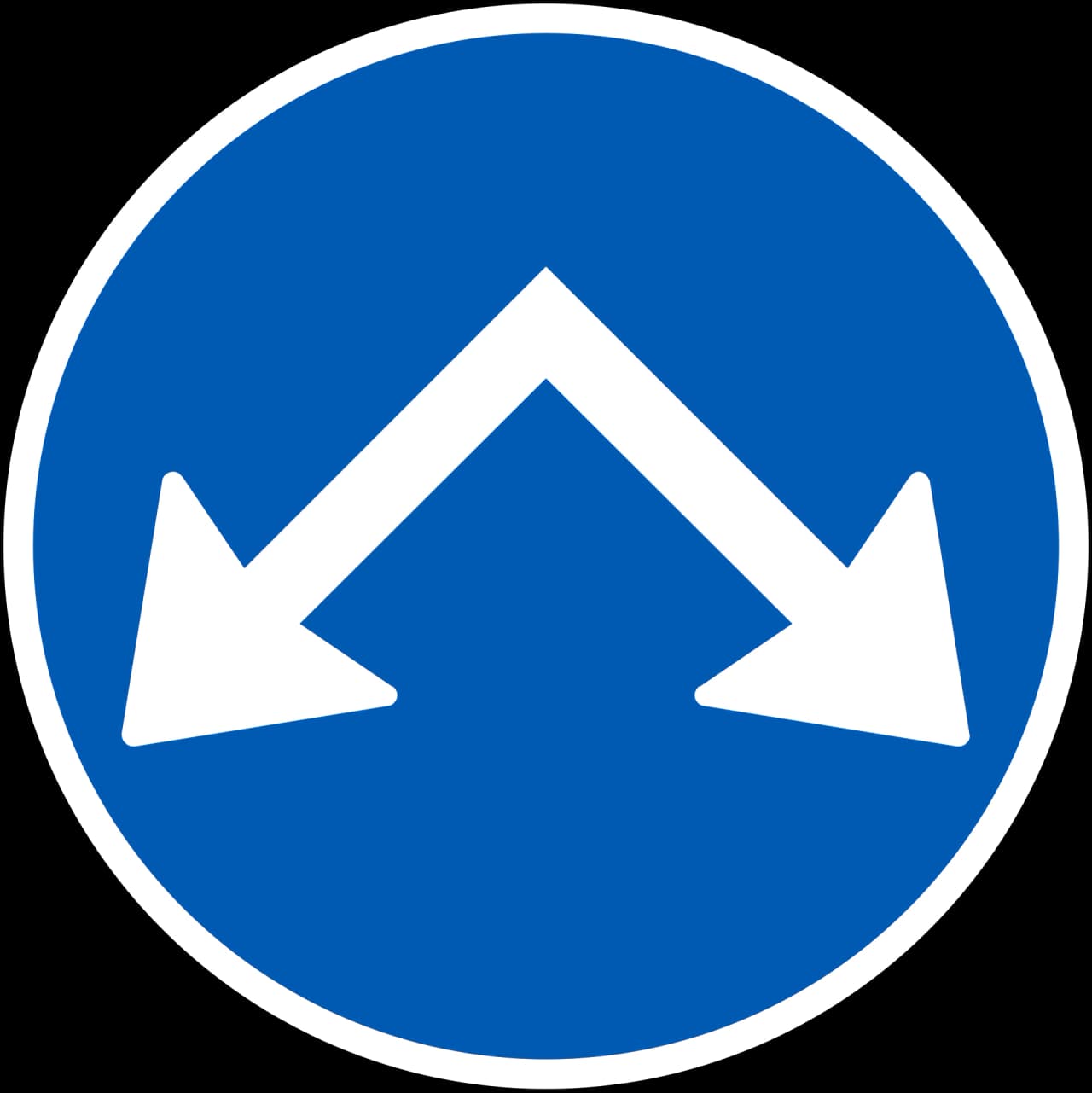
The D16 'Passage' Sign Requires You To Follow a Specific Path or Lane
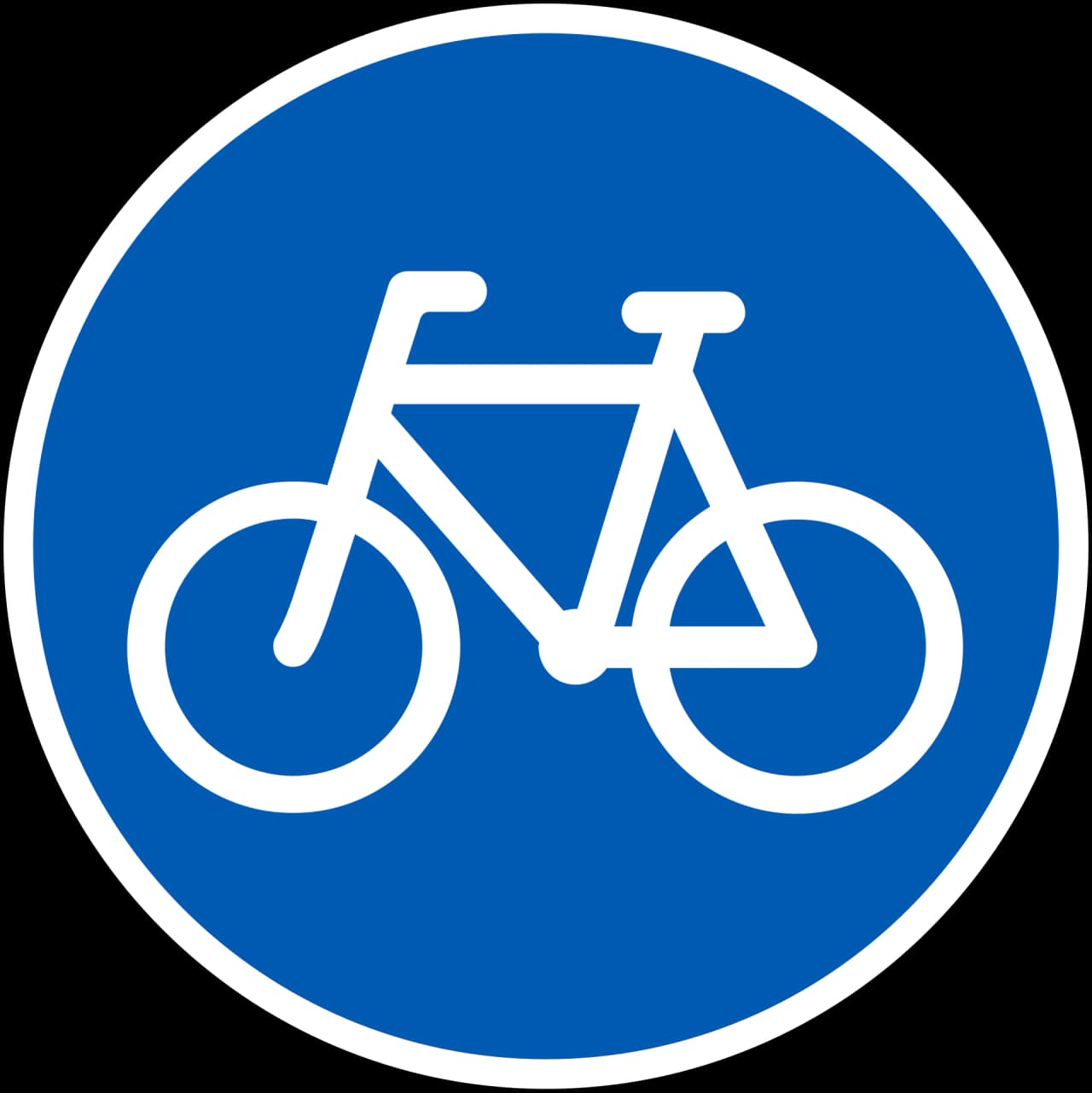
The D21 Cycleway sign tells you a mandatory direction or route you must follow.

Follow the UD1 sign: A mandatory instruction for your lane or path.
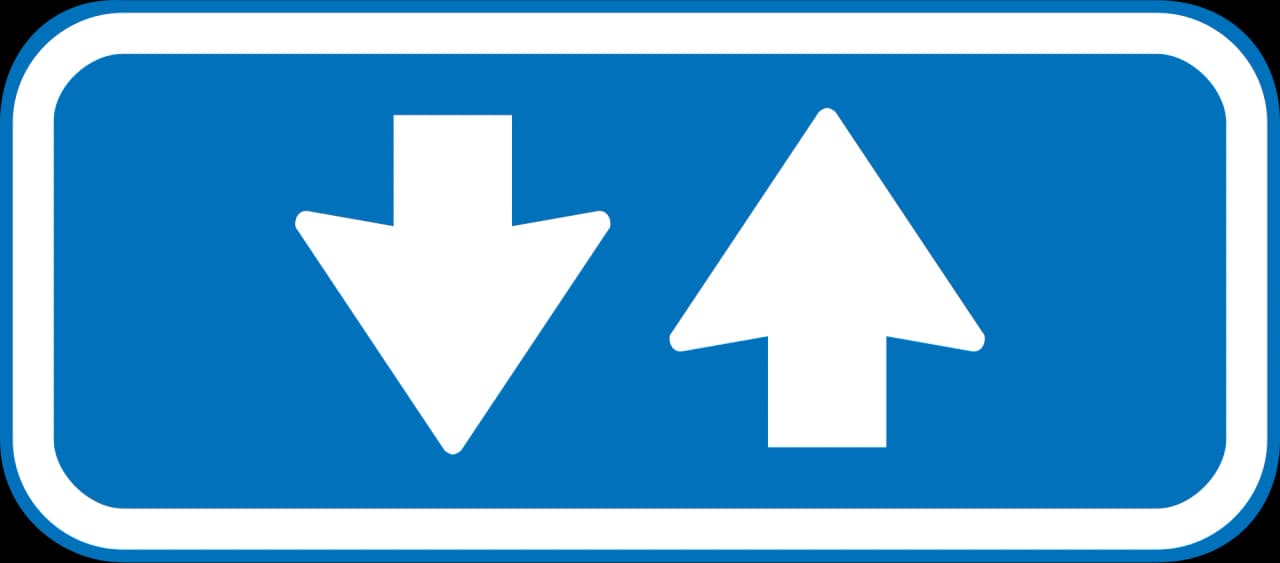
UD21.1 Two-way cycle traffic: Follow the mandated direction or path.

UD21.2: The 'End of Two-Way Cycle Traffic' Sign Means a Mandatory Cycle Path Requirement Has Ceased
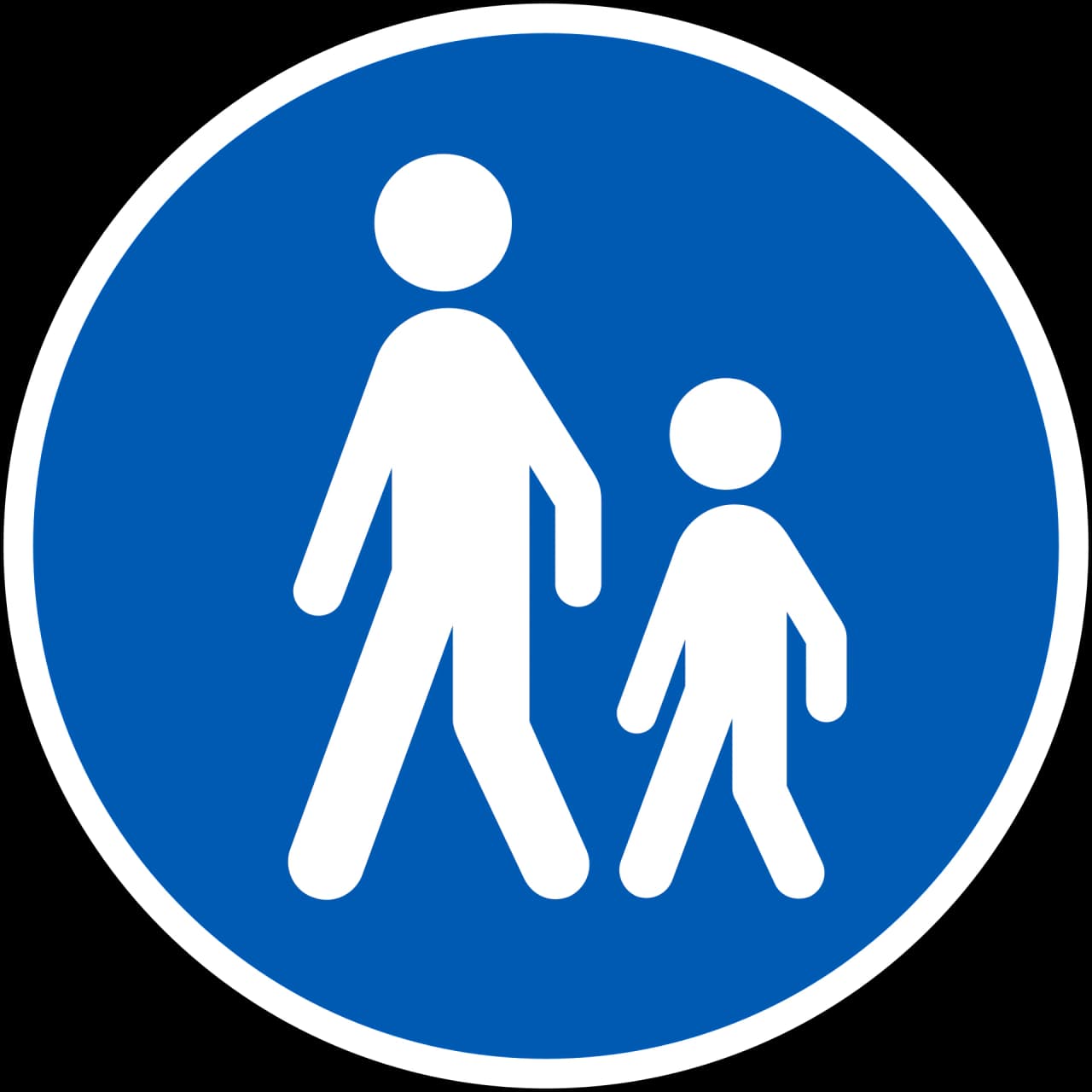
The D22 Footway sign tells you exactly where you must go or how you must use the road.
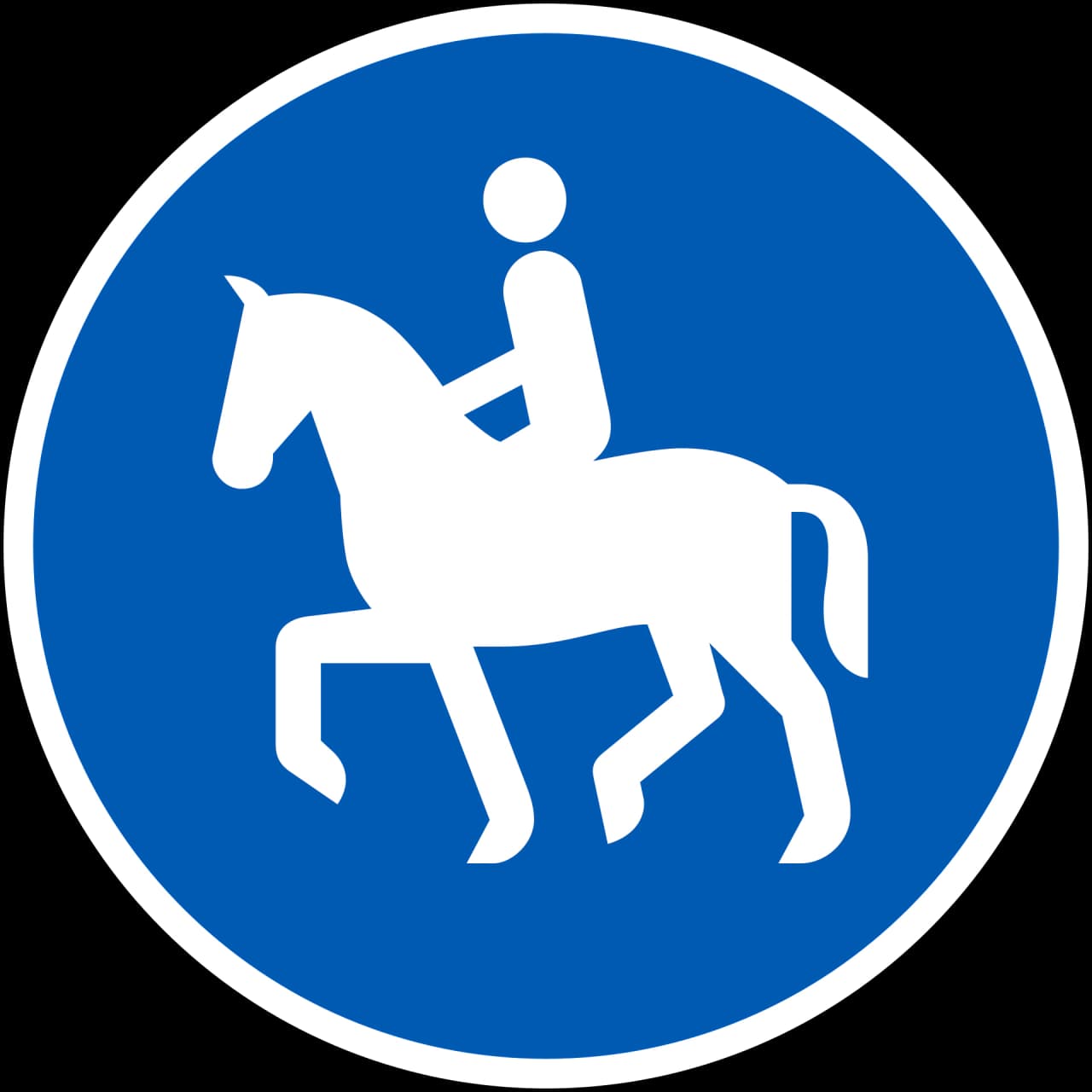
The D23 Bridleway Sign: Follow the Designated Path or Direction
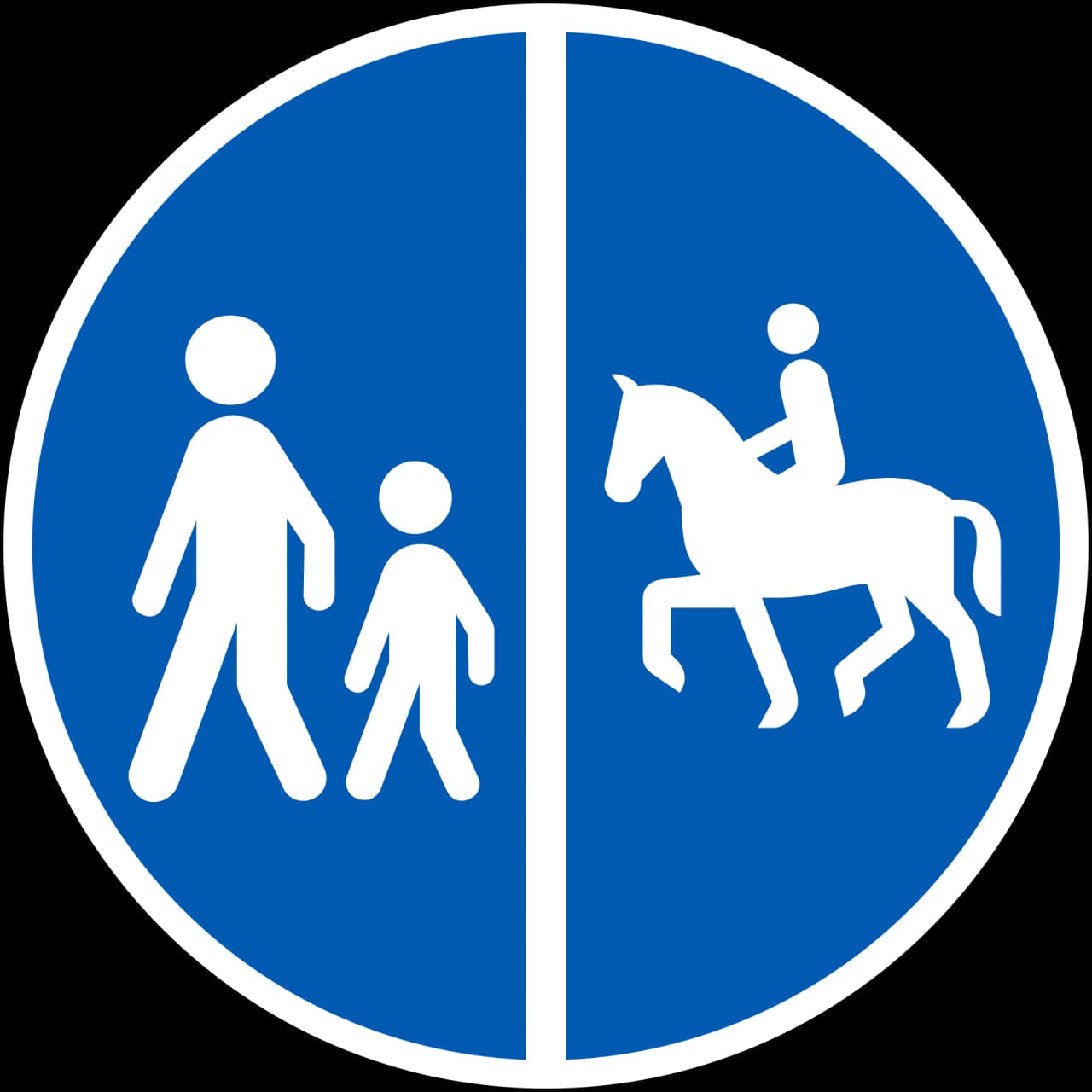
Follow the Mandatory Segregated Path as Directed by the D26.1 Sign
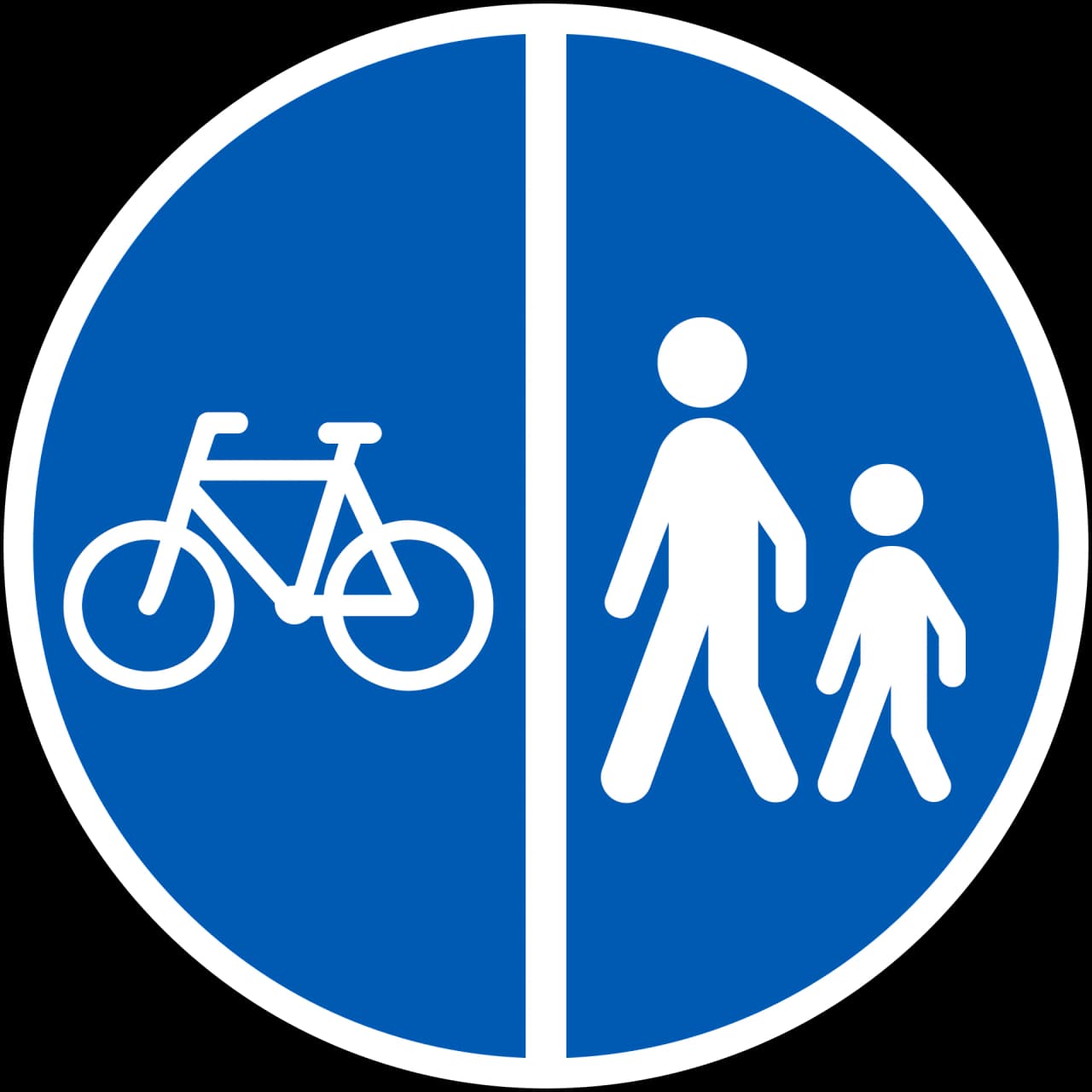
Understand the D26.2 Segregated Path Mandatory Sign
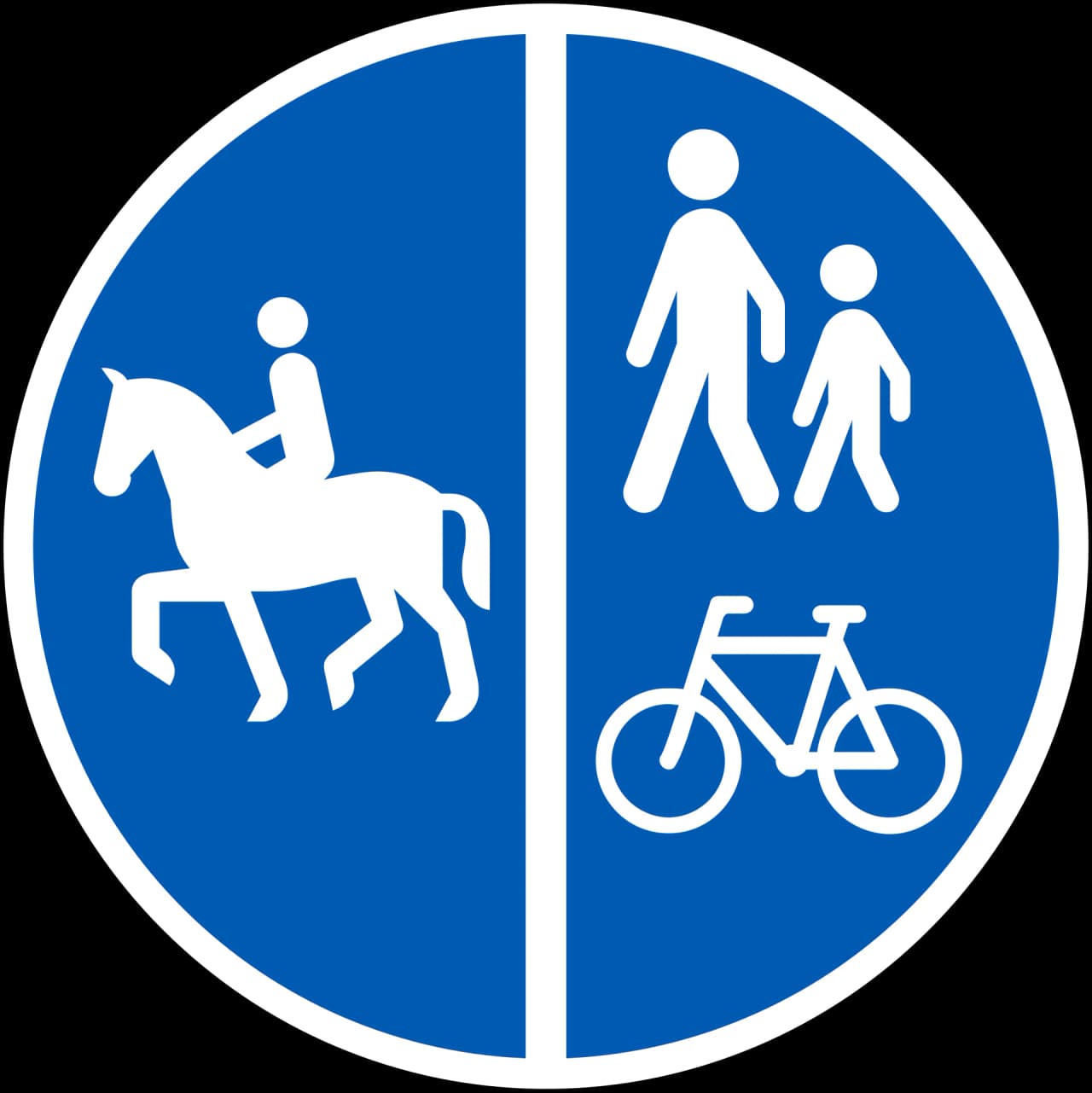
Danish D26.3 Segregated Path: Follow the Designated Route or Lane
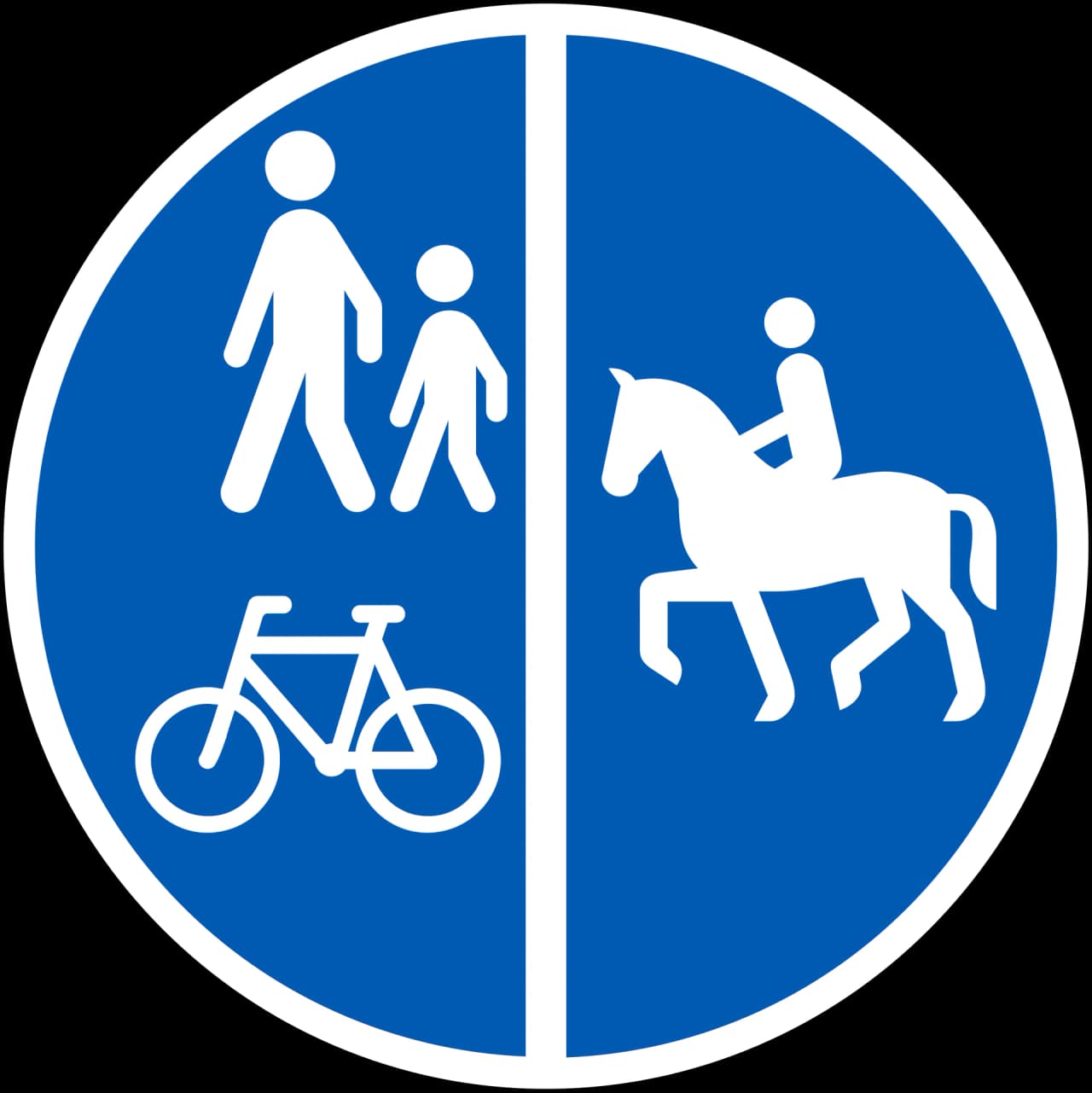
D26.4 Segregated Path: Follow the Mandatory Route or Lane
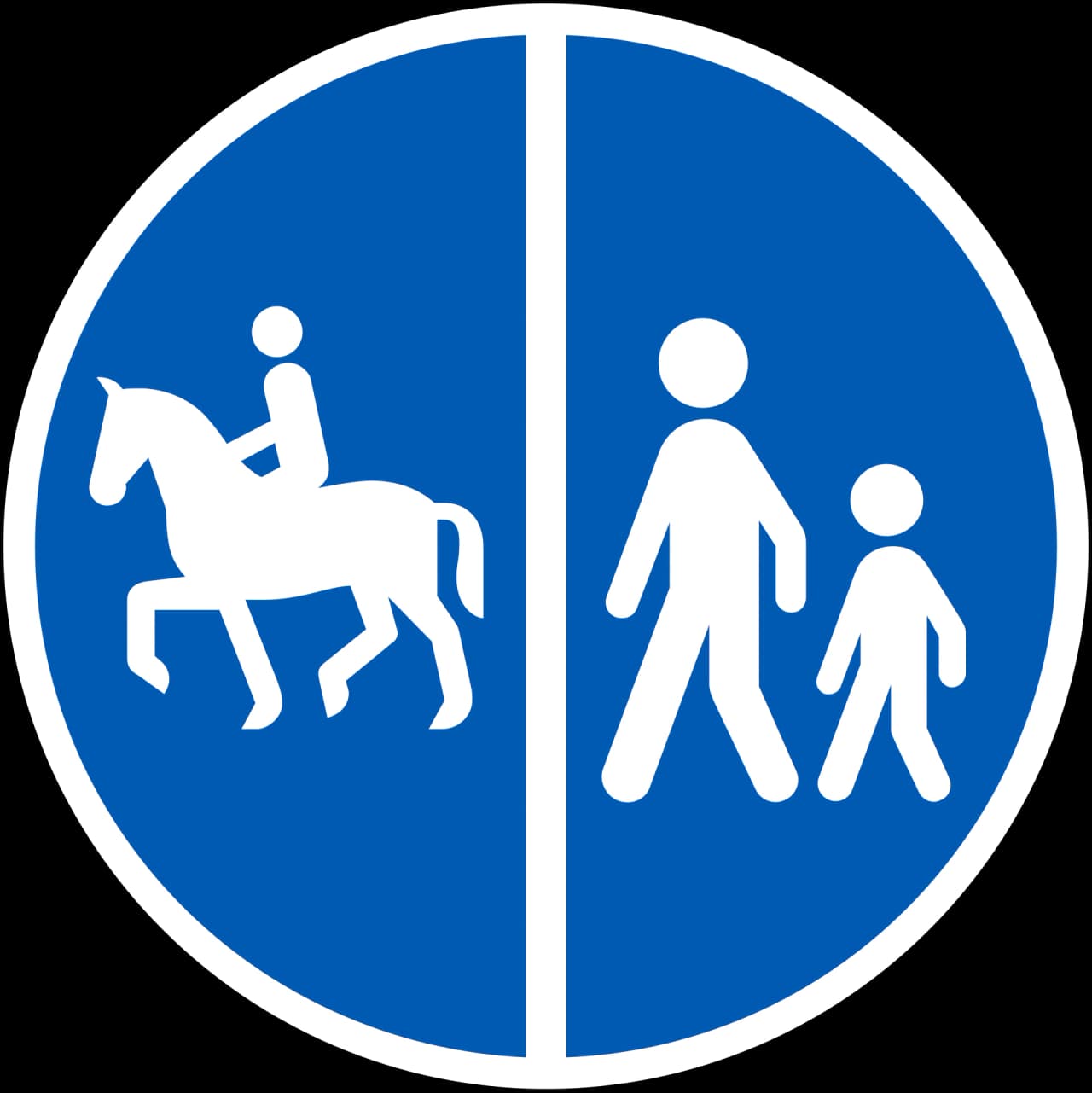
Comply with the D26.5 Segregated Path mandatory sign by following the indicated direction or route.
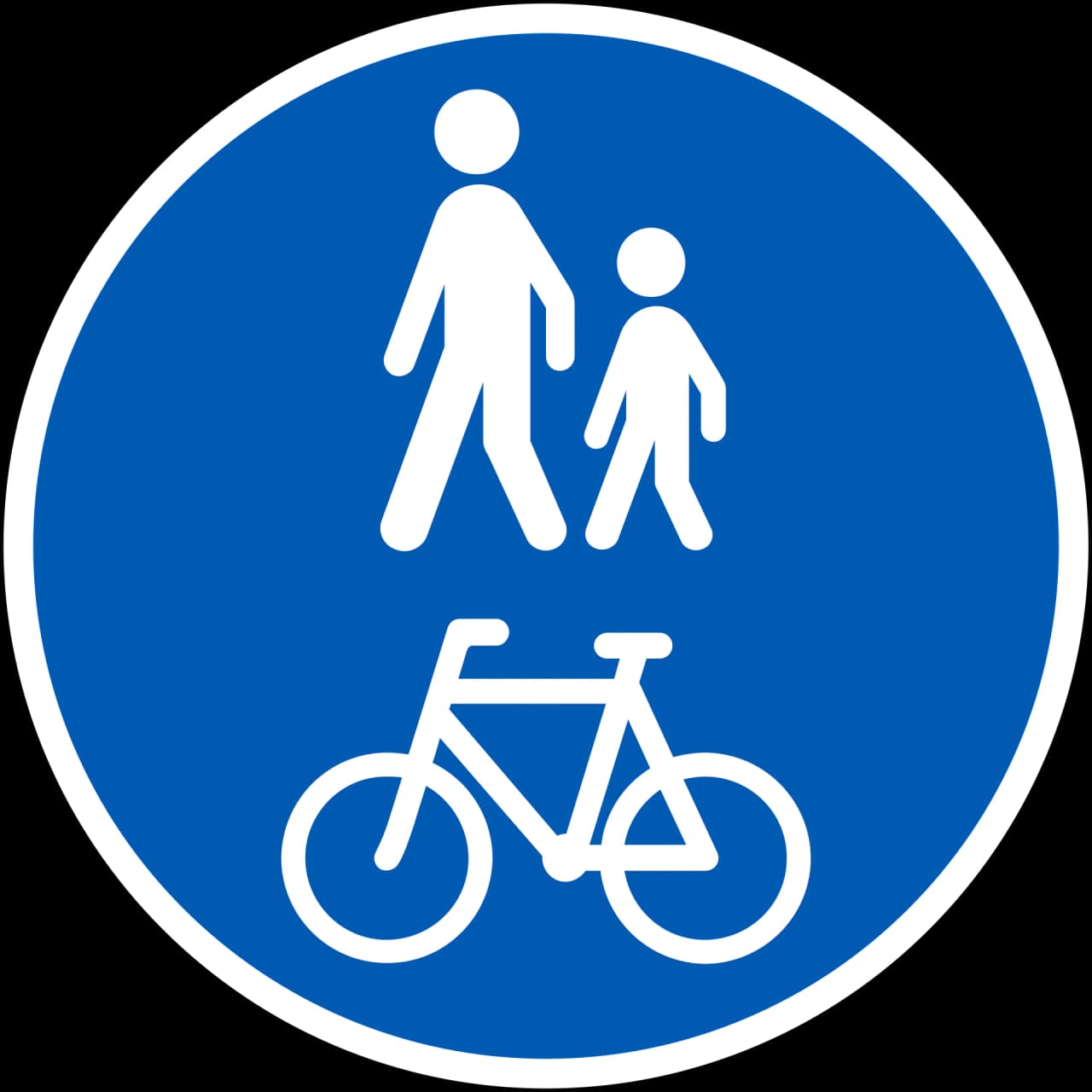
Follow the 'Combined Path' instruction precisely with D27 signs.
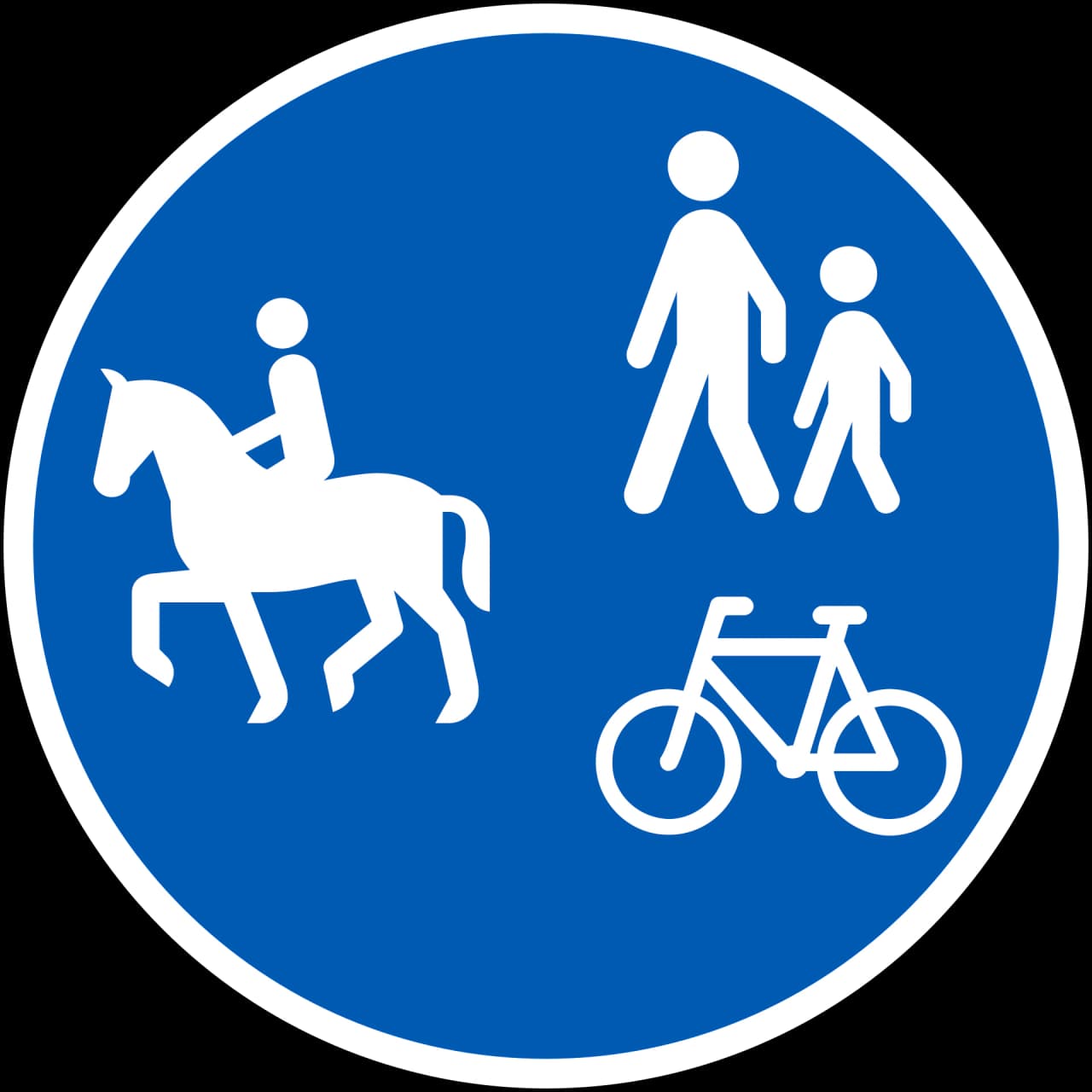
Understand the D27.1 Combined Path Mandatory Road Sign
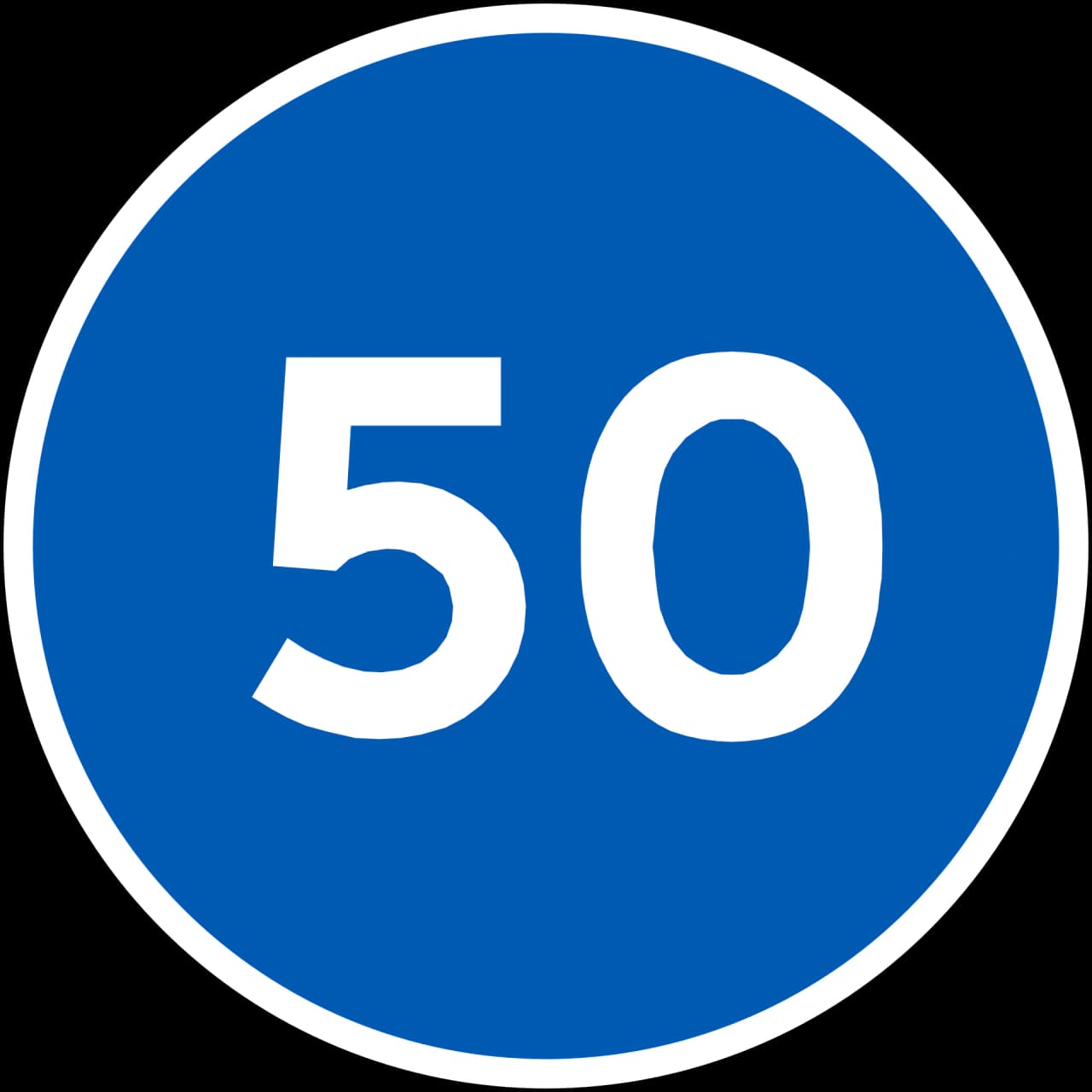
Obey the Minimum Speed D55 Sign to Ensure Smooth Traffic Flow
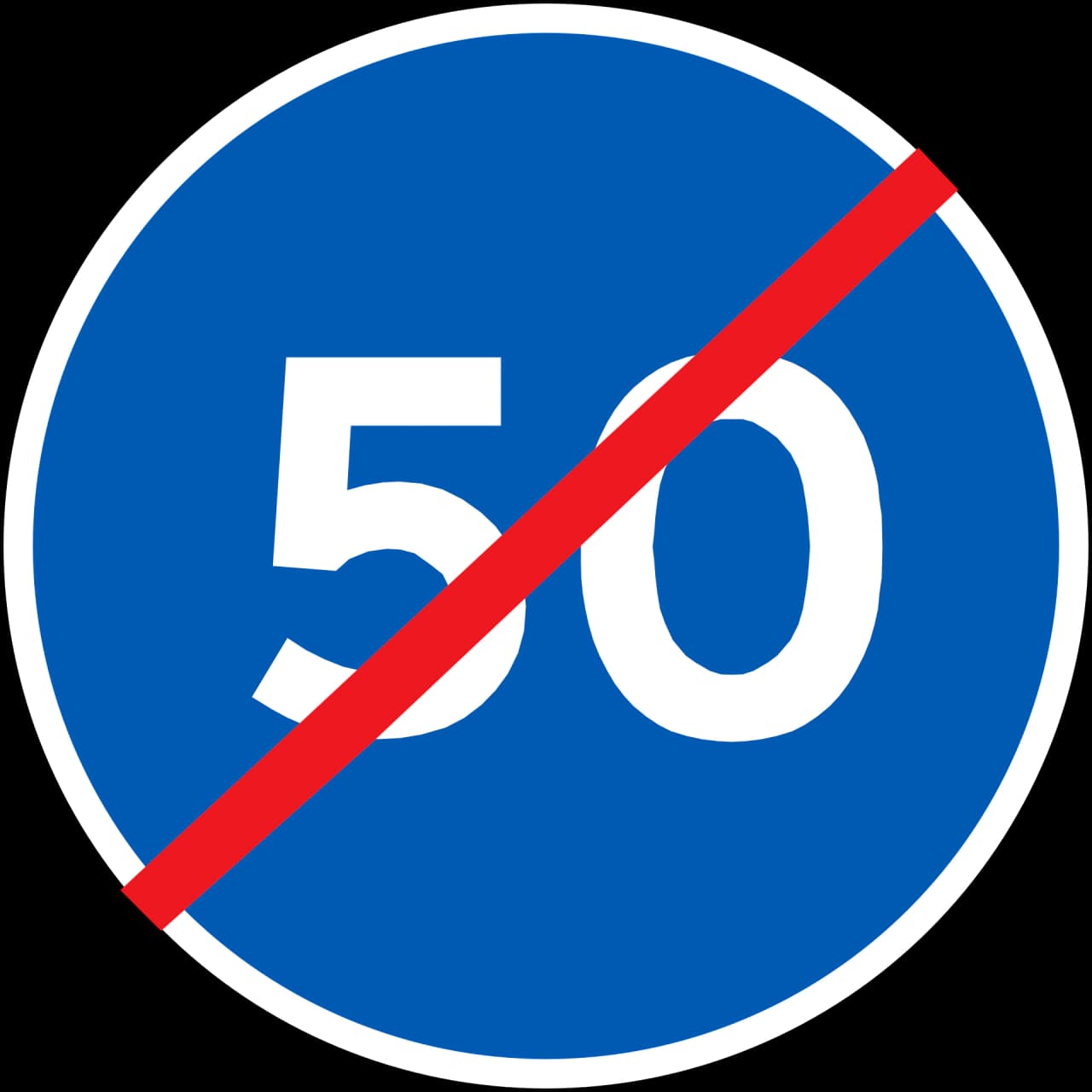
The D56 'End of Minimum Speed' Sign Means You're No Longer Required to Maintain a Minimum Speed.
Clear answers to common questions about the Danish Mandatory Signs road sign category. Use this FAQ to review tricky rules, understand how these signs appear in exam scenarios, and remove confusion that often leads to mistakes in the Danish driving theory exam in Denmark.
A 'Mandatory direction' sign (like the D11 series) tells you what you MUST do, such as which way to turn or which lane to use. In contrast, a 'Prohibition' sign (like a red circle with a slash) tells you what you MUST NOT do, such as a speed limit or no entry. It's important to know which action is required versus which action is forbidden.
You might see these signs in situations where it's crucial that traffic flows through a specific point or path, often to prevent confusion or congestion. For example, a 'Mandatory passage' sign could be placed before a narrow section, an underpass, or a specific entry point to ensure vehicles use the designated route safely and efficiently.
Signs like D21 (Cycleway) and D22 (Footway) indicate paths exclusively for cyclists and pedestrians, respectively. As a car driver, you must never enter these paths. They are usually located in urban areas, parks, or along roads where it's necessary to provide separate, safe routes for vulnerable road users and keep them away from vehicle traffic.
The 'Minimum speed' sign (D55) indicates the slowest speed you are legally allowed to travel on that stretch of road. This is often seen on high-speed roads like motorways or certain main roads where slower traffic could impede flow and create hazards. Driving below the indicated minimum speed, unless conditions make it unsafe to do so, is a violation and can be dangerous for yourself and others.
Yes, mandatory signs often appear alongside other traffic signs. For instance, a mandatory direction sign might be supplemented by lane markings, or a mandatory cycleway sign might be accompanied by signs indicating the start and end of that path. It's essential to consider all signs and markings present to understand the complete traffic situation and your required actions.
After reviewing the overall structure of Danish road sign groups, select a category to explore individual signs, their meanings, and specific rules in detail. Enhance your knowledge by practicing questions related to each sign type, preparing effectively for your Danish driving theory exam.
Danish Road Sign Groups