
Logo
Danish Road Signs and Traffic Sign Meanings

Understand How Additional Subpanels Modify Road Signs

Danish Additional Subpanels

Road signs often come with supplementary panels that provide crucial context. This group focuses on understanding these additional subpanels, which clarify details like distance, time, vehicle type, or specific directions. Mastering these is essential for correctly interpreting main signs, ensuring safe driving, and passing your theory exam with confidence.

additional panelssubpanelsroad sign contexttraffic sign interpretationdistance signstime restrictionsvehicle restrictionstheory testdriving rulesroad safety

How Danish Additional Subpanels road signs are used in Denmark

An explanation of how Danish Additional Subpanels road signs apply in real traffic situations in Denmark. Learn where these signs are typically placed, what drivers are expected to do when they appear, and how correct reactions help you stay safe, avoid fines, and succeed in your Danish driving theory exam.

Additional subpanels are frequently seen alongside main traffic signs, especially in complex or dynamic traffic situations. You'll encounter them on highways, urban streets, and rural roads. For instance, a speed limit sign might have a subpanel indicating it only applies to heavy goods vehicles (U4.1, U4.2) or is valid only during specific hours (U3.3, U3.6). Similarly, warning signs about upcoming hazards might specify the distance to the hazard (U1.1, U1.2) or the interval during which it applies (U2.1, U2.2). Signs indicating restrictions, like 'no stopping,' might have subpanels specifying the duration of the restriction or exempting certain vehicle types. Understanding these subpanels is vital for complying with the exact conditions of the sign and adjusting your driving behaviour accordingly, whether it's slowing down for a specific distance or understanding a turn-specific rule after an intersection (U6.3, U6.4).

What you will learn about Danish Additional Subpanels road signs

An overview of the key learning outcomes when studying the Danish Additional Subpanels road sign category. Understand the main concepts, sign meanings, and traffic situations covered here so you can recognise patterns, answer theory questions more confidently, and build a solid foundation for safe driving in Denmark.

Recognise and interpret common Danish additional subpanels.Understand how subpanels modify the meaning of primary road signs.Determine the distance, time, or specific vehicle types to which a sign applies.React appropriately to signs that indicate turn-specific or time-limited restrictions.Identify exemptions or special permissions indicated by subpanels.

Danish Additional Subpanels: Essential Modifiers

Master Danish additional subpanels, crucial signs that modify primary directives by specifying distance, intervals, times, vehicle types, or exemptions. Studying these together with their main signs clarifies complex road rules and improves your recognition for the Danish theory test. Understand these panels to correctly interpret instructions on Danish traffic signs.
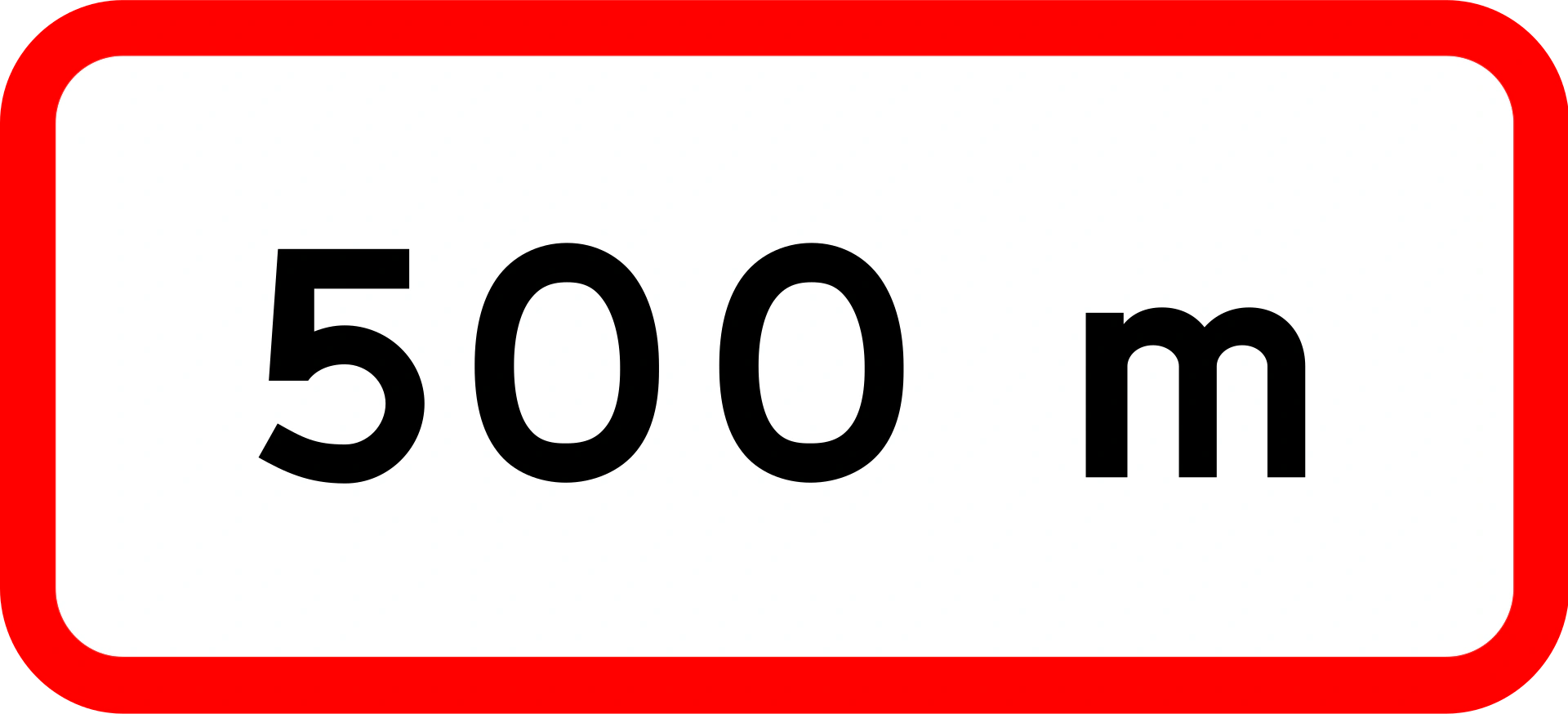
U1.1 - Distance (here in 500 meters) road sign

Distance (here in 500 meters)

The U1.1 Subpanel: Adding Context to Road Signs in Denmark
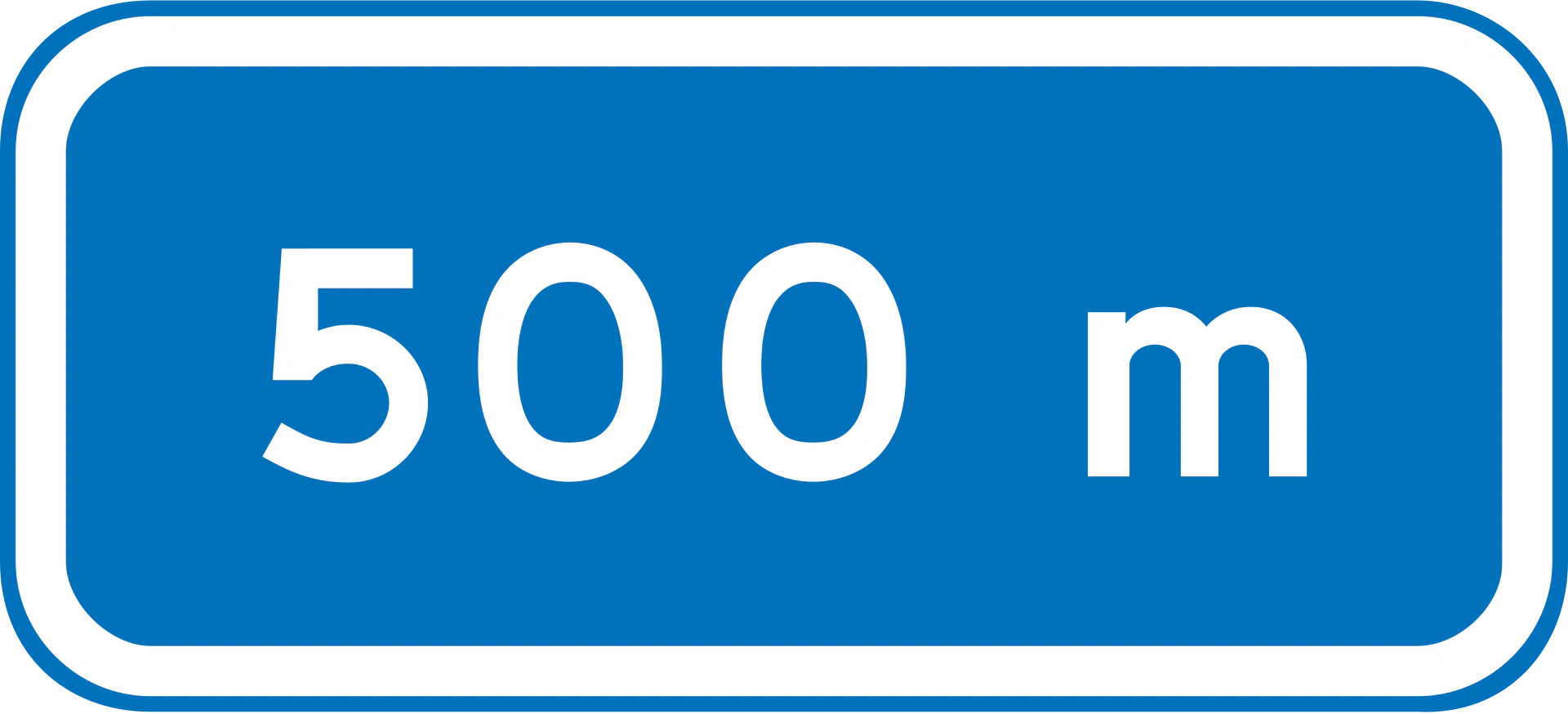
Danish Additional SubpanelsU1.1
U1.2 - Distance (here in 500 meters) road sign

Distance (here in 500 meters)

Understand the U1.2 Distance Subpanel for Road Signs in Denmark
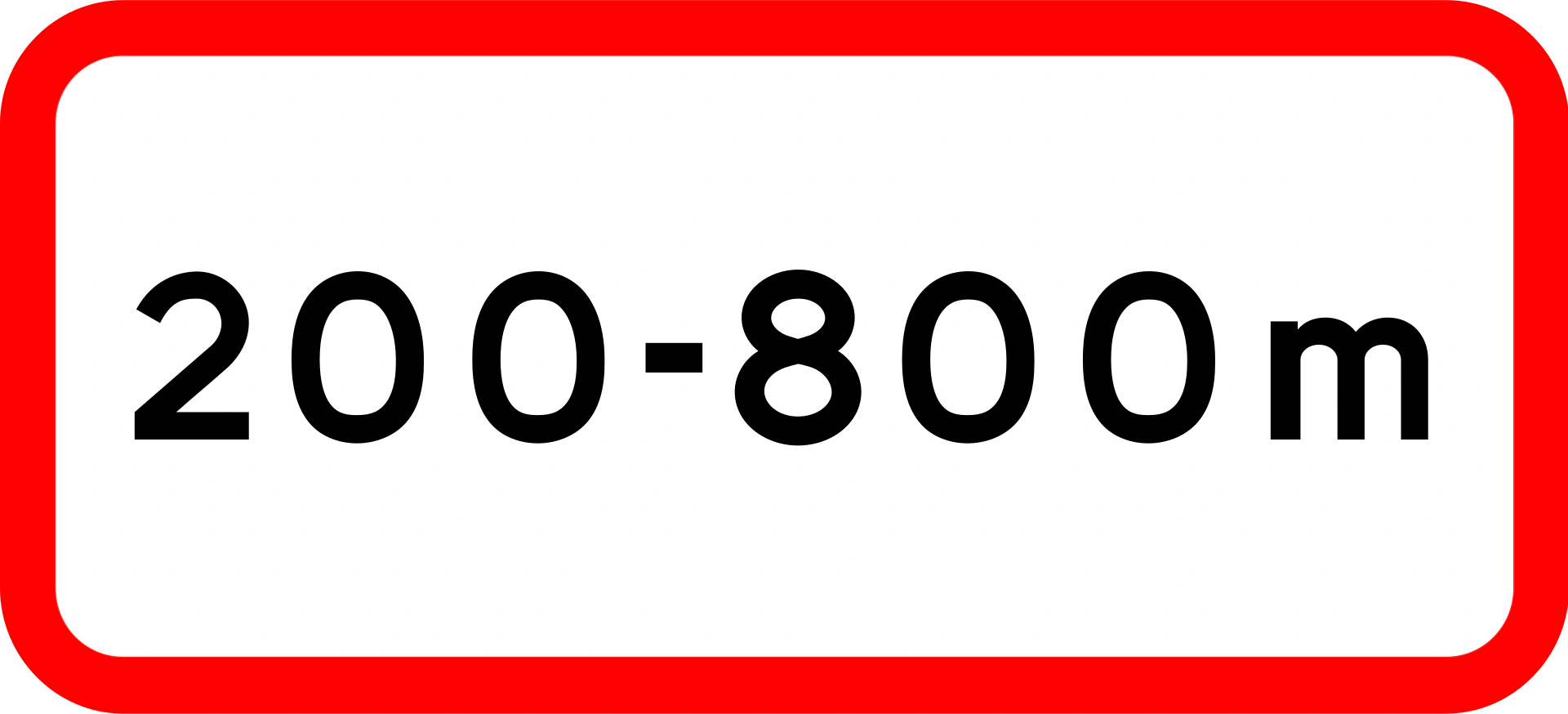
Danish Additional SubpanelsU1.2
U2.1 - Distance interval (here from 200 to 800 meters) road sign

Distance interval (here from 200 to 800 meters)

The U2.1 Distance Interval Subpanel: What it Means and How to Use It
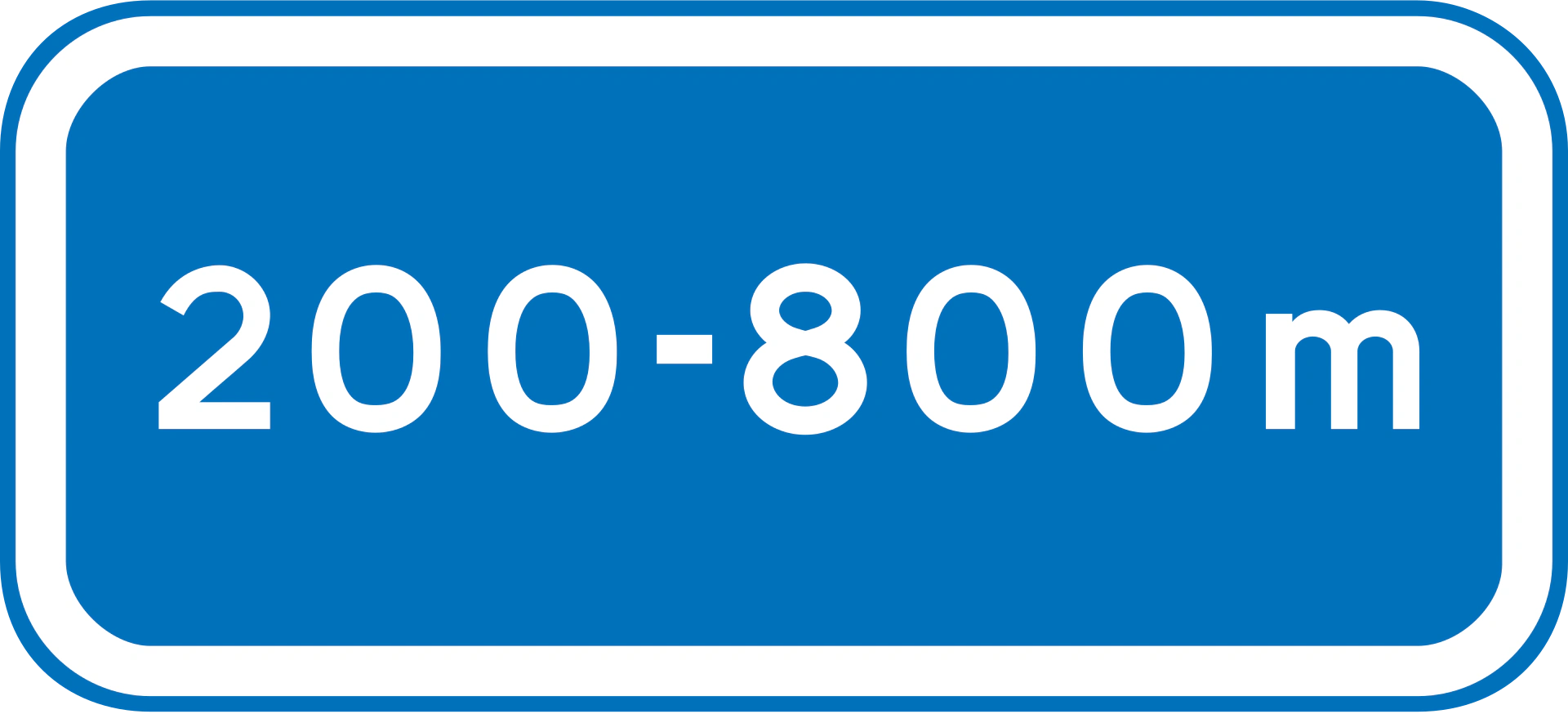
Danish Additional SubpanelsU2.1
U2.2 - Distance interval (here from 200 to 800 meters) road sign

Distance interval (here from 200 to 800 meters)

The U2.2 Subpanel: How Distance and Interval Affect Other Road Signs
Danish Additional SubpanelsU2.2
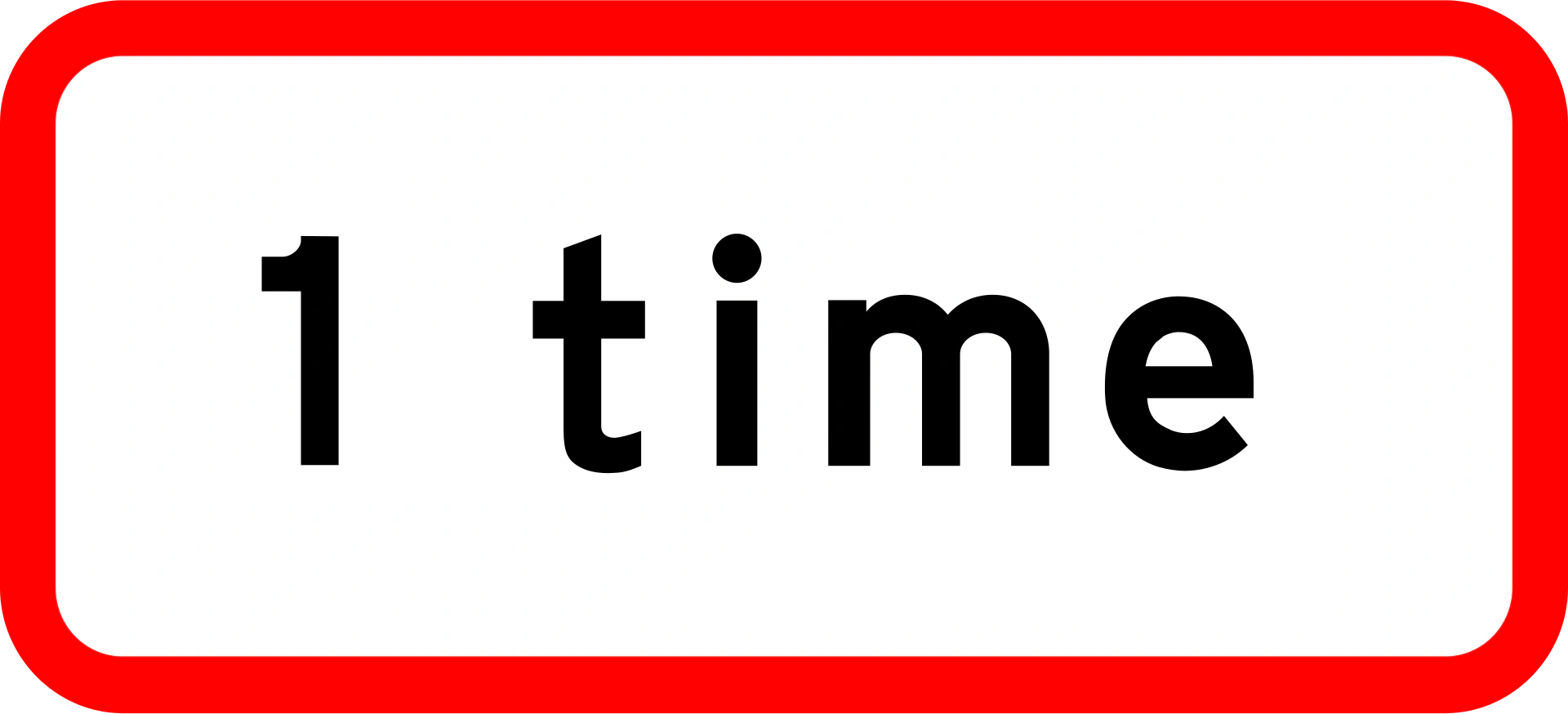
U3.1 - Length of time (here 1 hour) road sign

Length of time (here 1 hour)

The U3.1 Subpanel: Understanding Time and Scope with Main Signs
Danish Additional SubpanelsU3.1
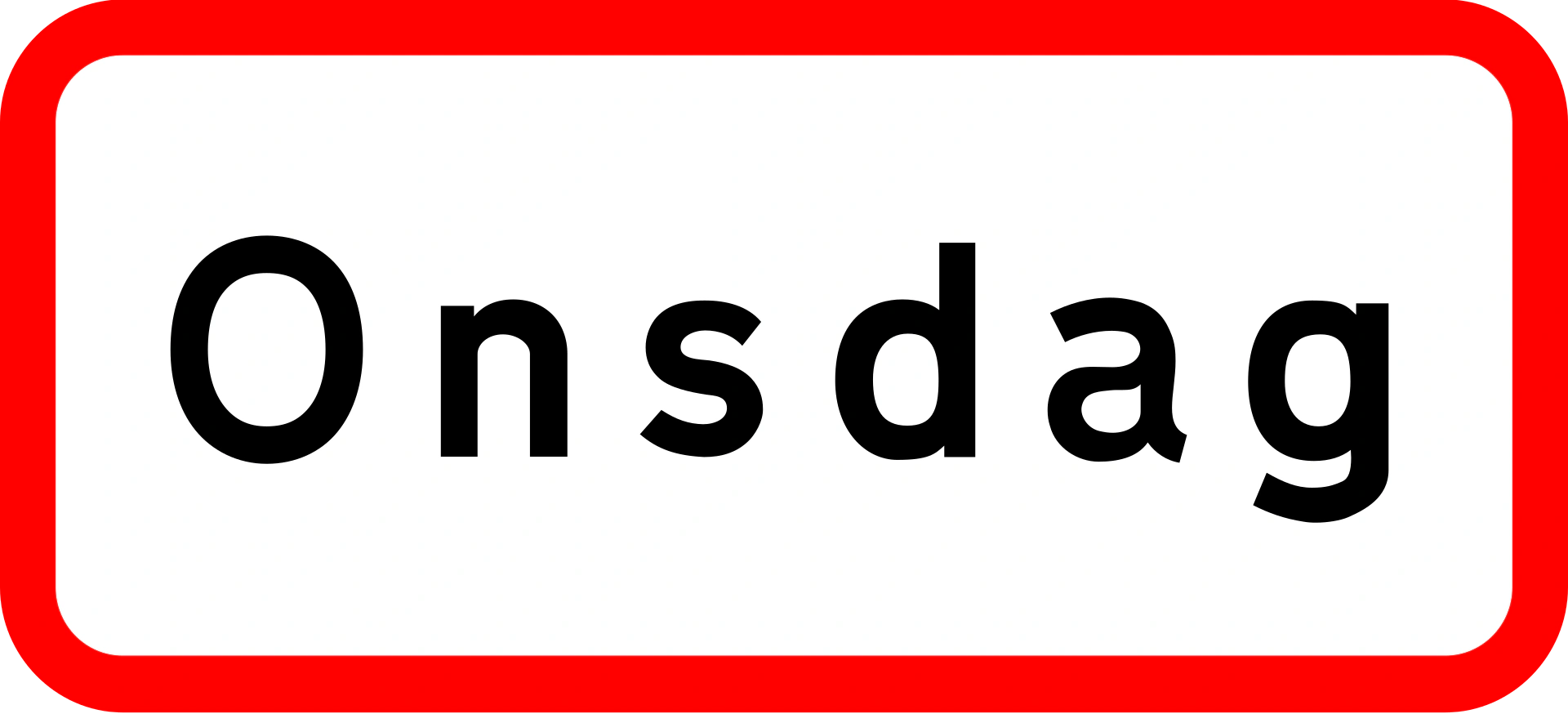
U3.2 - Day of week (here Wednesday) road sign

Day of week (here Wednesday)

The U3.2 'Day of Week' Subpanel: Adding Specificity to Road Signs
Danish Additional SubpanelsU3.2
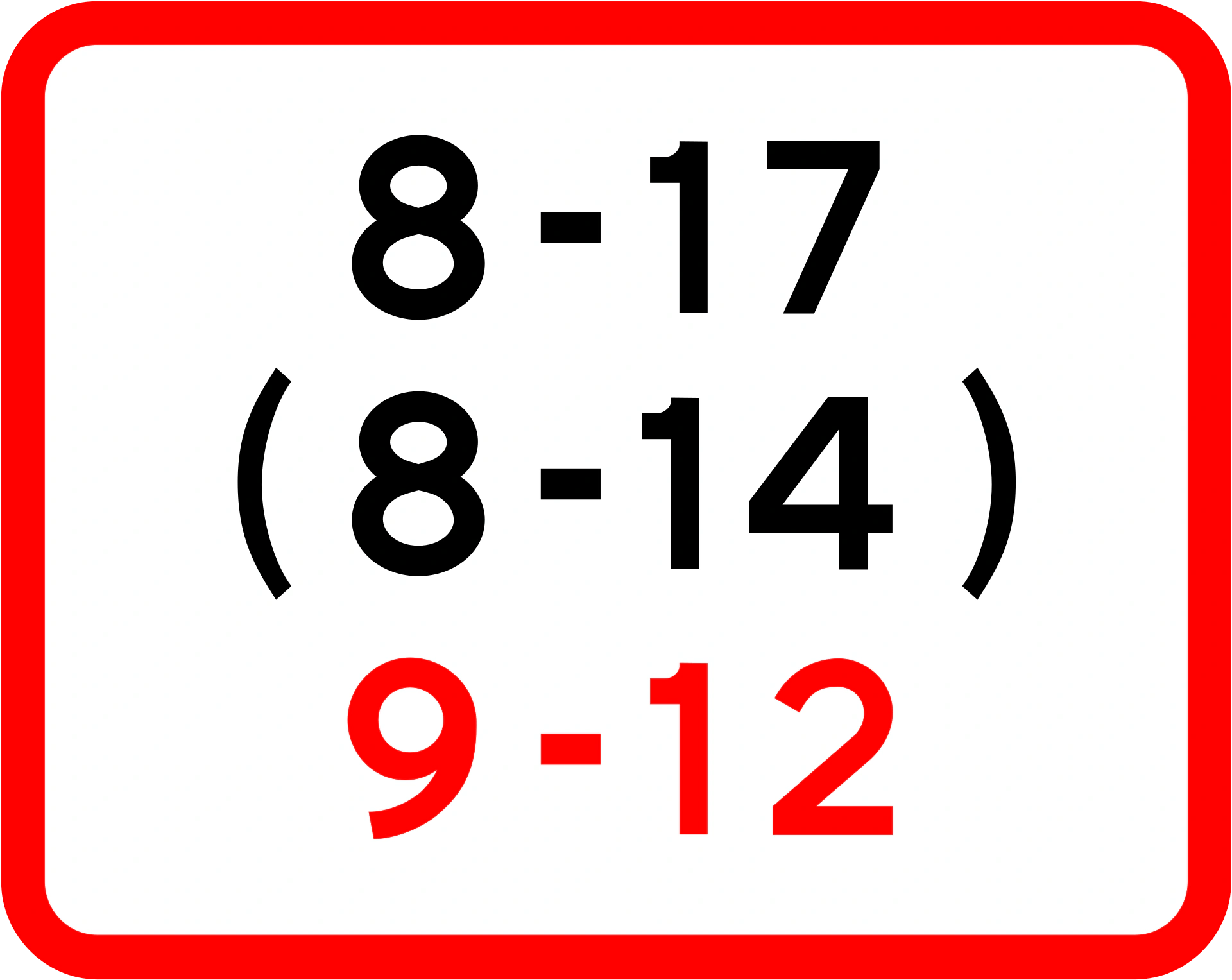
U3.3 - Time of day on weekdays. If in parentheses, Saturdays, if in red, Sundays or holidays. (here from 8 AM to 5 PM weekdays, from 8 AM to 2 PM Saturdays and from 9 AM to 12 AM on Sundays or holidays road sign

Time of day on weekdays. If in parentheses, Saturdays, if in red, Sundays or holidays. (here from 8 AM to 5 PM weekdays, from 8 AM to 2 PM Saturdays and from 9 AM to 12 AM on Sundays or holidays

The U3.3 Additional Panel: Understanding Time Restrictions on Danish Roads
Danish Additional SubpanelsU3.3
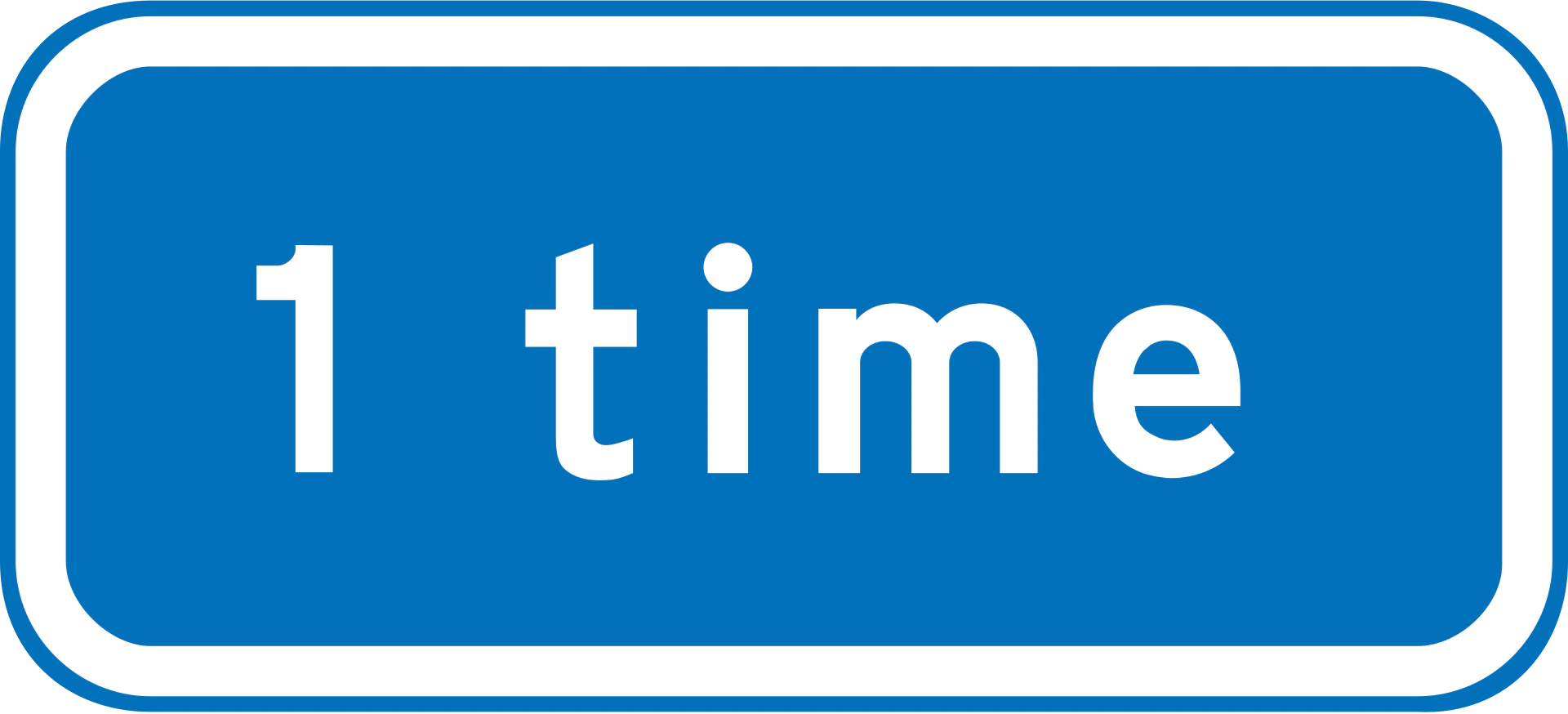
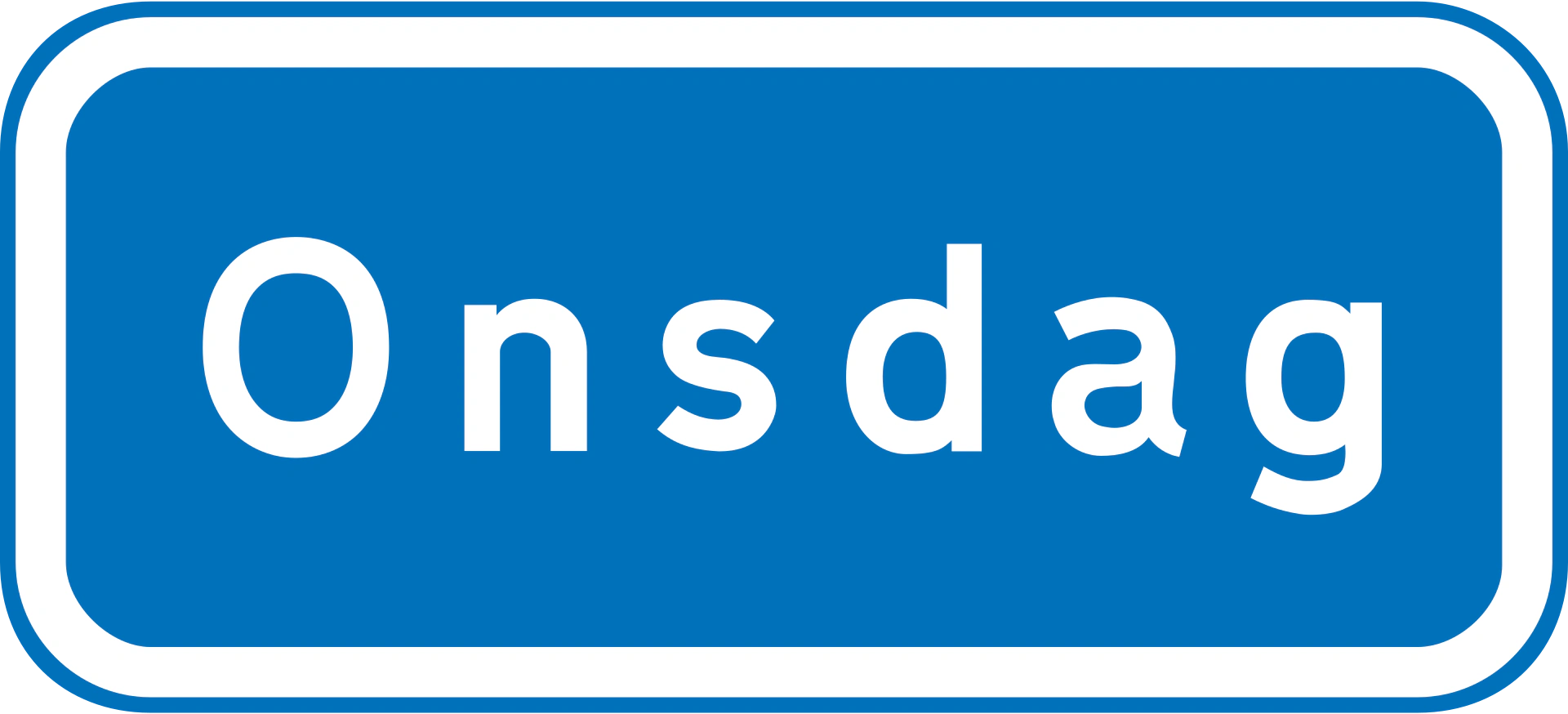
U3.4 - : Length of time (here 1 hour) road sign

: Length of time (here 1 hour)

The U3.4 subpanel specifies a time limit for the main road sign it accompanies.
Danish Additional SubpanelsU3.4
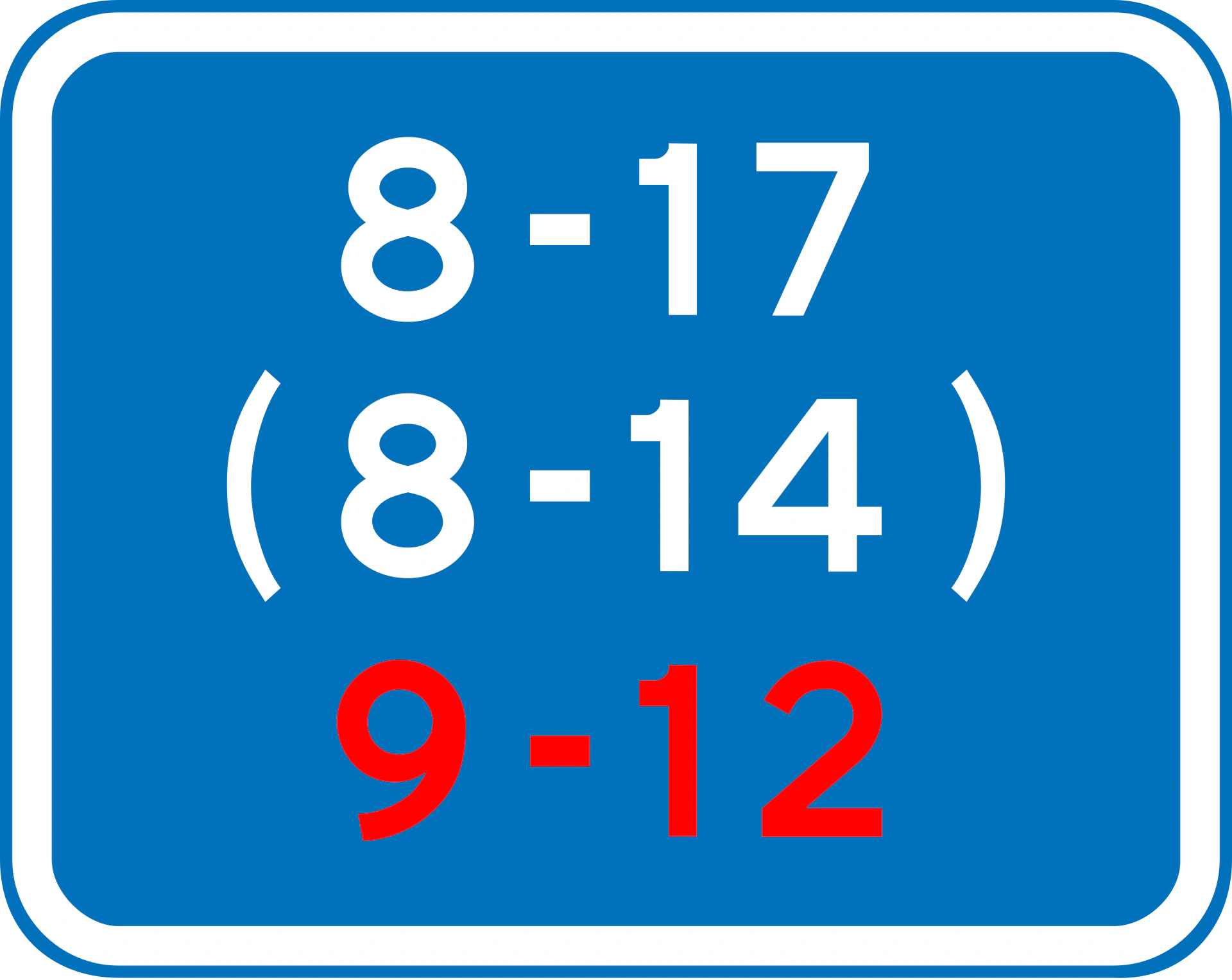
U3.5 - Day of week (here Wednesday) road sign

Day of week (here Wednesday)

This U3.5 subpanel specifies when the main sign applies, like 'Wednesday'.
Danish Additional SubpanelsU3.5
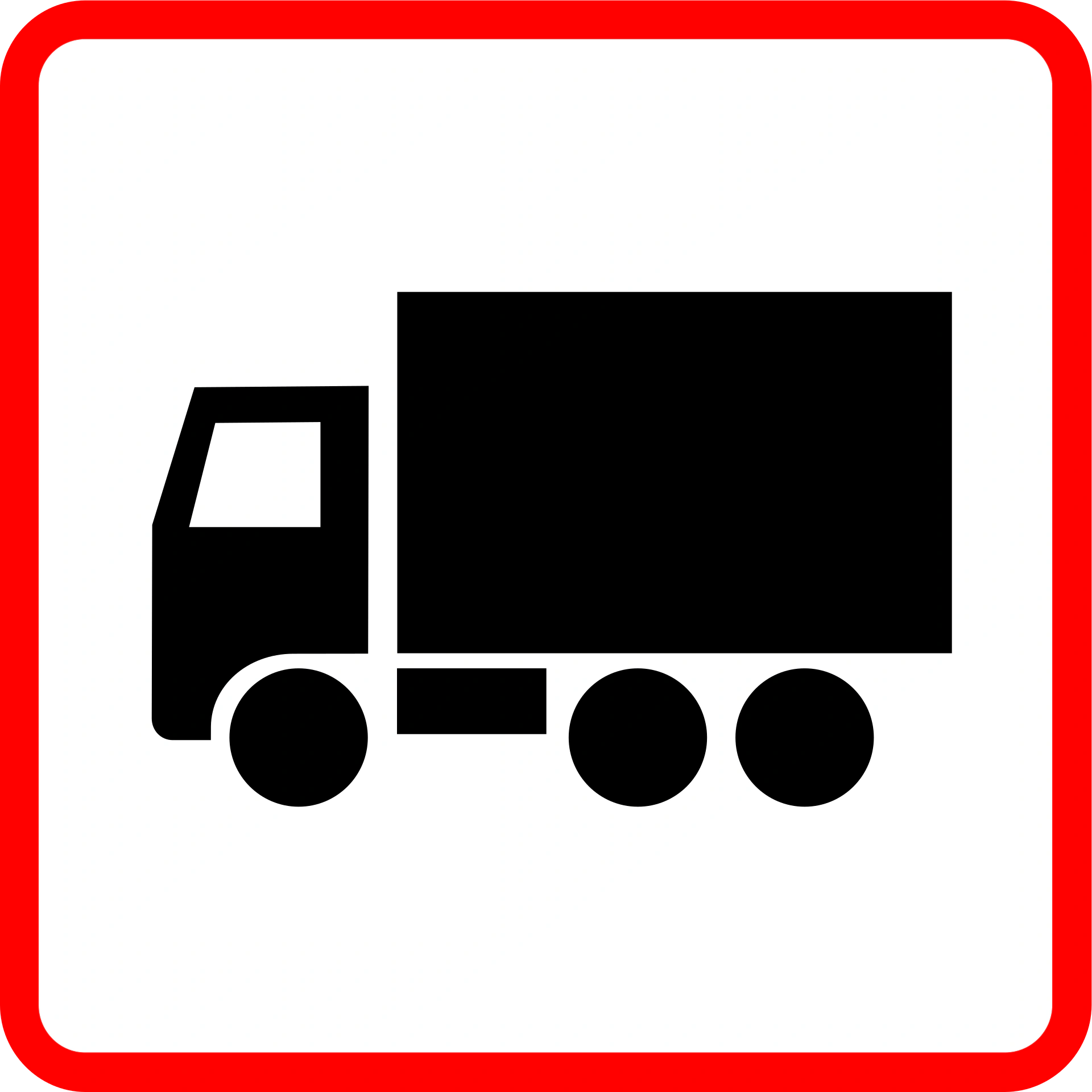
U3.6 - Time of day on weekdays. If in parentheses, Saturdays, if in red, Sundays or holidays. (here from 8 AM to 5 PM weekdays, from 8 AM to 2 PM Saturdays and from 9 AM to 12 AM on Sundays or holidays road sign

Time of day on weekdays. If in parentheses, Saturdays, if in red, Sundays or holidays. (here from 8 AM to 5 PM weekdays, from 8 AM to 2 PM Saturdays and from 9 AM to 12 AM on Sundays or holidays

Understand Danish Road Signs: The U3.6 Time of Day Subpanel
Danish Additional SubpanelsU3.6
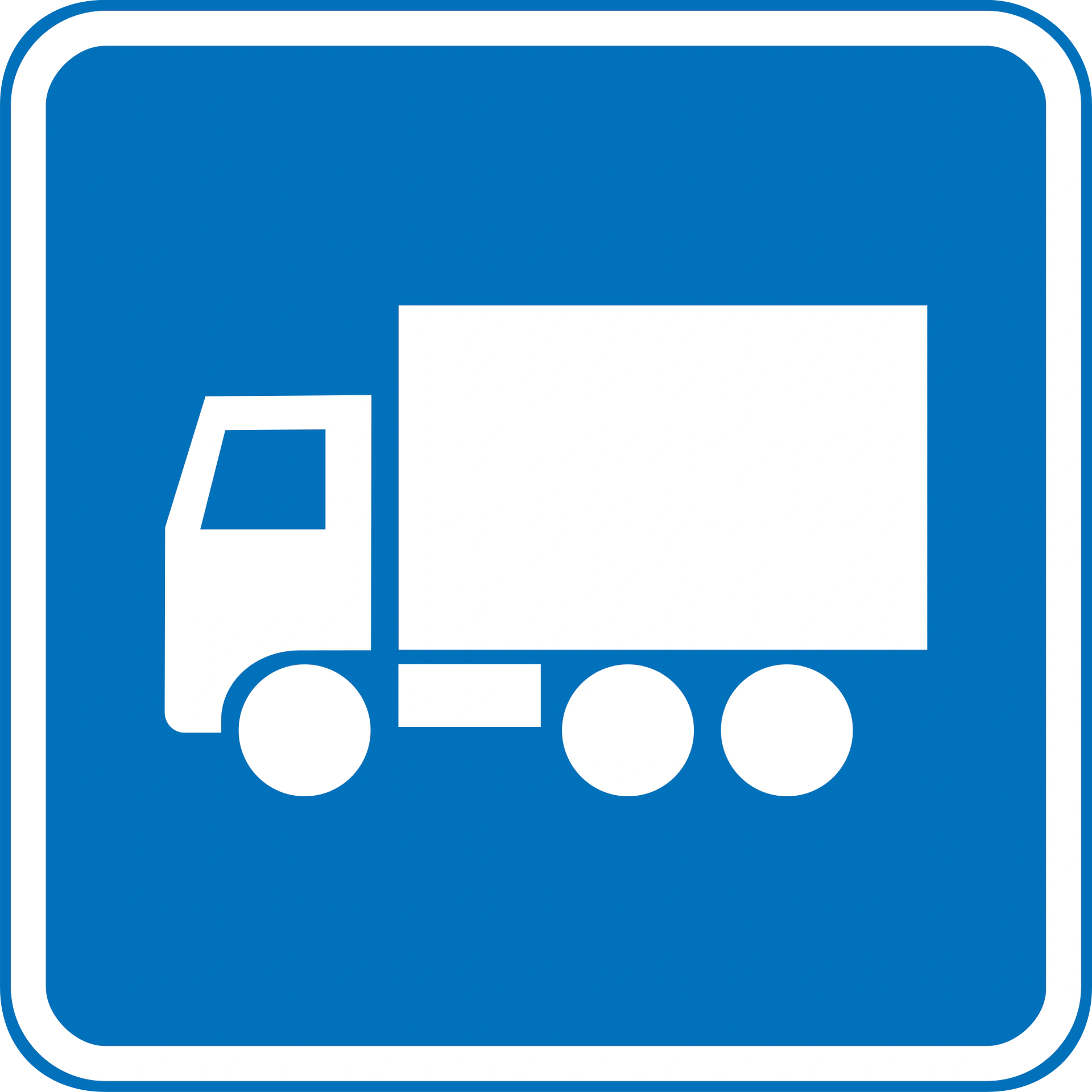
U4.1 - Type(s) of vehicle (here heavy goods vehicle) road sign

Type(s) of vehicle (here heavy goods vehicle)

This U4.1 subpanel sign specifies which vehicles or conditions apply to the main sign.
Danish Additional SubpanelsU4.1
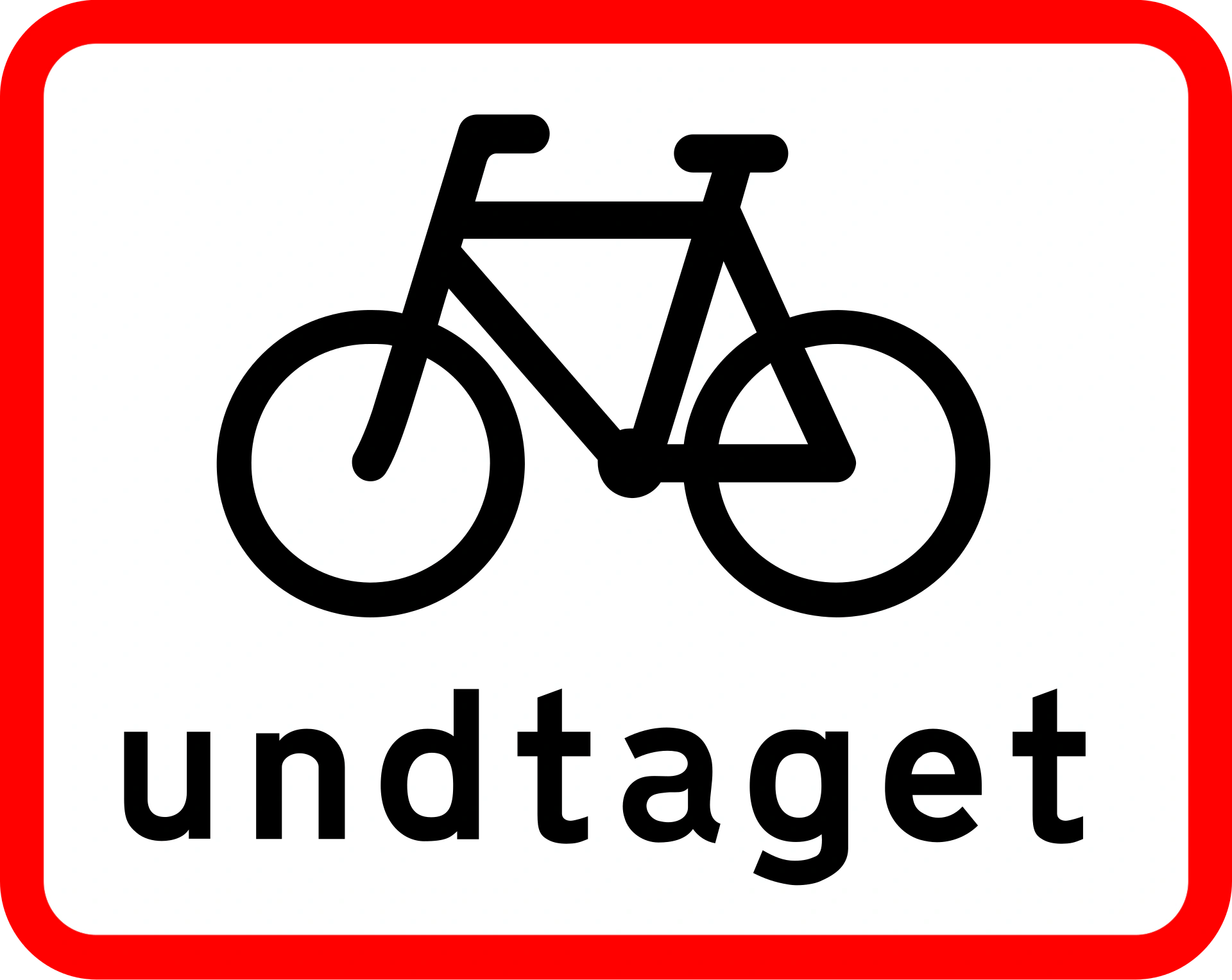
U4.2 - Type(s) of vehicle (here heavy goods vehicle) road sign

Type(s) of vehicle (here heavy goods vehicle)

Understand the U4.2 'Type(s) of Vehicle' Subpanel for Danish Road Signs
Danish Additional SubpanelsU4.2
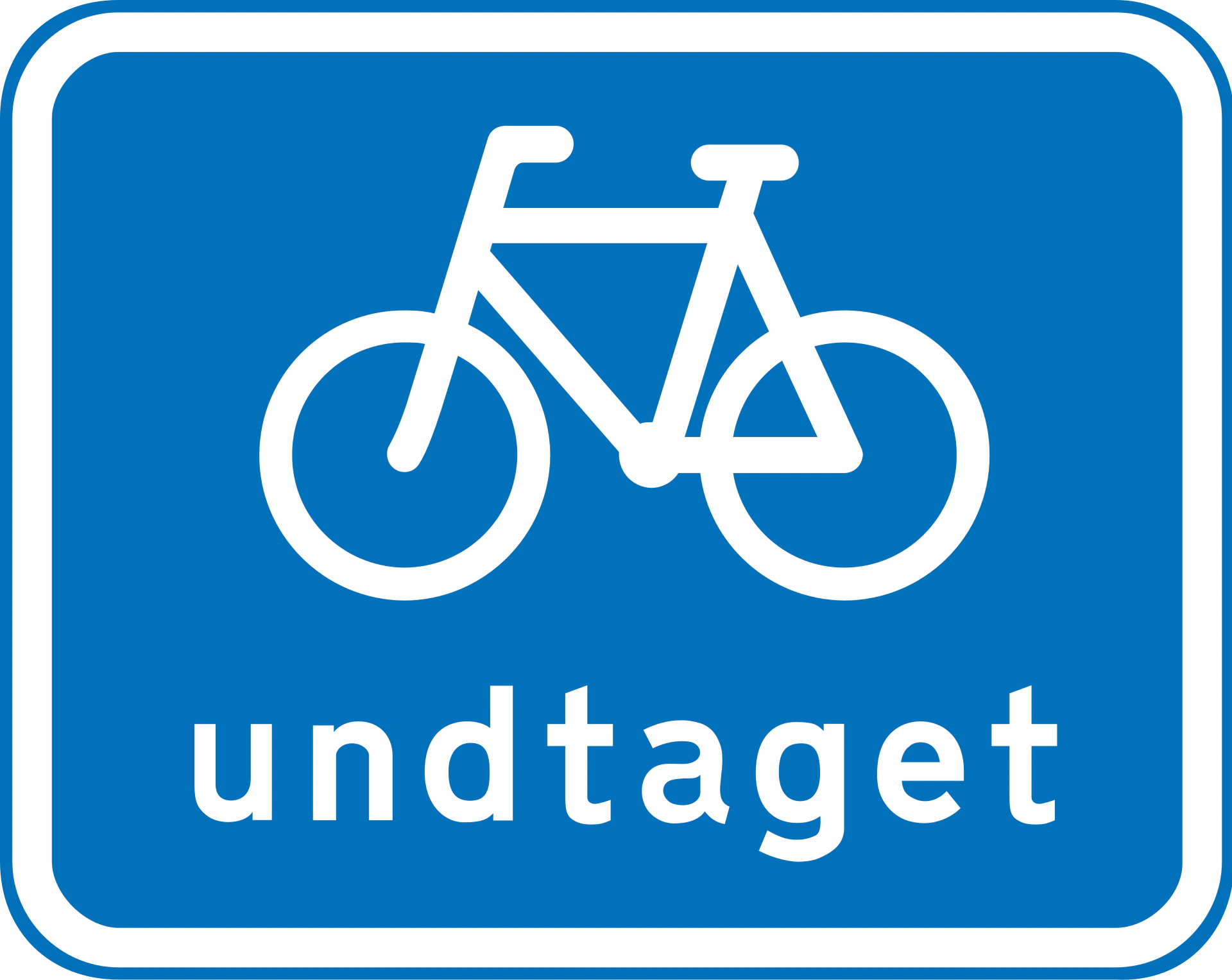
U5.1 - Bicycles and small mopeds exempt road sign

Bicycles and small mopeds exempt

The U5.1 Subpanel: Exemptions for Bicycles and Small Mopeds
Danish Additional SubpanelsU5.1
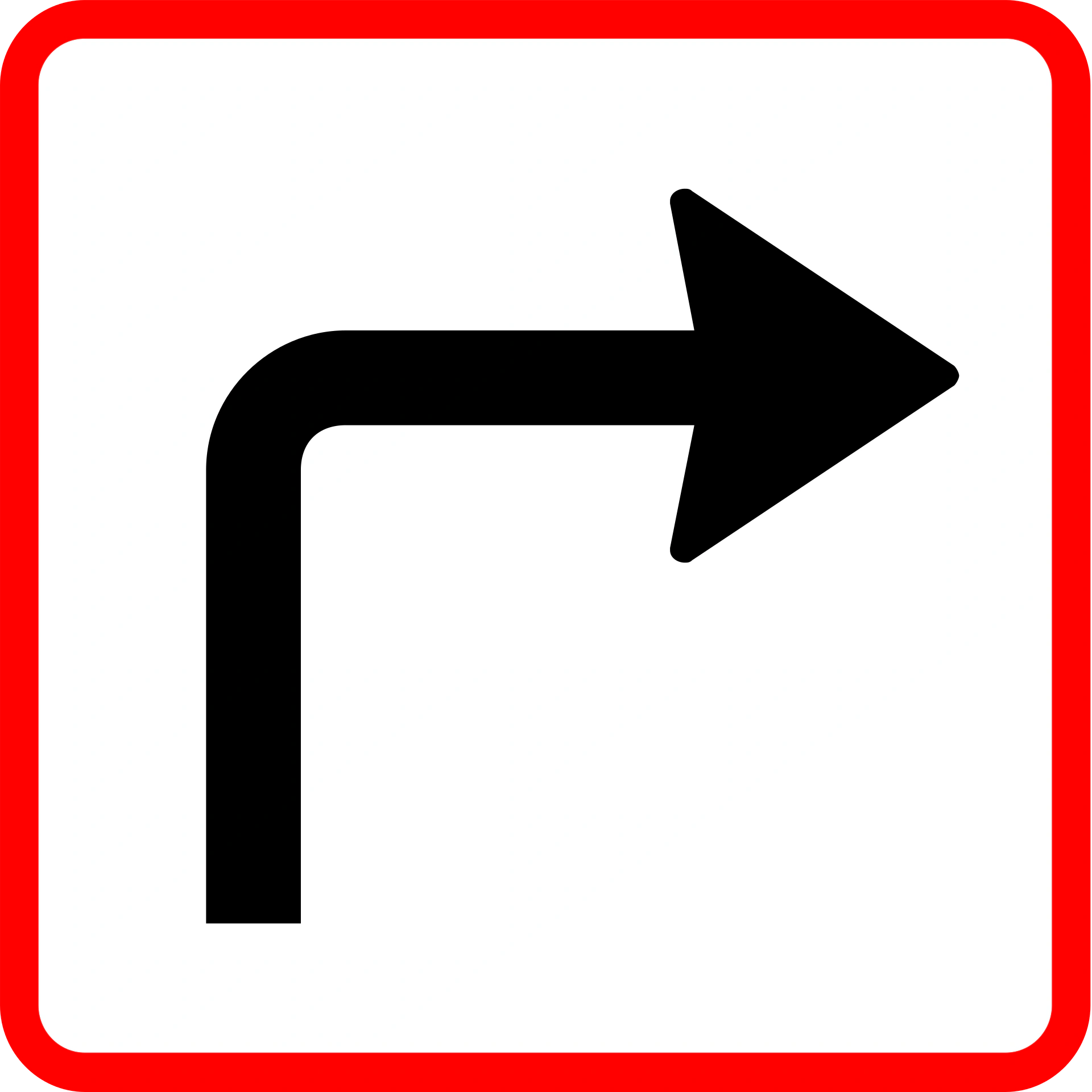
U5.2 - Bicycles and small mopeds exempt road sign

Bicycles and small mopeds exempt

The U5.2 Subpanel: Clarifying Exemptions for Bicycles and Small Mopeds
Danish Additional SubpanelsU5.2
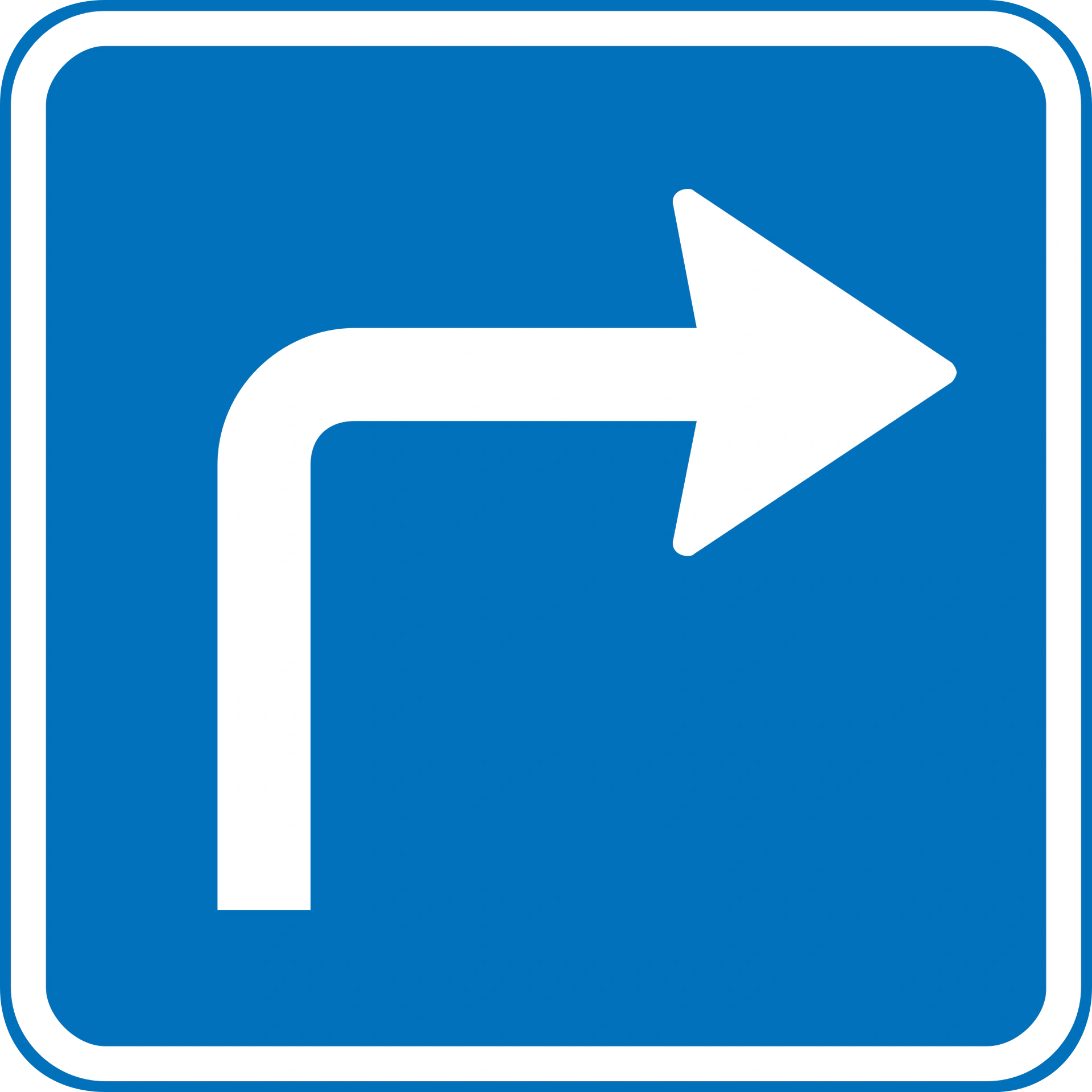
U6.3 - A sign combination this panel is a part of, takes effect after a right turn in the intersection ahead road sign

A sign combination this panel is a part of, takes effect after a right turn in the intersection ahead

U6.3 Additional Subpanel: Modifying Main Sign Meanings
Danish Additional SubpanelsU6.3
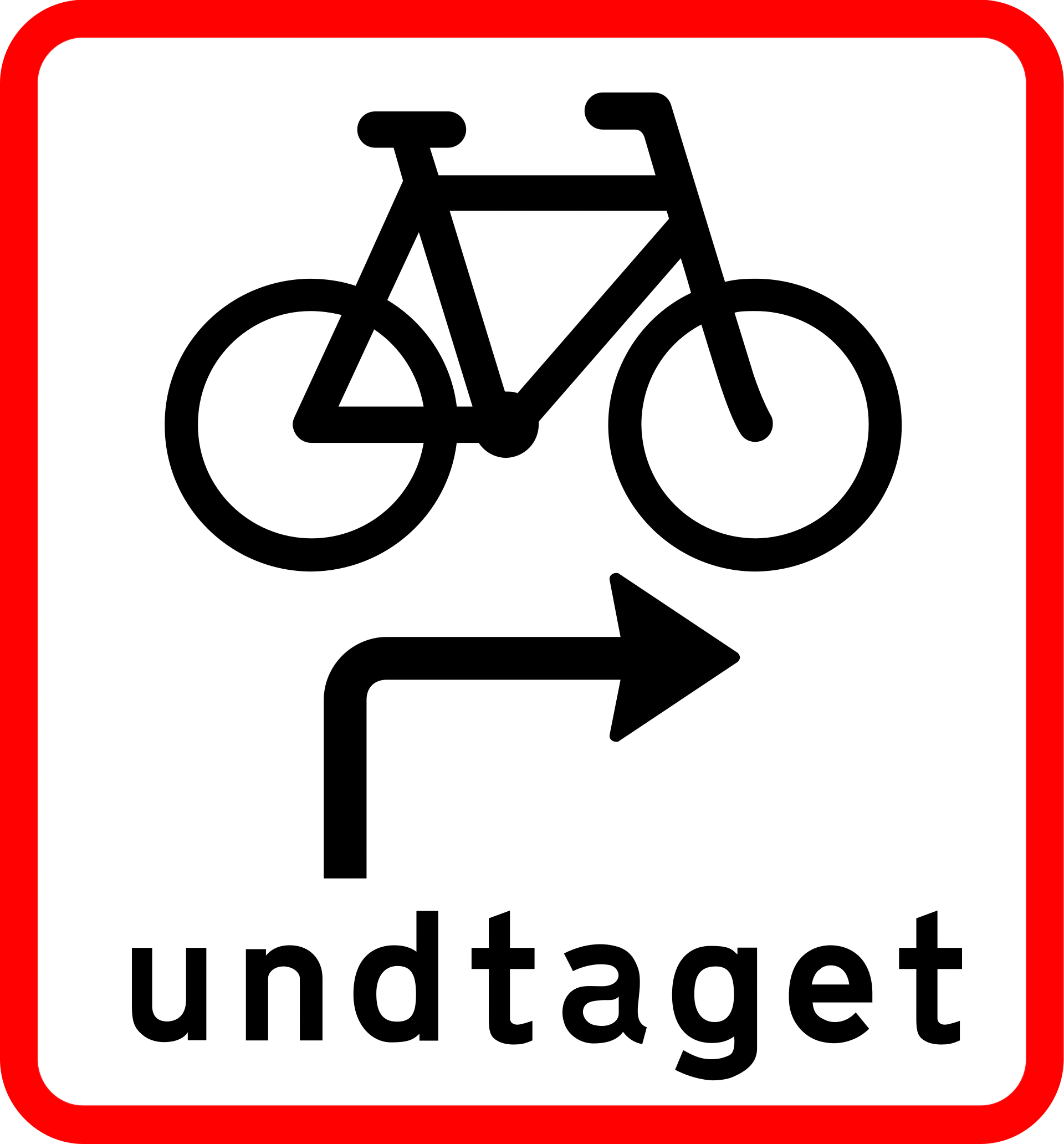
U6.4 - A sign combination this panel is a part of, takes effect after a right turn in the intersection ahead road sign

A sign combination this panel is a part of, takes effect after a right turn in the intersection ahead

U6.4: This Subpanel Modifies the Main Sign's Meaning
Danish Additional SubpanelsU6.4
U7 - Bicycles and small mopeds may make right turn when traffic signal is red. road sign

Bicycles and small mopeds may make right turn when traffic signal is red.

U7: Right Turn on Red for Bicycles and Small Mopeds in Denmark

Danish Additional SubpanelsU7

Danish Additional Subpanels road sign category frequently asked questions

Clear answers to common questions about the Danish Additional Subpanels road sign category. Use this FAQ to review tricky rules, understand how these signs appear in exam scenarios, and remove confusion that often leads to mistakes in the Danish driving theory exam in Denmark.

What is the purpose of additional subpanels?

Additional subpanels, also known as supplementary plates, provide extra information to clarify or restrict the application of the main traffic sign they are mounted below. They can specify distance, duration, times of day, days of the week, types of vehicles affected, or even directions (like after a turn).

How do I know if a sign applies to me?

Always read the main sign together with any subpanels. Look for information about vehicle types (e.g., 'heavy goods vehicle') or specific times/days. If a subpanel mentions specific hours or days, the main sign's instruction is only valid during those times. If it specifies a vehicle type, the rule only applies to those vehicles.

What's the difference between a distance subpanel and a distance interval subpanel?

A distance subpanel (like U1.1, U1.2) tells you how far away the condition or hazard is (e.g., '500 meters'). A distance interval subpanel (like U2.1, U2.2) indicates a range over which the condition applies or begins (e.g., 'from 200 to 800 meters'). This means the hazard or restriction starts after 200 meters and continues until 800 meters.

Can a sign apply only after a turn?

Yes, some additional subpanels (like U6.3, U6.4) indicate that the main sign's meaning or restriction takes effect only after you make a specific turn at the upcoming intersection. You must look out for these panels to understand when the rule becomes active.

What does a subpanel in parentheses or in red mean?

Subpanels with time or day information often use different formatting for clarity. Information in parentheses often applies to Saturdays, while information in red typically signifies Sundays or public holidays. Always check the specific formatting alongside the day or time to understand its exact applicability.

Dive Deeper into Specific Danish Road Sign Categories

After reviewing the overall structure of Danish road sign groups, select a category to explore individual signs, their meanings, and specific rules in detail. Enhance your knowledge by practicing questions related to each sign type, preparing effectively for your Danish driving theory exam.

Danish Road Sign Groups

CTA Decorative Squares

Dive into Danish road sign knowledge

Danish Driving Theory B courseDanish Driving Theory AM courseDanish Motorcycle Theory A courseDanish Heavy Vehicle Theory C courseDanish Passenger Transport Theory D courseDanish Sign Symbols Danish road sign categoryDanish Service Signs Danish road sign categoryDanish Warning Signs Danish road sign categoryDanish Motorway Signs Danish road sign categoryDanish Priority Signs Danish road sign categoryDanish Direction Signs Danish road sign categoryDanish Mandatory Signs Danish road sign categoryDanish Prohibitory Signs Danish road sign categoryU3.1 Length of time (here 1 hour) Danish road signU3.2 Day of week (here Wednesday) Danish road signU3.5 Day of week (here Wednesday) Danish road signDanish Route Designations Danish road sign categoryU1.1 Distance (here in 500 meters) Danish road signU1.2 Distance (here in 500 meters) Danish road signU3.4 : Length of time (here 1 hour) Danish road signDanish Additional Subpanels Danish road sign categoryU5.1 Bicycles and small mopeds exempt Danish road signU5.2 Bicycles and small mopeds exempt Danish road signDanish Special Regulation Signs Danish road sign categoryDanish Distance and Locality Signs Danish road sign categoryU4.1 Type(s) of vehicle (here heavy goods vehicle) Danish road signU4.2 Type(s) of vehicle (here heavy goods vehicle) Danish road signU2.1 Distance interval (here from 200 to 800 meters) Danish road signU2.2 Distance interval (here from 200 to 800 meters) Danish road signU7 Bicycles and small mopeds may make right turn when traffic signal is red. Danish road signU6.3 A sign combination this panel is a part of, takes effect after a right turn in the intersection ahead Danish road signU6.4 A sign combination this panel is a part of, takes effect after a right turn in the intersection ahead Danish road signU3.3 Time of day on weekdays. If in parentheses, Saturdays, if in red, Sundays or holidays. (here from 8 AM to 5 PM weekdays, from 8 AM to 2 PM Saturdays and from 9 AM to 12 AM on Sundays or holidays Danish road signU3.6 Time of day on weekdays. If in parentheses, Saturdays, if in red, Sundays or holidays. (here from 8 AM to 5 PM weekdays, from 8 AM to 2 PM Saturdays and from 9 AM to 12 AM on Sundays or holidays Danish road sign